Artwork
Diana and the sleeping nymphs
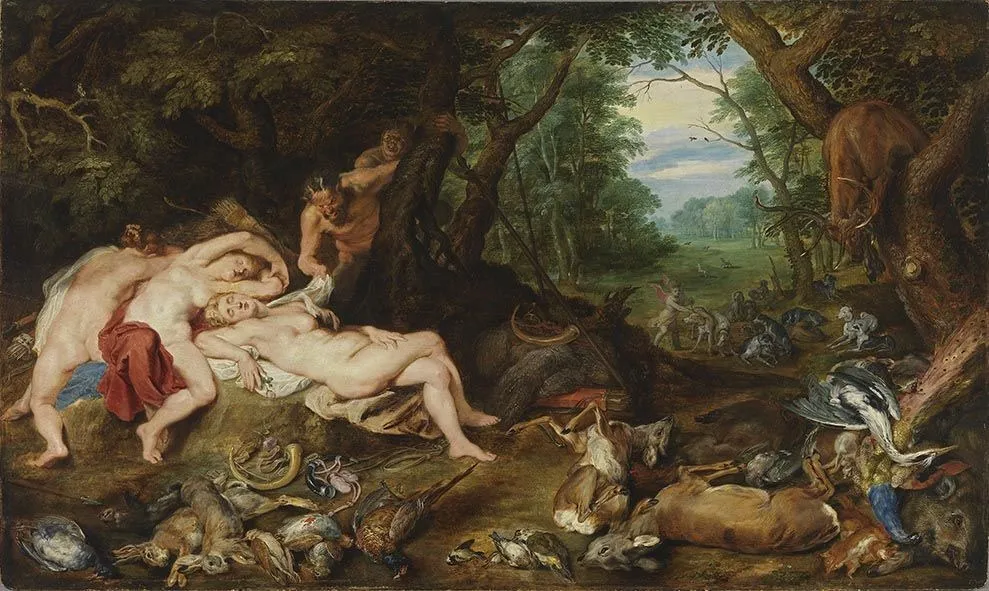
Diana and the sleeping nymphs is an oil painting by the Flemish Baroque painting artist Jan Brueghel, the elder. It dates from 1598 and is held in the collection of the Bavarian State Painting Collections.
About this work
Subject & Meaning
Diana and the Sleeping Nymphs is a mythological painting by Jan Brueghel the Elder, executed in 1596 in oil on an oak panel.
Diana and the Sleeping Nymphs is a mythological painting by Jan Brueghel the Elder, executed in 1596 in oil on an oak panel. The work depicts the Roman goddess Diana, surrounded by her nymphs in a state of slumber. The scene draws on the classical mythological tradition of Diana as chaste huntress and leader of a woodland retinue, with the sleeping nymphs introducing a quiet, intimate register typical of Brueghel's small-scale cabinet pictures.
As a mythological subject, the composition functions both as an elegant evocation of antique lore and as a vehicle for the painter's celebrated treatment of flesh, drapery, and landscape, aligning the work with the late sixteenth-century revival of Ovidian themes in Flemish art.
Technique & Style
Jan Brueghel the Elder executed Diana and the sleeping nymphs in oil paint on an oak panel. The artwork measures 66 by 110 centimeters and was created in 1596. Stylistically, the painting belongs to the mythological genre, depicting the goddess Diana.
The production involved Brueghel's studio as well as Peter Paul Rubens, indicating a collaborative handling of the medium.
History & Provenance
Created in 1596, the oil painting Diana and the sleeping nymphs was executed by Jan Brueghel the Elder, with attribution to his studio and the involvement of Peter Paul Rubens. The work was originally part of the collection belonging to Johann Wilhelm von der Pfalz, which formed the core of the Electoral Gallery in Dusseldorf. It is currently held by the Bavarian State Painting Collections at the Alte Pinakothek.
The painting is executed in oil on oak panel and depicts the mythological figure Diana alongside sleeping nymphs.
Jan Brueghel the Elder's painting Diana and the sleeping nymphs, created in 1596, is held by the Bavarian State Painting Collections. It is part of the Johann Wilhelm von der Pfalz collection and is displayed at the Alte Pinakothek in Munich. The work is cataloged within the historical Electoral Gallery Dusseldorf holdings.
No specific inventory or accession number is provided in the available records. The provided sources do not document a specific exhibition history for this artwork.
Overview
Jan Brueghel the Elder painted Diana and the Sleeping Nymphs in 1598 using oil on canvas. The work presents a woodland tableau populated by nude figures, a sleeping woman, and a cluster of dead game. A deer is tethered to a tree while hunters and onlookers linger in the background, creating a juxtaposition of repose and the hunt.
Context
At the turn of the 17th century, Flemish painters increasingly blended genre scenes with classical narratives. Brueghel’s Diana and the Sleeping Nymphs reflects this trend, merging a hunting episode with a serene, almost pastoral atmosphere, and demonstrates the period’s fascination with the interplay of human activity and the natural world.
Artist & collection
Artist
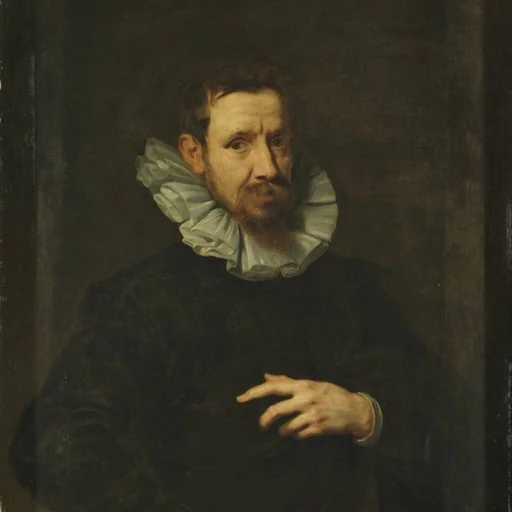
Jan Brueghel the Elder ( BROY-gəl, US also BROO-gəl; Dutch:; 1568 – 13 January 1625) was a Flemish painter and draughtsman.

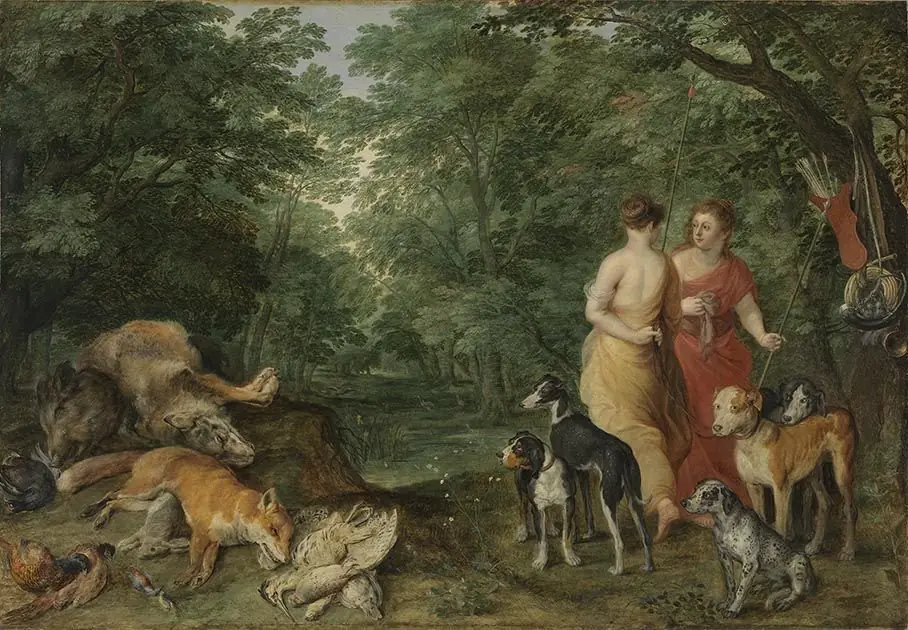 Two nymphs with hounds
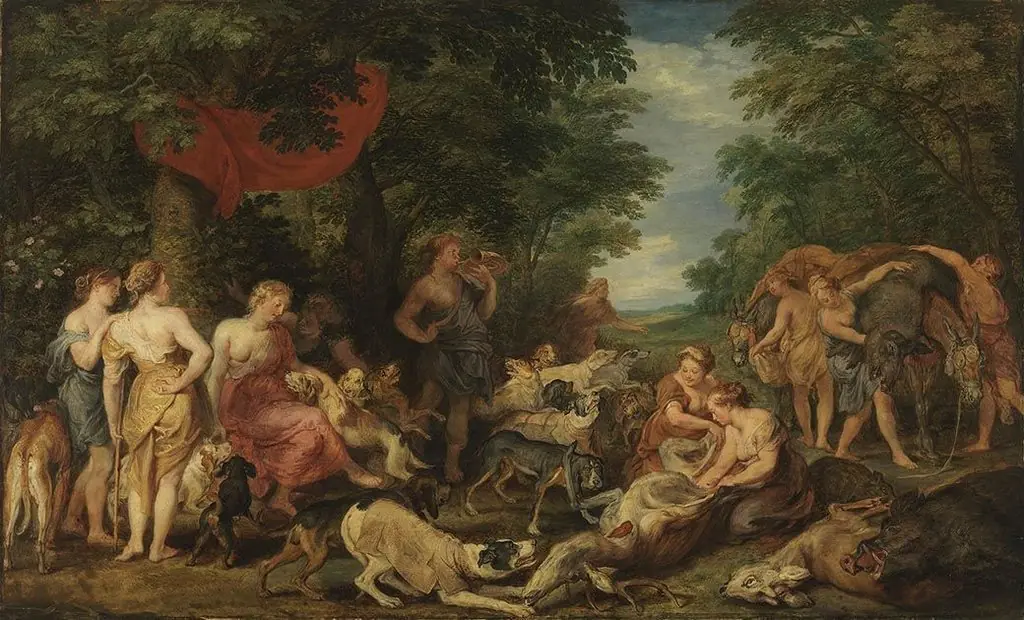 Rast der Diana nach der Jagd (Werkstatt) und Peter Paul Rubens
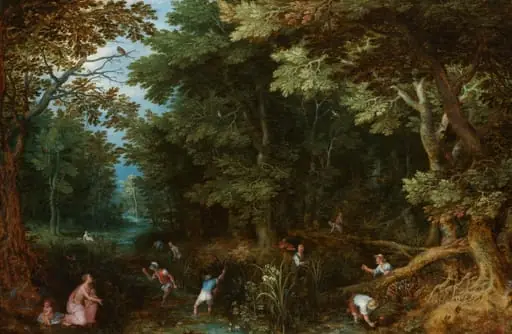
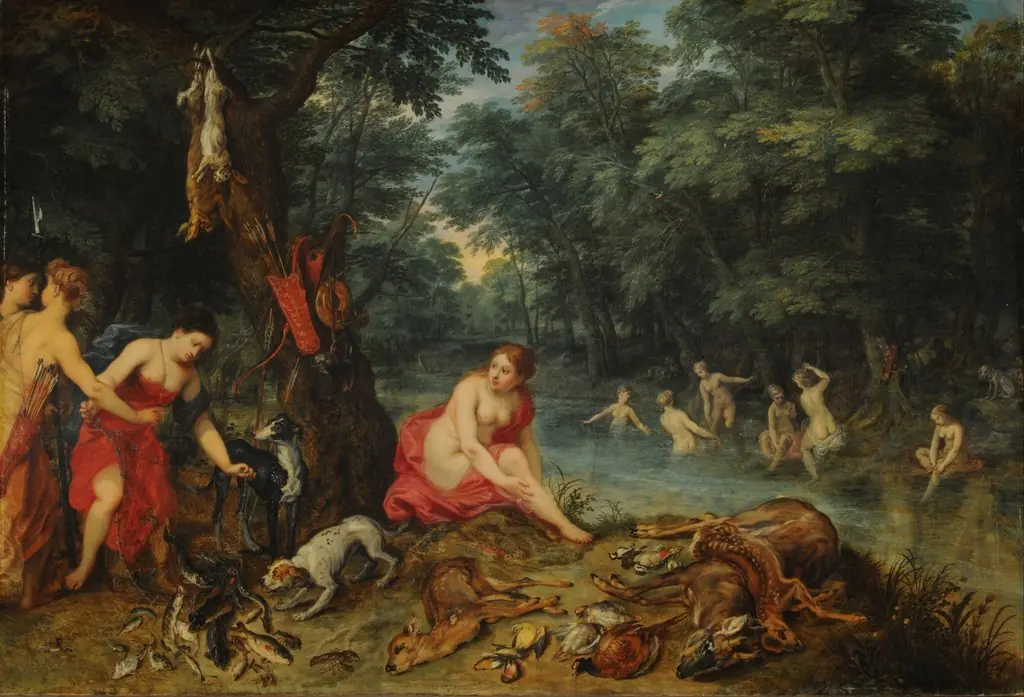 Nymphs bathing
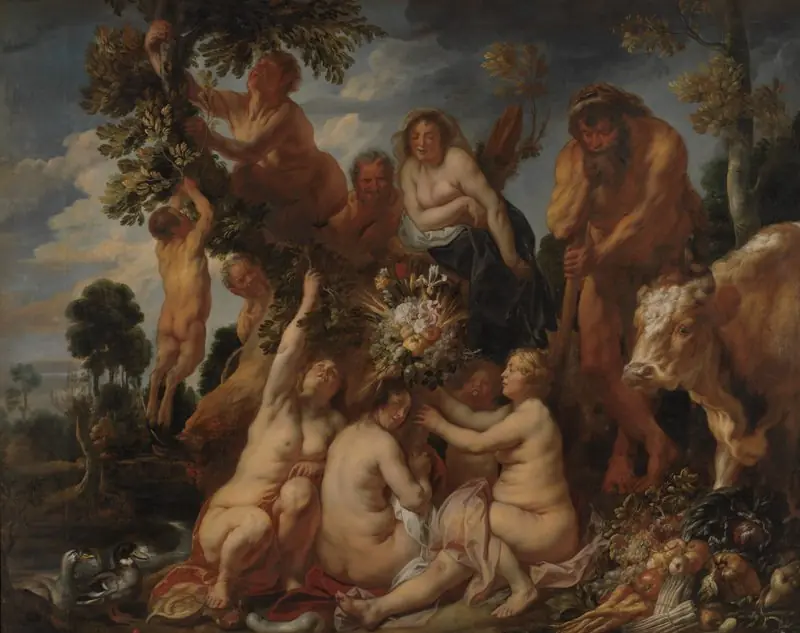 Achelous Defeated by Hercules. The Origin of the Cornucopia. (Allegory of Fruitfulness)
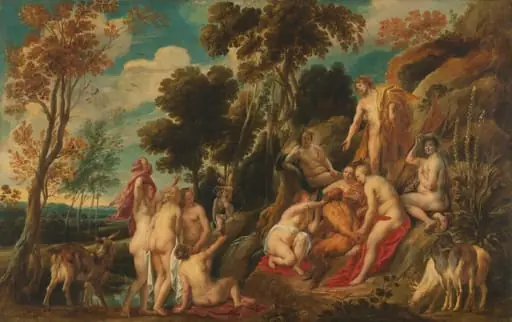 Untitled
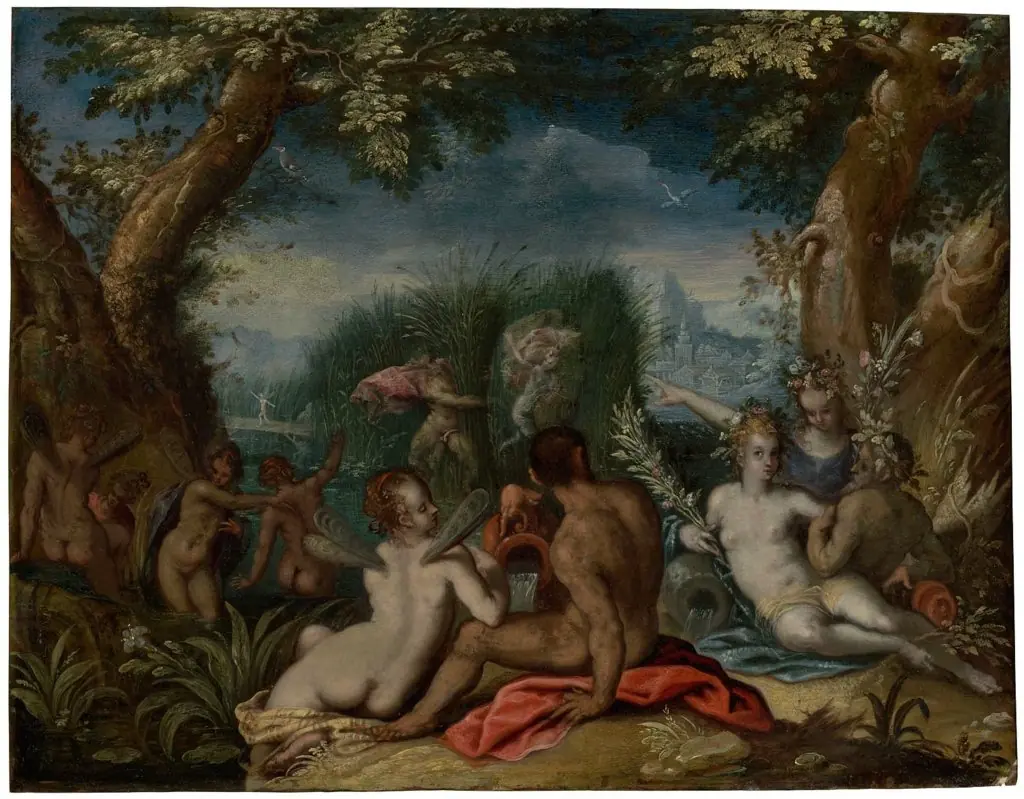 Pan and Syrinx with River Gods and Nymphs
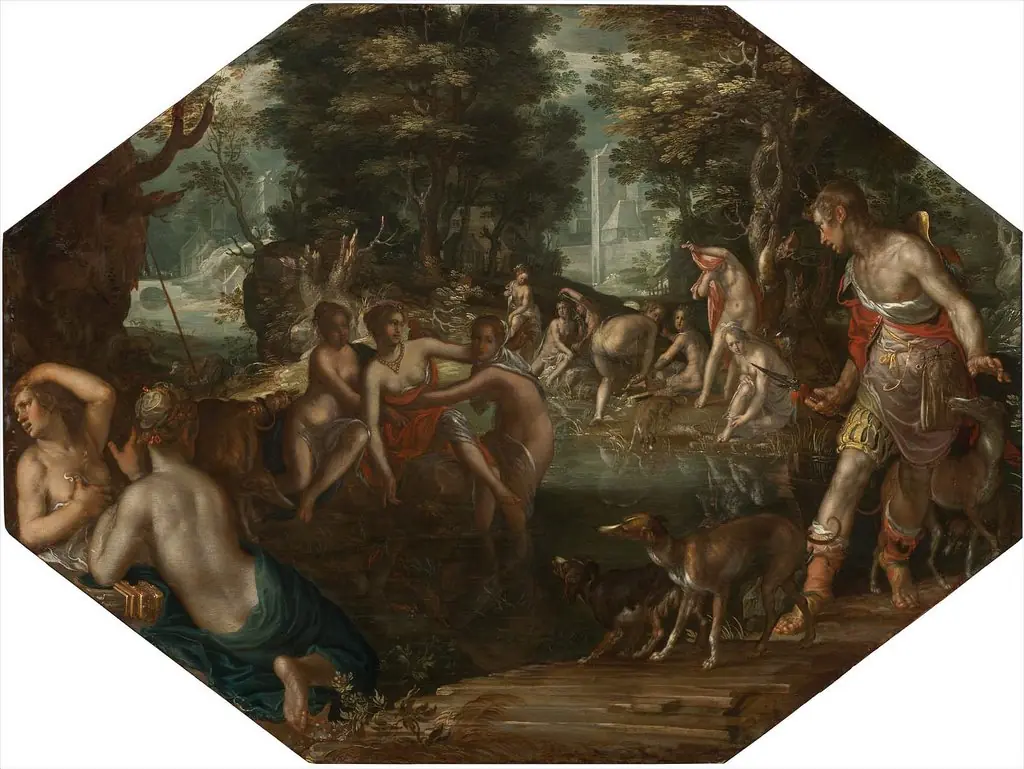 Actaeon Watching Diana and Her Nymphs Bathing
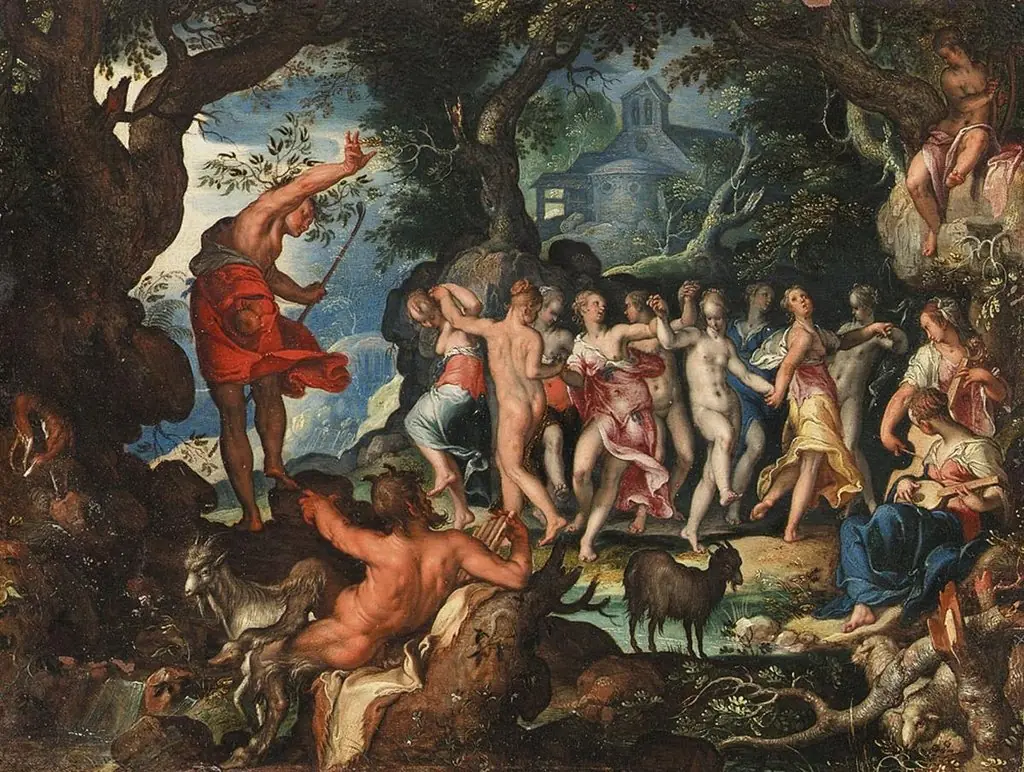 The Apulian Shepherd
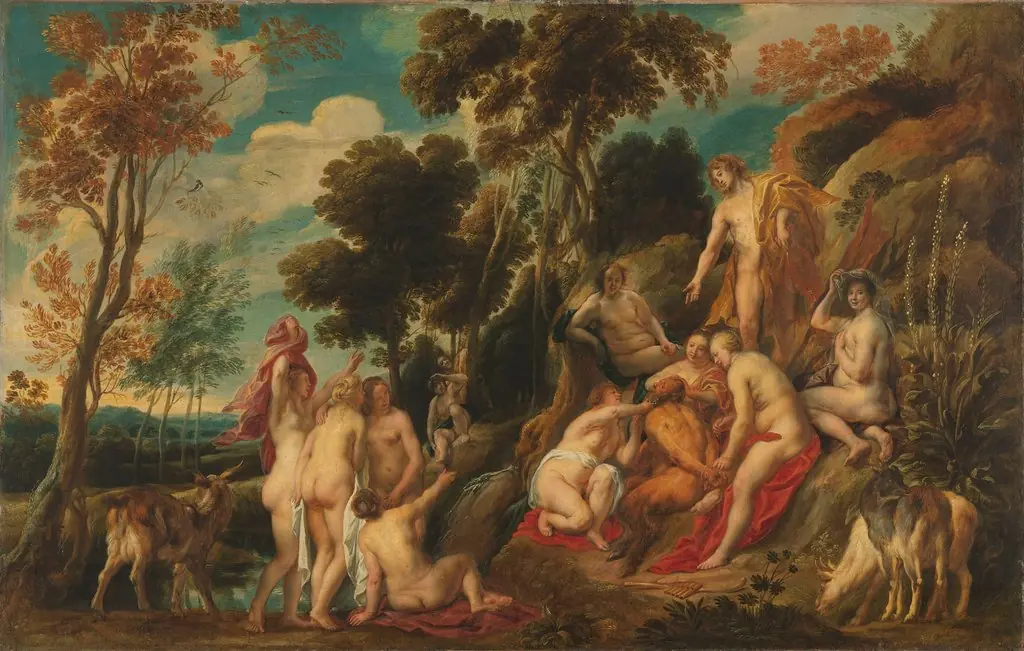 Marsyas punished by the Muses