Artwork
Cardinal Bernhardus Clesius
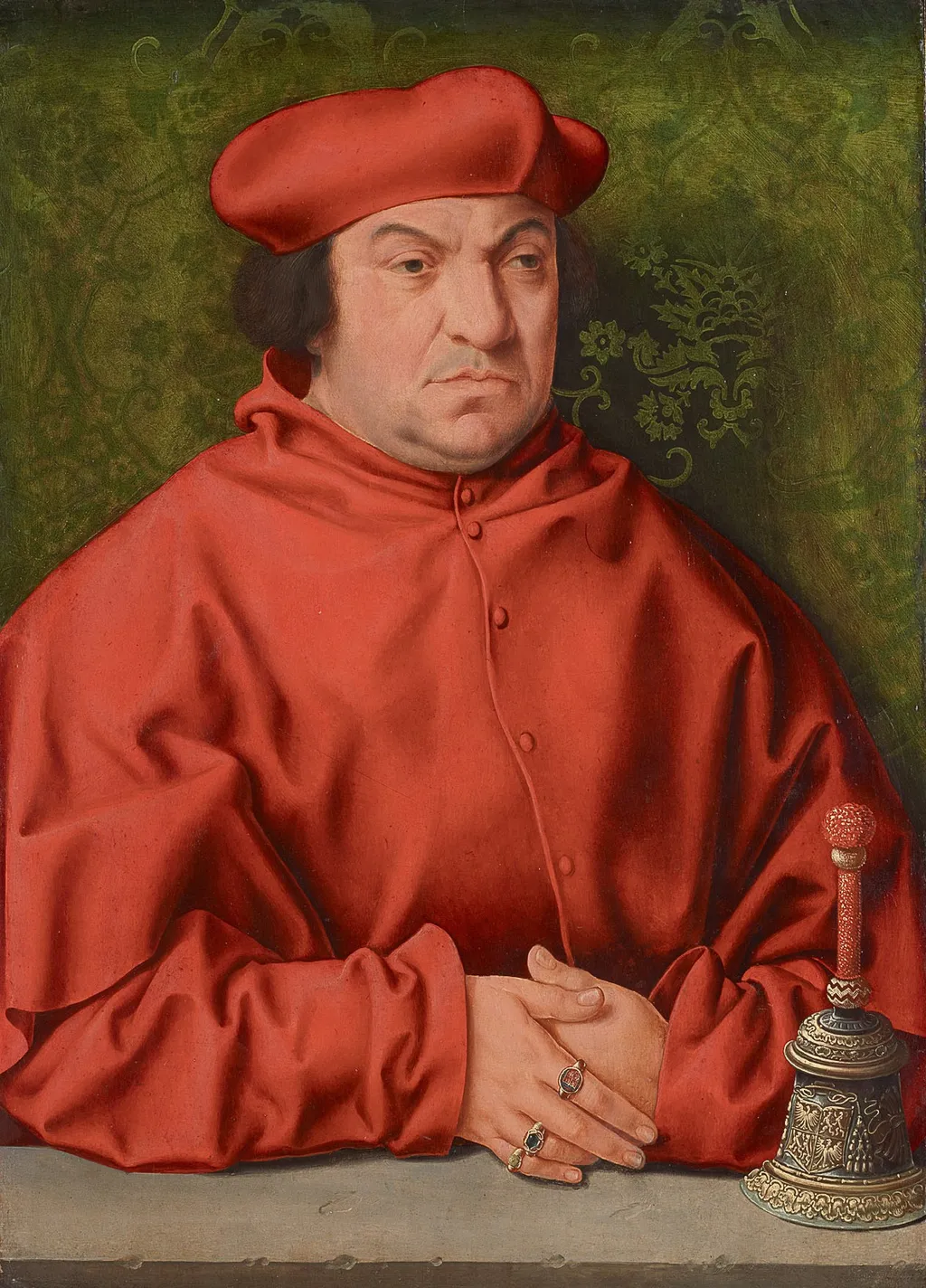
Cardinal Bernhardus Clesius is an oil painting by the Mannerist artist Bartholomaeus Bruyn the Elder. It dates from 1530 and is held in the collection of the Kunsthistorisches Museum.
About this work
Subject & Meaning
Its symbolism underscores the intersection of religious power and territorial governance in the Holy Roman Empire.
A portrait of Bernardo Clesio, a cardinal and key political figure in the Prince-Bishopric of Trento, reflects his ecclesiastical authority during the early Reformation era. The work, painted by Bartholomaeus Bruyn the Elder in 1530, employs conventional portraiture to convey status and dignity, aligning with Renaissance ideals of individual representation. Its symbolism underscores the intersection of religious power and territorial governance in the Holy Roman Empire.
Technique & Style
Executed in 1530, this portrait of Cardinal Bernhardus Clesius is an oil painting on a wooden panel. The work measures 62.8 cm in height and 44.7 cm in width. Created by Bartholomaeus Bruyn the Elder, the piece functions as a formal likeness of its subject, Bernardo Clesio.
The application of oil paint on panel was a standard medium for portraiture of this period, allowing for the detailed rendering of facial features and attire characteristic of the artist's approach.
History & Provenance
The portrait of Cardinal Bernhardus Clesius was created in 1530 by the artist Bartholomaeus Bruyn the Elder. Executed in oil paint on a panel measuring 62.8 cm by 44.7 cm, the work depicts the cardinal as its primary subject. The painting is currently held in the collection of the Kunsthistorisches Museum, where it remains located.
No further details regarding the specific commission, intermediate ownership history, or provenance chain prior to its museum acquisition are provided in the available records.
The portrait of Cardinal Bernhardus Clesius painted by Bartholomaeus Bruyn the Elder in 1530 is part of the Kunsthistorisches Museum's collection in Vienna and is catalogued under the accession number that corresponds to its entry in the museum's holdings. It has been exhibited in several shows focusing on Northern Renaissance portraiture, including a 2005 exhibition on Bruyn's work at the same institution.
Overview
Bartholomaeus Bruyn the Elder, a Cologne‑based painter of the early 16th century, executed an oil portrait in 1530 that presents the ecclesiastical figure Bernardo Clesio. The sitter is shown in a red hat and robe, seated at a table, his hands joined in a contemplative pose. A small, elaborately decorated bell rests on the tabletop, while a muted green backdrop frames the composition.
Context
During the early 1500s Cologne was a hub for religious portraiture, and Bruyn held a leading position among local artists. His work reflects the broader shift from the balanced compositions of the High Renaissance toward the more expressive, elongated forms that would define Mannerism, situating this portrait at a stylistic crossroads.
Artist & collection

Artist
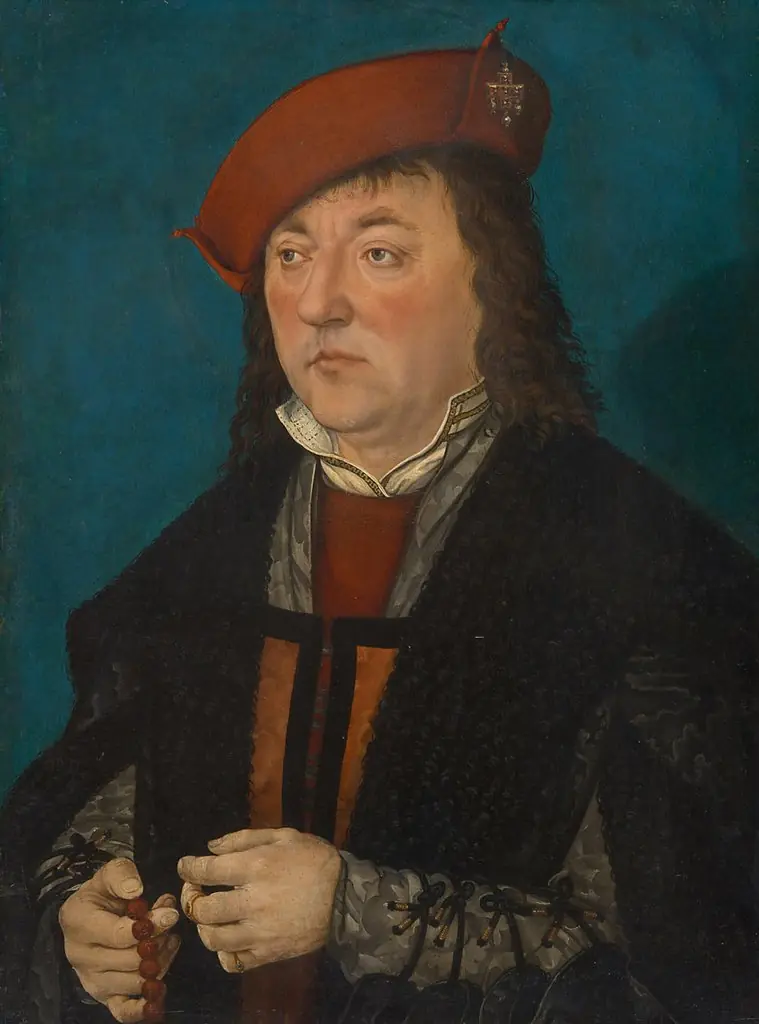
Bartholomäus Bruyn (1493–1555), usually called Barthel Bruyn or Barthel Bruyn the Elder, was a German Renaissance painter active in Cologne. He painted altarpieces and portraits, and was Cologne's foremost portrait painter of his day.

 Portrait of a Man
 Portrait of a Man
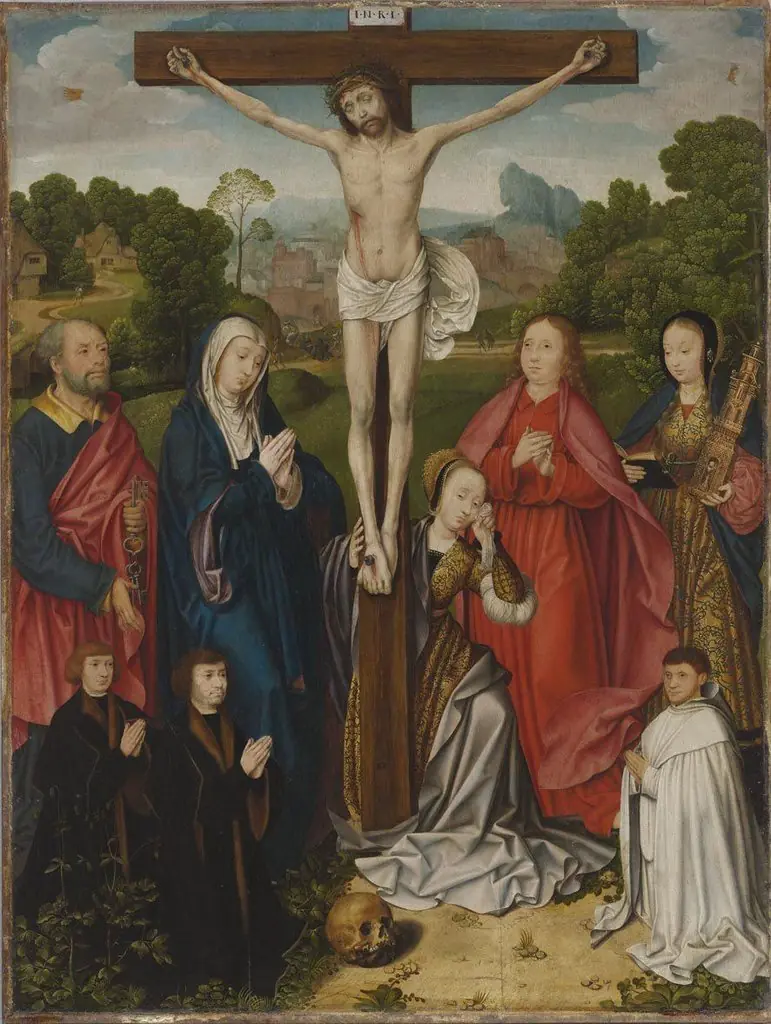 Christ on the cross with the saints Peter, Mary, Mary Magdalene, John the Evangelist and Barbara, with three donors
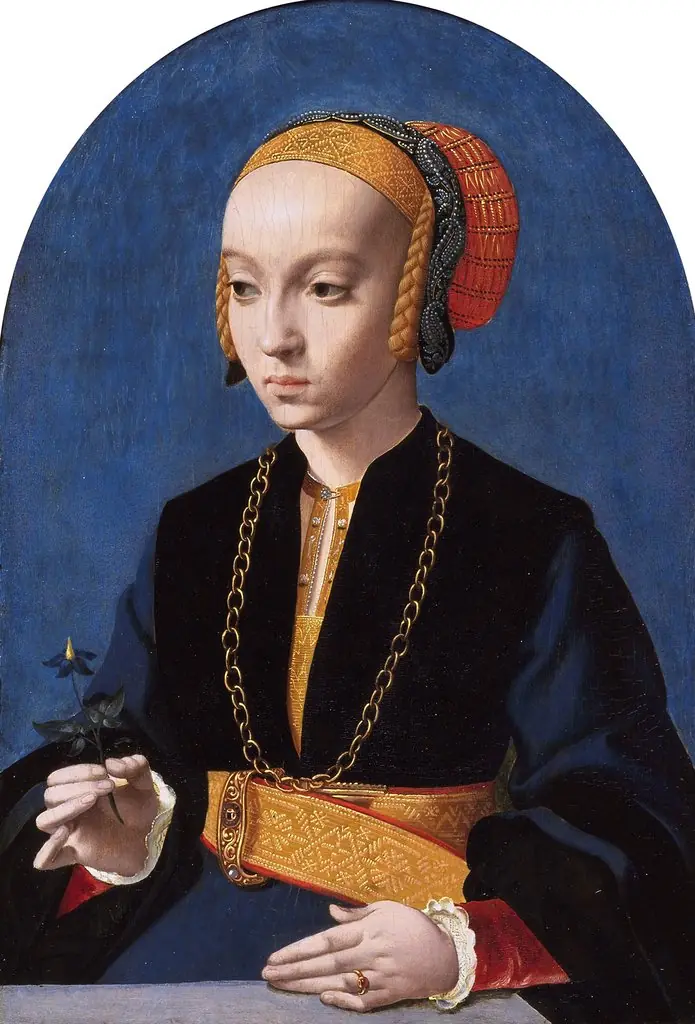 Portrait of Elisabeth Bellinghausen
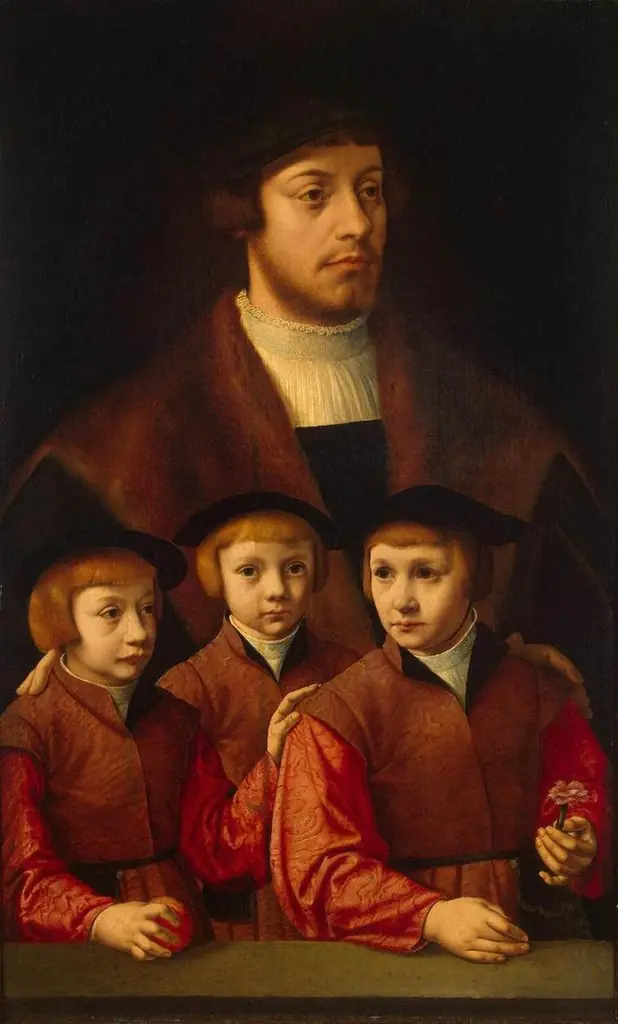 Portrait of a Man and His Three Sons
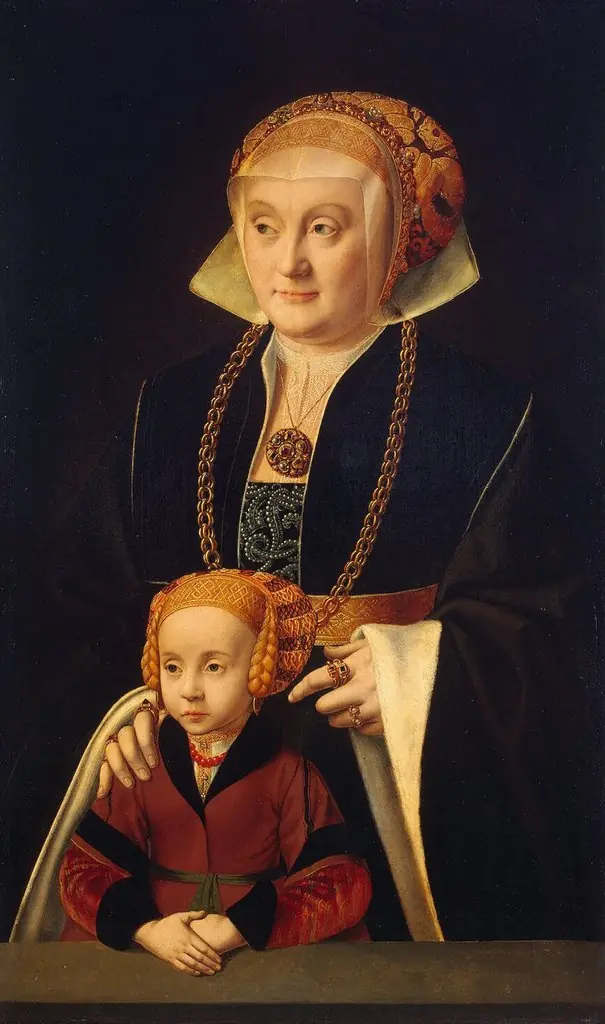 Portrait of a Lady and Her Daughter
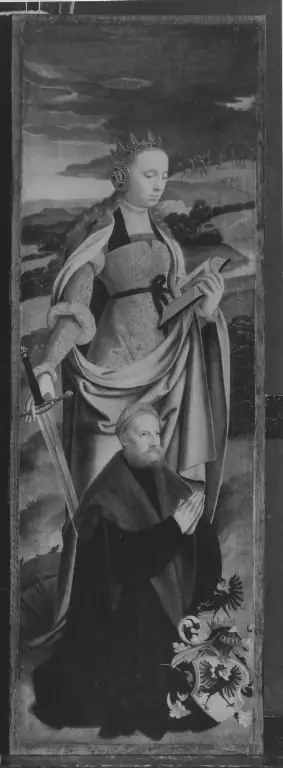 Rinck-Altar II:Saint Catherine with donor Hermann Rinck
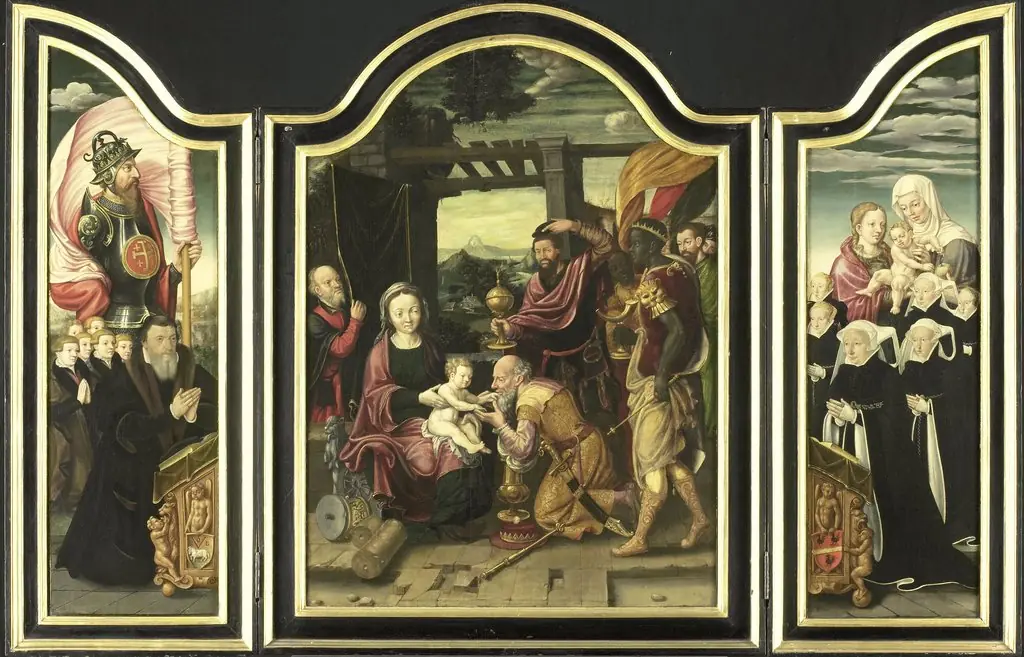 Triptych with the Adoration of the Magi
- Bildnis eines Mannes mit Rosenkranz
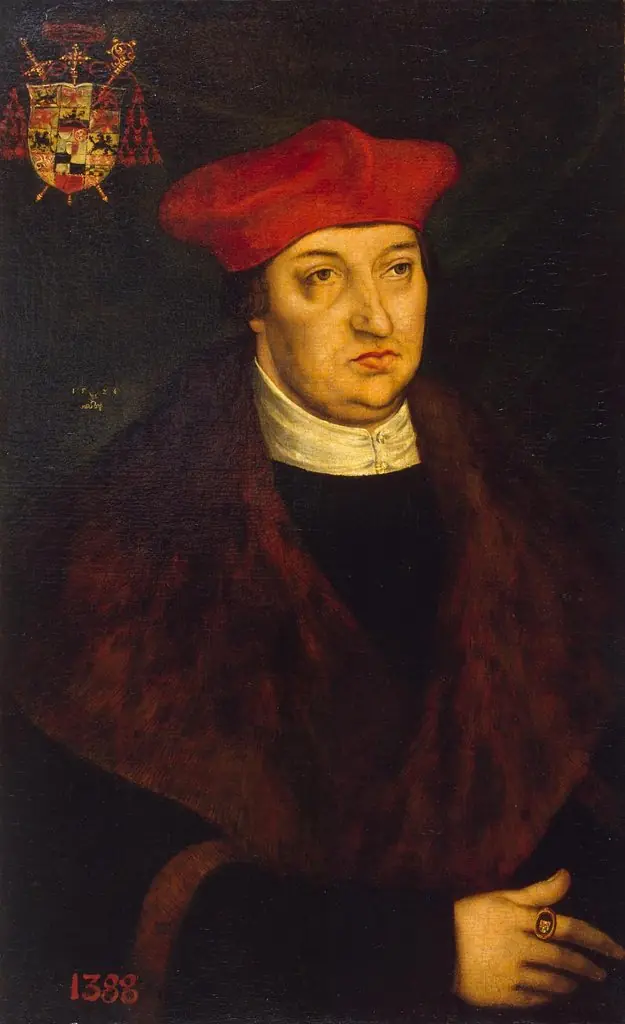 Portrait of Cardinal Albert of Brandenburg
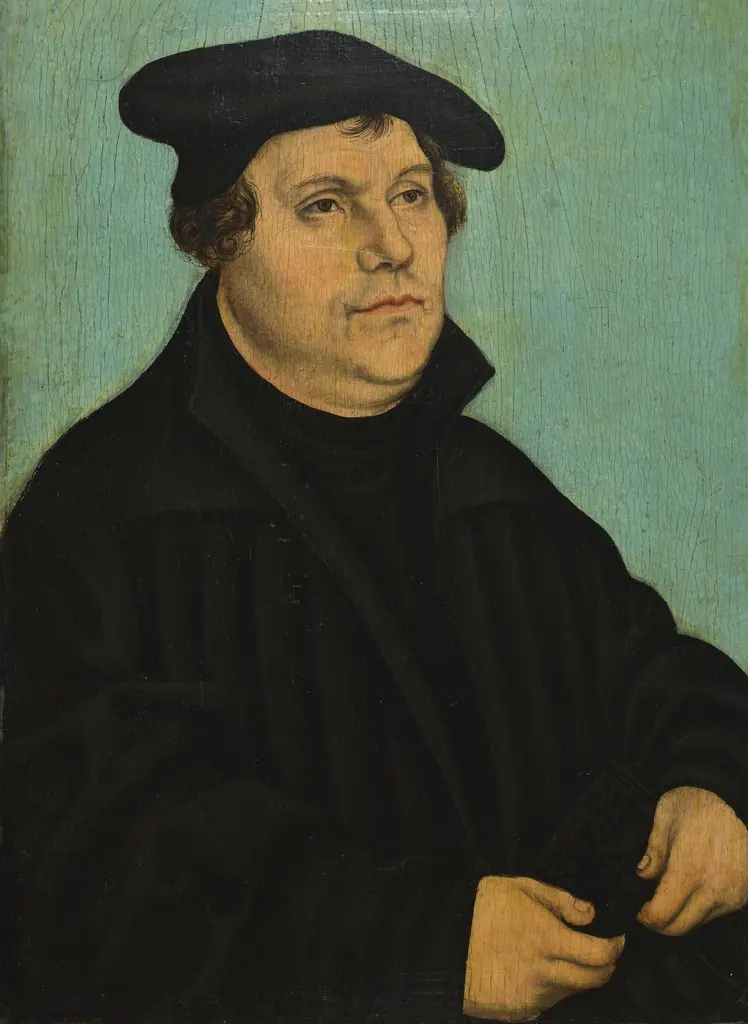 Portrait of Martin Luther
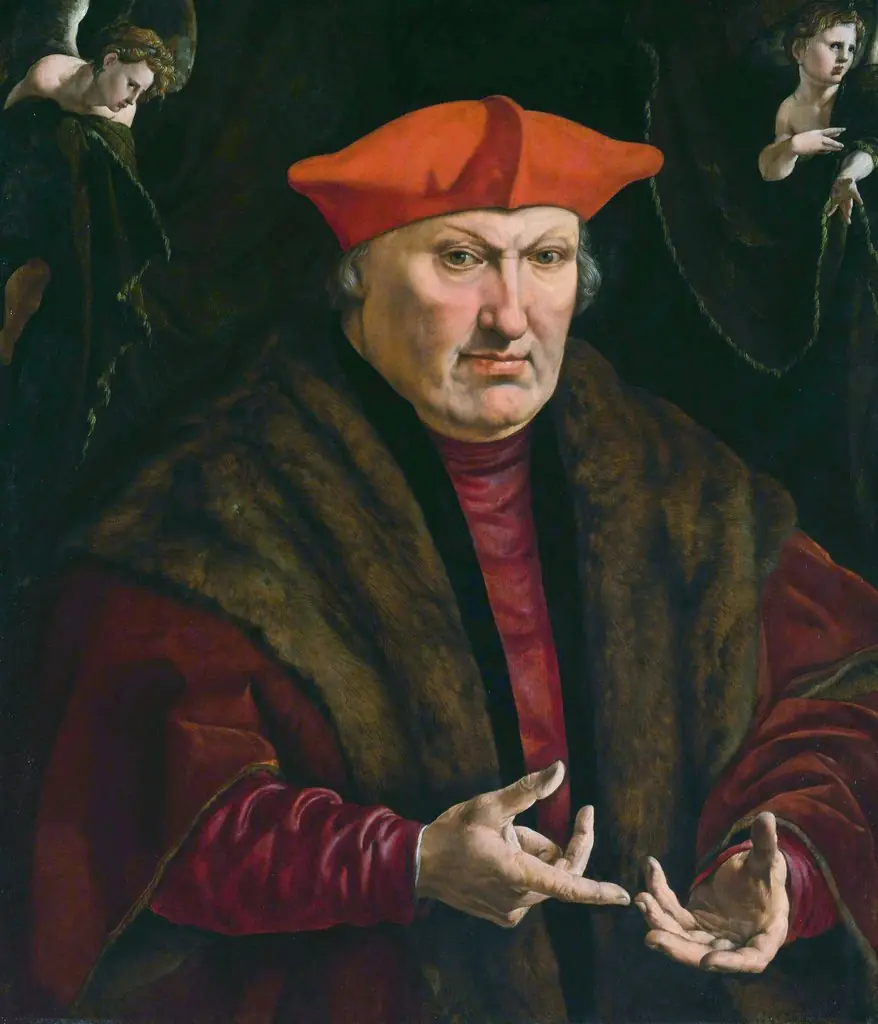 Portrait of Erard de la Marck
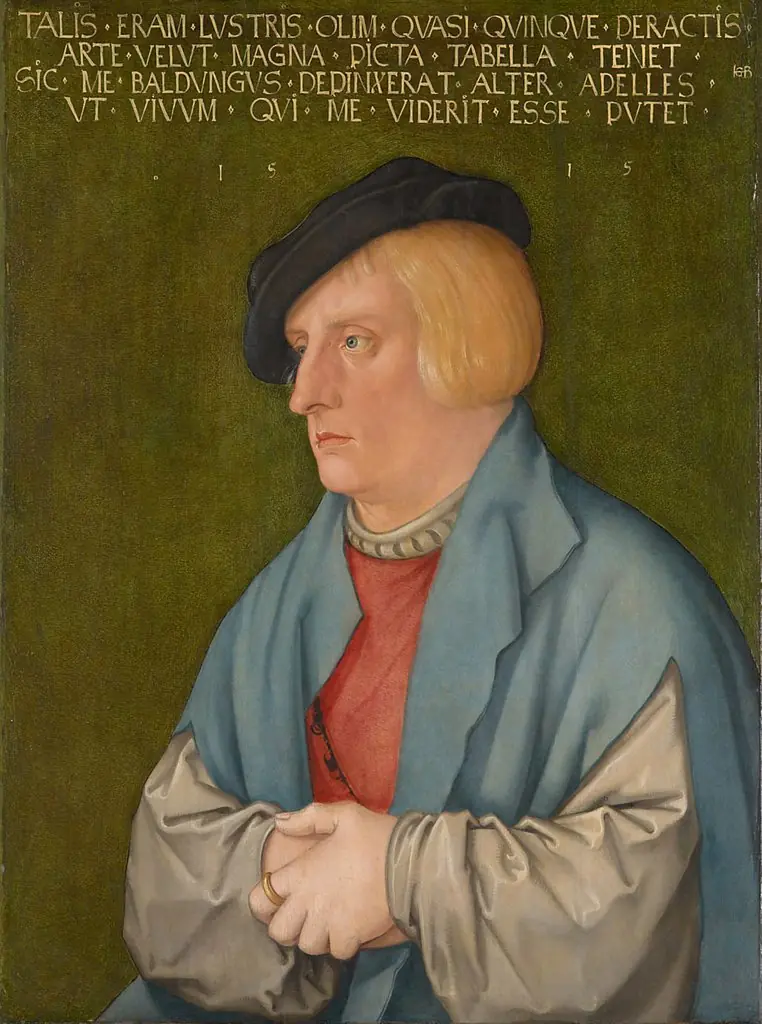 Portrait of a young man
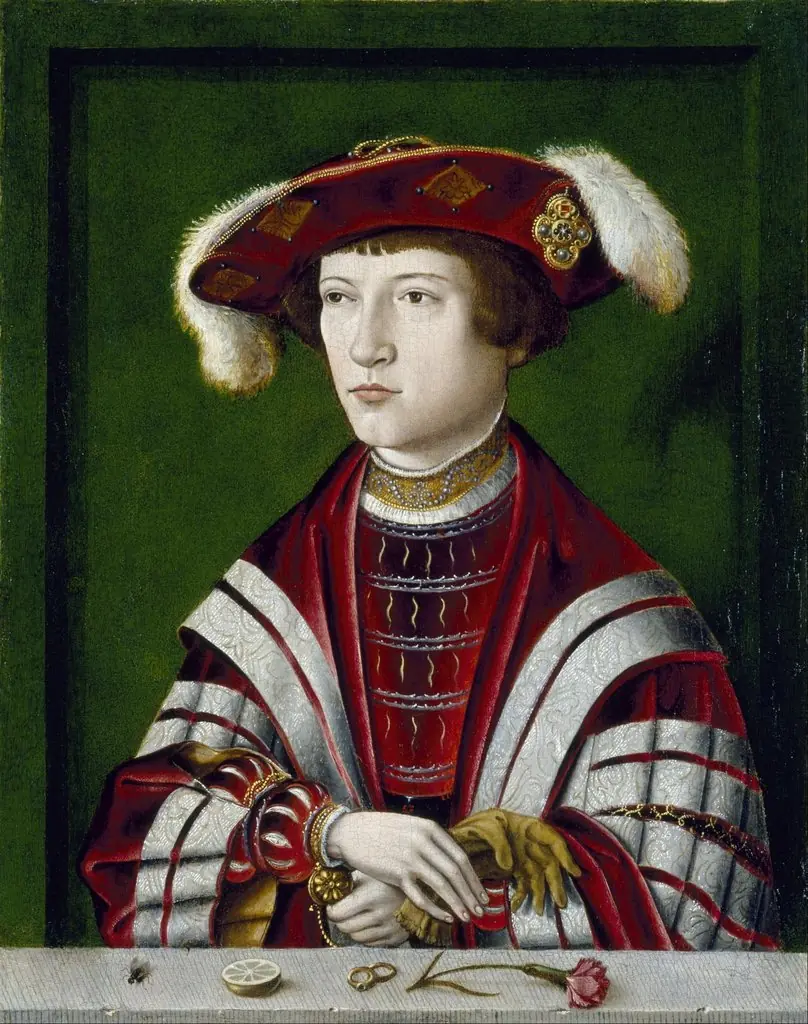 Portrait of a Nobleman
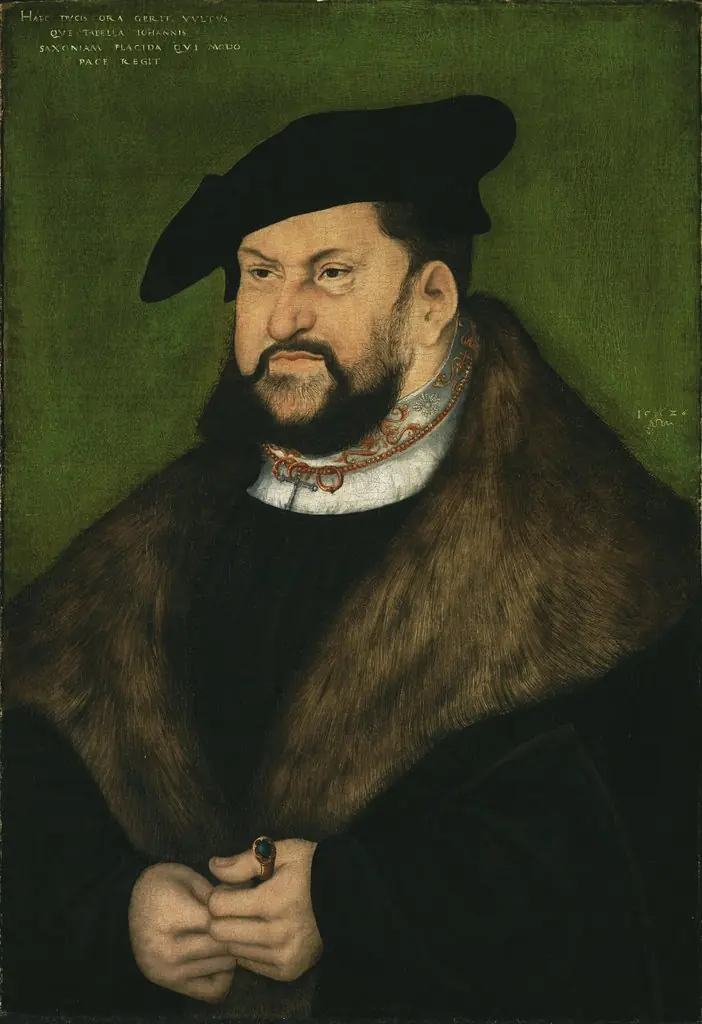 Portrait of Johannes the Steadfast, Elector of Saxony
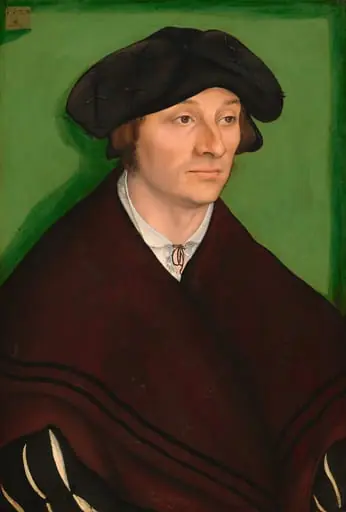 Portrait of a Man
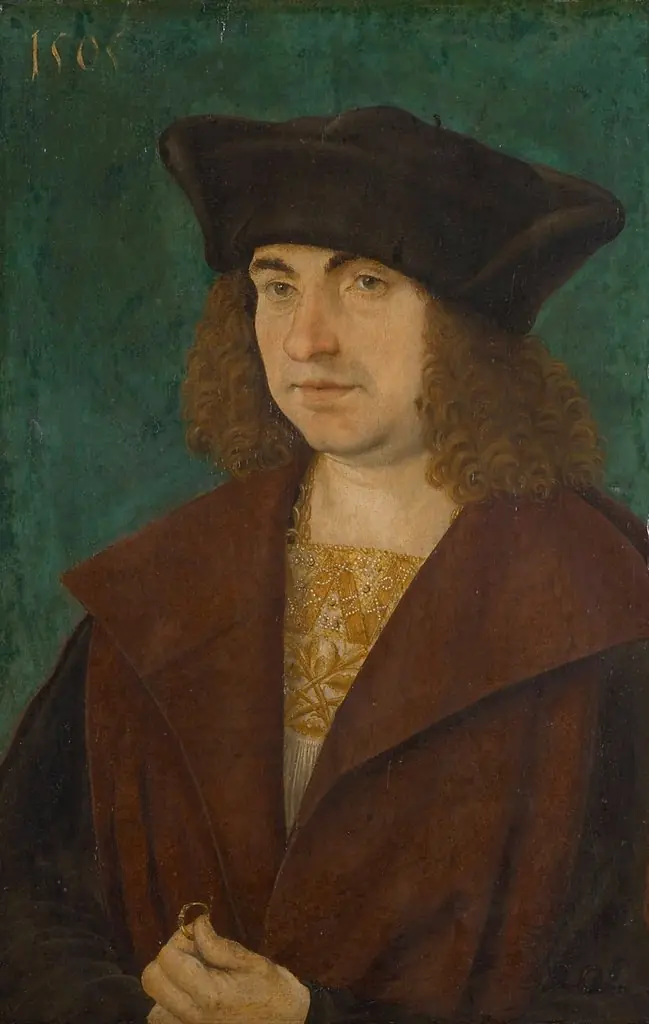 Portrait of a man with ring
![A Member of the de Hondecoeter Family [obverse], by Antwerp 16th Century](https://artifactworldgallery.com/img/antwerp-16th-century--a-member-of-the-de-hondecoeter-family-obverse--56718cc2d35bf2df-w320.webp) A Member of the de Hondecoeter Family [obverse]
A Member of the de Hondecoeter Family [obverse]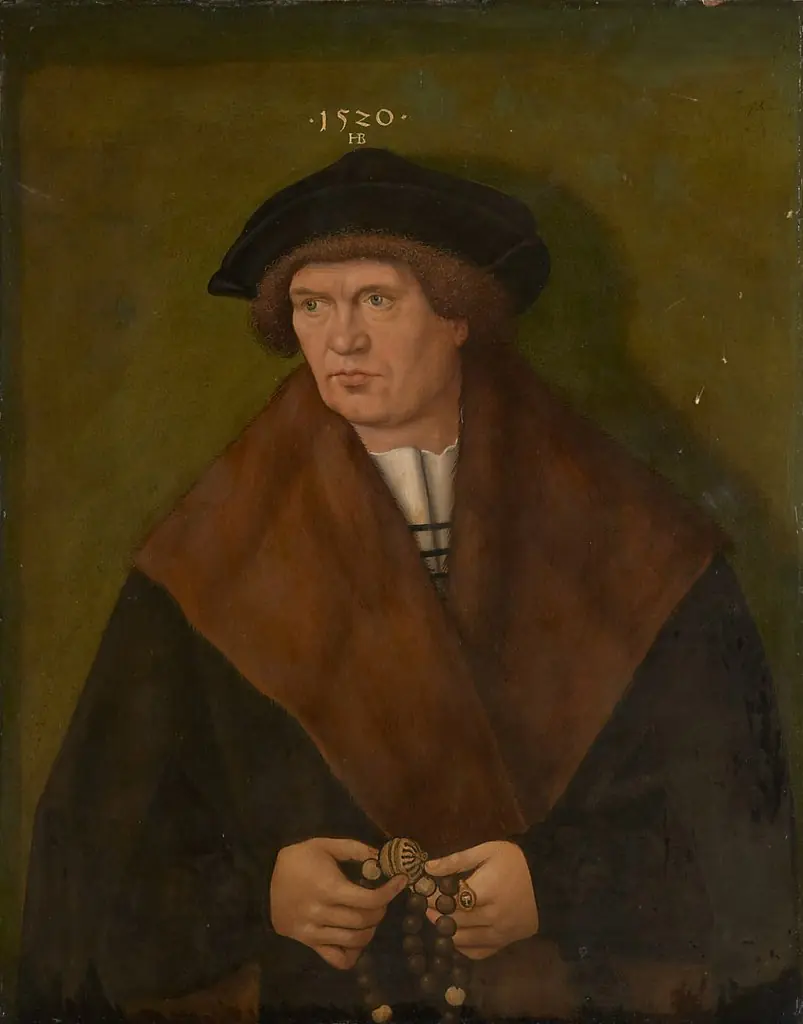 The Nuremberg dressmaker Hans Pirkel the Younger
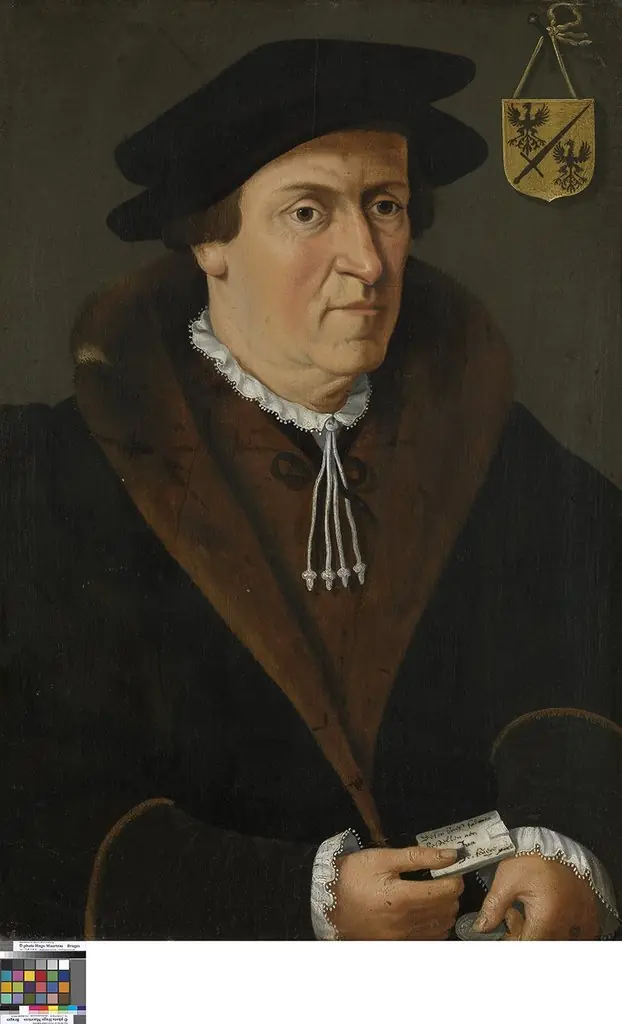 Portrait of Jan de Fevere