Artwork
Self-Portrait
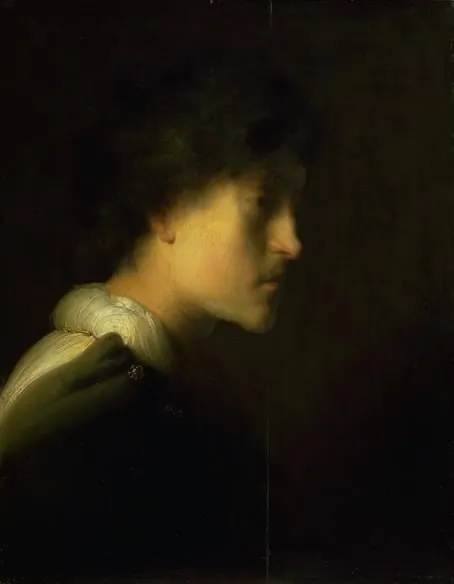
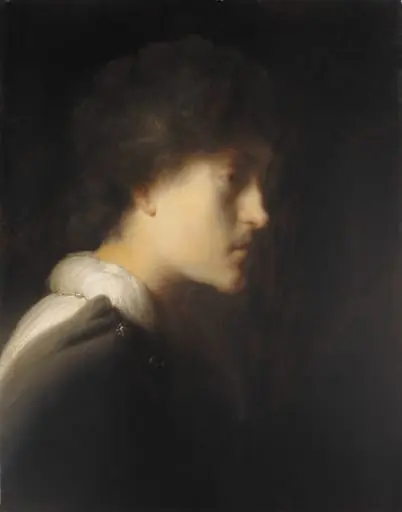
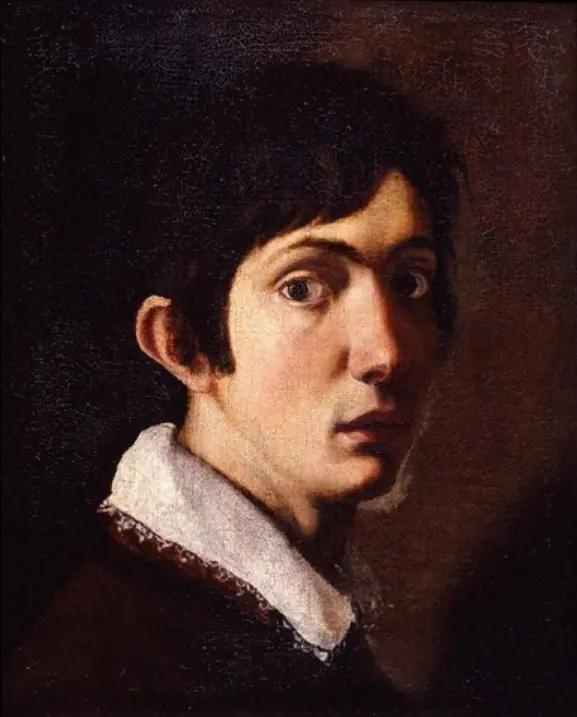
Self-Portrait is an oil painting by the Dutch Golden Age artist Jan Lievens. It dates from 1635 and is held in the collection of the Statens Museum for Kunst.
About this work
Technique & Style
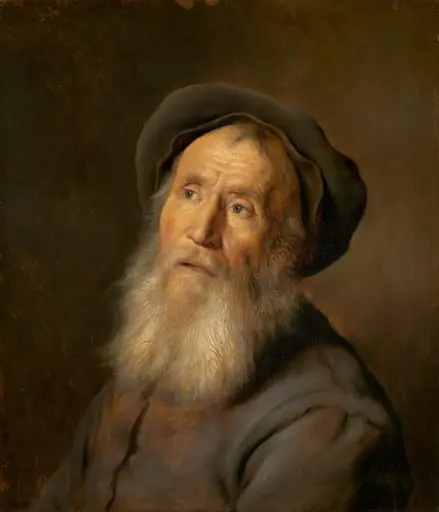
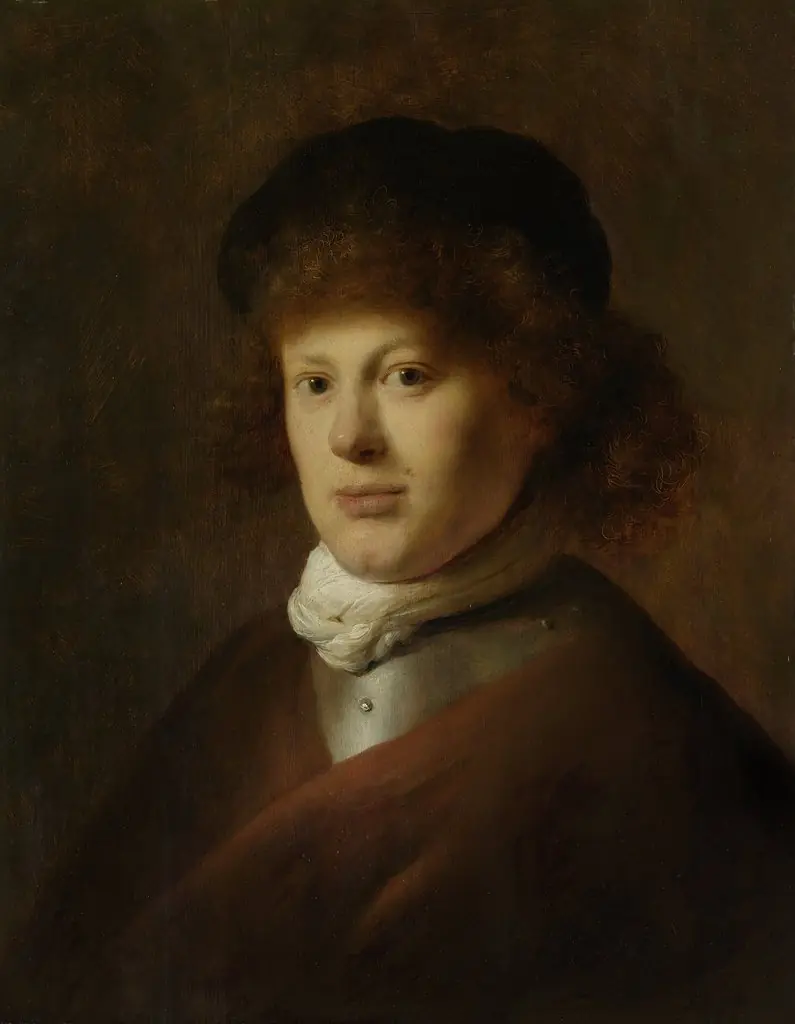
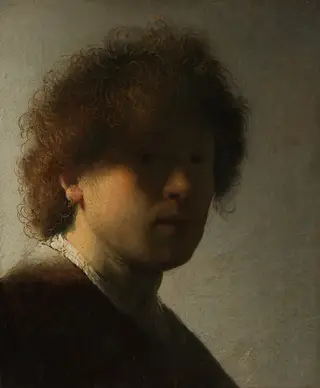
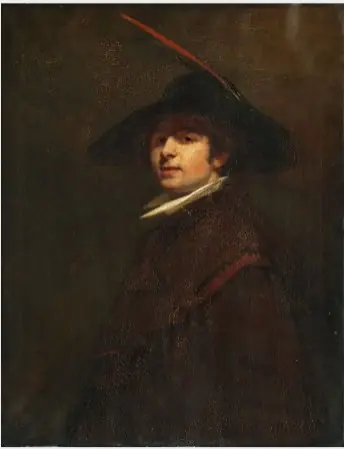
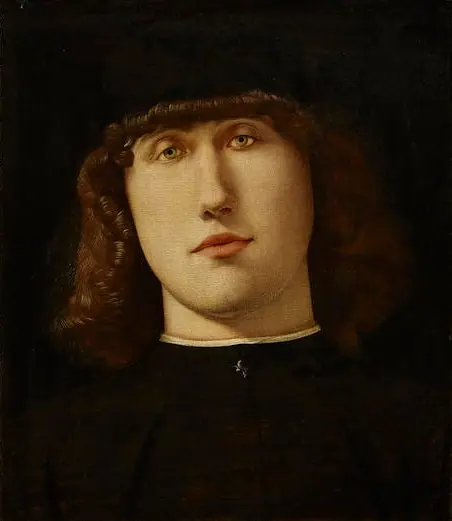
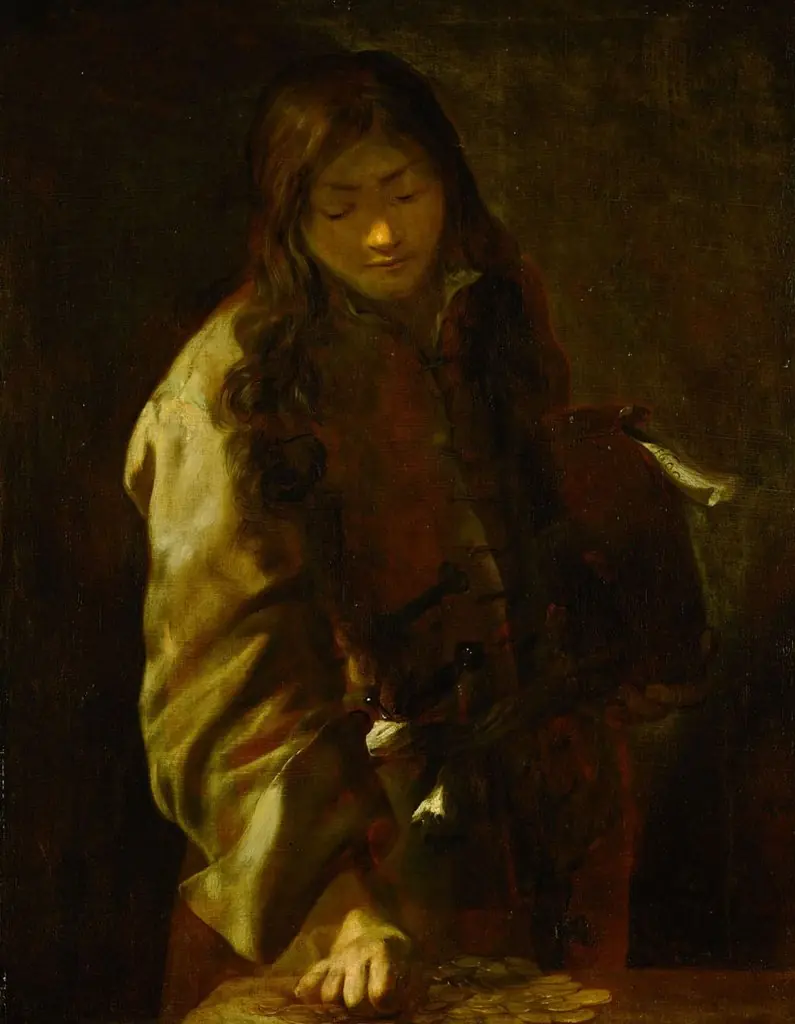
It depicts the artist in a three-quarter view, rendered with subtle gradations of light and shadow to model the facial features and suggest volume.
The painting is executed in oil on a wooden panel support, measuring 52 cm in height and 40.5 cm in width. It depicts the artist in a three-quarter view, rendered with subtle gradations of light and shadow to model the facial features and suggest volume. The handling emphasizes a restrained, naturalistic approach, with delicate transitions in tonality rather than pronounced brushwork.
The palette relies on earthy tones and subdued hues, focusing attention on the sitter’s expression and the careful depiction of textures, particularly in the costume and skin.
History & Provenance
Jan Lievens created the oil-on-panel self-portrait in 1635. The work depicts the artist and measures 52 cm in height by 40.5 cm in width. It is currently held in the collection of the Statens Museum for Kunst.
No specific details regarding the commission, original ownership, or the chain of custody prior to its current location are provided in the available records.
The Self-Portrait by Jan Lievens is held at Statens Museum for Kunst, with the inventory number listed under its accession details. It was created in 1635 using oil paint on panel and has been part of the museum's collection since its acquisition. The work has been featured in exhibitions focusing on Dutch Golden Age portraiture, though specific exhibition titles are not detailed in the source.
Context
Jan Lievens created a self-portrait in 1635, executed in oil paint on panel, which has been part of the collection at the Statens Museum for Kunst since its creation. The work, classified as a portrait and self-portrait, depicts the artist himself and measures 52 cm in height by 40.5 cm in width. It is recognized as a significant example within Lievens' oeuvre and early Dutch portraiture, reflecting his engagement with emerging genre conventions in 17th-century Dutch art.
Scholarship on this painting emphasizes its role in Lievens' exploration of identity and artistic persona, situating it within the broader context of Dutch Golden Age self-representation. Its formal qualities and psychological depth have been discussed in relation to Rembrandt's influence, though Lievens developed a distinct approach to portraiture that prefigured later developments in Dutch realism.
Overview
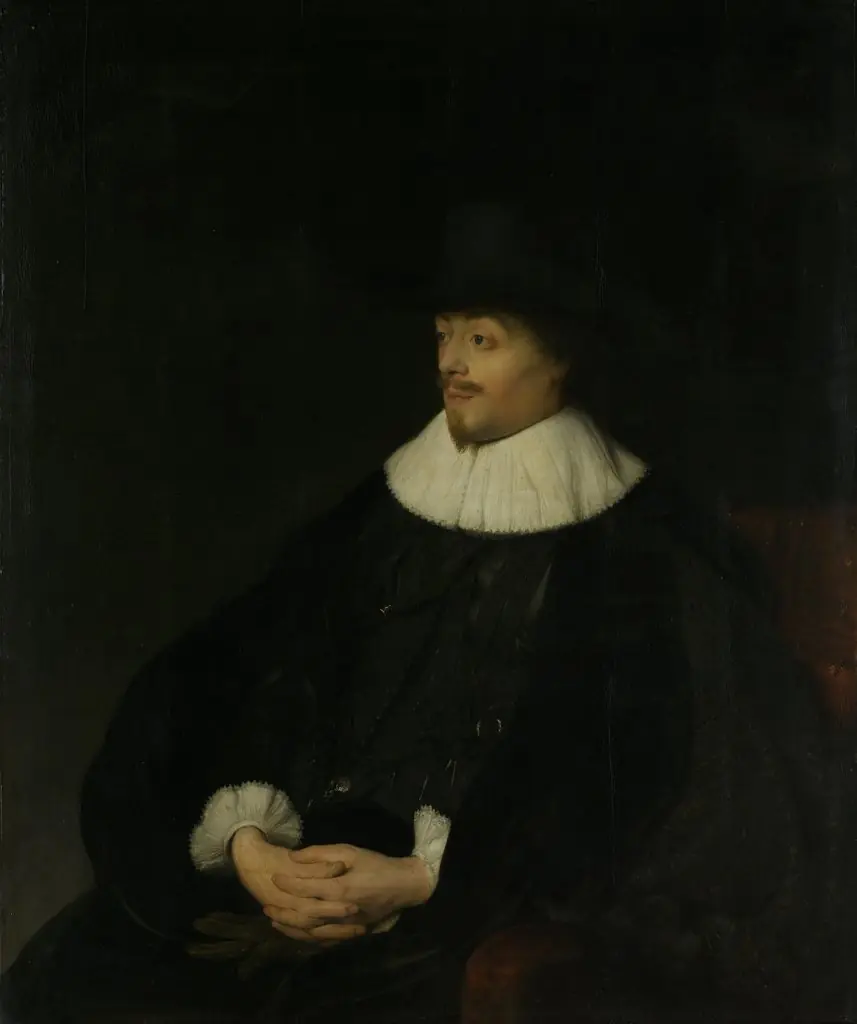
Jan Lievens, a Dutch painter born in Leiden in 1607, executed this oil‑on‑canvas self‑portrait in 1635. The work belongs to the Dutch Golden Age and is presently part of the collection of Statens Museum for Kunst in Copenhagen. It presents the artist in a half‑profile, illuminated from one side against a nearly black background.
Subject & Meaning
The portrait shows Lievens himself, his face split between light and shadow, suggesting a contemplation of identity and artistic introspection. The subdued attire, a dark collar with a slight hint of fabric at the shoulder, keeps the focus on the facial expression, emphasizing the painter’s personal presence rather than external status.
Artist & collection

Artist
Jan Lievens (24 October 1607 – 4 June 1674) was a Dutch Golden Age painter who was associated with his close contemporary Rembrandt, a year older, in the early parts of their careers.