Artwork
St John the Baptist Preaching in the Desert
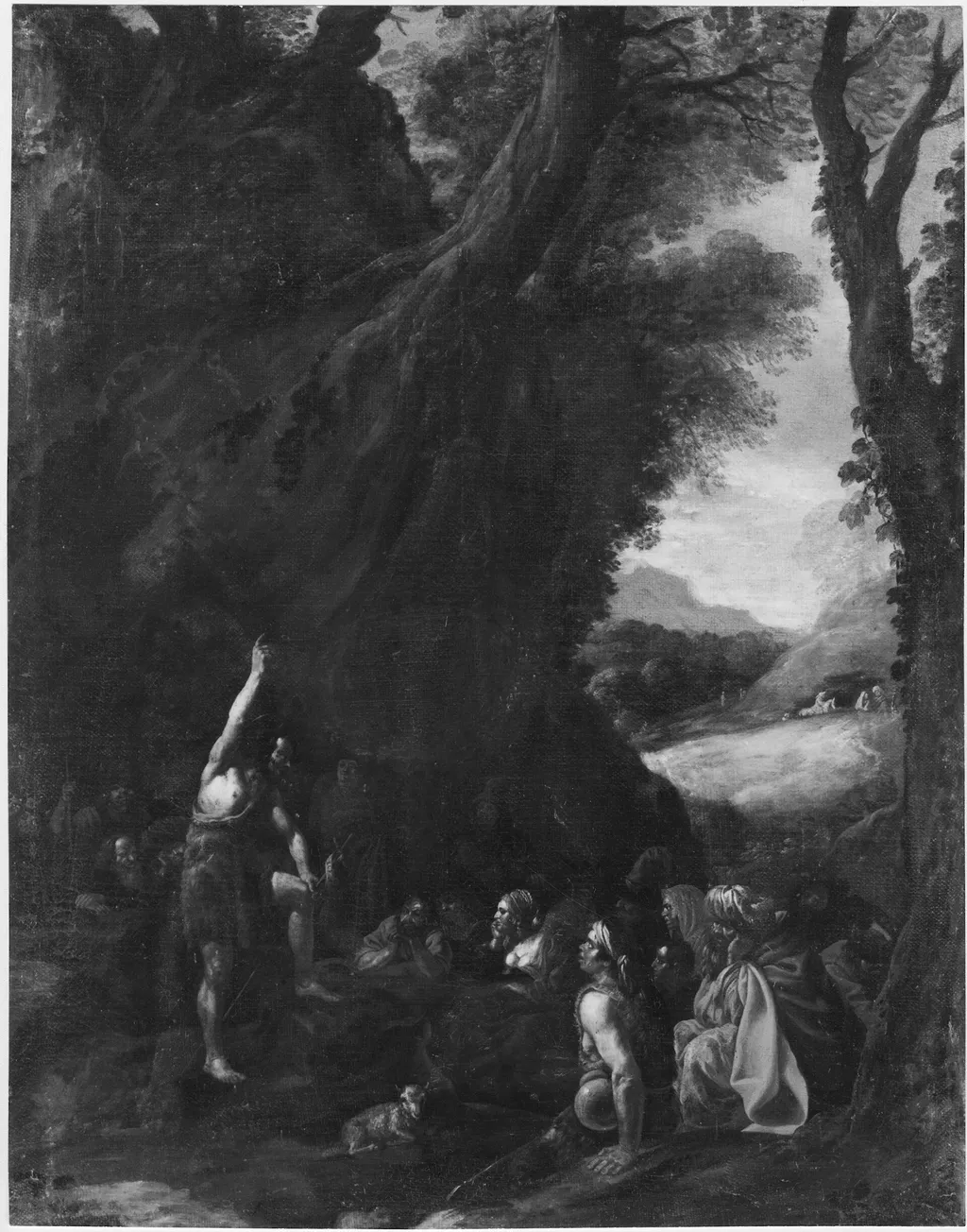
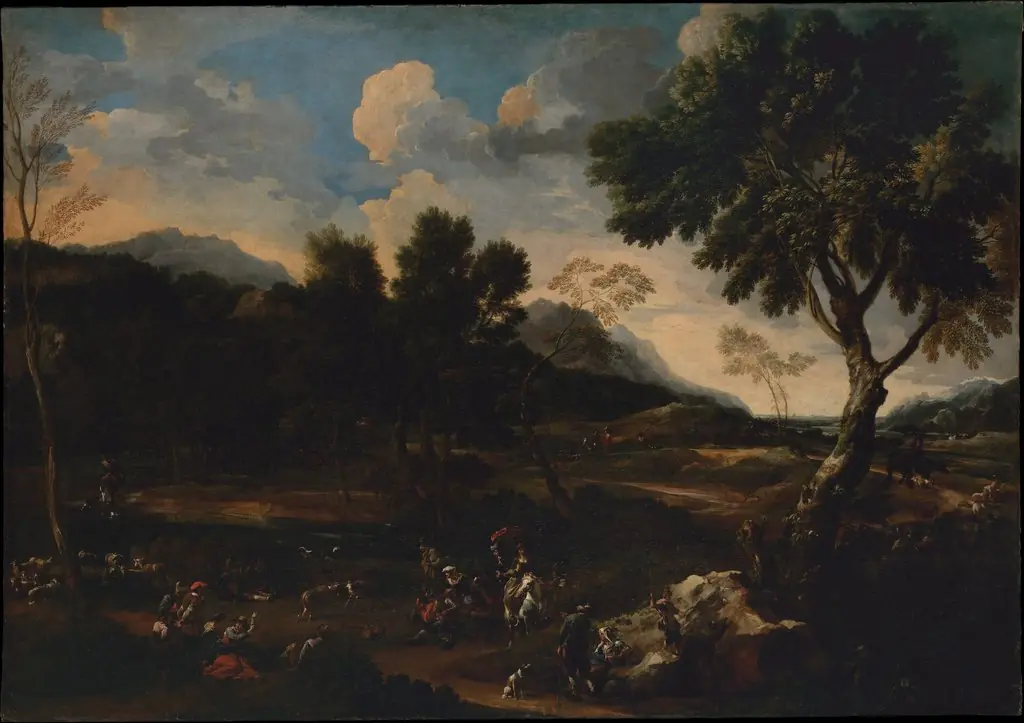
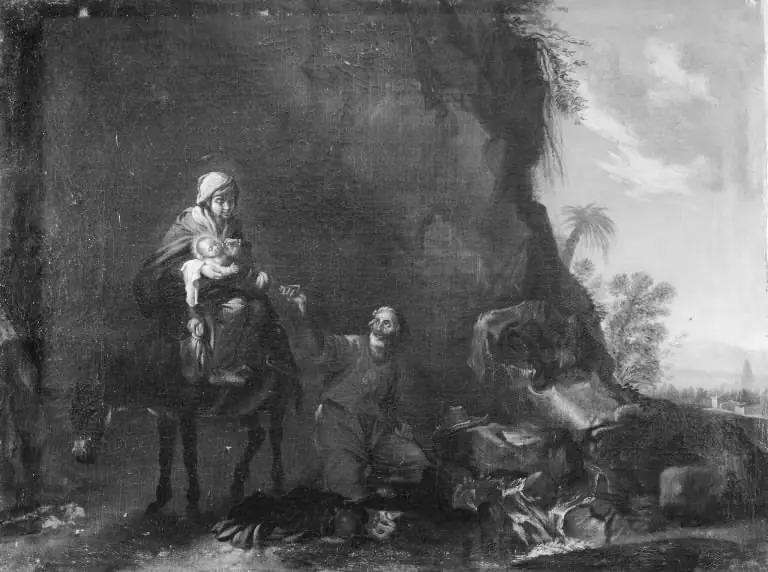
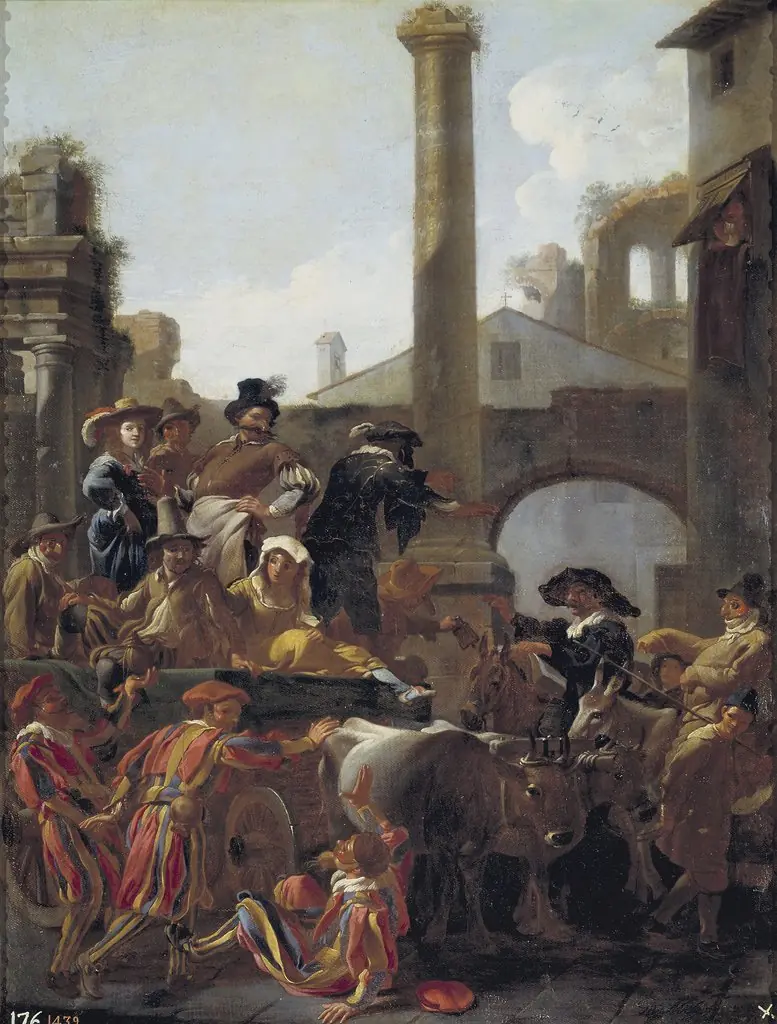
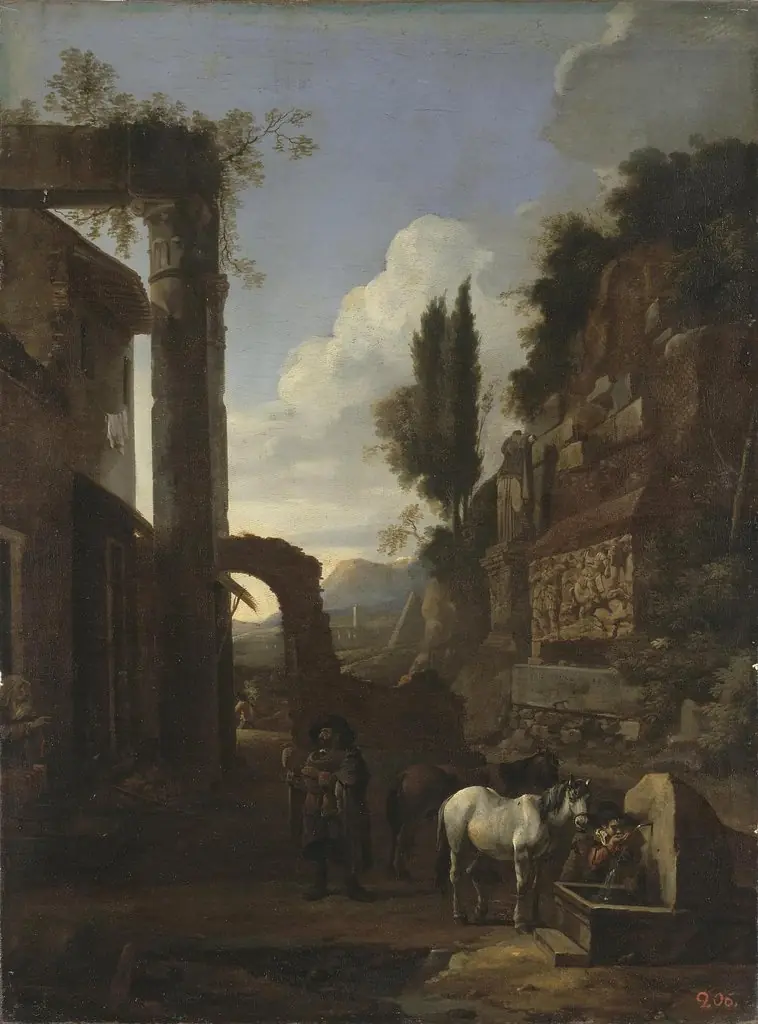
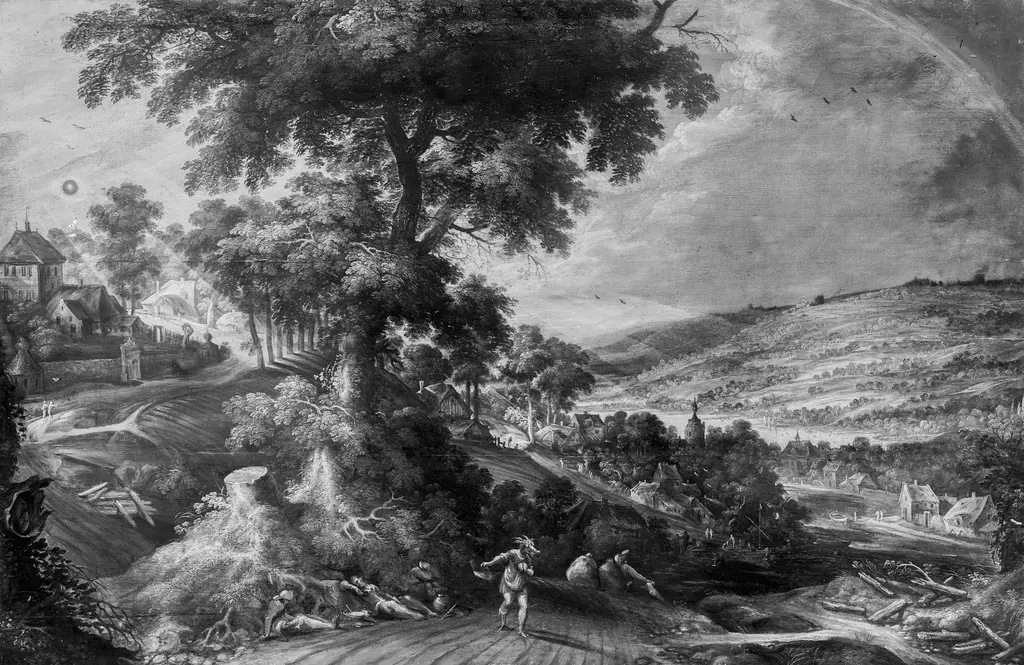
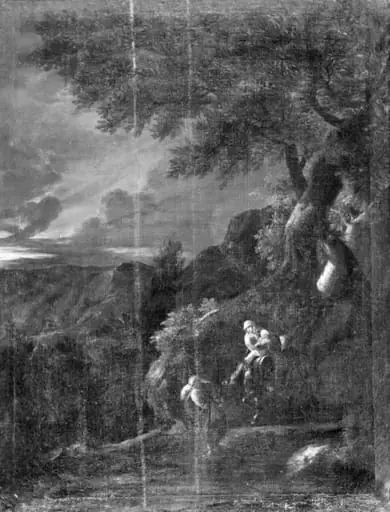
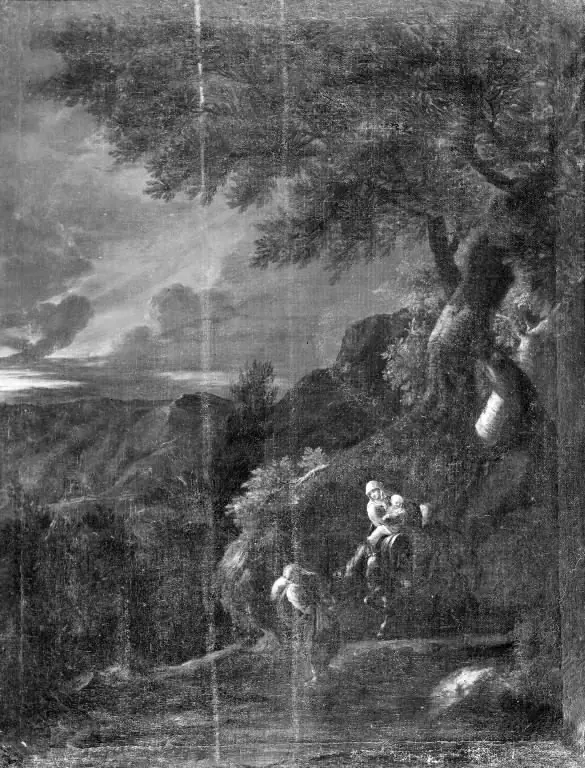
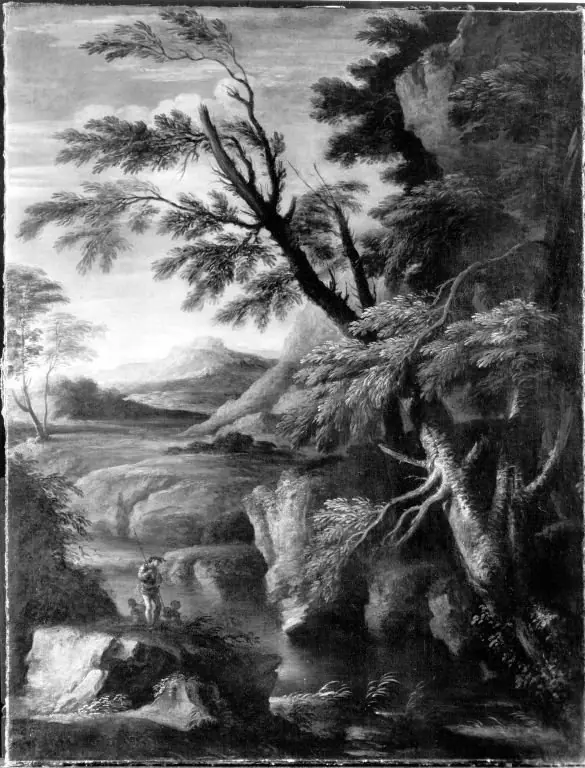
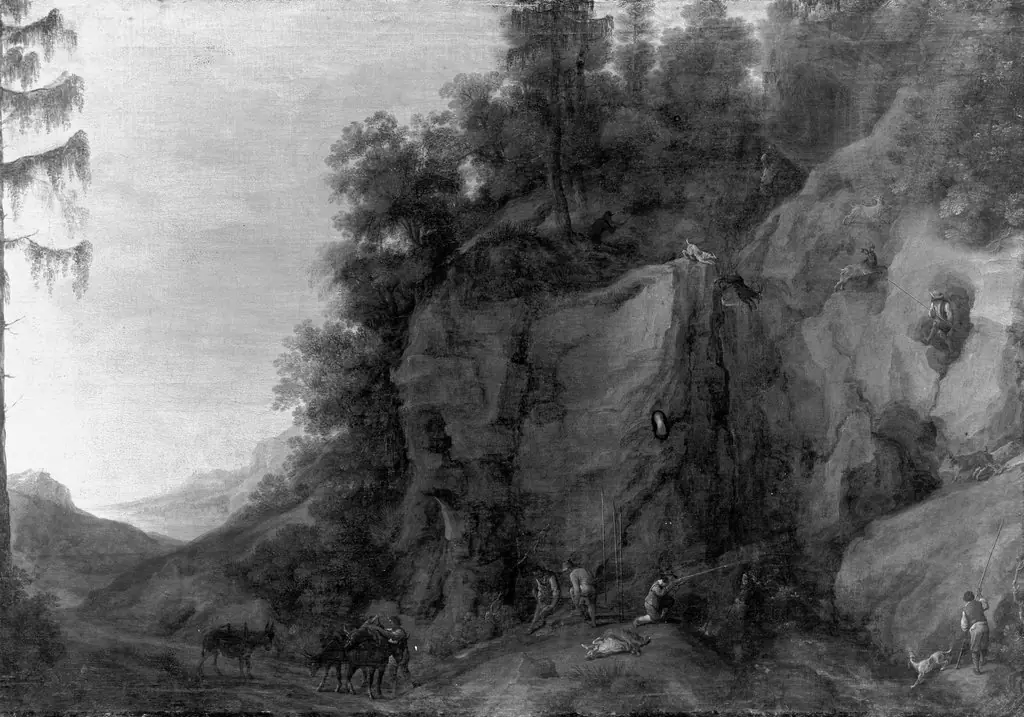
St John the Baptist Preaching in the Desert is an oil painting by the Caravaggisti artist Jan Miel. It dates from 1641 and is held in the collection of the Nationalmuseum.
About this work
Overview
Miel, initially associated with the Bamboccianti for their low-life genre scenes, turned toward religious and historical subjects in his mature work.
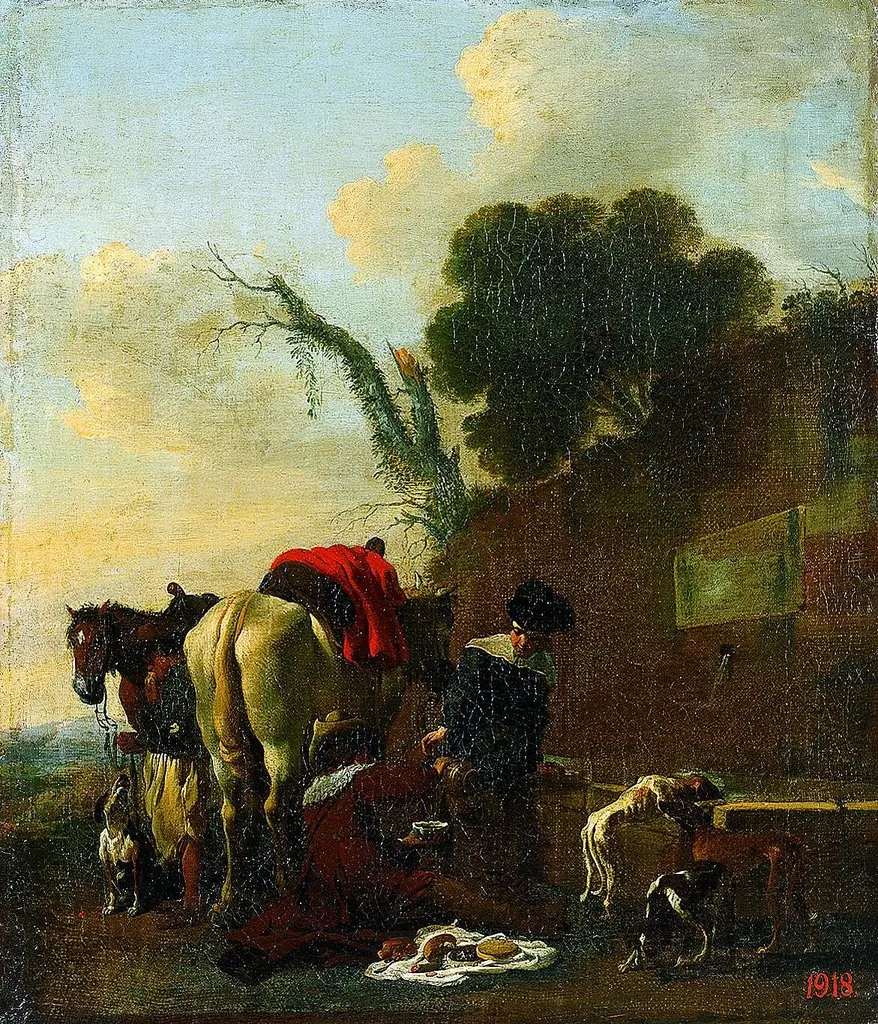
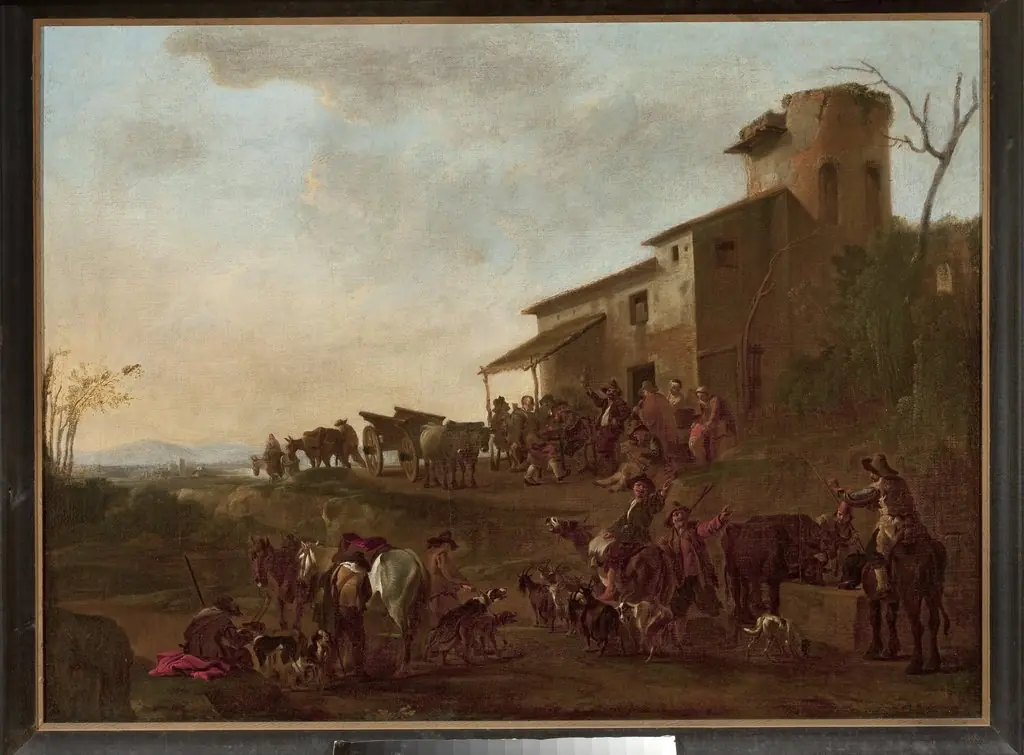
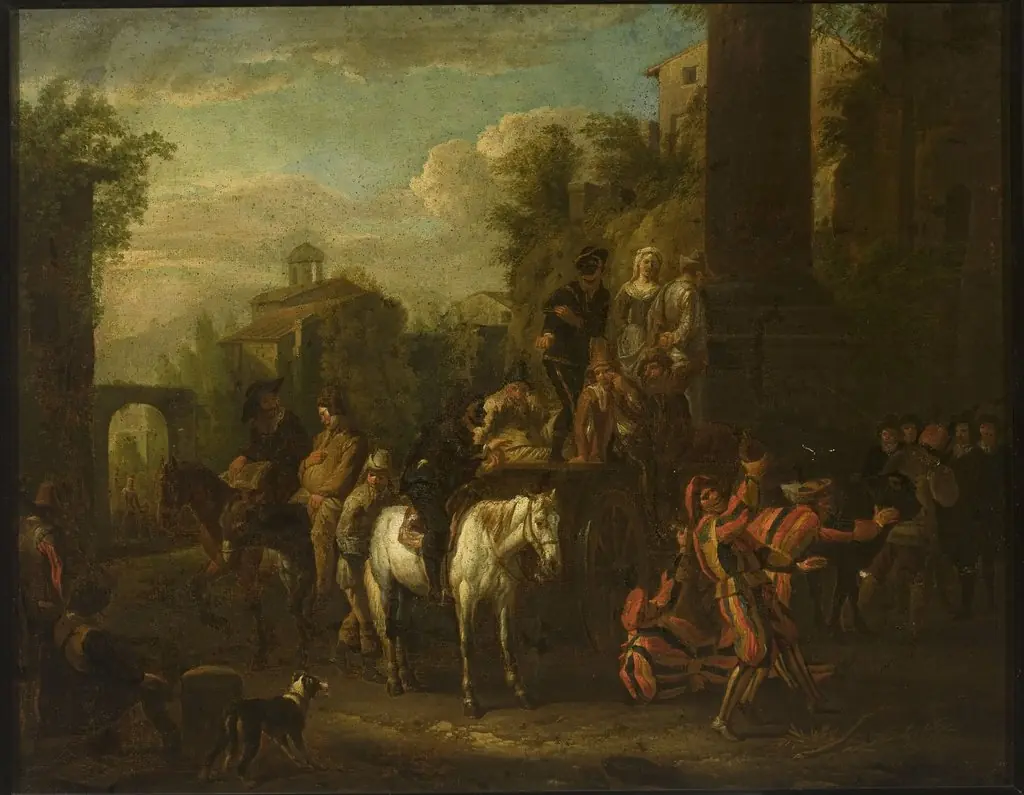
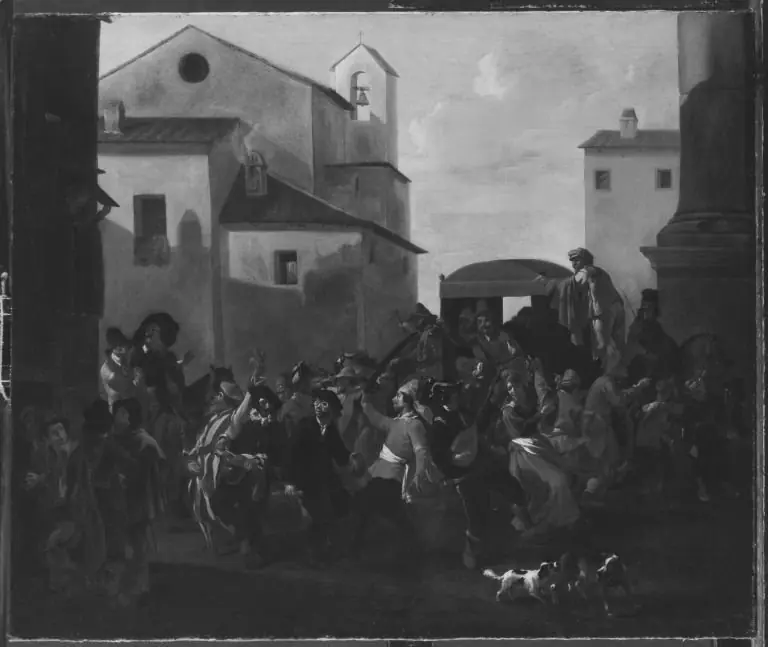
Painted around 1641 by Jan Miel, a Flemish artist active in Italy, this oil on canvas depicts St John the Baptist in a desert setting. Miel, initially associated with the Bamboccianti for their low-life genre scenes, turned toward religious and historical subjects in his mature work. The painting reflects a transition in his style, embracing the dramatic lighting and emotional gravity characteristic of Caravaggism, while retaining a naturalistic approach to figures and landscape.
Subject & Meaning
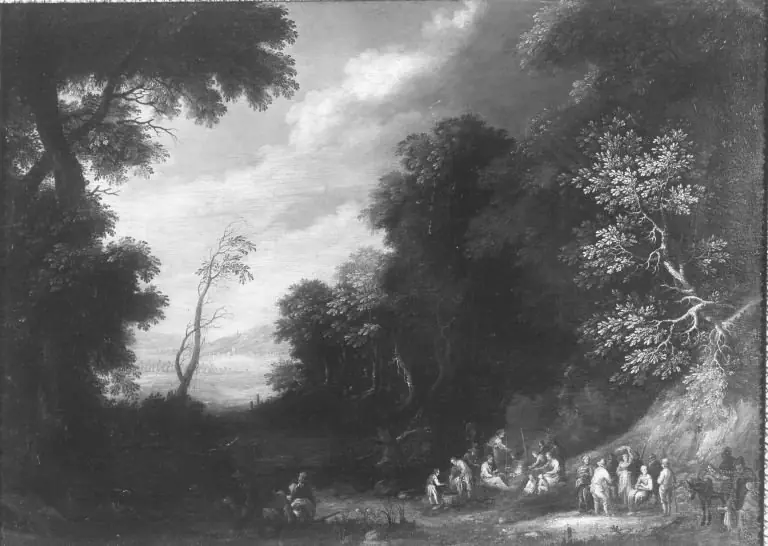
The scene captures St John the Baptist in the wilderness, delivering his message of repentance. He stands prominently on the left, arms raised toward heaven, clad in a simple loincloth and draped cloak. Surrounding him, a diverse group of listeners, peasants, shepherds, and travelers, react with quiet attention.
The composition emphasizes spiritual urgency, with the figure of John as a solitary conduit between divine will and human response, framed by an untouched natural world.
Technique & Style
Miel employs chiaroscuro to model forms and direct focus, with strong contrasts between the illuminated figure of John and the shadowed recesses of the landscape. The brushwork is precise yet unpolished, favoring tactile realism over idealization. The rocky terrain and distant mountains are rendered with muted earth tones, enhancing the sense of arid isolation. Figures are grouped naturally, their postures and expressions conveying quiet reverence rather than theatrical gesture.
History & Provenance
The painting entered the collection of the Nationalmuseum in Stockholm, where it remains today. Its journey from Italy to Sweden is not fully documented, but its presence in a major Nordic institution suggests it was acquired during the 18th or 19th century, a period when Northern European collections actively sought Italianate Baroque works. Miel’s reputation in Rome and his ties to Flemish expatriate circles likely facilitated its circulation beyond Italy.
Context
Created during the mid-17th century, the work reflects the broader trend among Northern artists in Rome to adapt Caravaggio’s innovations for religious narratives. While the Bamboccianti had focused on everyday life, Miel’s shift toward biblical subjects aligned with Counter-Reformation demands for spiritually resonant imagery. The desert setting, a traditional symbol of spiritual trial, was frequently invoked in this era to underscore themes of penitence and divine revelation.
Legacy
Miel’s painting stands as an example of how Flemish artists in Italy negotiated local artistic currents with their own traditions. Though less celebrated than his contemporaries, his synthesis of Caravaggist lighting and genre realism contributed to the evolution of religious painting in the Baroque period. The work continues to illustrate the quiet power of understated devotion in a time of heightened theatricality.
Own this work as a print
Artist & collection
Artist
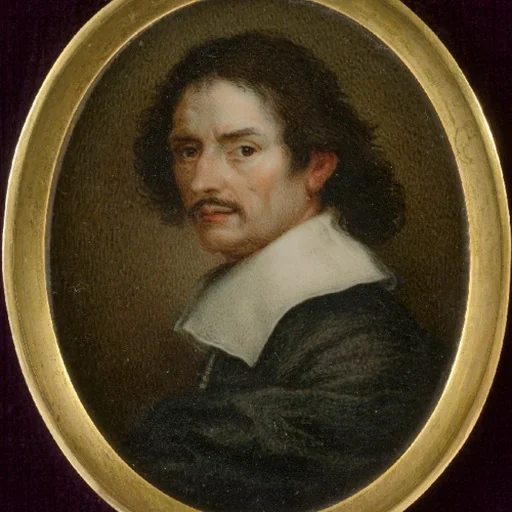
Jan Miel (1599 – April 1664) was a Flemish painter and engraver who was active in Italy.