Artwork
Stillleben mit toten Vögeln
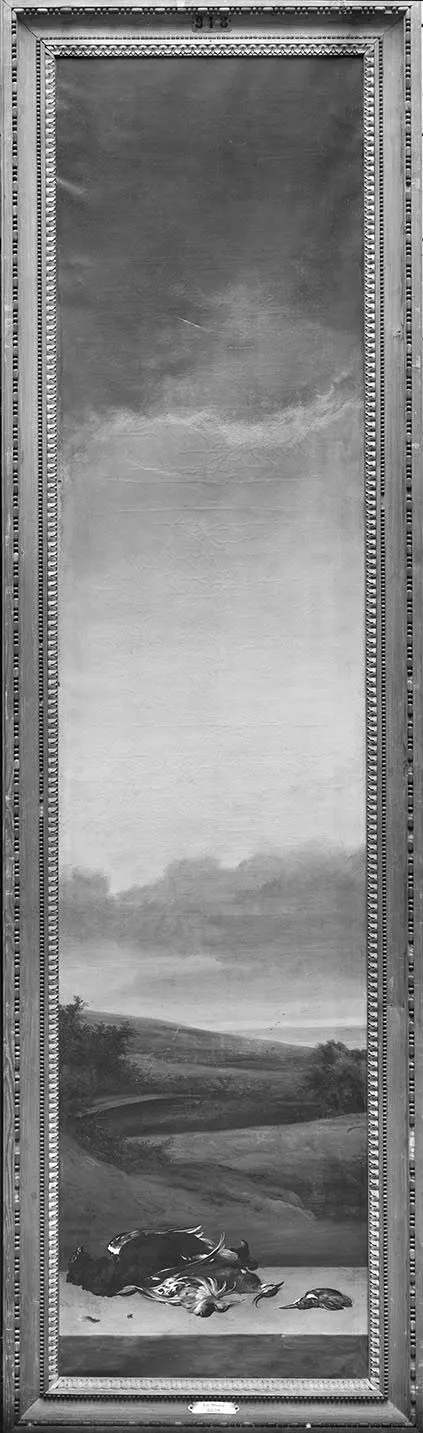
Stillleben mit toten Vögeln is an unspecified painting by the Dutch Golden Age artist Jan Weenix. It dates from 1690 and is held in the collection of the Bavarian State Painting Collections.
About this work
Overview
Executed in 1690, Stillleben mit toten Vögeln is a Dutch Golden Age still‑life by Jan Weenix. The canvas presents a carefully arranged group of dead birds, rendered with the compositional balance typical of late‑seventeenth‑century Dutch genre painting. The work exemplifies the period’s fascination with the transience of life and the display of hunting trophies.
Subject & Meaning
The painting’s central motif, lifeless game birds, reflects the era’s symbolic preoccupation with mortality and abundance. By juxtaposing the pristine, almost sculptural birds against a subdued background, the image invites contemplation of nature’s cycles and the social status associated with hunting spoils in Dutch society.
Technique & Style
Weenix employs a restrained palette and soft, blended brushwork to model the birds’ feathers, achieving a delicate sense of volume. Subtle chiaroscuro creates a gentle transition from light to shadow, lending the composition a quiet, contemplative atmosphere while emphasizing the tactile qualities of the plumage.
History & Provenance
The painting entered the collection of Munich’s Alte Pinakothek, where it remains on display. Jan Weenix, trained by his father Jan Baptist Weenix and his cousin Melchior d’Hondecoeter, specialized in hunting scenes; this work is representative of his mature output and illustrates the continuation of a family tradition within Dutch still‑life painting.
Artist & collection

Artist
Jan Weenix or Joannis Wenix (between 1641/1649 – 19 September 1719 (buried)) was a Dutch painter.

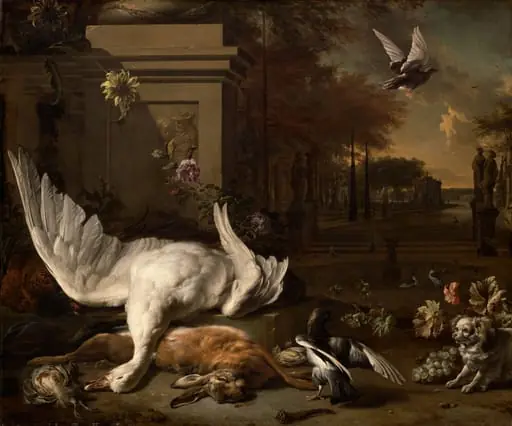 Still Life with Goose and Game before a Country Estate
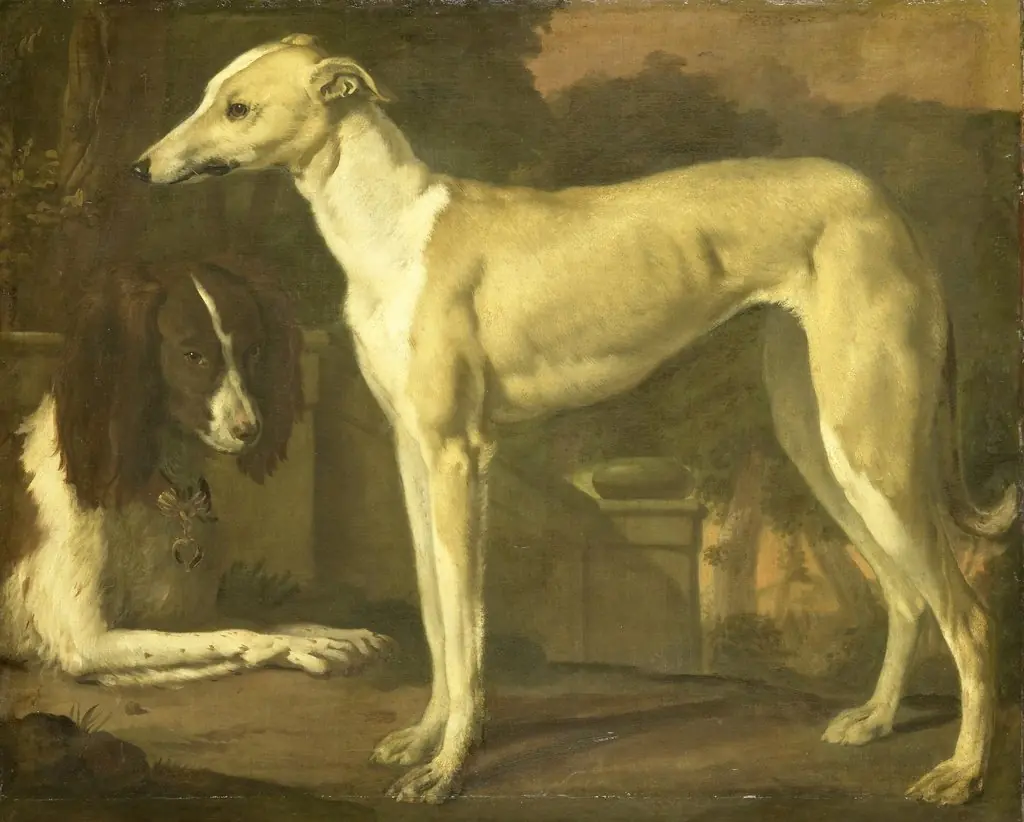 Portrait of a greyhound and a spaniel
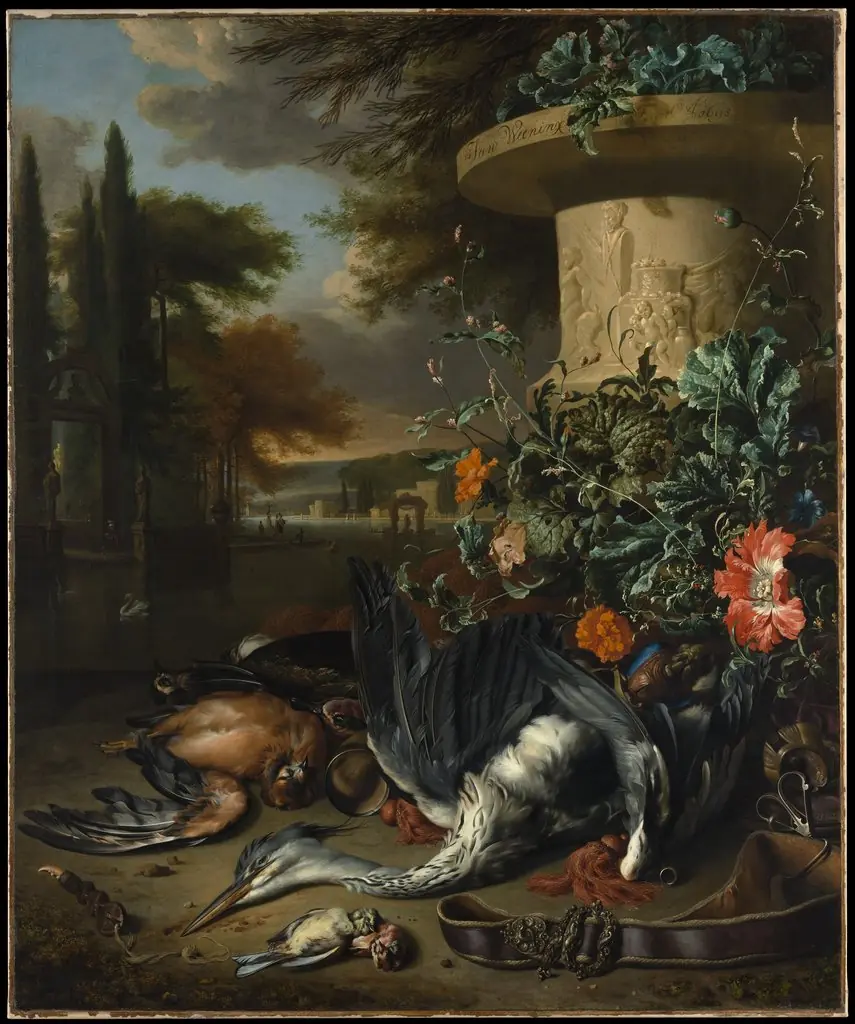 Gamepiece with a Dead Heron ("Falconer's Bag")
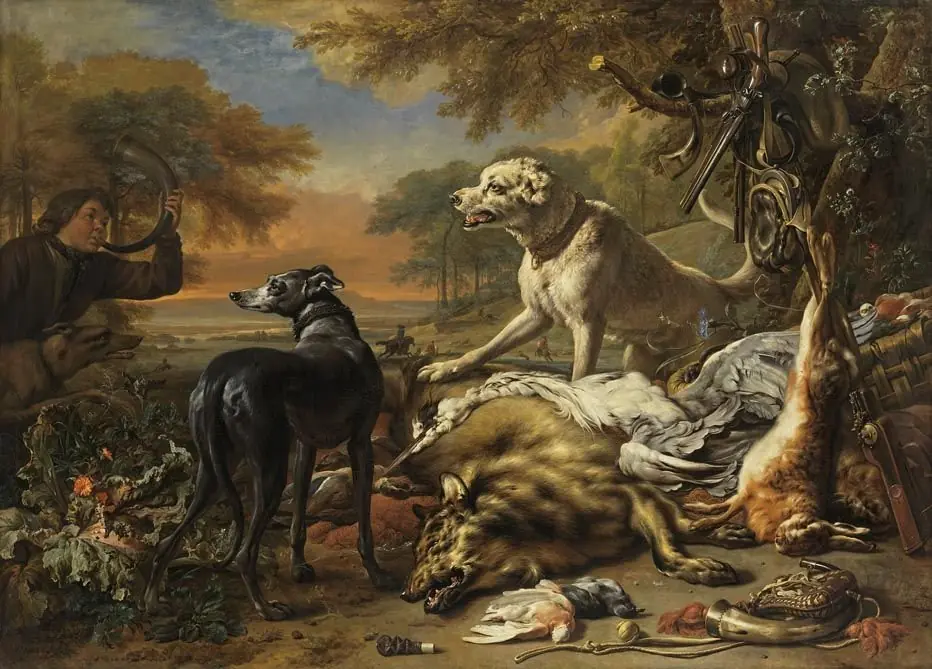 Hunting still life with wolf
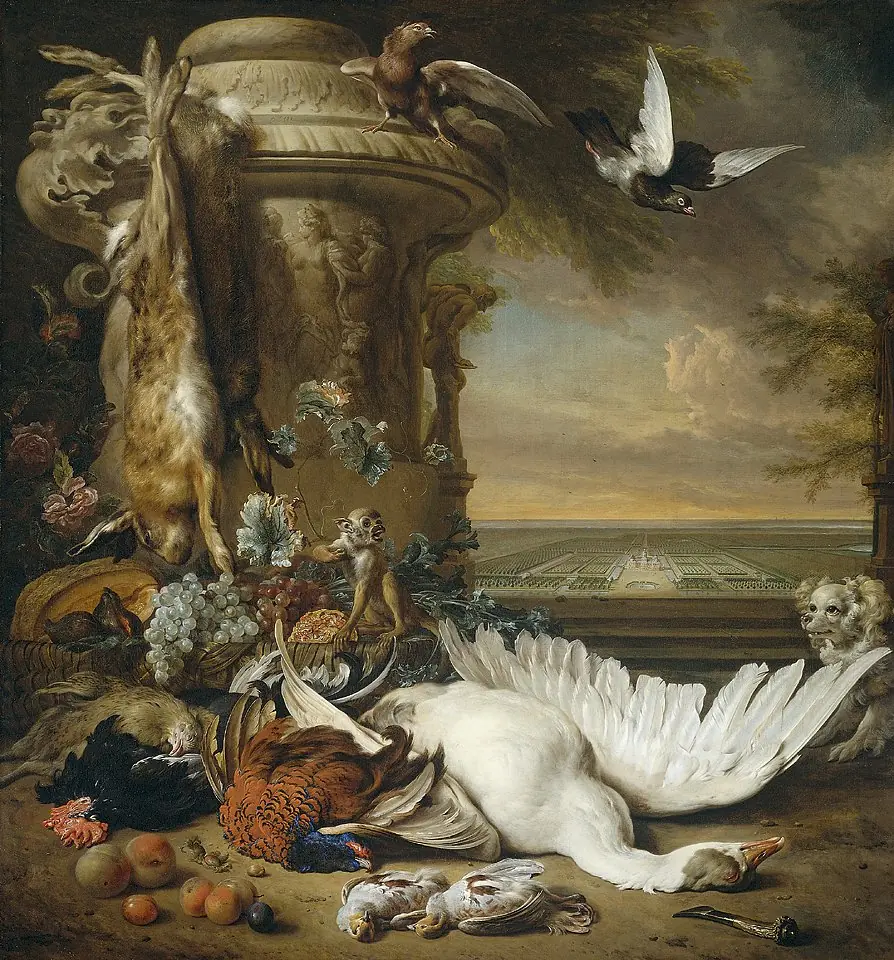 Still Life with Dead Game and Fruit beside a Garden Vase, with a Monkey, a Dog and Two Pigeons; in the Background Rijksdorp near Wassenaar, the Estate of Jonkheer Jacob Emmery, Baron of Wassenaar
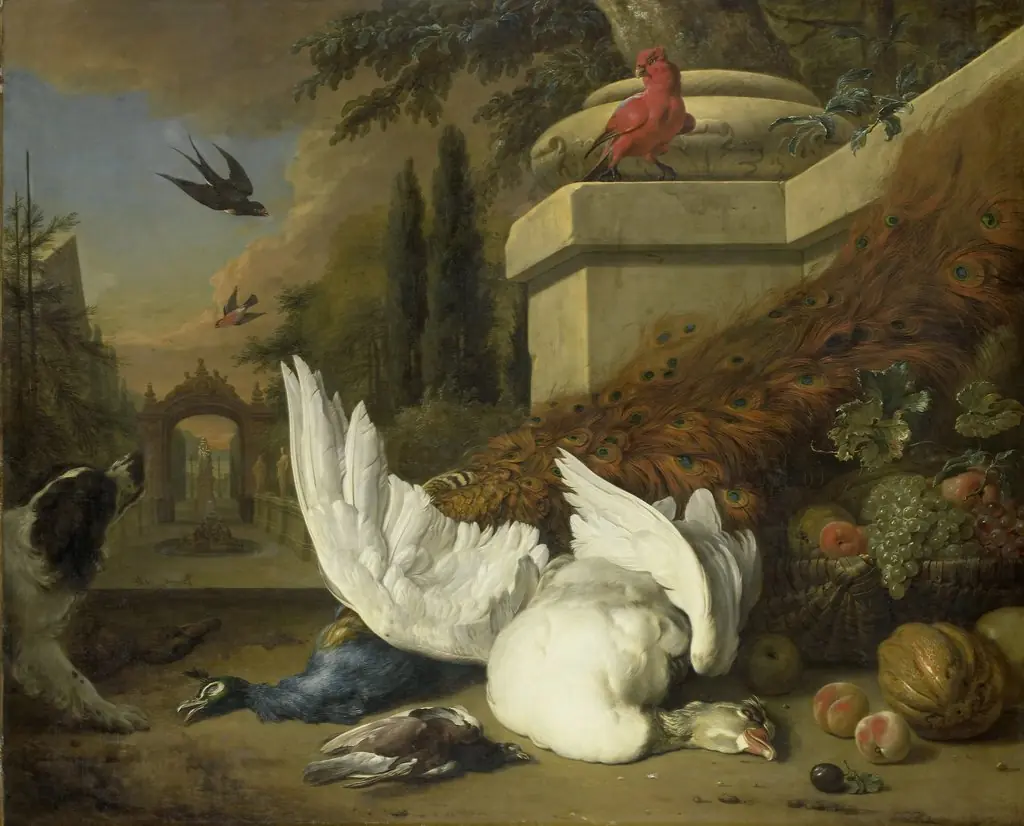 A monkey and a dog beside dead game and fruits, with the estate of Rijxdorp near Wassenaar in the background
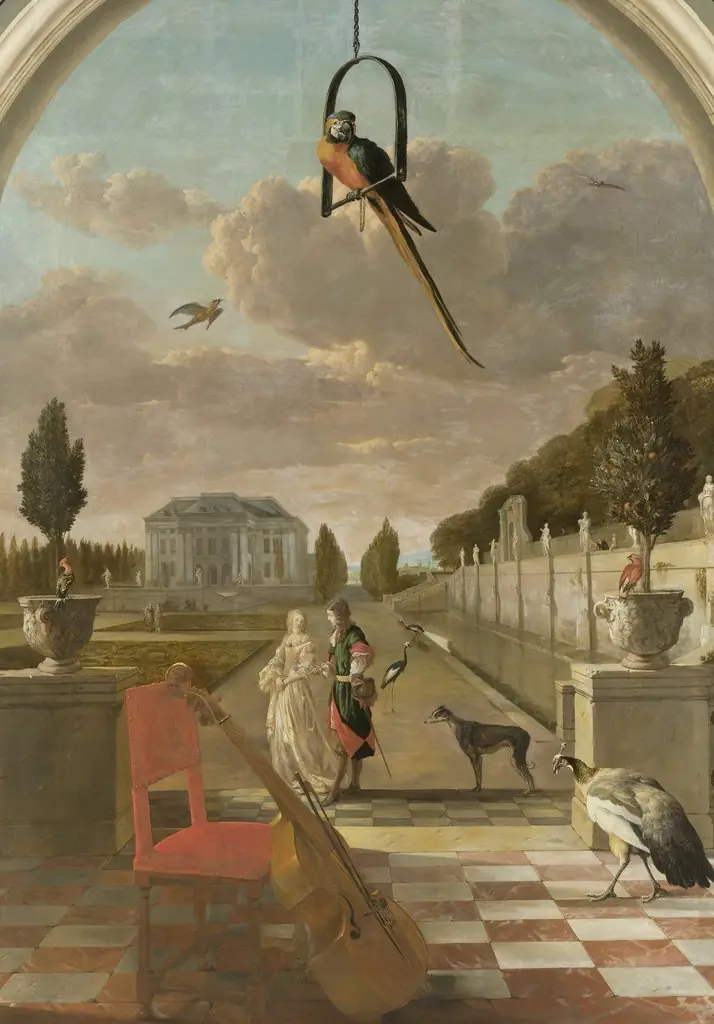 Park with country home
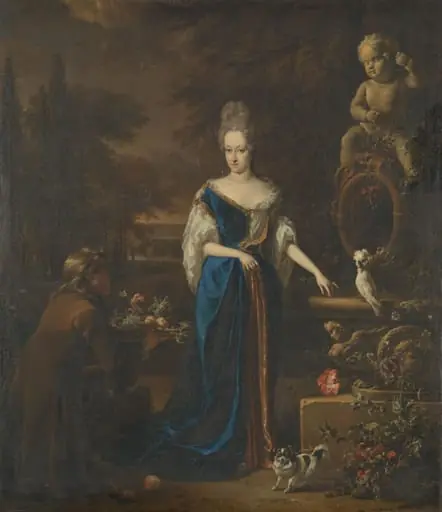 Portrait of Maria Cornelisz, Wife of Silvester van Tongeren
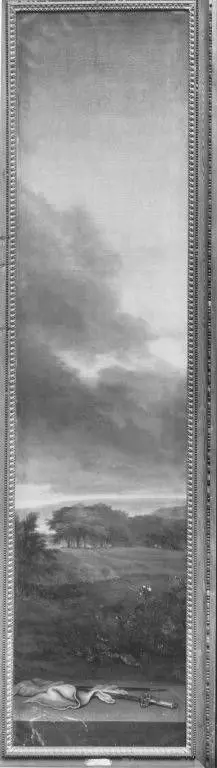
- Stillleben mit Degen und Handschuhen
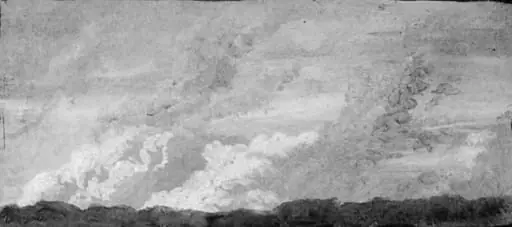 Cloud Formations
 Pescar din Babadag (schiță de portret - pentru studiu)
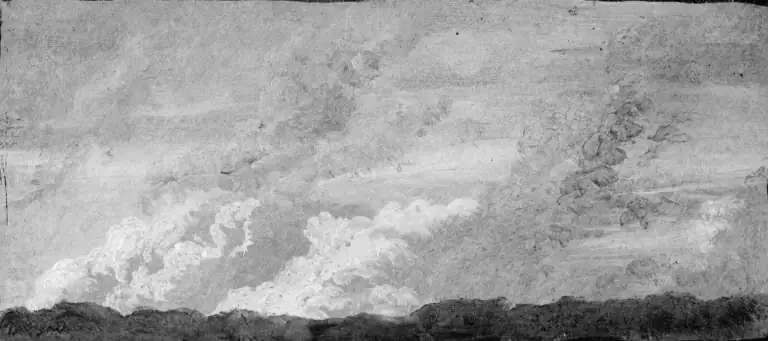 Cloud Formations
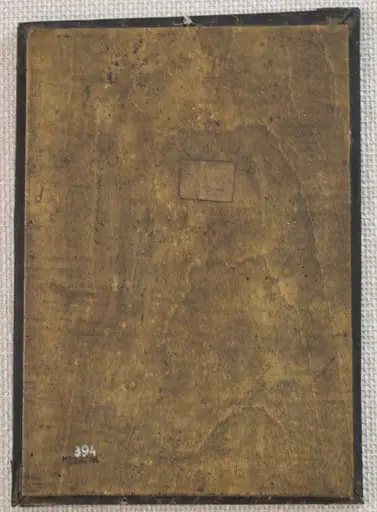 Icoana de factură catolică îl reprezintă pe sfântul Teodor Tiron (306 d. Hr) sărbătorit pe 17 februarie.Sf. Teodor înveșmântat ca oștean: coif cu pene, armura și mantie roșie. În dreapta ține un coif cu stânga sulița. În planul doi o biserică catolică. Pe fondul alb, de o parte și alta a sfântului câte tulpină cu o floare roșie. Cromatica: predomină roșul(inclusiv ca desen) albastru, bleu, negru, maro, auriu, verde deschis, verde închis, fond alb.Ramă îngustă, patru stinghiii îmbinate oblic la colțuri.
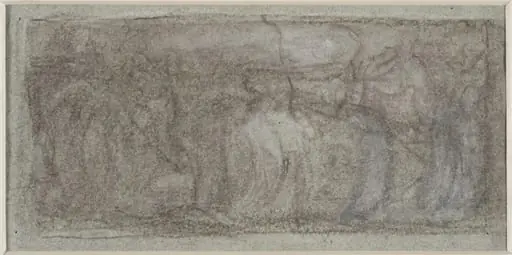 The Harvest Moon.
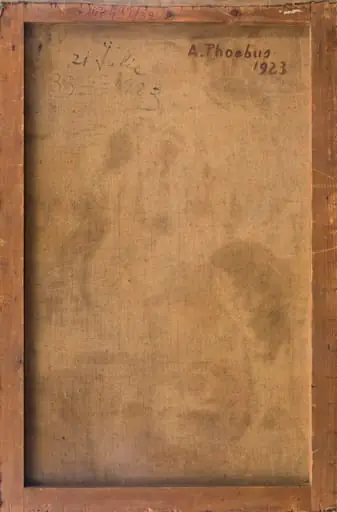 ODIHNA MICILOR LĂUTARI
 PORTRETUL AUROREI VORVOREANU
 Cloud Study (recto, from sketchbook)
 Untitled
 Untitled
 Compoziție cu ruine și păsări