Artwork
The self-sacrifice of Dutch missionary Antonius Hambroeck in Formosa
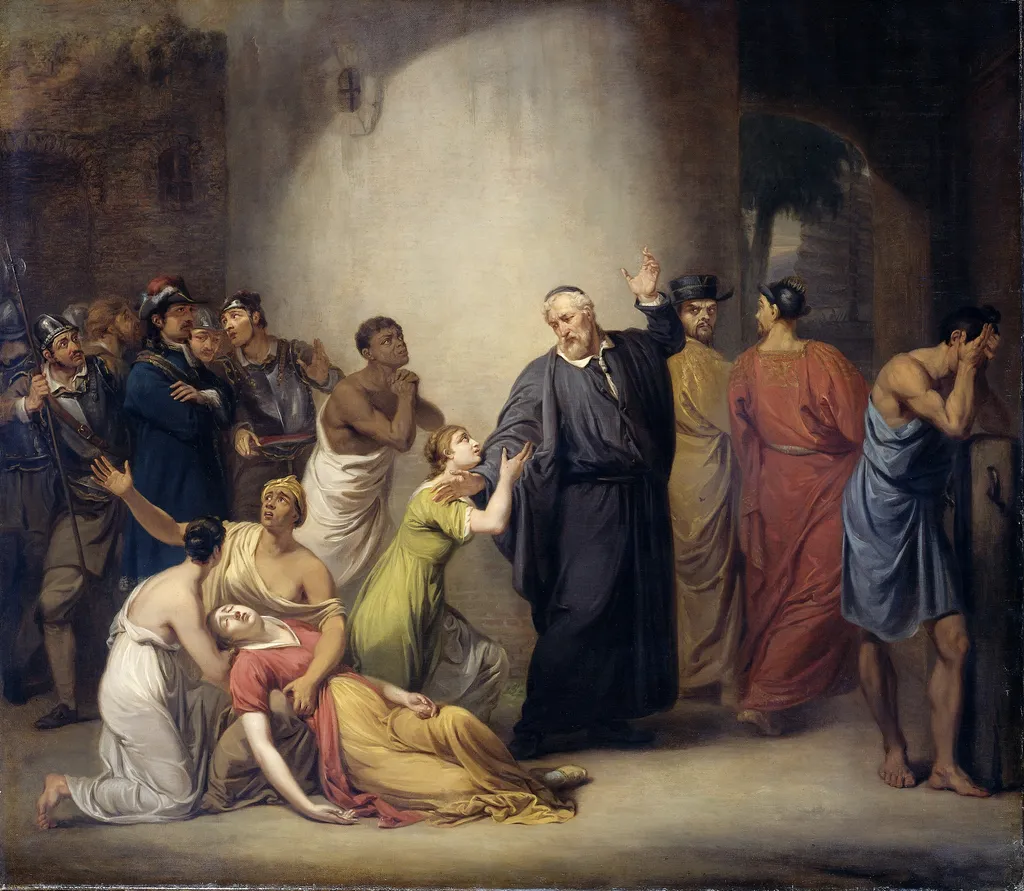
The self-sacrifice of Dutch missionary Antonius Hambroeck in Formosa is an oil painting by Jan Willem Pieneman. It dates from 1810 and is held in the collection of the Rijksmuseum.
About this work
Subject & Meaning
The painting depicts the Dutch missionary Antonius Hambroek, a figure associated with the Dutch colonial presence on the island of Formosa (Taiwan).
The painting depicts the Dutch missionary Antonius Hambroek, a figure associated with the Dutch colonial presence on the island of Formosa (Taiwan). Classified as a history painting, the work commemorates Hambroek's self-sacrifice, framing him as a martyr of the Reformed mission. By treating a contemporary-era colonial religious episode as elevated historical subject matter, Pieneman aligns the canvas with the conventions of nineteenth-century history painting, in which individual acts of sacrifice serve as moral exemplars for the viewing public.
The choice of medium, oil on canvas, and the canvas's substantial dimensions (102 cm in height by 114 cm in width) suit a commemorative history piece intended for public contemplation rather than private devotion.
Technique & Style
The work is an oil painting executed on canvas, a standard support for nineteenth-century Dutch history painting. Its dimensions are 102 cm in height by 114 cm in width, producing a nearly square format suited to a multi-figure narrative composition. Classified as a history painting, the canvas depicts the self-sacrifice of Dutch missionary Antonius Hambroeck in Formosa, a subject that would have called for careful handling of dramatic figural grouping, expressive faces, and atmospheric setting, hallmarks of Pieneman's academic approach to historical subjects.
No source provides information on the painting's current condition, specific stylistic attributes, or detailed handling of paint and brushwork.
History & Provenance
The painting depicting the self-sacrifice of Dutch missionary Antonius Hambroeck in Formosa was created by Jan Willem Pieneman in 1810. It is an oil painting on canvas measuring 102 cm by 114 cm and was made in the Netherlands. The work entered the collection of the Rijksmuseum and was housed at Villa Welgelegen before being moved to the main museum building. It remains part of the Rijksmuseum's holdings as of the latest provenance records.
The painting is housed in the Rijksmuseum collection, registered under the inventory number SK-A-2459. It was displayed in the museum’s exhibition 'Dutch Masters of the 19th Century' from 1998 to 2001 and featured in the retrospective 'Pieneman: History Painting in the Netherlands' at the Rijksmuseum in 2015.
Context
Jan Willem Pieneman's 1810 oil painting The self-sacrifice of Dutch missionary Antonius Hambroeck in Formosa, created in the Netherlands and housed in the Rijksmuseum, exemplifies the historical painting genre popular in the Netherlands during the early nineteenth century. The work draws on the dramatic narrative of Hambroeck's execution by Koxinga's forces in 1665, a story that had long circulated in Dutch missionary and colonial histories. Pieneman's composition reflects the Romantic fascination with martyrdom and moral fortitude, aligning with broader European trends in history painting while incorporating Dutch Protestant themes of sacrifice and endurance.
The painting's formal qualities, its large scale, dramatic lighting, and emphasis on emotional restraint, demonstrate the artist's engagement with contemporary academic standards of history painting, positioning it within both Dutch artistic practice and transnational Romantic historicism.
Scholarly attention to the work has focused on its colonial context and visual rhetoric, with recent studies analyzing its role in shaping Dutch perceptions of missionary heroism in East Asia. The painting's provenance at the Rijksmuseum, including its display in the historic Villa Welgelegen, underscores its significance as a cultural artifact of the Netherlands' engagement with global religious narratives.
Legacy
The painting, completed in 1810 by Jan Willem Pieneman, portrays the execution of Dutch missionary Antonius Hambroeck in Formosa and became part of the Rijksmuseum collection at Villa Welgelegen. Its depiction of colonial sacrifice informed 19th‑century European historical narratives and reinforced the missionary’s reputation as a martyr, influencing later artistic and literary portrayals of encounters in East Asia.
The work’s inclusion in the Rijksmuseum’s holdings cemented its status as a reference for Dutch colonial memory, shaping scholarly discussions of missionary histories and East‑Asian interactions within European art historiography.
Overview
Jan Willem Pieneman’s 1810 oil painting, titled The self‑sacrifice of Dutch missionary Antonius Hambroeck in Formosa, portrays a dramatic moment involving the Dutch missionary Antonius Hambroek. The work is part of the Rijksmuseum’s collection and measures a modest size, typical of early‑19th‑century history paintings that aim to illustrate a specific narrative episode.
Own this work as a print
Artist & collection

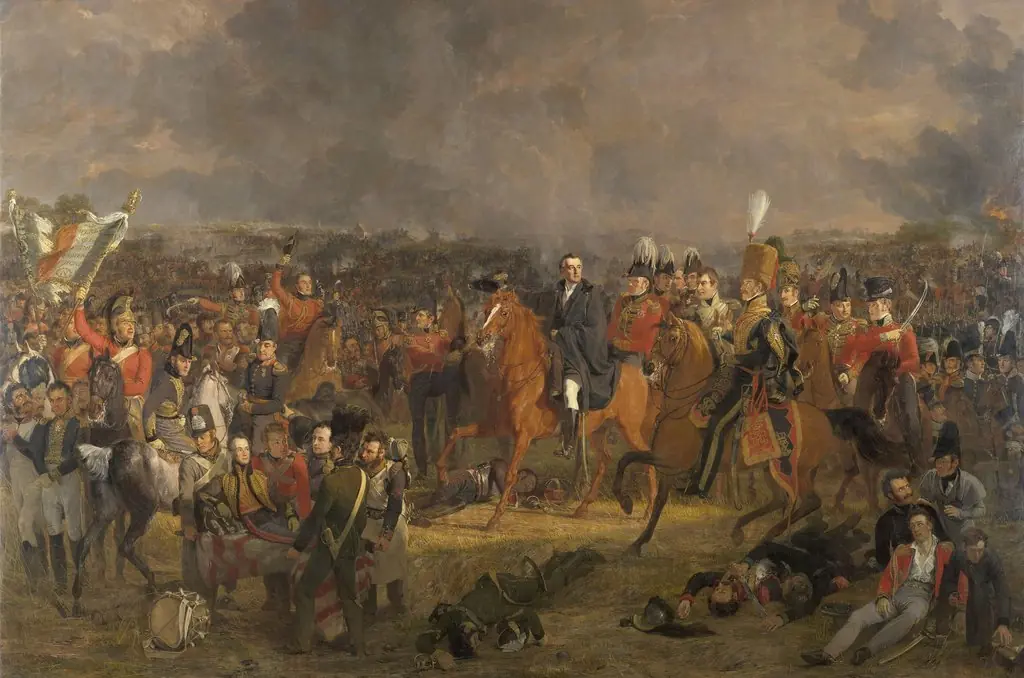 The Battle of Waterloo
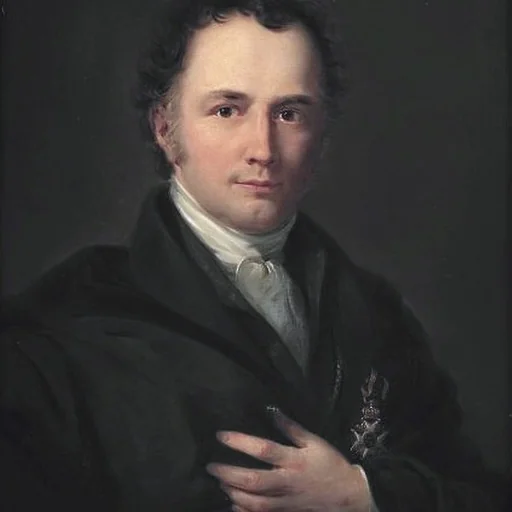
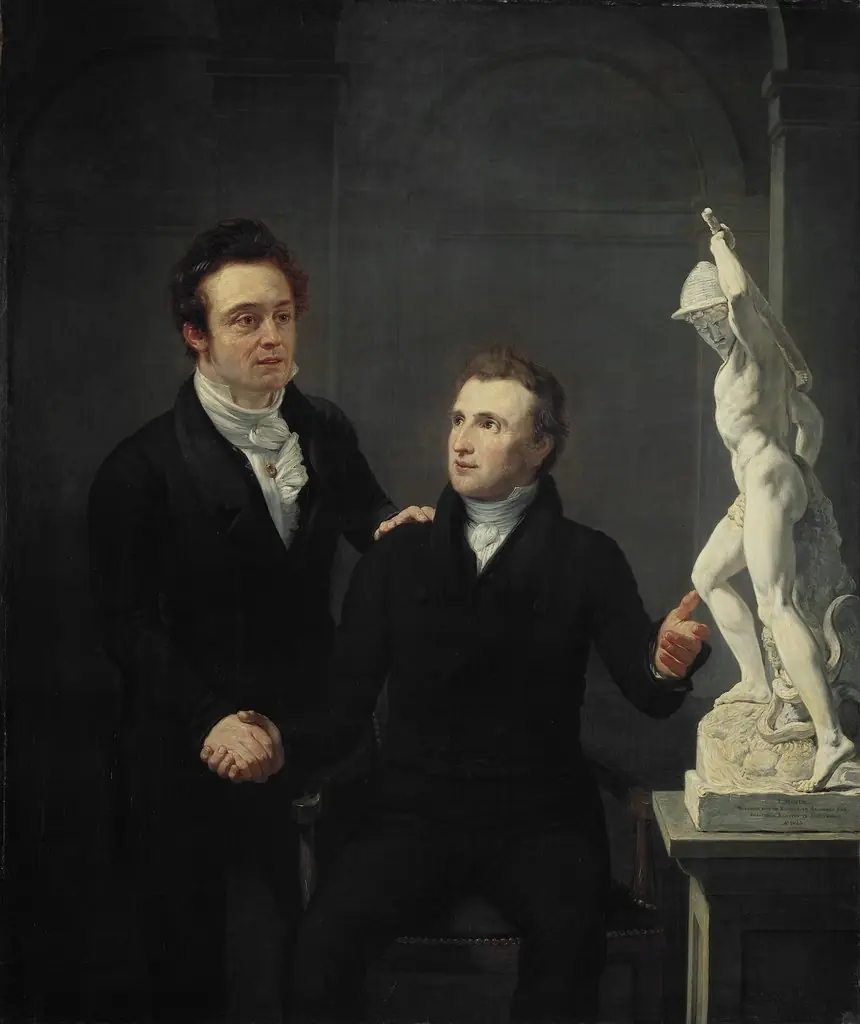 Louis Royer, sculptor, and Albertus Bernardus Roothaan, stockbroker, friend of the arts, and patron of the sciences
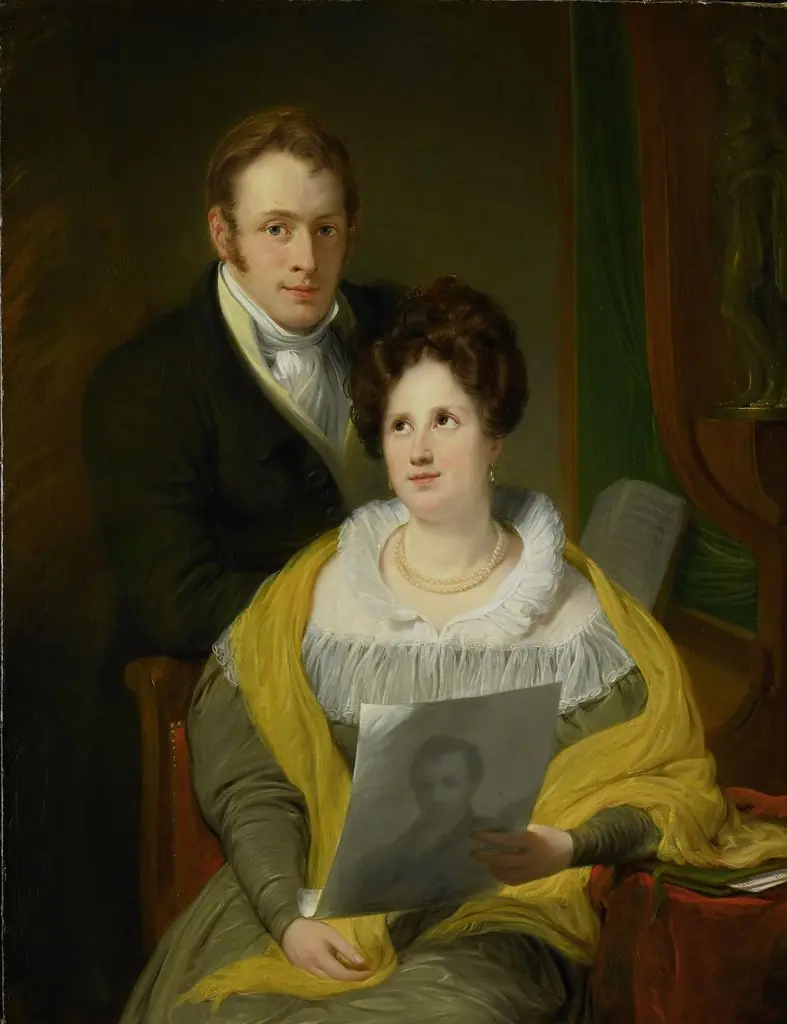 Portrait of a Woman and a Man
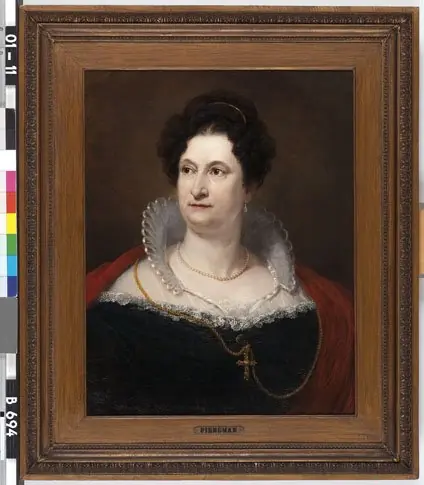 Joanna Cornelia Ziesenis-Wattier (1762–1827). Toneelspeelster
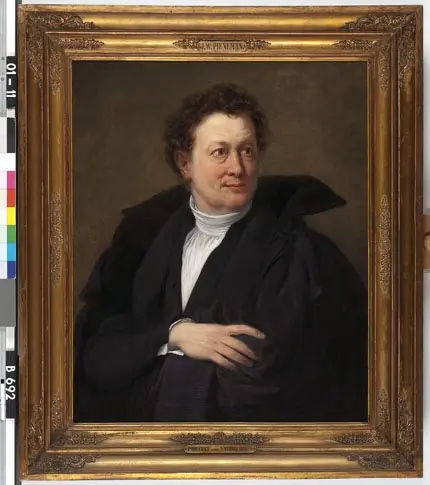 Andries Snoek (1766–1829). Toneelspeler
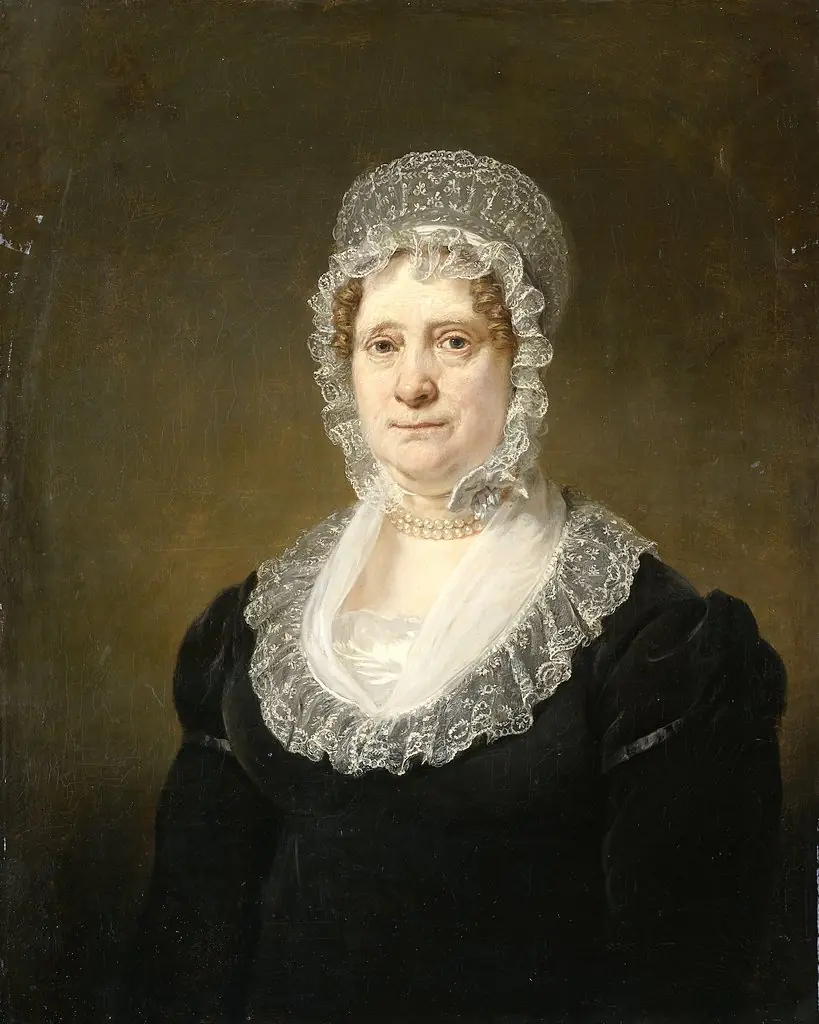 Portrait of Sara de Haan, Widow of the Amsterdam Underwriter Cornelis Hartsen
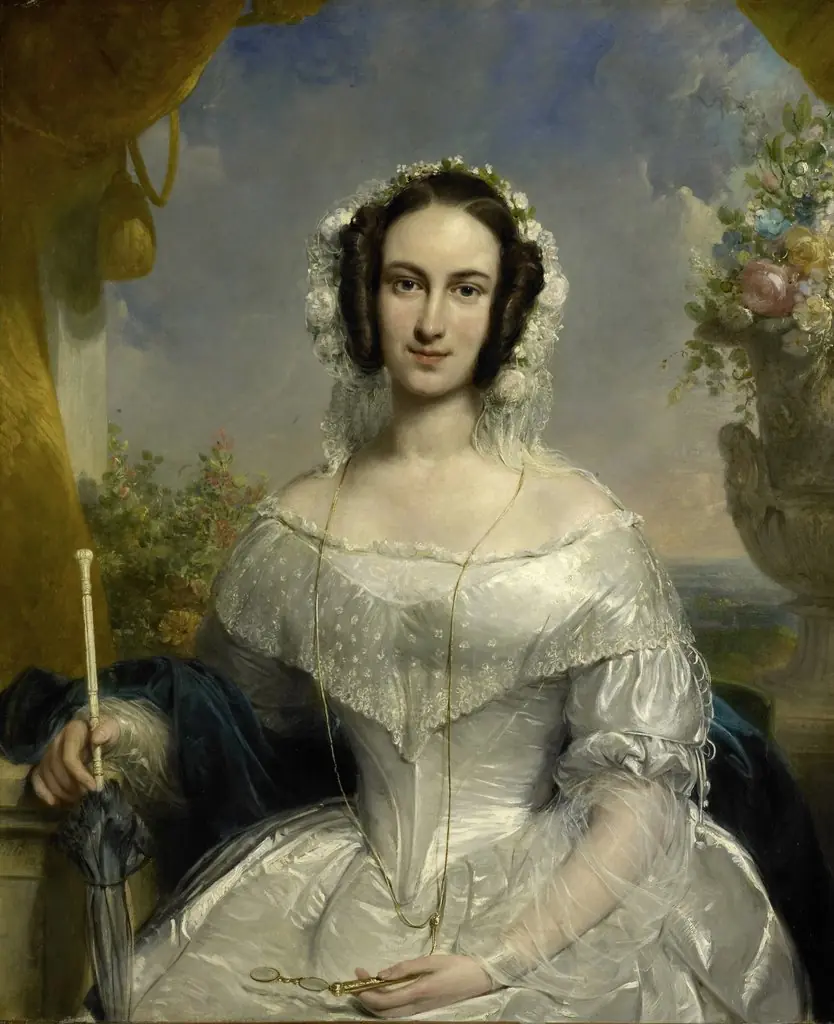 Agatha Petronella Hartsen (1814-78). In bruidstoilet ter gelegenheid van haar huwelijk met Jan van der Hoop op 17 maart 1841
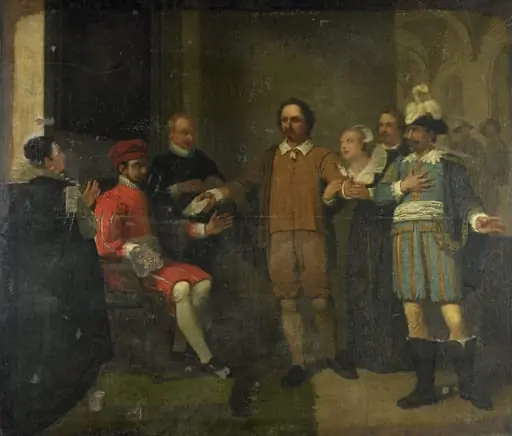 Jacob Simonsz de Rijk getting the Spanish Governor-General Requesens to Release Marnix van Sint Aldegonde, 1575
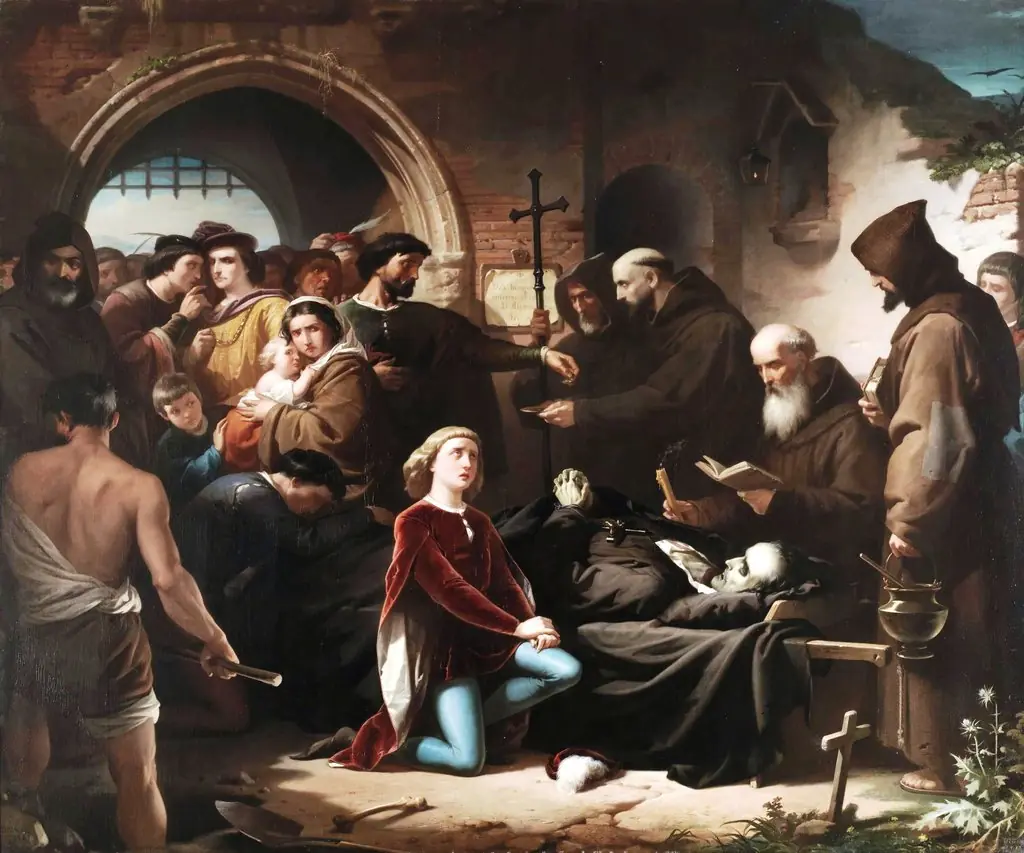
- Don Álvaro de Luna condestable y favorito del rey D. Juan II de Castilla decapitado públicamente en la Plaza Mayor de Valladolid el 2 de junio de 1453 es enterrado de limosna en el cementerio de los ajusticiados extramuros de dicha ciudad
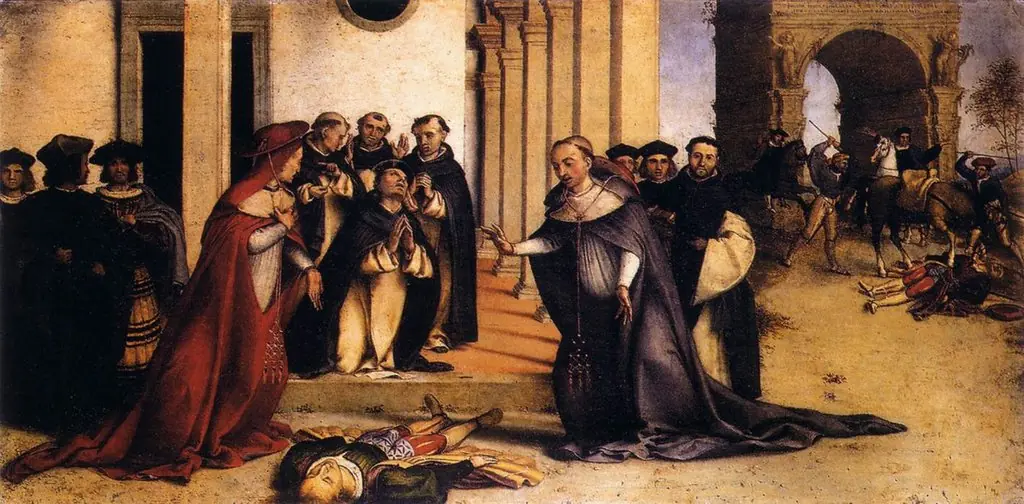 St Dominic Raises Napoleone Orsini
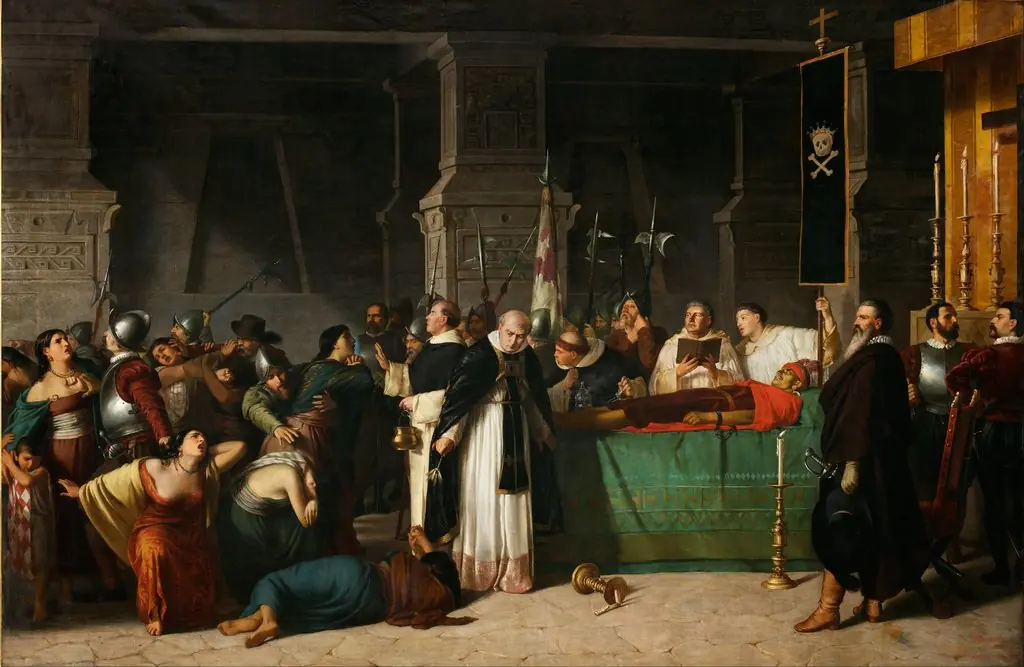 The Funerals of Inca Atahualpa
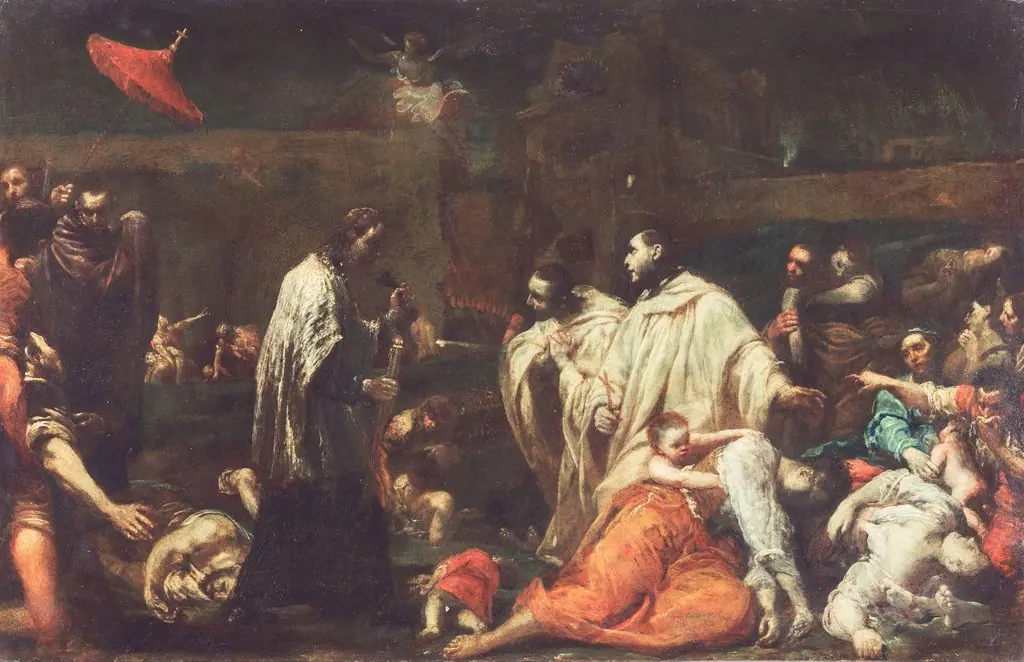 Blessed Bernard Tolomei Interceding for the Cessation of the Plague in Siena
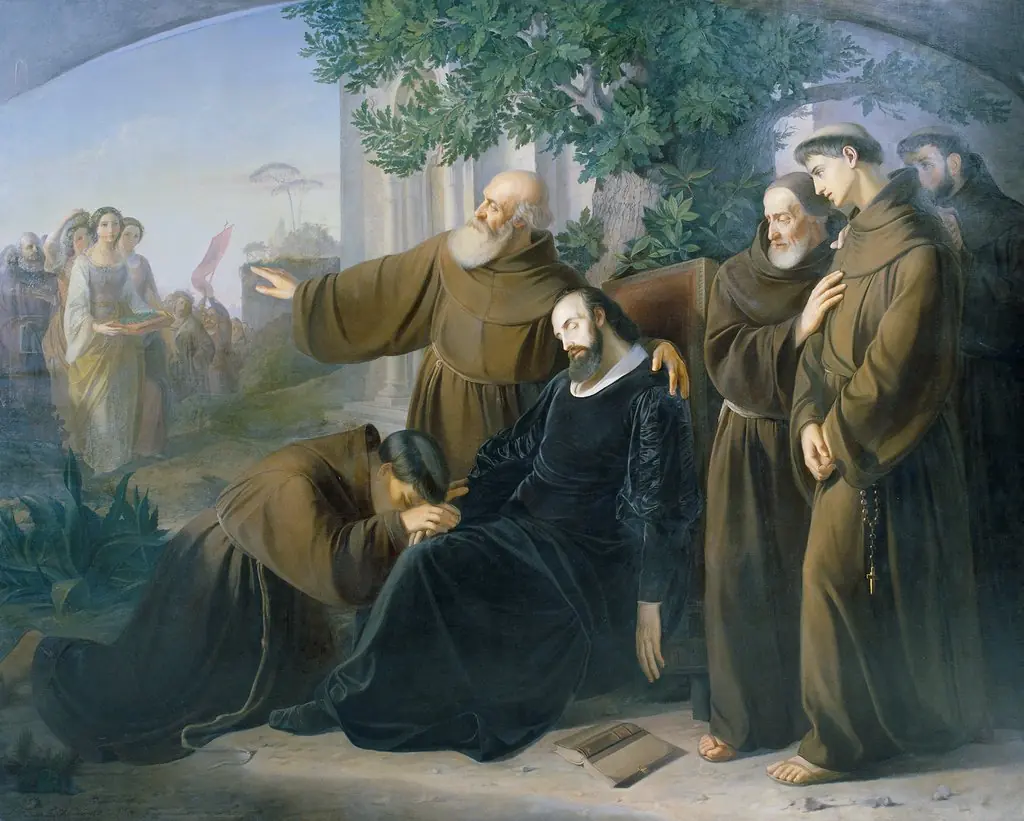 Der Tod Torquato Tassos
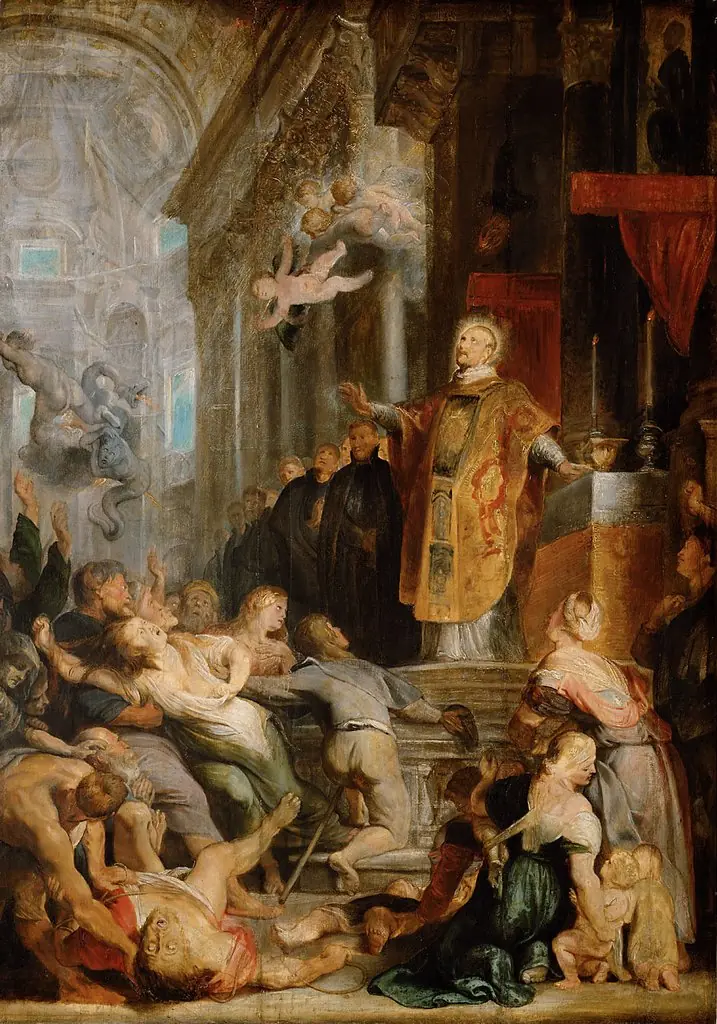 Miracle of Saint Ignatius of Loyala (study)
 Viático de santa Teresa
 Últimos momento de Fray Charles Climaque
 San Francisco ante el sultán de Egipto Malec-el-Kamal
 Torcuato Tasso se retira al convento de San Onofre en el Janículo
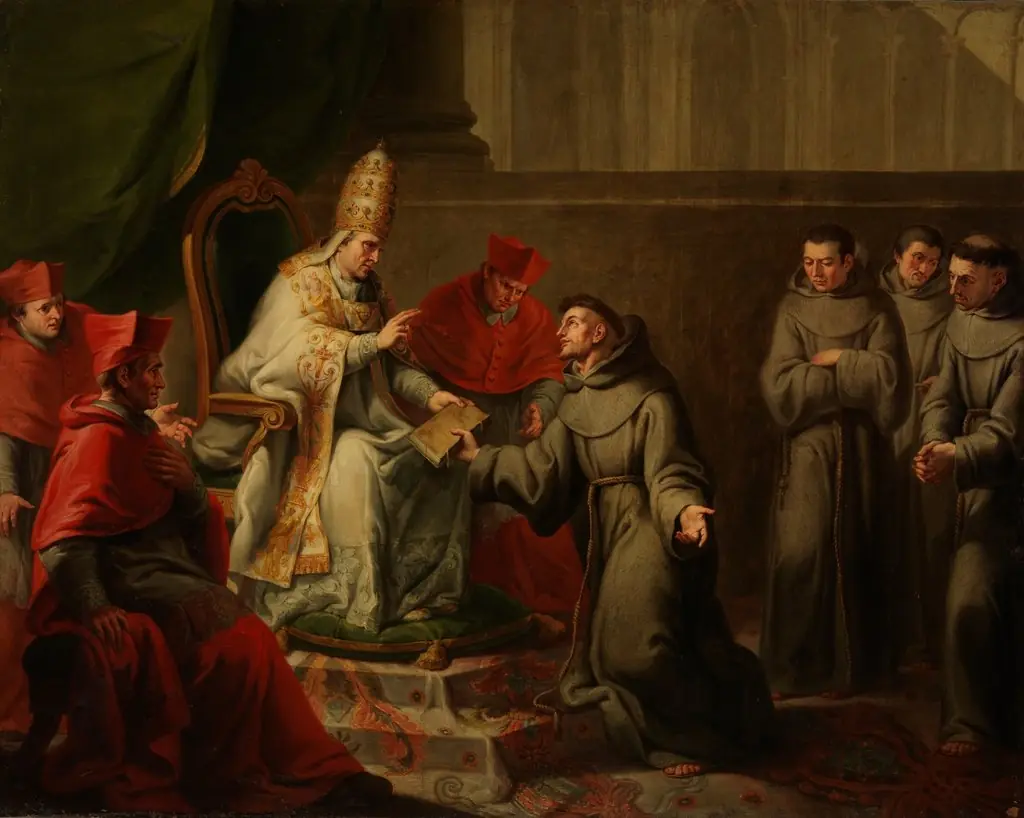 Aprobación de la regla franciscana por el papa Inocencio III
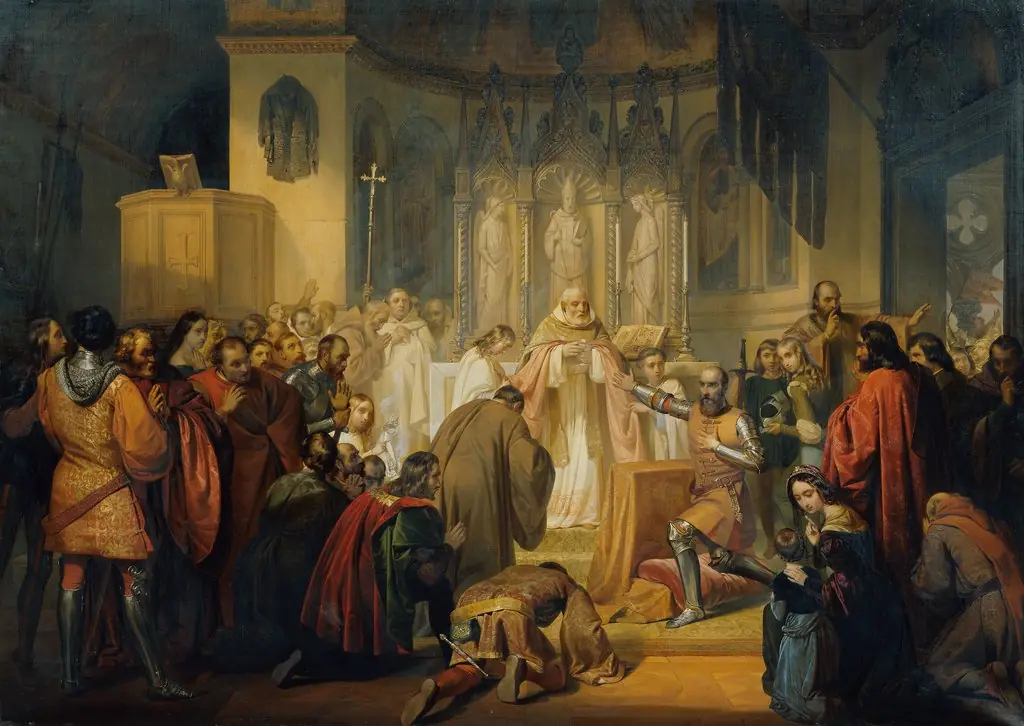 Vittore Pisani receives Holy Communion before taking command of an expedition against the Genoese