Artwork
Altarpiece of Saint Stephen
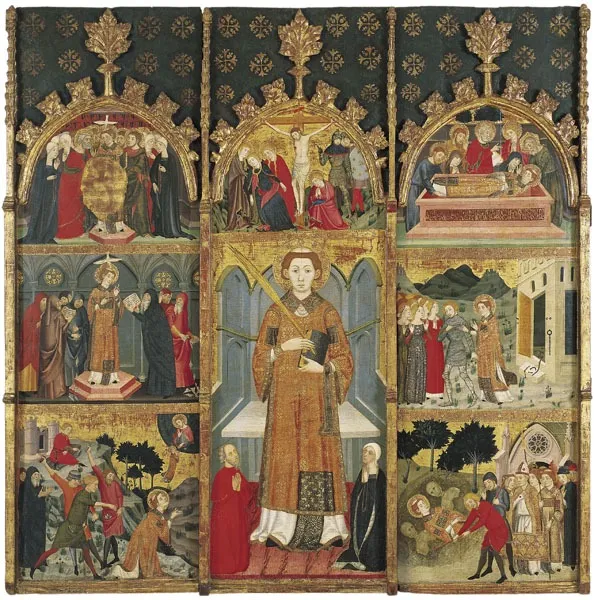
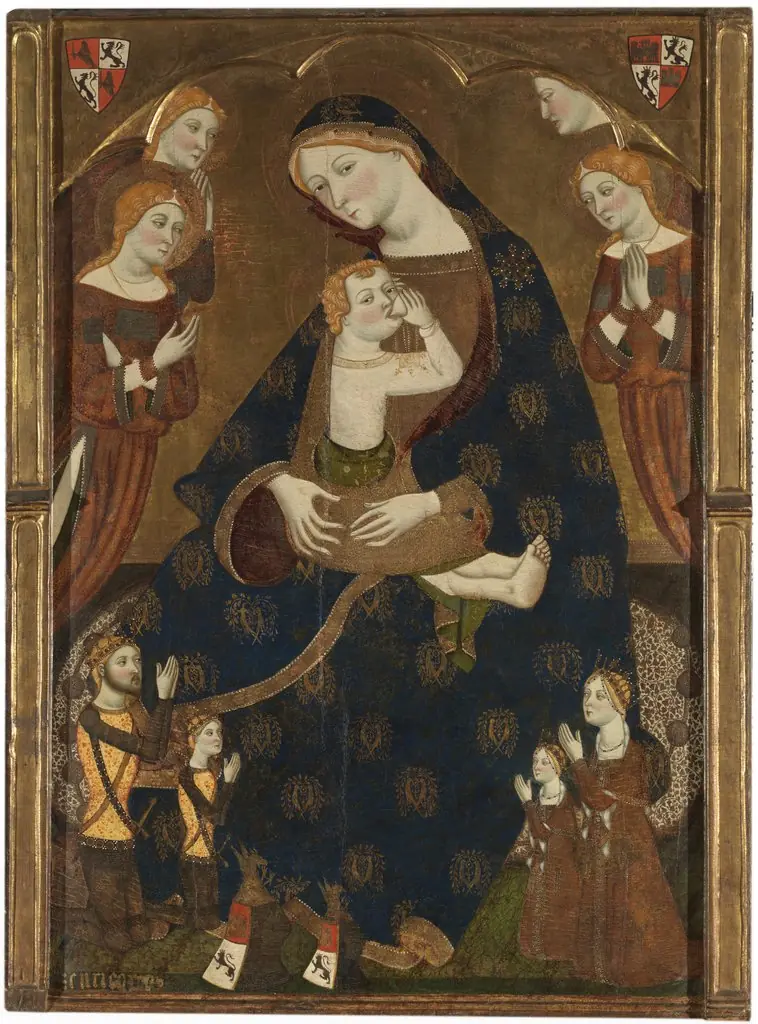
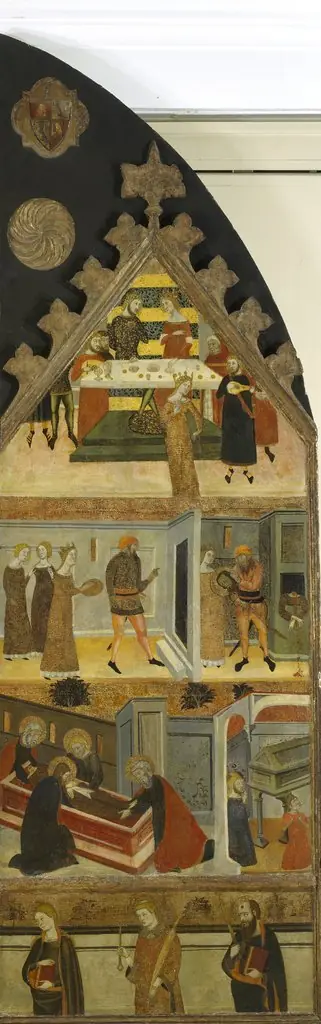
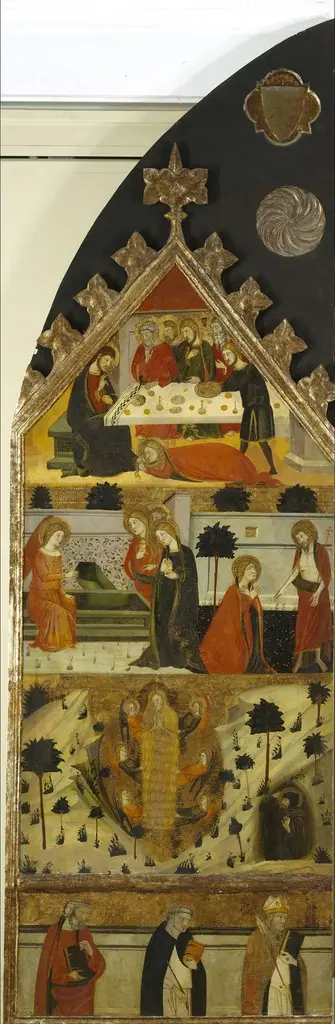
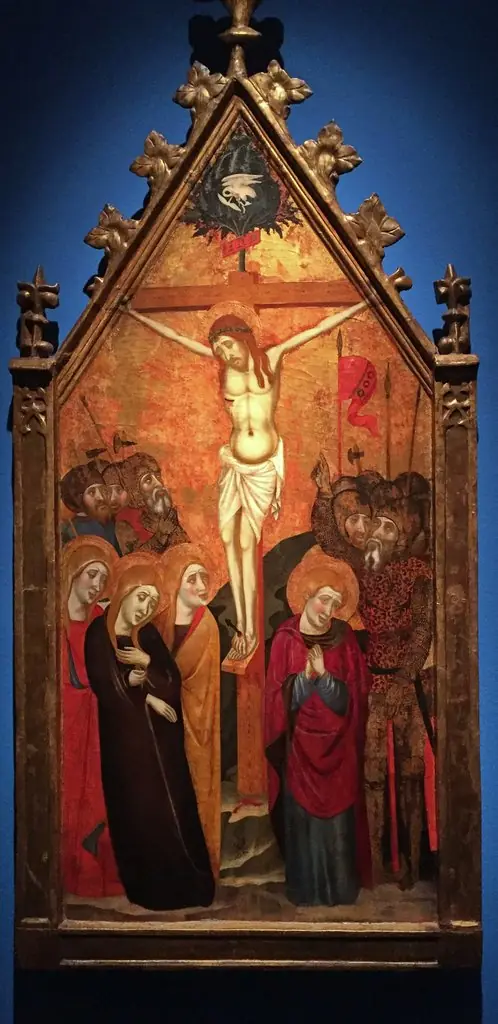
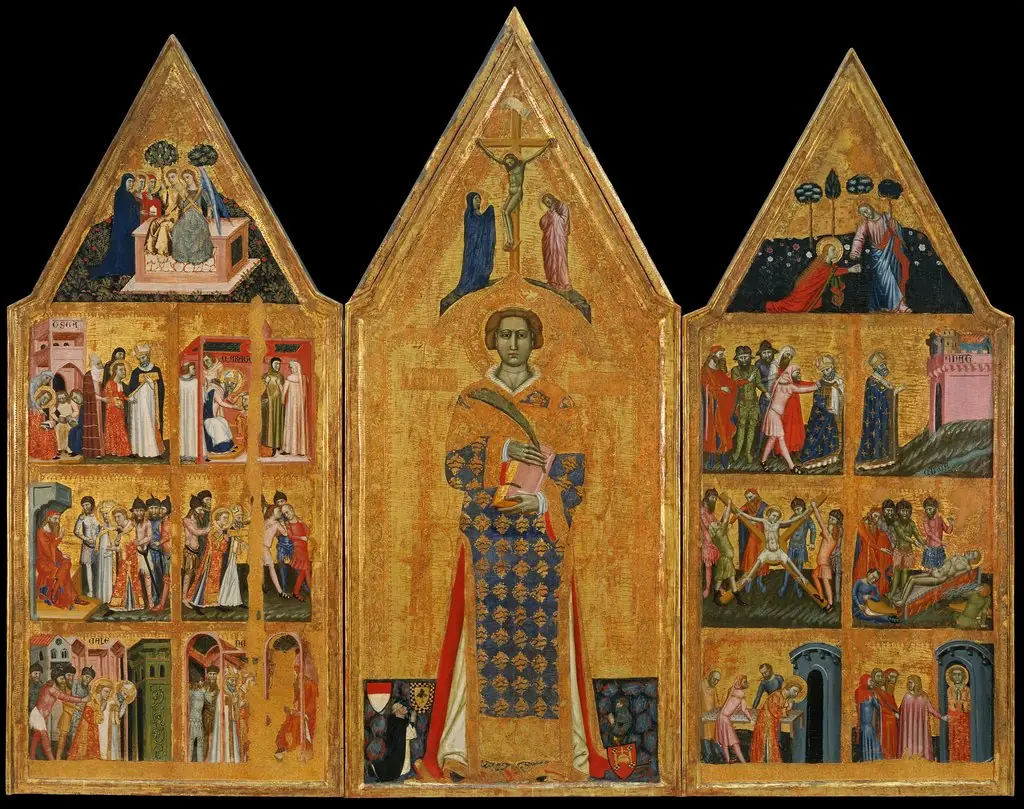
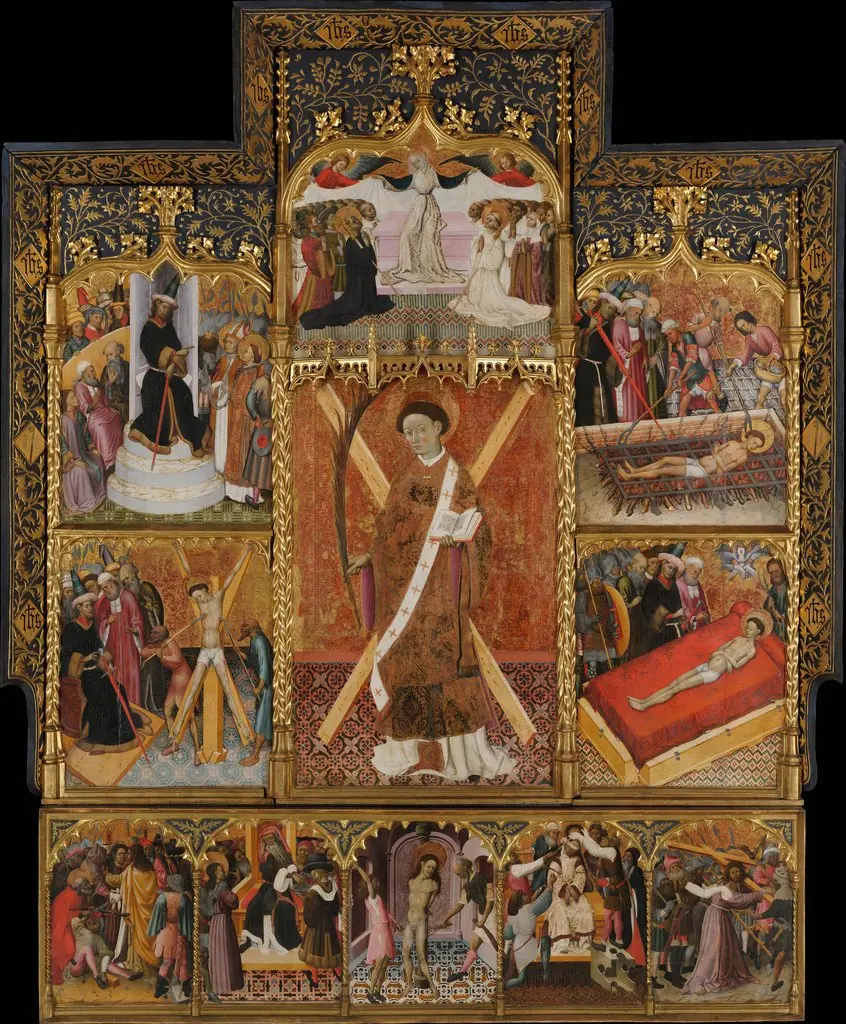
Altarpiece of Saint Stephen is a tempera painting by the Gothic painting artist Jaume Serra. It dates from 1393 and is held in the collection of the Museu Nacional d'Art de Catalunya.
About this work
Overview
Created in 1393 by the Catalan painter Jaume Serra, this wooden altarpiece is a devotional work dedicated to Saint Stephen, the first Christian martyr.
Created in 1393 by the Catalan painter Jaume Serra, this wooden altarpiece is a devotional work dedicated to Saint Stephen, the first Christian martyr. Executed in the International Gothic style, it features multiple narrative panels arranged around a central figure. The piece was originally intended for liturgical use and now resides in the Museu Nacional d'Art de Catalunya, where it remains a key example of late 14th-century Catalan religious art.
Subject & Meaning
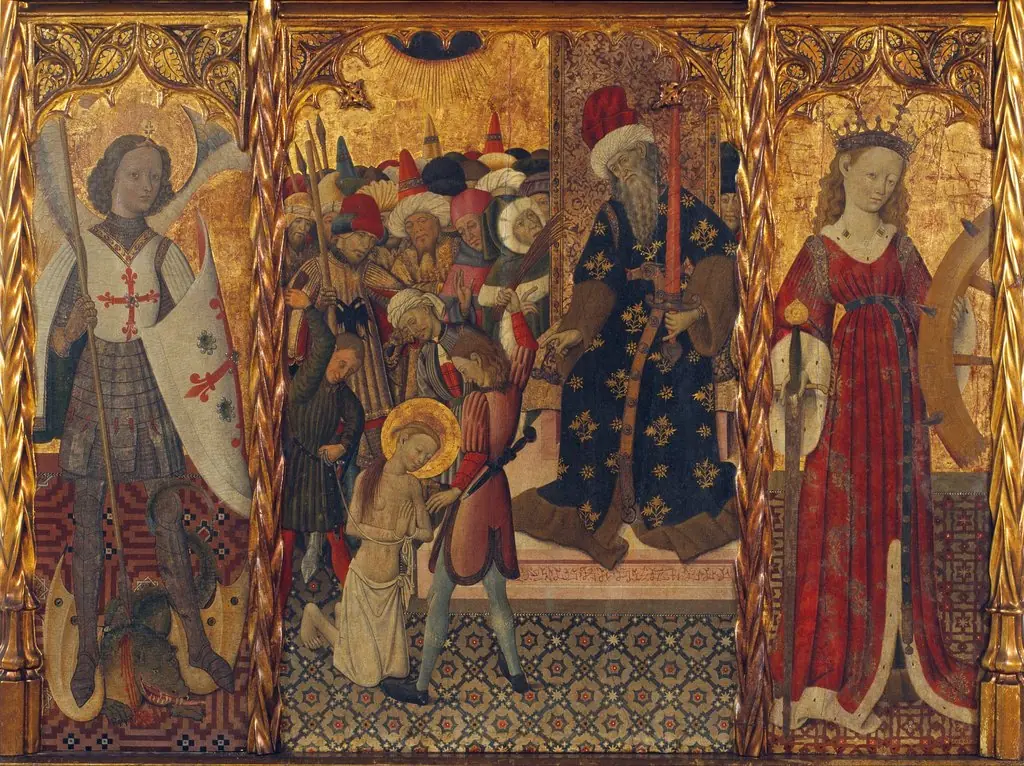
The central panel portrays Saint Stephen, identified by his deacon’s robe, staff, and open book, symbols of his role and martyrdom. Surrounding scenes depict episodes from his life and death, including his trial and stoning. These vignettes reinforce his status as a model of faith and endurance. The composition guides the viewer’s gaze toward his sacrifice, emphasizing spiritual conviction over earthly suffering.
Technique & Style
Serra employed tempera and gold leaf on wood, characteristic of Gothic panel painting. Warm hues, ochres, reds, and deep blues, contrast with the dark, matte background to heighten the figures’ presence. Fine brushwork details clothing folds, facial expressions, and architectural elements.
The use of gold accents in halos and borders reflects both devotional reverence and the stylistic conventions of the International Gothic tradition.
History & Provenance
The altarpiece was likely commissioned for a church or chapel in Catalonia, possibly in Barcelona or its surrounding region. It remained in ecclesiastical use until the 19th century, when it entered the collection of the Museu Nacional d'Art de Catalunya. Its survival through centuries of political and religious change underscores its cultural significance and the care with which it was preserved.
Context
Produced during a period of flourishing Catalan art under the Crown of Aragon, the altarpiece reflects the region’s integration into broader European Gothic networks. While influenced by French and Italian models, Serra’s work retains distinct local traits in its color palette and narrative clarity. Such altarpieces were central to worship, serving both as visual scripture and objects of veneration for congregations.
Legacy
Jaume Serra’s altarpiece stands as one of the few surviving major works by the artist, offering insight into the devotional practices and artistic priorities of late medieval Catalonia. It contributes to the understanding of how religious narratives were visually structured for public contemplation. Today, it remains a touchstone for scholars studying the transition from Romanesque to Gothic traditions in Iberian art.
Artist & collection
Artist
Jaume Serra was a Catalan painter active in Barcelona during the second half of the fourteenth century, dying around 1395.