Artwork
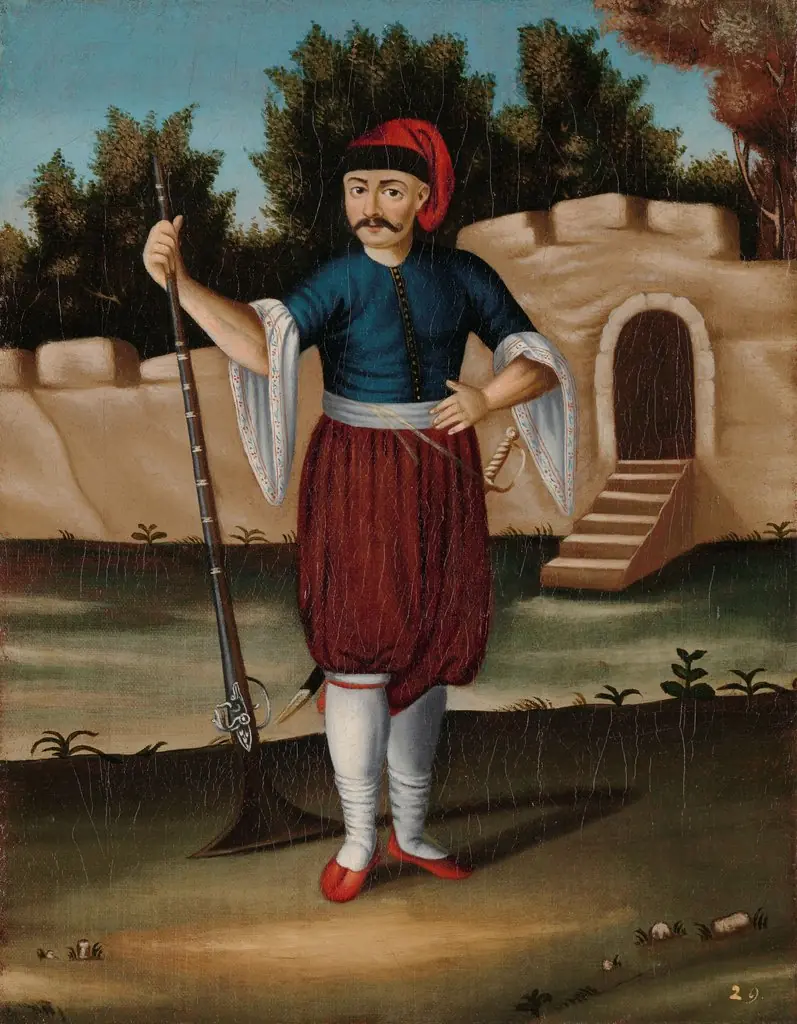
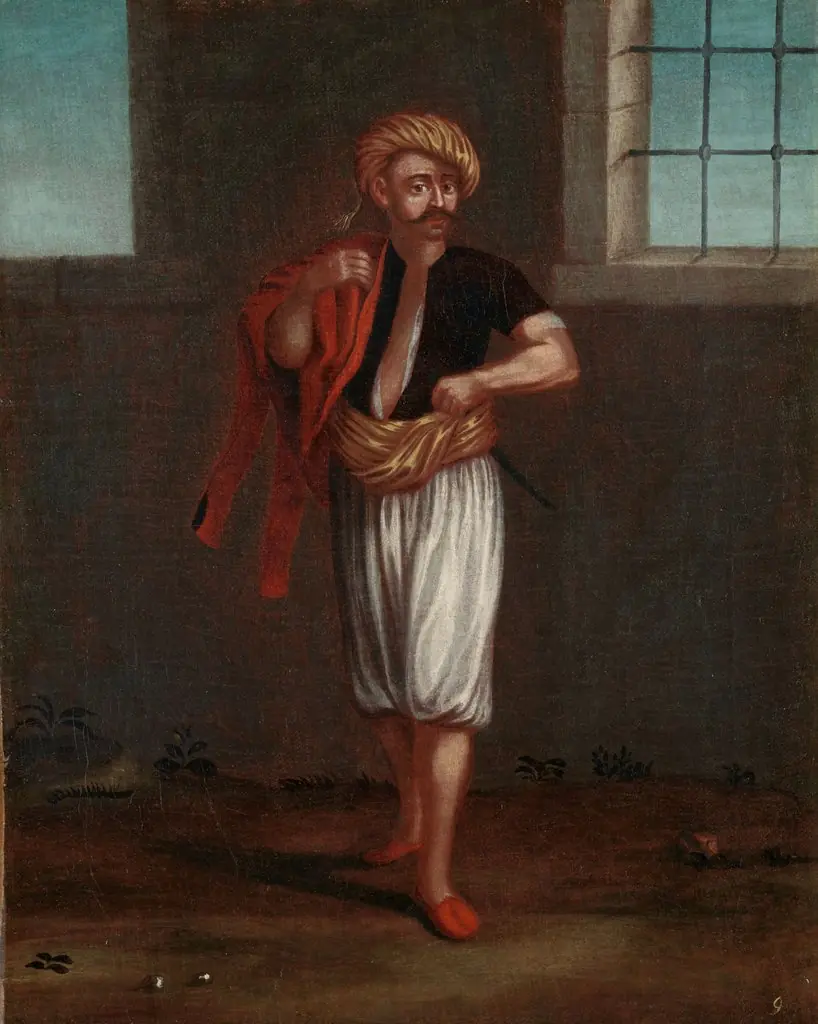
A Soldier of the Janissaries
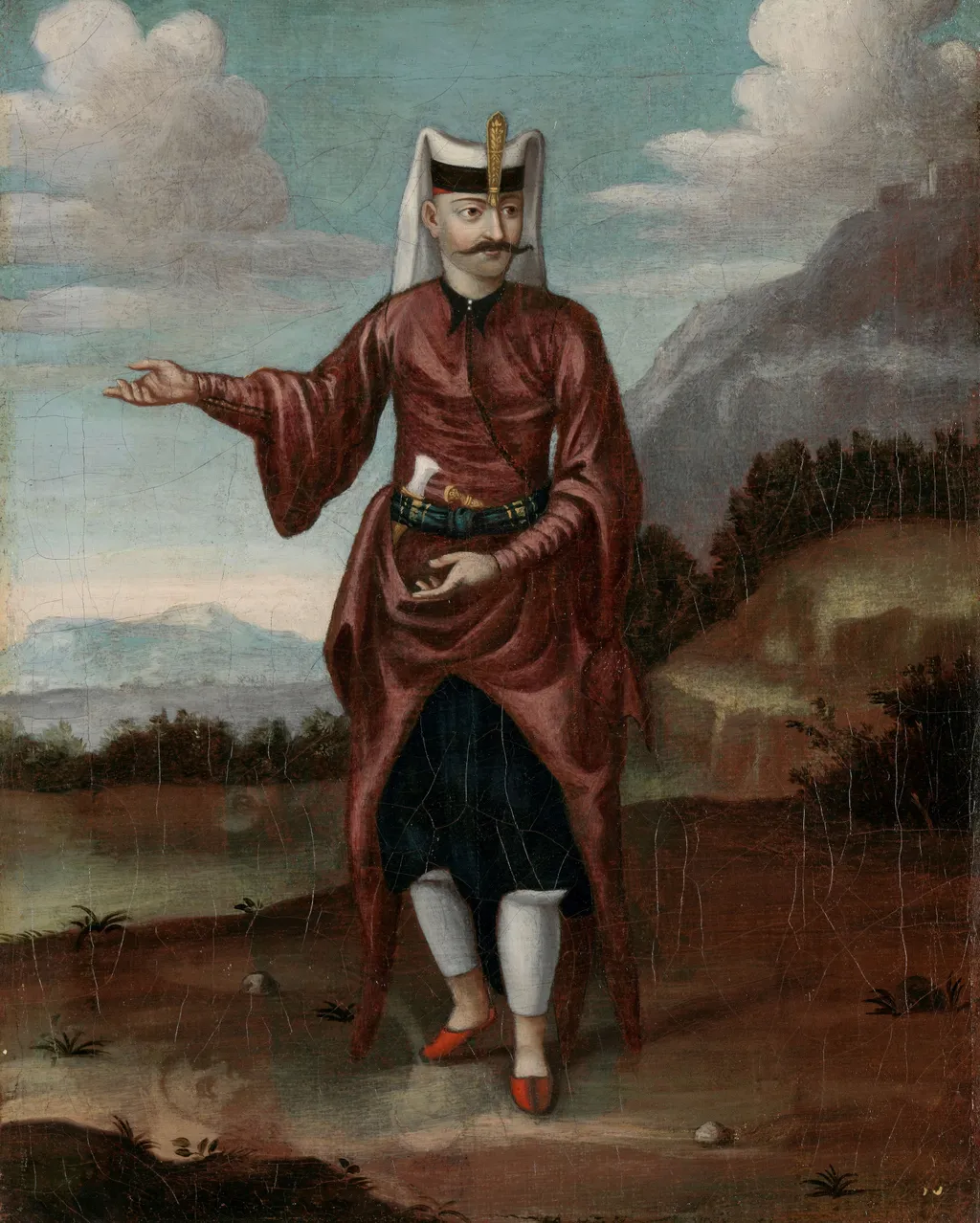
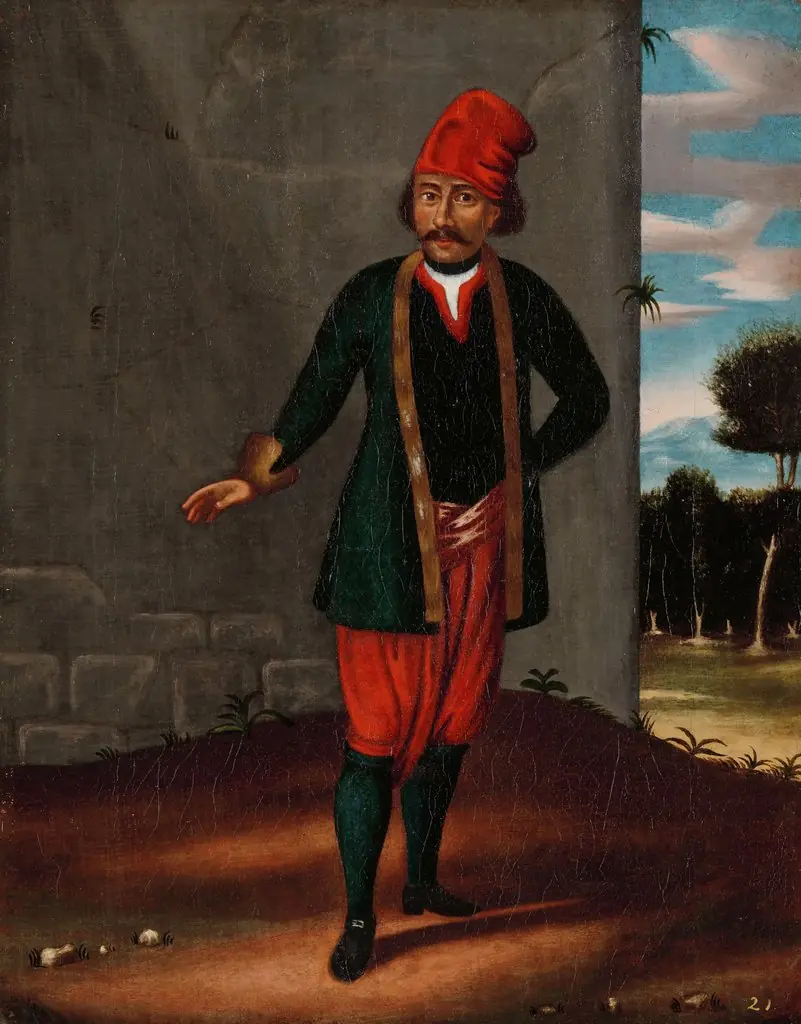
A Soldier of the Janissaries is an oil painting by the Orientalist artist Jean Baptiste Vanmour. It dates from 1718 and is held in the collection of the Rijksmuseum.
About this work
Subject & Meaning
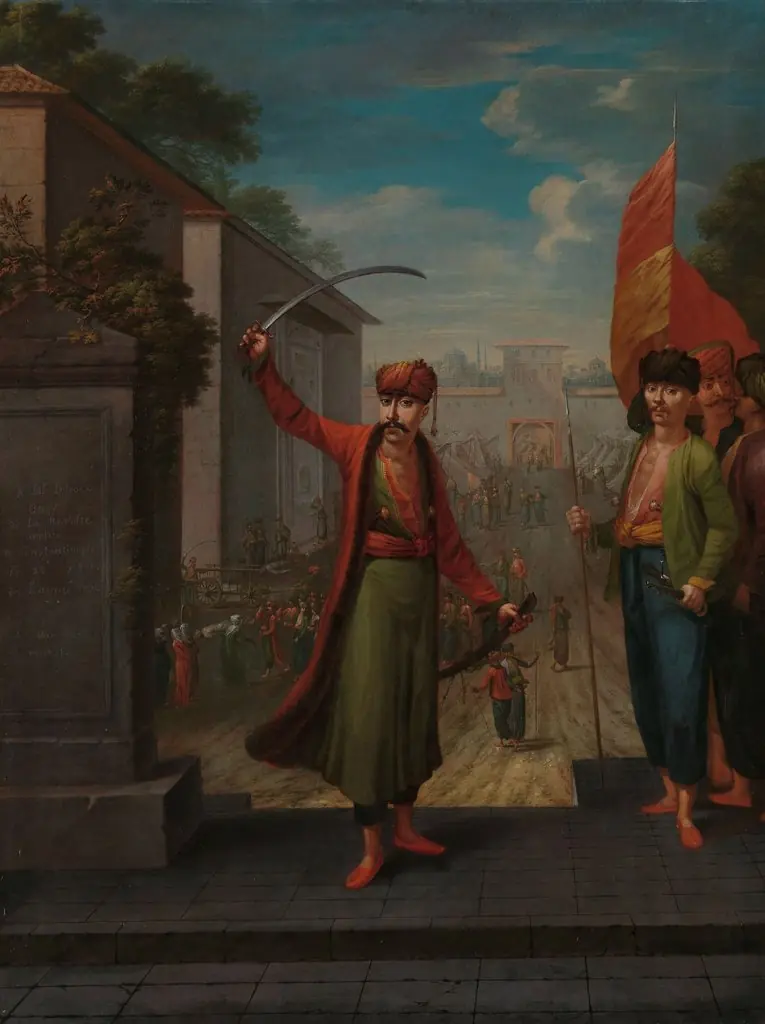
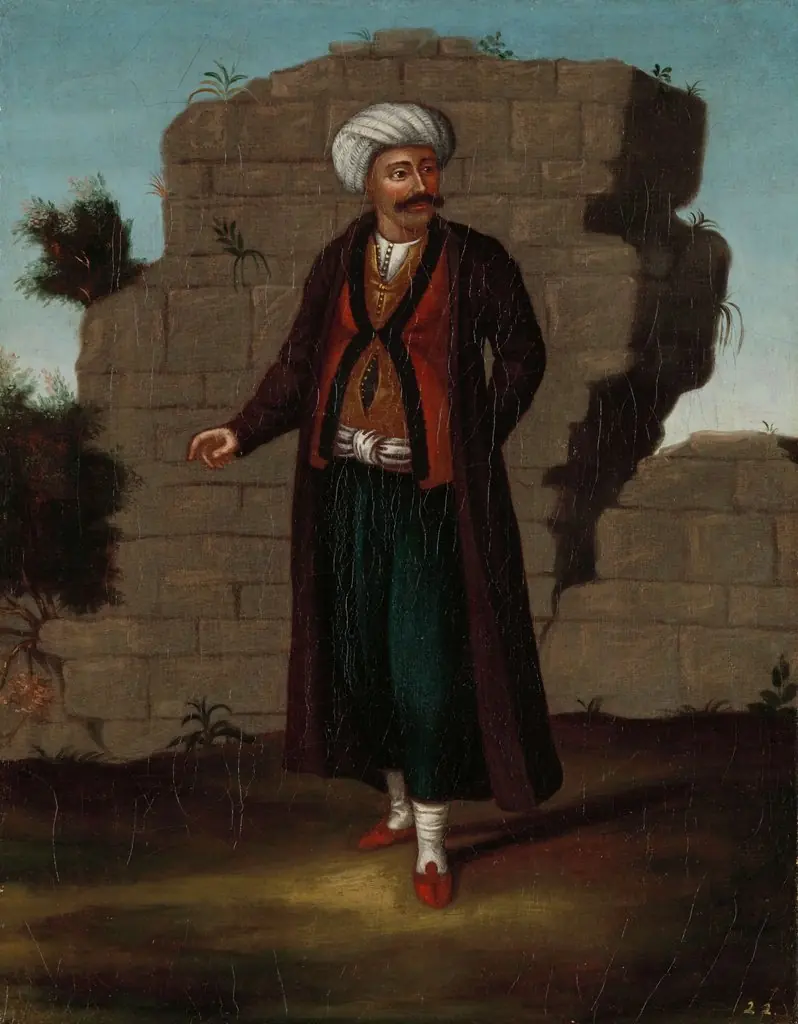
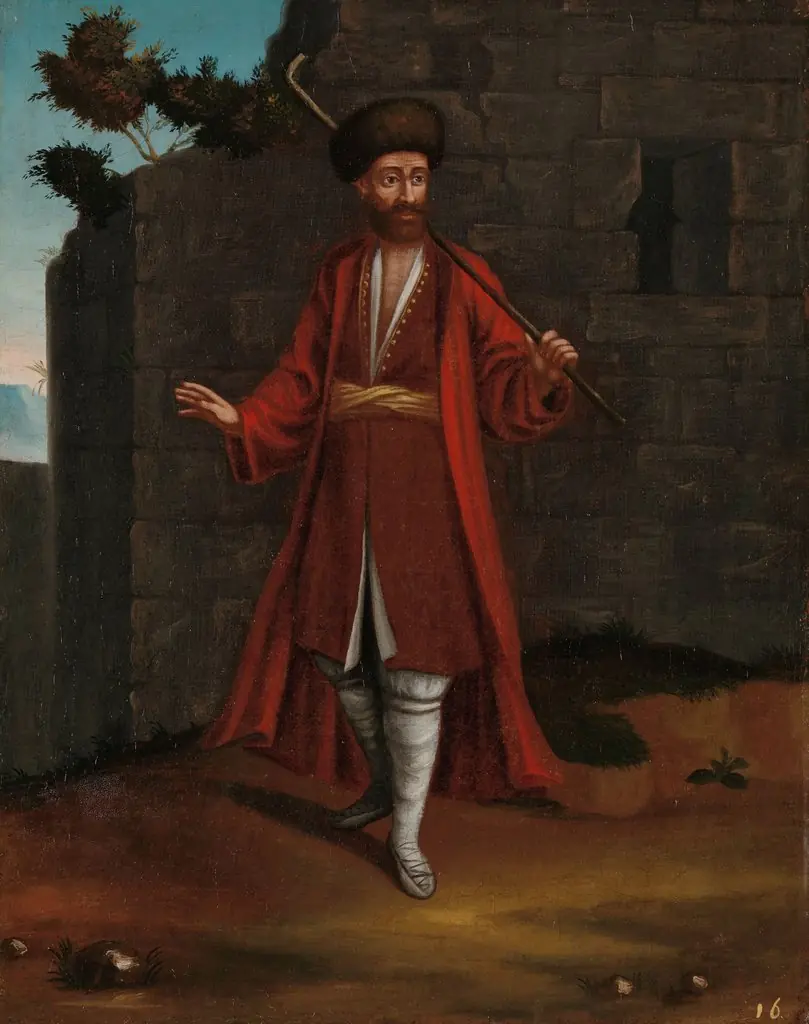
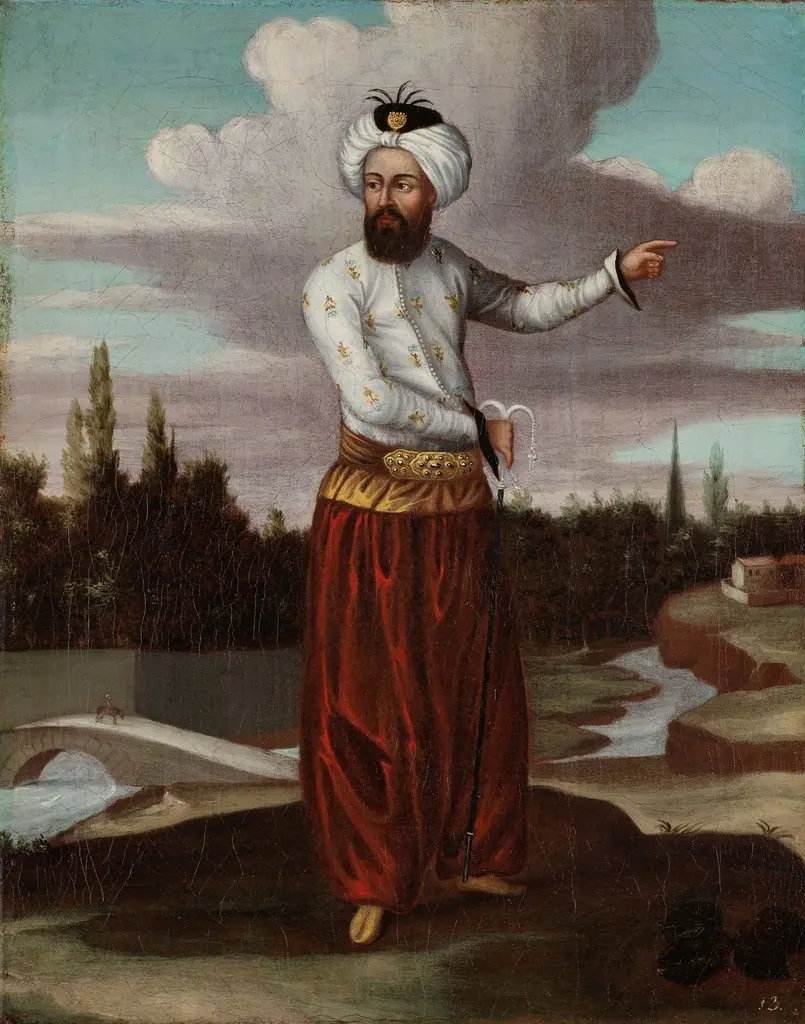
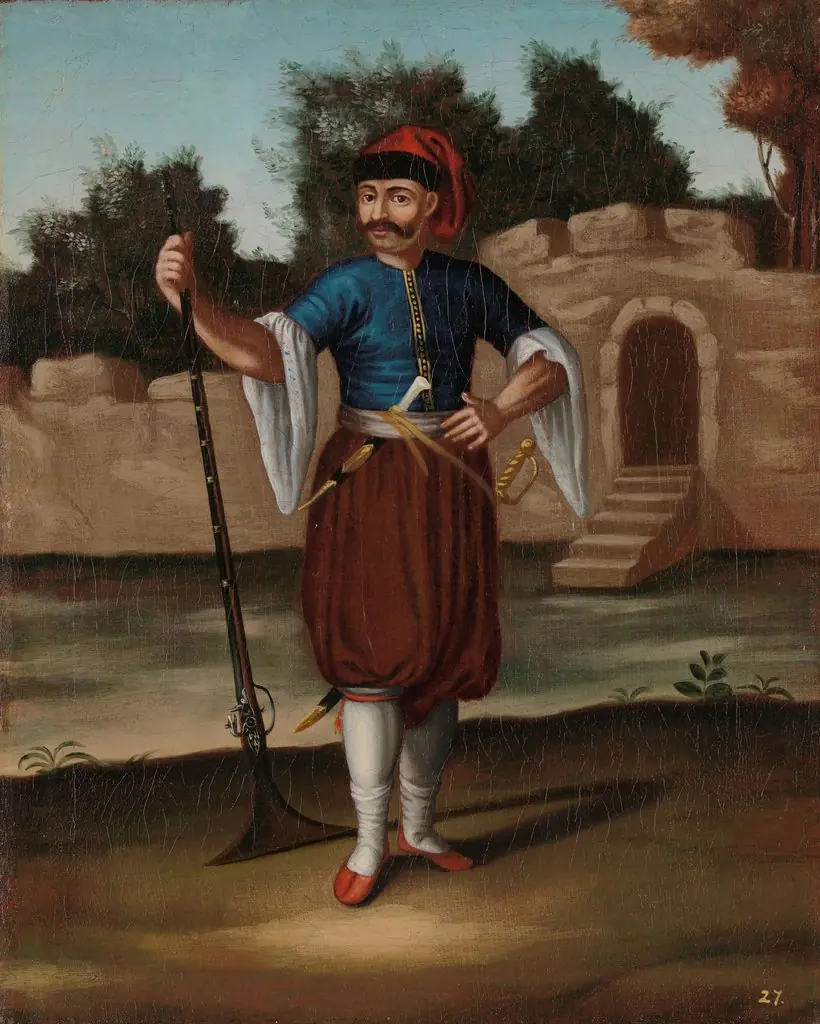
A Soldier of the Janissaries depicts a European officer in Ottoman attire, reflecting European fascination with Ottoman military culture in the early 18th century. The figure’s turban, sash, and weaponry function as iconographic markers of Janissary identity, symbolizing both exotic authority and the hybrid aesthetics of imperial frontier life. Painted in 1718 by Jean Baptiste Vanmour, the work was created during his tenure in Istanbul and portrays a soldier associated with the elite Ottoman infantry corps, linking personal portraiture to broader diplomatic and mercantile encounters between the Dutch and Ottoman worlds.
Technique & Style
As a painted depiction of a soldier, the piece functions within the portrait genre, capturing the specific attire and presence of a Janissary.
Executed in 1718, this portrait utilizes oil paint applied to a canvas support. The work was produced in Istanbul, reflecting the artist's direct engagement with the subject matter within the Ottoman capital. As a painted depiction of a soldier, the piece functions within the portrait genre, capturing the specific attire and presence of a Janissary.
The material composition aligns with standard European painting practices of the early eighteenth century, employing traditional oils to render the figure on a flexible textile ground.
History & Provenance
Jean Baptiste Vanmour created the oil painting A Soldier of the Janissaries in 1718 while working in Istanbul. The work is executed in oil on canvas and belongs to the portrait genre. Regarding its ownership history, the painting was held by Cornelis Calkoen and Nicolaas Calkoen.
It is currently part of the collection of the Rijksmuseum in Amsterdam, where it resides within the holdings of the Directie van de Levantse handel en de Navigatie op de Middellandse Zee, the Koninklijk Kabinet van Zeldzaamheden, and the Nederlandsch Museum voor Geschiedenis en Kunst.
The painting A Soldier of the Janissaries by Jean Baptiste Vanmour is held in the collection of the Rijksmuseum in Amsterdam. The work is part of the museum's holdings derived from the Directie van de Levantse handel en de Navigatie op de Middellandse Zee, the Koninklijk Kabinet van Zeldzaamheden, and the Nederlandsch Museum voor Geschiedenis en Kunst. Previously, the artwork was owned by Cornelis Calkoen and Nicolaas Calkoen before entering the national collection. The painting was created in Istanbul in 1718.
Overview
Jean Baptiste Vanmour, a painter of Flemish origin who worked in France, created the oil painting A Soldier of the Janitharies in 1718. The work portrays a single figure in a bright red coat, white trousers and a feather‑adorned turban, set against a landscape of gentle hills, trees and a cloud‑filled sky. The canvas is part of the Rijksmuseum’s collection.
Context
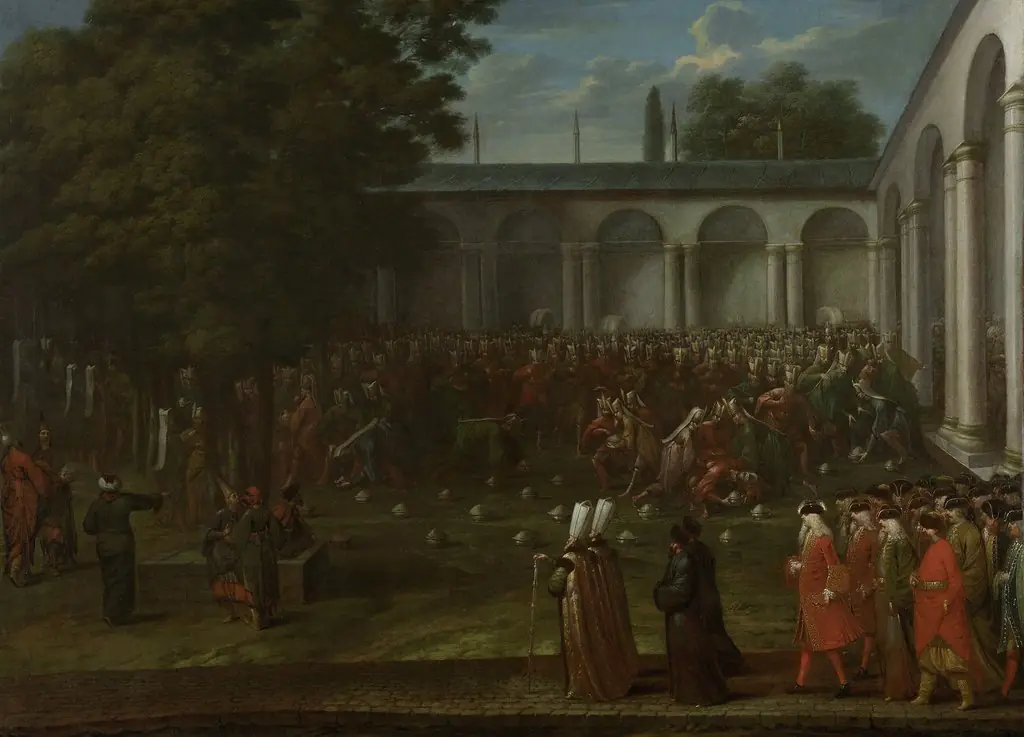
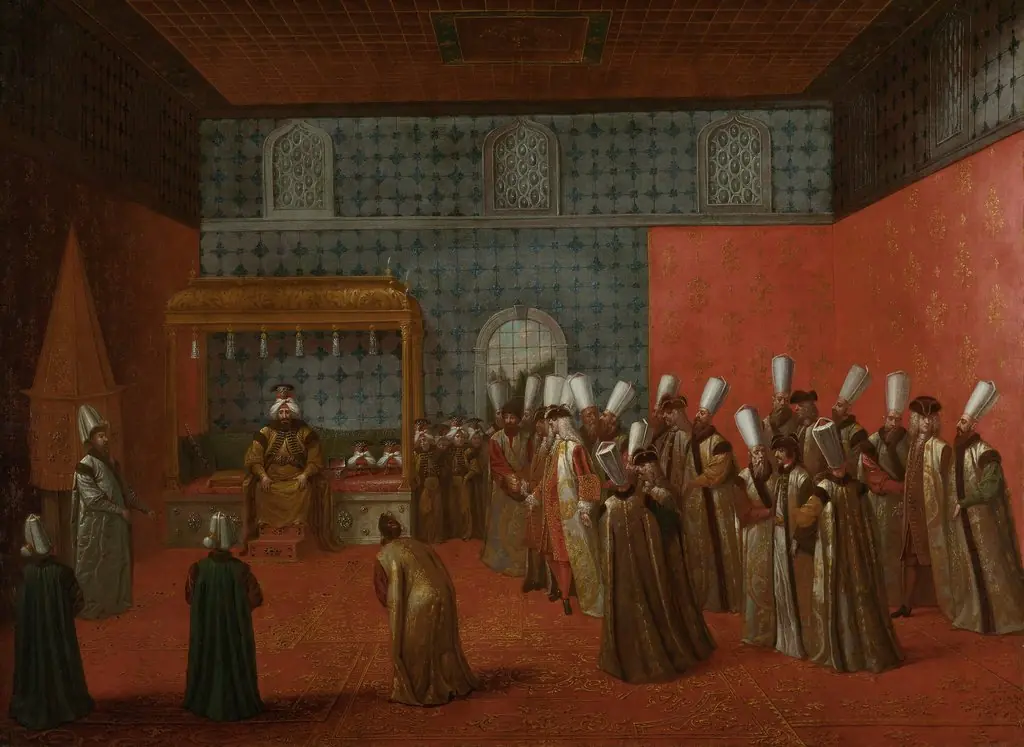
Created during the reign of Sultan Ahmed III, the work reflects a period of relative peace and cultural flourishing known as the Tulip Era. Vanmour’s interest in Ottoman subjects catered to Western curiosity about the empire, and the portrait exemplifies the exchange of visual motifs between European and Ottoman artistic traditions.
Own this work as a print
Artist & collection
Artist
Jean Baptiste Vanmour or Van Mour (9 January 1671 – 22 January 1737) was a Flemish-French painter, remembered for his detailed portrayal of life in the Ottoman Empire during the Tulip Era and the rule of Sultan Ahmed III.