Artwork
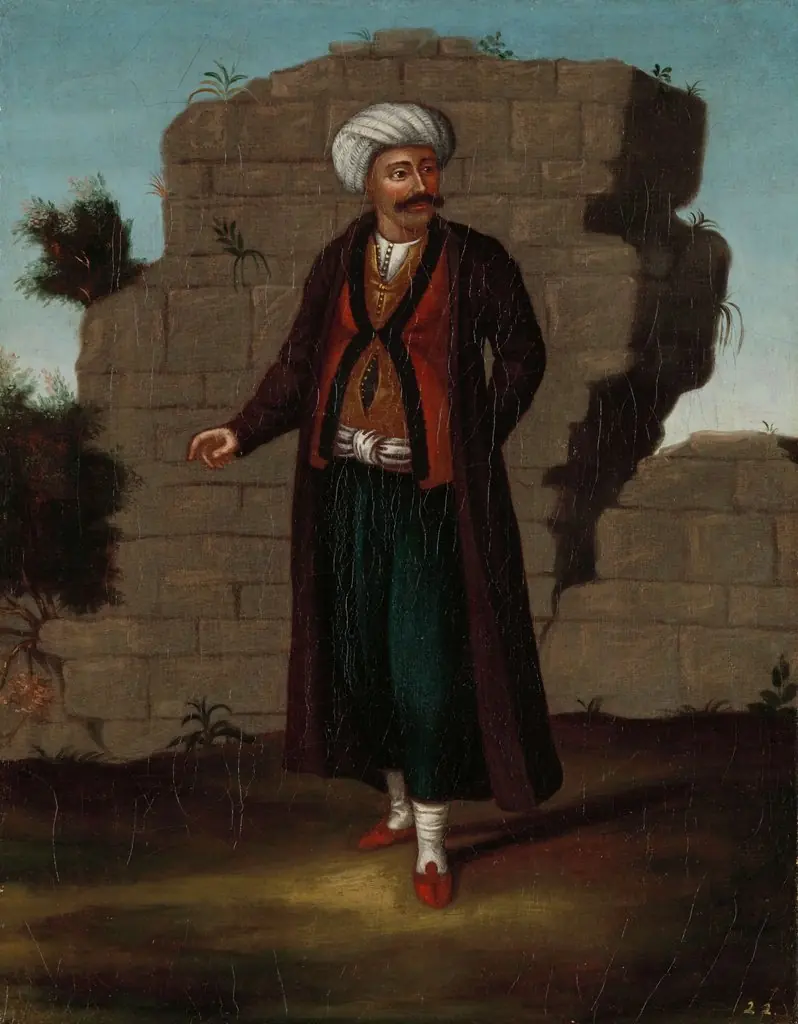
Albanian Soldier
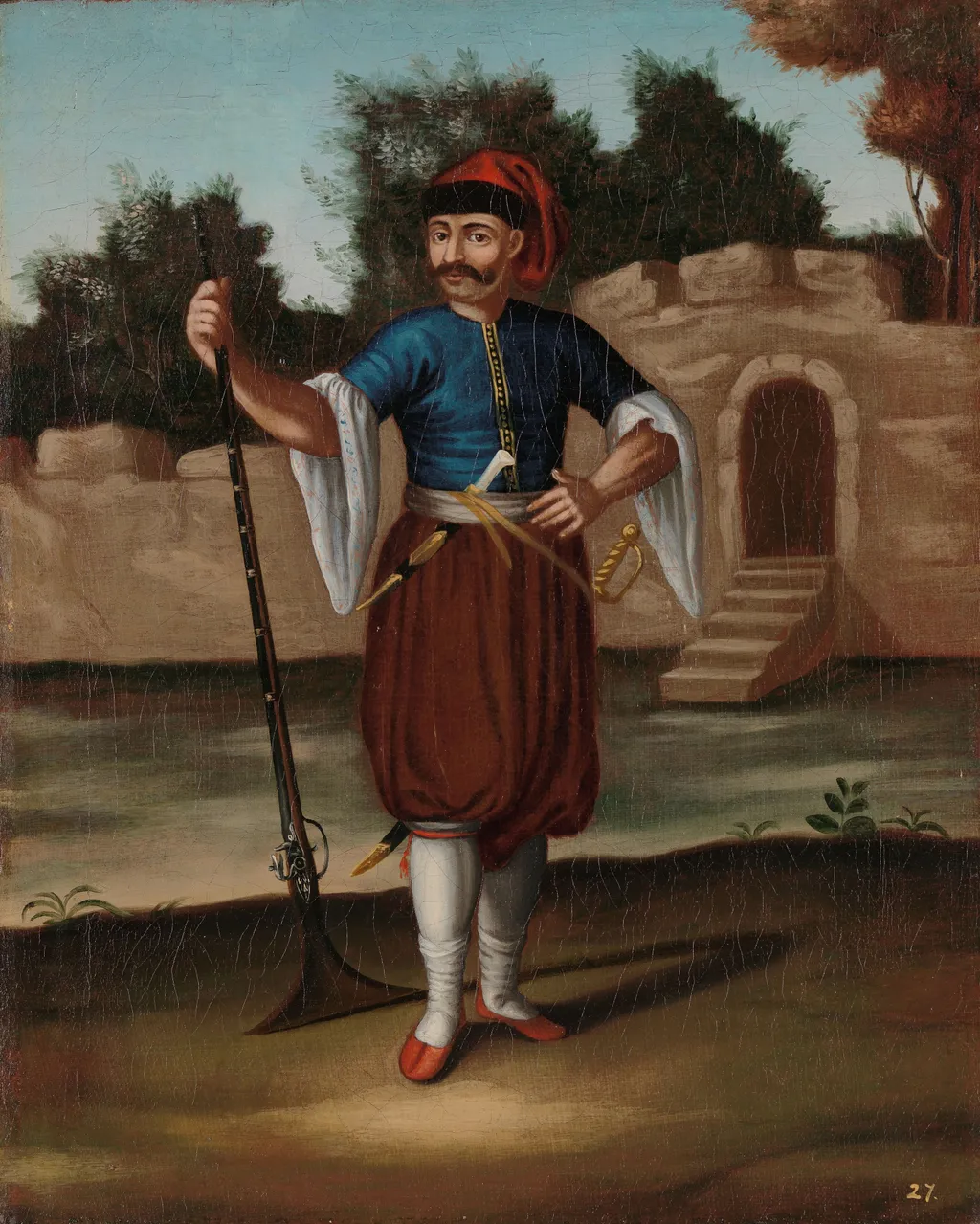
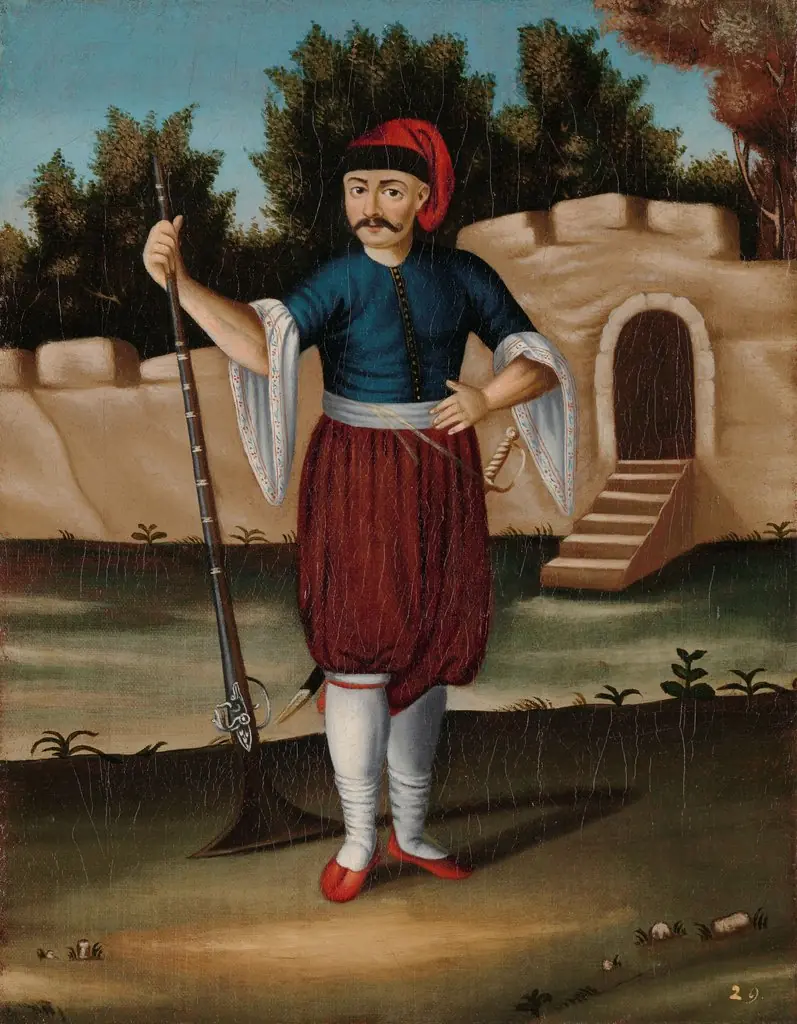
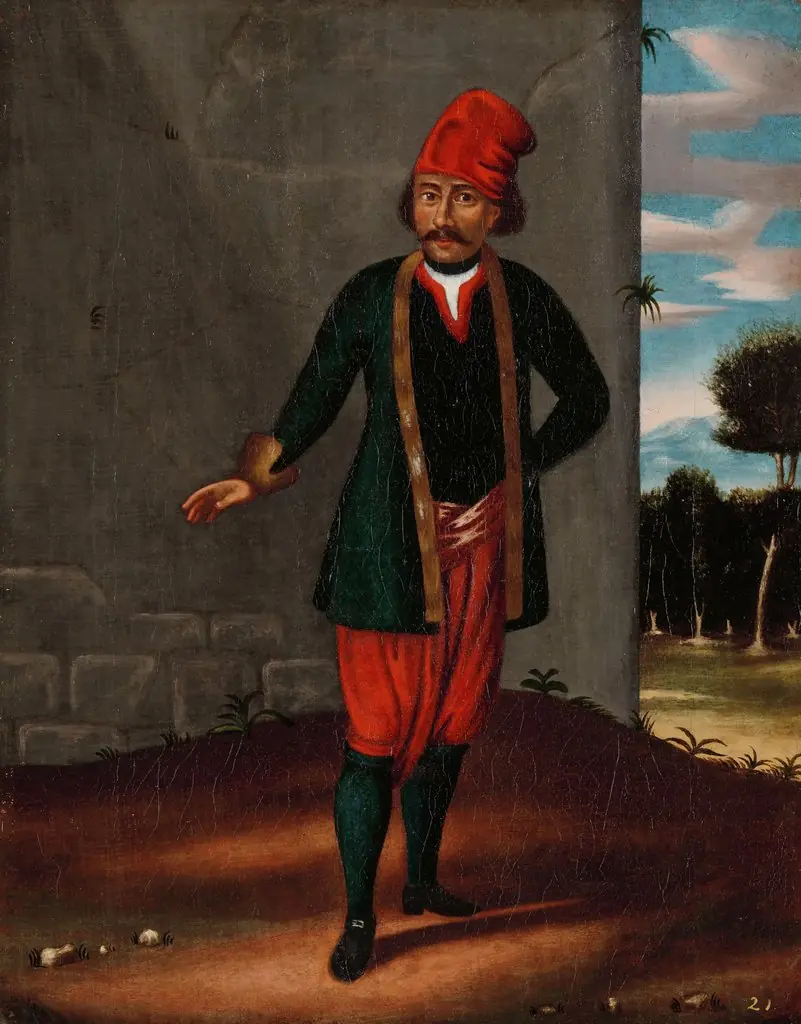
Albanian Soldier is an oil painting by the Rococo painting artist Jean Baptiste Vanmour. It dates from 1718 and is held in the collection of the Rijksmuseum.
About this work
Subject & Meaning
The depiction aligns with genre conventions of portraiture while serving as visual documentation of Albanian participation in Ottoman military structures.
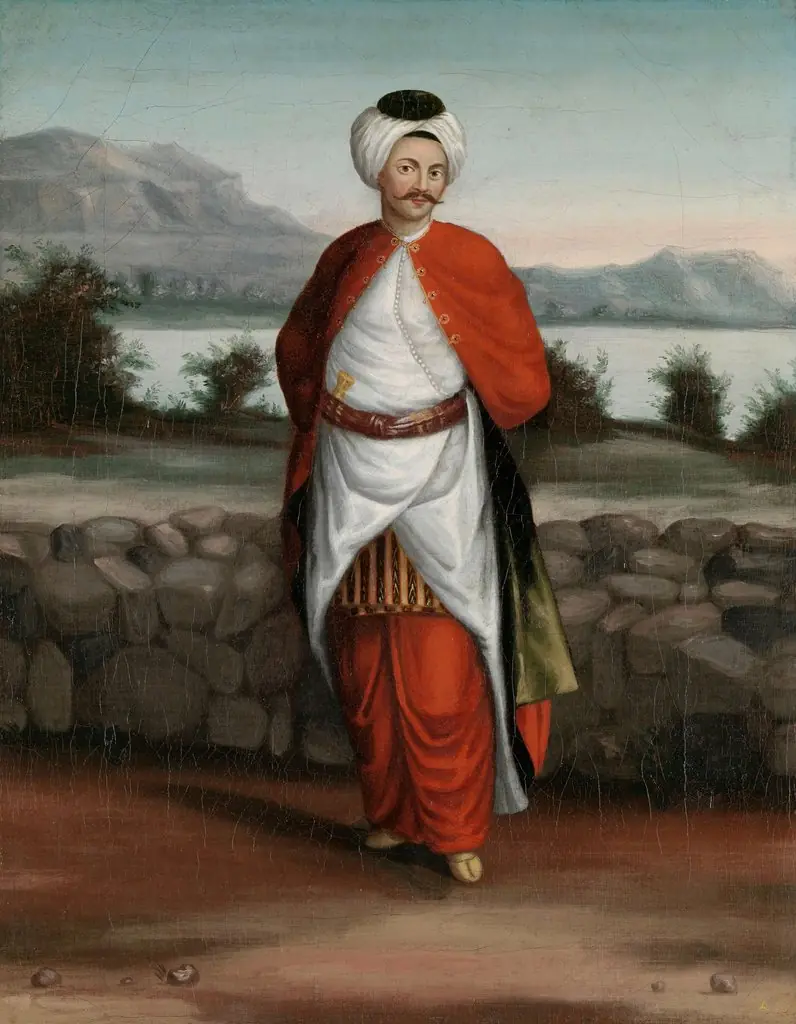
The painting portrays an Albanian soldier in traditional dress, rendered in oil on canvas. Its iconography emphasizes the martial identity of Albanian subjects within the Ottoman imperial context, reflecting contemporary European interest in the Balkans. The work functions as a portrait that conveys both individual presence and broader ethnic representation, linking the figure to themes of military service and cultural distinctiveness. Symbolic elements such as the soldier’s weaponry and attire underscore notions of honor and regional identity.
The composition draws on Vanmour’s role as a diplomatic painter in Istanbul, where he documented diverse populations for European patrons. The depiction aligns with genre conventions of portraiture while serving as visual documentation of Albanian participation in Ottoman military structures. This dual function merges personal likeness with ethnographic observation, reinforcing the subject’s significance within 18th‑century artistic and political discourse.
Technique & Style
Albanian Soldier is executed in oil paint on canvas, a standard support for Vanmour's portrait production. The work is relatively intimate in scale, measuring 39 cm in height by 31.5 cm in width. Classified as a portrait, the painting was produced in Istanbul in 1718, situating it within the artist's sustained period of activity in the Ottoman capital, where he documented figures of the region for European patrons.
The canvas support and oil medium are consistent with the studio techniques Vanmour employed for his small-format ethnographic and costume portraits, allowing for both detailed handling of facial features and the textured rendering of military dress.
History & Provenance
Jean Baptiste Vanmour created the oil-on-canvas portrait Albanian Soldier in 1718 while working in Istanbul. The work depicts an Albanian figure and measures 39 cm in height by 31.5 cm in width. Historical records indicate the painting was owned by Cornelis Calkoen and Nicolaas Calkoen.
It is currently held in the collection of the Rijksmuseum, having been part of the Directie van de Levantse handel en de Navigatie op de Middellandse Zee and the Koninklijk Kabinet van Zeldzaamheden.
Albanian Soldier is held in the collection of the Rijksmuseum in Amsterdam. According to the Wikidata record, the painting has passed through several institutional collections, including the Directie van de Levantse handel en de Navigatie op de Middellandse Zee, the Koninklijk Kabinet van Zeldzaamheden, and the Nederlandsch Museum voor Geschiedenis en Kunst, before its current location at the Rijksmuseum. Earlier private ownership is documented with Cornelis Calkoen and Nicolaas Calkoen, reflecting the painting's provenance from its creation in Istanbul in 1718 to its present institutional home.
No specific inventory or accession number is recorded in the available sources, and no exhibition history is documented.
Legacy
The painting's legacy is anchored in its representation of 18th-century Albanian identity within European diplomatic circles. Its presence in the Rijksmuseum collection since at least the early 20th century has ensured continued scholarly attention to Vanmour's role in documenting Ottoman provincial subjects. The work is frequently cited in studies of Orientalist portraiture for its nuanced portrayal of Albanian sitters, particularly through the depiction of traditional dress and accessories associated with Ottoman-era Albanian elites.
As part of the Rijksmuseum's holdings from the Calkoen collection, it remains accessible for research into cross-cultural representation in the Levant during the late Baroque period.
Overview
Jean Baptiste Vanmour, a Flemish‑French painter active in the early eighteenth century, completed the work titled Albanian Soldier in 1718. Executed in oil on canvas, the painting depicts a solitary figure in vivid attire against a modest outdoor setting. It forms part of Vanmour’s systematic visual record of the peoples and customs of the Ottoman Empire during the period known as the Tulip Era.
Own this work as a print
Artist & collection
Artist
Jean Baptiste Vanmour or Van Mour (9 January 1671 – 22 January 1737) was a Flemish-French painter, remembered for his detailed portrayal of life in the Ottoman Empire during the Tulip Era and the rule of Sultan Ahmed III.