Artwork
Choadar, Servant of the Ambassador
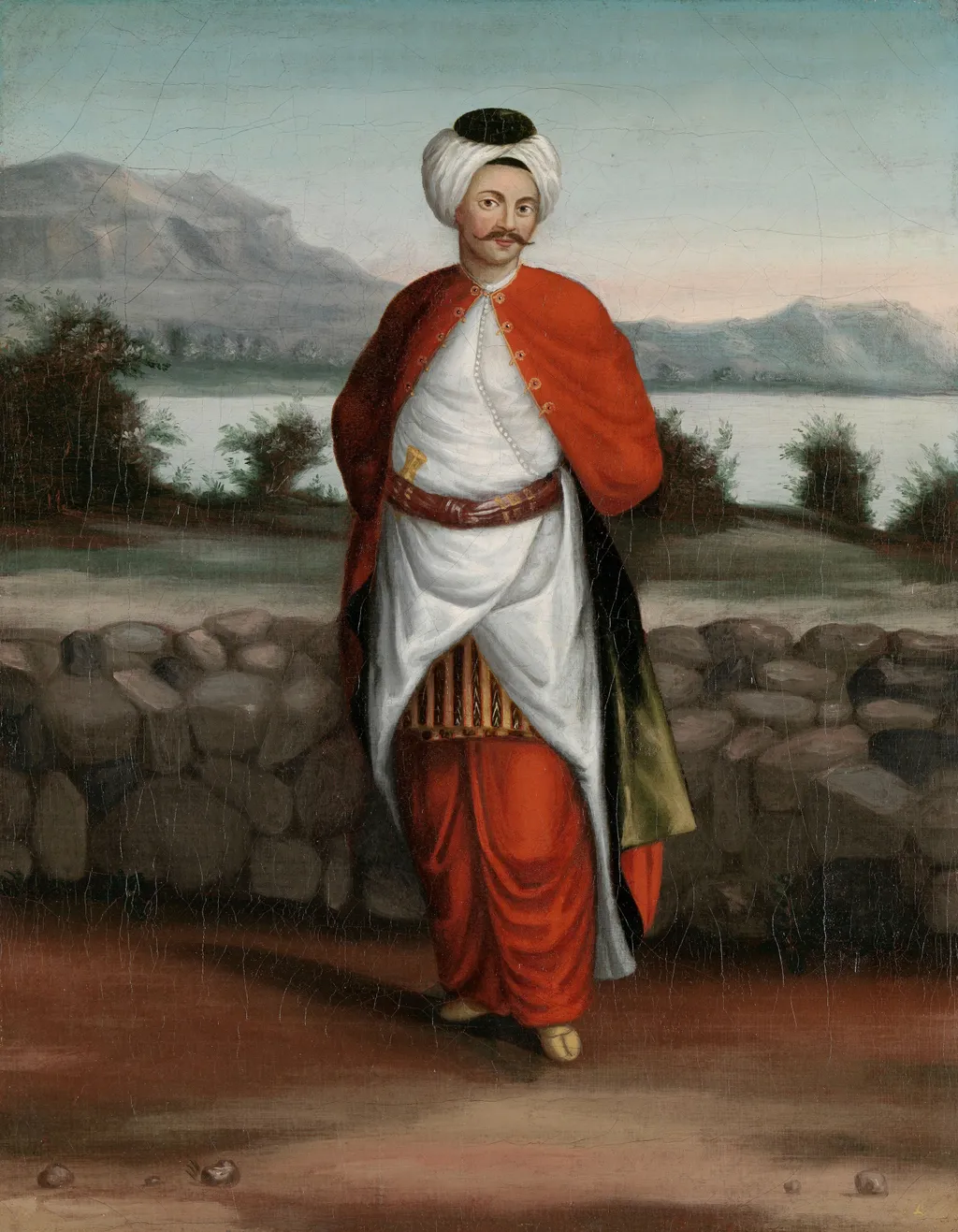
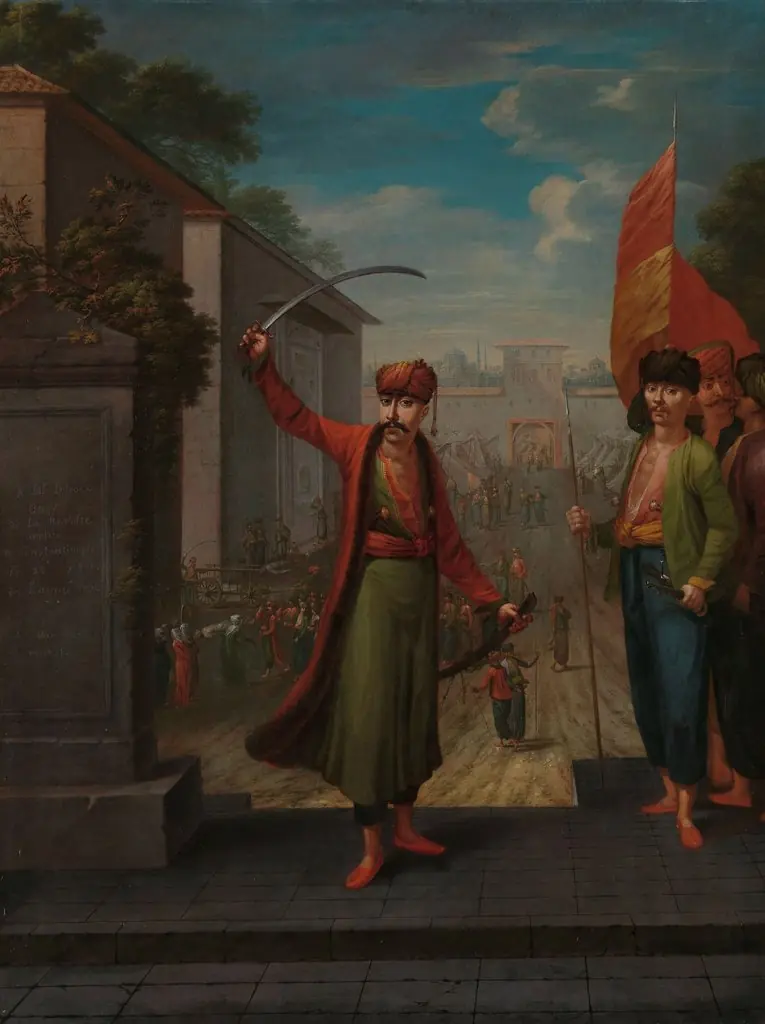
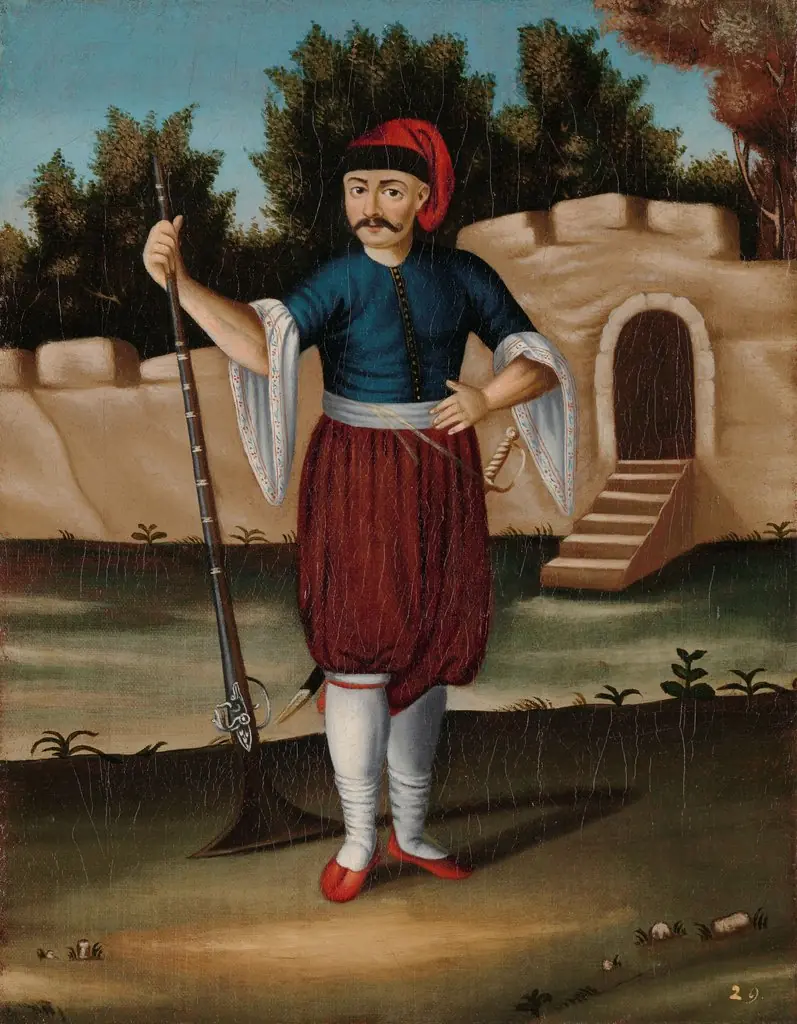
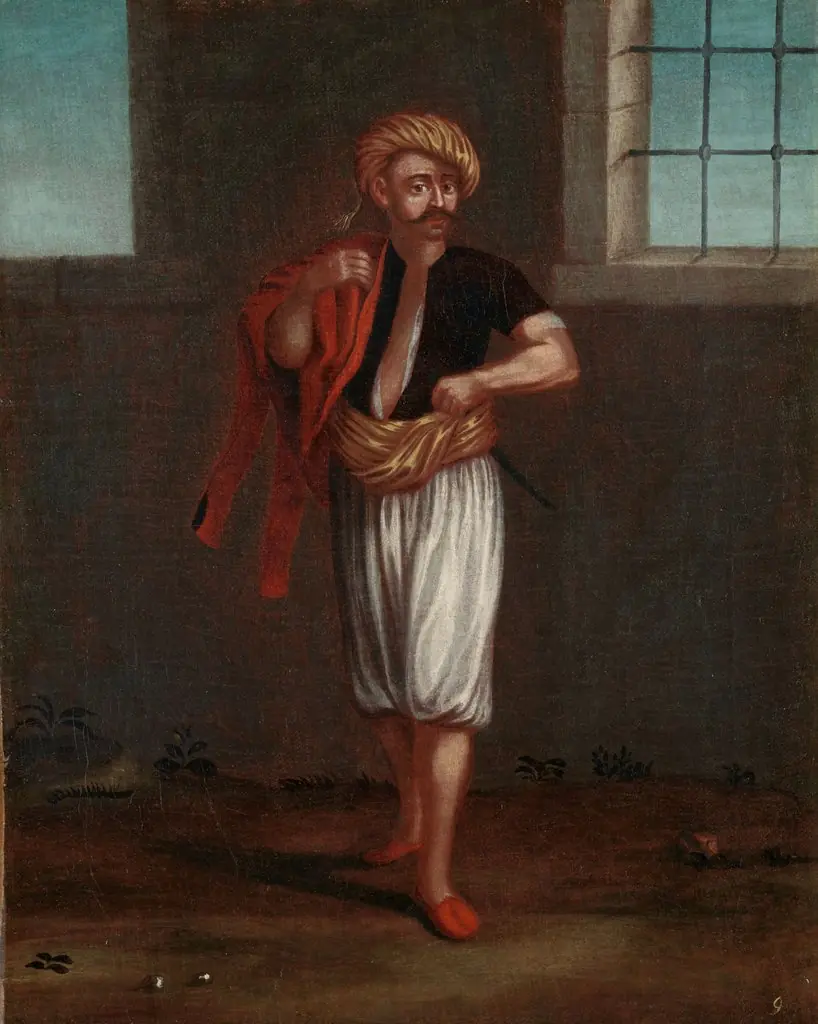
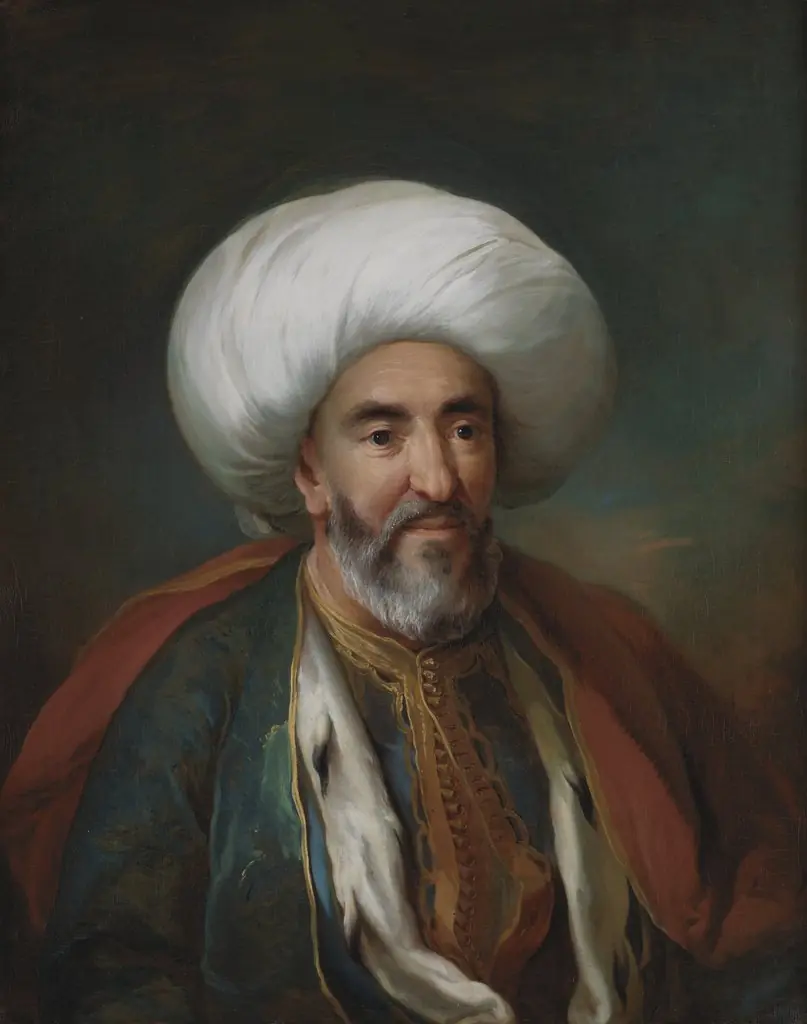
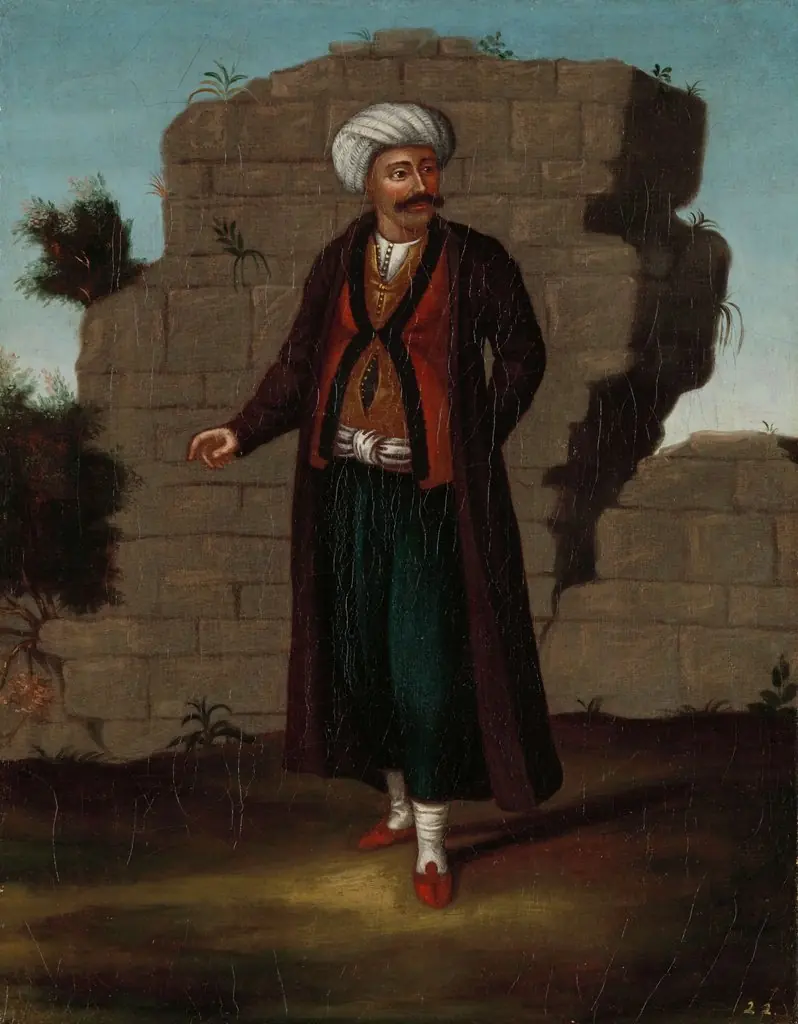
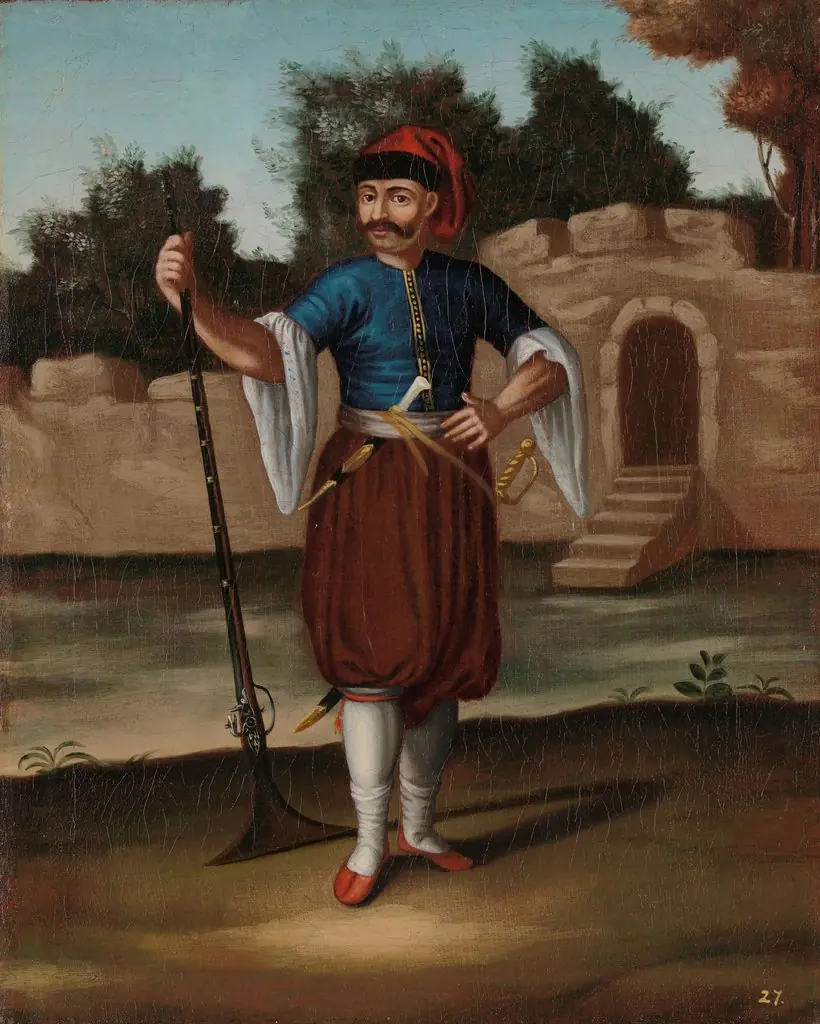
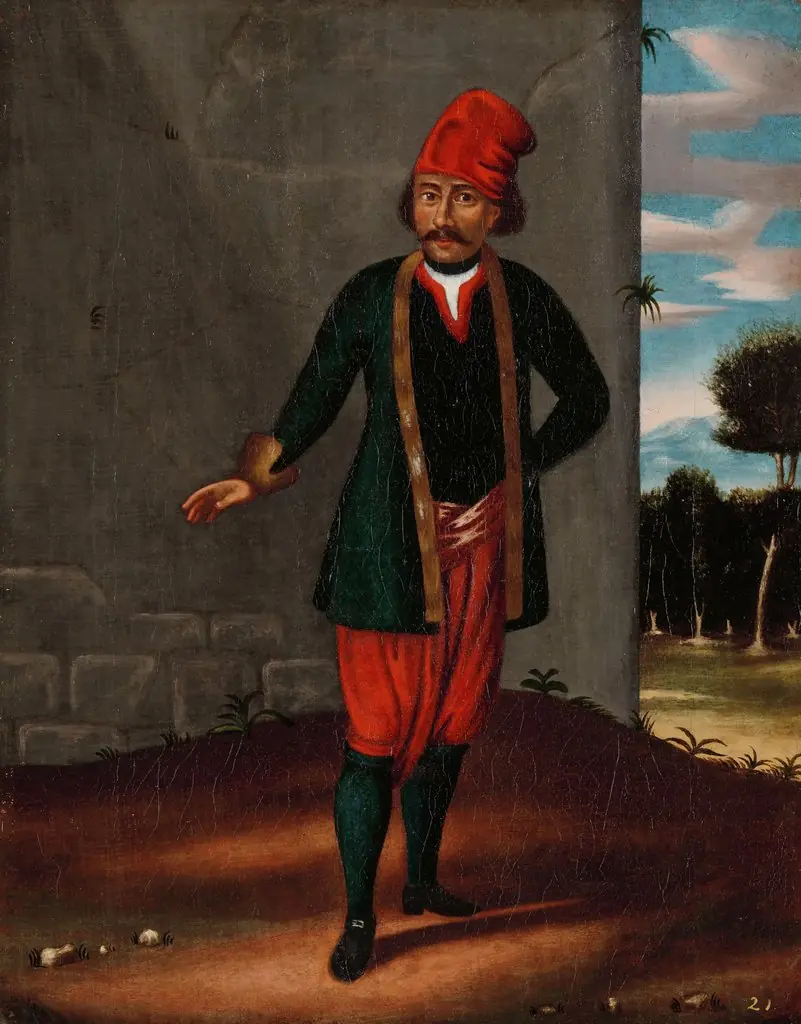
Choadar, Servant of the Ambassador is an oil painting by the Rococo painting artist Jean Baptiste Vanmour. It dates from 1718 and is held in the collection of the Rijksmuseum.
About this work
Subject & Meaning
Created in Istanbul in 1718, this oil painting portrays Choadar, identified specifically as a domestic worker serving an ambassador.
Created in Istanbul in 1718, this oil painting portrays Choadar, identified specifically as a domestic worker serving an ambassador. The work functions as a portrait that documents the personnel within the diplomatic household, likely associated with the Dutch embassy given the artist's context and the painting's subsequent ownership by the Calkoen family.
The subject's depiction emphasizes his role within the Levantine trade and navigation administration, reflecting the hierarchical structure of the embassy staff. By capturing a servant rather than a high-ranking official, the piece offers insight into the broader social fabric of the diplomatic mission, preserving the likeness of an individual who facilitated the daily operations of the ambassador's residence.
Technique & Style
The work is an oil painting executed on canvas, measuring 39.5 cm by 30 cm, created in Istanbul in 1718. It portrays a domestic worker in the employ of the Dutch ambassador, reflecting the social dynamics of the period. The portrait demonstrates Vanmour’s precise brushwork and naturalistic rendering, characteristic of early 18th-century European portraiture.
The painting’s surface condition and handling are noted as stable, with no recorded alterations or damage in the available documentation.
History & Provenance
The painting Choadar, Servant of the Ambassador was commissioned by the Dutch Levant Company for Cornelius Calkoen, Dutch consul-general to the Ottoman Empire in Istanbul, and later passed to his son Nicolaas Calkoen. Painted by Jean Baptiste Vanmour in 1718, it entered the collection of the Rijksmuseum in Amsterdam where it remains on display.
The painting is part of the Rijksmuseum collection, listed under inventory number SK-A-1718. It was created in Istanbul in 1718 by Jean Baptiste Vanmour and depicts a domestic worker. Its dimensions are 39.5 cm in height and 30 cm in width.
The work has been displayed in exhibitions at the Rijksmuseum focusing on Dutch Levant trade and related historical themes.
Context
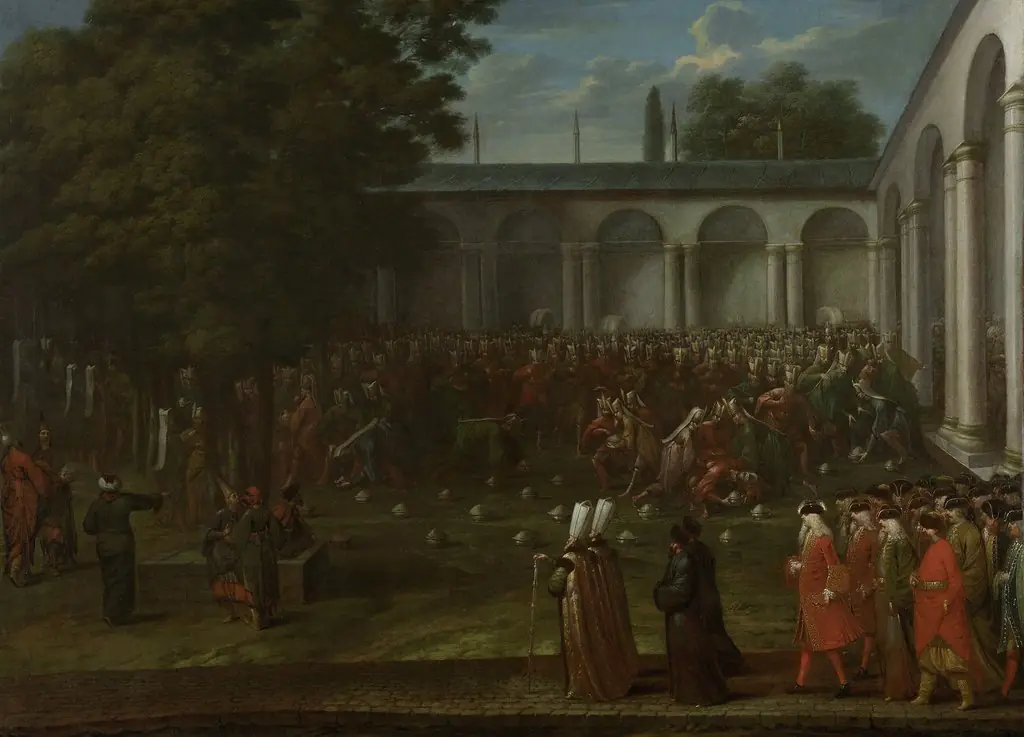
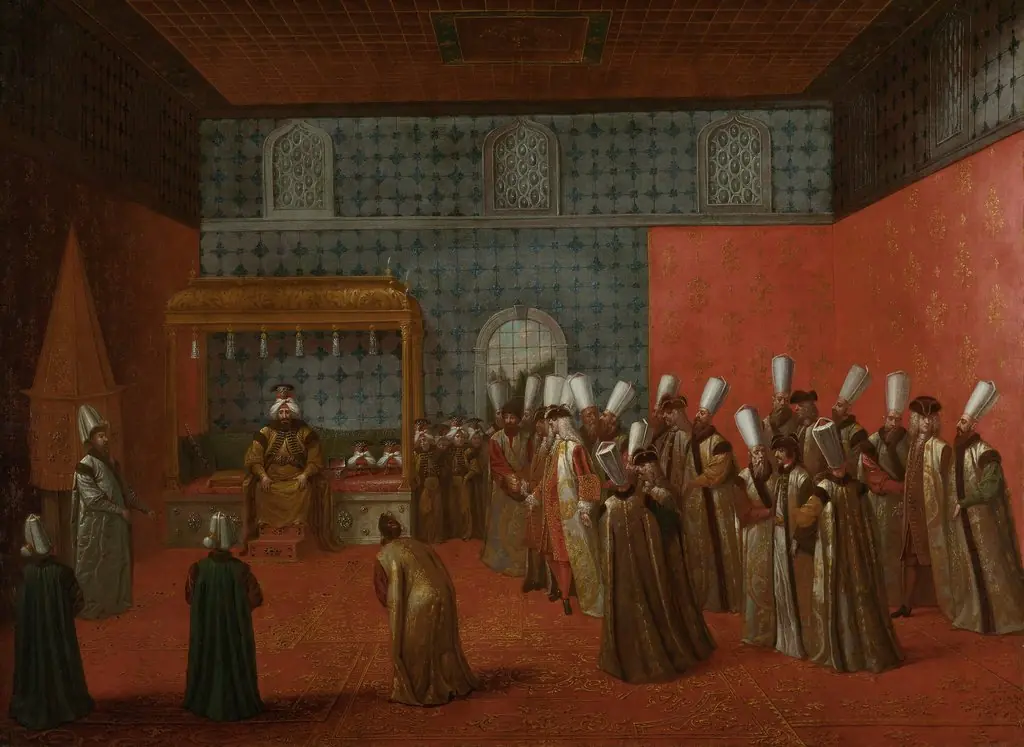
Portraits of domestic workers in 18th-century Ottoman contexts, such as Choadar, Servant of the Ambassador, reveal nuanced social hierarchies within the Levantine trading networks depicted by Jean Baptiste Vanmour. Painted in 1718, the work reflects Vanmour's role as a Dutch-French artist documenting Ottoman elite interactions, as seen in his documentation of figures like Cornelis Calkoen. Its presence in the Rijksmuseum collection underscores its significance within Dutch colonial visual archives, where the artist's genre specialization in portraiture contributed to European understandings of Ottoman domestic life.
Overview
Jean Baptiste Van Mour, a painter of Flemish origin who worked in France, completed the oil canvas titled Choadar, Servant of the Ambassador in 1718. The work belongs to a series of visual records that capture everyday life in the Ottoman capital during the early eighteenth‑century Tulip Era. Today the painting is part of the Rijksmuseum’s holdings.
Own this work as a print
Artist & collection
Artist
Jean Baptiste Vanmour or Van Mour (9 January 1671 – 22 January 1737) was a Flemish-French painter, remembered for his detailed portrayal of life in the Ottoman Empire during the Tulip Era and the rule of Sultan Ahmed III.