Artwork
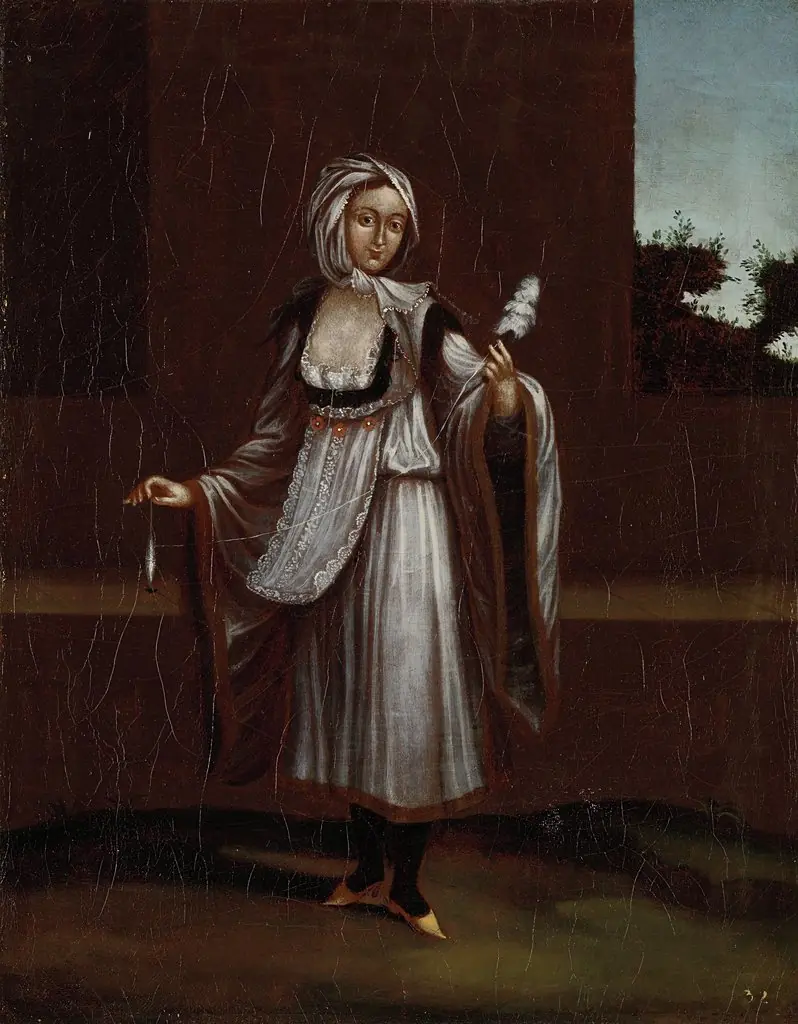
Woman from the Albanian Coast
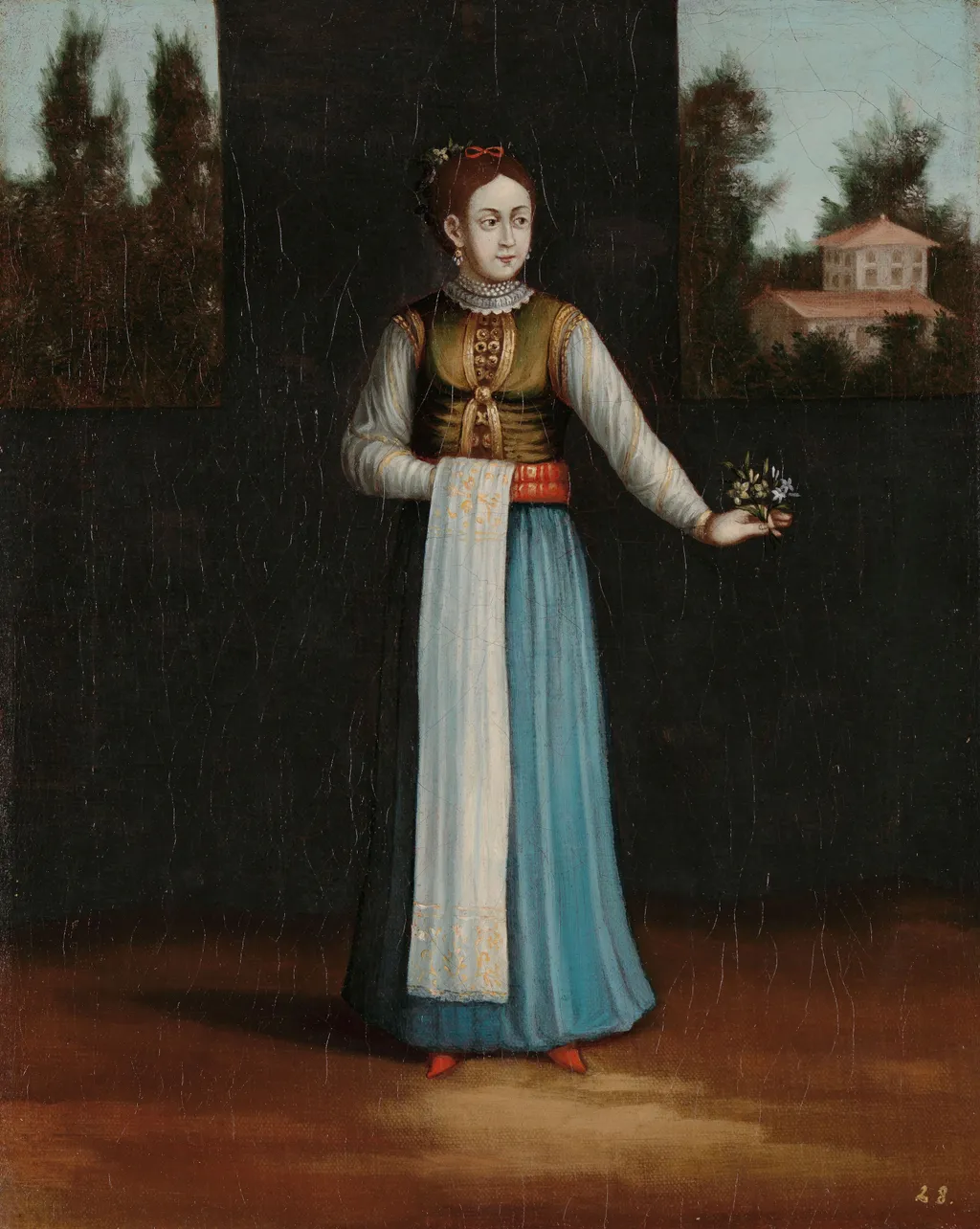
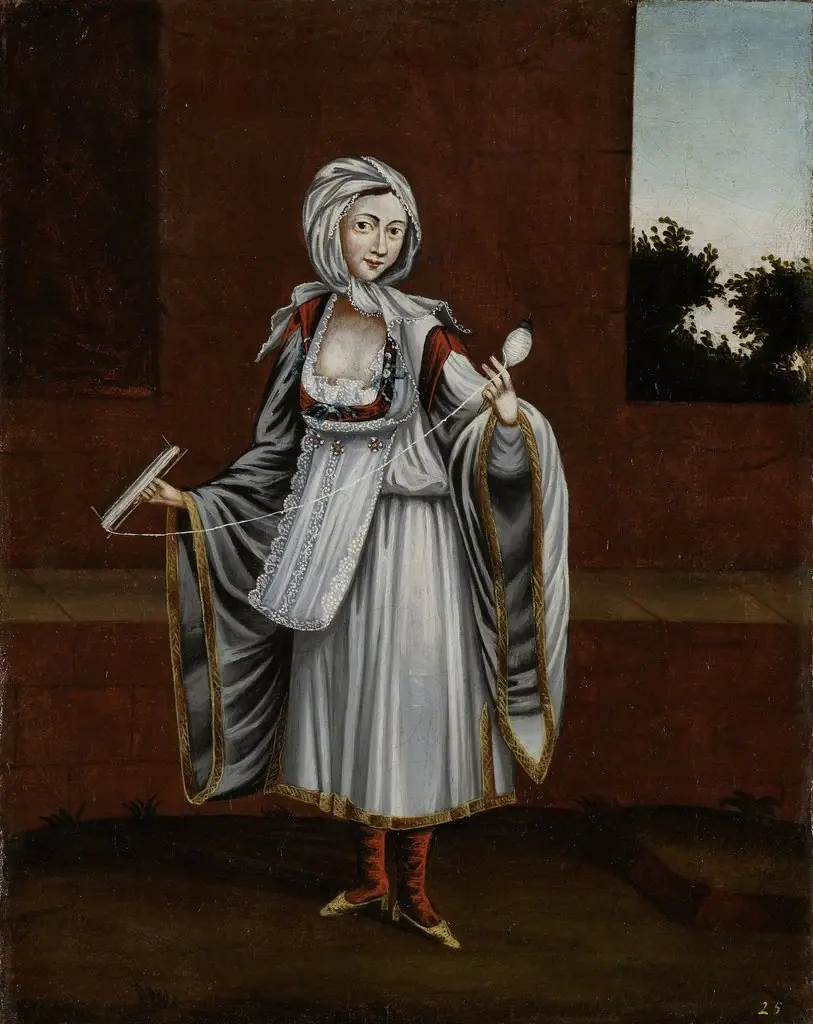
Woman from the Albanian Coast is an oil painting by the Orientalist artist Jean Baptiste Vanmour. It dates from 1718 and is held in the collection of the Rijksmuseum.
About this work
Subject & Meaning
Created in Istanbul, the piece serves as a visual record of a specific individual or type of woman from that region during the early eighteenth century.
The work depicts a woman, identified by the title as originating from the Albanian Coast. Executed as a portrait by Jean Baptiste Vanmour in 1718, the painting presents a single female figure. Created in Istanbul, the piece serves as a visual record of a specific individual or type of woman from that region during the early eighteenth century.
As a portrait within the context of Vanmour's oeuvre, the subject represents the cultural and geographical scope of the artist's documentation of Ottoman and surrounding territories.
Technique & Style
Executed in 1718, this portrait utilizes oil paint applied to a canvas support. The work measures 39.5 cm in height and 31 cm in width. Created in Istanbul, the painting functions as a genre portrait depicting a woman from the Albanian coast.
The composition reflects the artist's focus on regional figures within the Ottoman Empire, rendered through standard oil painting techniques of the early eighteenth century.
History & Provenance
The painting Woman from the Albanian Coast is dated to 1718 and attributed to Jean Baptiste Vanmour based on internal documentation and a contemporaneous source entry.
The work entered Dutch institutional holdings through Cornelis Calkoen, who likely brought it from Istanbul, where Vanmour was active. It subsequently passed to his son Nicolaas Calkoen and was later transferred to the Directie van de Levantse handel en de Navigatie op de Middellandse Zee. By the nineteenth century it resided in the Koninklijk Kabinet van Zeldzaamheden, later forming part of the Nederlandsch Museum voor Geschiedenis en Kunst before entering the Rijksmuseum’s collection.
Woman from the Albanian Coast is held in the Rijksmuseum collection, listed under inventory number 1950.A4. The work entered the museum through the Directie van de Levantse handel en de Navigatie op de Middellandse Zee and the Koninklijk Kabinet van Zeldzaamheden, both of which are part of the institution’s historical holdings. It has been exhibited as part of the Rijksmuseum’s portrait series, though specific exhibition dates are not provided in the source.
Overview
Jean Baptiste Van Mour, a Flemish‑French artist active in the early 1700s, painted Woman from the Albanian Coast in 1718. Executed in oil on canvas, the work presents a solitary female figure against a subdued backdrop, framed by faint landscape elements on either side. The painting is part of the Rijksmuseum’s collection.
Context
Created during the Ottoman Empire’s Tulip Era, a period noted for heightened cultural exchange and artistic patronage under Sultan Ahmed III, the painting reflects contemporary European interest in Ottoman life. Van Mour’s oeuvre from this time includes numerous courtly and everyday portraits that served both documentary and diplomatic purposes.
Own this work as a print
Artist & collection
Artist
Jean Baptiste Vanmour or Van Mour (9 January 1671 – 22 January 1737) was a Flemish-French painter, remembered for his detailed portrayal of life in the Ottoman Empire during the Tulip Era and the rule of Sultan Ahmed III.