Artwork
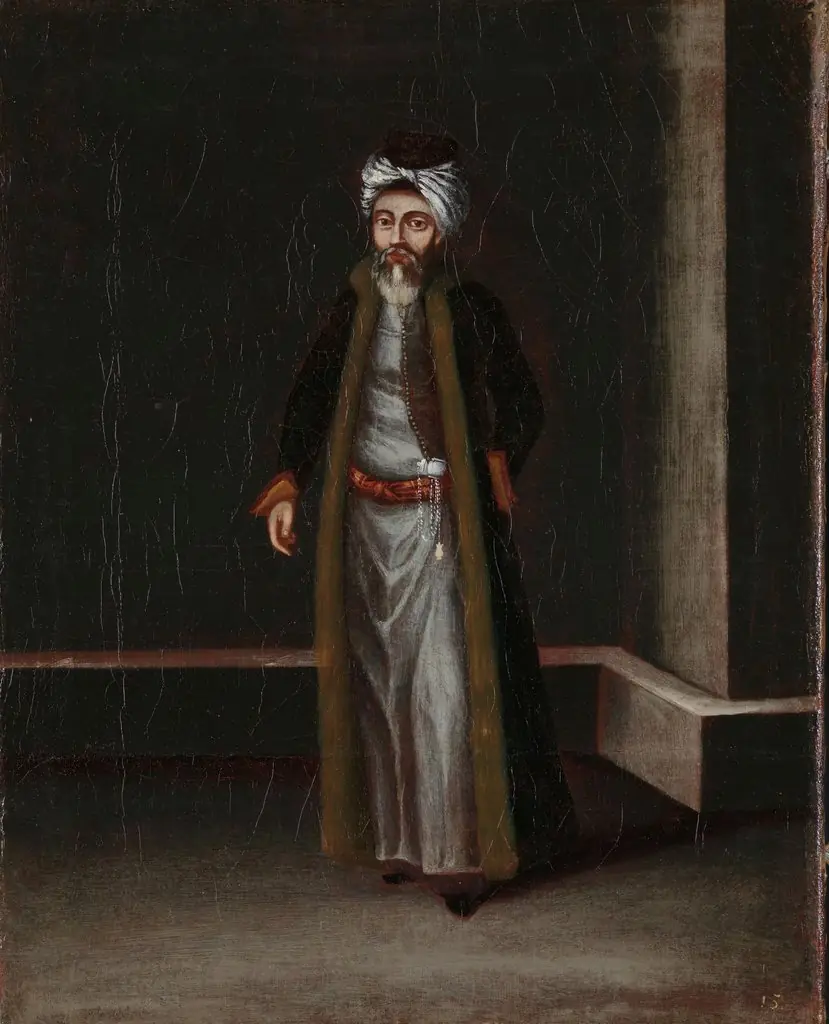
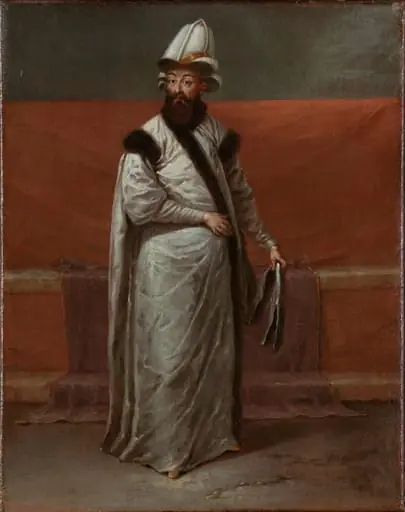
The Capon Aghassi, Chief of the White Eunuchs of the Sultan
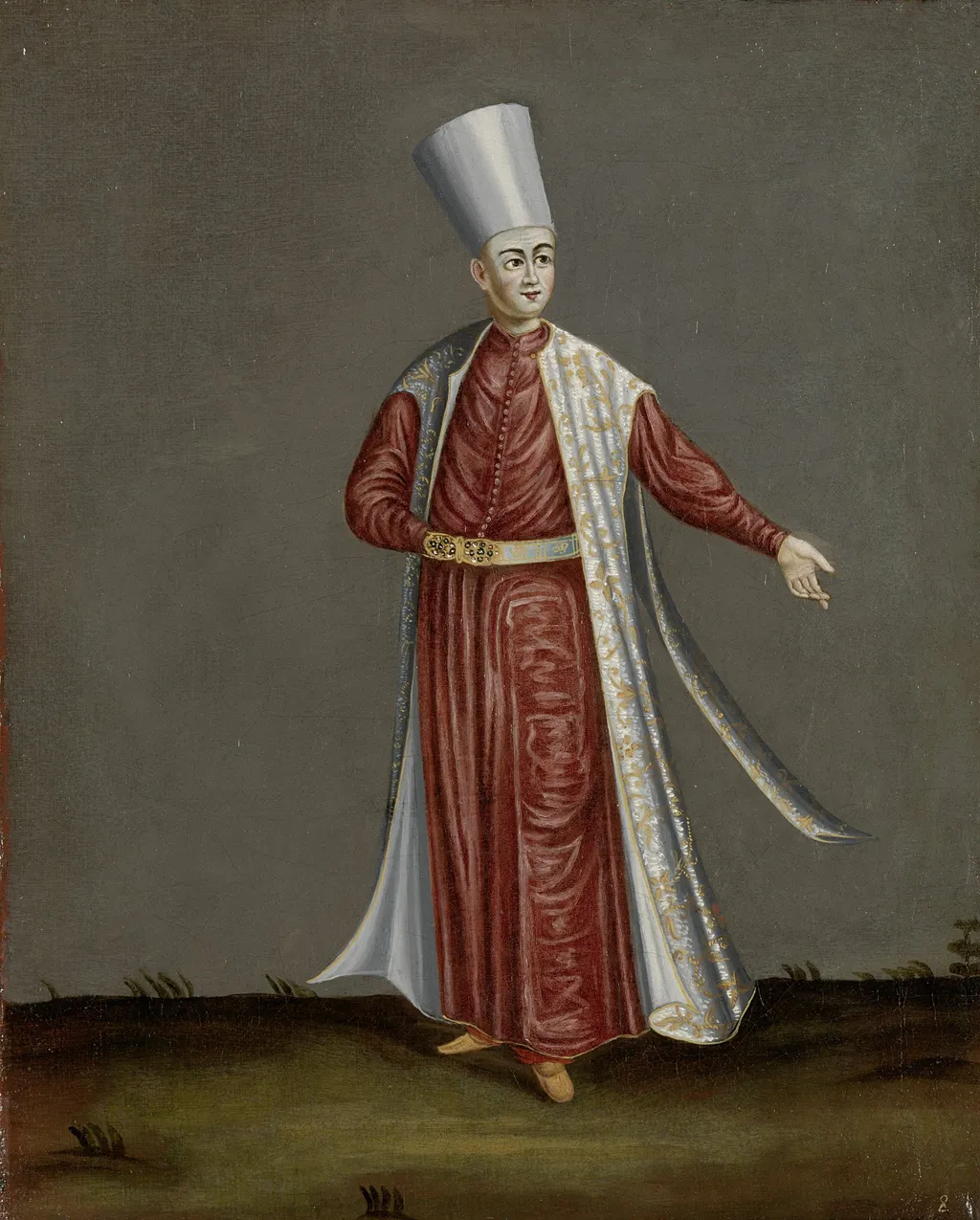
The Capon Aghassi, Chief of the White Eunuchs of the Sultan is an oil painting by the Orientalist artist Jean Baptiste Vanmour. It dates from 1718 and is held in the collection of the Rijksmuseum.
About this work
Subject & Meaning
The subject is shown in three-quarter view against a neutral background, wearing a dark robe and a turban, conveying his official status and dignified bearing.
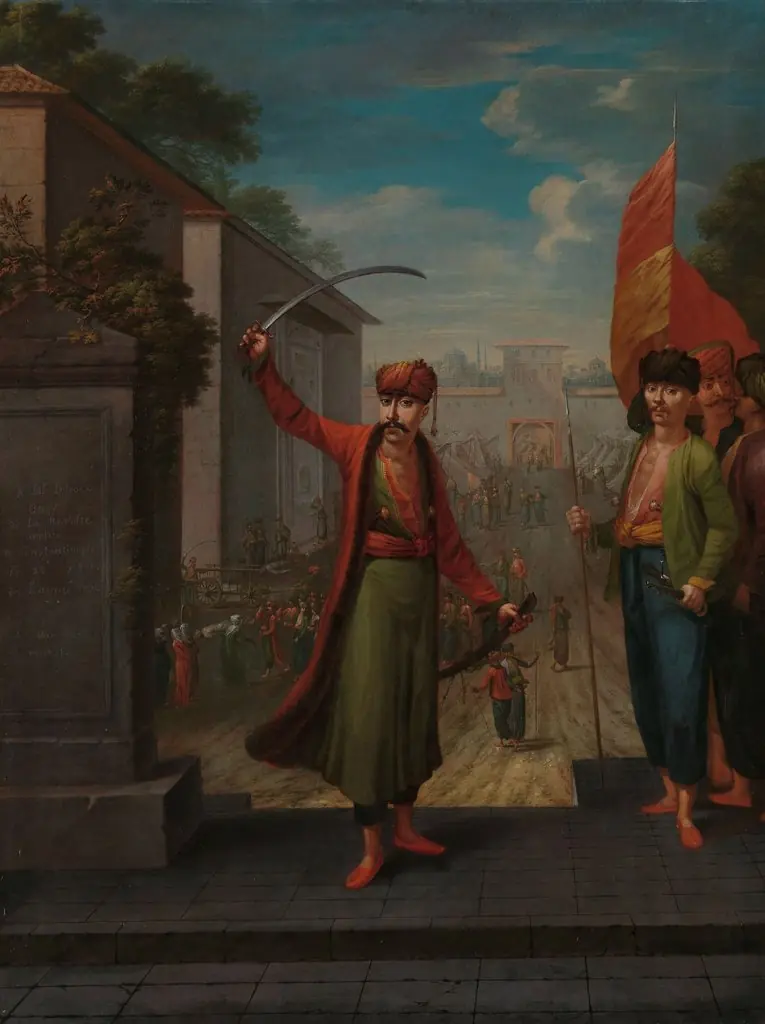
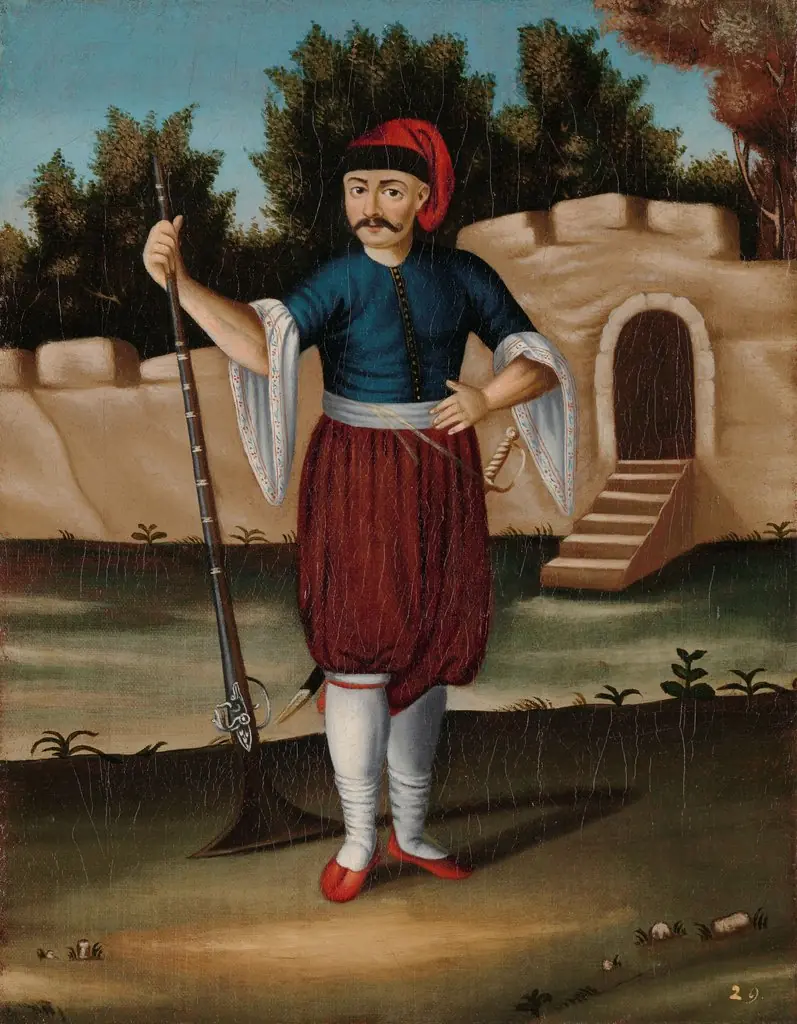
The Capon Aghassi, Chief of the White Eunuchs of the Sultan depicts a high-ranking Ottoman official responsible for the palace’s white eunuchs, a position of considerable authority within the imperial household. The subject is shown in three-quarter view against a neutral background, wearing a dark robe and a turban, conveying his official status and dignified bearing. The painting belongs to a group of portraits by Jean-Baptiste Vanmour documenting Ottoman elites in early eighteenth-century Istanbul, reflecting European curiosity about the inner workings of the Ottoman court.
Technique & Style
The Capon Aghassi, Chief of the White Eunuchs of the Sultan is an oil painting on canvas created in 1718. It measures 39.5 cm by 31.5 cm and depicts a portrait genre scene. The work was painted in Istanbul and is part of the Rijksmuseum collection, which holds it as part of its holdings related to Levantine trade and the Dutch presence in the Ottoman Empire.
History & Provenance
The Capon Aghassi, Chief of the White Eunuchs of the Sultan was painted by Jean Baptiste Vanmour in 1718, executed in oil on canvas in Istanbul, where Vanmour was based at the time of its creation. The work originates as a portrait of the chief white eunuch of the Ottoman Sultan, produced during Vanmour's active period documenting Ottoman court life.
The painting's early ownership is traced to Cornelis Calkoen, the Dutch ambassador to the Ottoman Empire, and his son Nicolaas Calkoen, both of whom are recorded as former owners. From this private holding, the work entered successive Dutch institutional collections, passing through the Directie van de Levantse handel en de Navigatie op de Middellandse Zee, the Koninklijk Kabinet van Zeldzaamheden, and the Nederlandsch Museum voor Geschiedenis en Kunst, before its current location at the Rijksmuseum.
The painting is currently held by the Rijksmuseum in Amsterdam. It forms part of the collection derived from the Directie van de Levantse handel en de Navigatie op de Middellandse Zee and the Koninklijk Kabinet van Zeldzaamheden, now incorporated into the Nederlandsch Museum voor Geschiedenis en Kunst. Historical records indicate the work was previously owned by Cornelis Calkoen and Nicolaas Calkoen before entering the museum's holdings.
The provided sources do not contain specific information regarding an inventory or accession number, nor do they list any exhibition history for this artwork.
Overview
Painted in 1718 by Jean Baptiste Vanmour, this oil portrait depicts a high-ranking Ottoman official known as the Capon Aghassi, or Chief of the White Eunuchs. Vanmour, a Flemish artist based in Istanbul, recorded courtly life during the Tulip Era under Sultan Ahmed III. The work is part of the Rijksmuseum’s collection and reflects the European interest in Ottoman administrative figures during the early 18th century.
Context
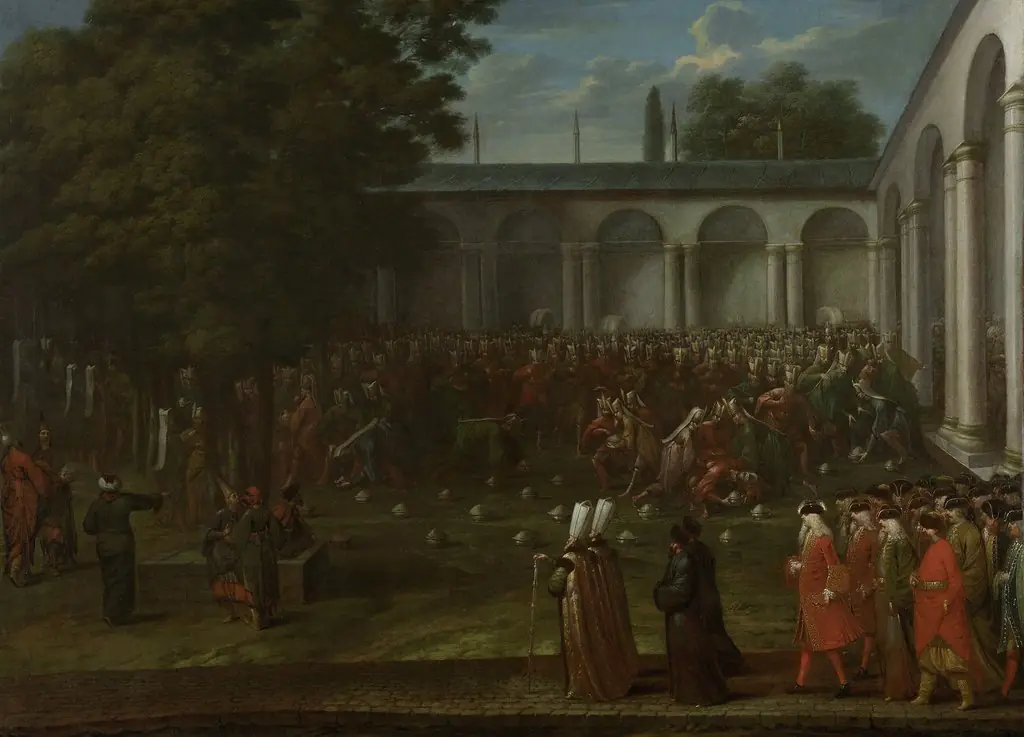
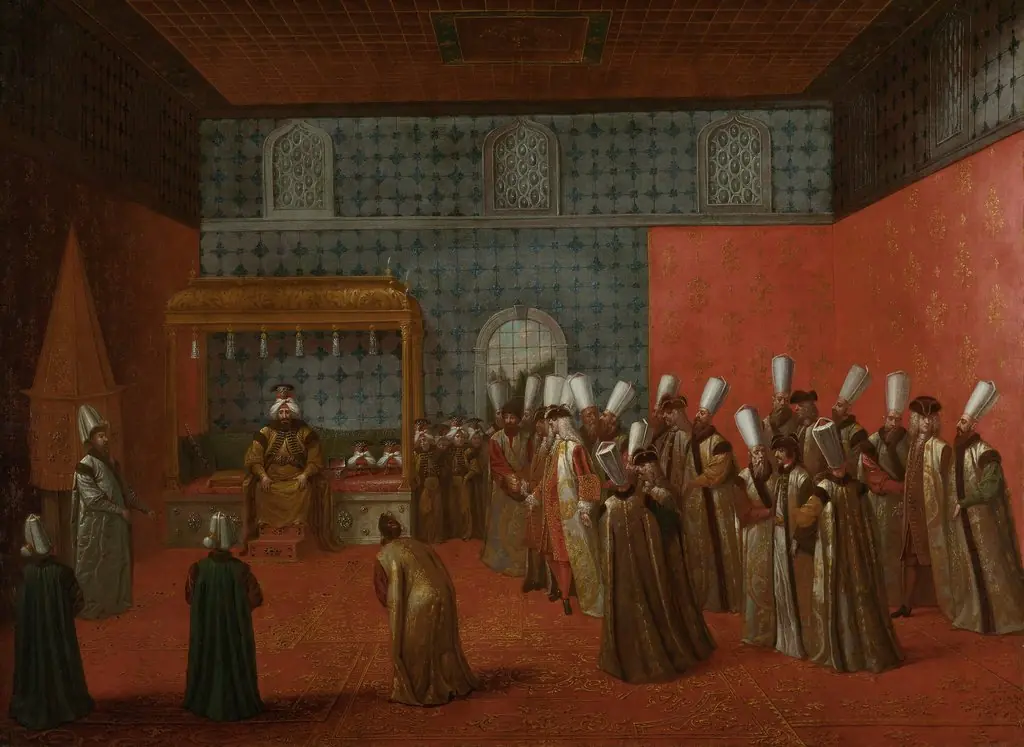
During the Tulip Era, Istanbul experienced a period of cultural openness and diplomatic engagement with Europe. Vanmour’s works served as visual reports for Western audiences unfamiliar with Ottoman institutions. The White Eunuchs, though often misunderstood in Europe, were key administrators, and this portrait reflects an attempt to portray them with accuracy rather than stereotype.
Legacy
Vanmour’s portraits, including this one, provided one of the most detailed visual records of Ottoman court life by a Western artist of the time. While later Orientalist works often leaned into fantasy, his approach remained grounded in observation. Today, these images are valued as historical documents that preserve the visual culture of an empire at the height of its administrative complexity.
Own this work as a print
Artist & collection
Artist
Jean Baptiste Vanmour or Van Mour (9 January 1671 – 22 January 1737) was a Flemish-French painter, remembered for his detailed portrayal of life in the Ottoman Empire during the Tulip Era and the rule of Sultan Ahmed III.