Artwork
The Sultana-Mother
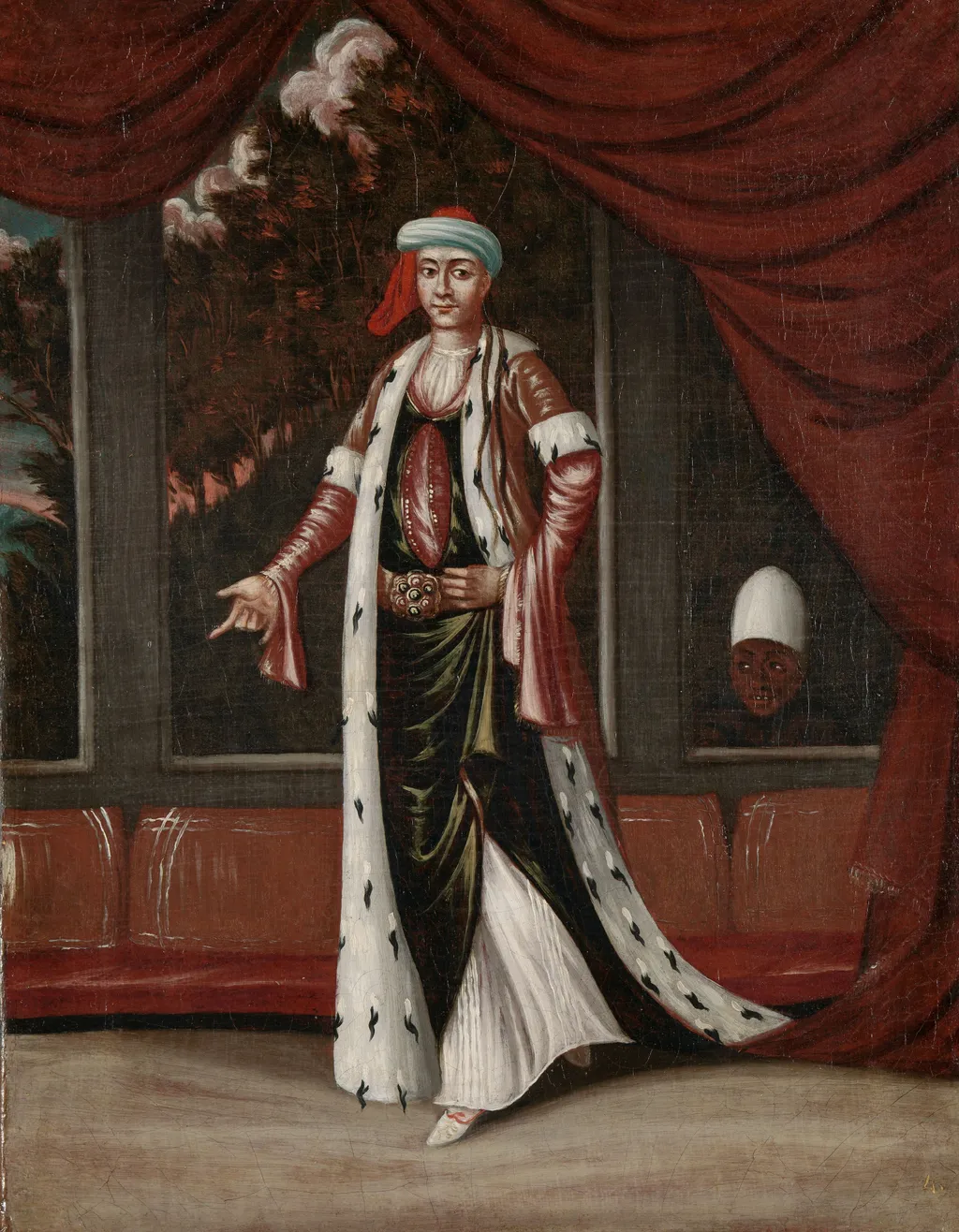
The Sultana-Mother is an oil painting by the Rococo painting artist Jean Baptiste Vanmour. It dates from 1718 and is held in the collection of the Rijksmuseum. Jean Baptiste Van Mour, a Flemish‑French artist active in the early 1700s, painted The Sultana‑Mother in 1718.
About this work
Subject & Meaning
The work was commissioned by or associated with Cornelis Calkoen, a Dutch consul in Constantinople, linking European mercantile interests to Ottoman patronage.
The Sultana-Mother depicts a woman identified as a sultan's mother, symbolizing maternal authority within Ottoman court hierarchy. The portrait conveys regal dignity through formal attire and direct gaze, reflecting status rather than personal identity. Its creation in Istanbul during 1718 aligns with diplomatic exchanges between European merchants and Ottoman officials, capturing a moment of cultural intersection.
The work was commissioned by or associated with Cornelis Calkoen, a Dutch consul in Constantinople, linking European mercantile interests to Ottoman patronage.
The painting's iconography emphasizes ceremonial power rather than individual biography, presenting the figure as an embodiment of dynastic continuity. This representation served both as a diplomatic artifact and a statement of Ottoman sophistication to European audiences.
Technique & Style
Created in 1718, The Sultana-Mother is an oil painting executed on a canvas support. The work was produced in Istanbul by Jean Baptiste Vanmour, who utilized oil paint to render the portrait of a woman. As a portrait genre piece, the painting depicts its subject with the formal qualities typical of Vanmour's documentation of Ottoman life during that period.
The physical medium consists strictly of oil pigments applied to canvas, establishing its material identity within the collection of the Rijksmuseum.
History & Provenance
The Sultana-Mother is an oil-on-canvas portrait by Jean Baptiste Vanmour, dated 1718 and produced in Istanbul. According to documented ownership records, the painting was held by Cornelis Calkoen and later by Nicolaas Calkoen, both named as former owners. The work subsequently entered the collections of the Directie van de Levantse handel en de Navigatie op de Middellandse Zee and the Koninklijk Kabinet van Zeldzaamheden, before passing to the Nederlandsch Museum voor Geschiedenis en Kunst. It is now held in the Rijksmuseum, where it remains part of the collection.
The Sultana-Mother is held in the collection of the Rijksmuseum in Amsterdam. The work, an oil painting on canvas created in 1718 by Jean Baptiste Vanmour, is associated with the museum's historical holdings of the Directie van de Levantse handel en de Navigatie op de Middellandse Zee, the Koninklijk Kabinet van Zeldzaamheden, and the Nederlandsch Museum voor Geschiedenis en Kunst. The painting was previously owned by Cornelis Calkoen and Nicolaas Calkoen before entering the museum's custody. Specific inventory or accession numbers are not provided in the available records.
Legacy
The painting's legacy is anchored in its presence within the Rijksmuseum collection, where it is recognized as a representative example of 18th‑century portraiture. Its subject, depicted as a woman, has contributed to scholarly discussions of Ottoman‑European cultural exchange, influencing interpretations of gender and status in that context. The work continues to be cited in studies of Vanmour's output and in exhibitions examining Levantine trade connections.
Overview
Jean Baptiste Van Mour, a Flemish‑French artist active in the early 1700s, painted The Sultana‑Mother in 1718. Executed in oil, the work portrays a high‑ranking Ottoman woman within an interior setting, her gesture directed toward a window that reveals a bleak, cloud‑filled sky. The composition combines vivid costume detail with a stark, shadowed backdrop, creating a striking visual contrast.
Context
Van Mour’s oeuvre is noted for meticulous records of Ottoman customs, clothing, and architecture, produced for European patrons intrigued by the empire’s exoticism. This work exemplifies his approach of combining documentary observation with artistic conventions of his native Rococo tradition, offering a European perspective on Istanbul’s elite society.
Own this work as a print
Artist & collection
Artist
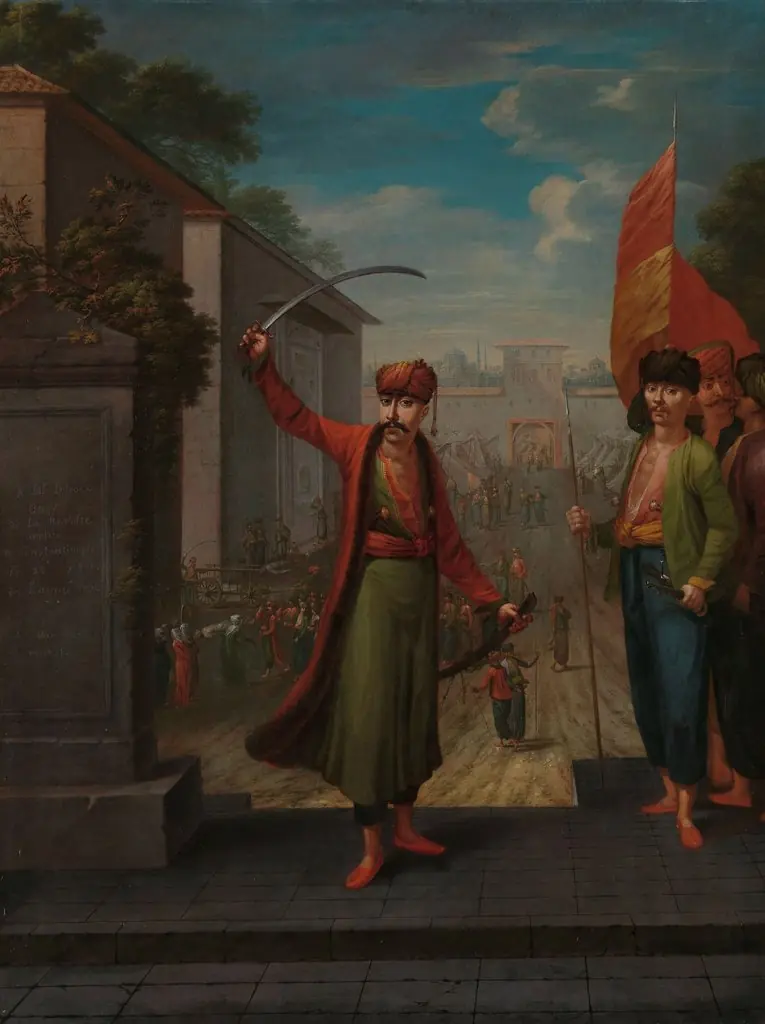
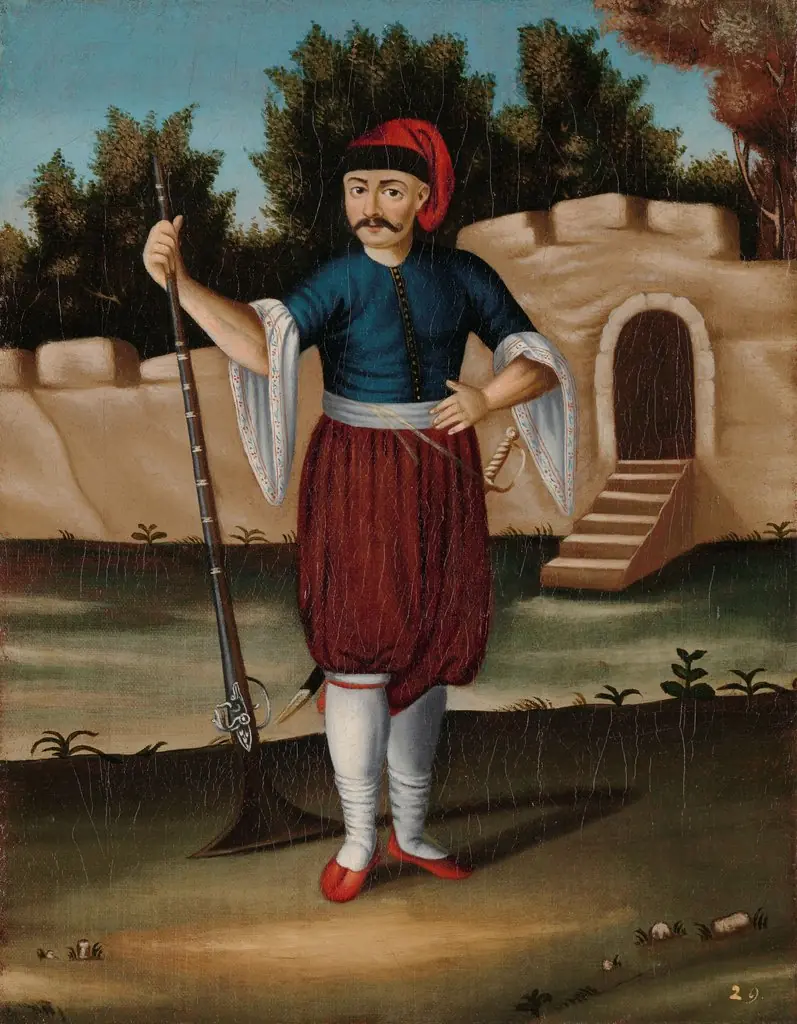
Jean Baptiste Vanmour or Van Mour (9 January 1671 – 22 January 1737) was a Flemish-French painter, remembered for his detailed portrayal of life in the Ottoman Empire during the Tulip Era and the rule of Sultan Ahmed III.

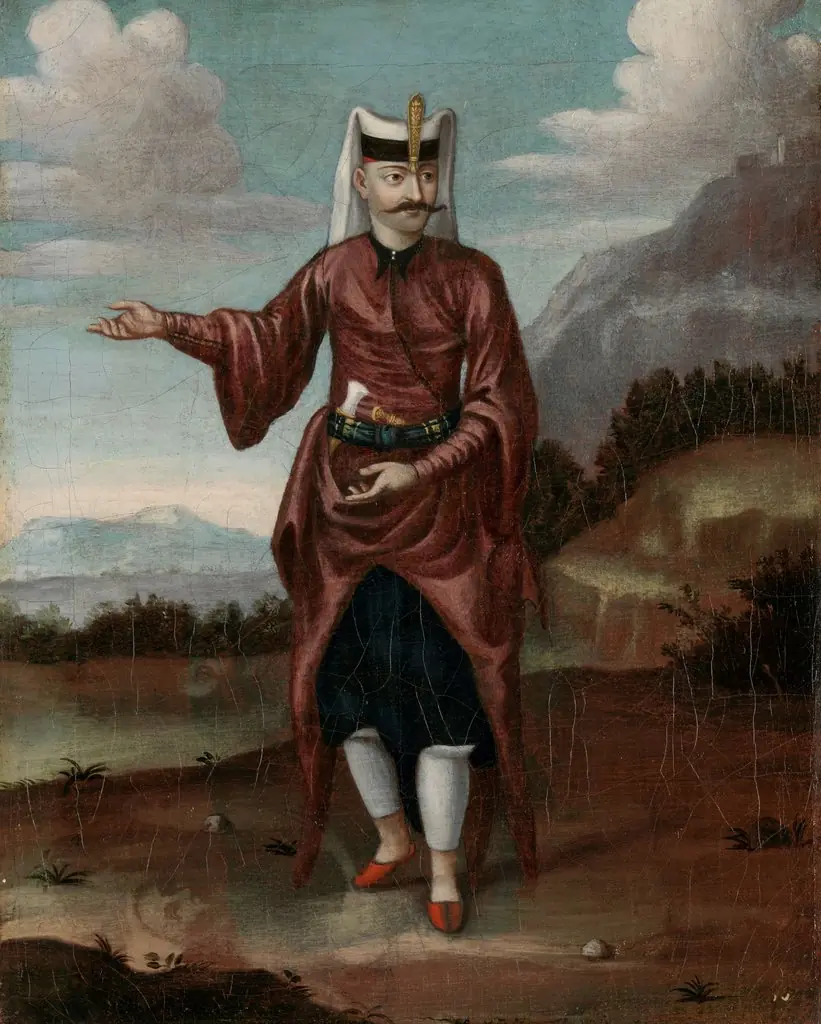 A Soldier of the Janissaries
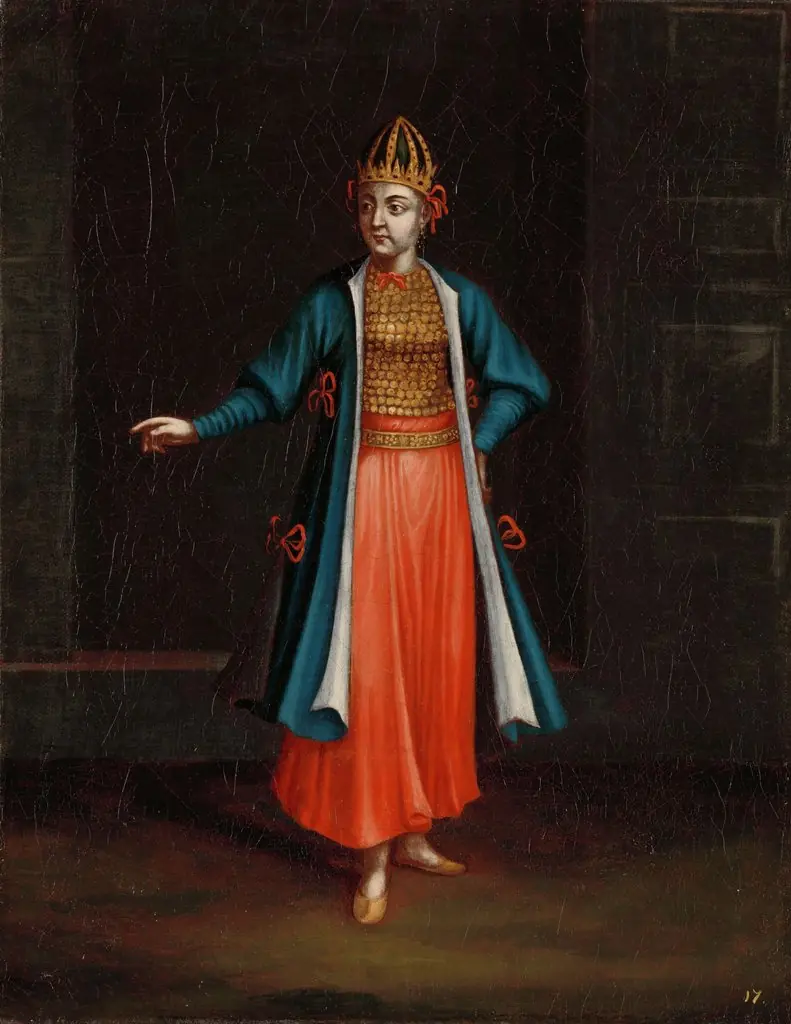 Woman from the Bulgarian Coast
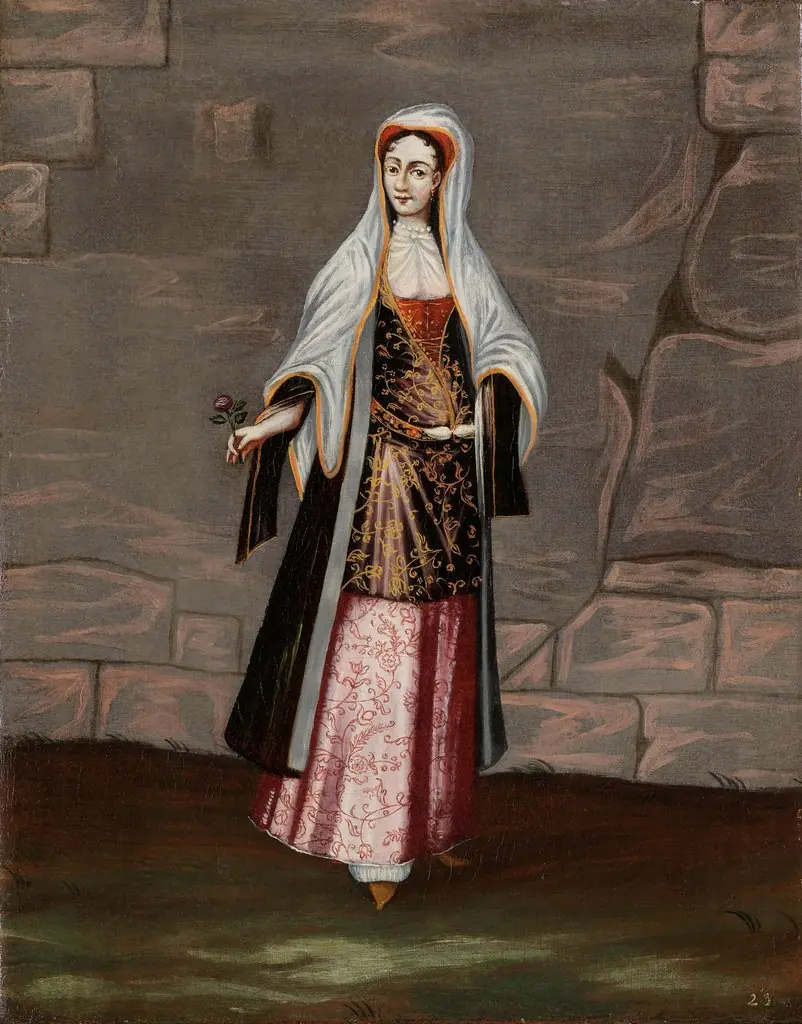 Woman from the Island of Mykonos
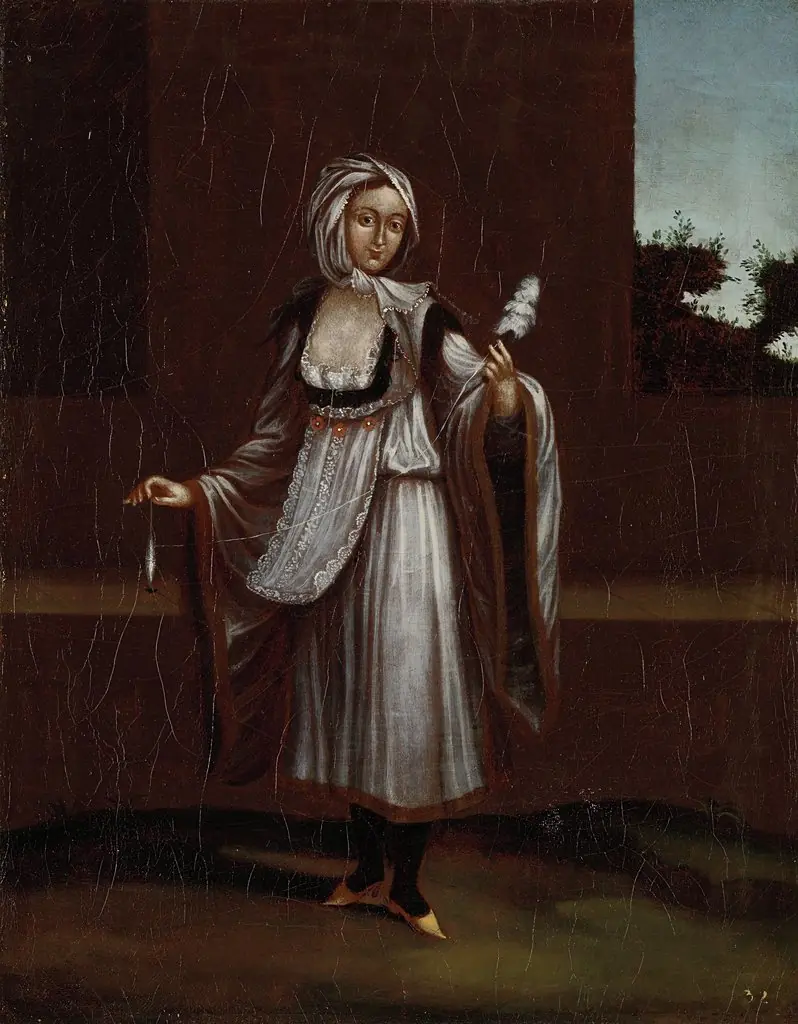 Woman from the Island of Patmos
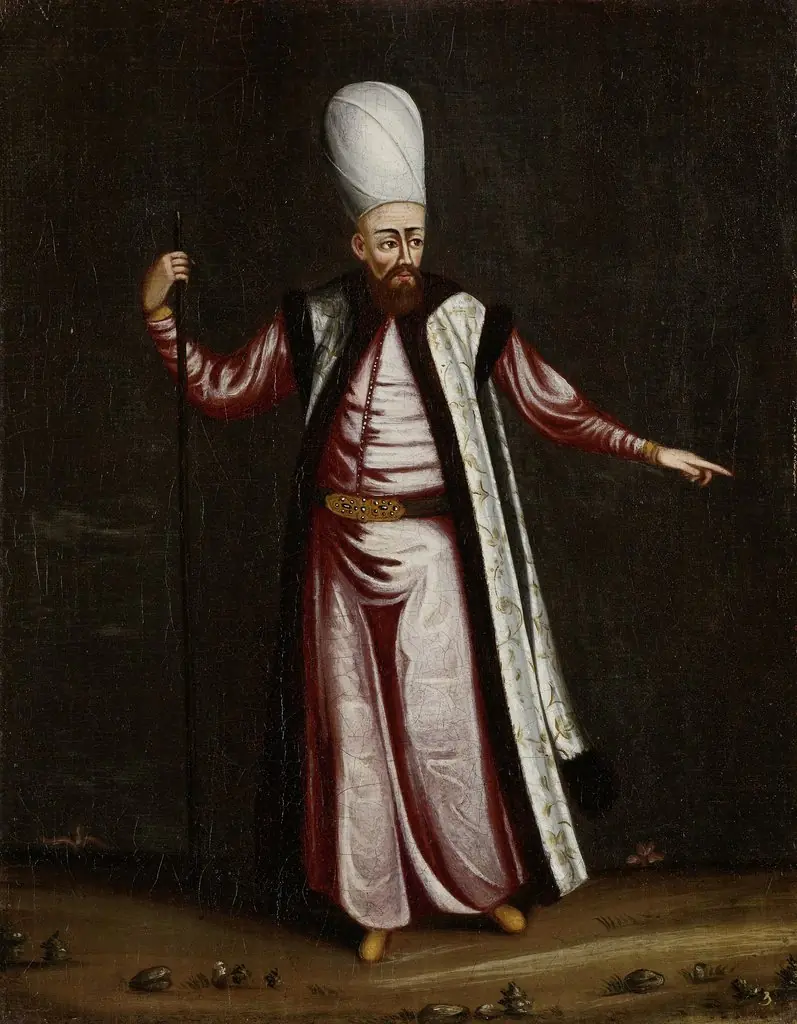 The Capoudgi Bachi, Grand-master of the Seraglio
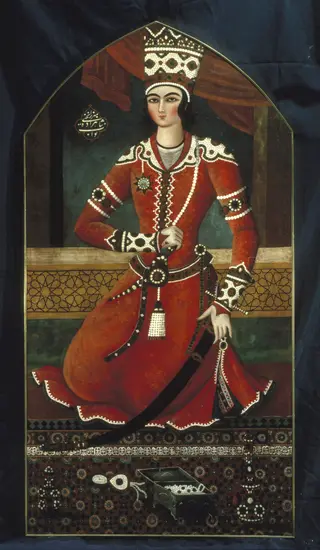 Prince Yahya
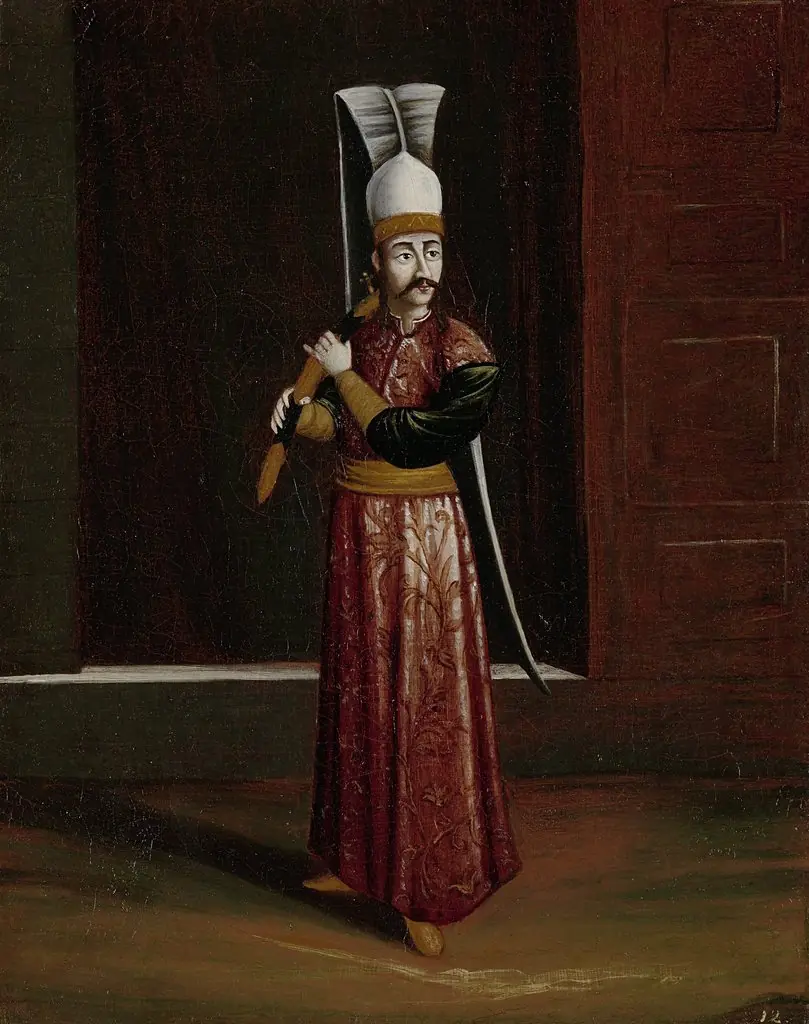 Seliktar Agassi, Equerry to the Sultan (Supreme Weapon-Bearer)
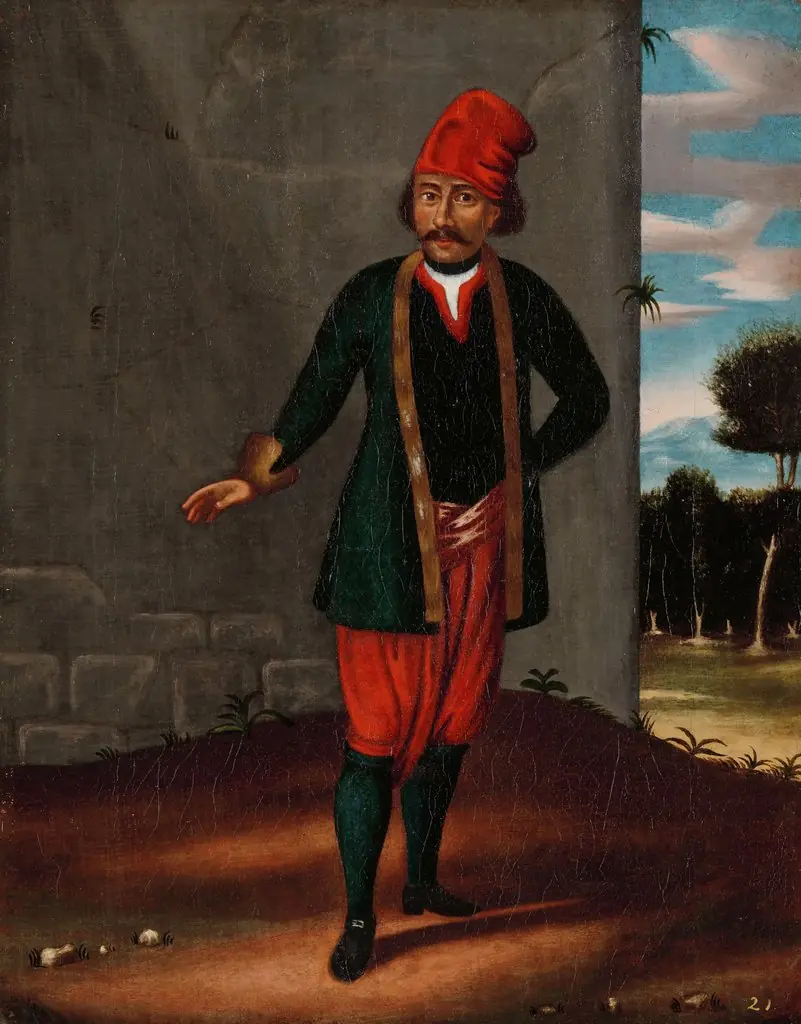 Man from the Island of Tinos
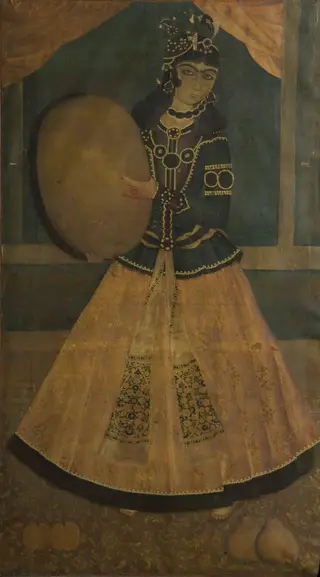 Woman Playing a Tambourine
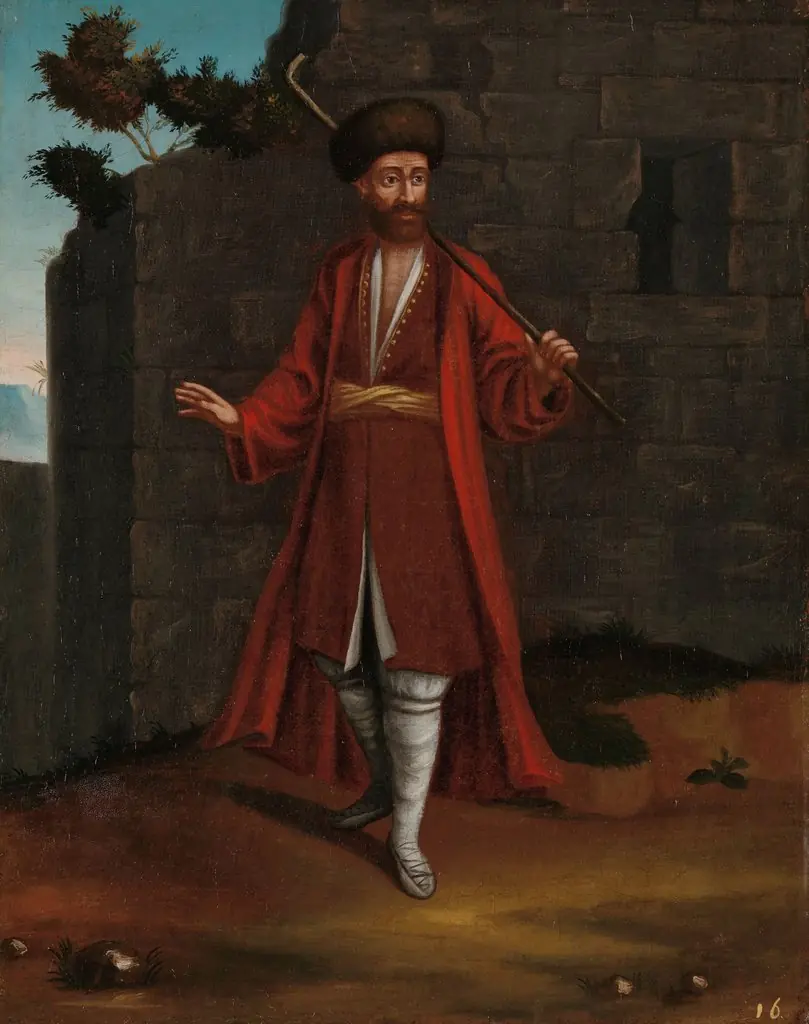 Man from the Bulgarian Coast