Artwork
Portrait of Maximilian I, Elector of Bavaria
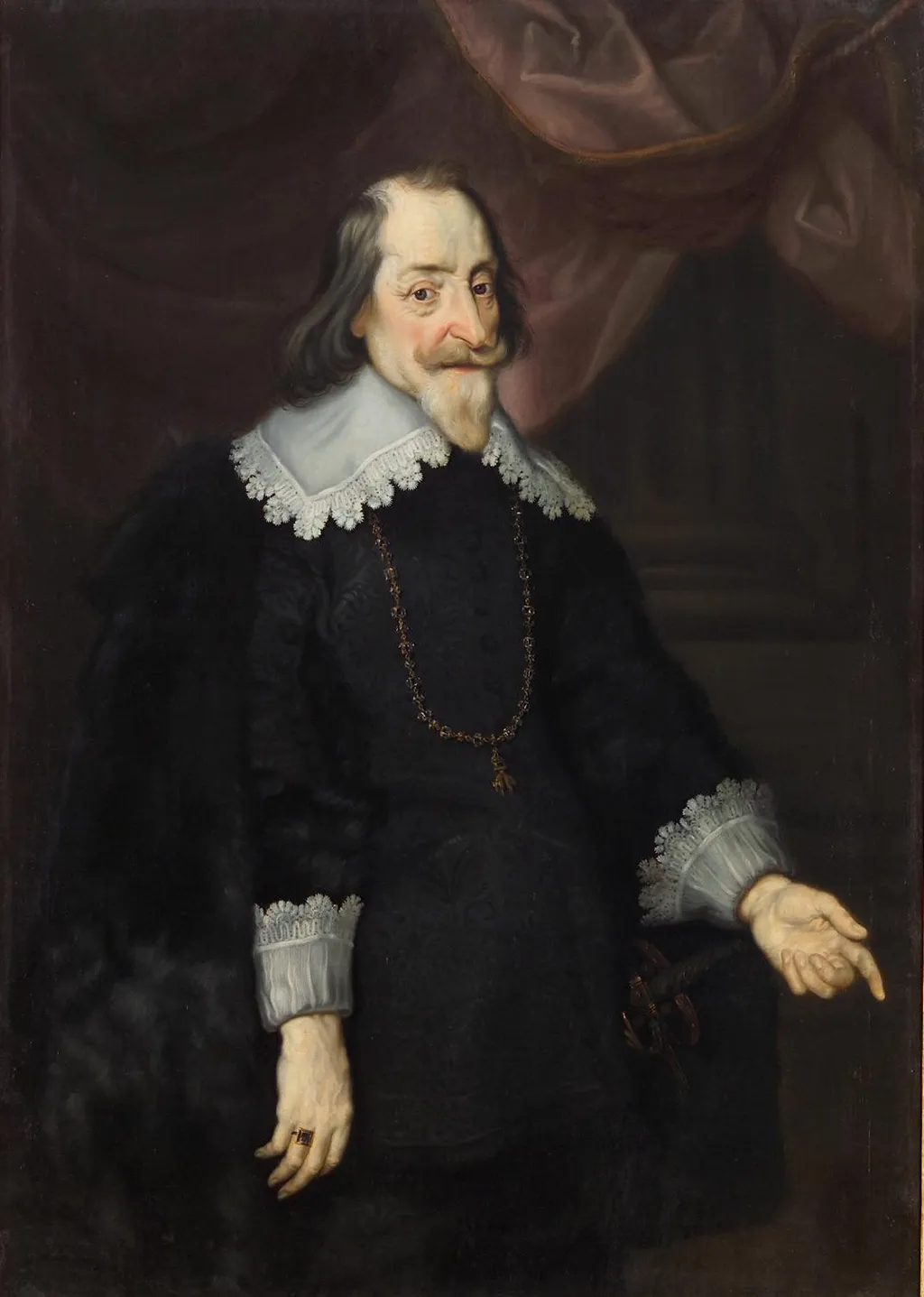
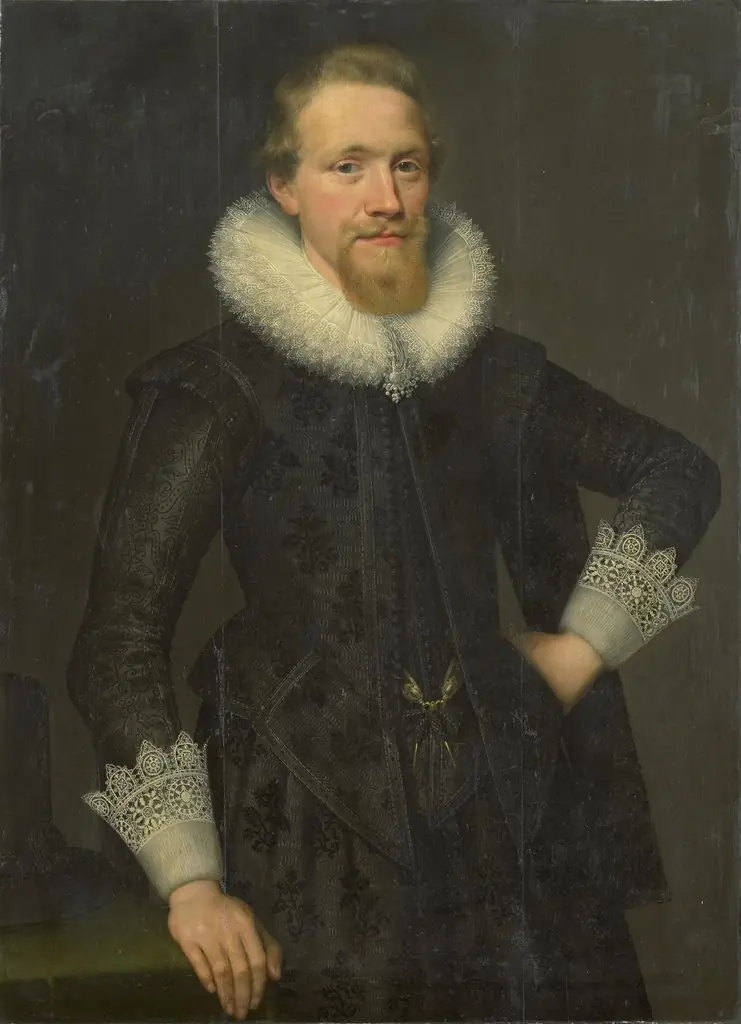
Portrait of Maximilian I, Elector of Bavaria is an oil painting by the Flemish Baroque painting artist Joachim von Sandrart the Elder. It dates from 1640 and is held in the collection of the Kunsthistorisches Museum.
About this work
Subject & Meaning
As an oil painting on canvas, the piece functions as a visual record of the historical figure, establishing his identity and status within the composition.
The work depicts Maximilian I, Elector of Bavaria, serving as a formal portrait of the ruler. Created by Joachim von Sandrart the Elder, the painting identifies the Elector as its main subject, presenting him in a manner consistent with the portrait genre. As an oil painting on canvas, the piece functions as a visual record of the historical figure, establishing his identity and status within the composition.
Technique & Style
Joachim von Sandrart the Elder executed the Portrait of Maximilian I, Elector of Bavaria using oil paint on a canvas support. The work, dated to 1640 or 1643, measures 135 cm in height and 95 cm in width. As a portrait genre piece, the painting presents the Elector as its main subject through the application of oil media.
History & Provenance
The work was created in 1640 as an oil portrait of Maximilian I, Elector of Bavaria, painted by Joachim von Sandrart the Elder. It entered the collection of the Kunsthistorisches Museum, where it remains on display.
The painting measures 135 cm in height and 95 cm in width, reflecting its original dimensions as recorded in the museum’s catalog.
The commission is not documented in the available sources, and no record of an earlier ownership chain exists beyond its direct accession by the museum.
Overview
This oil painting, created in 1640 by Joachim von Sandrart the Elder, portrays Maximilian I, Elector of Bavaria, in his 60s. The work is characterized by its somber, focused composition, emphasizing the subject through the strategic use of light and shadow against a plain, dark background.
Context
Created during a period of political and religious turmoil in Europe, the portrait may reflect the Elector's role and stature amidst such challenges, though the painting's somber tone and focus on individual presence suggest a more personal or introspective portrayal rather than a overtly political statement.
Legacy
While specific influences of this portrait on later art are not widely documented, its use of chiaroscuro and focus on capturing the essence of a powerful figure through subtle, suggestive detail aligns with broader artistic trends of the time, contributing to the evolution of portrait painting in Europe.
Artist & collection
Artist
Joachim von Sandrart the Elder
Joachim von Sandrart the Elder (1606–1688) was a German artist, born in Frankfurt.

 Bildnis einer Frau (?)
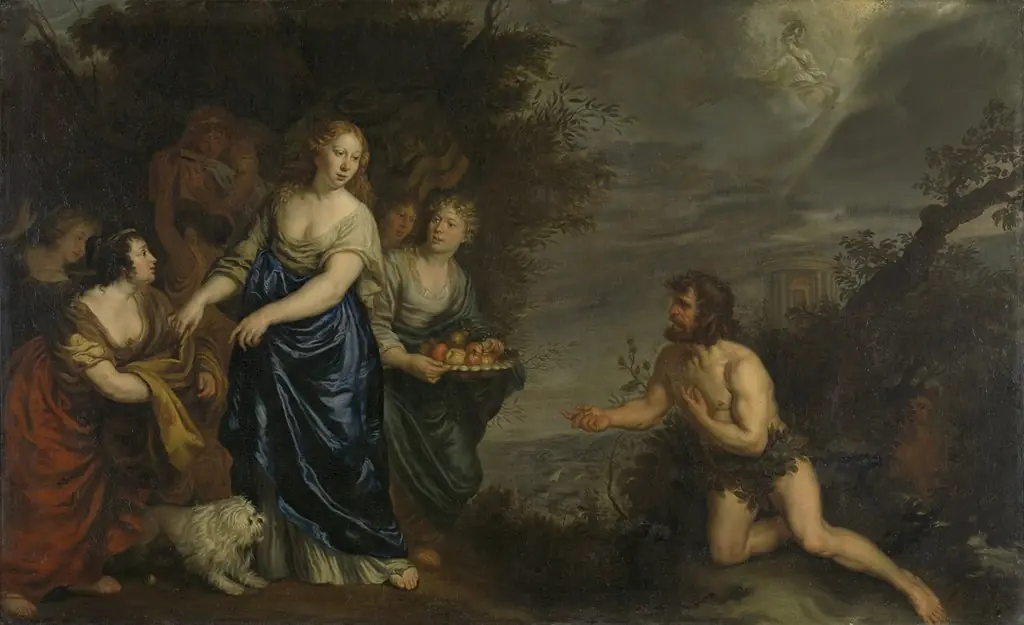 Odysseus and Nausikaä
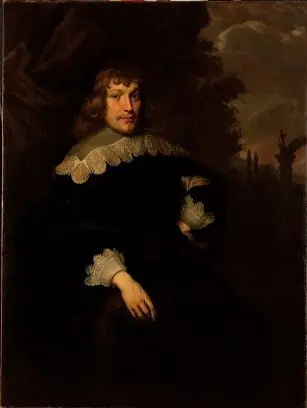 Portrait of Hendrick Bicker (1615-1651)
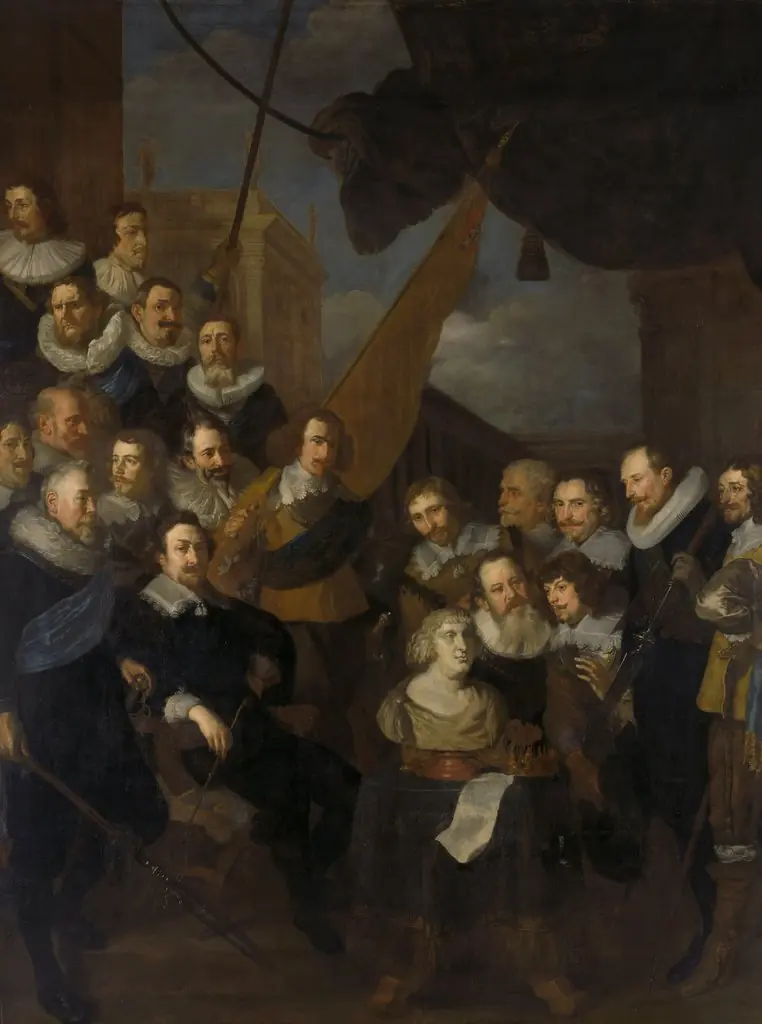 Officers of the militia of departmetn XIX in Amsterdam under the command of Cornelis Bicker and Frederick van Banchem, ready to receive Maria de' Medici in 1638
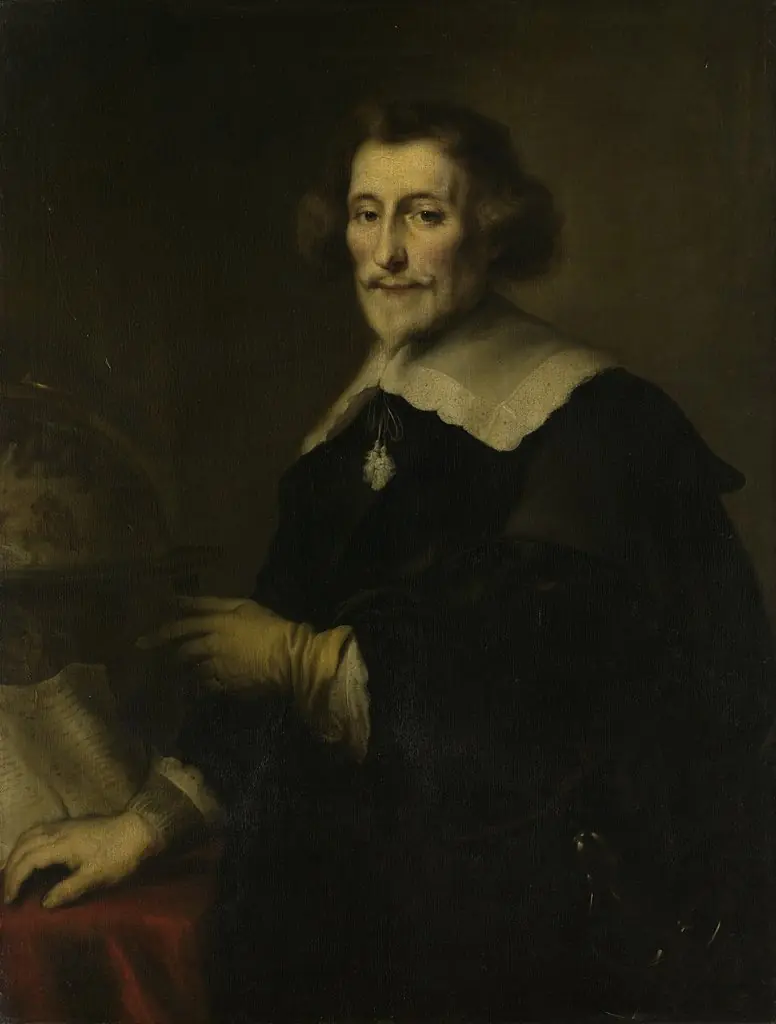 Pieter Cornelisz Hooft (1581-1647). High bailiff of Muiden, historian and poet
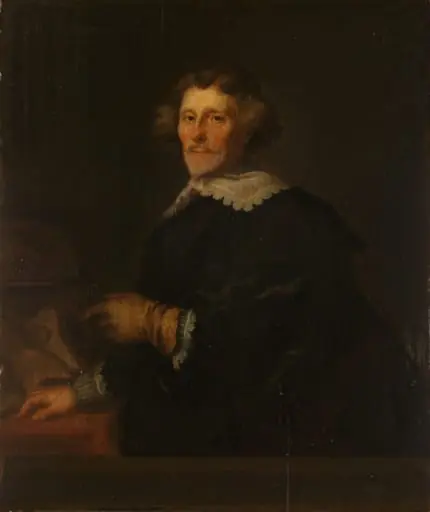 Portrait of Pieter Corneliszoon Hooft, Bailiff of Muiden, Historian and Poet
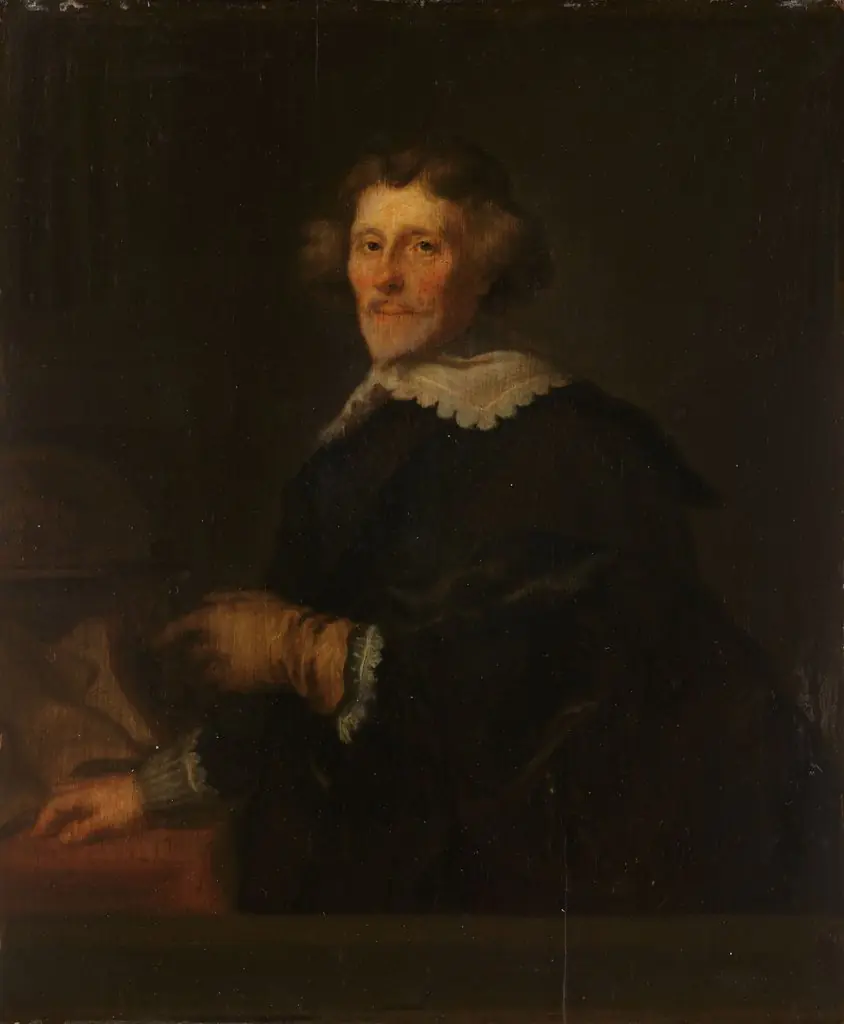 Portrait of Pieter Cornelis Hooft (1581-1647), High bailiff of Muiden, historian and poet
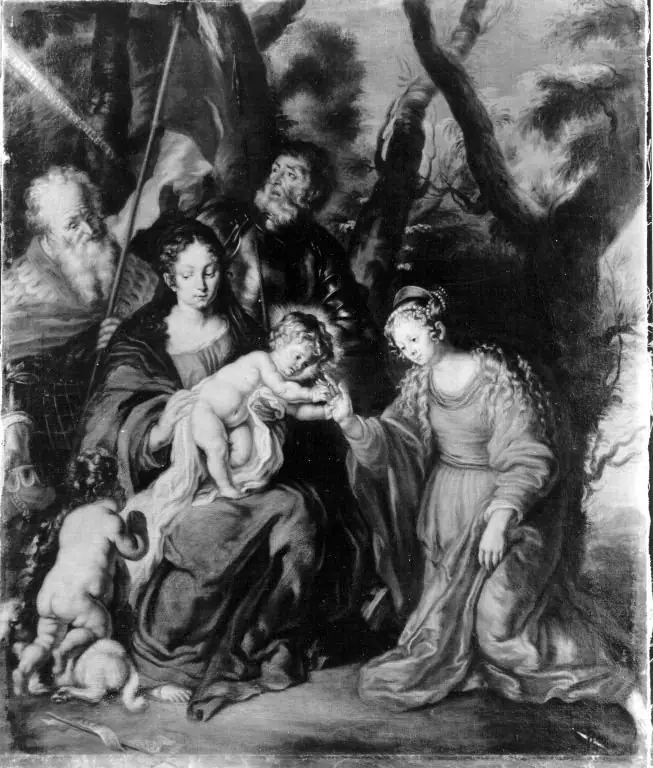 Die mystische Vermählung der hl. Katharina (Kopie nach)
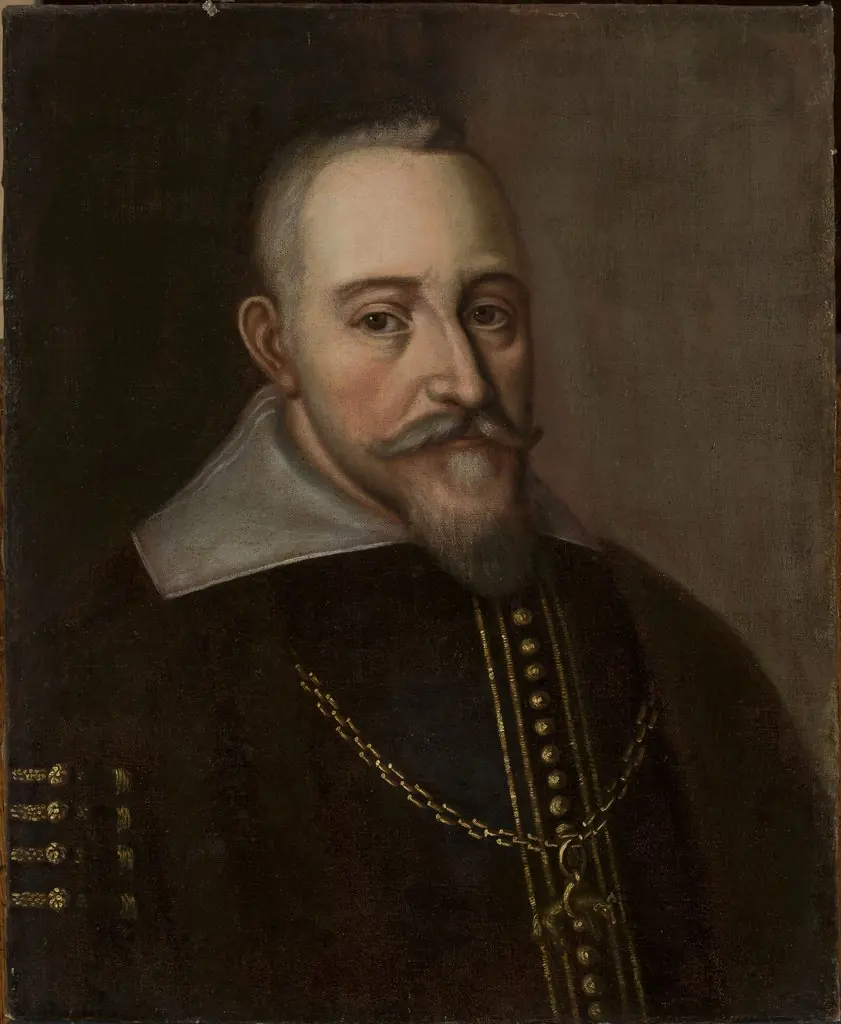 Portrait of king Sigismund III Vasa (?)
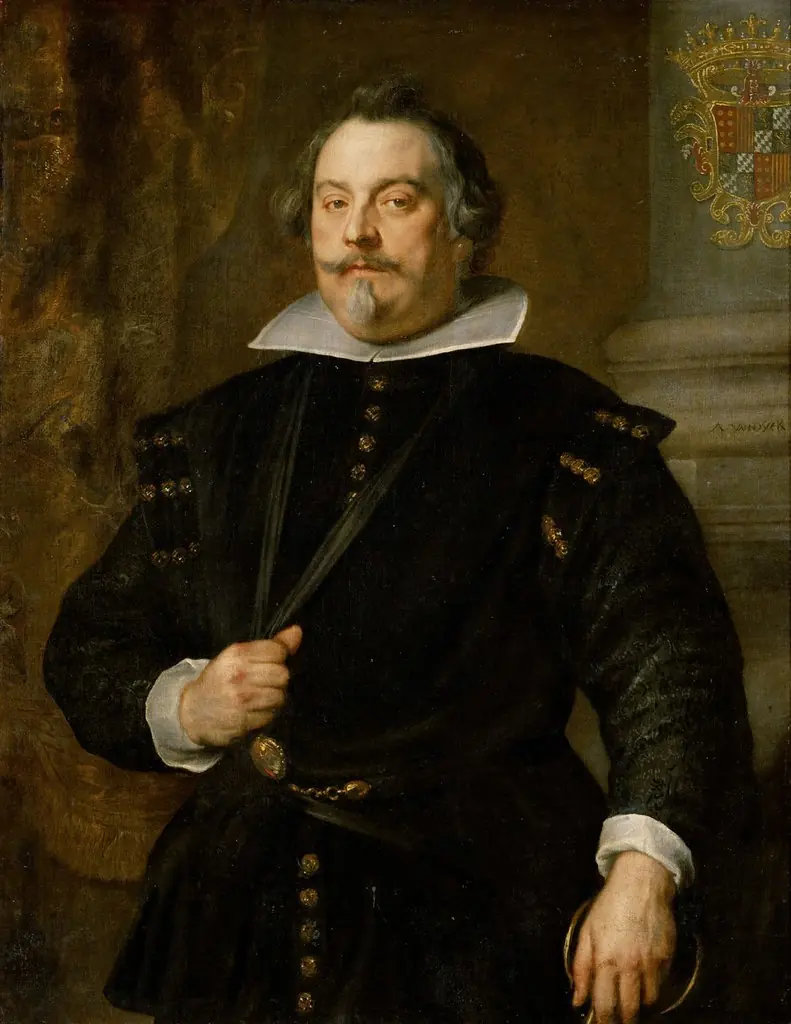 Portrait of Francisco de Moncada, Marqués de Aytona
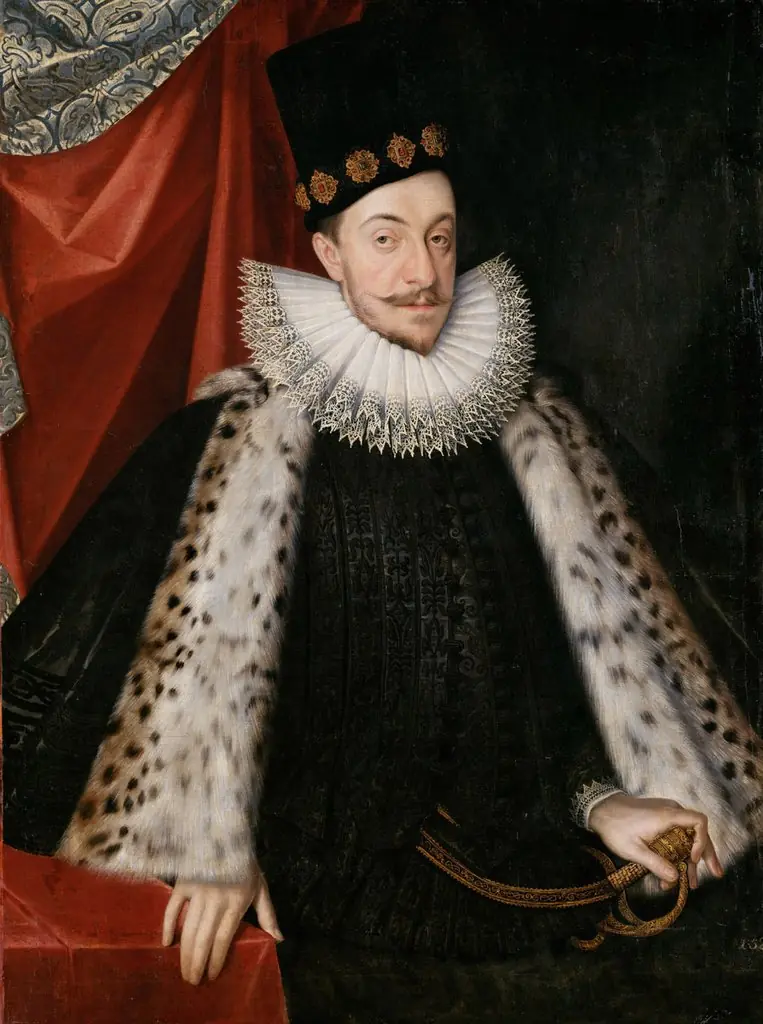 König Sigismund III. (1566-1632) von Polen, Kniestück
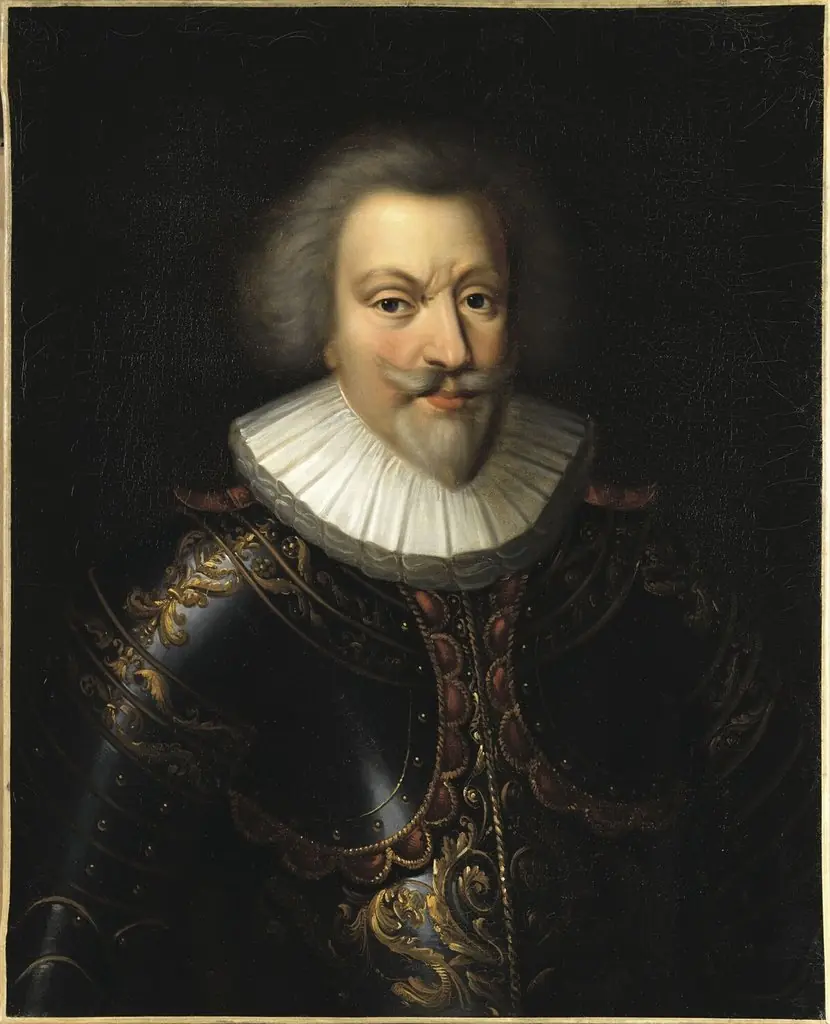 François II, Duke of Lorraine and Bar (1572-1632)
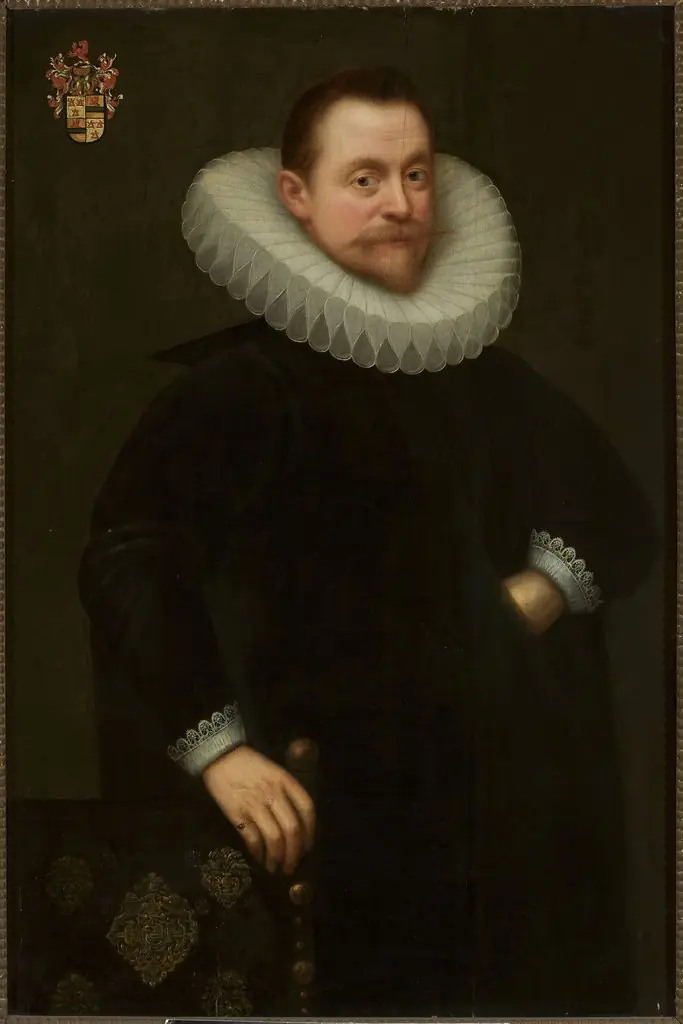 Portrait of Jacques du Mont
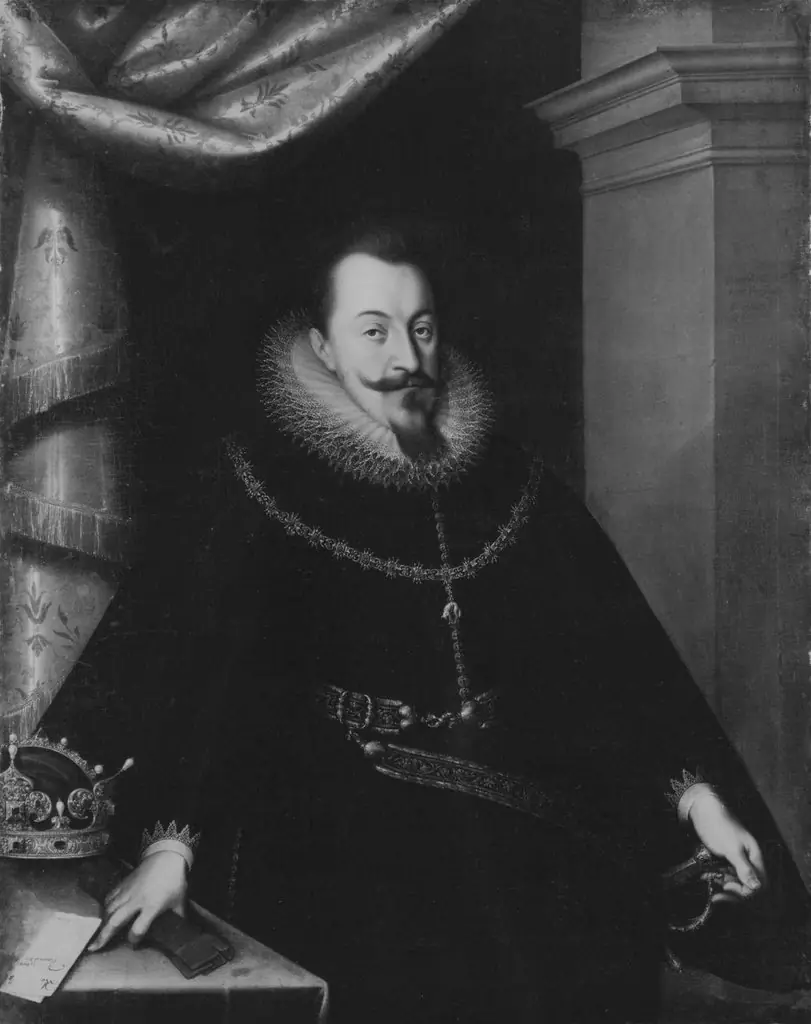 Bildnis des Königs Sigismund III. Vara von Polen und Schweden
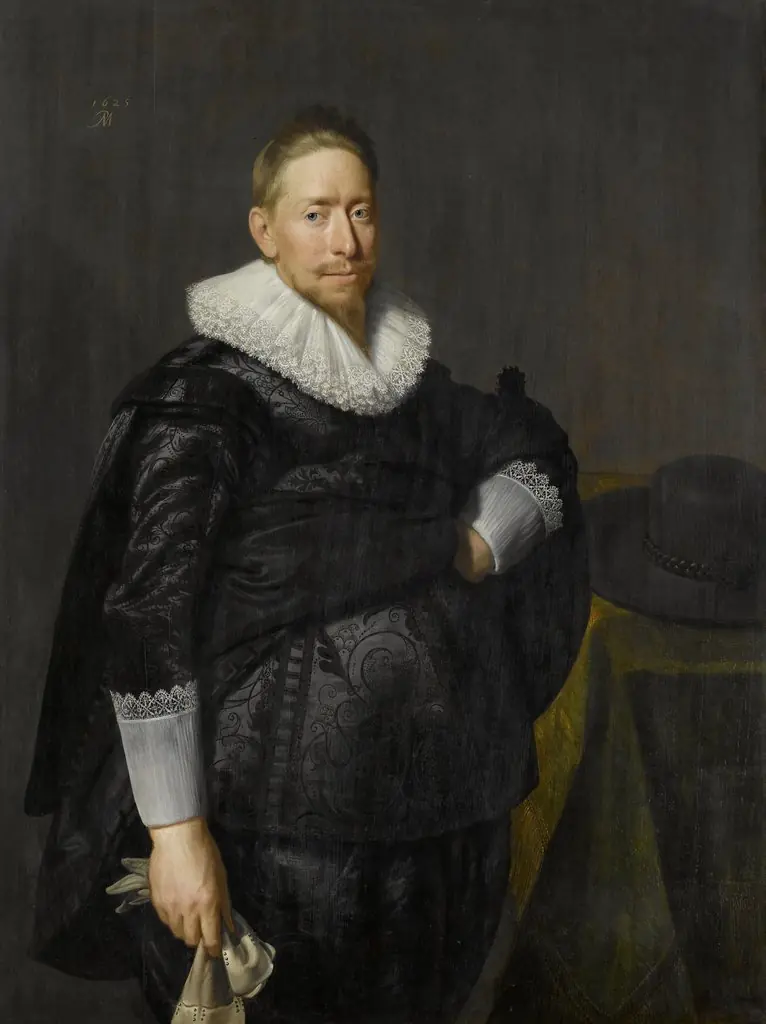 Portrait of a Man, Probably from the Pauw Family
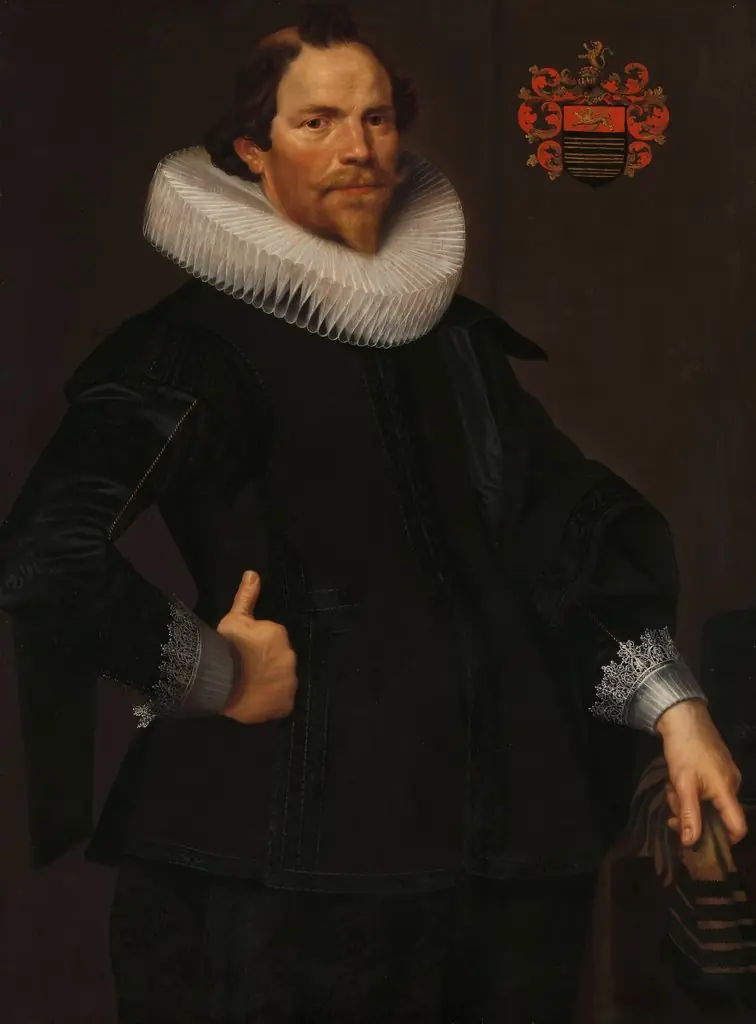 Portrait of Pieter van Son (c. 1590-1654)
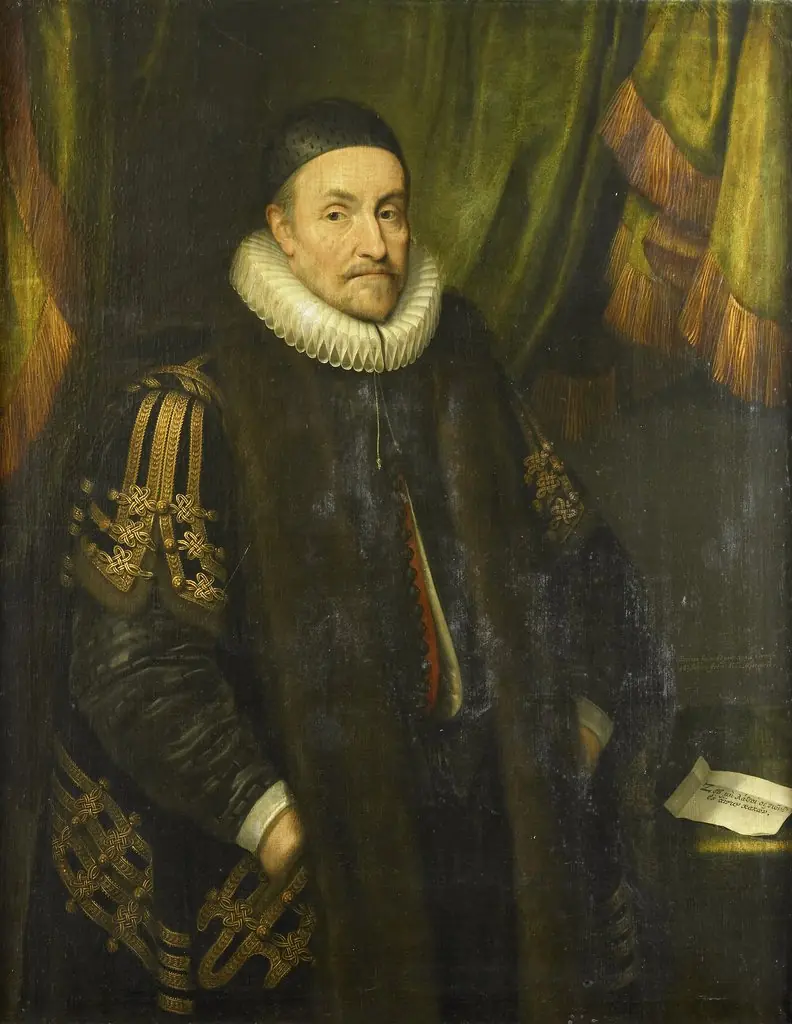 Portrait of Willem I (1533-84), prince of Orange, called William the Silent
 Portrait of Jacob Pergens (?-1681)