Artwork
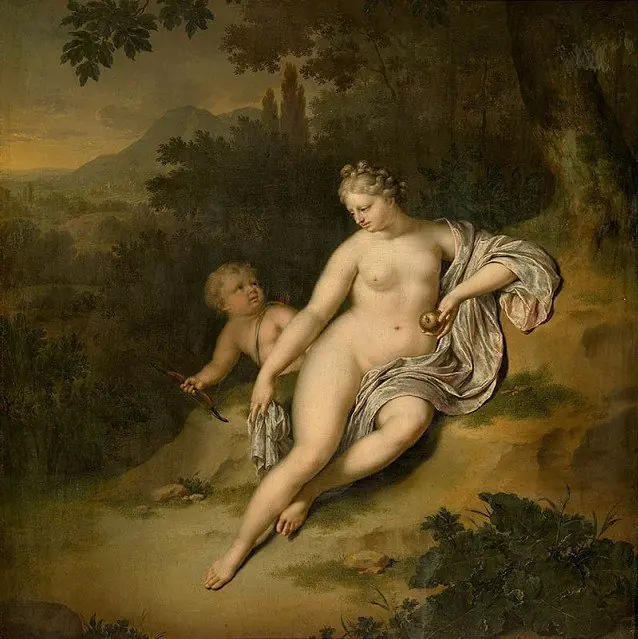
Venus and Cupid
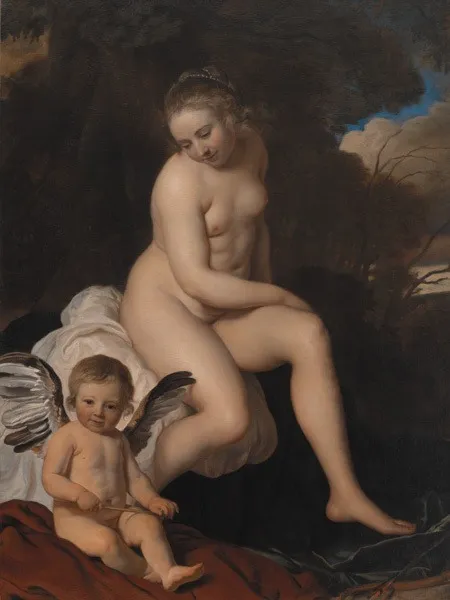
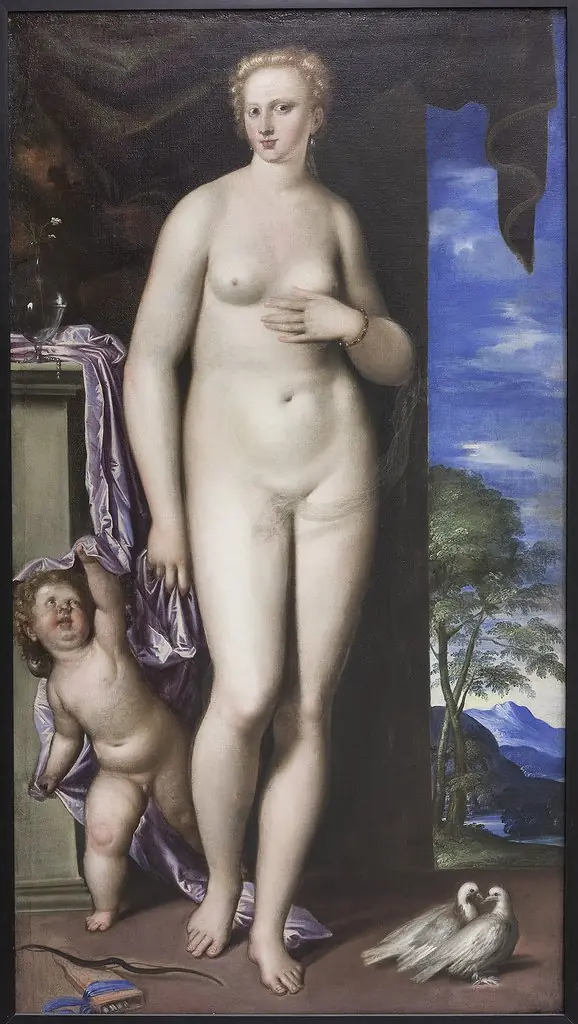
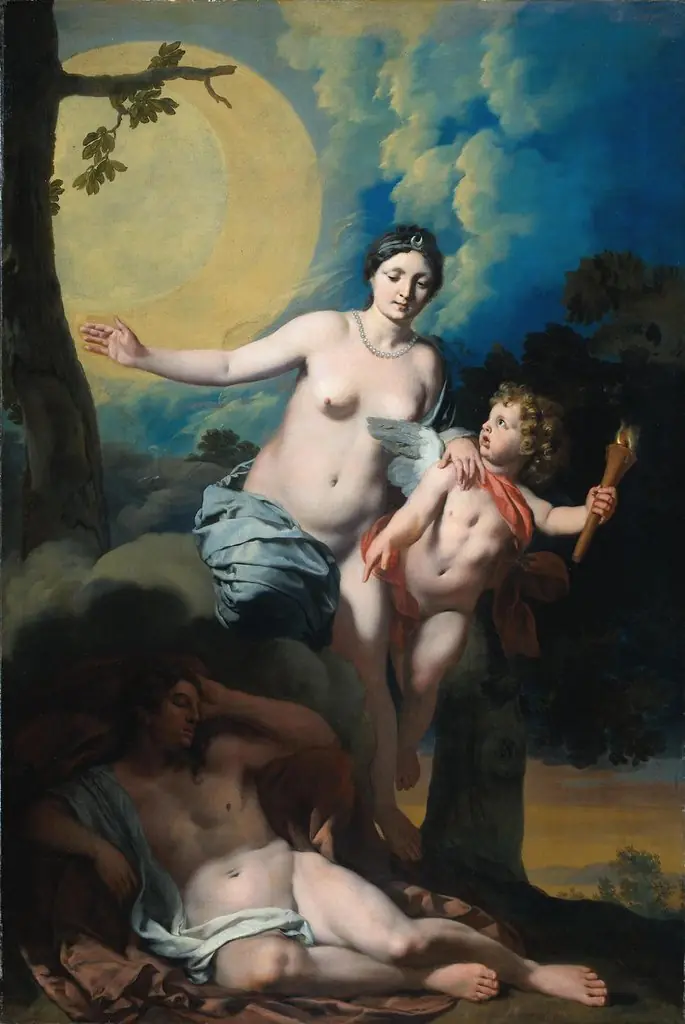
Venus and Cupid is an oil painting by the Dutch Golden Age artist Bartholomeus van der Helst. It dates from 1649 and is held in the collection of the Statens Museum for Kunst.
About this work
Technique & Style
Attribution is shared between Bartholomeus van der Helst and Jacob van Loo for this 1649 canvas, which depicts the goddess Venus.
Venus and Cupid is an oil painting executed on canvas, a support consistent with the mythological genre works produced by Dutch artists in the mid-seventeenth century. The composition is presented in a vertical format, measuring 133 cm in height by 100 cm in width.
The work is classified as a mythological painting and is held in the collection of the Statens Museum for Kunst. Attribution is shared between Bartholomeus van der Helst and Jacob van Loo for this 1649 canvas, which depicts the goddess Venus.
No specific information regarding the painting's handling, brushwork, surface condition, or stylistic qualities beyond its medium and support is documented in the available sources.
History & Provenance
The work titled Venus and Cupid was created by Bartholomeus van der Helst in 1649 as an oil painting on canvas. It portrays the mythological figures Venus and Cupid and is part of the collection at the Statens Museum for Kunst. The painting was produced during the Dutch Golden Age and reflects the mythological genre popular in 17th-century Dutch art. Its dimensions are 133 cm in height and 100 cm in width.
Venus and Cupid is held in the collection of the Statens Museum for Kunst, where it is catalogued under inventory number???. The work has been exhibited in the museum’s European Paintings gallery, though specific exhibition dates are not provided in the available records.
Overview
Bartholomeus van der Helst, a prominent Dutch painter of the mid‑17th century, completed the oil work titled Venus and Cupid in 1649. Though best known for his refined portraiture, this canvas belongs to his relatively rare mythological series and is presently housed in the Statens Museum for Kunst in Copenhagen.
Subject & Meaning
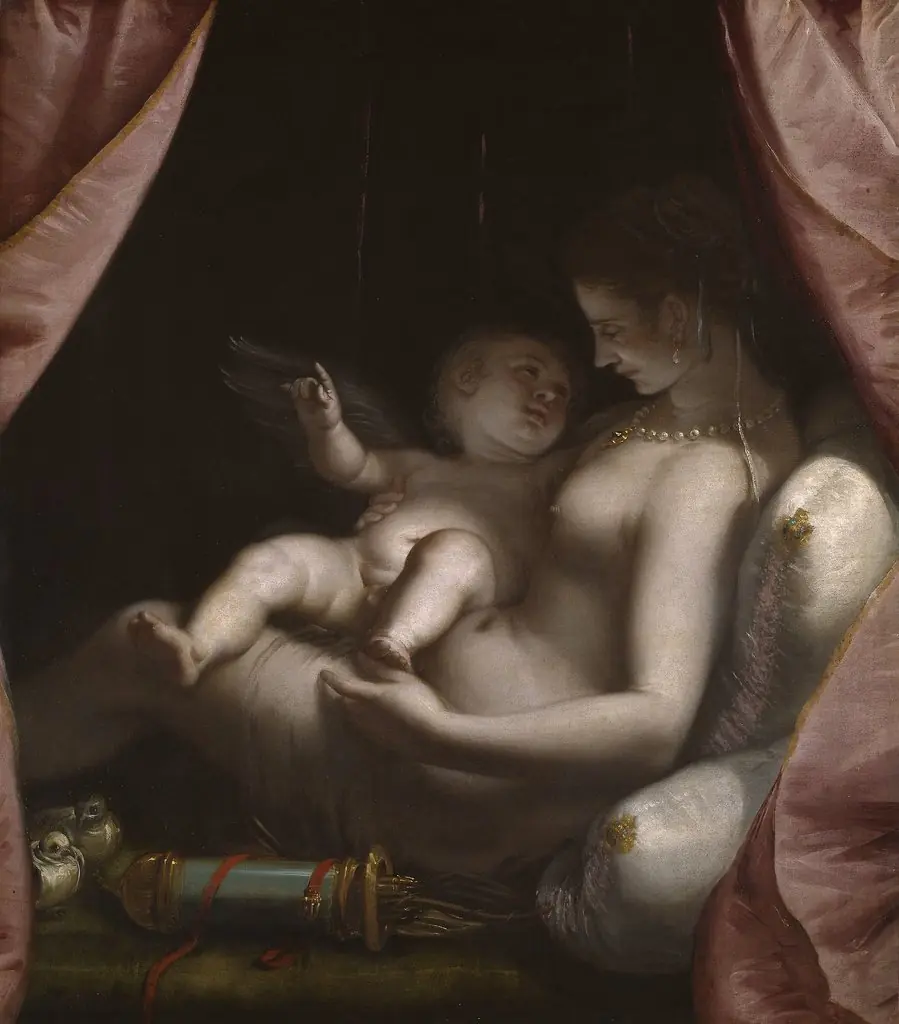
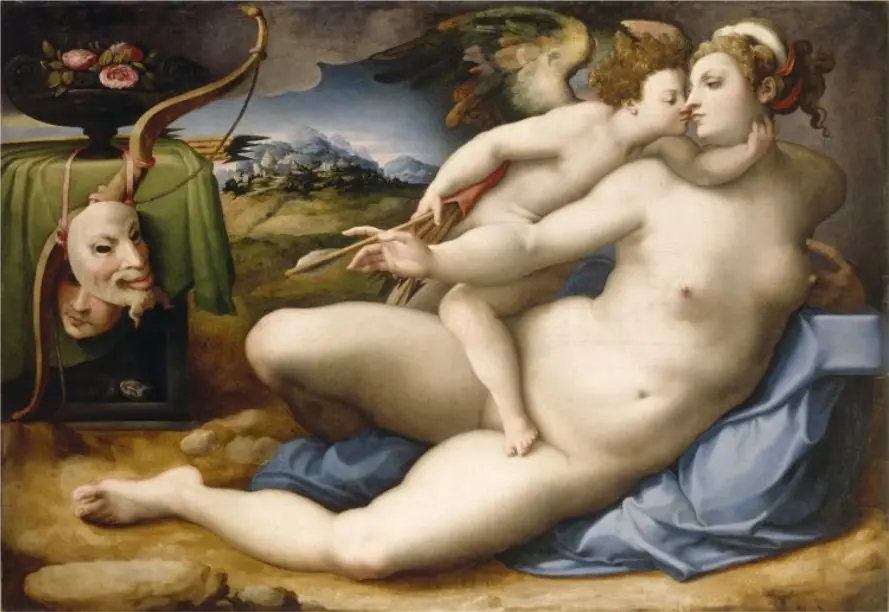
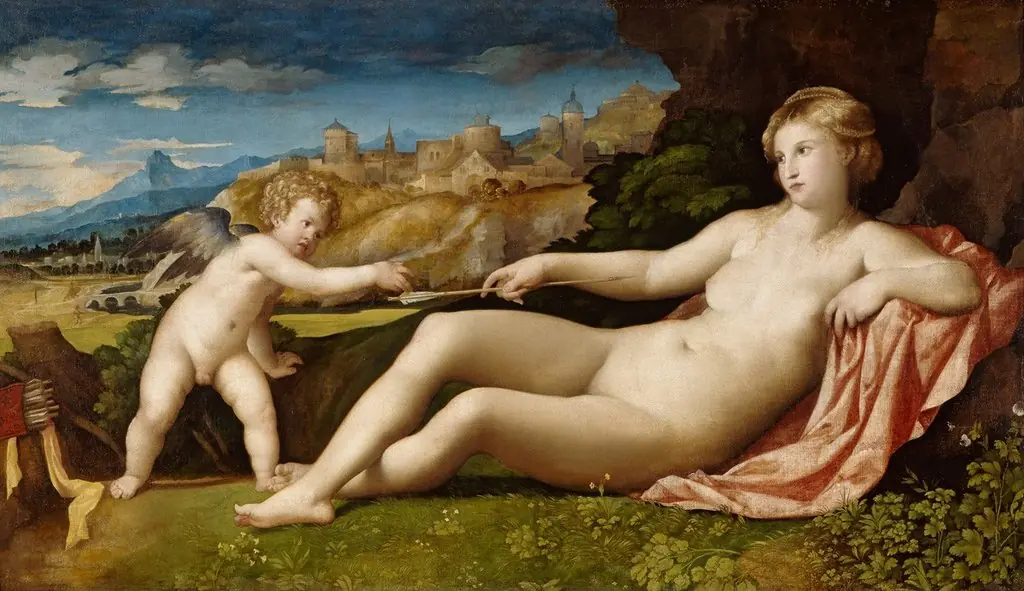
The composition features a nude female figure seated on a rock, clutching a cloth, accompanied by a small, winged child gazing downward. The woman is identified as Venus, the Roman goddess of love, while the child represents her son Cupid, embodying the intimate bond between love and desire.
Context
In the Dutch Golden Age, mythological subjects were less common than genre scenes or portraiture, making van der Helst’s Venus and Cupid a notable deviation from his usual commissions. The work reflects contemporary interest in classical antiquity and the artist’s ability to adapt his refined technique to a narrative, allegorical setting.
Artist & collection
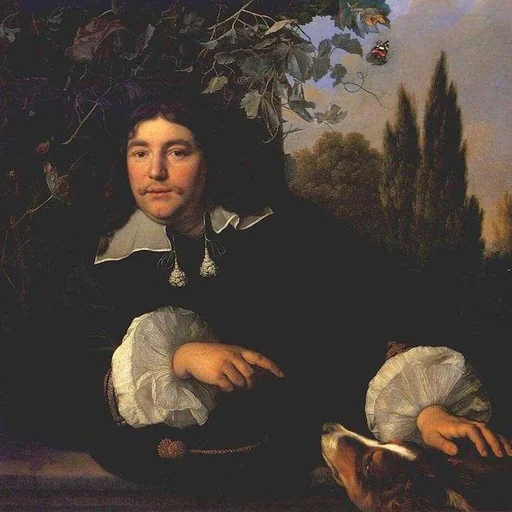
Artist
Bartholomeus van der Helst (1613 – buried 16 December 1670) was a Dutch painter. Considered to be one of the leading portrait painters of the Dutch Golden Age, his elegant portraits gained him the patronage of…

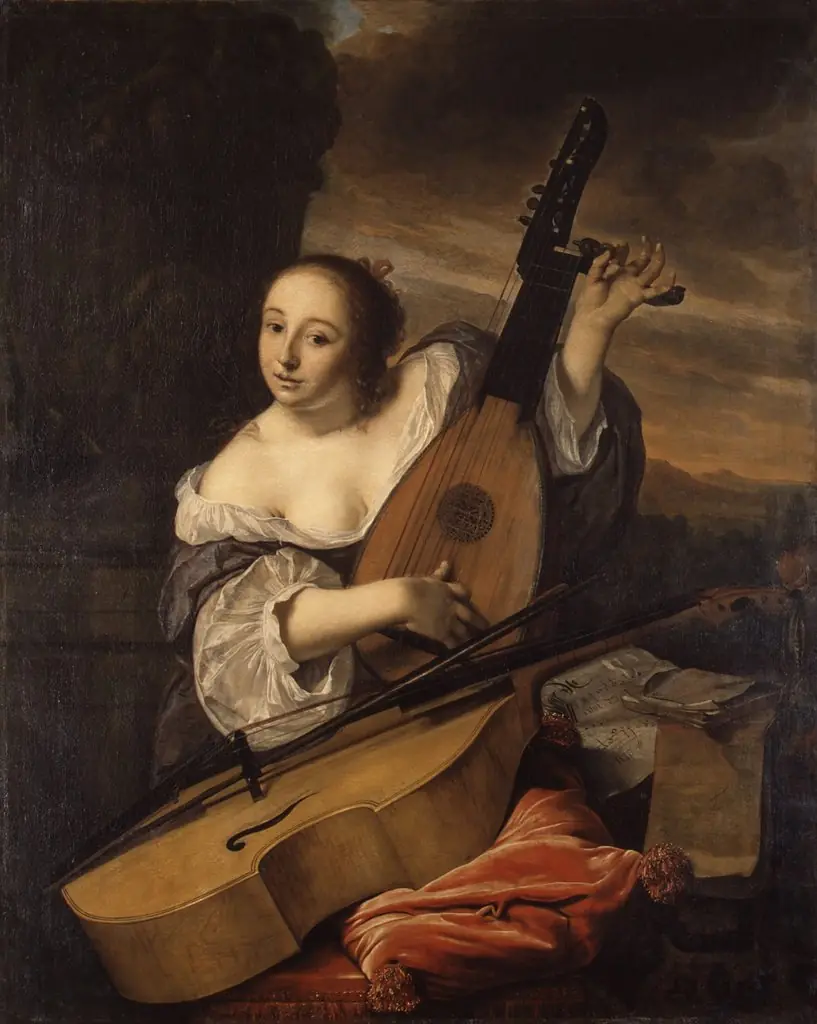 The Musician
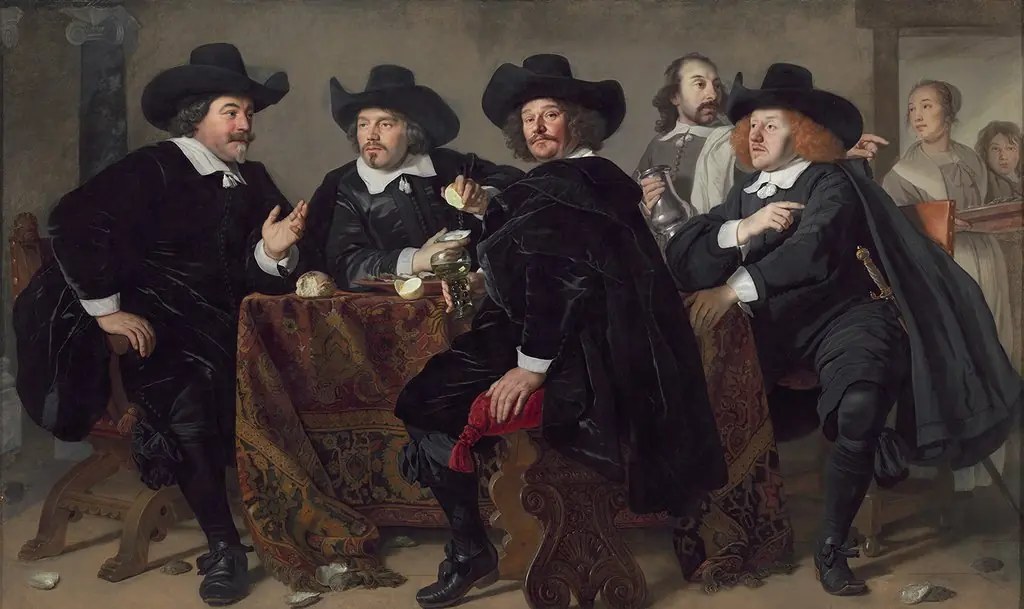 Four directors of the arquebusier's guild, Amsterdam, 1655
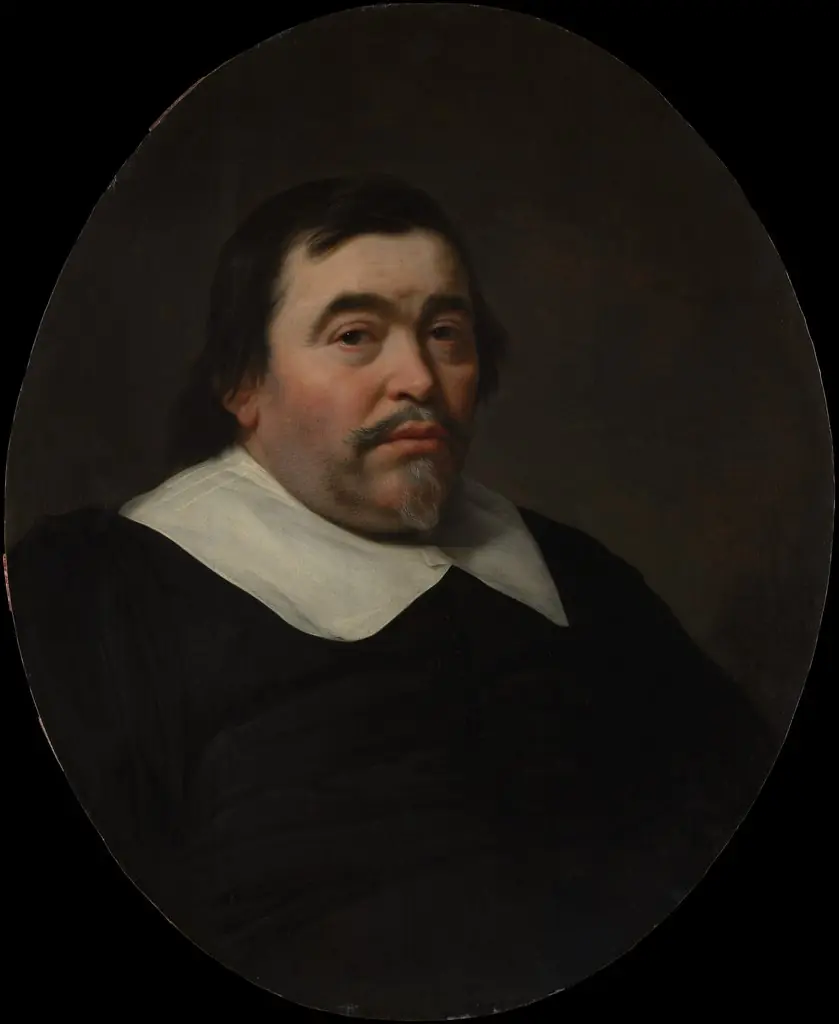 Portrait of a Man
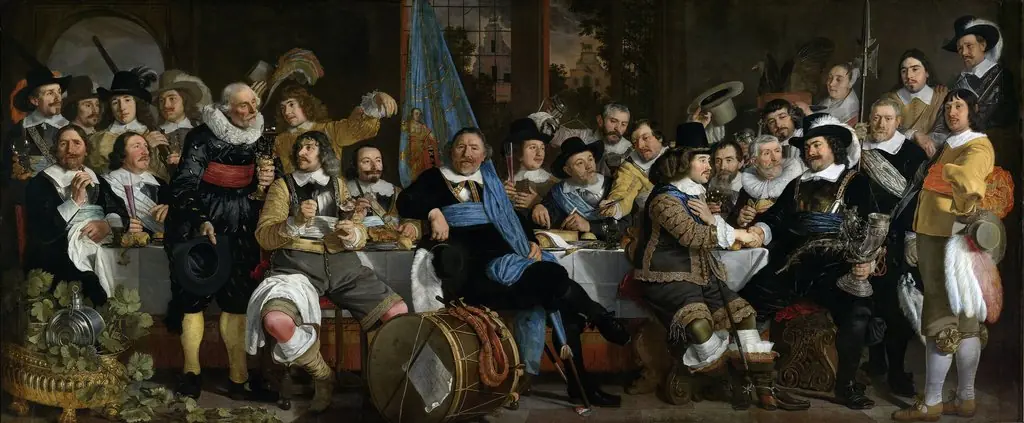 Banquet at the Crossbowmen’s Guild in Celebration of the Treaty of Münster
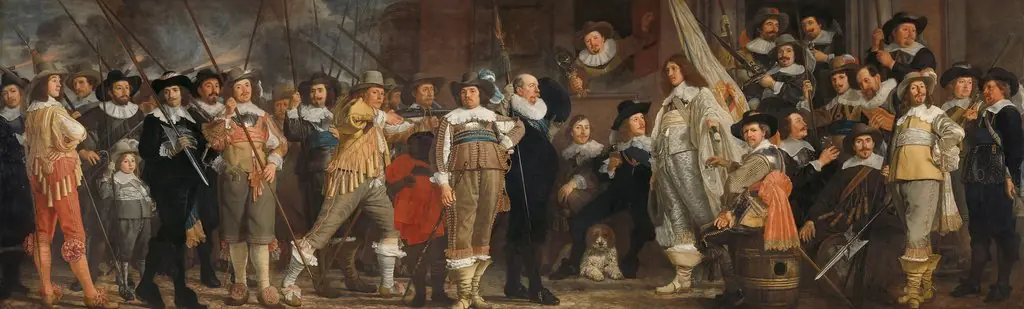 Militia Company of District VIII under the Command of Captain Roelof Bicker
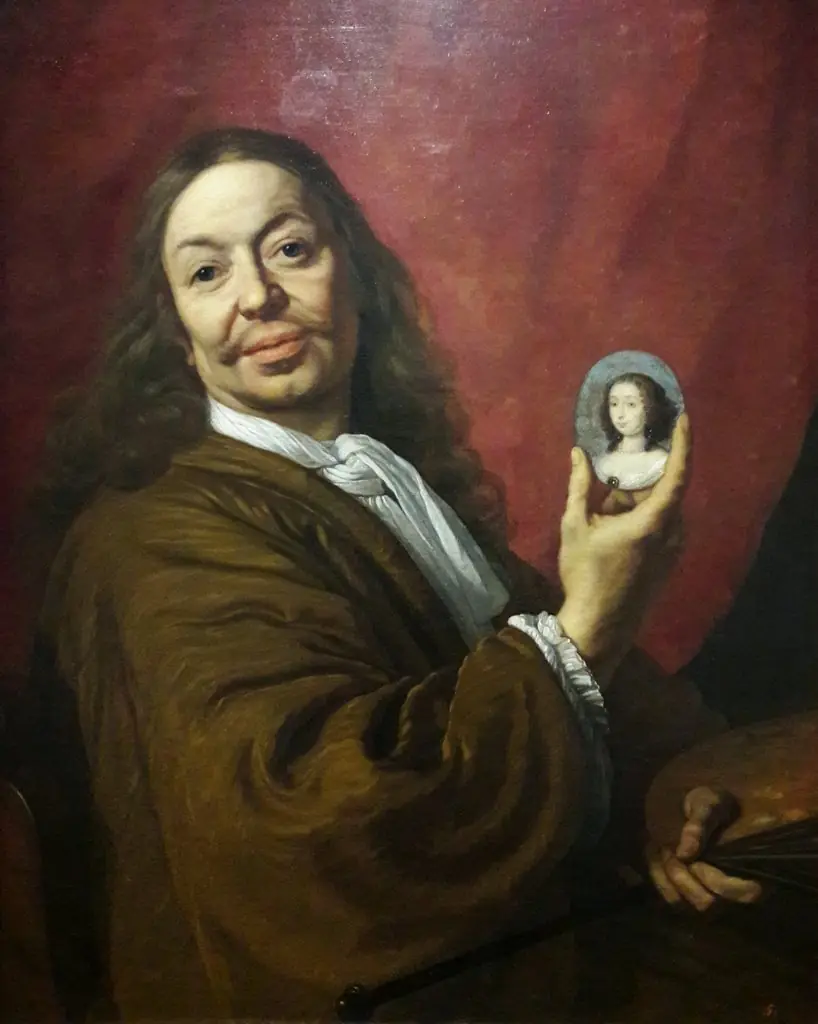 Self-portrait
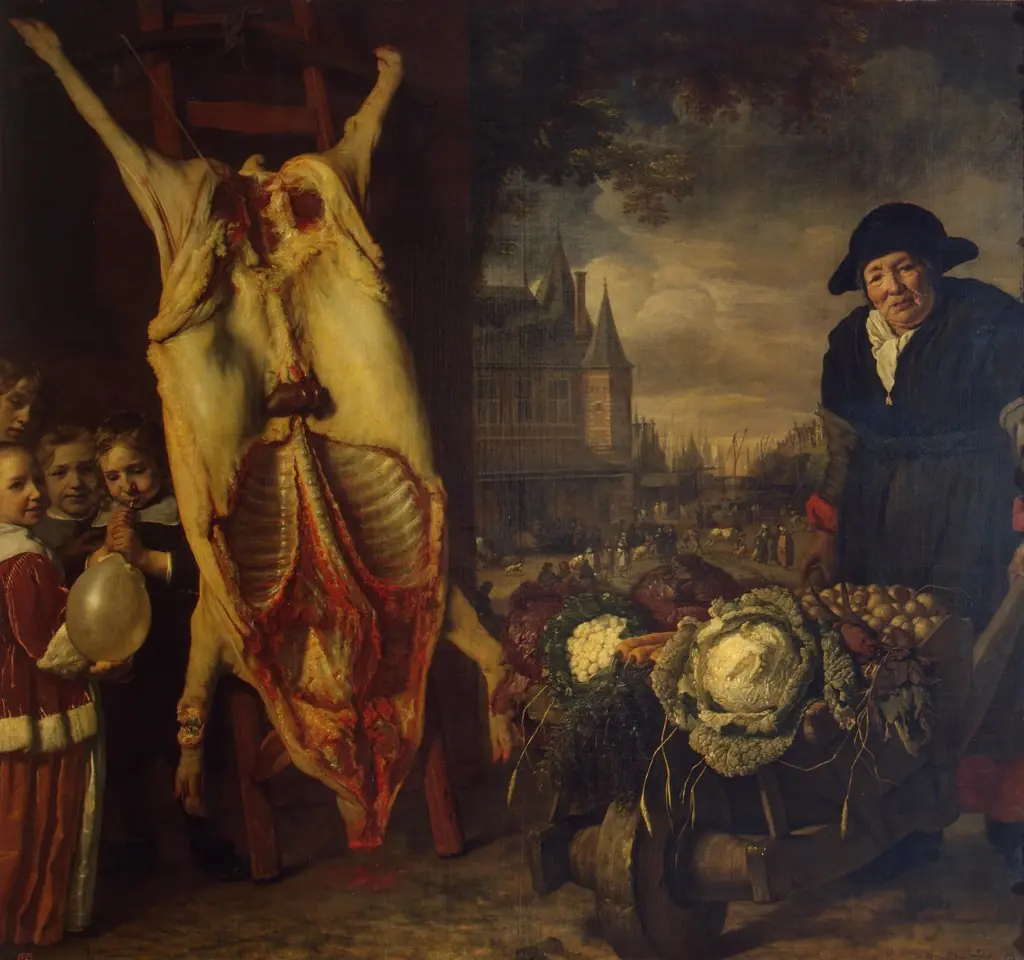 Nieuwmarkt in Amsterdam
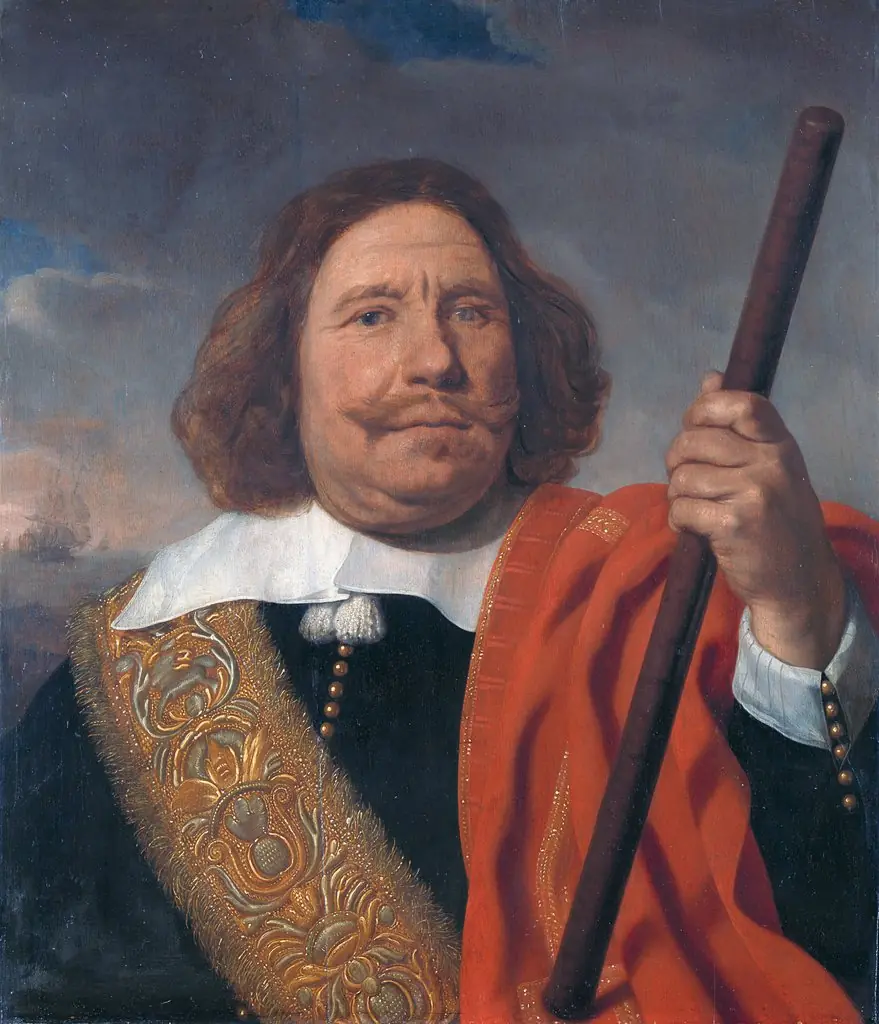 Egbert Meeuwsz Cortenaer (1605-65). Vice admiral, admiralty of the Maas, Rotterdam