Artwork
Die tote heilige Caecilia (Römische Fassung)
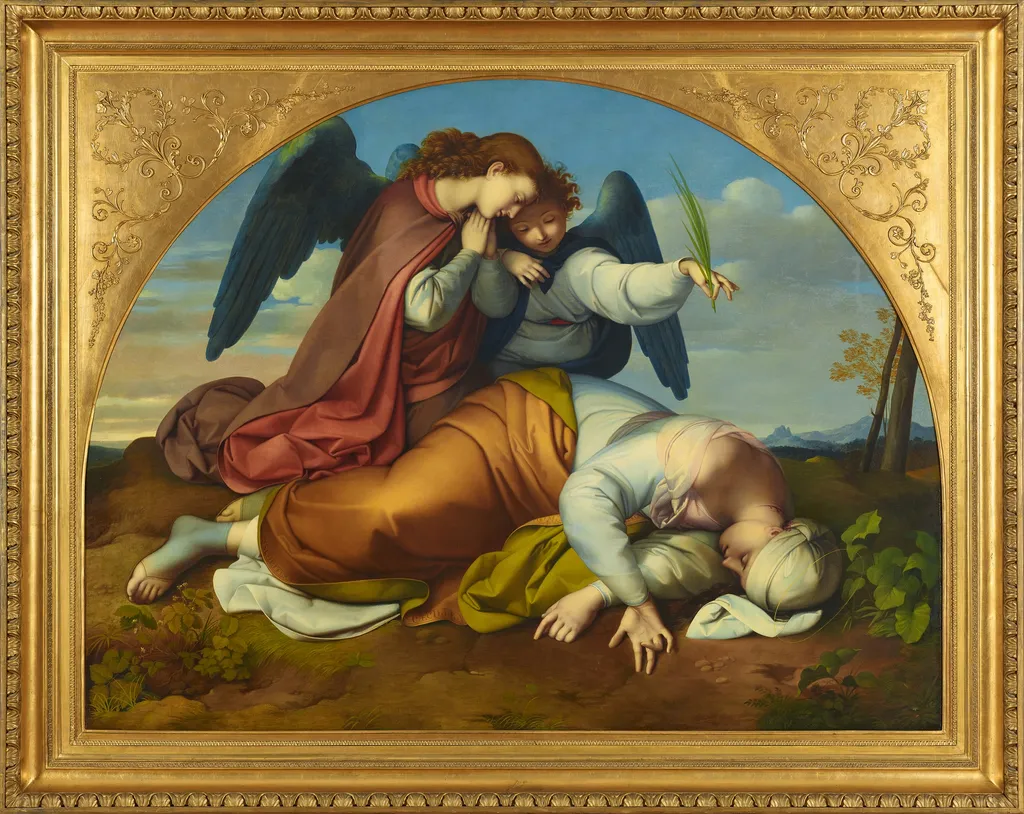
Die tote heilige Caecilia (Römische Fassung) is an oil painting by the Biedermeier artist Johann Scheffer von Leonhardshoff. It dates from 1820 and is held in the collection of the Kunsthistorisches Museum.
About this work
Subject & Meaning
The painting depicts the dead Saint Cecilia, the early Christian martyr and patron saint of music.
The painting depicts the dead Saint Cecilia, the early Christian martyr and patron saint of music. According to the available records, the composition portrays the saint alongside an angel, a pairing that reflects her traditional iconography as a figure venerated for her musical gifts and her steadfast faith.
The inclusion of the angel underscores her sanctity and her association with the heavenly realm, while the depiction of her lifeless body emphasizes the moment of her martyrdom and the reverence accorded to her relics in Rome. As a religious work, the painting engages with the long-standing tradition of representing Saint Cecilia in a state of repose, inviting contemplation of her spiritual significance rather than narrative action.
The "Römische Fassung" (Roman version) designation suggests the artist engaged with iconographic models connected to Rome, where Cecilia's tomb and devotional cult were historically centered.
Technique & Style
Die tote heilige Caecilia (Römische Fassung) is an oil painting executed on a canvas support. Created in 1820 by Johann Scheffer von Leonhardshoff, the work measures 146 cm in height and 193 cm in width. The piece belongs to the religious art genre and depicts Saint Cecilia accompanied by an angel. The medium of oil paint allows for the detailed rendering of the figures within the composition.
History & Provenance
The Roman version of Die tote heilige Caecilia by Johann Scheffer von Leonhardshoff is held in the collection of the Belvedere in Vienna. The painting, created in 1820, is part of the holdings associated with the Kunsthistorisches Museum. Specific inventory or accession numbers for this work are not provided in the available records. The sources do not contain information regarding a specific exhibition history for this artwork.
Overview
Created in 1820 by the Austrian painter Johann Scheffer von Leonhardshoff, this oil painting belongs to the Biedermeier era and is catalogued in the Kunsthistorisches Museum. It presents a religious scene featuring Saint Cecilia, an angelic figure, and a child, rendered in a calm, pastoral landscape that emphasizes a quiet, contemplative atmosphere.
Context
Situated within the Biedermeier period, the painting reflects the era’s preference for intimate, domestic subjects and a modest, devotional tone. Scheffer’s affiliation with the Nazarene movement informs the work’s emphasis on piety, clear narrative, and a revival of early Renaissance compositional principles, aligning it with contemporary efforts to fuse religious sentiment with a renewed aesthetic rigor.
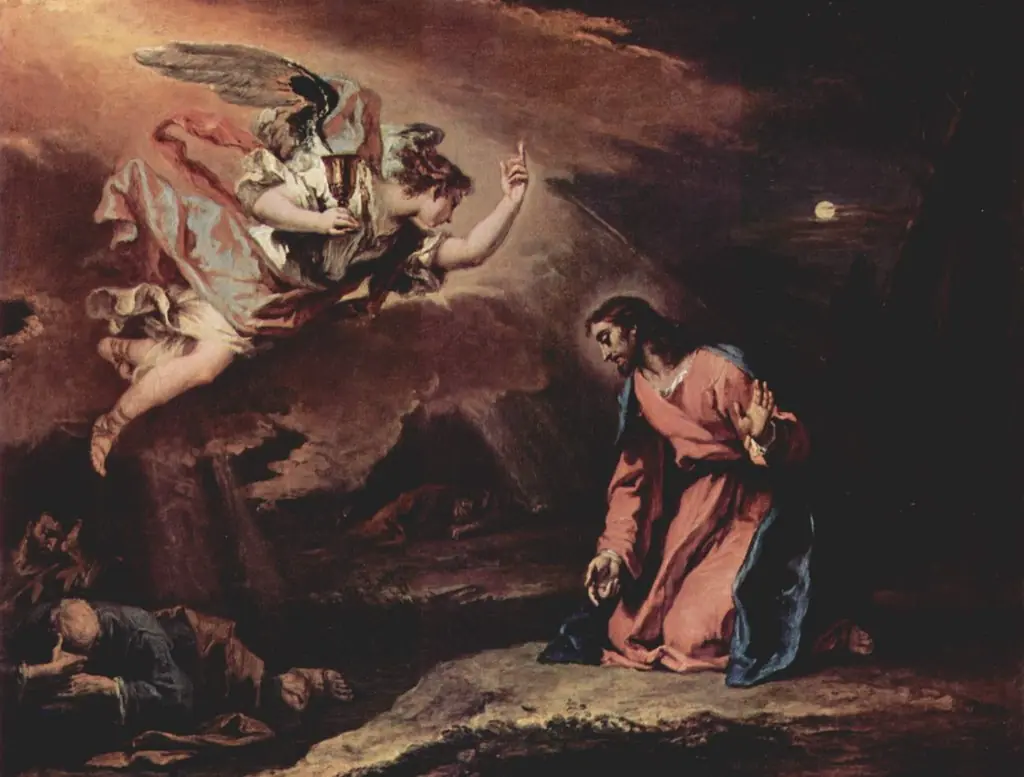
Own this work as a print
Artist & collection
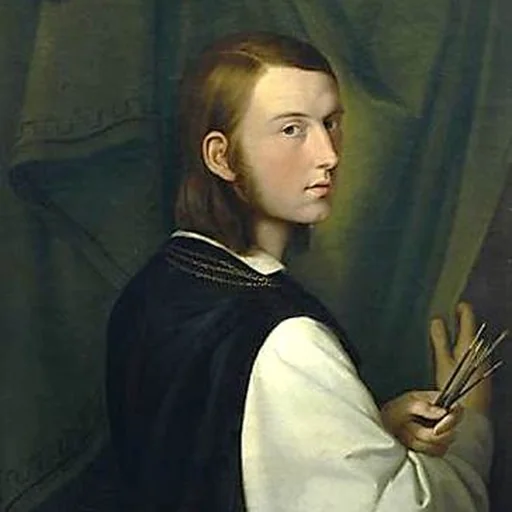
Artist
Johann Scheffer von Leonhardshoff
Johann Evangelist Scheffer von Leonhardshoff (30 October 1795, Vienna – 12 January 1822, Vienna) was an Austrian painter and graphic artist associated with the Nazarene movement.

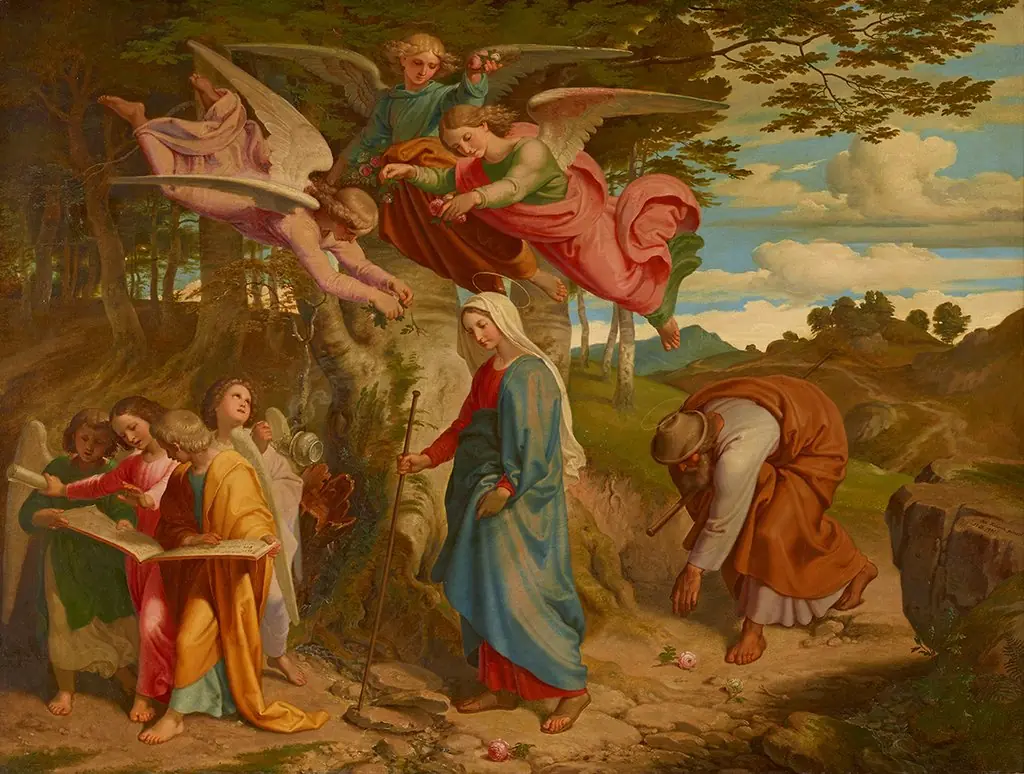 Mary's Passage Across the Mountains
 The Death of Procris
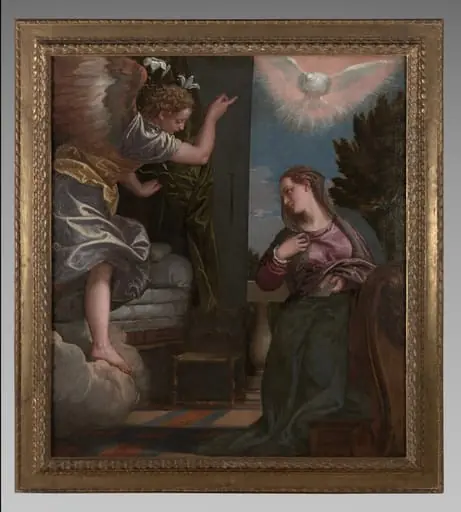 The Annunciation
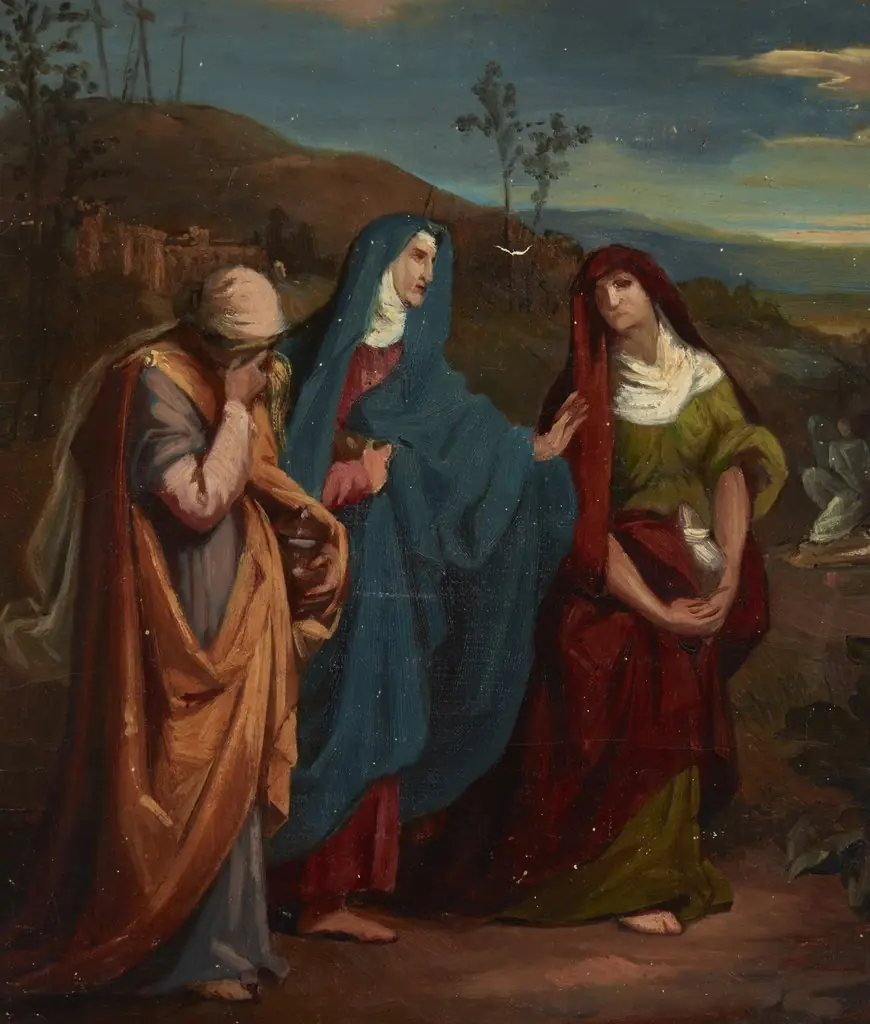 Sketch to the Painting "Three Marys Walking to Christ's Tomb "
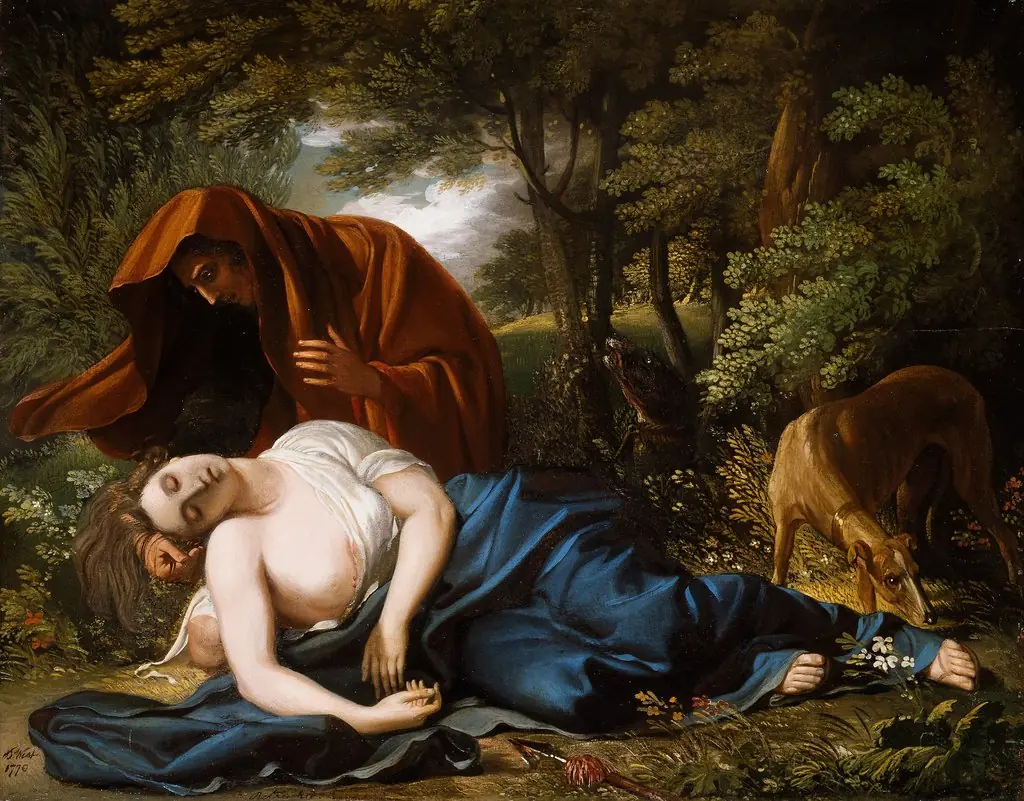 The Death of Procris
 Lucha de Jacob con el ángel
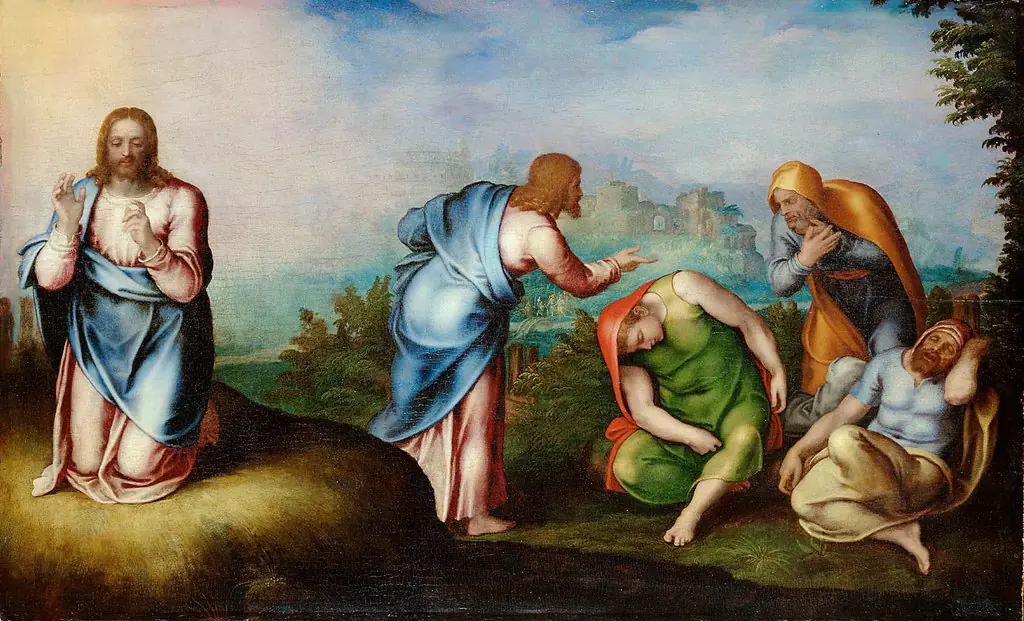 Christus am Ölberg
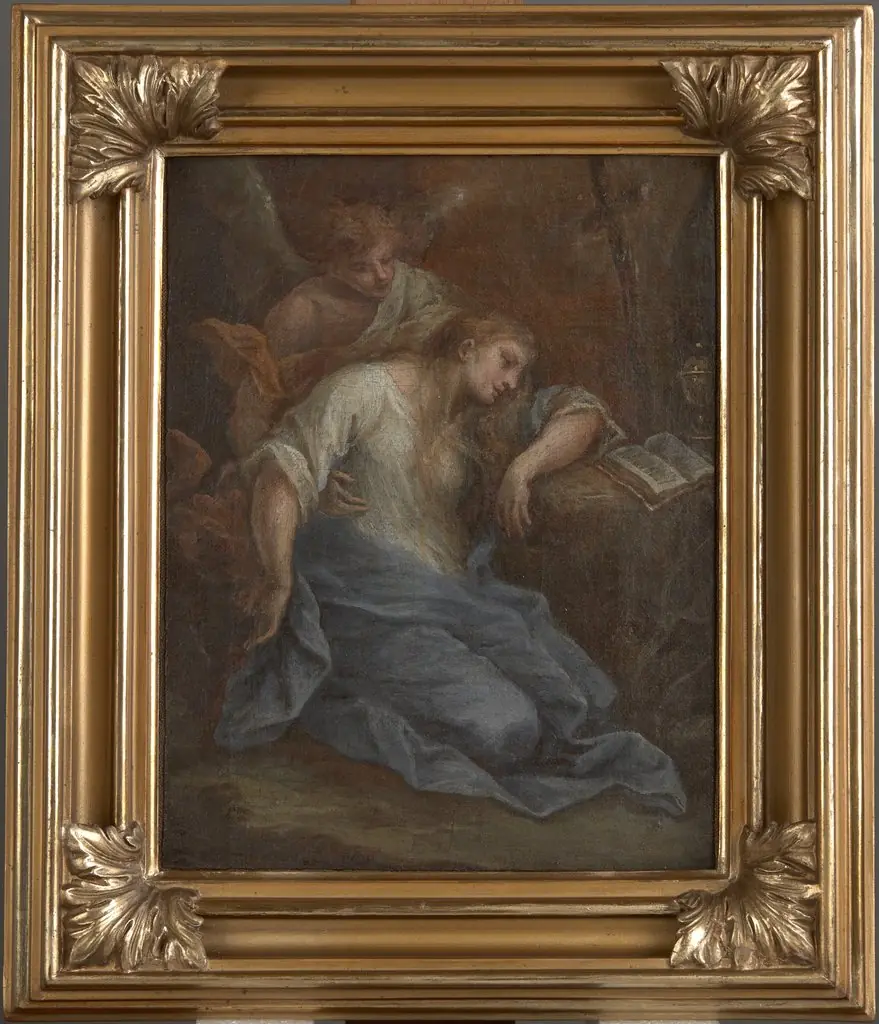 Saint Mary Magdalene in Ecstasy
 Annunciation
 La Oración en el Huerto
 The entombment
- Christ on the Mount of Olives