Artwork
The captive
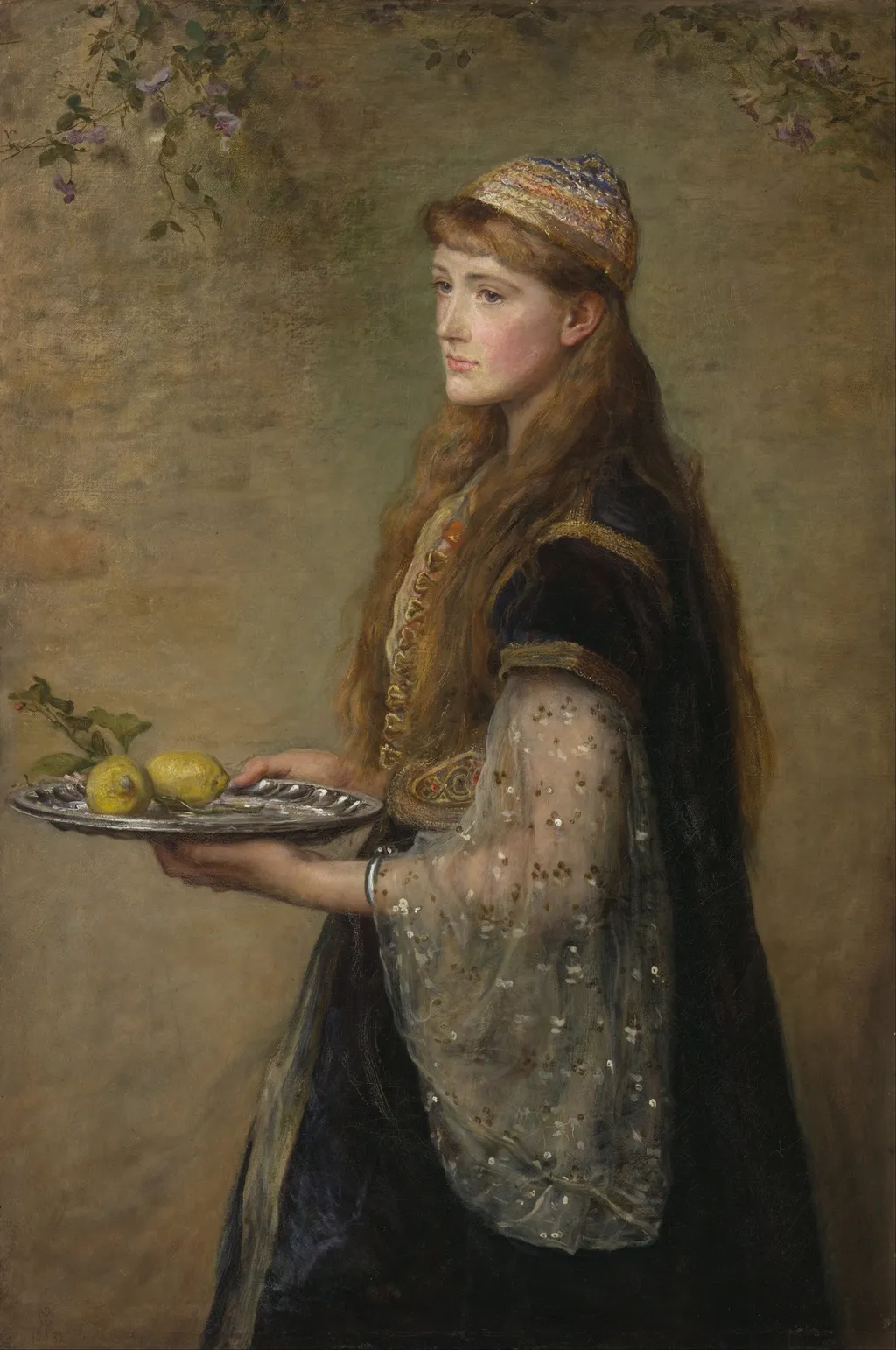
The captive is an oil painting by the Pre-Raphaelite artist John Everett Millais. It dates from 1892 and is held in the collection of the Art Gallery of New South Wales.
About this work
Overview
It resides in the Art Gallery of New South Wales, part of a later phase in Millais’s career when his focus shifted from narrative drama to quiet portraiture.
Painted in 1892 by John Everett Millais, this oil work depicts a solitary woman holding a silver tray with two lemons. Though less widely discussed than his earlier Pre-Raphaelite subjects, the painting reflects his mature style, refined, intimate, and attentive to texture. It resides in the Art Gallery of New South Wales, part of a later phase in Millais’s career when his focus shifted from narrative drama to quiet portraiture.
Subject & Meaning
The figure, a young woman with flowing red hair and a dark blue dress, is framed by stillness. The lemons on the tray may allude to purity or transience, common symbolic motifs in 19th-century art. Her composed posture and downcast gaze suggest introspection rather than narrative action.
The absence of context invites contemplation of inner life, aligning with late Victorian sensibilities that valued emotional restraint.
Technique & Style
Millais employs precise brushwork to render the textures of fabric, metal, and skin. Chiaroscuro models the figure with subtle light shifts, enhancing the three-dimensionality of her shawl and the sheen of the tray. Colors remain restrained, deep blues and muted browns, contrasting with the vivid red of her hair. The composition avoids theatricality, favoring quiet realism over the intense detail of his earlier Pre-Raphaelite works.
History & Provenance
Created near the end of Millais’s career, the painting entered the Art Gallery of New South Wales’ collection in the 20th century. Its provenance prior to acquisition is not well documented. Unlike his controversial early pieces, this work attracted little public attention at the time of completion, reflecting its subdued tone and personal character rather than public spectacle.
Context
By 1892, Millais had moved away from the radical realism of the Pre-Raphaelite Brotherhood, embracing a more conventional academic style. The painting’s intimacy and focus on a single figure align with broader trends in late Victorian art, where domestic quietude and psychological nuance replaced overt moral or religious themes. It reflects an artist adapting to changing tastes while retaining technical mastery.
Legacy
Though not among Millais’s most celebrated works, The Captive illustrates his enduring skill in capturing subtle human presence. It stands as an example of his later transition from social commentary to private observation. The painting contributes to understanding how even prominent figures of earlier movements evolved toward quieter, more introspective modes of expression in their final years.
Own this work as a print
Artist & collection
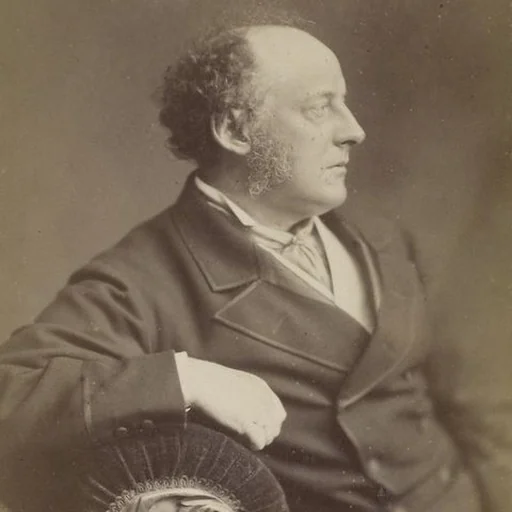
Artist
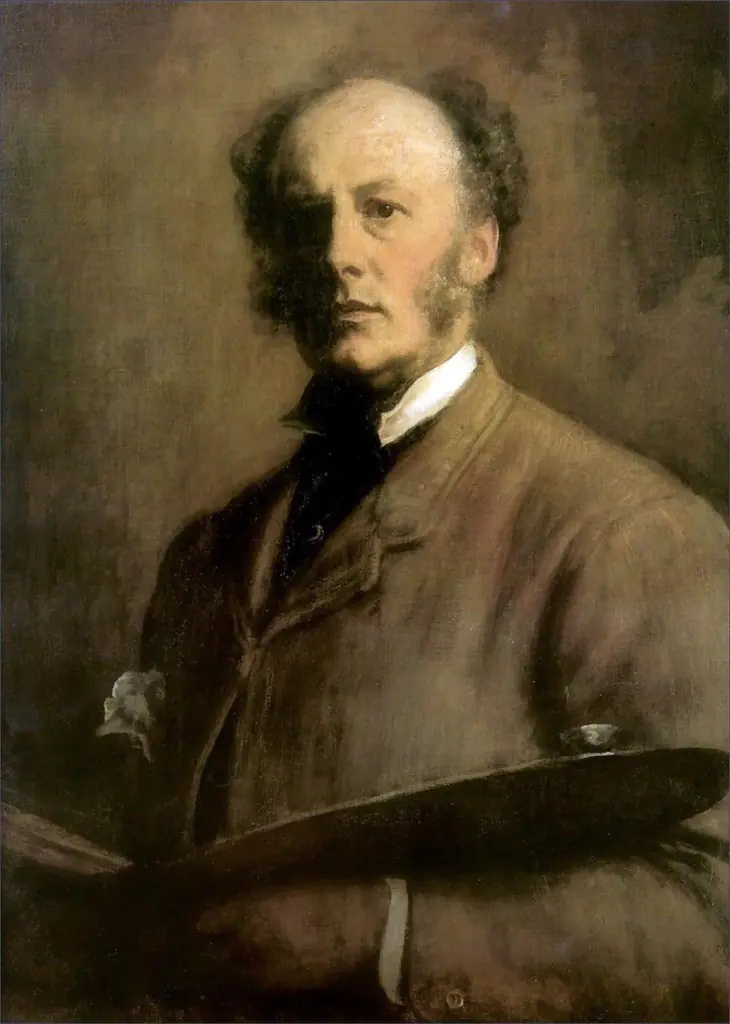
Sir John Everett Millais, 1st Baronet ( MIL-ay; 8 June 1829 – 13 August 1896) was an English painter and illustrator who was one of the founders of the Pre-Raphaelite Brotherhood.