Artwork
"Why seek ye the living among the dead?" ...
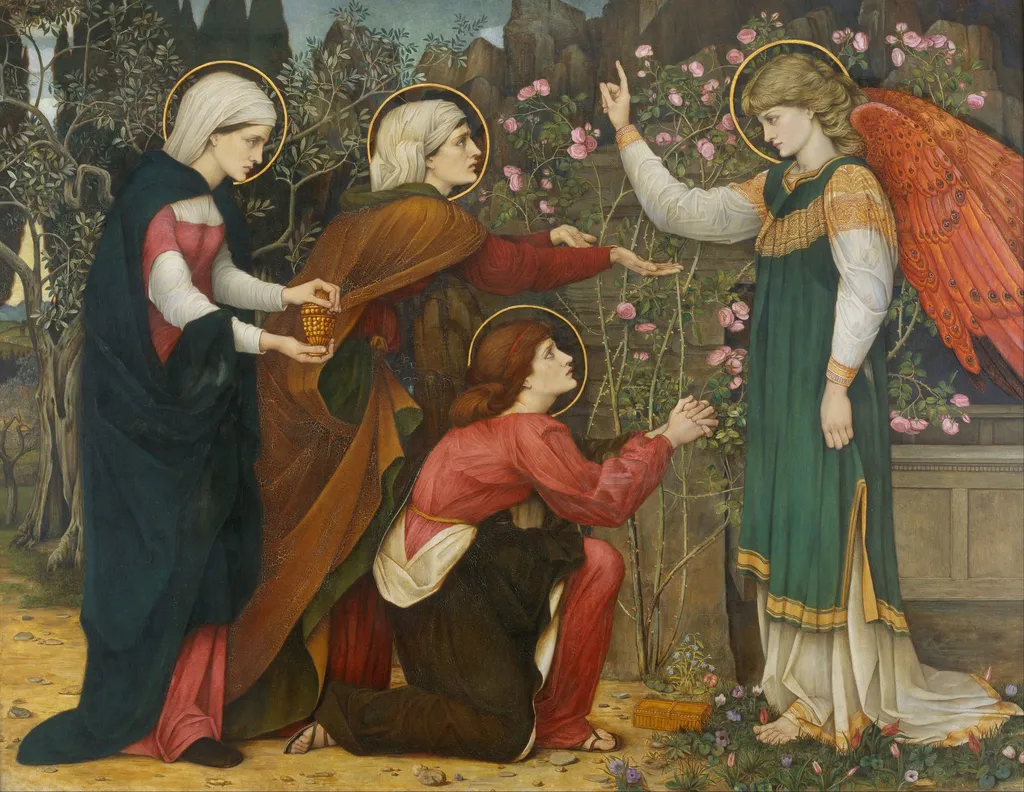
"Why seek ye the living among the dead?" ... is an unspecified painting by the Pre-Raphaelite artist John Roddam Spencer Stanhope. It dates from 1890 and is held in the collection of the Art Gallery of New South Wales.
About this work
Overview
The painting resides in the Art Gallery of New South Wales, reflecting his sustained interest in spiritual themes and refined pictorial harmony.
Painted in 1890 by John Roddam Spencer Stanhope, this work engages with a biblical moment from the Resurrection narrative. Stanhope, an English artist deeply connected to the Pre-Raphaelite circle and later based in Florence, employed tempera and oil to craft a quiet, contemplative scene. The painting resides in the Art Gallery of New South Wales, reflecting his sustained interest in spiritual themes and refined pictorial harmony.
Subject & Meaning
The scene depicts the moment when the angel announces Christ’s resurrection to the women at the tomb, quoting the gospel question, 'Why seek ye the living among the dead?' The angel, pointing skyward, embodies divine revelation, while the four women, in stillness and calm, respond with quiet recognition. Their postures and expressions convey awe rather than shock, emphasizing spiritual comprehension over dramatic emotion.
Technique & Style
Stanhope rendered the figures with delicate modeling and soft, luminous tones, characteristic of his late work. The use of tempera lends a matte, even surface, enhancing the ethereal quality of the scene. Garments flow in rhythmic lines, and the garden backdrop, though simplified, is rich with symbolic flora.
The angel’s vivid wings contrast subtly with the muted robes, guiding the viewer’s eye without disrupting the composition’s serenity.
History & Provenance
Created during Stanhope’s years in Florence, the painting reflects his immersion in Italian art and his evolving Symbolist sensibilities. It was acquired by the Art Gallery of New South Wales in the early 20th century, likely through a private collector or bequest. Its journey from a British artist’s studio to an Australian public collection underscores the international reach of Pre-Raphaelite-inspired works in that era.
Context
Stanhope’s work emerged amid a broader cultural turn toward spiritual symbolism in late 19th-century Britain. While rooted in Pre-Raphaelite detail, his style moved toward Aestheticism, prioritizing mood and harmony over narrative clarity. This painting aligns with contemporaneous efforts to visualize sacred moments not as drama, but as inner revelation, echoing trends in both religious art and literary Symbolism.
Legacy
Though less widely known than his Pre-Raphaelite peers, Stanhope’s quiet, meditative approach influenced later Symbolist painters seeking emotional restraint in sacred subjects. The painting remains a key example of how biblical themes were reimagined through personal, non-dogmatic vision. Its presence in a major Australian institution ensures its continued study as a bridge between British and international artistic currents of the era.
Own this work as a print
Artist & collection
Artist
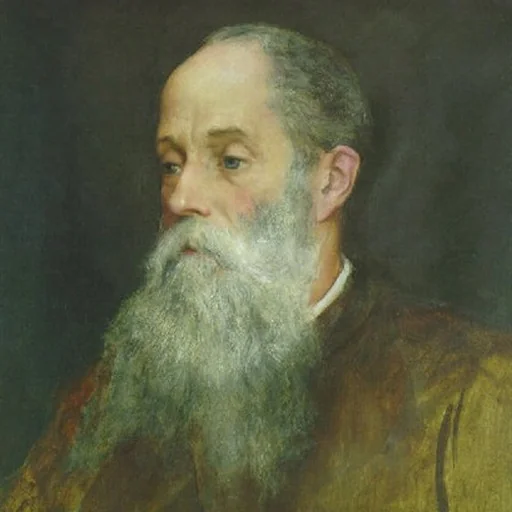
John Roddam Spencer Stanhope (20 January 1829 – 2 August 1908) was an English artist associated with Edward Burne-Jones and George Frederic Watts and often regarded as a second-wave pre-Raphaelite.

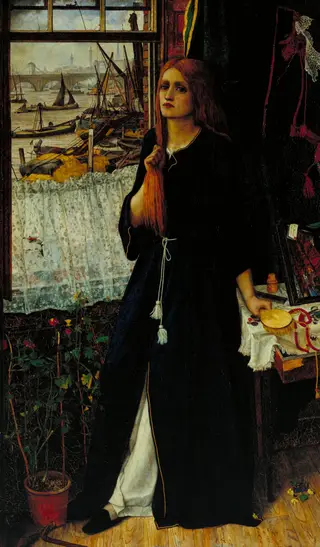
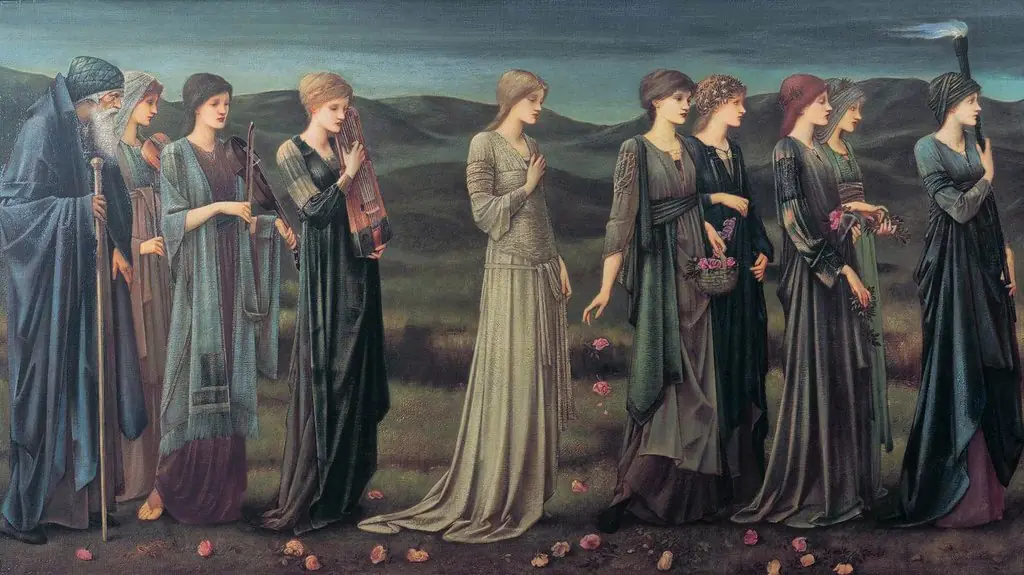
- Psyche's wedding
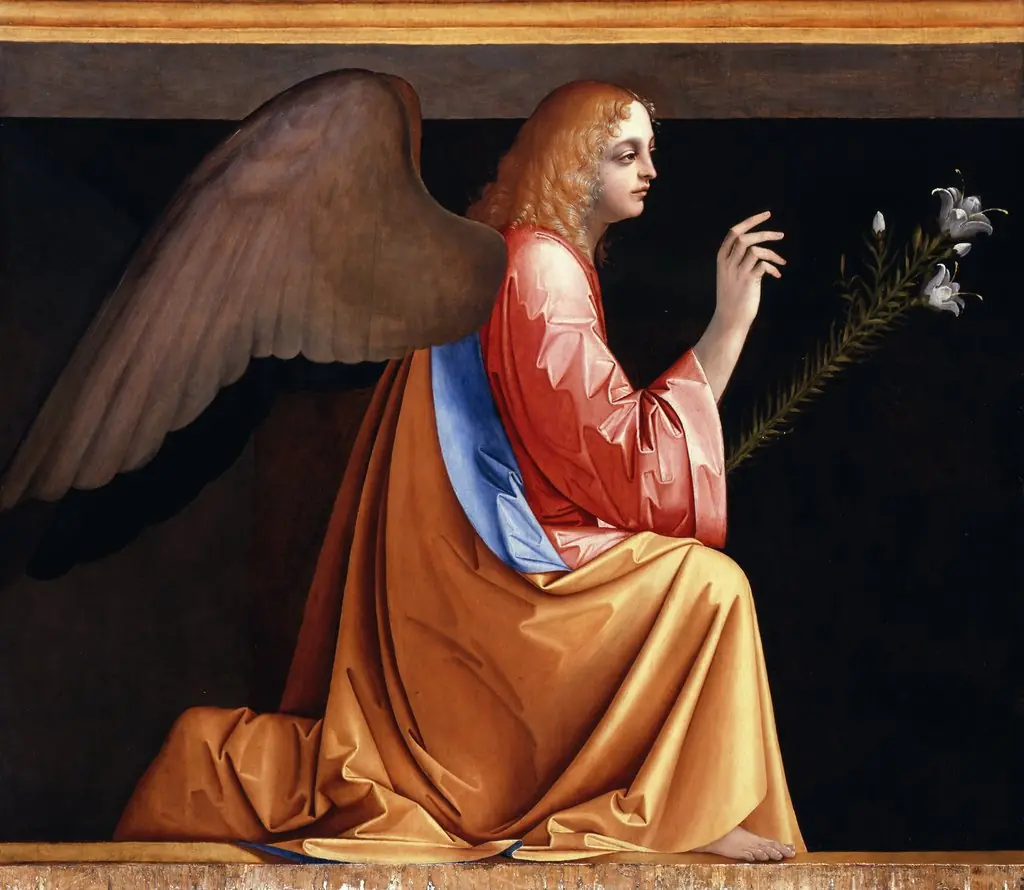 Angel of Annunciation
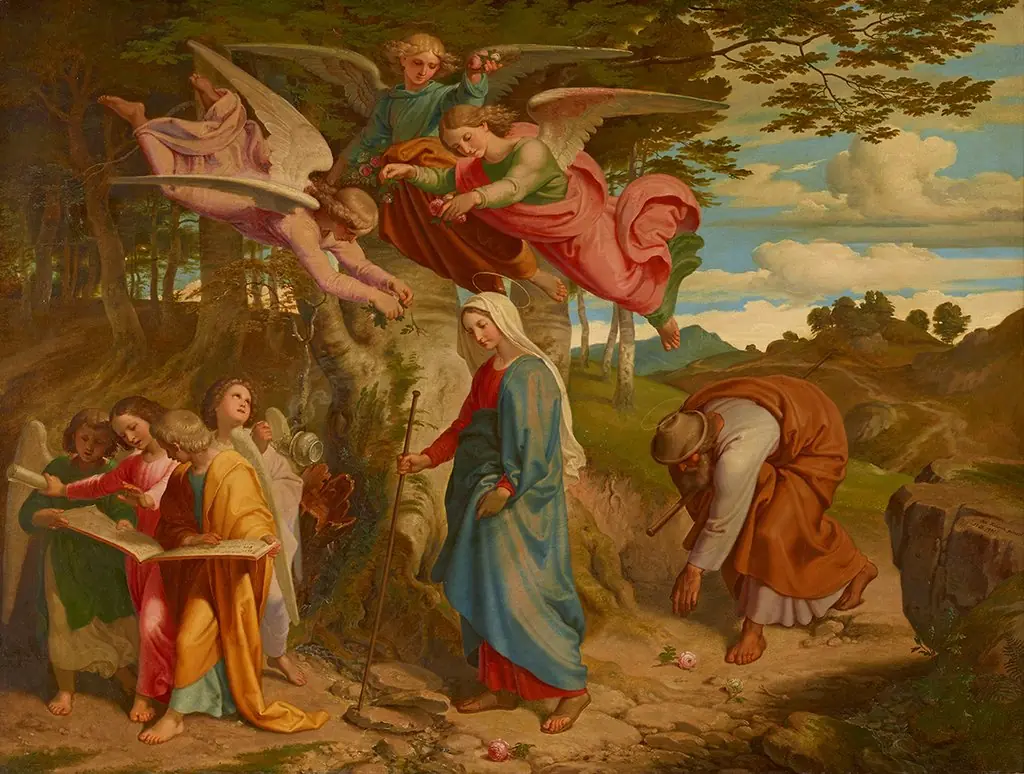 Mary's Passage Across the Mountains
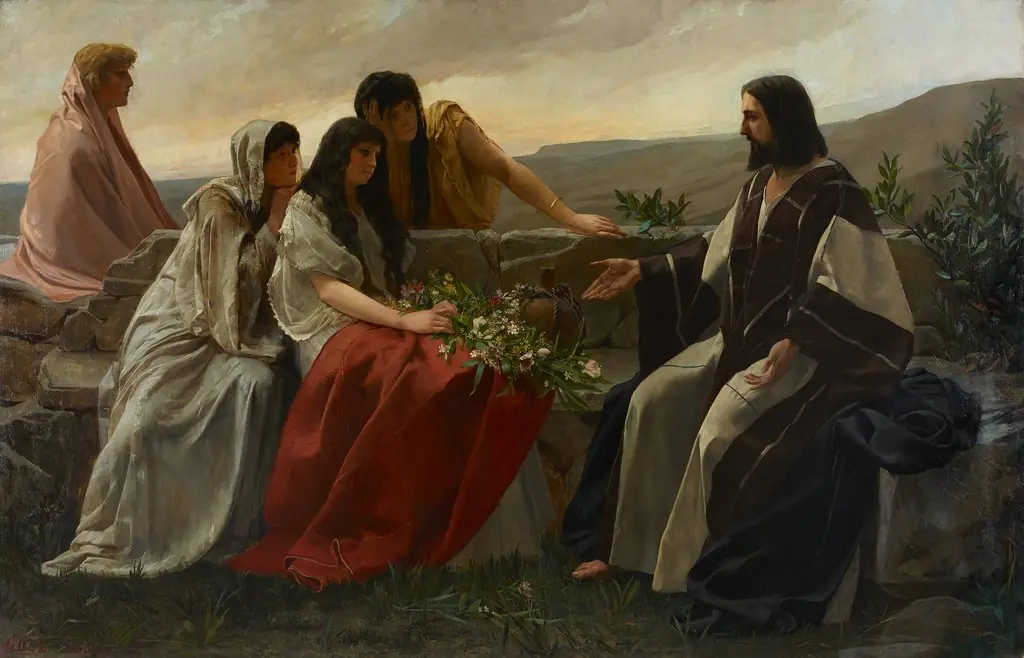 Christus und die Frauen
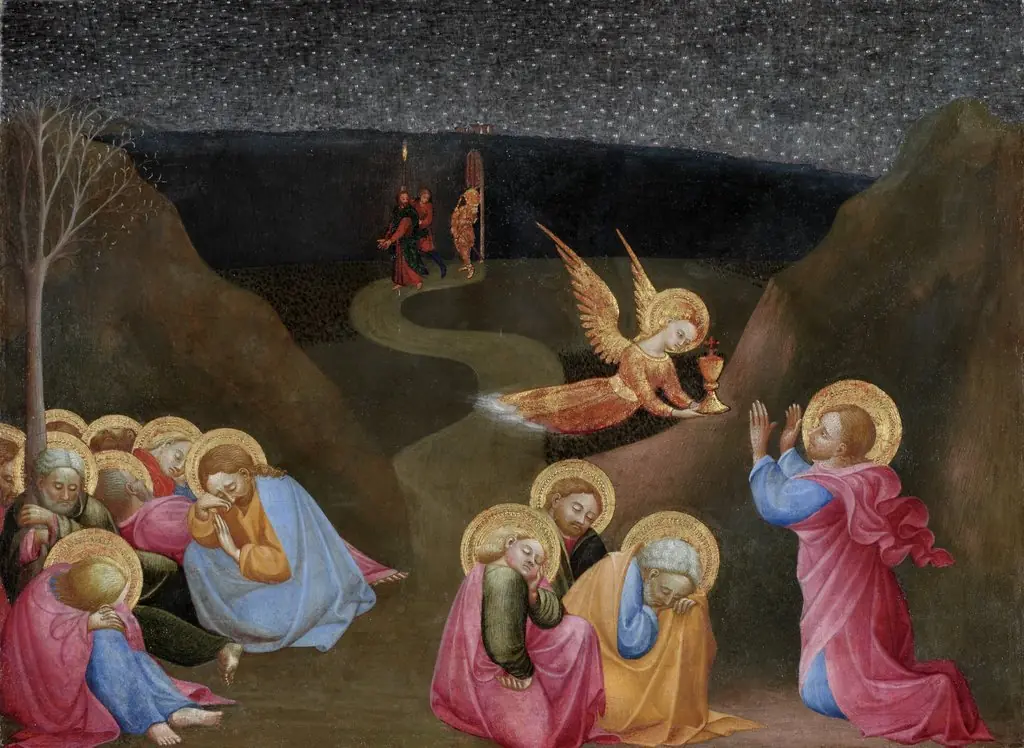 The Agony in the Garden
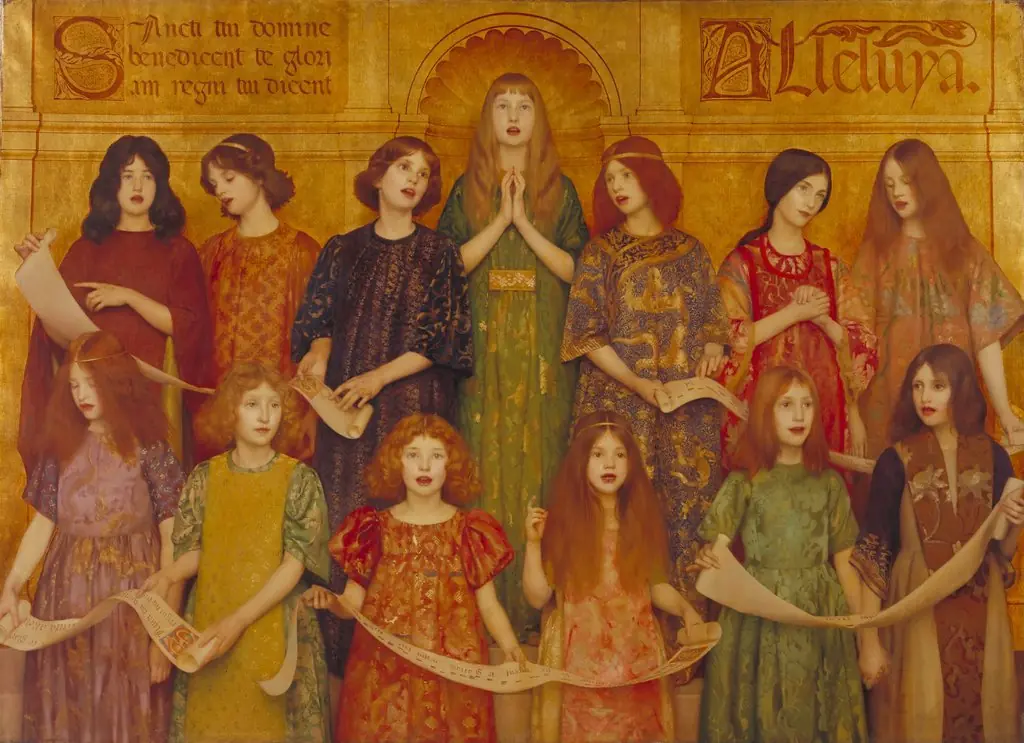 Alleluia
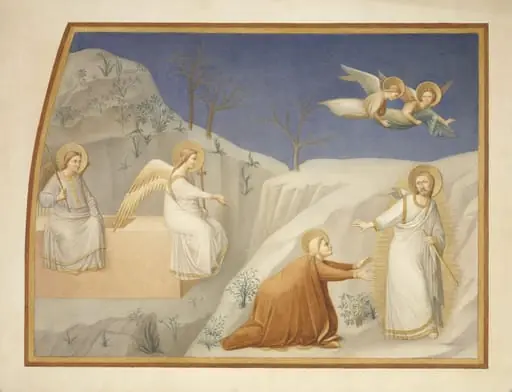 Noli Me Tangere
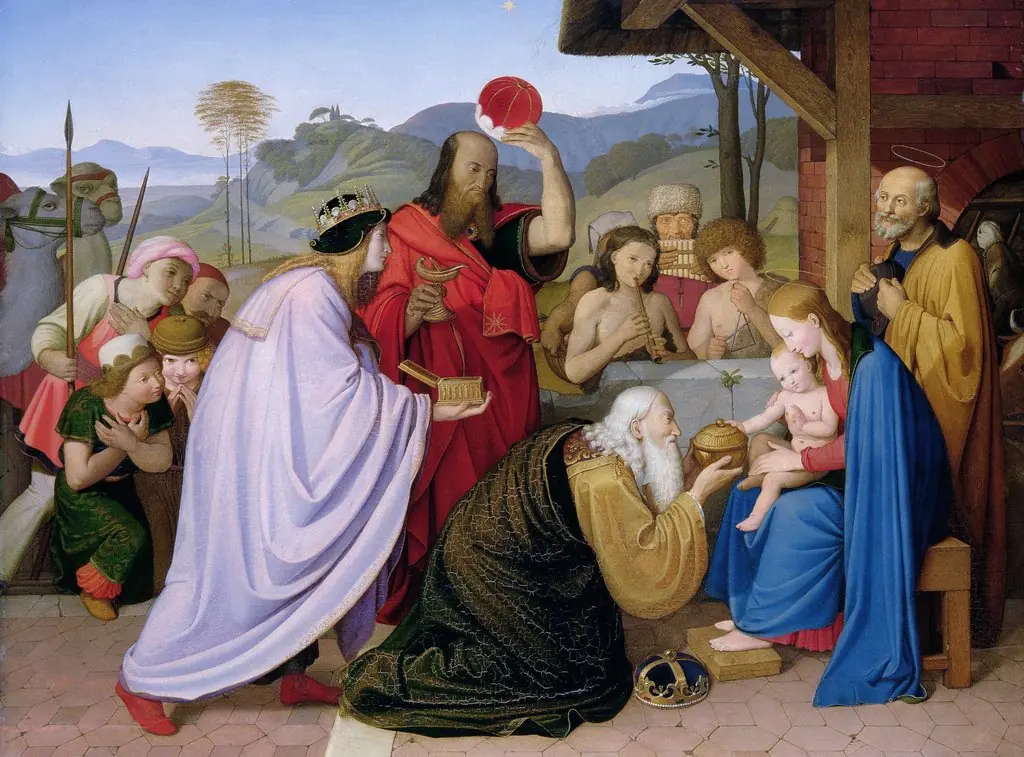 L'Adoration des mages
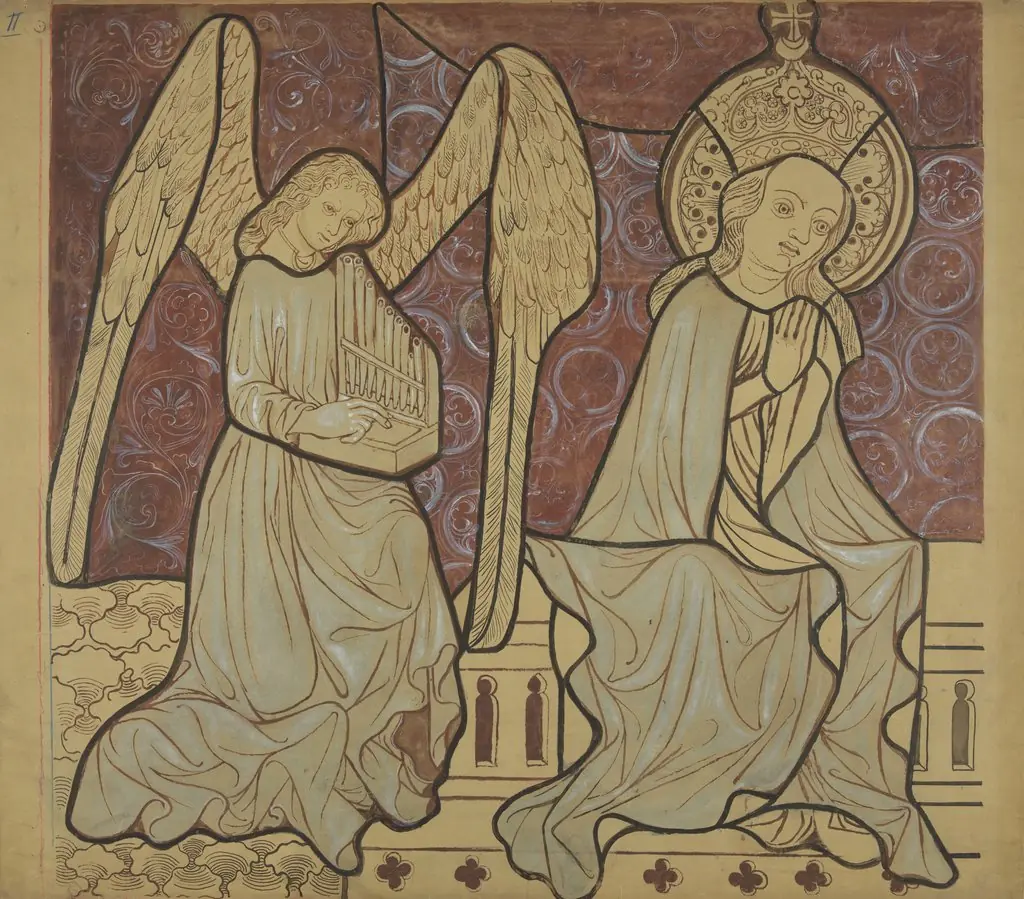 Enthroned Mary with an angel from the scene "Coronation of the Blessed Virgin Mary" (left part). Artistic reconstruction of a stained-glass panel from the Dominican church in Kraków
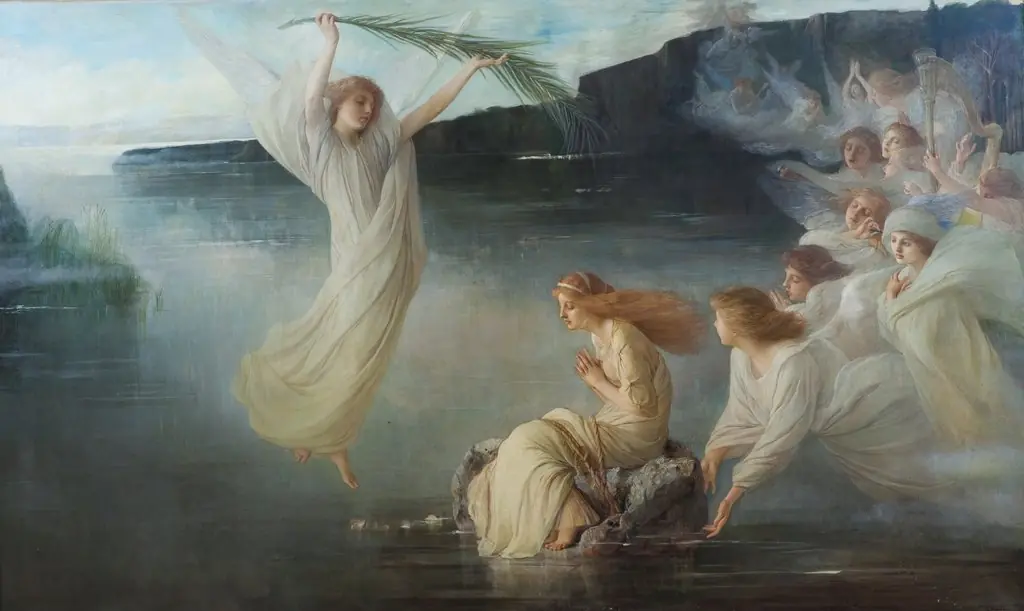 El martirio de santa Cristina
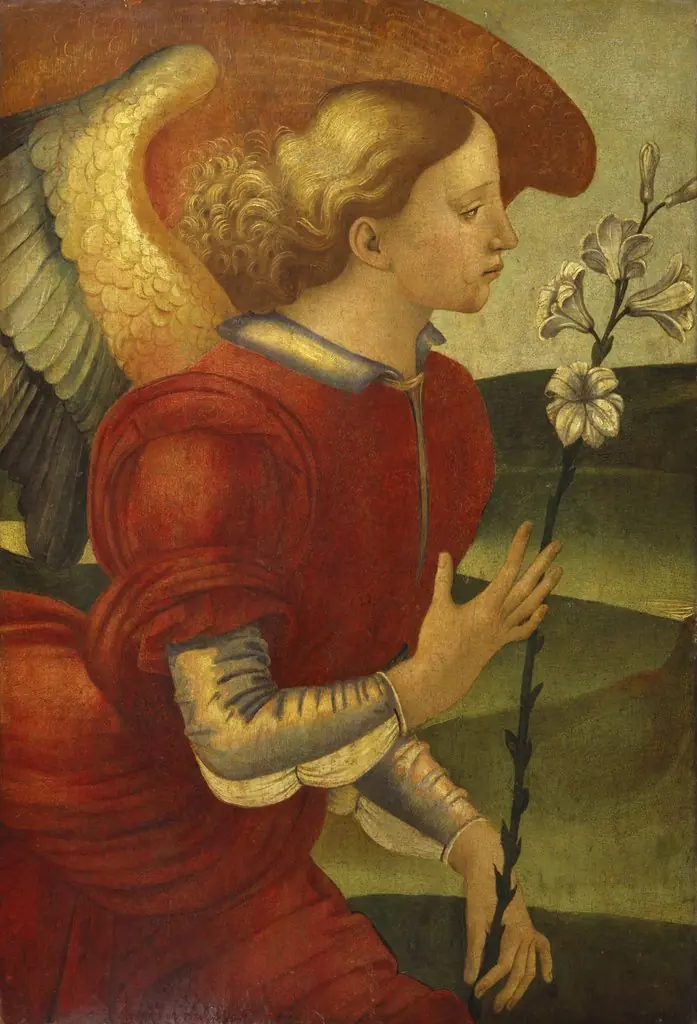 The Archangel Gabriel
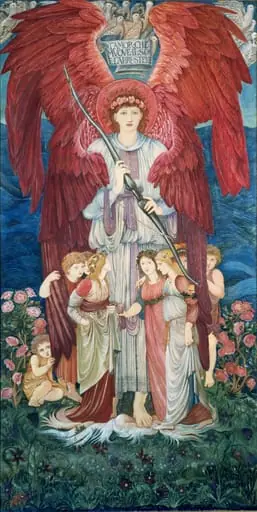 Love
Love