Artwork
Portrait of Mrs. Leopold Hirsch
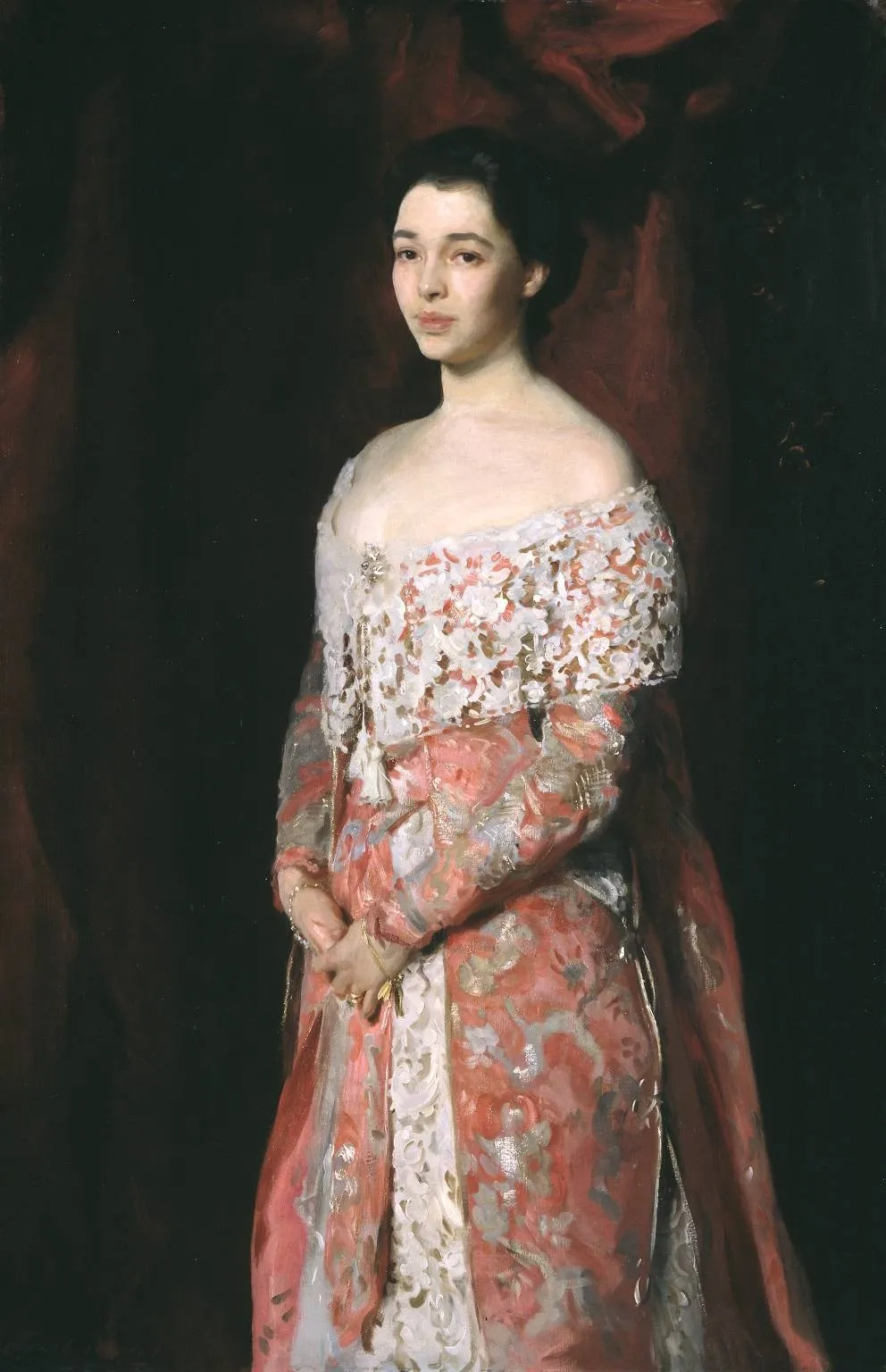
Portrait of Mrs. Leopold Hirsch is an oil painting by the American Impressionist artist John Singer Sargent. It dates from 1902 and is held in the collection of the Tate Britain.
About this work
Overview
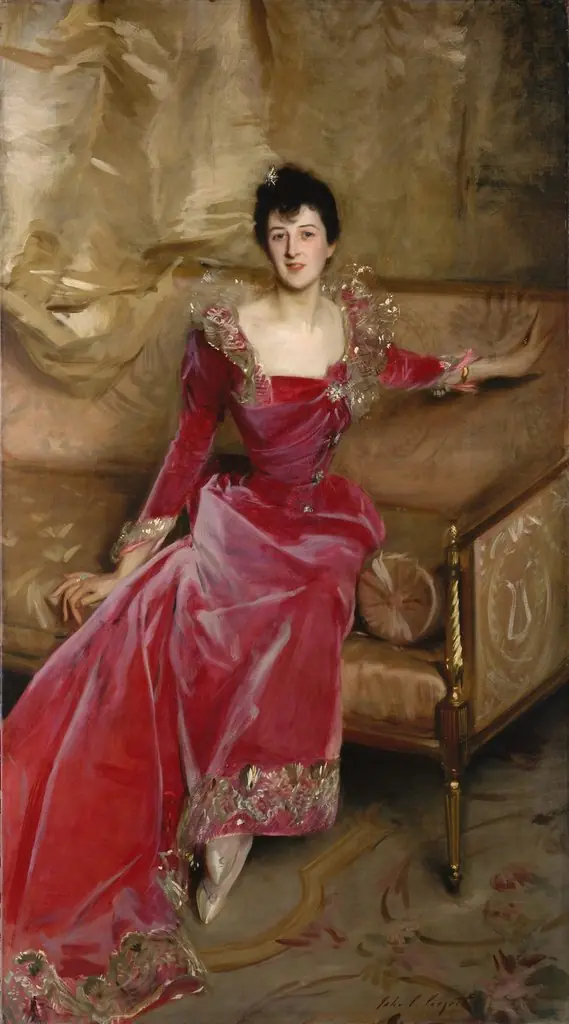
John Singer Sargent completed the oil painting Portrait of Mrs. Leopold Hirsch in 1902. Executed in a manner associated with American Impressionism, the work shows a seated woman dressed in an off‑the‑shoulder gown with a floral print and a white lace bodice, set against a deep red backdrop. The composition emphasizes quiet dignity and refined poise.
Subject & Meaning
The sitter is Matilda Seligman, identified in contemporary records as Mrs. Leopold Hirsch. Her dark hair is styled back, and she wears a single gold bracelet on her right wrist. The calm, introspective expression and the elegant posture suggest a portrait intended to convey personal grace and social standing rather than overt narrative.
Technique & Style
Sargent employs a nuanced handling of light and shadow, creating a subtle chiaroscuro that models the figure’s form and the texture of the fabric. The brushwork balances the loose, atmospheric qualities typical of Impressionism with the precise detailing expected in high‑society portraiture, especially evident in the lace and jewelry.
History & Provenance
Created during Sargent’s prolific period of portraiture for Belle Époque and Edwardian patrons, the painting reflects his extensive travel between Europe and the United States. While the work has remained in private collections for much of its existence, it is documented in catalogues raisonnés of Sargent’s nearly nine hundred oil paintings.
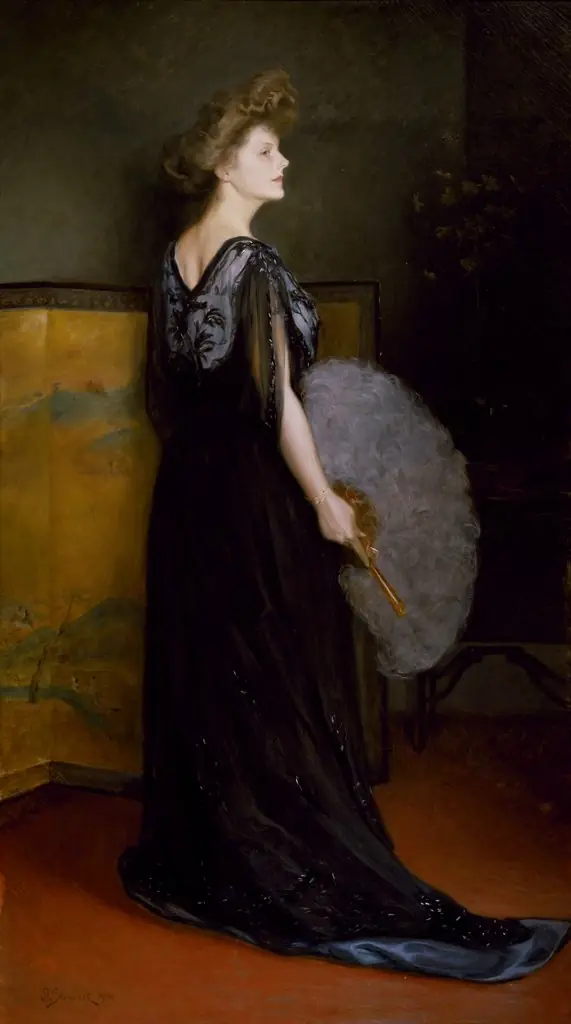
Artist & collection
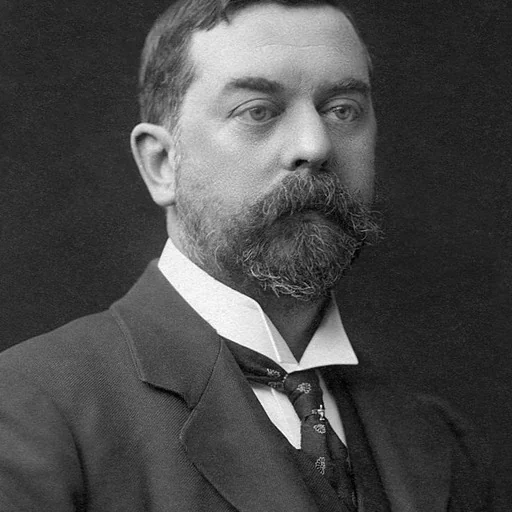
Artist
John Singer Sargent (; January 12, 1856 – April 15, 1925) was an American expatriate artist, considered the "leading portrait painter of his generation" for his evocations of Belle Époque and Edwardian-era luxury.

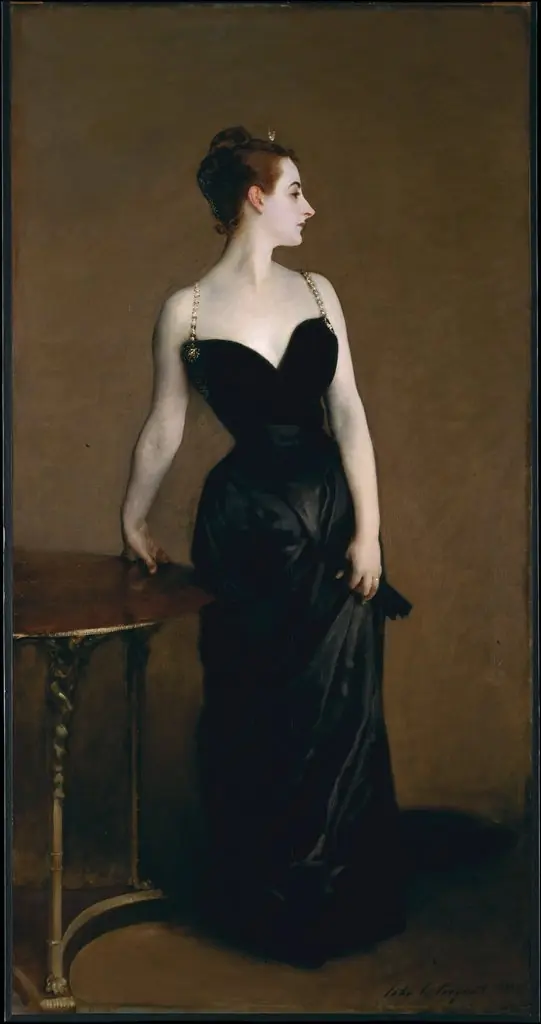
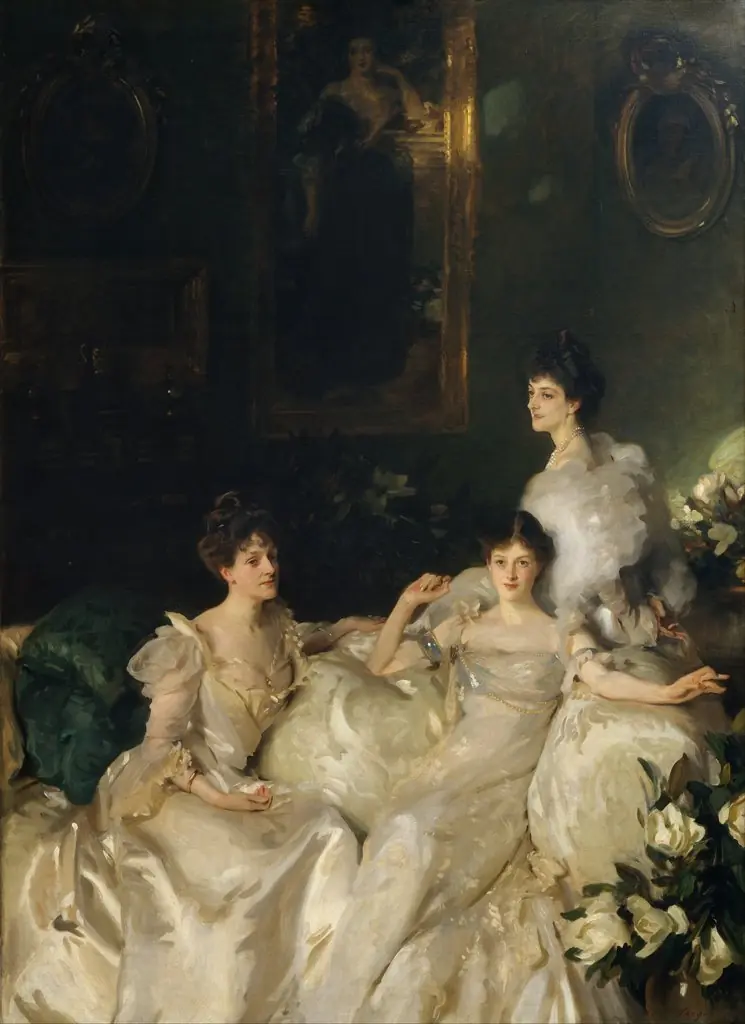
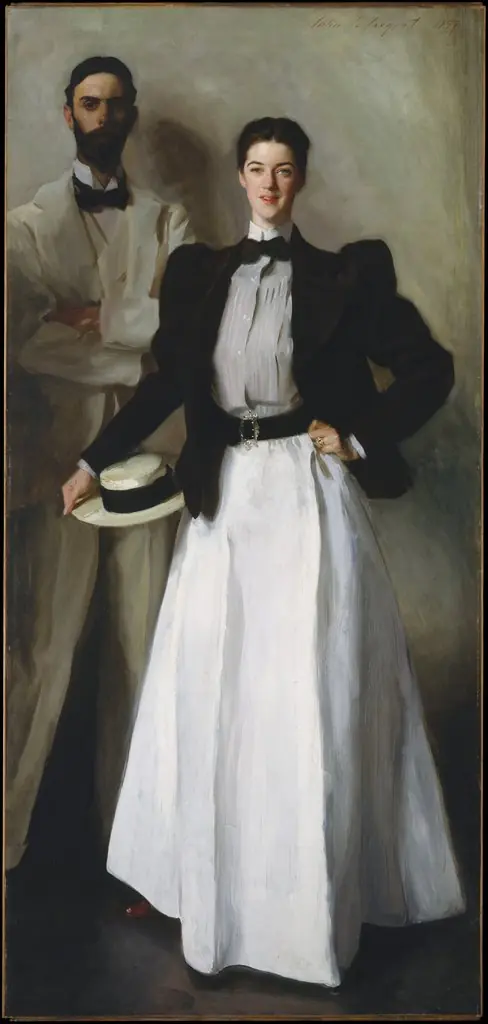
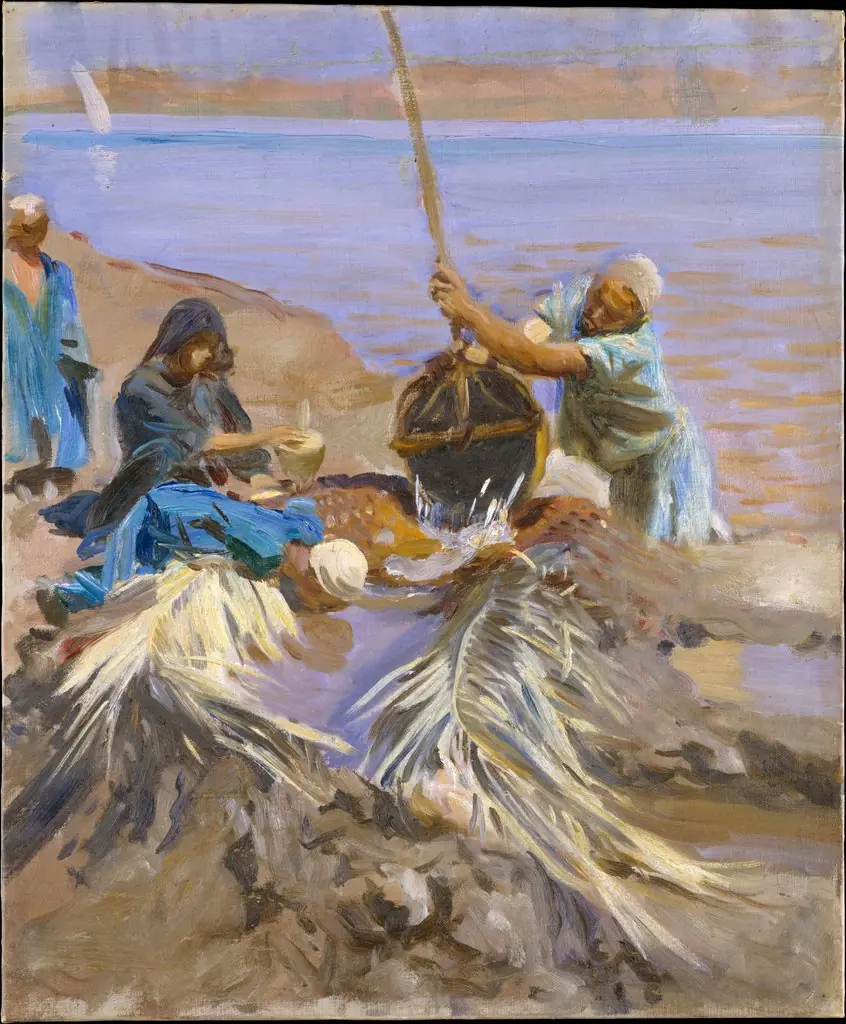
- Portrait of Mrs. Francis Stanton Blake
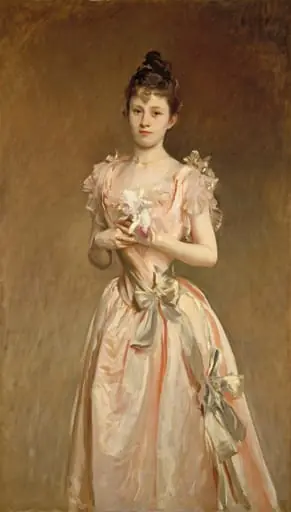 Miss Grace Woodhouse
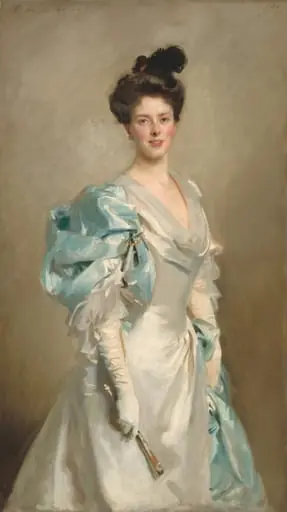 Mary Crowninshield Endicott Chamberlain (Mrs. Joseph Chamberlain)
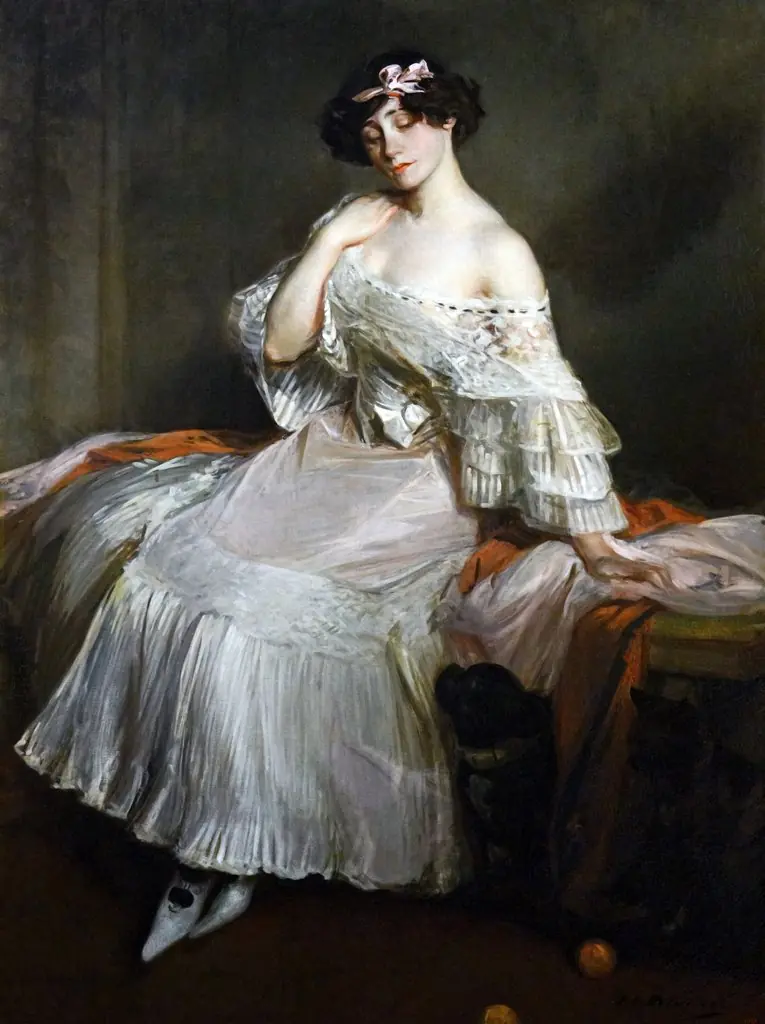 Portrait of the Novelist Colette
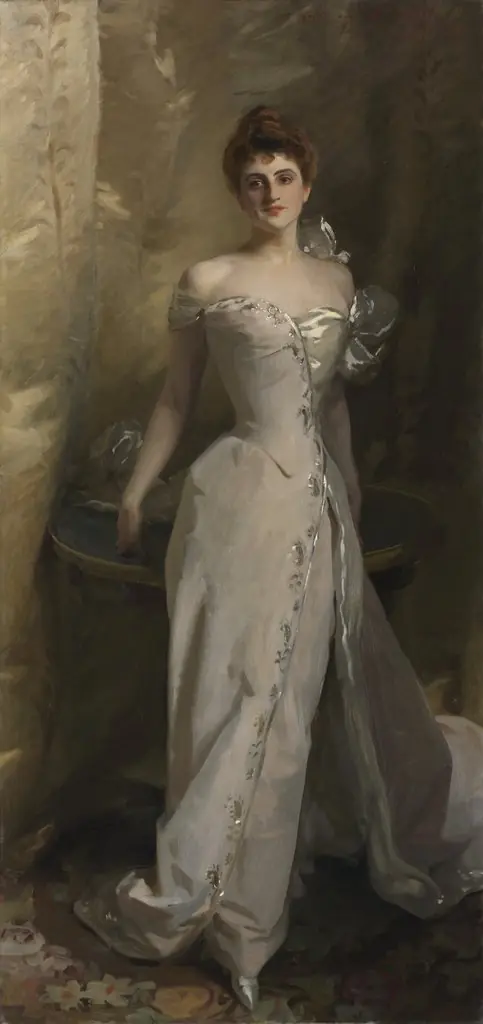 Portrait of Lisa Colt Curtis
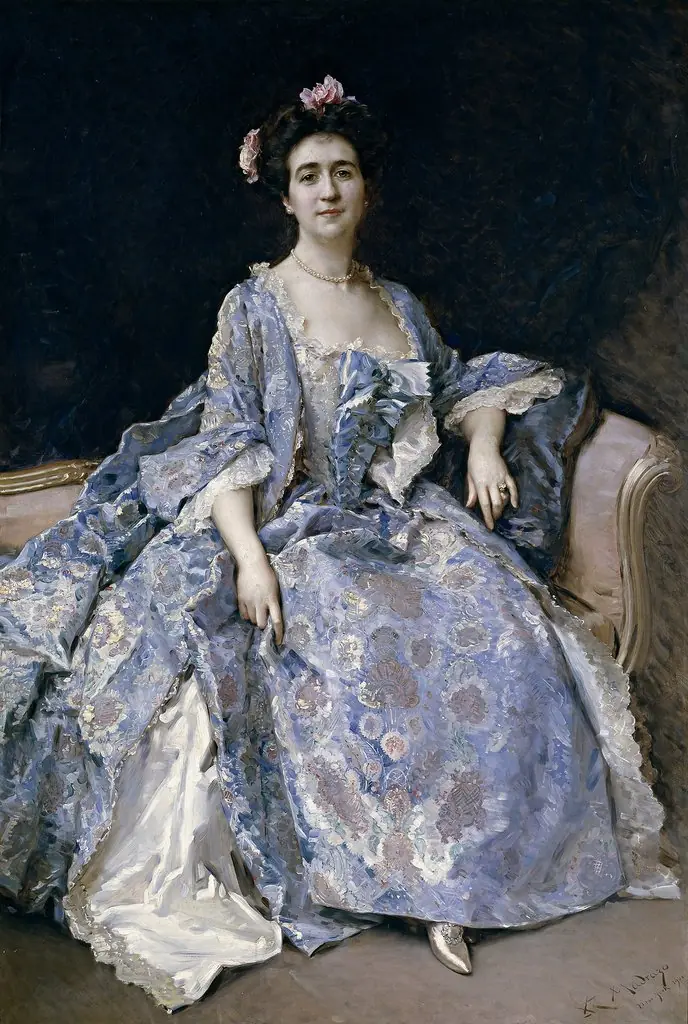 María Hahn esposa del pintor
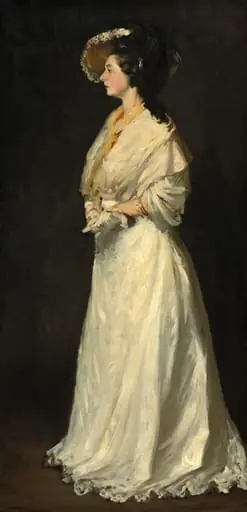 Young Woman in White
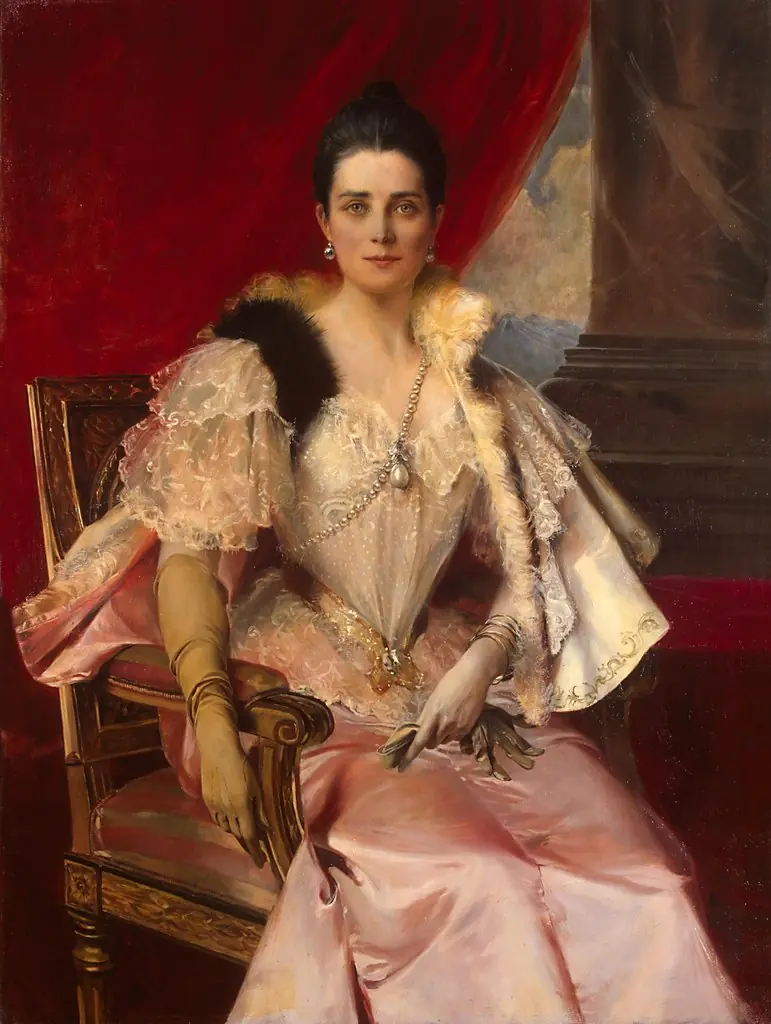 Portrait of Princess Z. N. Yusupova
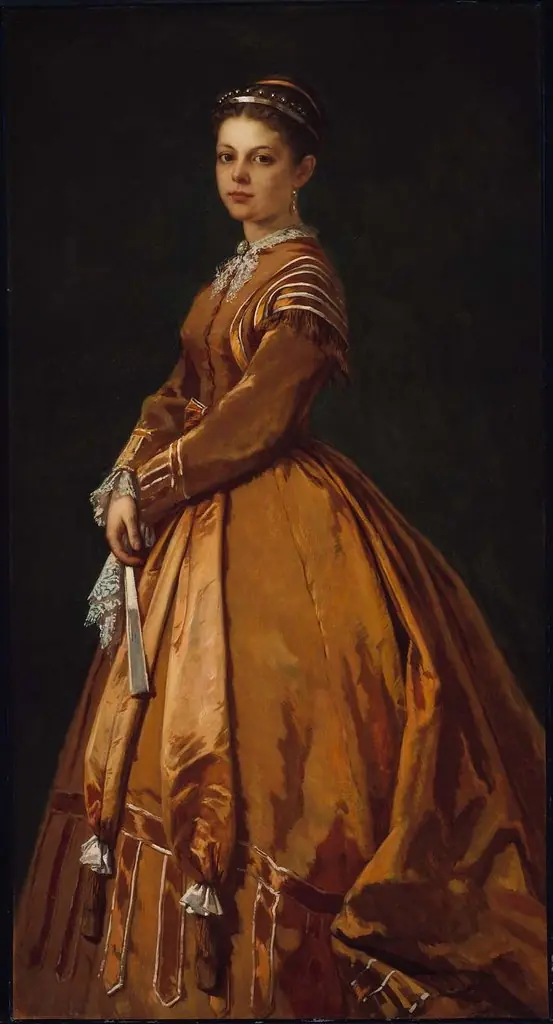 Olivia Buckminster Lothrop (Mrs. Lewis William Tappan, Jr.)
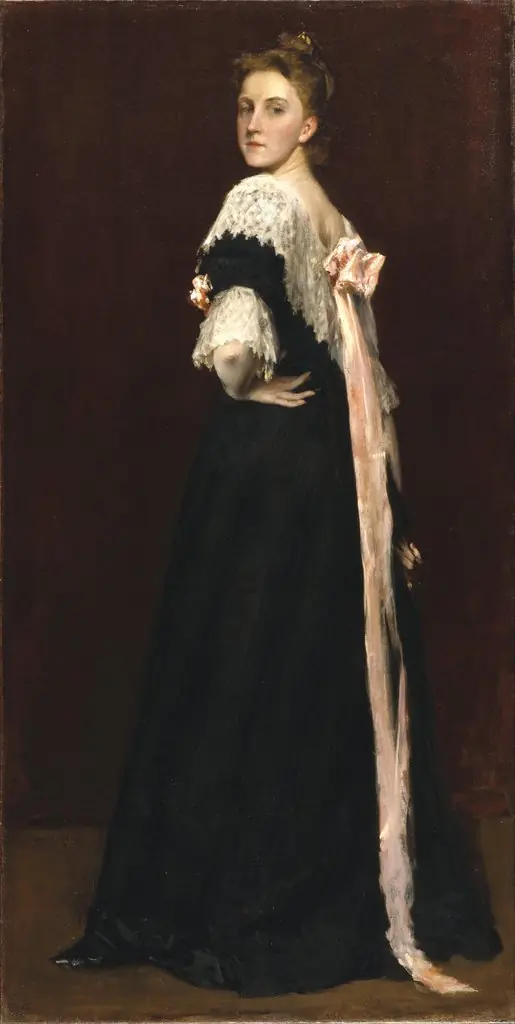 Lydia Field Emmet
 Portrait of Maria Rayevskaya