Artwork
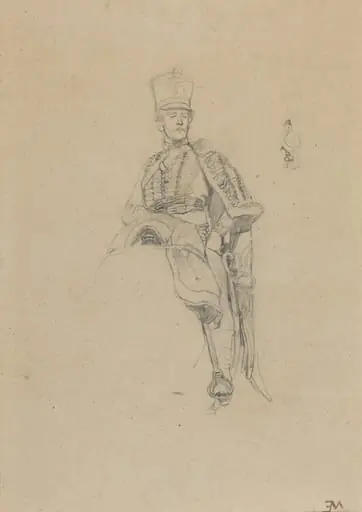
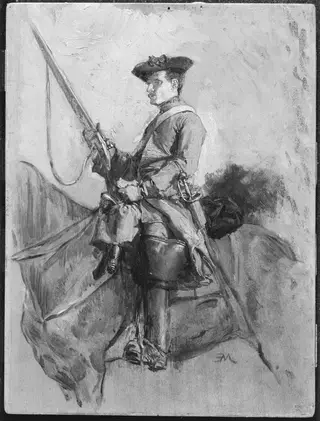
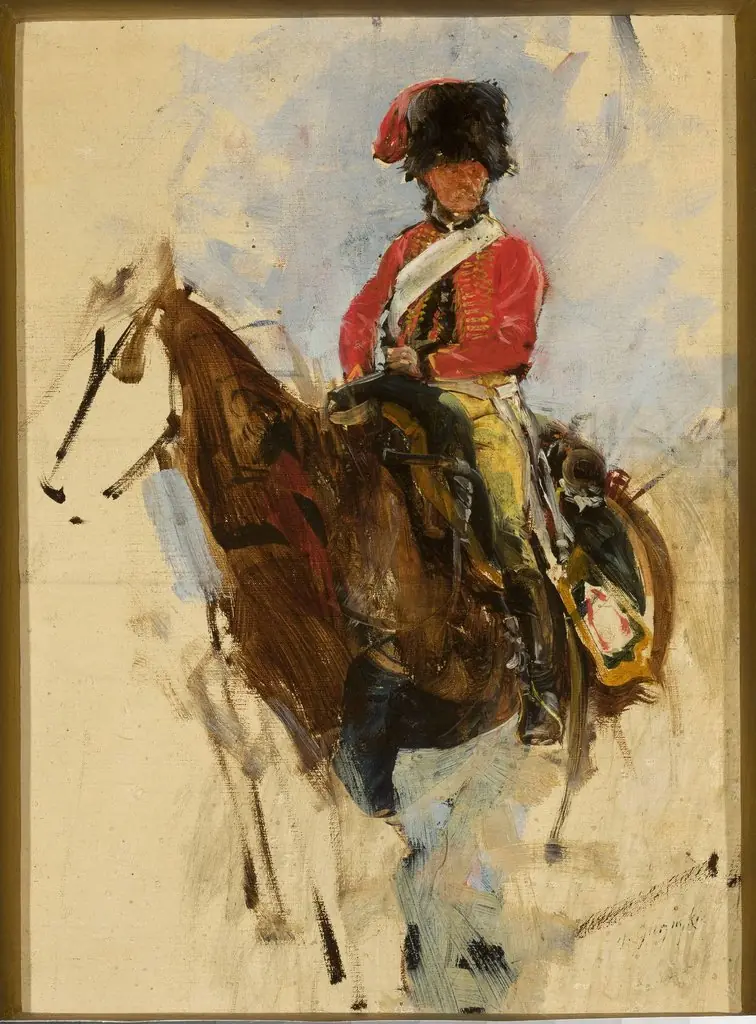
A Hussar Officer on Horseback
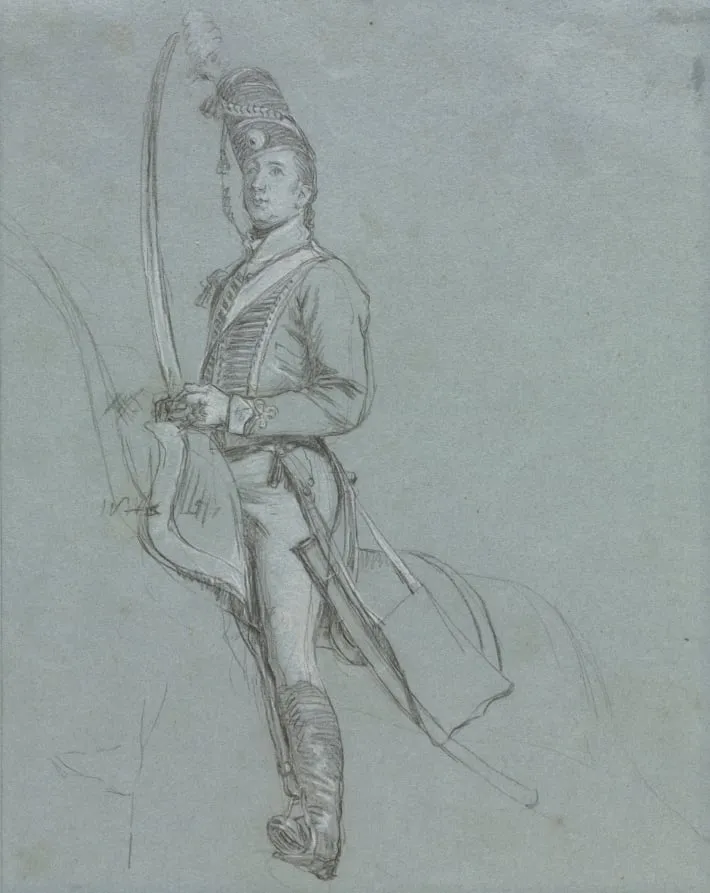
A Hussar Officer on Horseback is a drawing by the Romanticist artist John Singleton Copley. It dates from 1812 and is held in the collection of the Cleveland Museum of Art.
- Accession no.
- 1950.216
About this work
He used blue paper to start, it’s like a mid-tone, so he could add shadows with black chalk and light with white.
A man in a fancy military uniform sits on a rearing white horse. The horse’s muscles strain, and the rider grips the reins tight.
Copley made this drawing as a study for a bigger painting. He used blue paper to start, it’s like a mid-tone, so he could add shadows with black chalk and light with white. This was a common trick in France, but Copley did it in England after leaving America.
To see how he turned sketches into finished works, look up John Singleton Copley (American, 1738–1815).
Overview
John Singleton Copley produced this drawing as a preparatory study for a larger historical composition he was planning in the early 1810s. Executed on blue paper, the work depicts a cavalry officer in full hussar dress astride a rearing white horse, the rider’s grip on the reins emphasizing the tension of the moment.
Subject & Meaning
The figure represents a light‑cavalry officer, a type that was prominent during the Napoleonic conflicts. Although originally intended to portray the Prince of Orange, Copley later altered the role of the pose in the final painting, assigning it to the Duke of Wellington and modifying facial characteristics accordingly.
Technique & Style
Copley employed a French‑influenced drawing method, using the blue paper as a mid‑tone ground. He rendered outlines and shadows with black chalk while applying white chalk for highlights, allowing a full tonal range to emerge directly on the paper without subsequent layering.
History & Provenance
After emigrating from Boston in 1775, Copley settled in England, where he achieved acclaim as both portraitist and history painter. The study was created between 1812 and 1815 as part of his work on the Battle of the Pyrenees, now housed in the Museum of Fine Arts, Boston.
Context
Hussar regiments, known for their flamboyant uniforms and swift cavalry tactics, played a significant role in the wars of 1803–1815. Copley’s inclusion of such a figure reflects contemporary interest in military subjects and the heroic narratives associated with the era’s battles.
Artist & collection
Artist
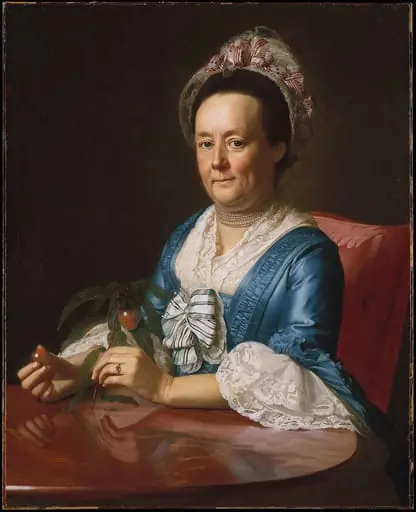
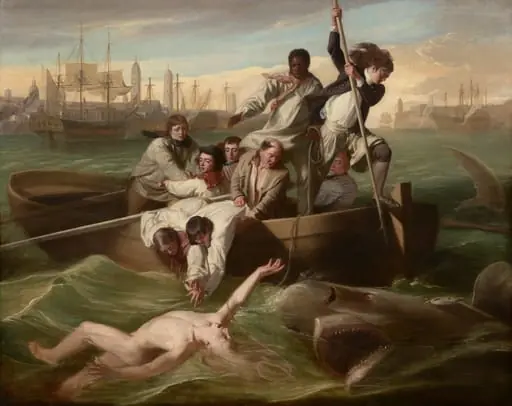
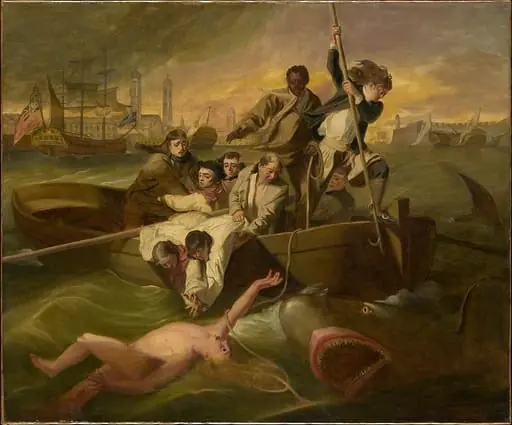
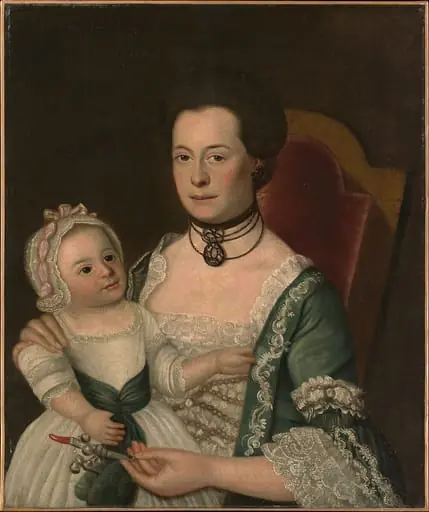
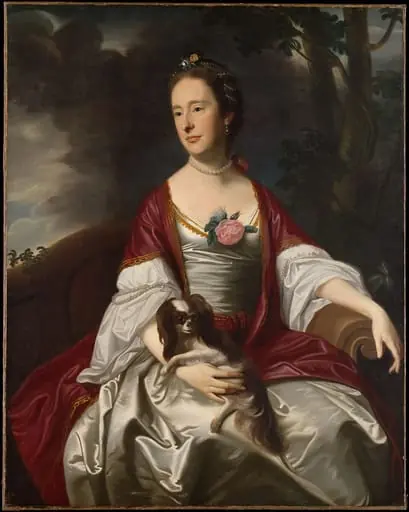
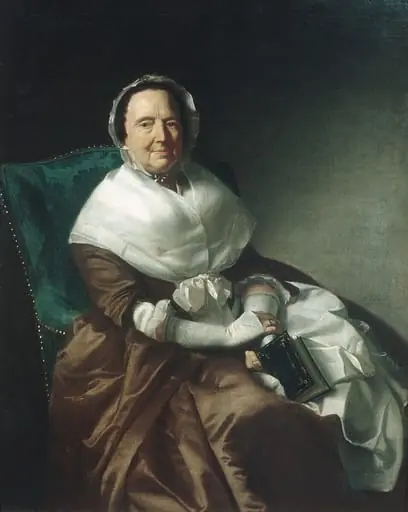
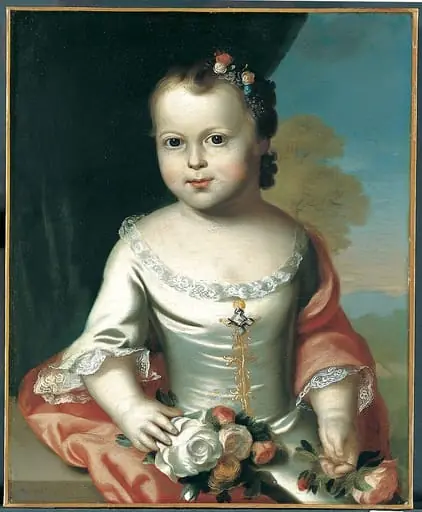
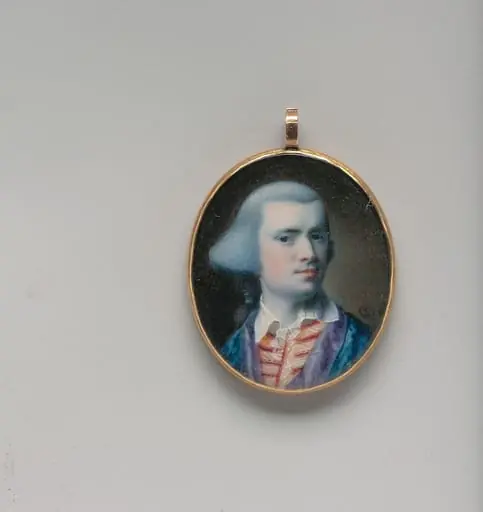
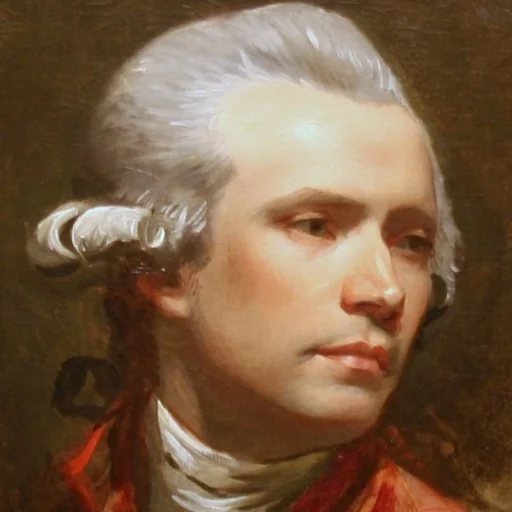
John Singleton Copley (July 3, 1738 – September 9, 1815) was an American-born British painter active in both the Thirteen Colonies and England.