Artwork
Richard Dana
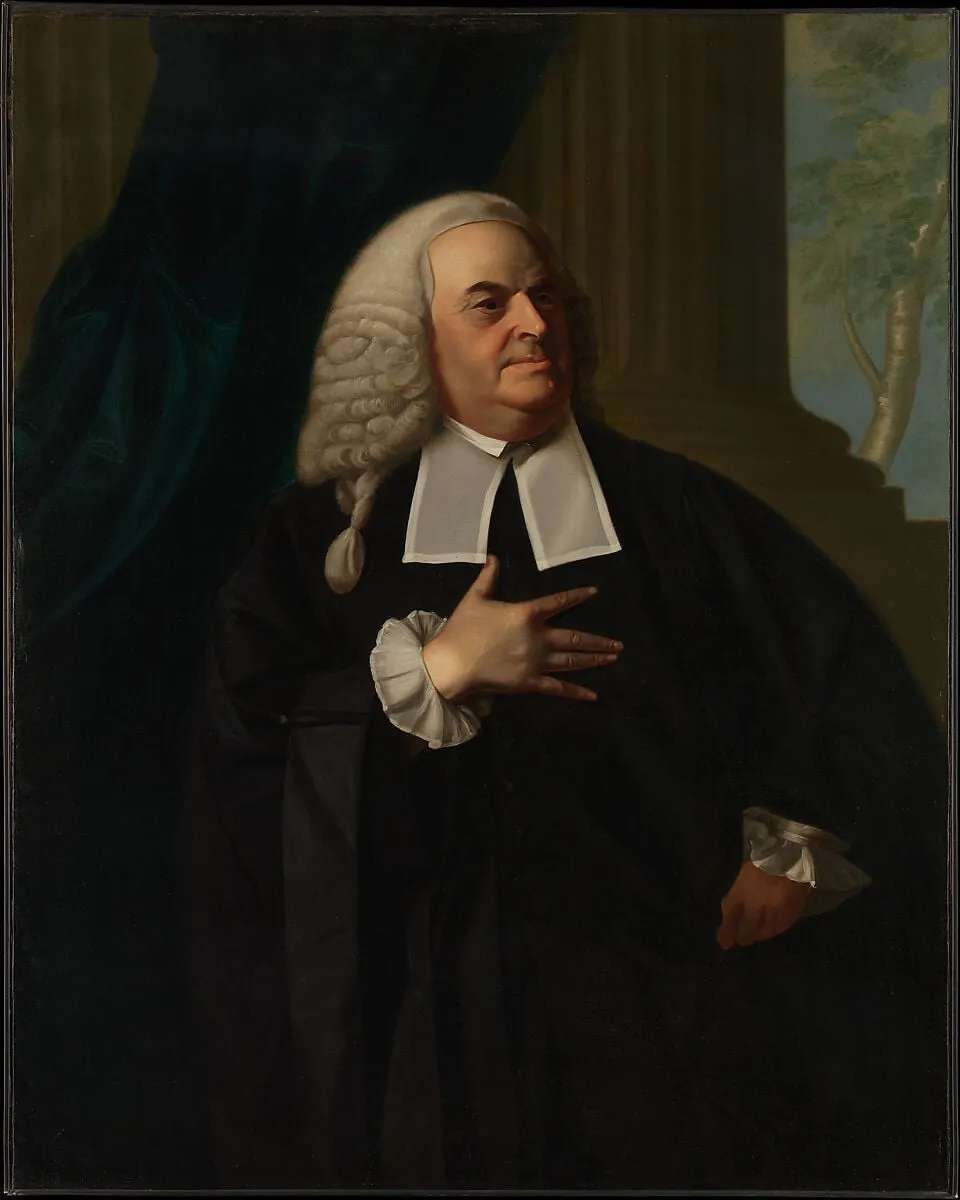
Richard Dana is an oil painting by the Rococo painting artist John Singleton Copley. It dates from 1770 and is held in the collection of the Metropolitan Museum of Art.
About this work
Subject & Meaning
As a portrait, it functions both as a visual record of Richard Dana's appearance and as a symbolic assertion of his place within early American society.
John Singleton Copley's 1770 oil-on-canvas portrait Richard Dana presents the sitter as a genteel gentleman, emphasizing his respectable status through conventional portraiture of the period. The work, housed in the Metropolitan Museum of Art, was created in New England and exemplifies the American colonial elite's desire to record lineage and social identity. As a portrait, it functions both as a visual record of Richard Dana's appearance and as a symbolic assertion of his place within early American society.
The painting's composition, attire, and setting collectively convey notions of refinement, ambition, and civic belonging characteristic of the era.
Technique & Style
The painting Richard Dana is executed in oil on canvas, a support noted in the work's material description. Created in 1770 by John Singleton Copley, the portrait measures roughly 101.6 cm in height by 127 cm in width, as recorded in the museum's catalog. The surface is built up with traditional oil paint applied to a sturdy canvas ground, a technique typical of late-18th-century American portraiture.
No specific present-day condition details are provided in the available documentation, though the work is listed in the Metropolitan Museum of Art's American Wing collection and classified as a portrait.
History & Provenance
John Singleton Copley's 1770 oil-on-canvas portrait of Richard Dana is held by the Metropolitan Museum of Art in New York. The work is classified within the museum's American Wing and is cataloged under the accession number 1970.177. It depicts the subject as a man in a formal portrait genre and measures 101.6 cm in height by 127 cm in width.
While the source material confirms the artwork's current location, creator, date, and physical dimensions, it does not provide specific details regarding its ownership history prior to the Met or a list of past exhibitions.
Legacy
The portrait of Richard Dana by John Singleton Copley, painted in 1770, is held in The American Wing at the Metropolitan Museum of Art. It is discussed as an example of Copley's colonial-era American portraiture, in which British portrait conventions were adapted to record the appearance and status of elite New England sitters. The work reflects Copley's noted skill in realistic rendering and compositional balance, qualities for which his portraits are recognized within the canon of early American art.
Overview
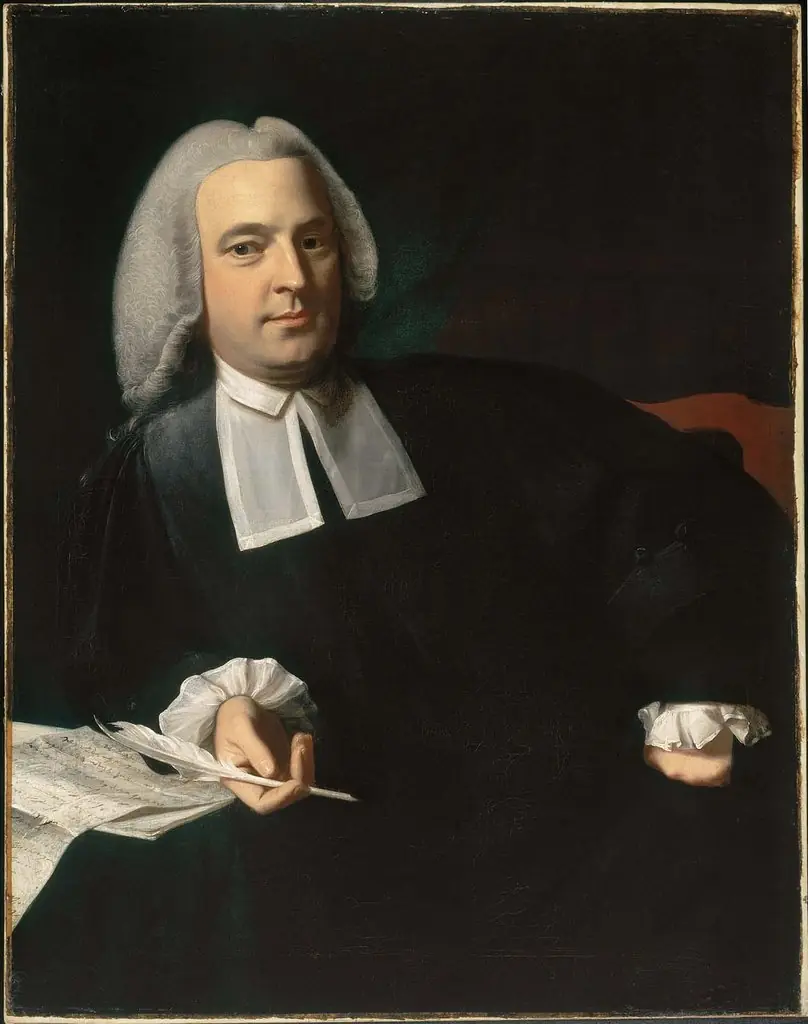
John Singleton Copley's 1770 oil on canvas, Portrait of Richard Dana, depicts the Boston lawyer and future judge seated in a three-quarter view within a domestic interior. Dana is portrayed wearing a dark coat and waistcoat, his posture relaxed yet dignified as he rests one hand on a table laden with legal texts and papers. Copley utilizes a restrained palette dominated by deep browns and blacks, contrasted by the warm flesh tones of the sitter's face and the white of his cravat.
The composition emphasizes Dana's intellectual character through the careful rendering of the books, which signify his profession and learning. Painted during the height of Copley's colonial career in Boston, just prior to his departure for Europe, the work exemplifies the artist's mastery of psychological depth and tactile realism. It stands as a significant example of American portraiture from the pre-Revolutionary era, capturing the stature of the colonial elite with a directness and lack of allegorical flourish that distinguishes Copley's American period from his later, more academic European style.
Artist & collection
Artist
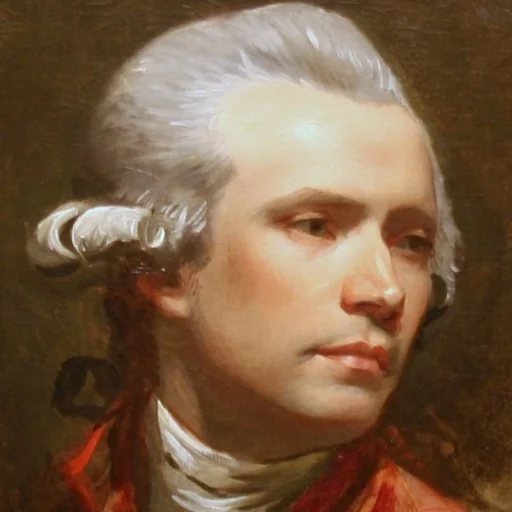
John Singleton Copley (July 3, 1738 – September 9, 1815) was an American-born British painter active in both the Thirteen Colonies and England.

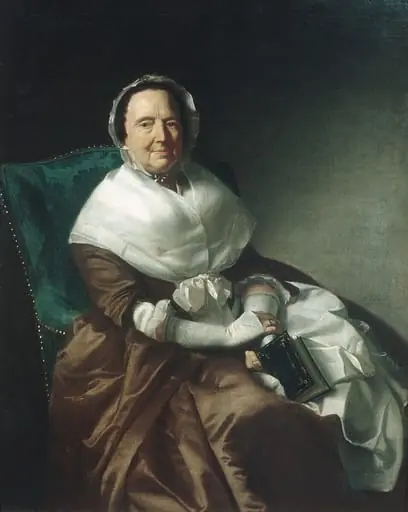
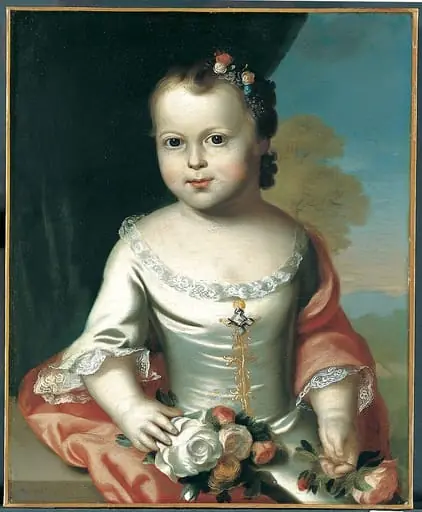
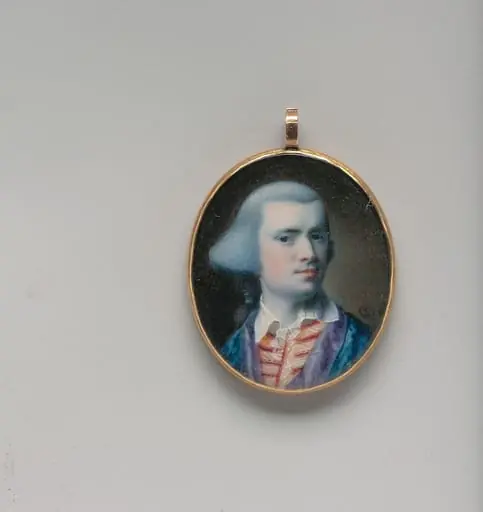
- Samuel Quincy
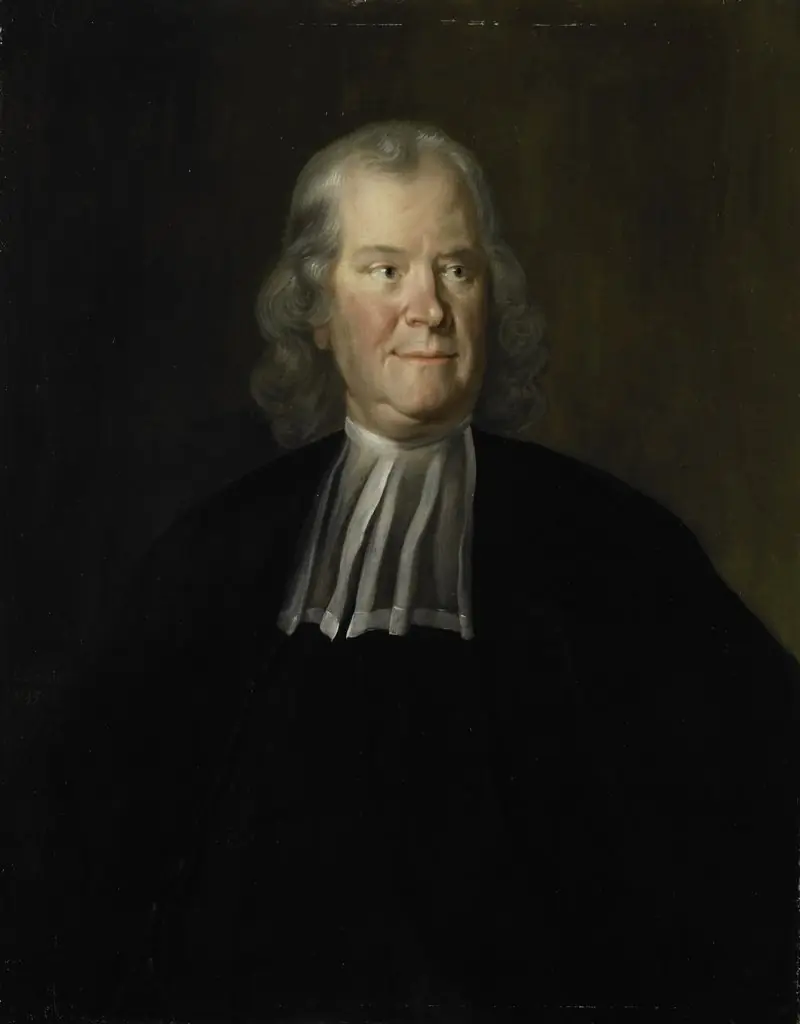 Portrait of the Physician Herman Boerhaave, Professor at the University of Leiden
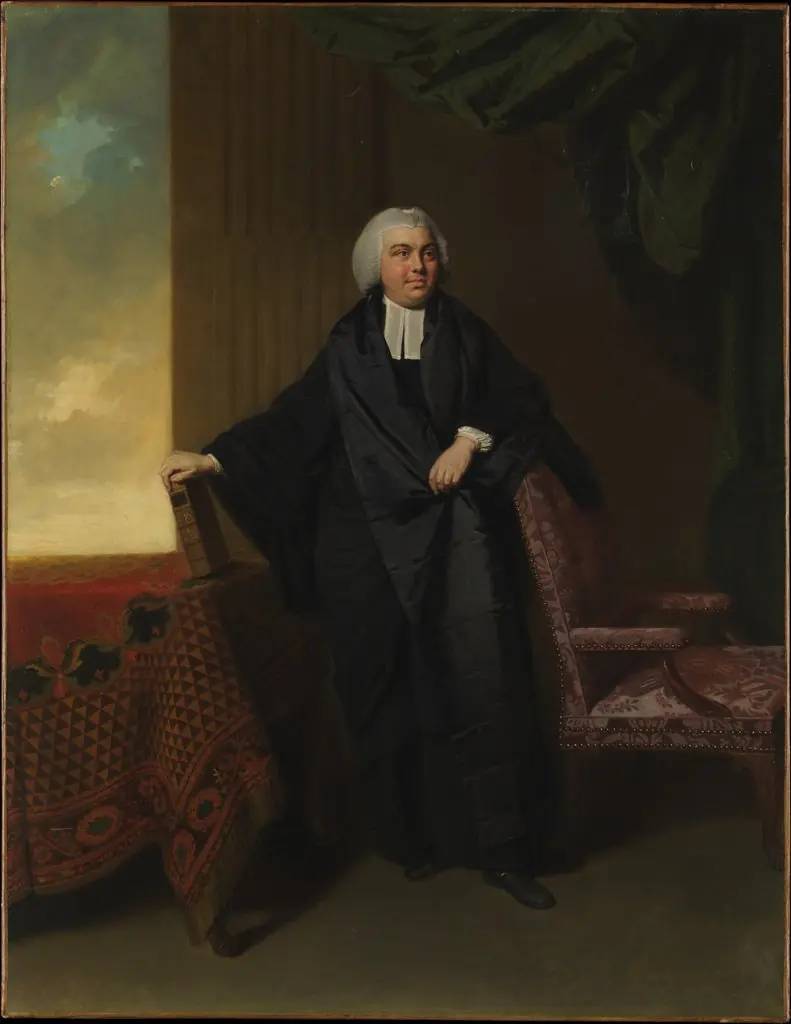 The Reverend Philip Cocks (1735–1797)
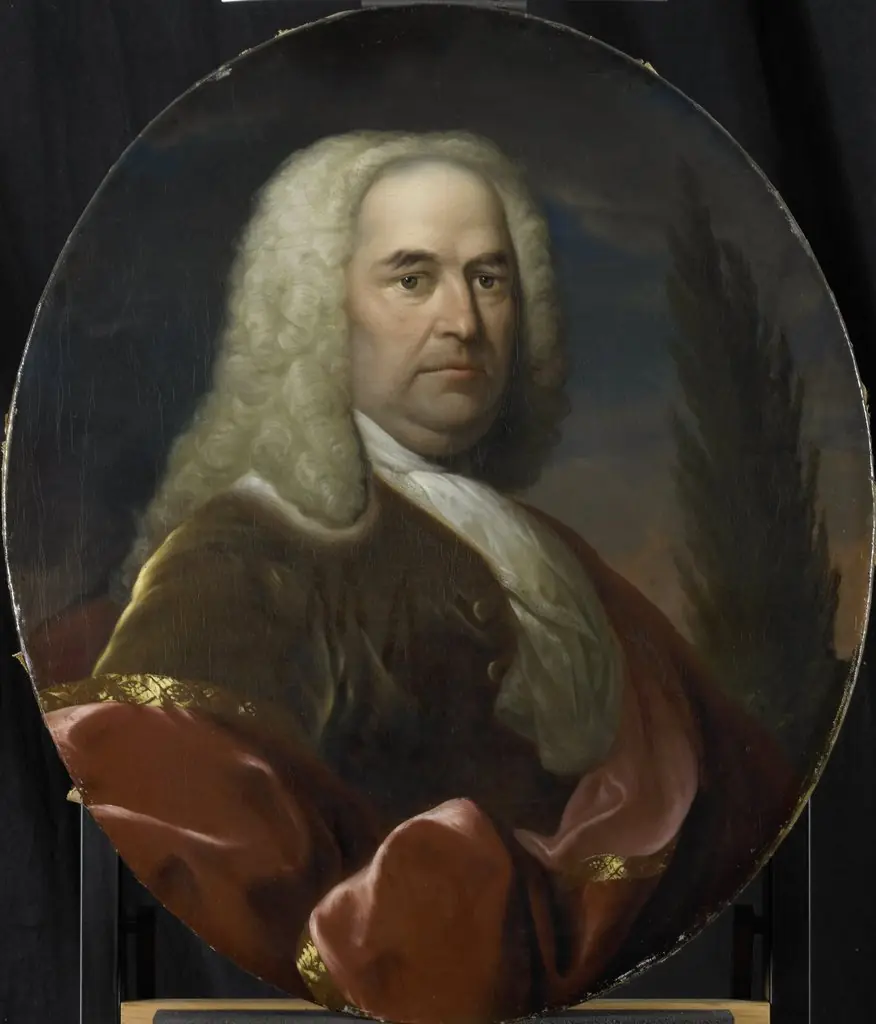 Portrait of Hugo du Bois, Director of the Rotterdam Chamber of the Dutch East India Company, elected 1734
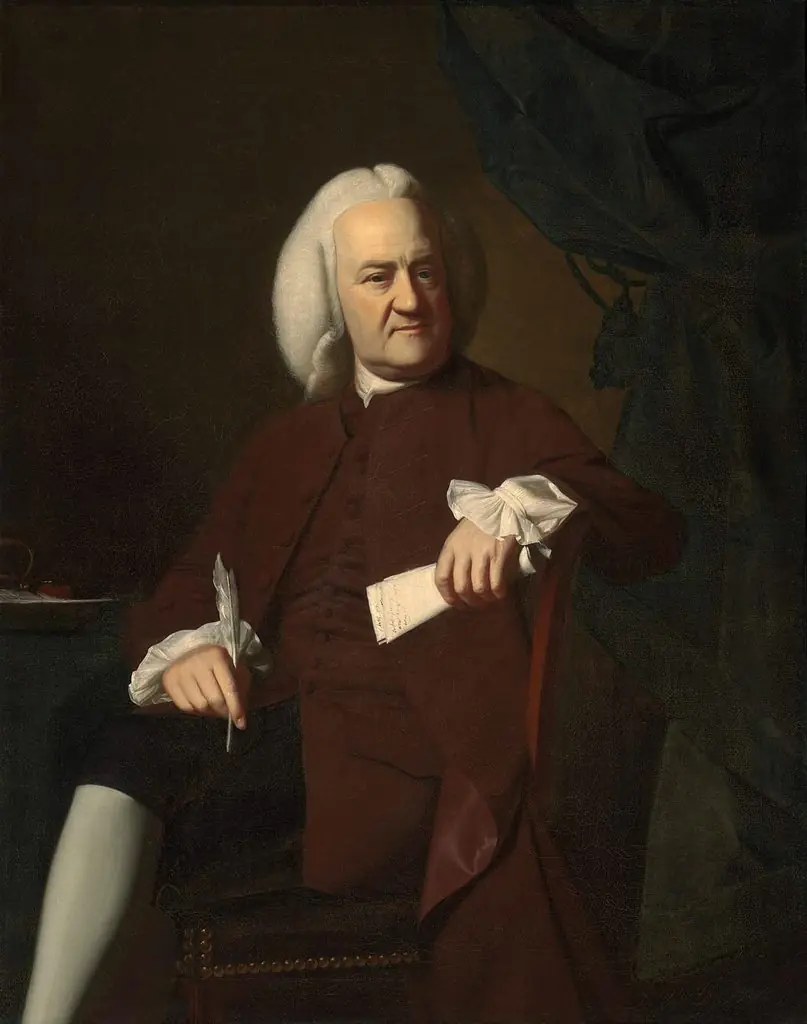 Ezekiel Goldthwait
 Dr William Worthington 1704-1778, vicar
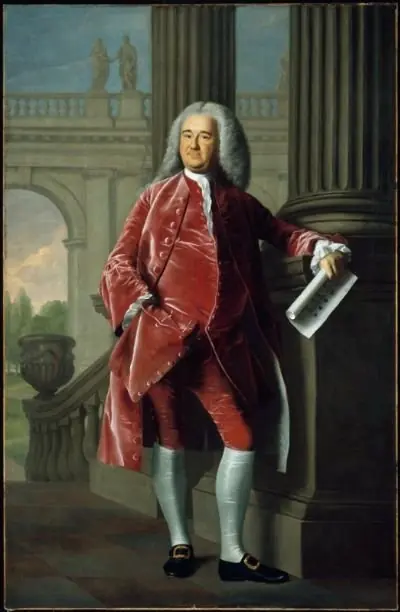 Nathaniel Sparhawk
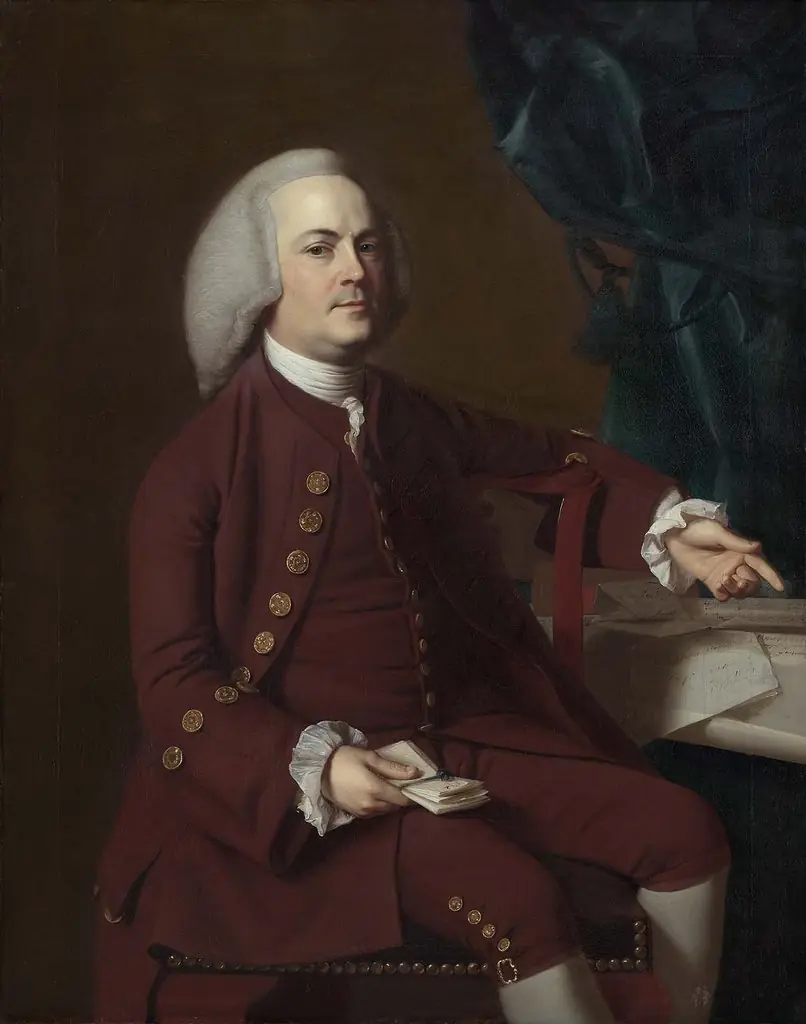 Isaac Royall
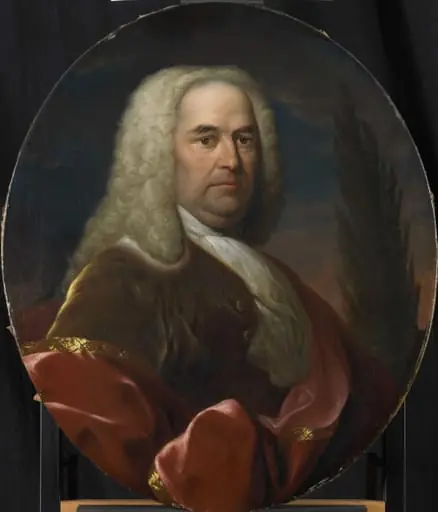 Portrait of Hugo du Bois, Director of the Rotterdam Chamber of the Dutch East India Company, elected 1734
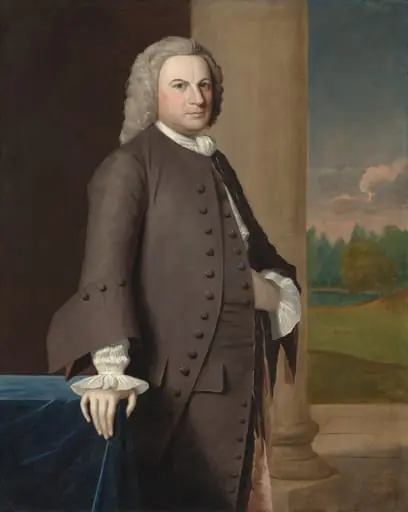 Simon Pease
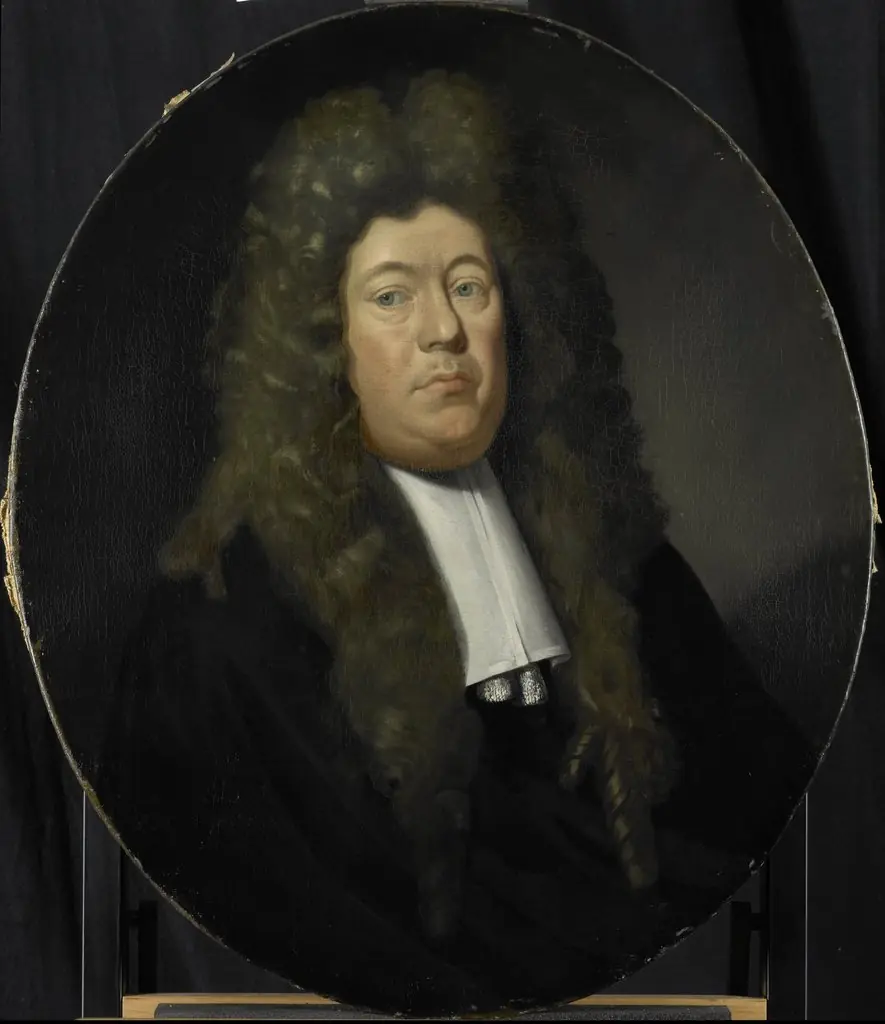 Portrait of Adriaen Paets, Director of the Rotterdam Chamber of the Dutch East India Company, elected 1668
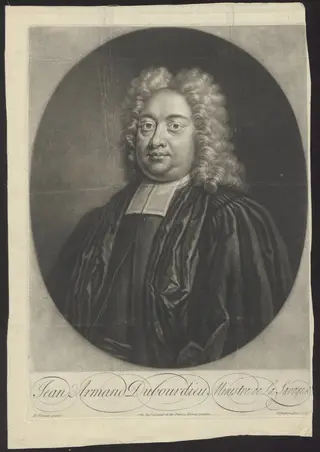 Portrait of Jean Armand Dubourdieu, Ministre de la Savoye