Artwork
James O. Owens
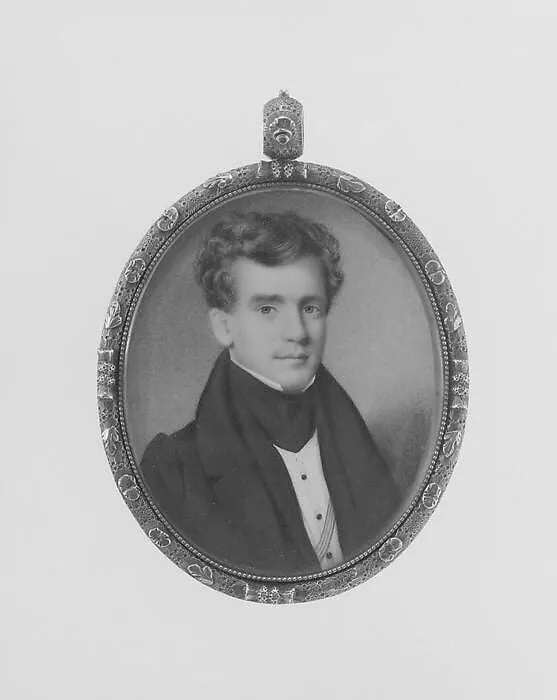
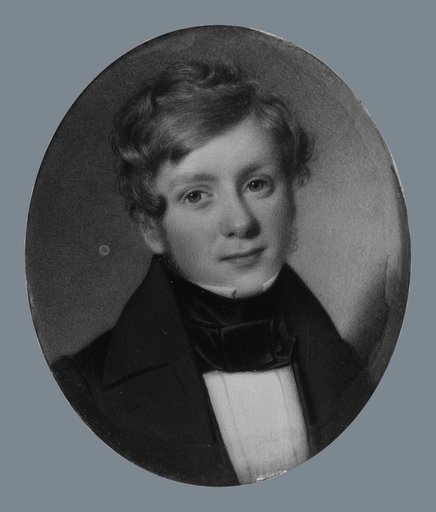
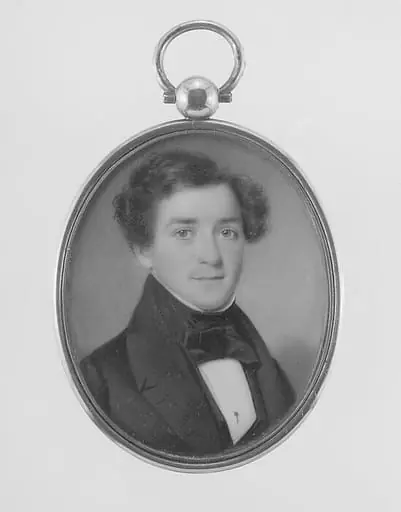
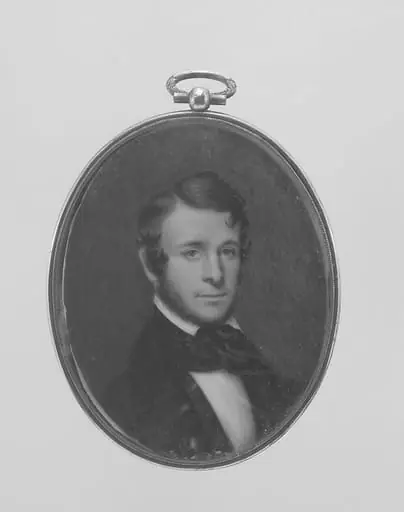
James O. Owens is a watercolor painting by the American Folk Art artist John Wood Dodge. It dates from 1832 and is held in the collection of the Metropolitan Museum of Art.
About this work
Subject & Meaning
The work is a 1832 watercolor portrait on ivory by John Wood Dodge, showing a male sitter typical of early‑American portraiture.
The work is a 1832 watercolor portrait on ivory by John Wood Dodge, showing a male sitter typical of early‑American portraiture. Its subject is presented in a straightforward manner without overt allegorical symbols, emphasizing the sitter’s identity and social standing as a gentleman of the period. The painting belongs to The American Wing of the Metropolitan Museum of Art and is catalogued as a portrait genre work, reflecting the conventions of early 19th‑century American portraiture that sought to capture the sitter’s likeness and status through modest dress and composed pose.
Technique & Style
Executed in 1832 by John Wood Dodge, this portrait utilizes watercolor applied to an ivory support. The work is characterized by its miniature scale, measuring approximately 5.9 by 4.8 units. As a portrait depicting a male subject, the piece exemplifies the specific material conventions of early nineteenth-century American miniature painting, where the translucency of watercolor interacts with the smooth, luminous surface of the ivory to achieve delicate tonal variations.
The classification within The American Wing further contextualizes its formal qualities within the canon of United States art history.
History & Provenance
Created in 1832, this watercolor portrait on ivory depicts James O. Owens and was executed by the artist John Wood Dodge. The work measures approximately 5.9 by 4.8 units. While specific details regarding the original commission or a chain of private ownership prior to its museum acquisition are not provided in the available records, the piece is currently held in the collection of the Metropolitan Museum of Art.
There, it is classified under the institution's American Wing. The artwork serves as a formal representation of its male subject, consistent with the portrait genre prevalent during the early nineteenth century.
The watercolor portrait of James O. Owens by John Wood Dodge is held in the collection of the Metropolitan Museum of Art, classified within the institution's American Wing. Created in 1832, the work is documented in the museum's records as part of its holdings. No specific accession number, acquisition date, or prior exhibition history is recorded in the available documentation.
Overview
John Wood Dodge's 1832 watercolor portrait, "James O. Owens," captures a man's likeness on a small ivory surface. This miniature, no larger than a playing card, presents its subject in a dark coat, gazing directly forward with softly illuminated features. It exemplifies a popular form of personal portraiture from the early 19th century, often kept as a cherished memento.
Context
During the 19th century, miniature portraits served a function similar to modern photographs, offering a portable and personal representation of loved ones. These small artworks, such as "James O. Owens," were often encased in lockets or carried in wallets, allowing individuals to keep an image of family or friends close at hand. Their intimate scale made them ideal for private contemplation and personal connection.
Artist & collection