Artwork
Anthony Bleecker
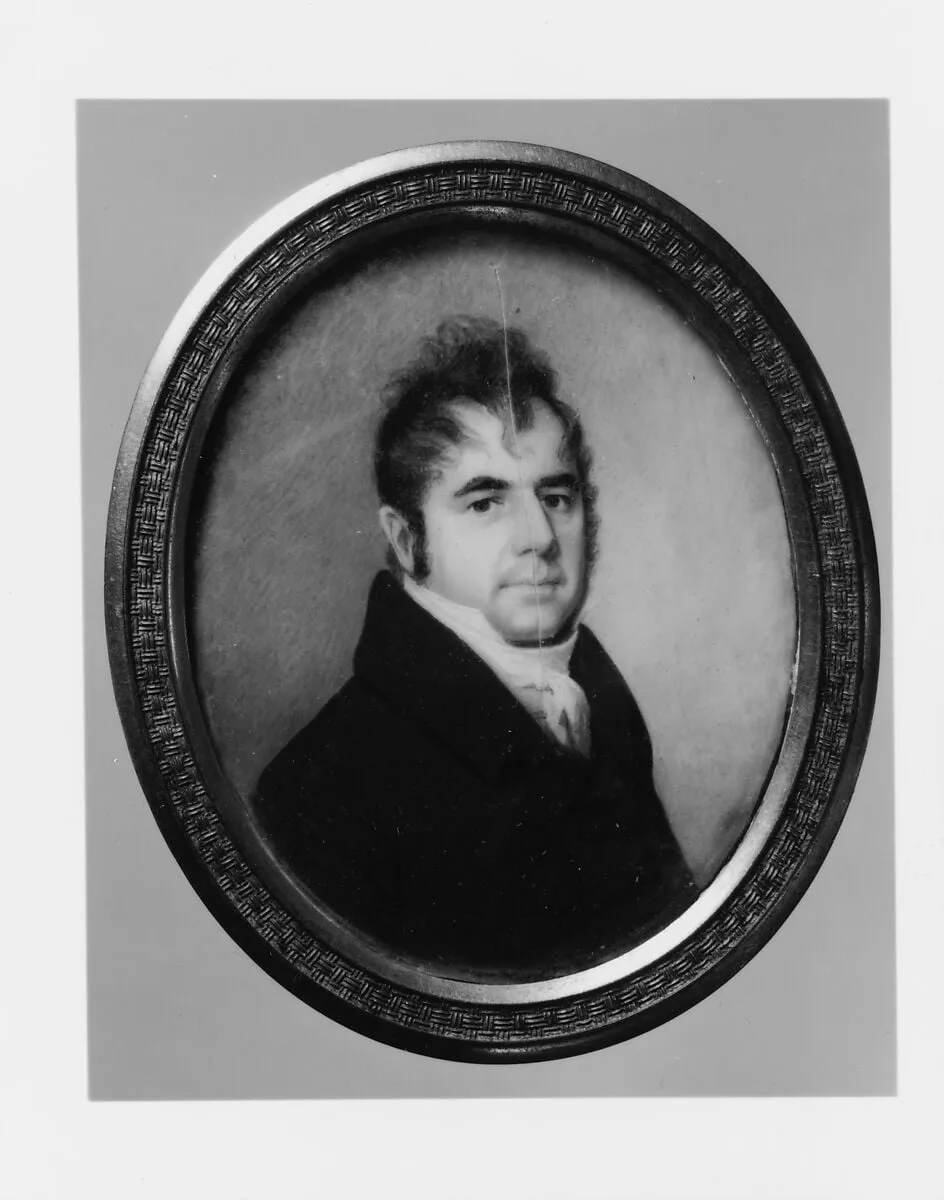
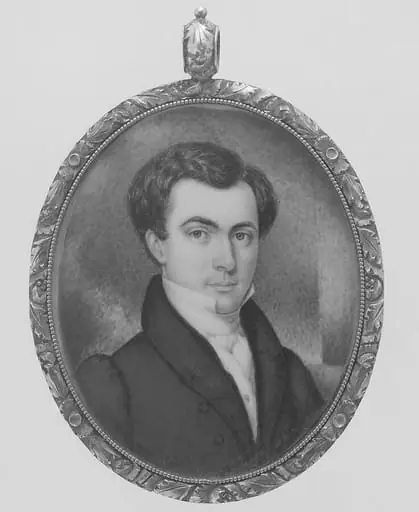
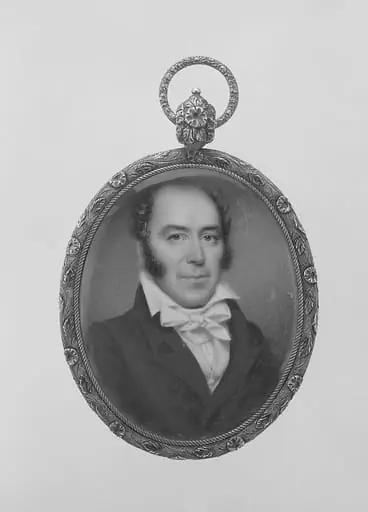
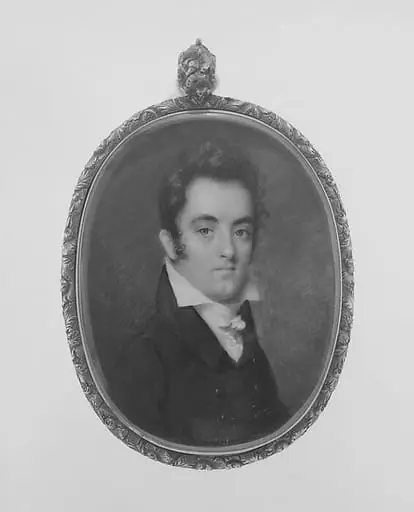
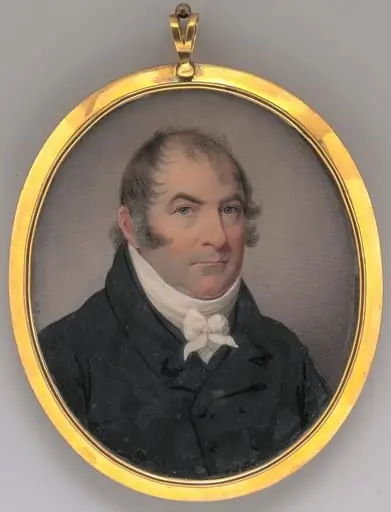
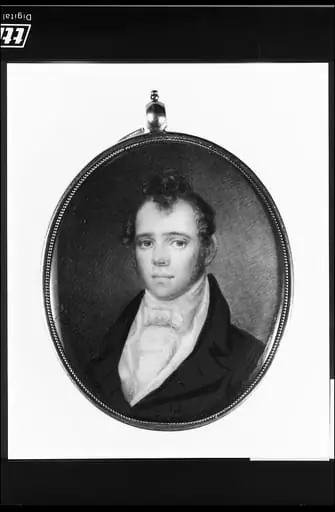
Anthony Bleecker is a watercolor painting by the American Folk Art artist Joseph Wood. It dates from 1810 and is held in the collection of the Metropolitan Museum of Art.
About this work
Subject & Meaning
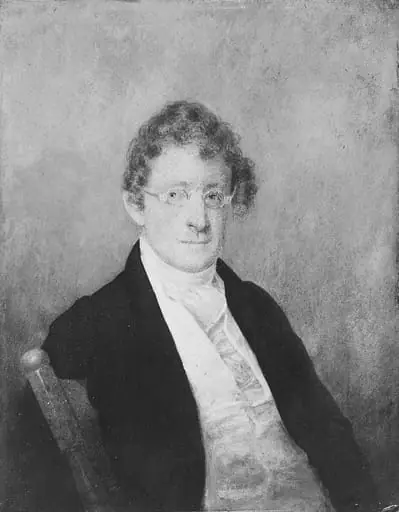
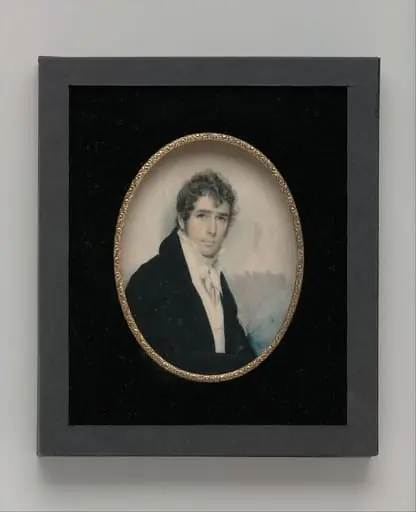
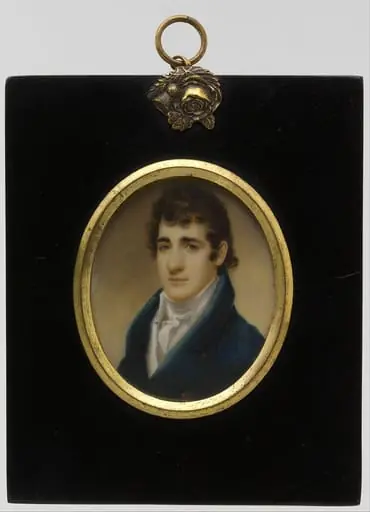
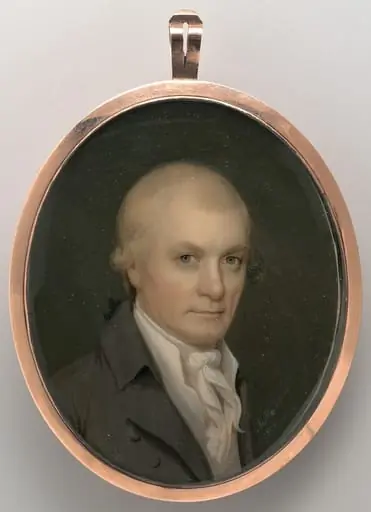
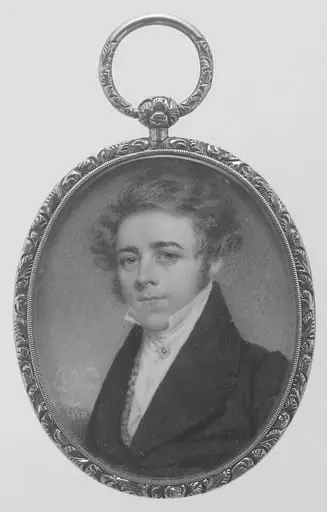
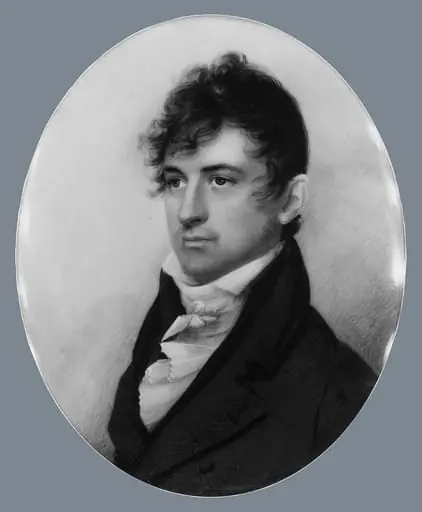
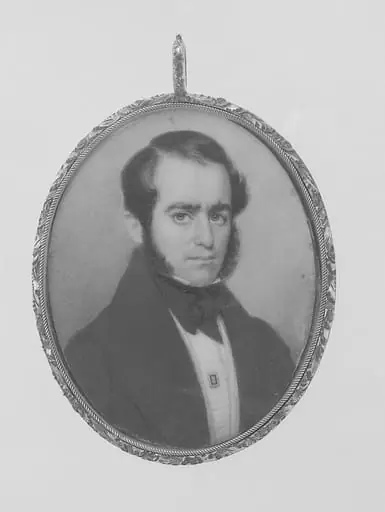
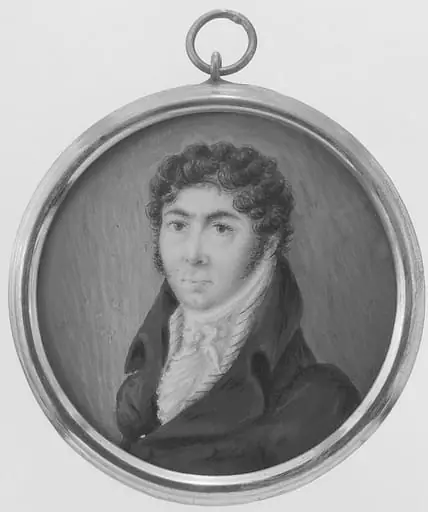
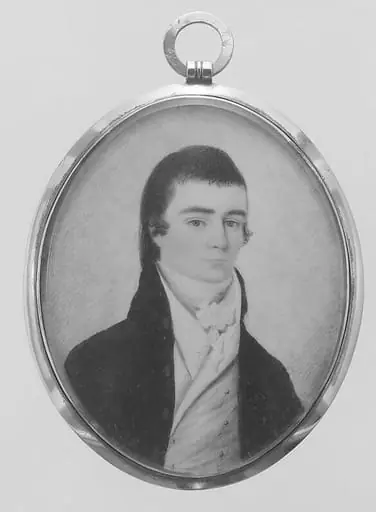
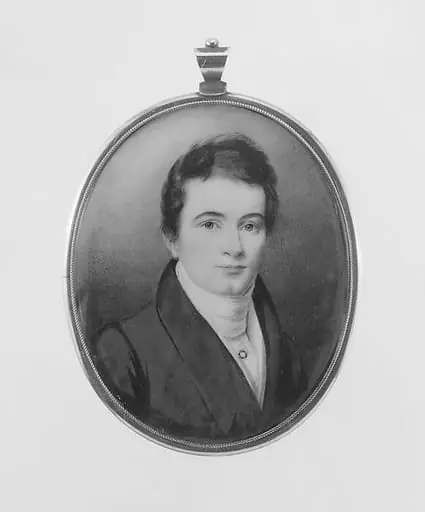
The watercolor portrait of 1810, attributed to Joseph Wood and housed in The American Wing of the Metropolitan Museum of Art, shows the American subject Anthony Bleecker rendered in delicate tones on ivory. The composition emphasizes his facial features and attire, typical of early-American elite portraiture, suggesting a focus on personal identity and social standing. As a work of the American school, the image functions both as a record of Bleecker's appearance and as an embodiment of the cultural aspirations of the young republic, in which portraiture served to affirm civic identity and familial prestige.
Technique & Style
The composition is a straightforward head-and-shoulders format, rendered with delicate washes and fine linear detail that emphasize facial modeling.
The watercolor portrait of Anthony Bleecker is executed on a thin ivory support, a medium noted in both the museum catalogue and the source record. It measures roughly 7.5 cm in height by 5.7 cm in width and was produced in 1810, placing it within the early American portrait-miniature tradition. The composition is a straightforward head-and-shoulders format, rendered with delicate washes and fine linear detail that emphasize facial modeling.
The work is catalogued as part of The American Wing's collection at the Metropolitan Museum of Art under the portrait genre. No condition issues are recorded in the available documentation.
History & Provenance
The portrait of Anthony Bleecker was created in 1810 by the American artist Joseph Wood. Executed as a watercolor on ivory, the work measures 7.5 cm in height and 5.7 cm in width. It depicts Anthony Bleecker and is classified within The American Wing as a portrait.
The piece entered the collection of the Metropolitan Museum of Art, where it is currently housed. The specific commission details and the original owner prior to its acquisition are not recorded in the available documentation, and no specific accession number or exhibition history is provided.
Overview
Joseph Wood's 1810 watercolor on ivory depicts Anthony Bleecker, a prominent New York merchant and civic leader. Executed in the miniature tradition popular in early nineteenth-century America, the work presents a bust-length portrait of the sitter facing forward against a neutral background. Bleecker is shown wearing a dark coat with a high, starched white collar and a powdered wig, adhering to the formal fashion of the Federal era.
Wood, a distinguished miniaturist who trained in London under Samuel Shelley, utilized the specific challenges of the ivory support to achieve a luminous effect. The artist applied thin, transparent glazes of watercolor, allowing the white of the ivory to reflect through the pigment and illuminate the sitter's face. This technique required precise execution, as the porous surface absorbed paint rapidly, leaving little room for correction.
The portrait exemplifies Wood's mastery of the medium during his American career, capturing the dignified presence of the subject with a softness and detail characteristic of the finest miniatures of the period. The work stands as a significant example of Federal portraiture, documenting the appearance of a key figure in New York's commercial history.
Artist & collection