Artwork
James Stuart
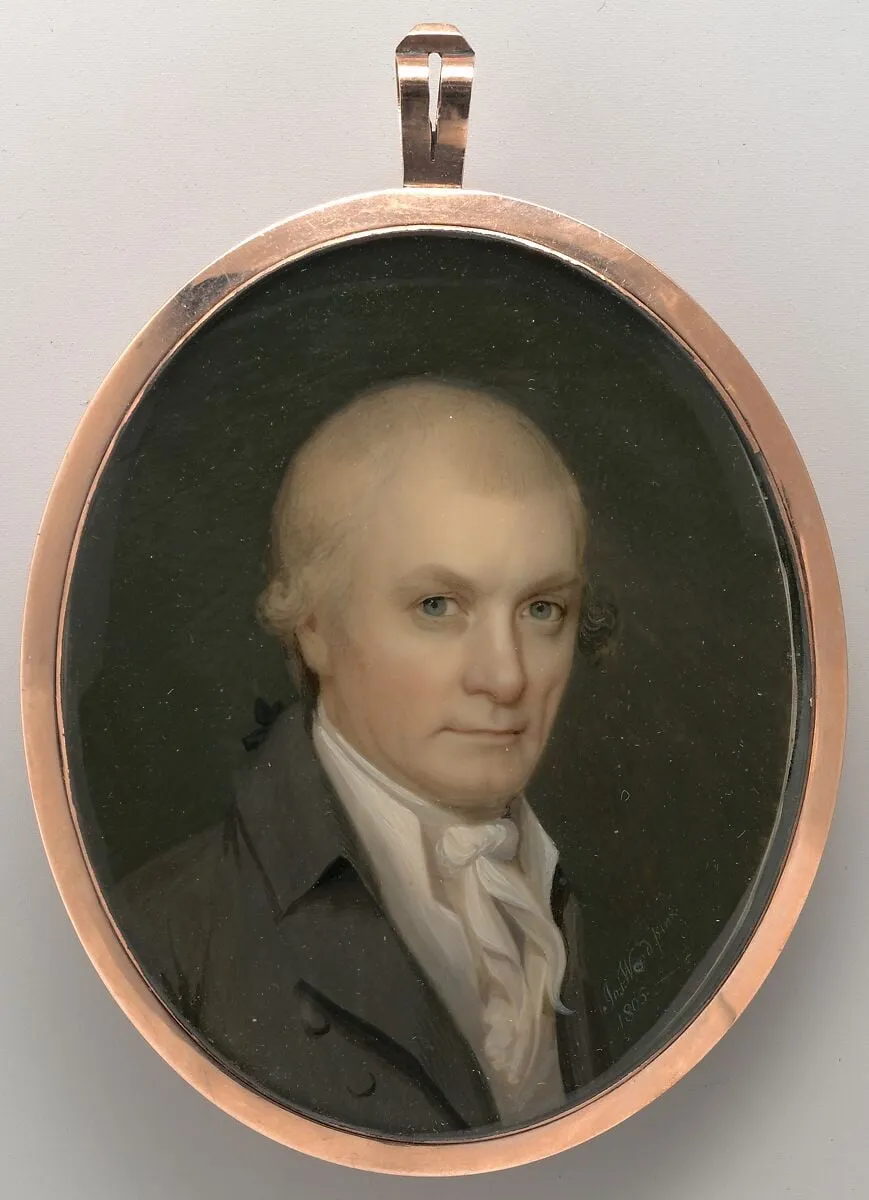
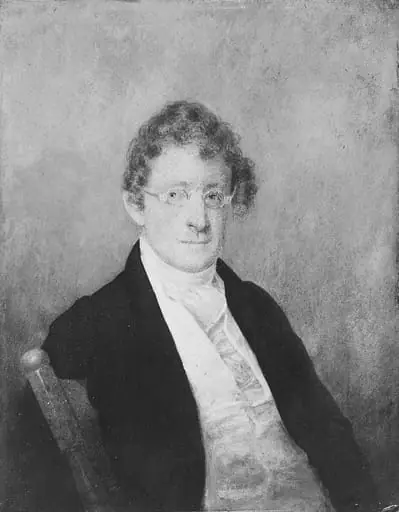
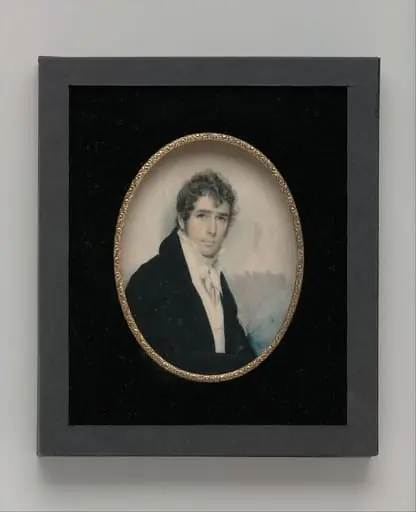
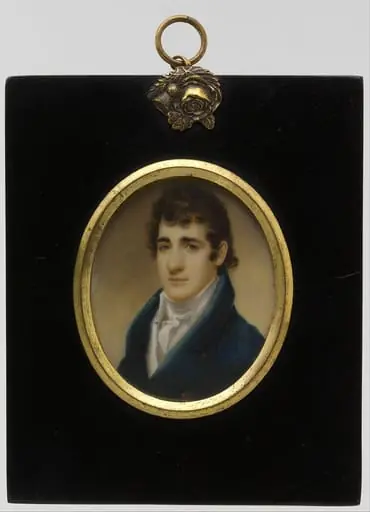
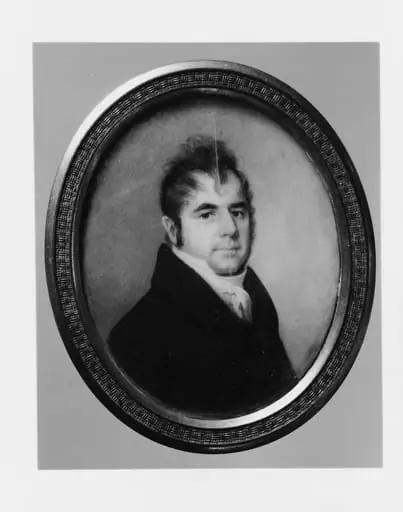
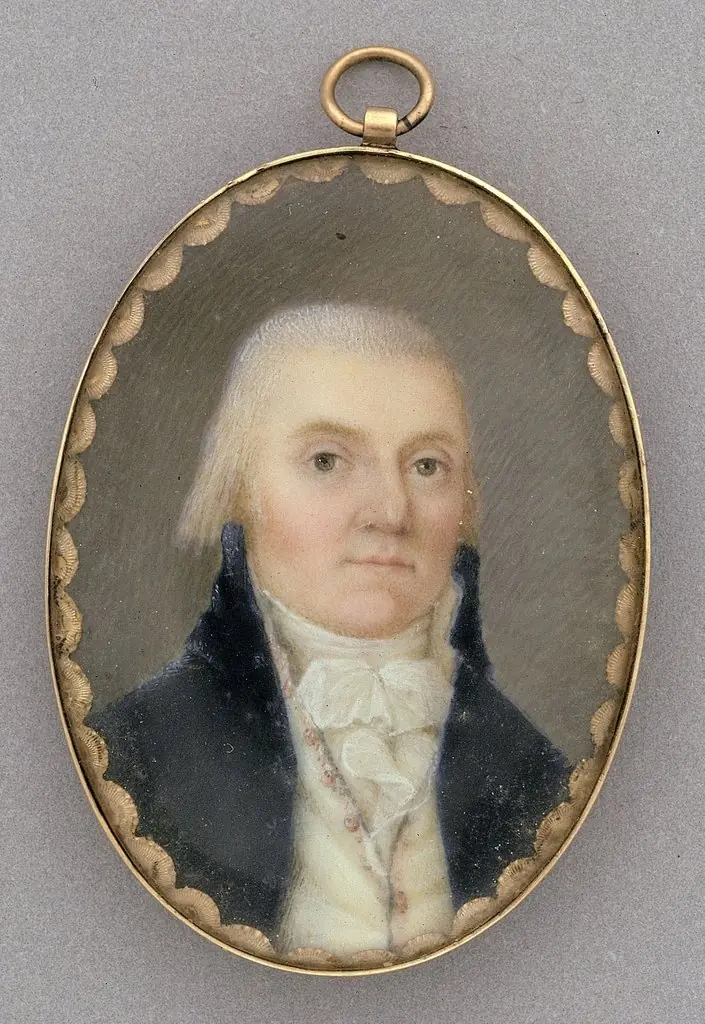
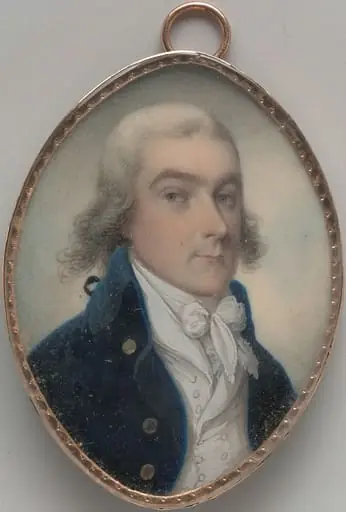
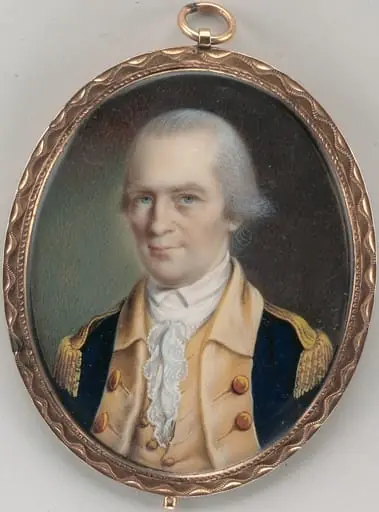
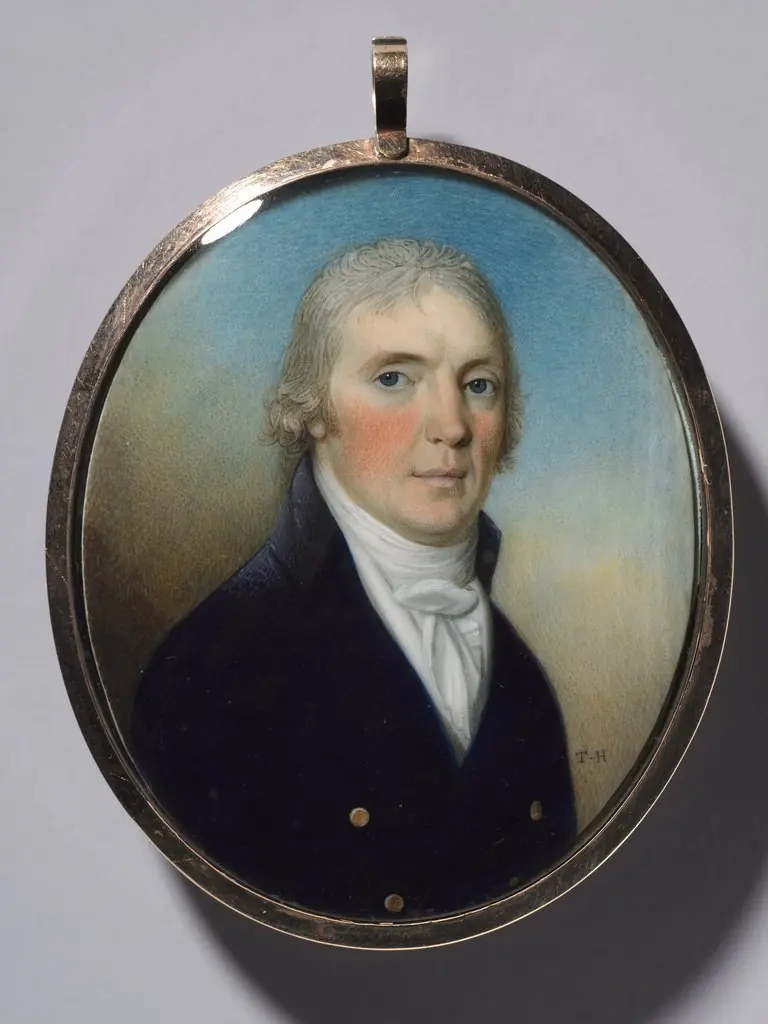
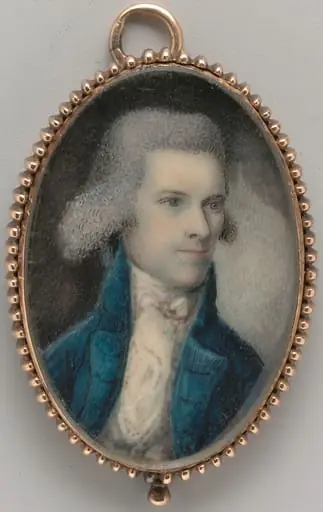
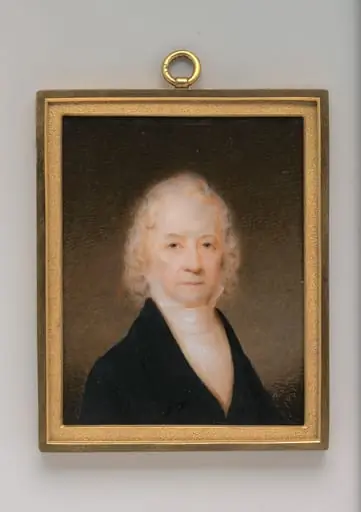
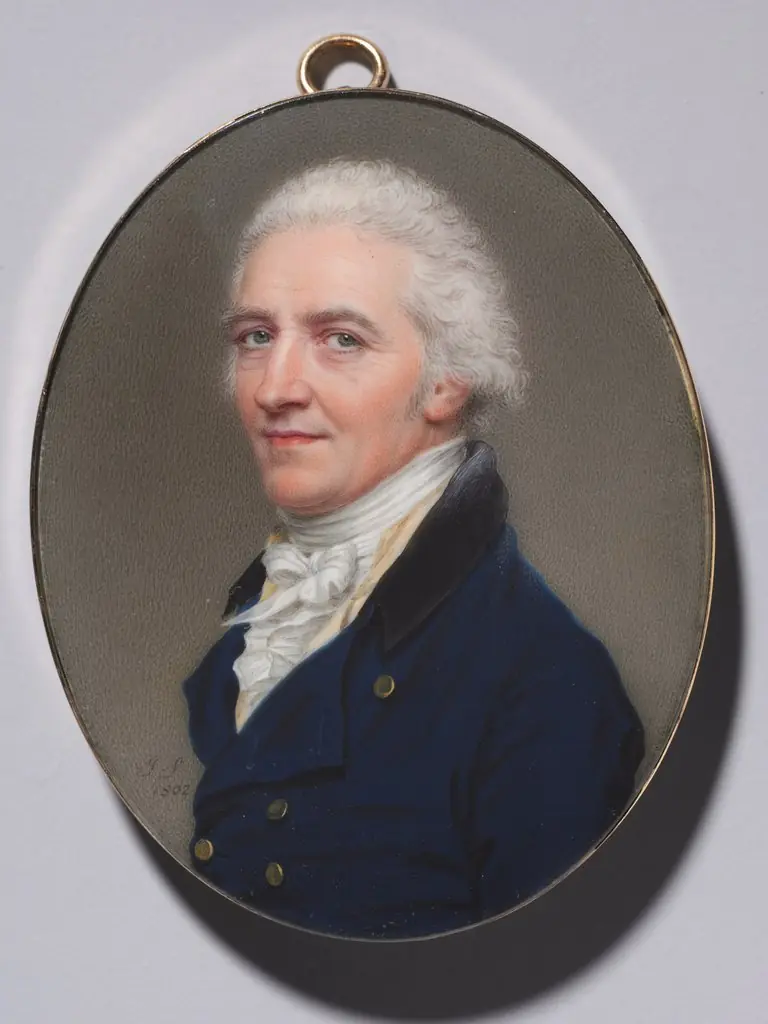
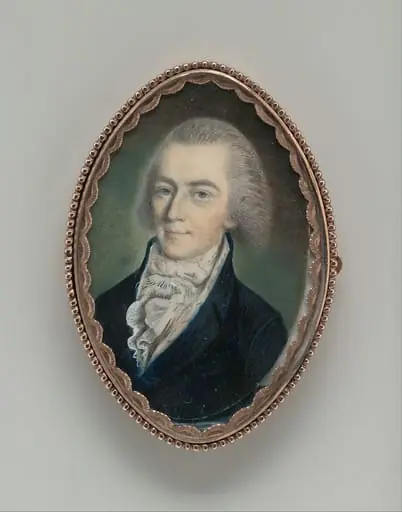
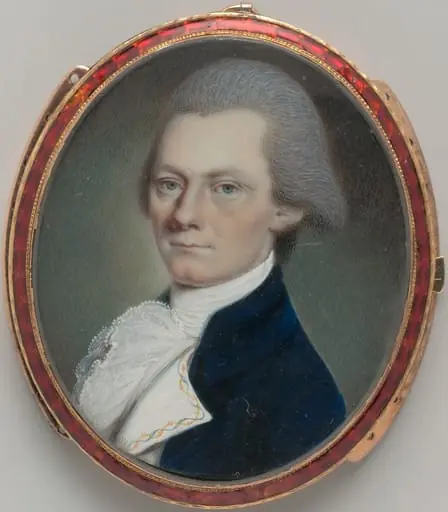
James Stuart is a watercolor painting by the American Folk Art artist Joseph Wood. It dates from 1802 and is held in the collection of the Metropolitan Museum of Art.
About this work
Technique & Style
3 cm, the small scale encourages intimate viewing and fine detail typical of early‑nineteenth‑century American portraiture.
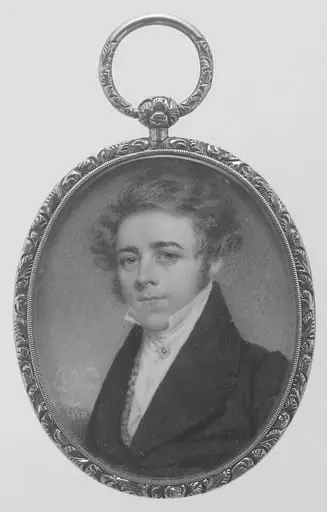
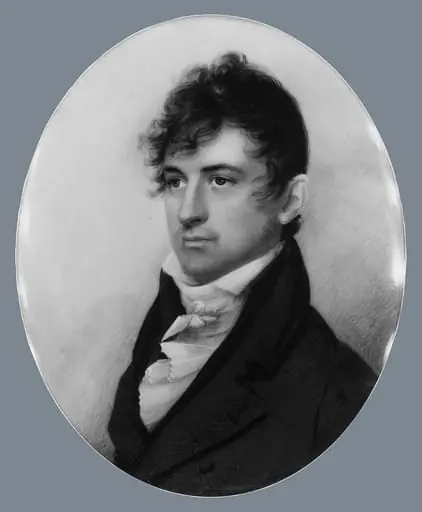
The work is executed in watercolor on an ivory support, a medium that demands precise, delicate brushwork to achieve subtle tonal gradations on the smooth surface. Measuring approximately 5.2 cm by 4.3 cm, the small scale encourages intimate viewing and fine detail typical of early‑nineteenth‑century American portraiture. Joseph Wood renders the sitter’s features with a naturalistic approach, emphasizing careful modeling of light and shadow to convey three‑dimensionality while maintaining the linear clarity characteristic of Federal‑era portrait miniatures.
The ivory ground contributes a luminous quality to the translucent washes, enhancing the overall sense of refinement and immediacy in the depiction of the gentleman.
History & Provenance
Created in 1800, this watercolor portrait on ivory depicts James Stuart and was executed by the artist Joseph Wood. The work measures approximately 5.2 by 4.3 units. While specific details regarding the original commission or intermediate ownership history are not provided in the available records, the piece is currently held in the collection of the Metropolitan Museum of Art, where it is classified within the American Wing. The inception date is firmly established as the year 1800.
The watercolor portrait of James Stuart painted by Joseph Wood in 1800 is housed in the Metropolitan Museum of Art, where it is listed in the American Wing’s collection. The work’s accession number is not provided in the available documentation, and no exhibition record appears in the sources consulted. Its presence in the museum’s catalogue reflects its classification as a portrait genre piece depicting a man.
Consequently, while its current location and attribution are documented, detailed provenance, inventory identifiers, and exhibition history remain unspecified in the referenced materials.
Overview
Joseph Wood's 1802 watercolor on ivory depicts James Stuart, an early American architect. This miniature portrait, no larger than a playing card, was designed for intimate viewing, likely intended to be worn as a personal keepsake. It captures Stuart's likeness with delicate detail, his gaze directed forward, illuminated by a soft light. The artwork exemplifies a common form of personal memento from the early 19th century.
Subject & Meaning
The subject of this watercolor is James Stuart, identified as an architect active in early America. Rather than a formal public display, this small-scale depiction served a private, personal function. Its diminutive size and intricate detail suggest it was created to be carried close, perhaps as a locket, allowing the owner to maintain a constant, intimate connection with the sitter.
Context
Before the widespread advent of photography, miniature portraits like this one were a prevalent means of preserving and carrying the image of loved ones. These small, portable artworks offered a tangible connection to individuals who might be geographically distant or simply cherished. The practice of commissioning such intimate pieces was a significant cultural tradition in the early 19th century, serving as personal mementos and expressions of affection.
Artist & collection