Artwork
Vista de Zaragoza en 1647
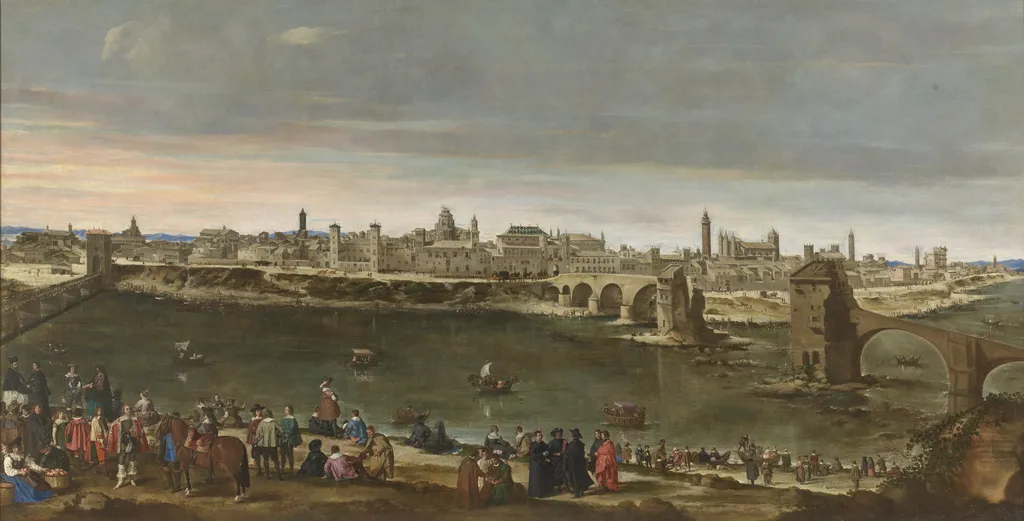
Vista de Zaragoza en 1647 is an oil painting by the Early Baroque Italian artist Juan Bautista Martínez del Mazo. It dates from 1647 and is held in the collection of the Museo del Prado.
About this work
Subject & Meaning
The Vista de Zaragoza en 1647 depicts the city of Zaragoza as seen from the left bank of the Ebro River, focusing on its principal monuments and the royal procession associated with the future King Philip IV's son, Baltasar Carlos. The composition includes the Puente de Piedra, the Convento de San Agustín, the tower of San Miguel, the Palacio Arzobispal, the Puente de Tablas, and the Torre Nueva, all rendered with topographical precision. The painting also shows members of the royal court, including figures on horseback and attendants, which scholars interpret as representing the entourage accompanying the young prince during his visit to Zaragoza.
The work is understood to commemorate the ceremonial entry or departure linked to the prince’s appointment as Prince of Asturias, reflecting the political and cultural significance of Zaragoza within the Crown of Aragon. Martínez del Mazo’s realistic portrayal of architecture and crowd activity underscores the city’s prosperity during the Spanish Golden Age, while the inclusion of specific bridges references recent infrastructure projects commissioned by the monarchy.
Technique & Style
The handling of light and color reflects a mature Baroque style, emphasizing depth through atmospheric tonal shifts and precise rendering of structures.
The painting Vista de Zaragoza en 1647 is an oil on canvas work measuring 181 cm by 331 cm. It depicts a detailed landscape of Zaragoza as seen from a viewpoint in the Convento de San Lázaro, capturing the city’s riverbanks, bridges, and monumental architecture with topographic accuracy. The composition features a royal procession, architectural elements such as the Puente de Piedra and the Palacio de la Aljafería, and numerous small figures that animate the scene. The handling of light and color reflects a mature Baroque style, emphasizing depth through atmospheric tonal shifts and precise rendering of structures.
The work demonstrates Martínez del Mazo’s skill in integrating architectural detail with landscape, surpassing earlier panoramic models. Currently housed in the Museo del Prado, the painting has been studied for its historical context and stylistic attributes, including debates over the extent of Velázquez’s involvement.
History & Provenance
Commissioned by Prince Baltasar Carlos, the eldest son of Philip IV, the painting was likely begun in Zaragoza from a vantage point at the Convent of San Lázaro. Although the prince died in October 1646 before its completion, Juan Bautista Martínez del Mazo finished and signed the work in Madrid in 1647. While occasionally attributed to Diego Velázquez, with some past theories suggesting he painted the figures, modern scholarship generally rejects this collaboration hypothesis.
The artwork's documented history begins in 1686, when it appeared in an inventory of the Royal Alcázar of Madrid. It remained in the royal collections until 1830, when Queen Maria Christina ordered its transfer to the Museo del Prado, where it has been housed ever since.
Vista de Zaragoza en 1647 is held by the Museo del Prado in Madrid. According to the Spanish Wikipedia article on the painting, the work entered the royal collections in 1686, when it was recorded in the inventory of the Royal Alcázar of Madrid. It remained there until 1830, when Queen consort María Cristina of Bourbon-Two Sicilies directed its transfer to the newly established Museo del Prado, where it remains today.
Wikidata corroborates the current location at the Museo del Prado and also lists the Royal Palace of Madrid as an associated location. The same Wikidata entry records that the painting was formerly owned by Ferdinand VII of Spain and notes its inclusion in an exhibition devoted to Velázquez.
No specific Prado inventory or accession number is provided in the consulted sources.
Context
Vista de Zaragoza en 1647 occupies a significant place in Spanish Golden Age art history as a topographically precise landscape by Juan Bautista Martínez del Mazo, though it remains a subject of scholarly debate regarding authorship. While Mazo is the primary creator, many Velázquez experts, including Jonathan Brown, argue that the master intervened in the work, leading to occasional attributions of the painting to Velázquez himself. The piece is celebrated for its realistic depiction of the city's architecture and its Flemish-influenced composition, capturing the urban landscape with a fidelity that surpasses earlier views by artists like Anton van der Wyngaerde.
As Mazo's most renowned work, it serves as a crucial graphic testimony of Zaragoza during its economic peak, blending detailed architectural records with dynamic human figures to document the court's movements following the death of Prince Baltasar Carlos.
Overview
Vista de Zaragoza en 1647 is a 1647 oil-on-canvas painting by Juan Bautista Martínez del Mazo, a Spanish Baroque artist. It is held in the Museo del Prado collection.
Artist & collection
Artist
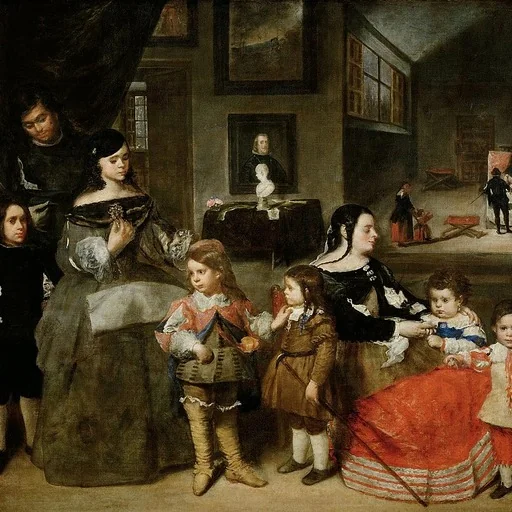
Juan Bautista Martínez del Mazo
Juan Bautista Martínez del Mazo (c.1612 – February 10, 1667) was a Spanish Baroque portrait and landscape painter, the most distinguished of the followers of his father-in-law Velázquez, whose style he imitated more closely than did any…

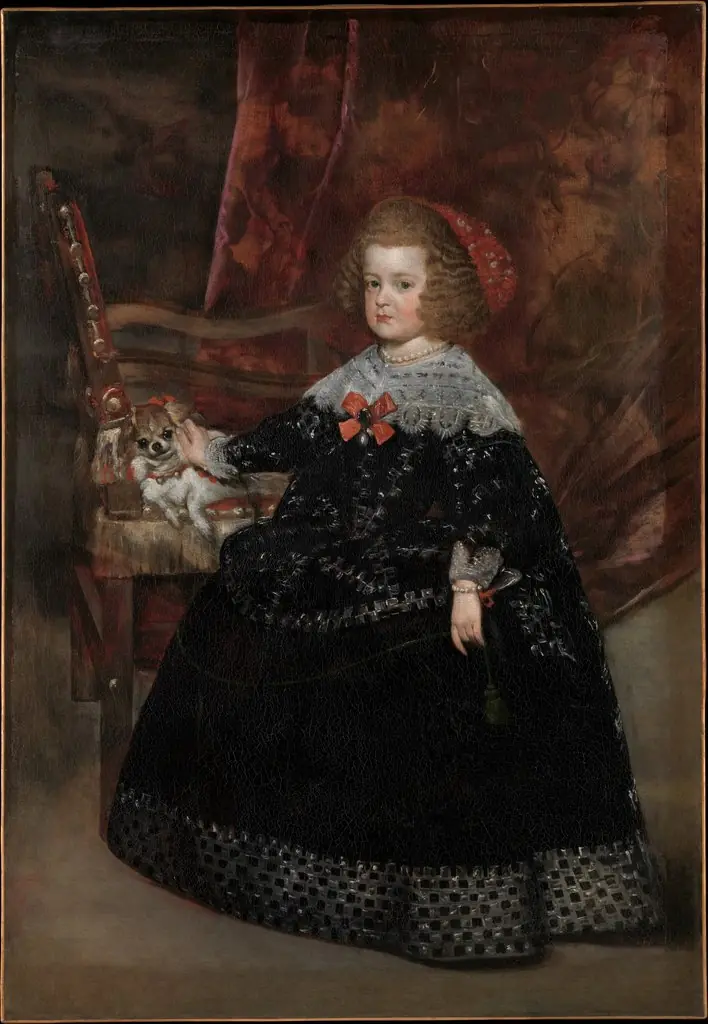 María Teresa (1638–1683), Infanta of Spain
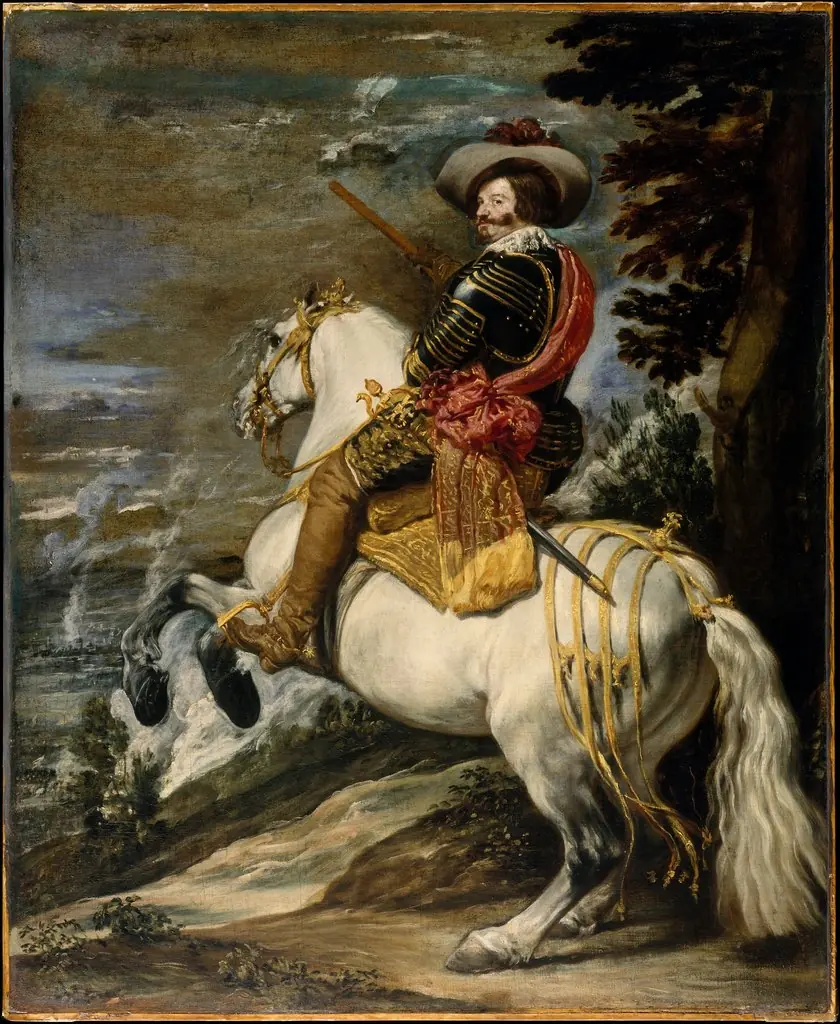 Don Gaspar de Guzmán (1587–1645), Count-Duke of Olivares
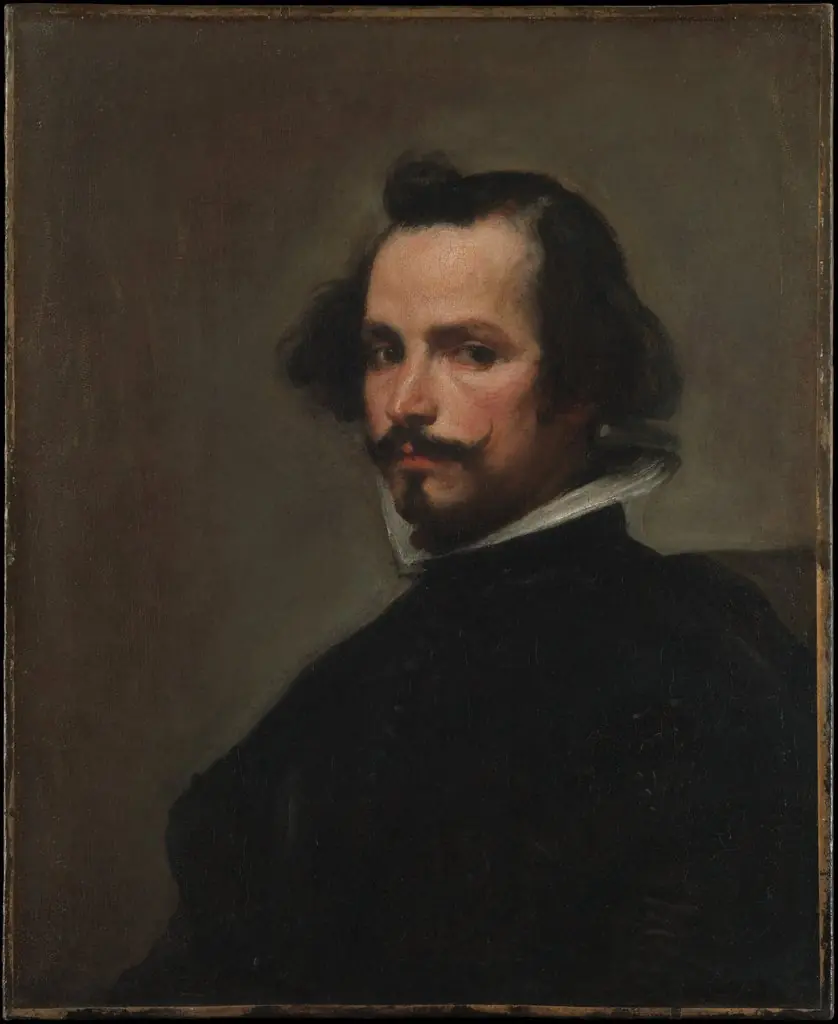 Portrait of a Man
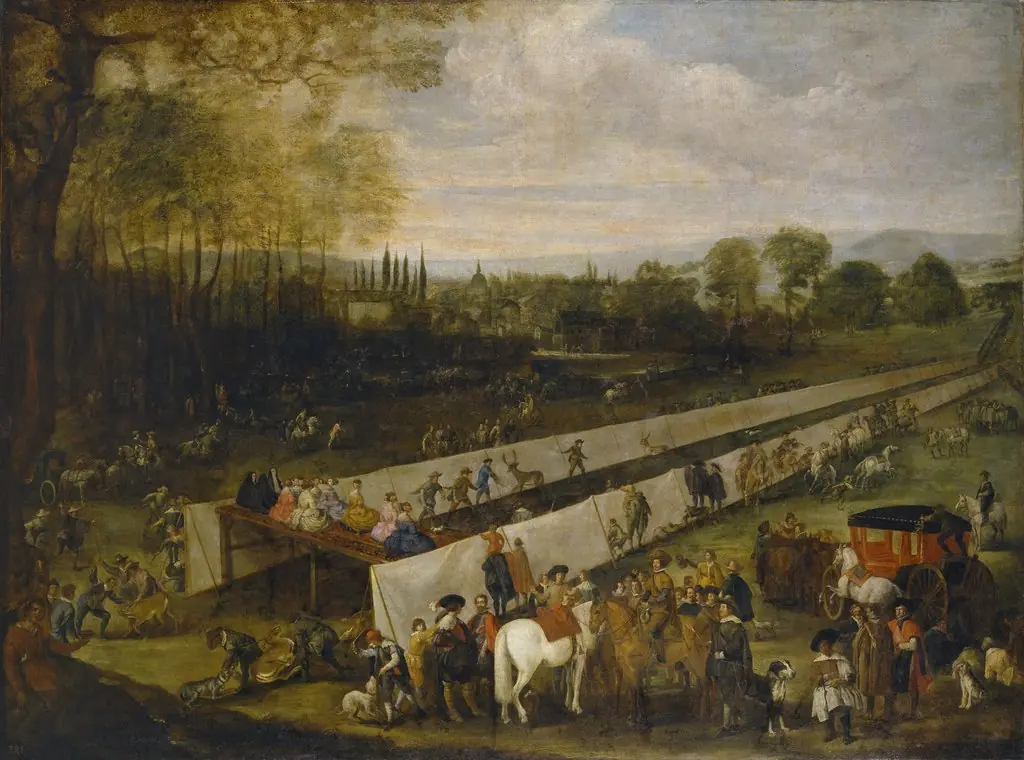 Watching the Hunt in Aranjuez
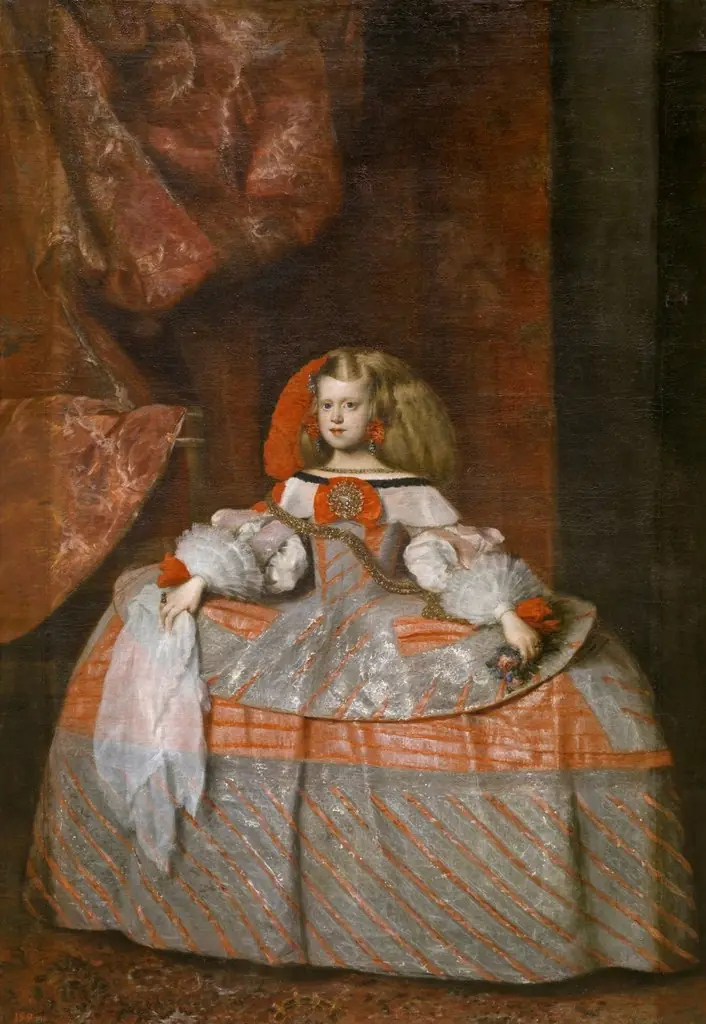 Infanta Margarita Teresa in a Pink Dress
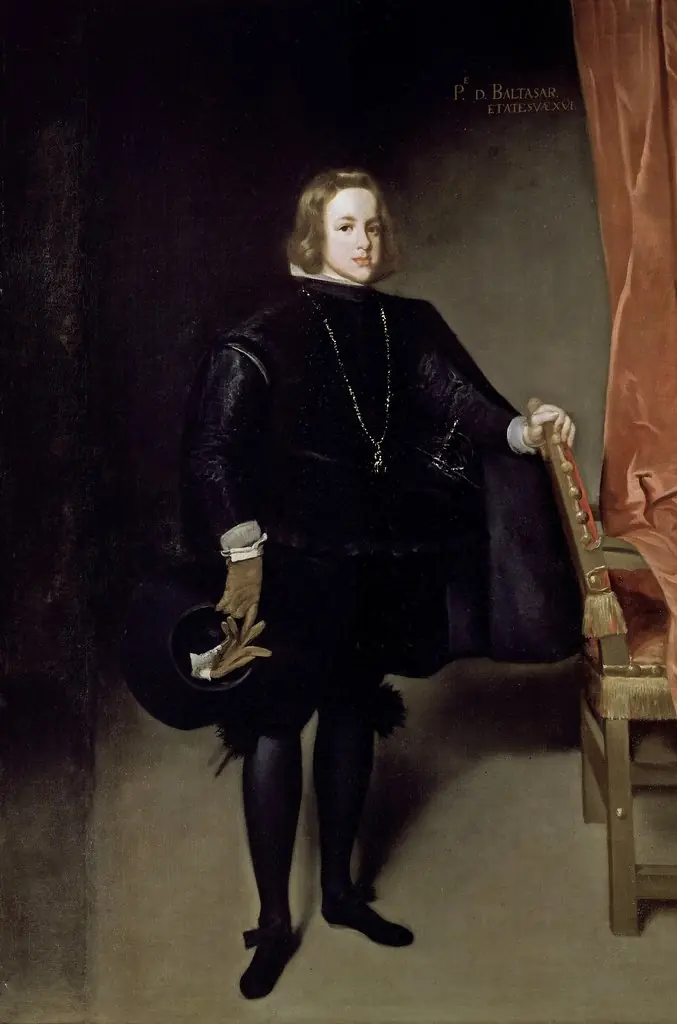 Portrait of Baltasar Carlos of Spain (1629-1646)
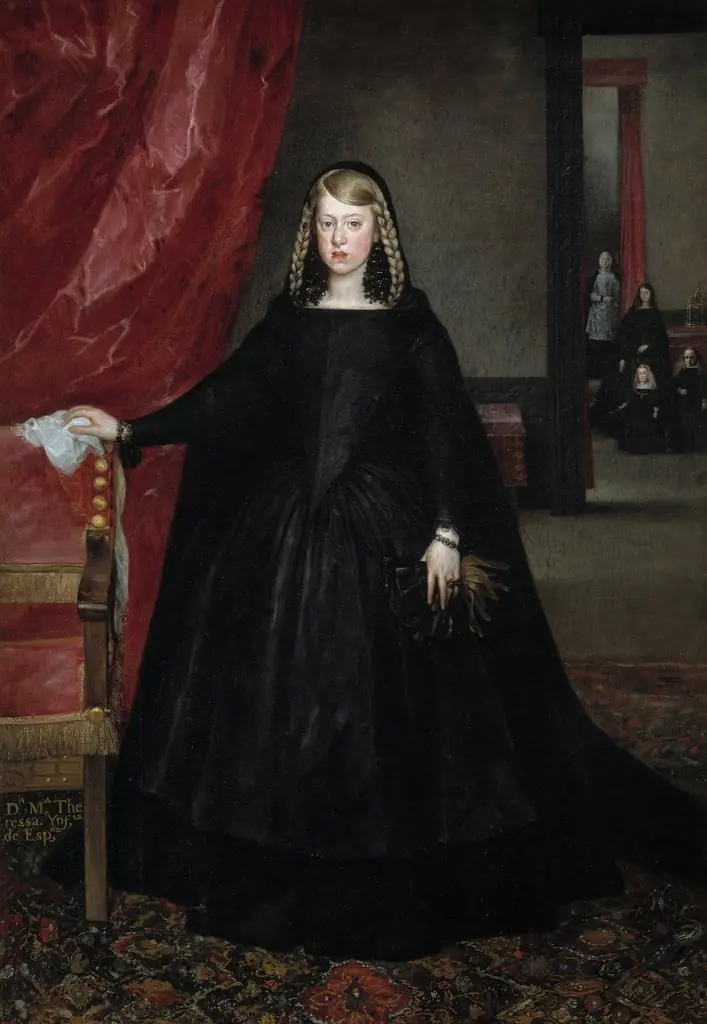 Empress Doña Margarita de Austria in Mourning Dress
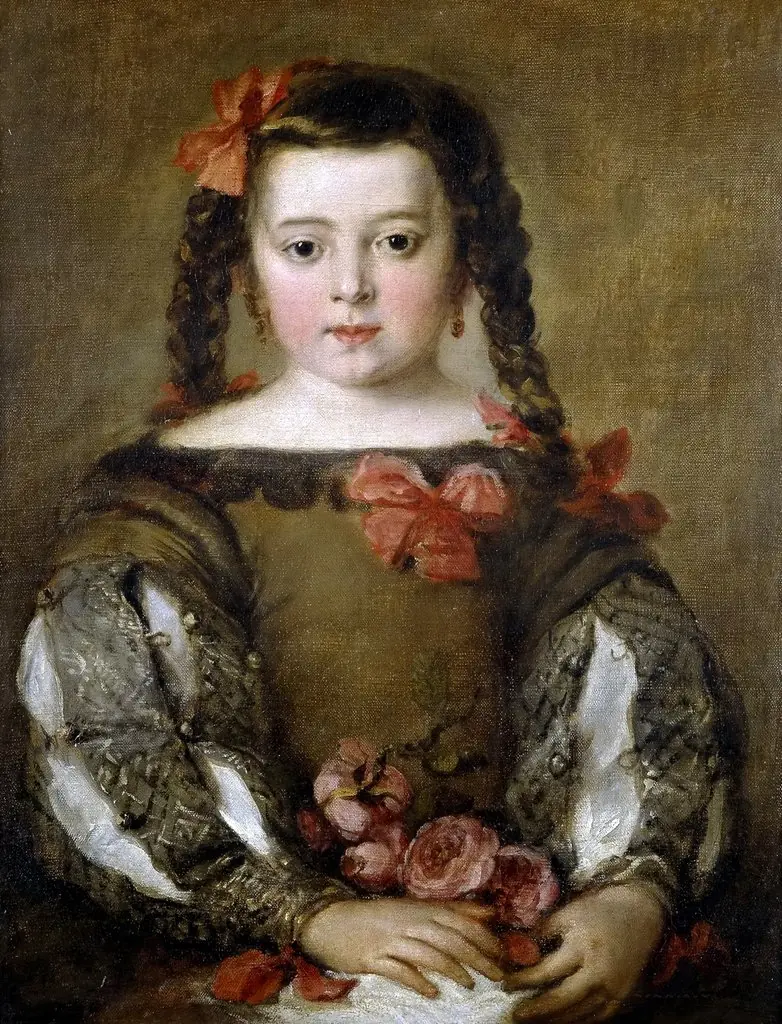 Portrait of a Young Girl
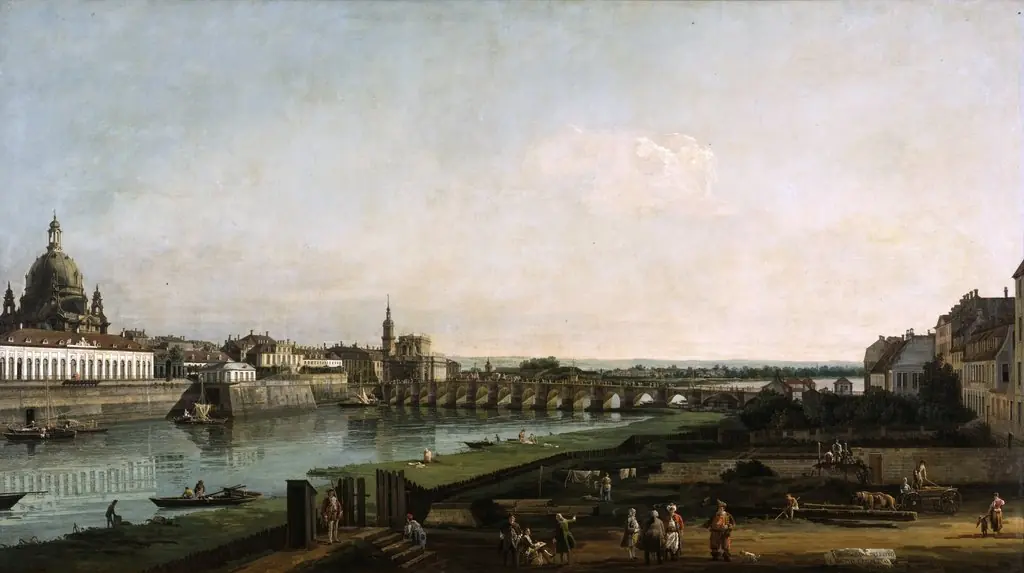
- Dresden from the Right Bank of the Elbe, above the Augustusbrücke
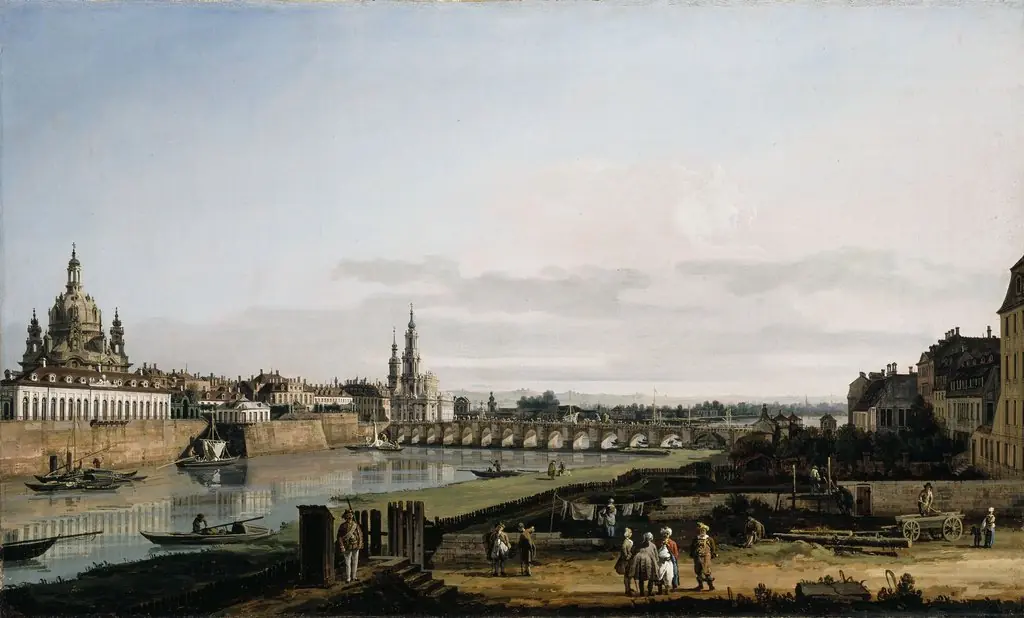 Dresden from the Right Bank of the Elbe above the Augustus Bridge
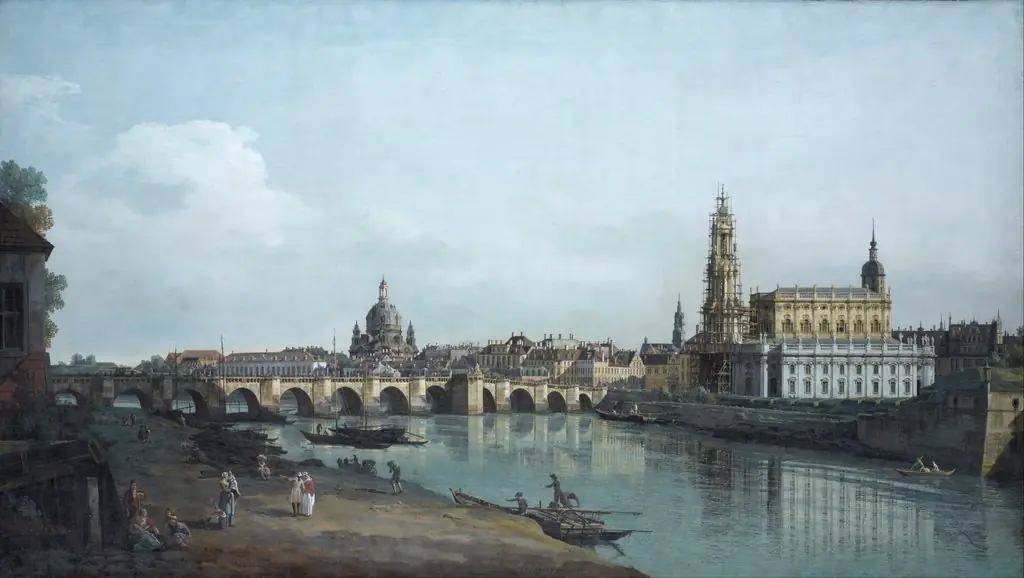 Dresden From the Right Bank of the Elbe Below the Augustus Bridge
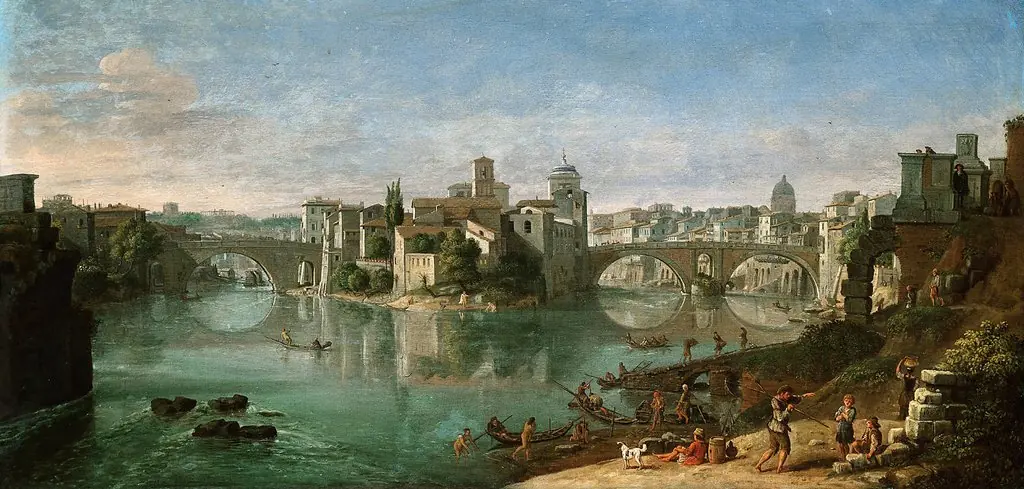 View of Tiber in Rome
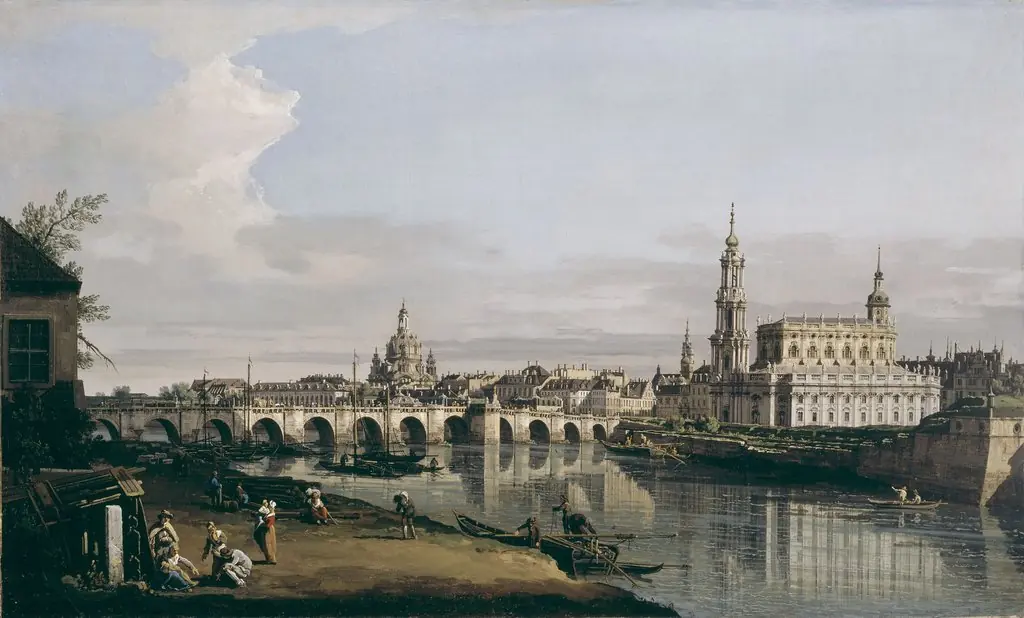 Dresden from the Right Bank of the Elbe, below the Augustus Bridge
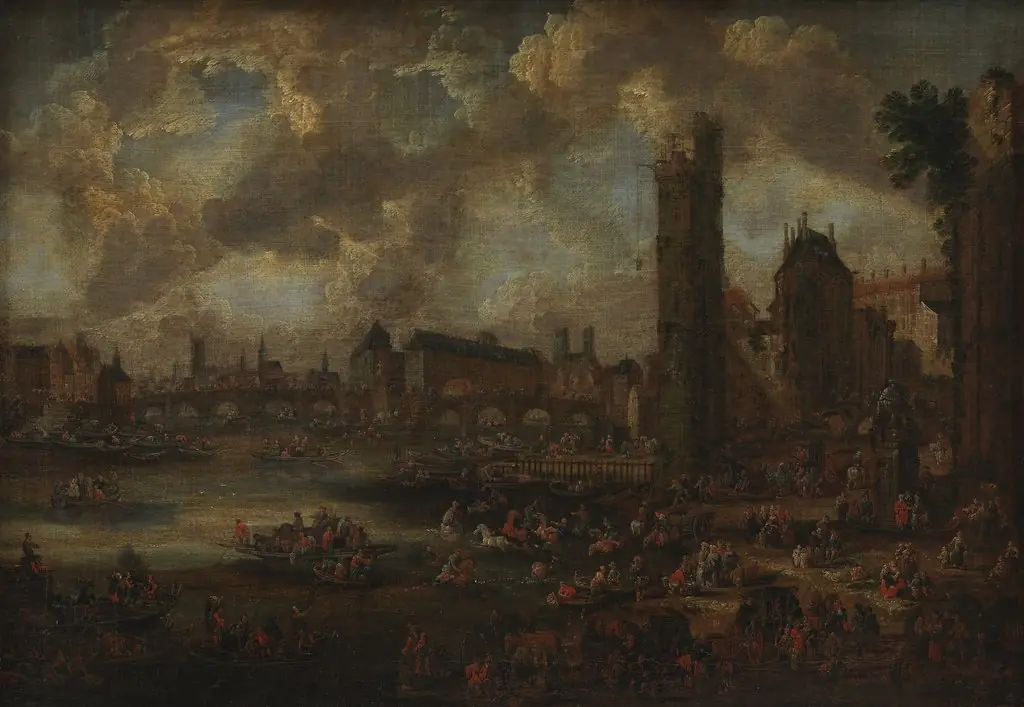 Prospekt af Paris ved Seinen med mange figurer
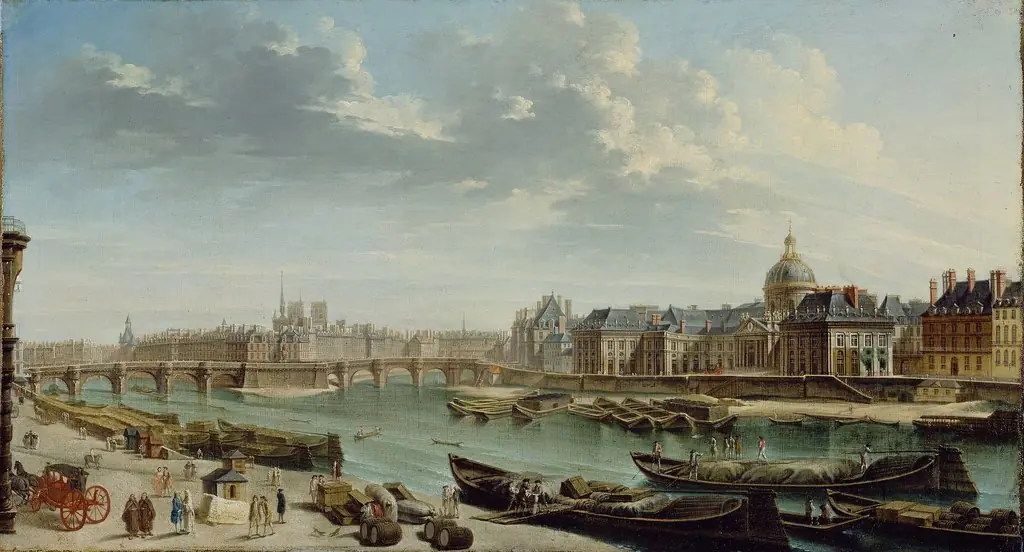 A View of Paris with the Ile de la Cité
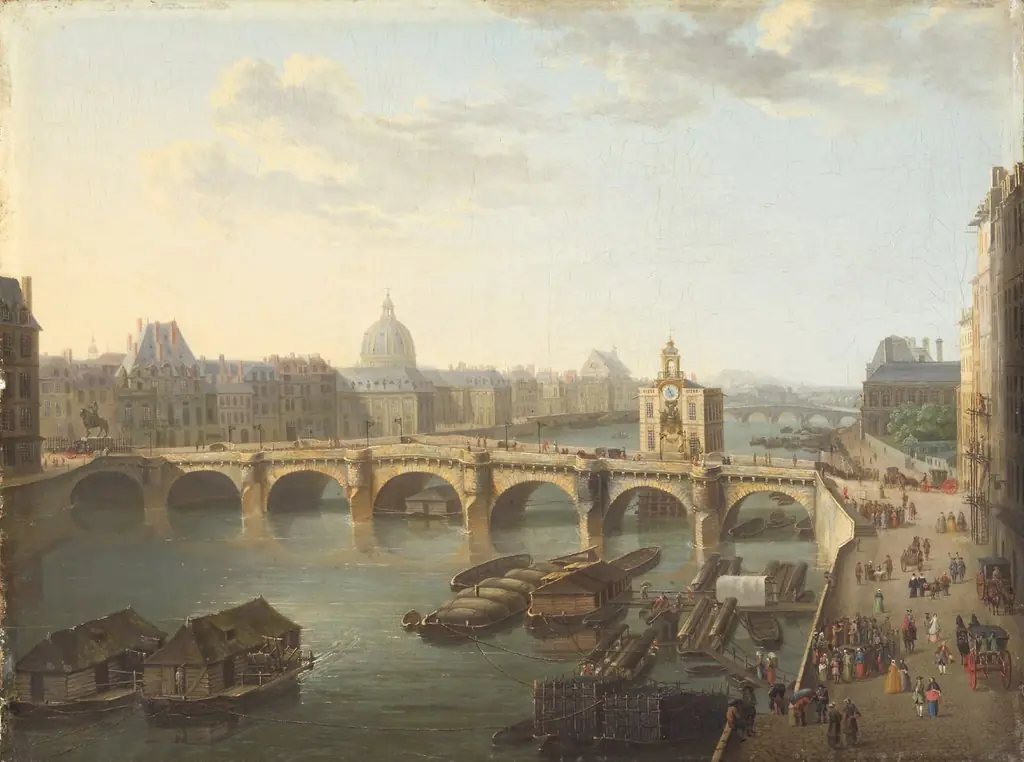 View of the Pont-Neuf in Paris from the Quai de la Mégisserie
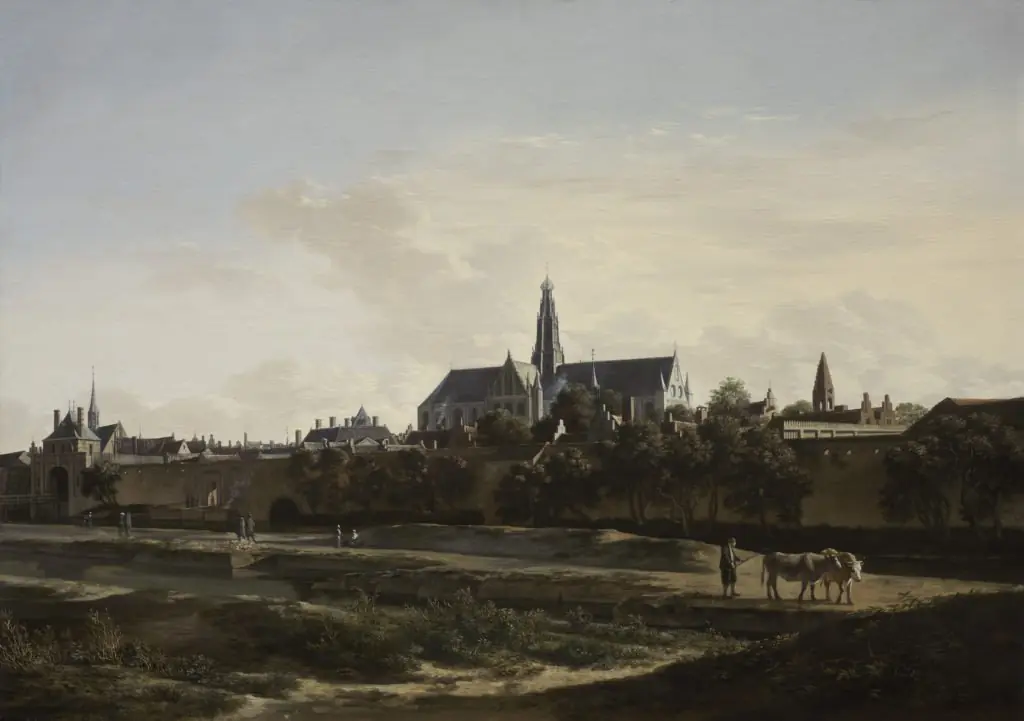 A View of Haarlem
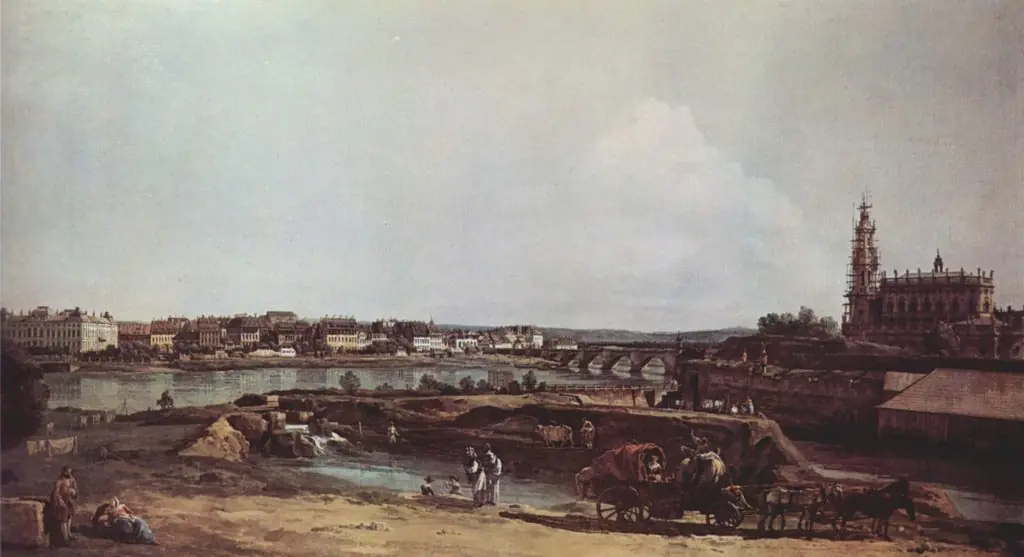 Dresden from the Left Bank of the Elbe, below the Fortifications
 A View of Paris from the Pont Neuf
 The Palace of Coudenberg