Artwork
Penitent Magdalene
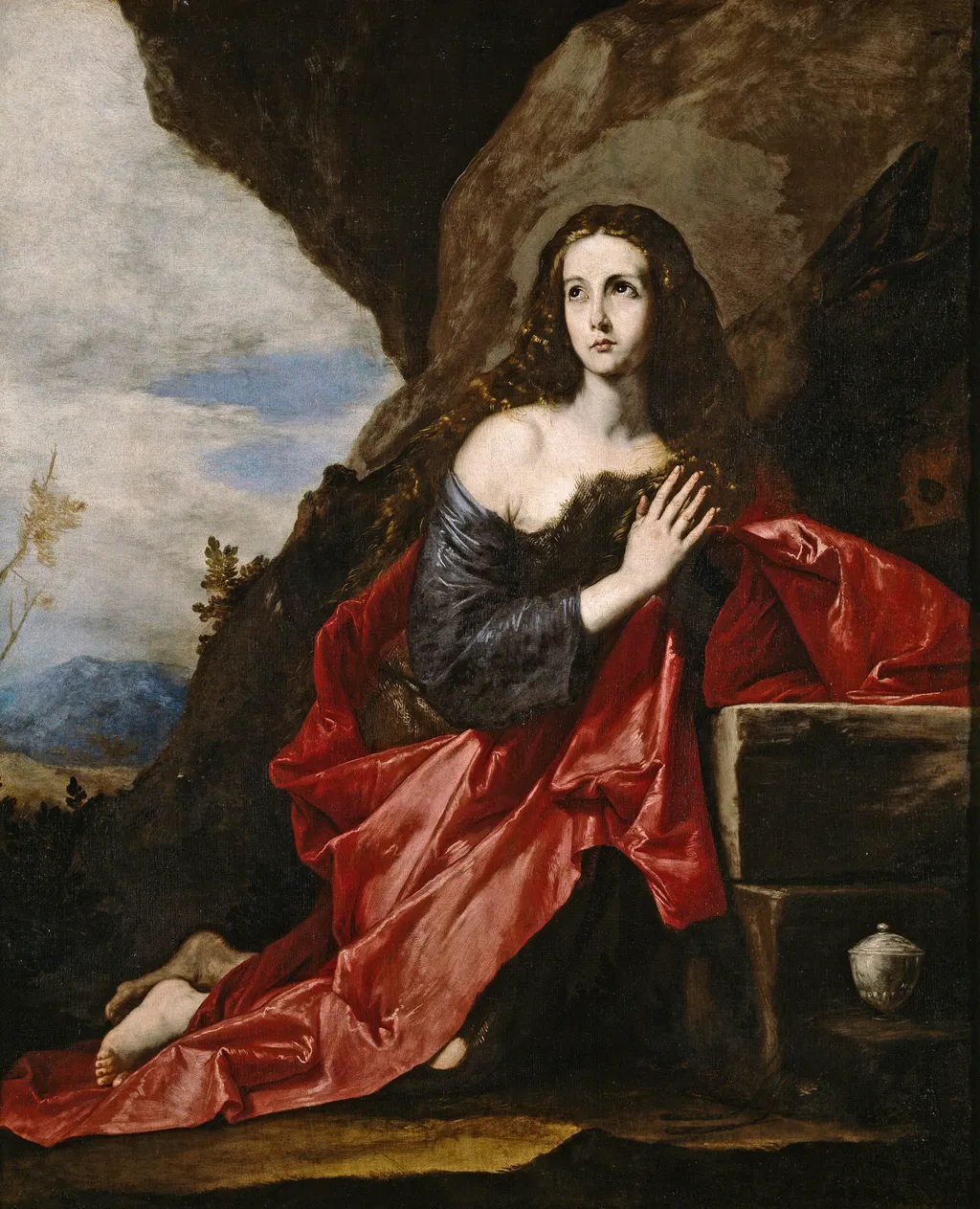
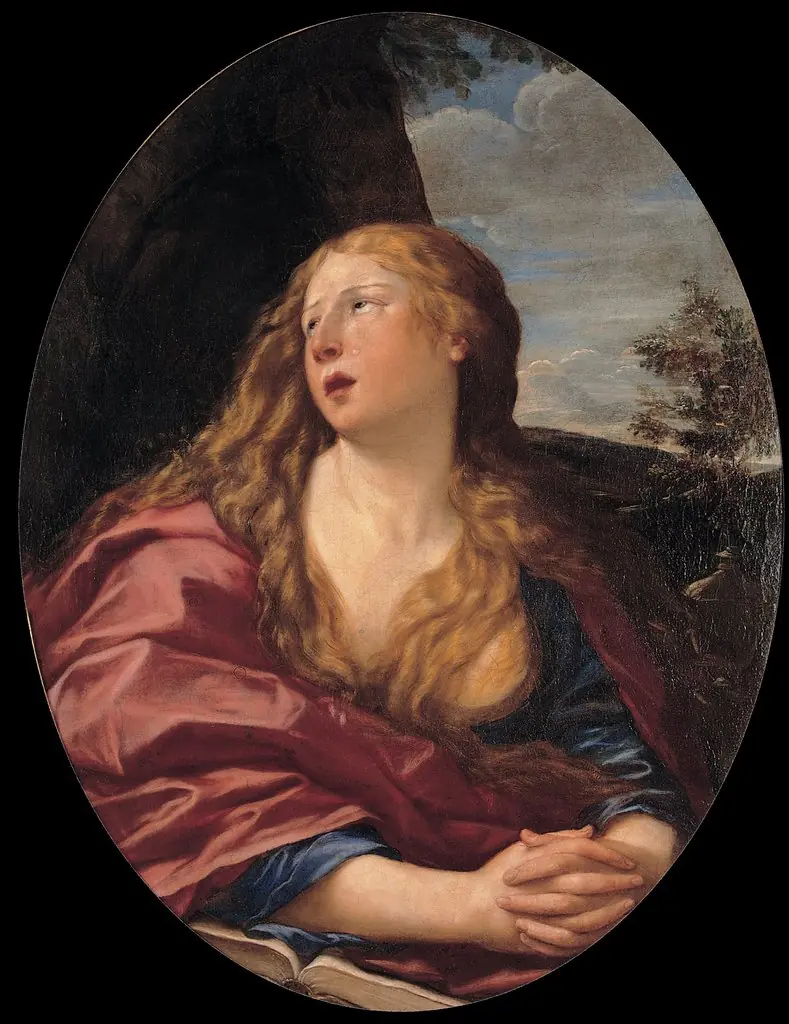
Penitent Magdalene is an oil painting by the Early Baroque Italian artist Jusepe de Ribera. It dates from 1641 and is held in the collection of the Museo del Prado.
About this work
Subject & Meaning
A key iconographic element is the alabaster jar of perfumes placed before her, a traditional attribute symbolizing her past life and subsequent repentance.
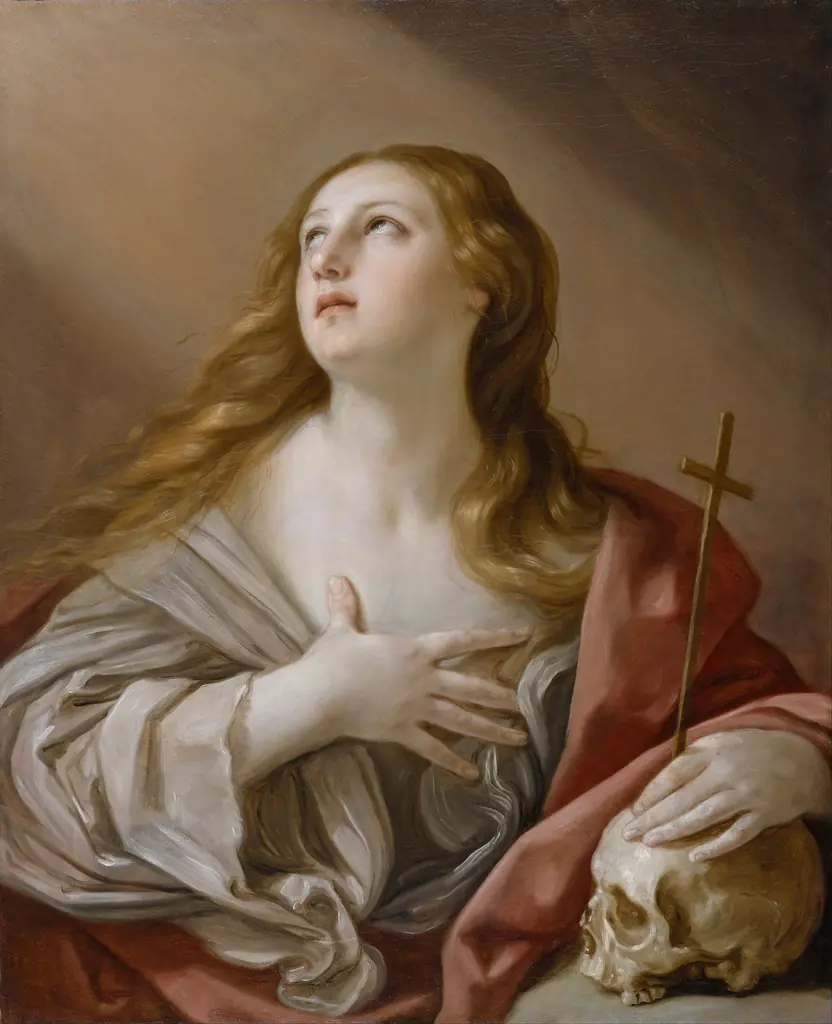
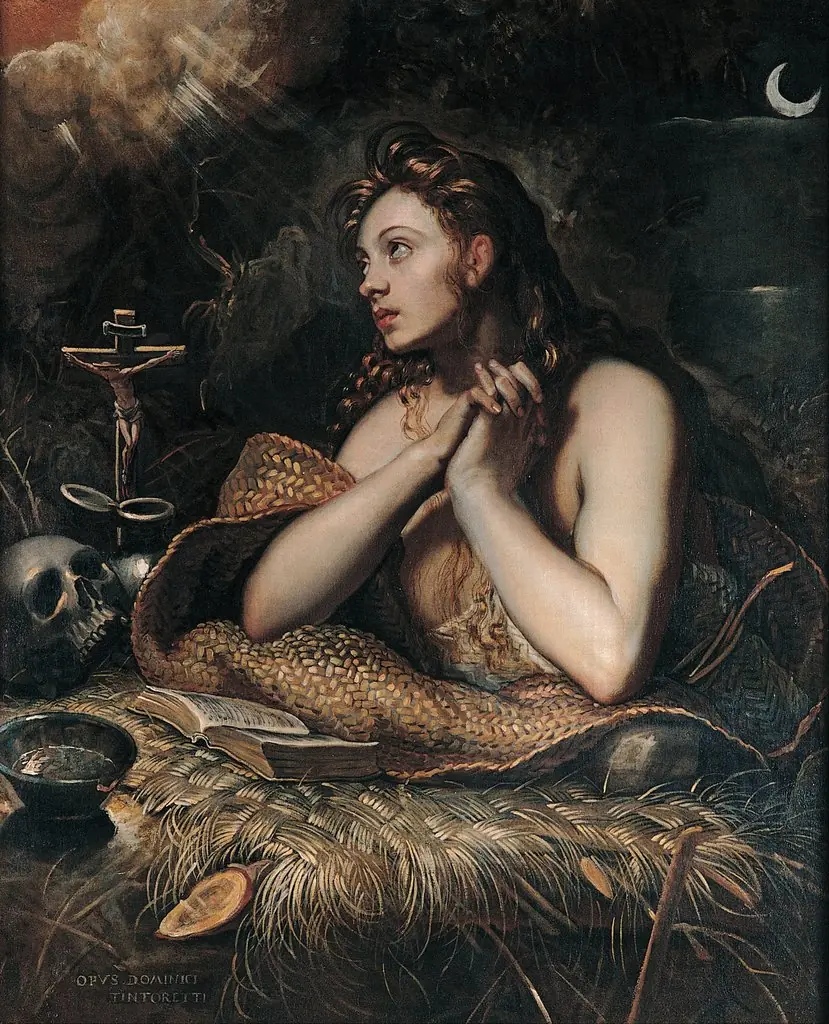
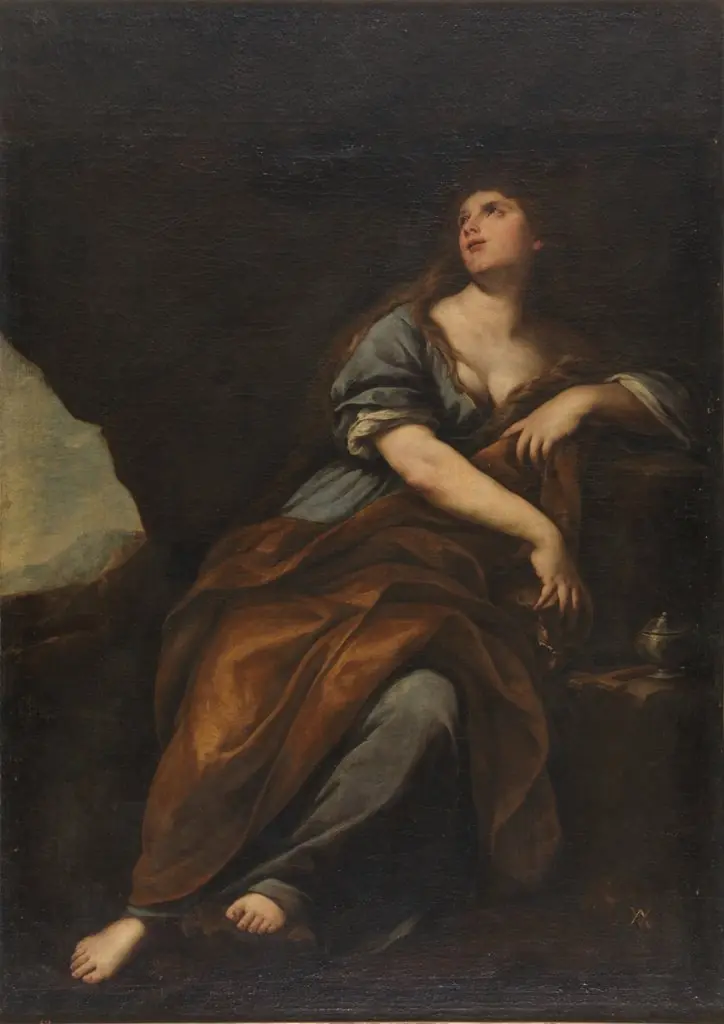
The painting depicts Mary Magdalene in a state of deep remorse, serving as a central figure of Catholic fascination in the 17th century. She is portrayed kneeling in prayer, dressed in rich garments that contrast with her interior penitence. A key iconographic element is the alabaster jar of perfumes placed before her, a traditional attribute symbolizing her past life and subsequent repentance.
The work utilizes the theme to explore the concept of mortified flesh, allowing for the depiction of the protagonist's partially exposed body within a religious context. This visual strategy addresses her transformation from a sinner to a devout disciple, emphasizing spiritual redemption over physical vanity.
Technique & Style
Executed in 1641, this religious painting by Jusepe de Ribera utilizes oil paint applied to a canvas support. The work measures 182 cm in height and 149 cm in width. Stylistically, the composition depicts Mary Magdalene in a posture of prayer, leaning forward against a chest with a perfume vase nearby, serving as key iconographic attributes.
The figure is clad in rich garments, a choice that contrasts with the era's typical restrictions on nudity; here, the partial exposure of the body is justified theologically as mortified flesh reflecting repentance for past sins. While another version exists in Bilbao, the Prado specimen is noted for having a mediocre state of conservation, a factor that complicates definitive comparisons regarding the chronology of the two variants.
History & Provenance
The Penitent Magdalene was painted by Jusepe de Ribera in 1641 and originally entered the Spanish royal collection, being owned by Ferdinand VII of Spain. It remained in the royal palace in Madrid before being transferred to the Museo del Prado, where it has been part of the permanent display. The work is an oil on canvas religious painting depicting Mary Magdalene in a moment of penitence, reflecting Counter‑Reformation interest in personal repentance and allowing Ribera to explore semi‑nude representation of a repentant saint.
Scholars note that a second, earlier version exists in the Museo de Bellas Artes de Bilbao, though attribution remains debated. The painting has been featured in exhibitions such as Ribera, Shadows and Light and continues to be studied for its iconography and technique.
The painting Penitent Magdalene by Jusepe de Ribera is held in the collection of the Museo del Prado in Madrid, Spain. Dating from 1641, the work originated in the Royal Collections and was historically owned by Ferdinand VII of Spain. It forms part of a series that includes depictions of Saint John the Baptist, Saint Bartholomew, and Saint Mary of Egypt.
The artwork has been featured in the exhibition titled "Ribera, Shadows and Light." While a separate authentic version of this subject exists in the Museum of Fine Arts in Bilbao, the Prado's canvas remains the primary iteration associated with the artist's late period and royal provenance.
Context
Painted in 1641, this work belongs to a series of religious figures that entered the Spanish Royal Collections, now held at the Museo del Prado. The composition reflects the fascination of 17th-century Catholic society with penitent saints, utilizing the subject to depict semi-nudity under the theological justification of mortified flesh and repentance. Art historian Alfonso E. Pérez Sánchez addressed the existence of another version in the Museum of Fine Arts in Bilbao; while its signature suggests an earlier date, he noted that its mediocre state of conservation makes definitive chronological assertions difficult.
The painting's thematic focus on remorse aligns with Ribera's broader engagement with hagiographic narratives during his mature period.
Legacy
The Penitent Magdalene has remained a focal point of scholarly discussion regarding Ribera's impact on Baroque religious imagery. Contemporary accounts note its inclusion in the Royal Palace collection and subsequent display in the exhibition Ribera, Shadows and Light, underscoring its early institutional recognition. Later scholarship, particularly analyses of Ribera's influence on devotional practices in 17th-century Catholic Spain, highlights the work's role in legitimizing the depiction of female saintly penitence through a blend of physical mortification and spiritual intensity.
Its legacy is further evidenced by the existence of a second authentic version at the Museo de Bellas Artes de Bilbao and by its influence on printmakers such as Lucas van Leyden, who produced a homonymous plate. The painting's presence in major museum inventories and exhibition histories continues to shape its reputation as a seminal treatment of Magdalene's penitential narrative.
Overview
Penitent Magdalene, a 1641 oil painting by Jusepe de Ribera, exemplifies the early Italian Baroque style. Created during the artist's active period in Naples, the work is now part of the Museo del Prado's collection.
Own this work as a print
Artist & collection
Artist
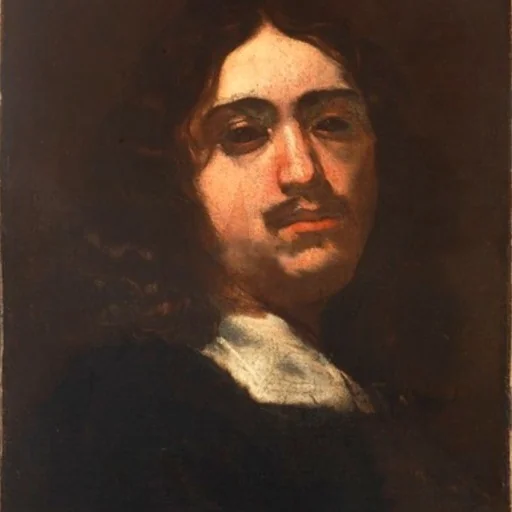
Jusepe de Ribera (Valencian:; baptised 17 February 1591 – 3 November 1652) was a Spanish painter and printmaker.