Artwork
The Martyrdom of Saint Philip
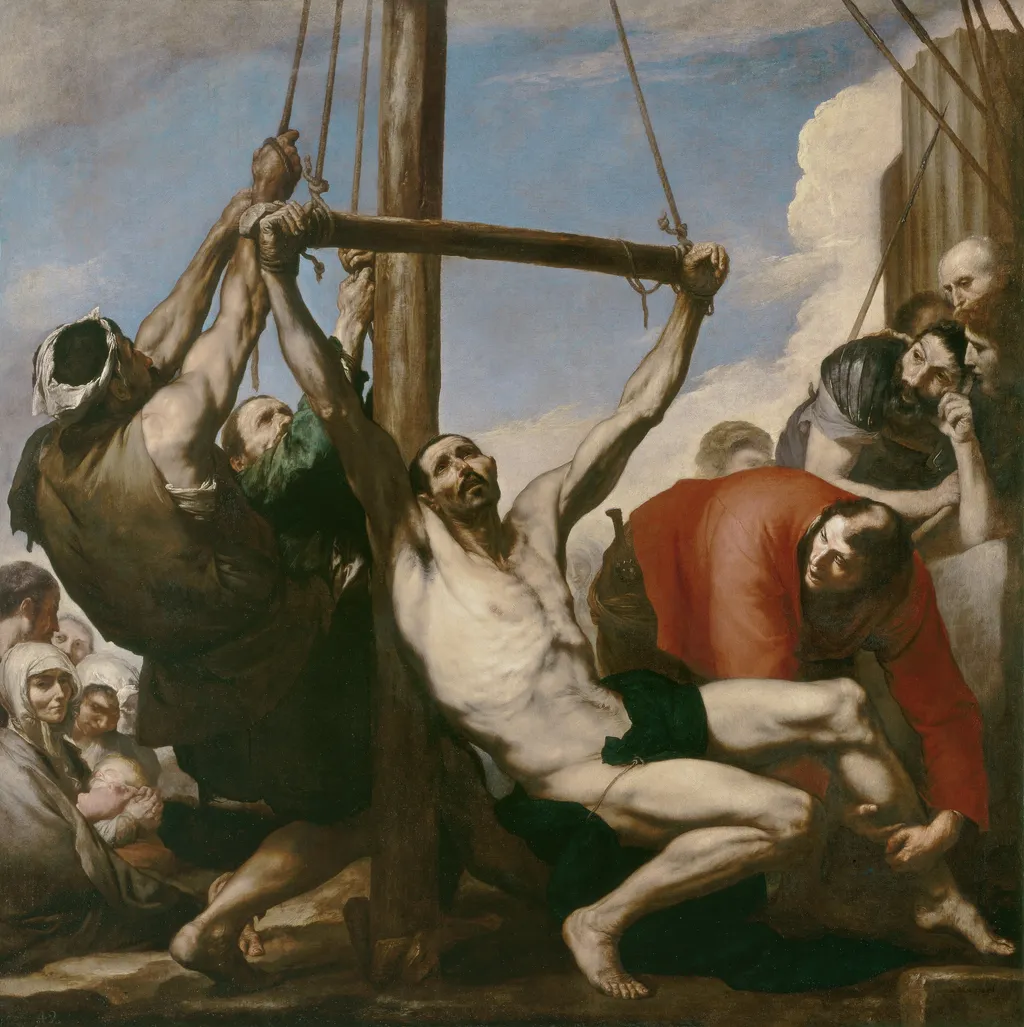
The Martyrdom of Saint Philip is an oil painting by the Early Baroque Italian artist Jusepe de Ribera. It dates from 1639 and is held in the collection of the Museo del Prado.
About this work
The Martyrdom of Saint Philip is a painting by Jusepe de Ribera. It was created in 1639.
This painting is an example of a work depicting the martyrdom of a saint. The fact that it was made in 1639 gives us a sense of the time period in which the artist was working.
To learn more about the style and methods used in this painting, look up the technique of chiaroscuro.
Subject & Meaning
For many years the subject was mistakenly identified as Bartholomew; only in 1953 did art historian Delphine Fitz Derby establish the correct identification.
The painting depicts the martyrdom of Philip the Apostle, who was crucified in Hierapolis after preaching in Greece, Phrygia, and Syria. For many years the subject was mistakenly identified as Bartholomew; only in 1953 did art historian Delphine Fitz Derby establish the correct identification.
Ribera captures the preparatory moment of the crucifixion rather than the martyrdom's completion. Two executioners hoist the apostle while a third supports his leg; Philip's face, illuminated by bright sunlight, shows pain and resignation. The low viewpoint lends the figures monumentality and opens a large expanse of blue sky above them.
The composition includes contrasting groups of onlookers: curious spectators on the right comment on the event, while figures on the left appear oblivious. A woman holding a child who looks directly at the viewer offers a tender counterpoint to the scene's cruelty; some critics interpret her as an allegory of Charity. The dramatic chiaroscuro heightens the emotional intensity of the sacrifice.
Technique & Style
Created in 1639, The Martyrdom of Saint Philip is an oil painting on canvas measuring 234 by 234 cm. The work exhibits the mature style of Jusepe de Ribera, characterized by a shift away from the heavy tenebrism of his earlier Caravaggesque period toward a brighter, more luminous palette influenced by Guido Reni, Domenichino, and Venetian colorism. Ribera employs a low-angle perspective to confer monumentality upon the figures while exposing a vast expanse of blue sky. The composition relies on strong vertical and diagonal lines to structure the scene, enhancing the dramatic impact through the intense contrast of sunlight and shadow.
The physical handling of the paint is noted for its splendid rendering of the nude body and distinct brushwork, capturing the apostle's expression of pain and resignation amidst the preparations for crucifixion.
History & Provenance
Jusepe de Ribera painted The Martyrdom of Saint Philip in 1639. The work was likely commissioned by Ramiro Felipe Núñez de Guzmán, II Duke of Medina de las Torres, as a gift to King Philip IV of Spain; Philip the Apostle was the king's patron saint.
For a long time the painting remained part of the Spanish royal collection. It survived the fire that destroyed the Royal Alcázar of Madrid in 1734 and was subsequently installed in the Buen Retiro Palace and later the Royal Palace of Madrid. After 1818 it was moved to the Museo del Prado in Madrid, where it remains today. Ferdinand VII of Spain is recorded as an owner.
The Martyrdom of Saint Philip is held in the collection of the Museo del Prado in Madrid. The painting entered the museum's holdings sometime after 1818, having previously been part of the Spanish royal collection. It survived the 1734 fire at the Royal Alcázar and was subsequently housed in the Buen Retiro Palace and the Royal Palace of Madrid before its transfer to the Prado.
The work was likely commissioned by Ramiro Felipe Núñez de Guzmán, the second Duke of Medina de las Torres, as a gift for King Philip IV of Spain. For centuries, the subject was misidentified as the Apostle Bartholomew until art historian Delphine Fitz Derby correctly identified the figure as Philip the Apostle in 1953.
Context
The Martyrdom of Saint Philip is widely regarded as one of Ribera’s mature masterpieces, distinguished by its refined handling of light and color over the dramatic chiaroscuro of his earlier Caravaggisti phase. Critics have emphasized its compositional balance and emotional restraint, with Eugenio d’Ors famously describing the scene as "almost, almost like a Russian ballet," underscoring the work’s theatrical yet controlled pathos. Art historians note a shift toward luminous Venetian-influenced palette and classical clarity in this late period, departing from the tenebrism of his youth.
Scholarship resolved the painting’s subject only in 1953, when Delphine Fitz Derby established its depiction of Philip the Apostle rather than Bartholomew, correcting a long-standing misattribution. The work’s integration into the Spanish royal collection, likely commissioned as a gift to Philip IV, whose patron saint was Philip, anchors it in the Habsburg court context, where religious narrative served dynastic and propagandistic ends.
Legacy
The Martyrdom of Saint Philip is widely regarded as one of Jusepe de Ribera's finest achievements, representing a mature phase in his career. Spanish critic Eugenio d'Ors famously described the work with poetic paradox, comparing its theatrical opulence and grandeur to a Russian ballet. Art historically, the painting marks a significant stylistic shift away from Ribera's earlier, darker Caravaggism toward a brighter palette and composition influenced by Guido Reni and Domenichino.
This evolution demonstrates the artist's move away from earthy Spanish Baroque tones to a more Venetian-influenced chromatic approach. The work's reputation was further solidified in 1953 when art historian Delphine Fitz Derby corrected a long-standing misidentification, establishing that the subject was indeed Saint Philip rather than Saint Bartholomew. Today, it remains a centerpiece of the Museo del Prado's collection, celebrated for its dramatic lighting and complex composition.
Overview
Jusepe de Ribera’s oil painting titled The Martyrdom of Saint Philip was completed in 1639. The work is part of the collection of the Museo del Prado in Madrid, where it remains on public display. It is frequently cited among Ribera’s most accomplished pieces, reflecting his mature period in the early seventeenth century.
Own this work as a print
Artist & collection
Artist
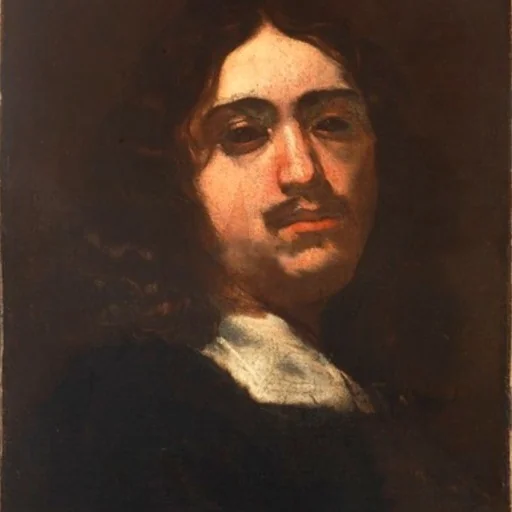
Jusepe de Ribera (Valencian:; baptised 17 February 1591 – 3 November 1652) was a Spanish painter and printmaker.

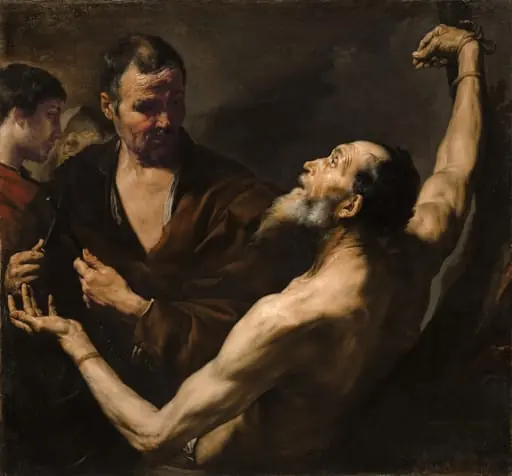
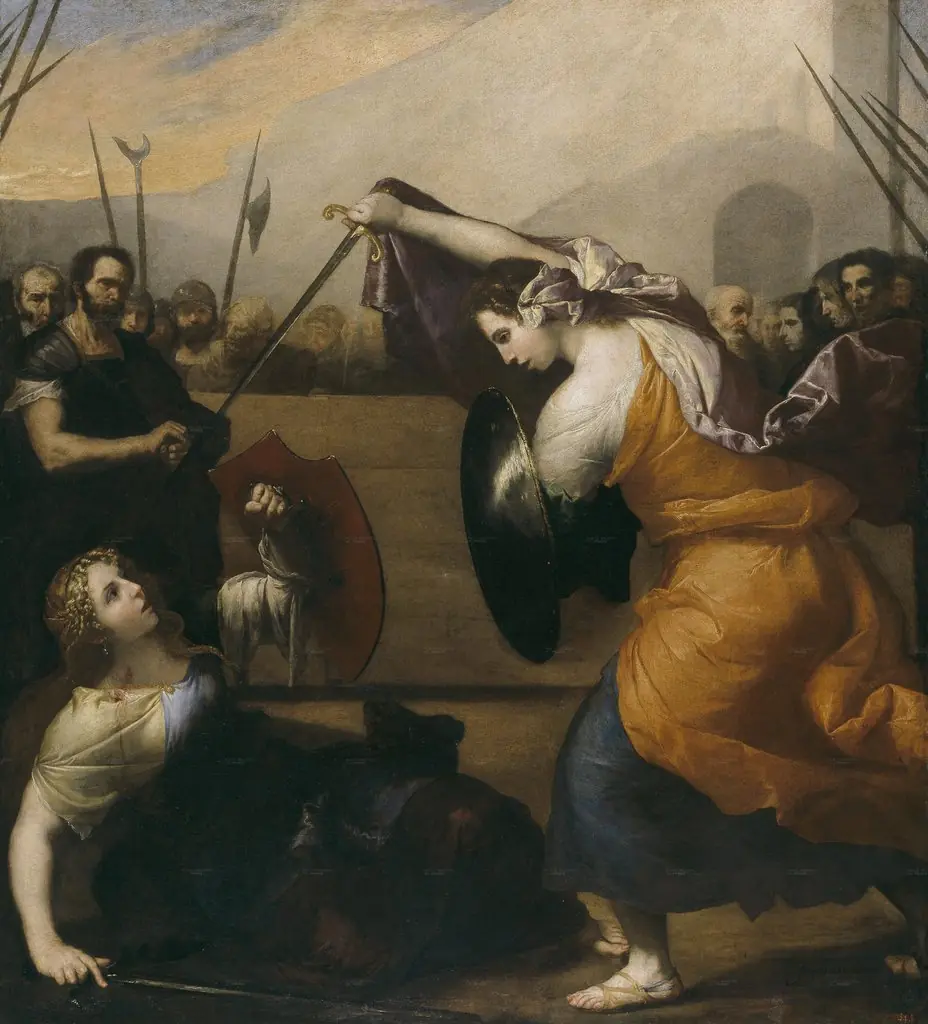
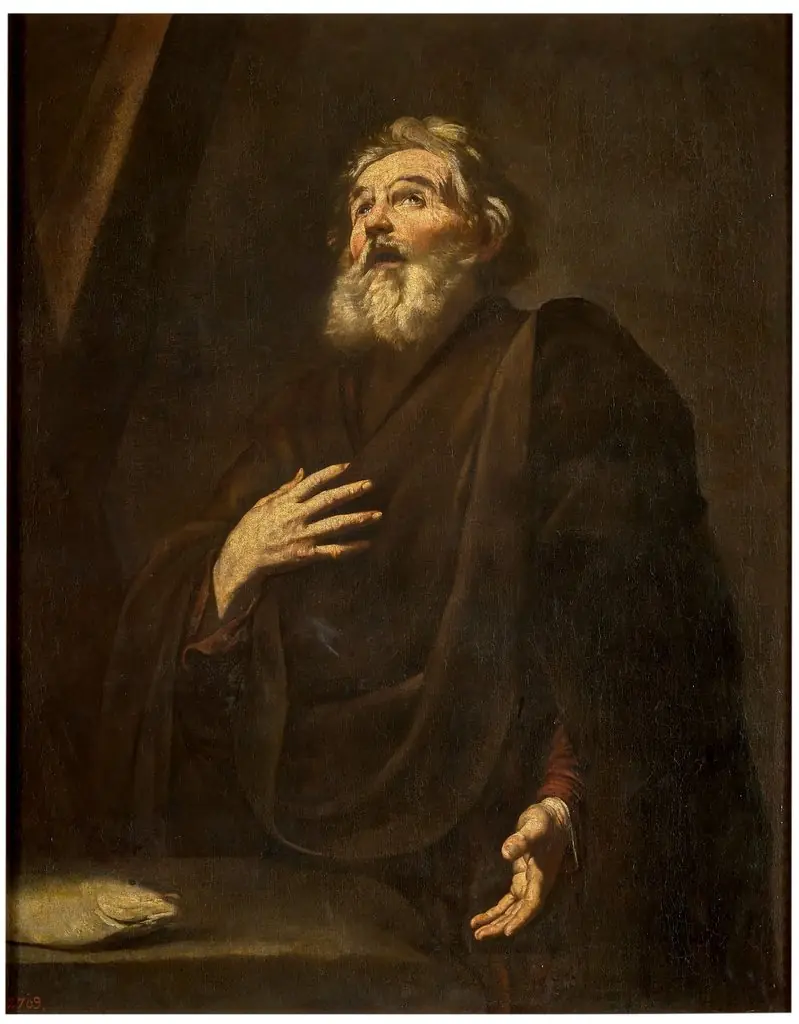
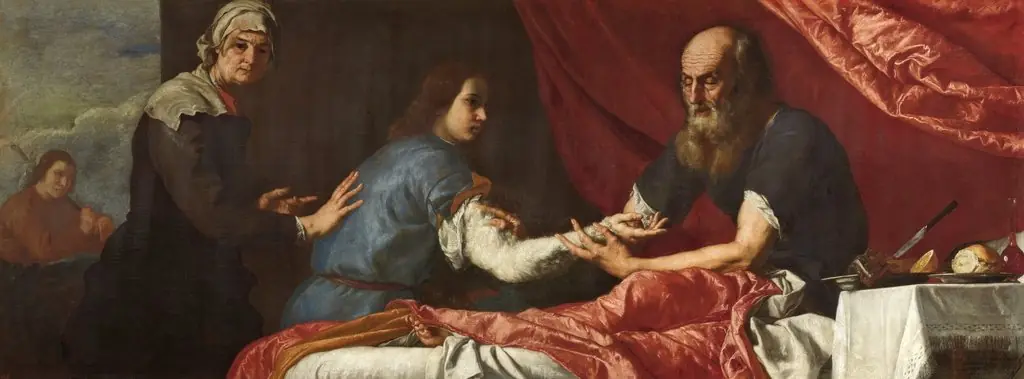
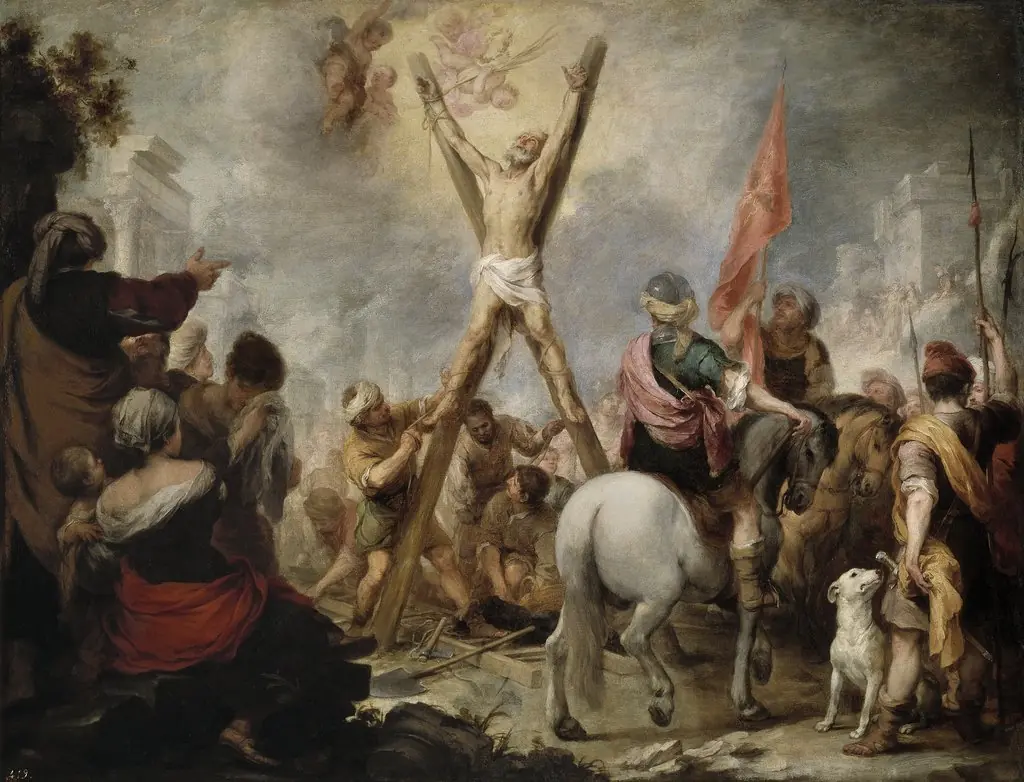
- The Martyrdom of St. Andrew
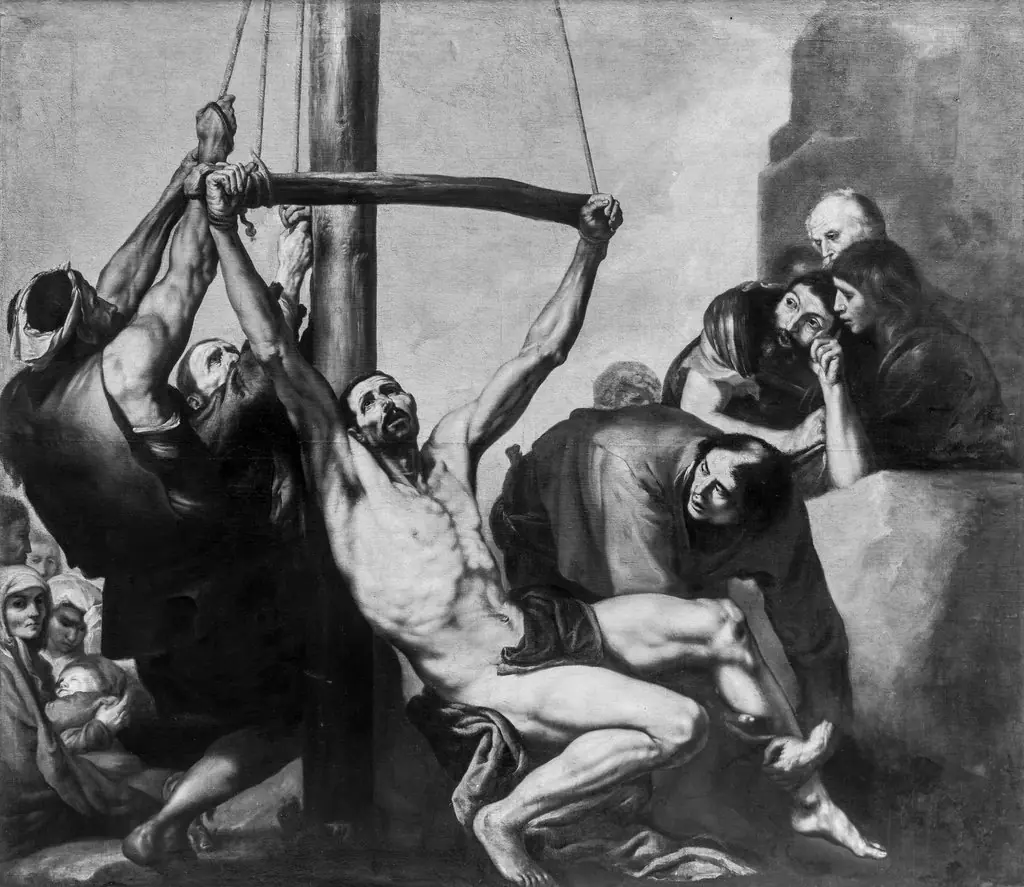 The Martyrdom of Saint Bartholomew
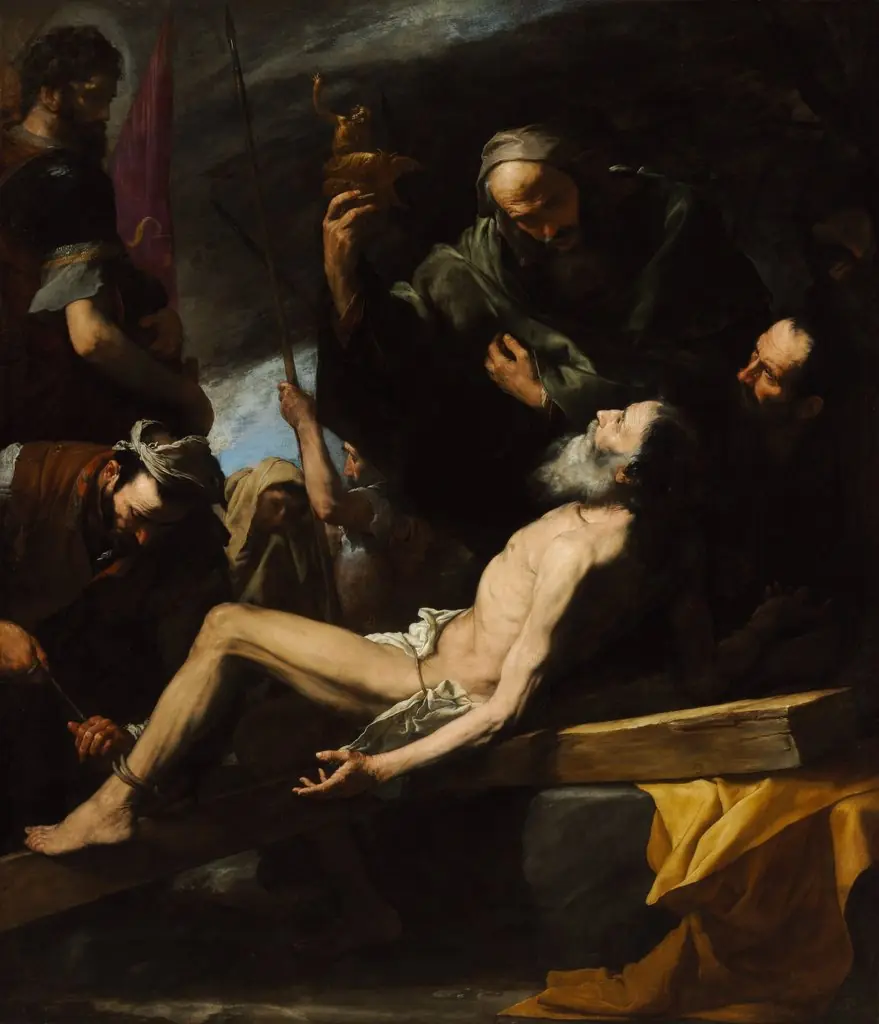 Martyrdom of Saint Andrew
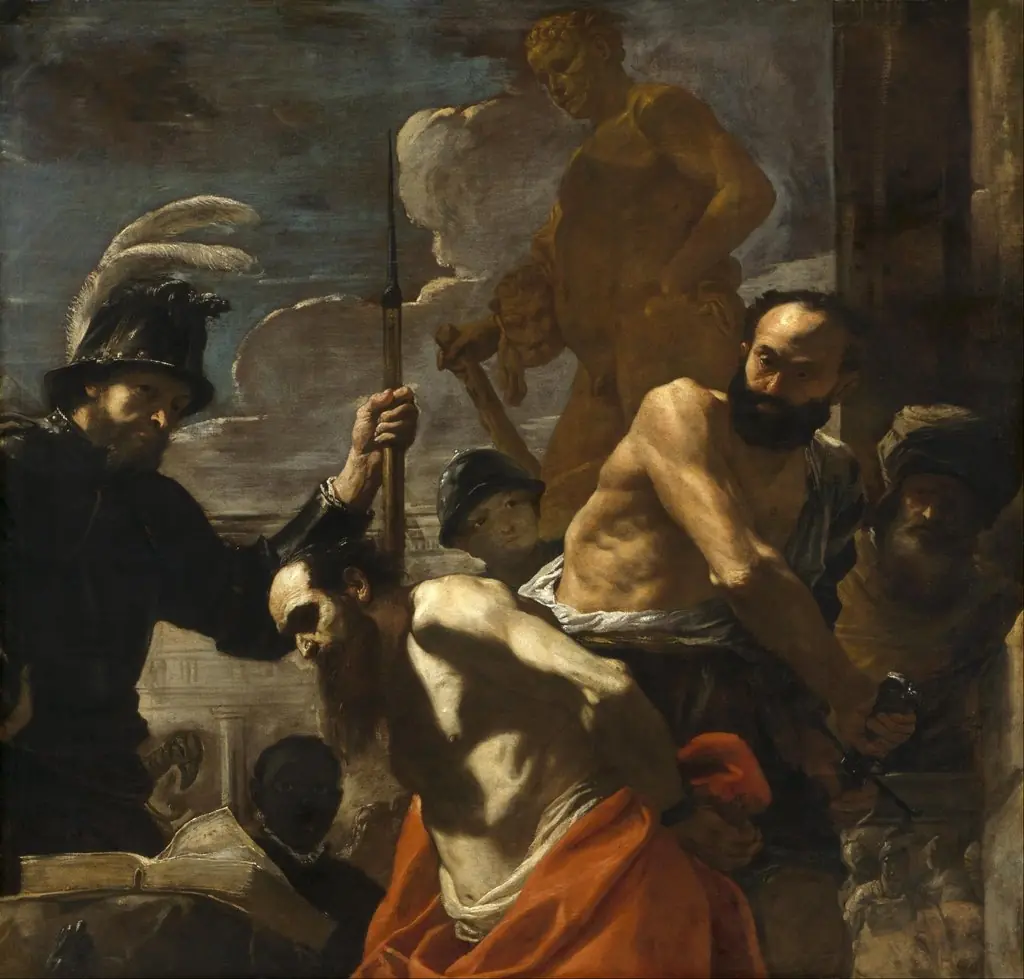 The Martyrdom of Saint Paul
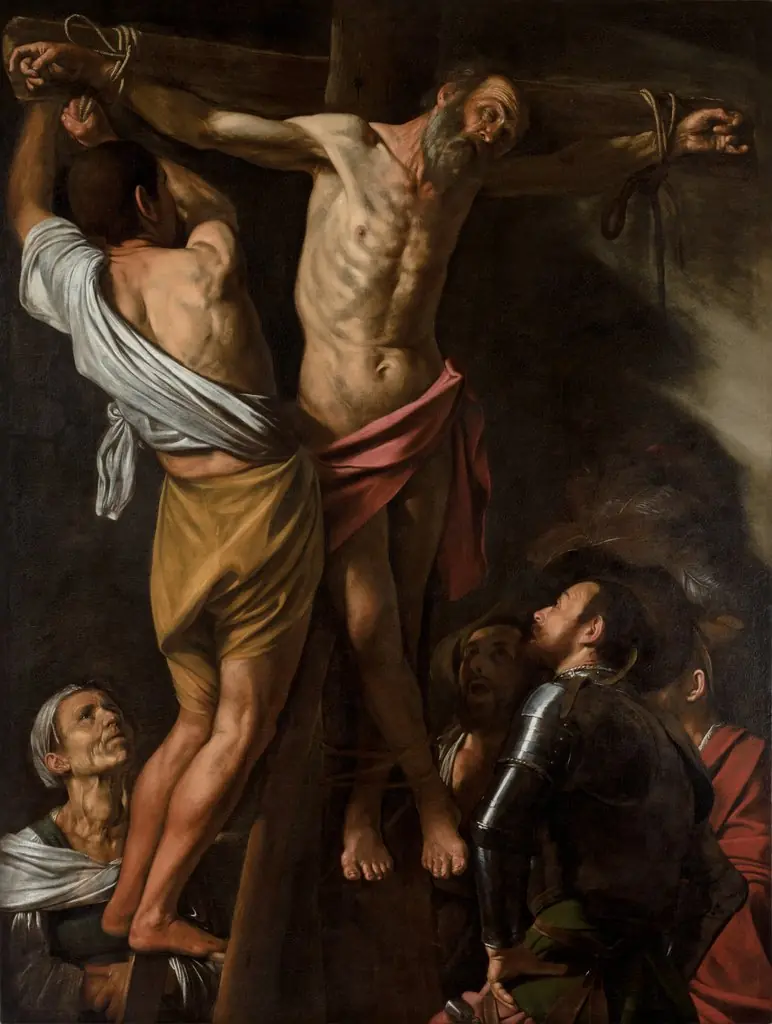 The Crucifixion of Saint Andrew
 Miraculous draught of fish
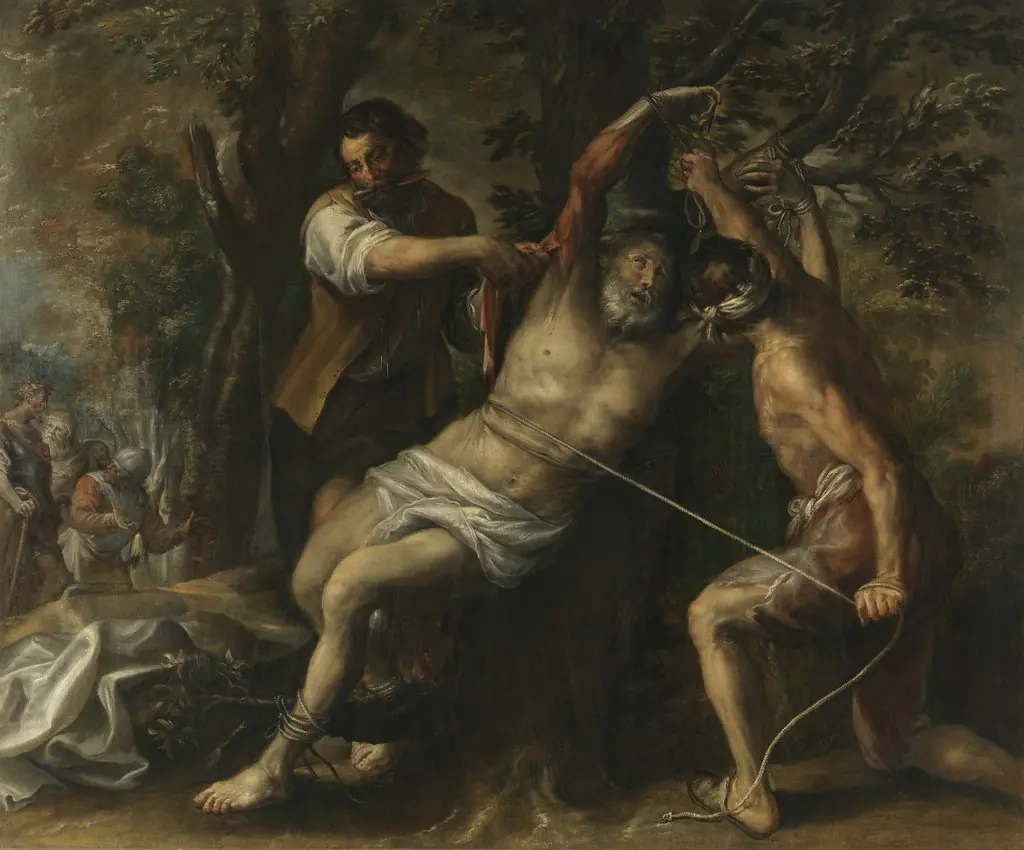 The Martyrdom of Saint Bartholomew
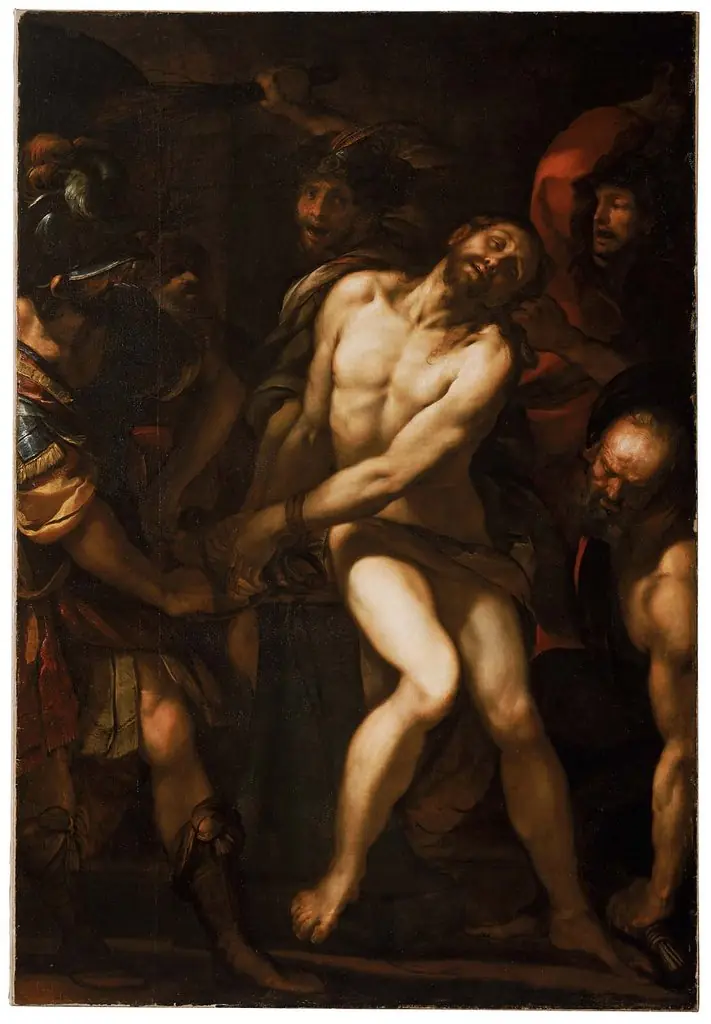 The Scourging of Christ
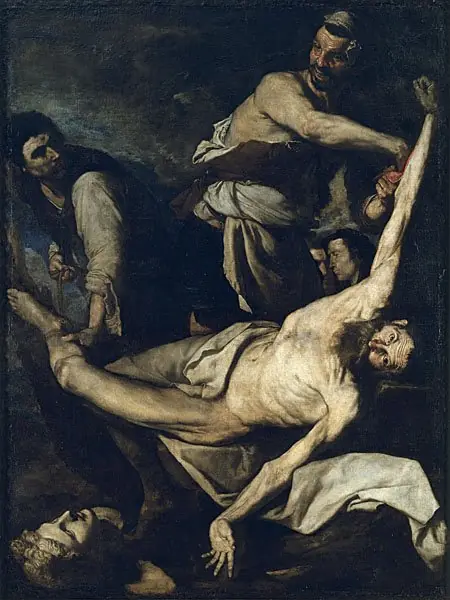 Martyrdom of Saint Bartholomew
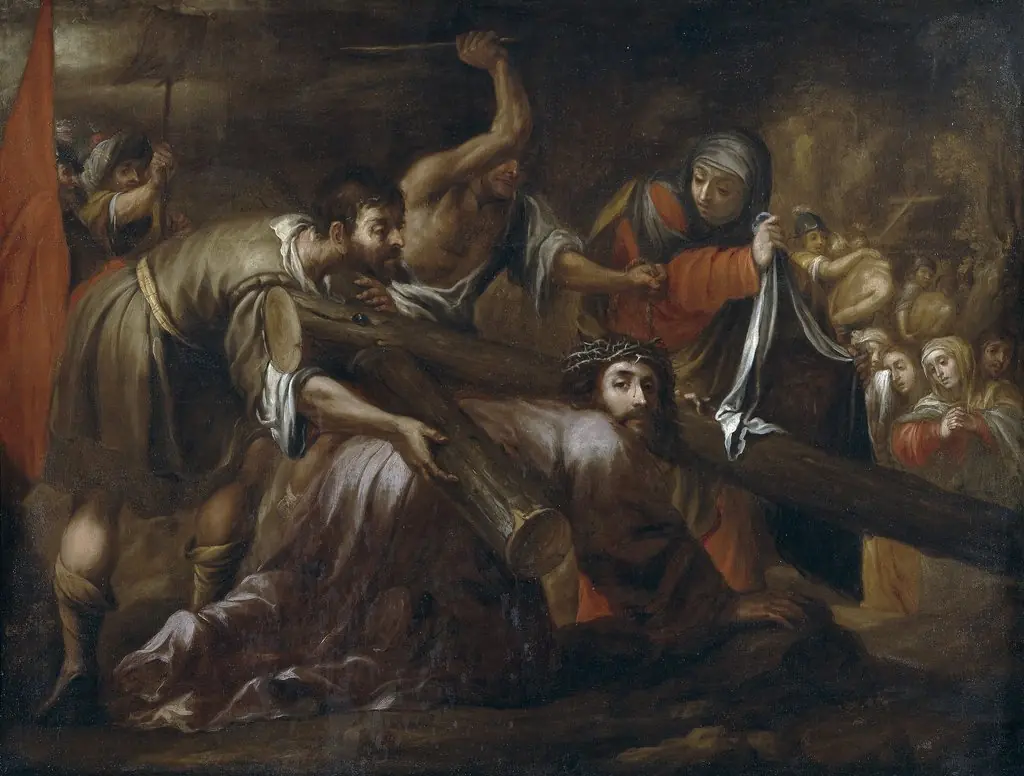 Christ on the way to Calvary and Saint Veronica
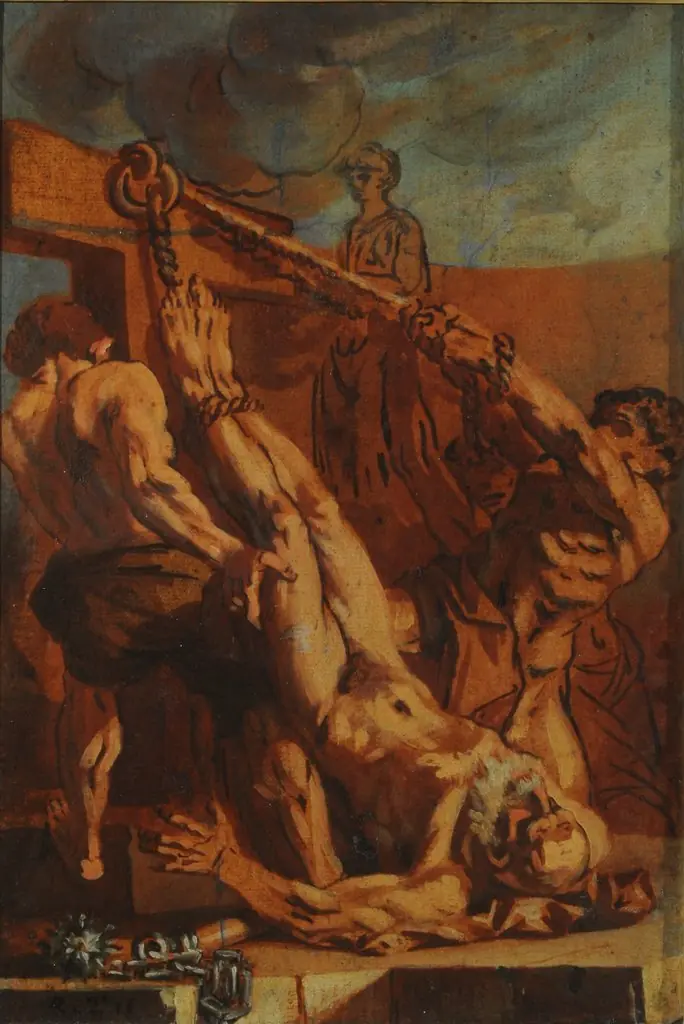 Martyrdom of Saint Peter