Artwork
Untitled
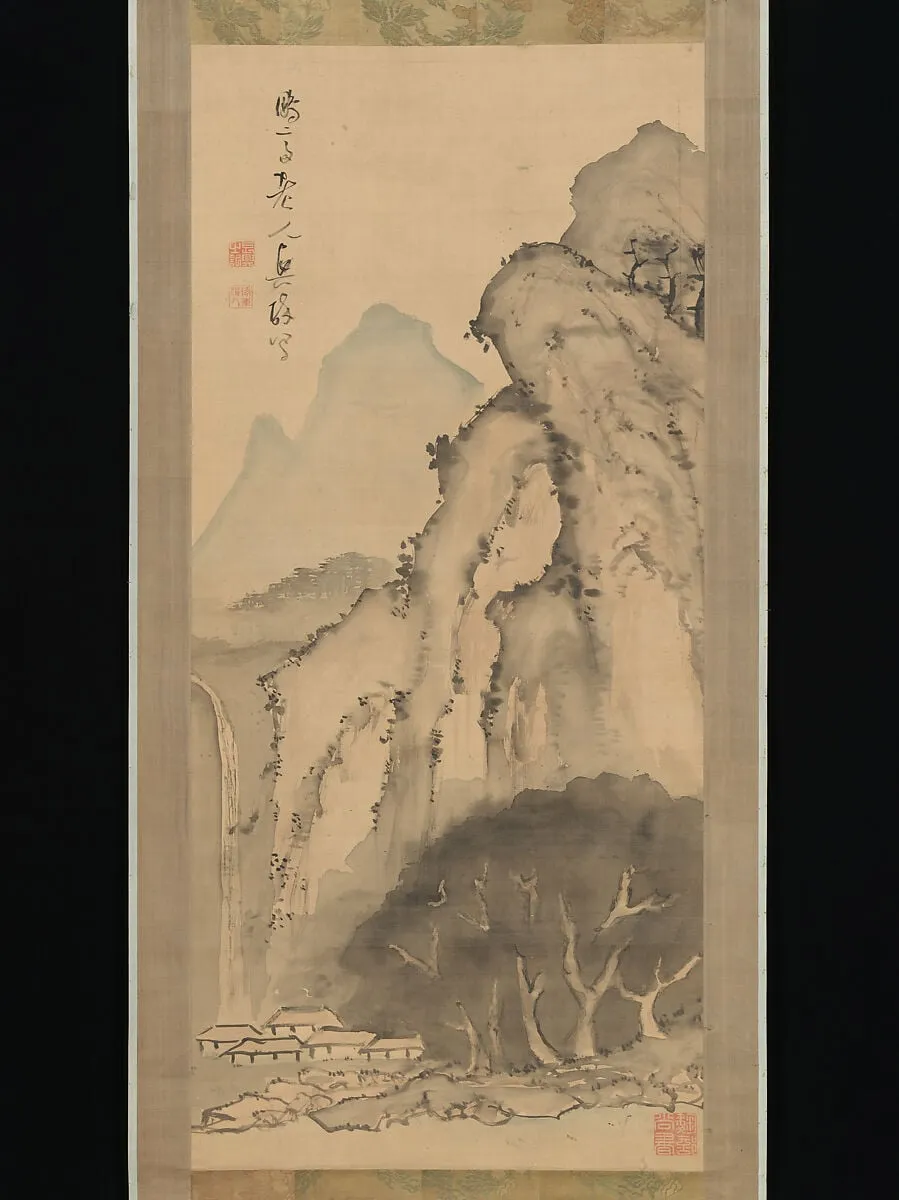
Untitled is an ink painting by the Baroque artist Kameda Bōsai. It dates from 1817 and is held in the collection of the Metropolitan Museum of Art.
About this work
Subject & Meaning
Executed as a hanging scroll using ink and color on silk, the work focuses on these specific geological elements rather than human figures or narrative events.
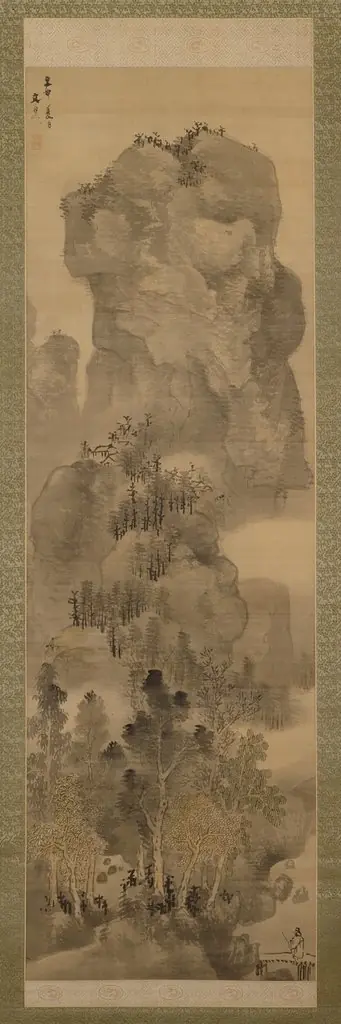
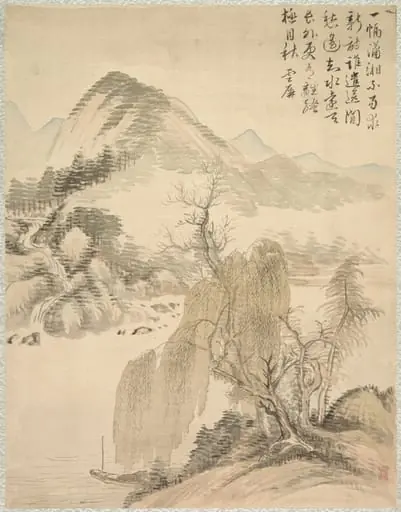
Created in 1817, Kameda Bōsai's Untitled is a landscape painting that depicts a natural scene featuring a prominent mountain and a waterfall. Executed as a hanging scroll using ink and color on silk, the work focuses on these specific geological elements rather than human figures or narrative events. As a landscape genre piece originating from Japan, the composition represents the artist's engagement with natural scenery.
The inclusion of the waterfall and mountain suggests a traditional aesthetic interest in the grandeur of the natural world, a common theme in Japanese art of the period. The Metropolitan Museum of Art holds the work, which serves as a visual record of these specific landscape features as interpreted by Bōsai.
Technique & Style
The work is executed as a hanging scroll using ink and color on silk, a format and support typical of late Edo-period Japanese painting. The handling combines controlled ink washes with delicate mineral pigments to articulate layered mountain forms and cascading waterfalls, reflecting Bōsai’s adaptation of literati techniques within a Japanese academic manner. The composition’s recession is suggested through staggered planes rather than linear perspective, while the muted palette and subtle gradations emphasize atmospheric recession.
No losses or major abrasions are recorded in the cited descriptions, indicating the scroll remains in stable condition.
History & Provenance
The work was created in 1817 by the Japanese painter Kameda Bōsai, as indicated by internal records and confirmed by the Metropolitan Museum of Art’s Wikidata entry. The painting is a hanging scroll executed in ink and color on silk, depicting a mountain and waterfall, consistent with the artist’s known landscape genre. As of the documented record, the work resides in the collection of the Metropolitan Museum of Art, where it is catalogued as part of their holdings of Japanese paintings.
Untitled (1817) by Kameda Bōsai is housed in the collection of the Metropolitan Museum of Art in New York. The work is listed as part of the museum’s holdings, though a specific inventory or accession number is not supplied in the available documentation. Its only recorded exhibition activity consists of its permanent display within the museum’s Japanese art galleries; no temporary or traveling exhibitions have been documented.
The painting is classified as a hanging scroll, ink and color on silk, and is categorized under the landscape genre, depicting a mountain and waterfall.
Overview
This untitled landscape, created around 1817 by Kameda Bōsai, is rendered in ink and light color on a silk hanging scroll. The composition features a prominent mountain and a delicate waterfall, with distant peaks shrouded in mist. Bōsai's distinctive approach includes leaving significant portions of the silk blank, allowing the unpainted surface to contribute to the scene's atmosphere and spatial depth.
Context
During the early 1800s, when Kameda Bōsai painted this work, it was common practice for Japanese artists to meticulously cover the entire surface of their scrolls. Bōsai, however, consciously diverged from this convention. His decision to integrate the blank silk into the composition, allowing it to function as an ethereal sky, introduced a distinct spatial quality and a contemplative quietude that set his work apart.
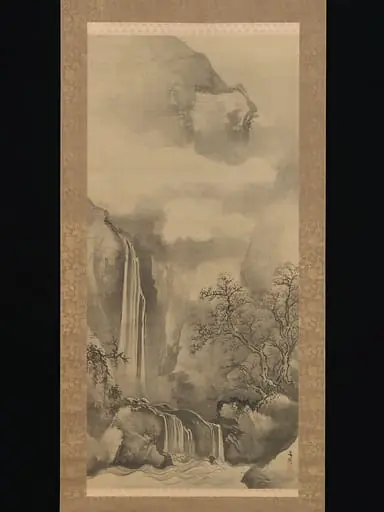
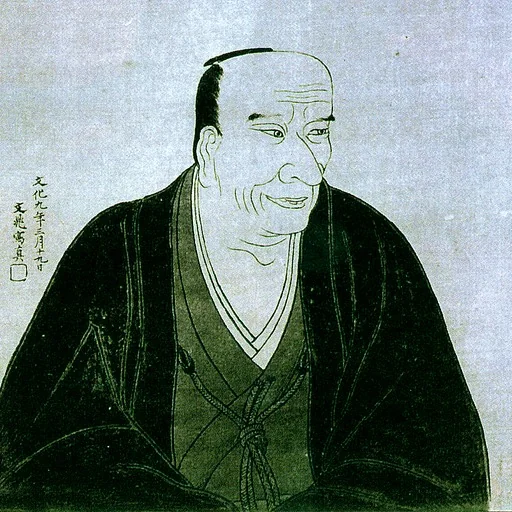
Artist & collection

 Short Nap on a Long Summer Day
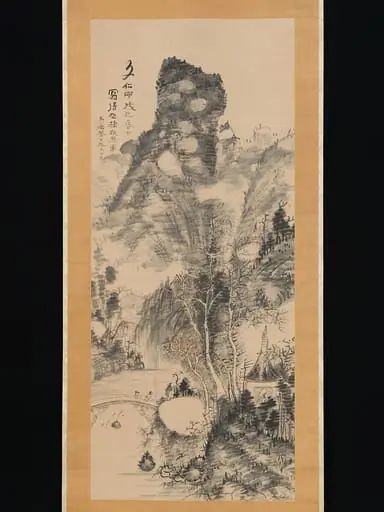 Untitled
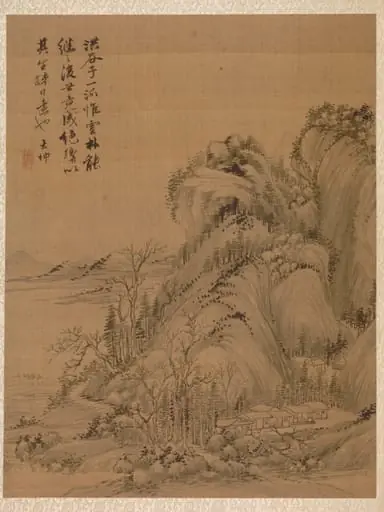 Landscape in the Style of Ching Hao
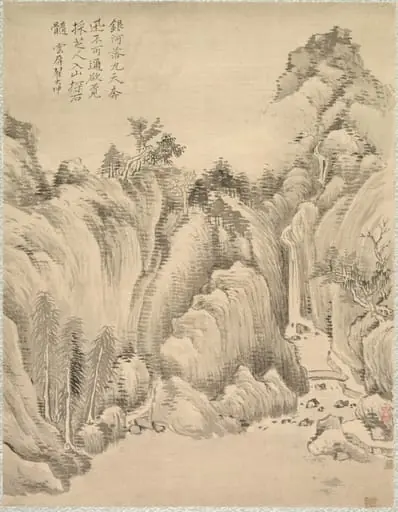 Waterfall and Rocks
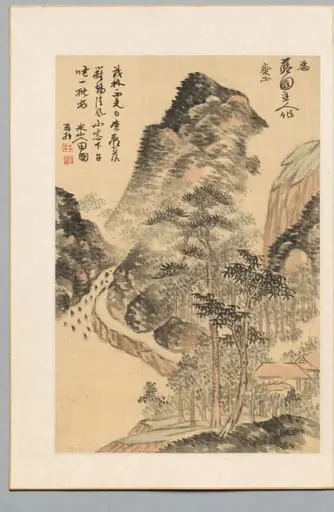
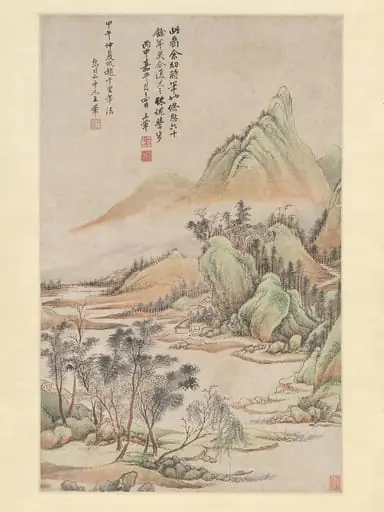 倣趙伯駒山水圖 軸|Landscape in the Style of Zhao Boju (Fang Zhao Boju shanshui)
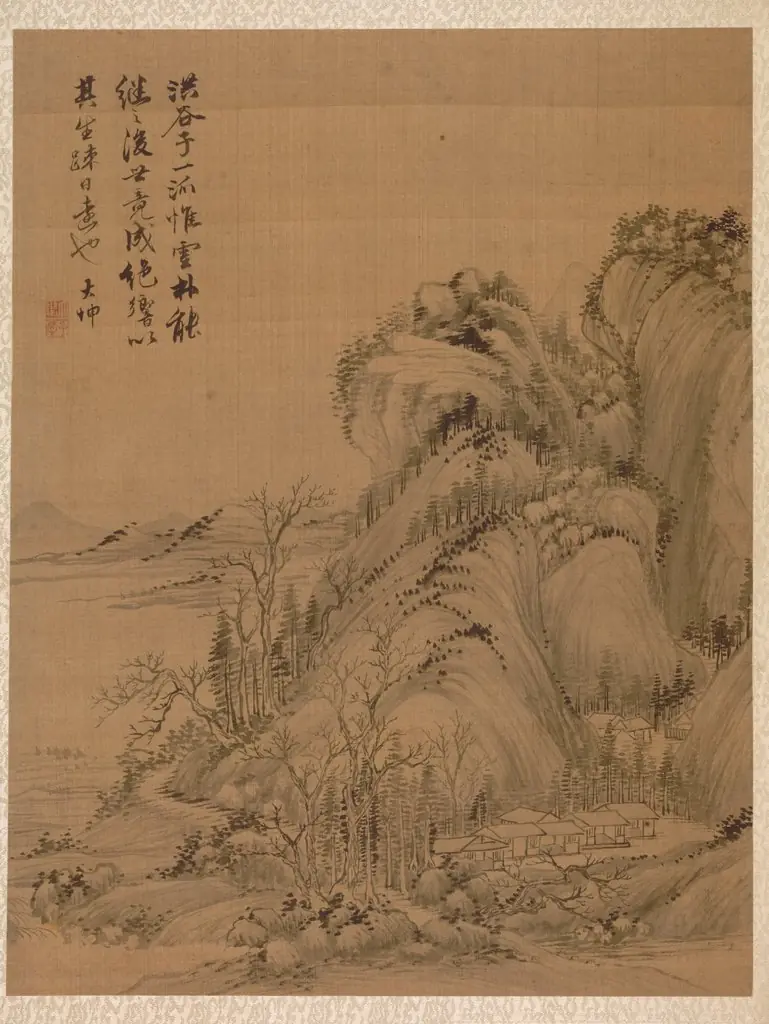 Landscape in the Style of Ching Hao
 Summer Landscape
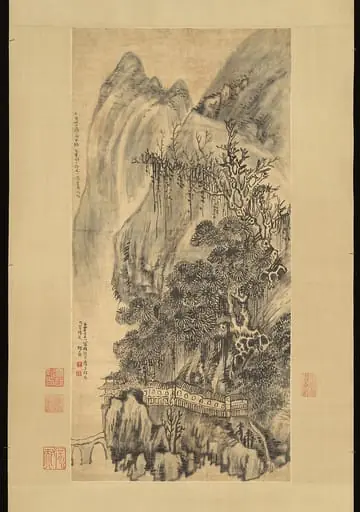 明/清 王鐸 山水圖 軸|Landscape
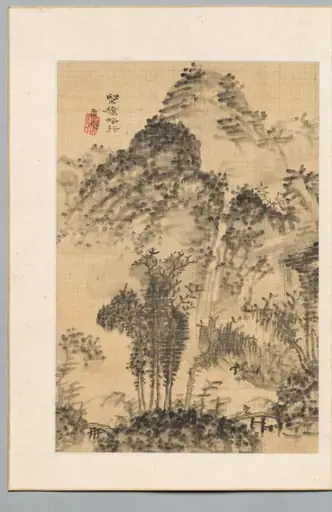 Wild Bridge, Poet's Walk
 Willow and Waterfall
 明 董其昌 秋山圖 軸|Autumn Mountains
- Untitled