Artwork
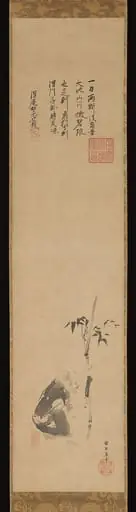
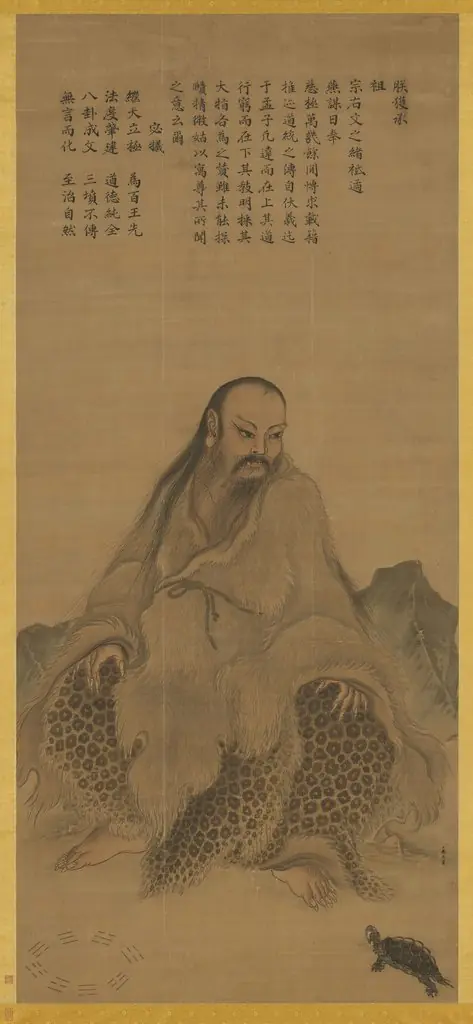
狩野探幽筆 神農・夏冬山水図|Portrait of Emperor Shennong
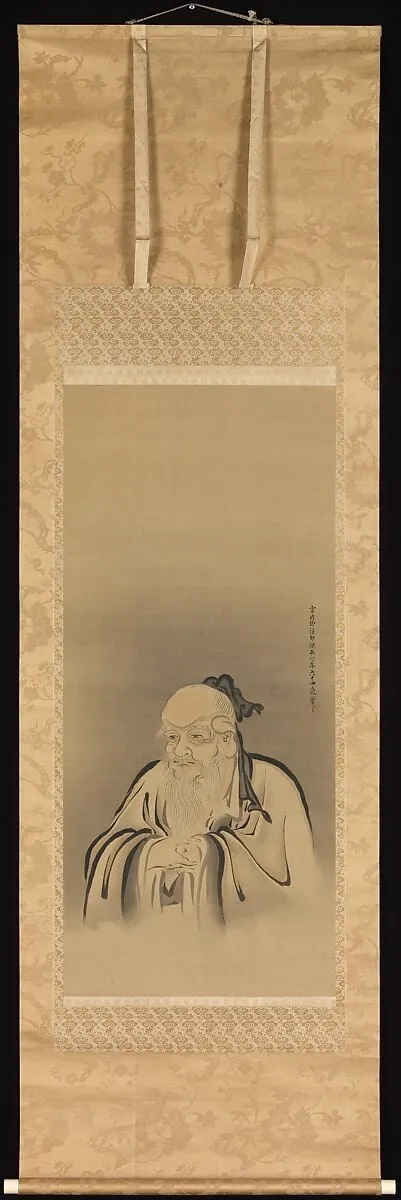
狩野探幽筆 神農・夏冬山水図|Portrait of Emperor Shennong is an ink painting by the Baroque artist Kano Tan'yū. It dates from 1665 and is held in the collection of the Metropolitan Museum of Art.
- Accession no.
- 14.76.27
- Credit line
- Charles Stewart Smith Collection, Gift of Mrs. Charles Stewart Smith, Charles Stewart Smith Jr., and Howard Caswell Smith, in memory of Charles Stewart Smith, 1914
About this work
Subject & Meaning
The painting serves as a representation of imperial authority and the enduring legacy of Shennong's mythological contributions to East Asian civilization.
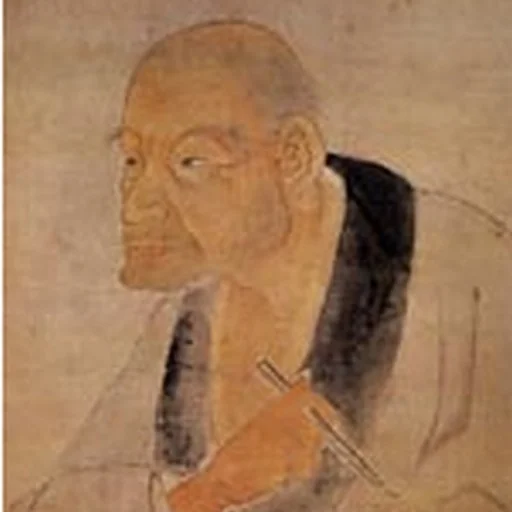
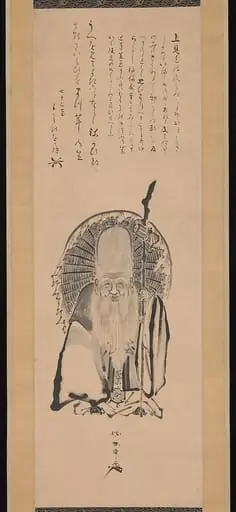
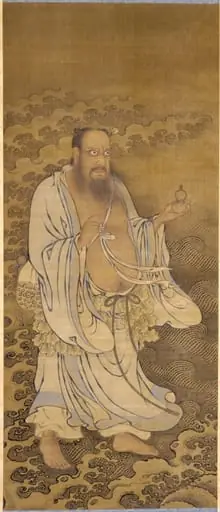
The work depicts Emperor Shennong, a legendary Chinese sovereign revered as the father of Chinese agriculture and medicine. As a formal portrait, the painting presents the emperor as a singular male figure, emphasizing his historical and cultural stature. Created by Kano Tan'yū in 1665, the piece functions within the tradition of honoring ancient sage-kings, whose wisdom and contributions to civilization were often invoked to legitimize contemporary rule or illustrate moral virtues.
While the specific iconographic details of the figure's attire or attributes are not described in the available records, the subject's identification as an emperor in a portrait genre underscores the work's role as a visual tribute to a foundational cultural hero. The painting serves as a representation of imperial authority and the enduring legacy of Shennong's mythological contributions to East Asian civilization.
Technique & Style
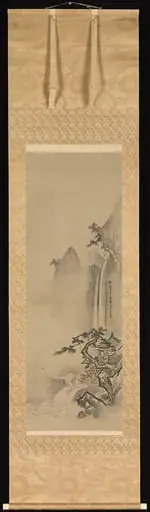
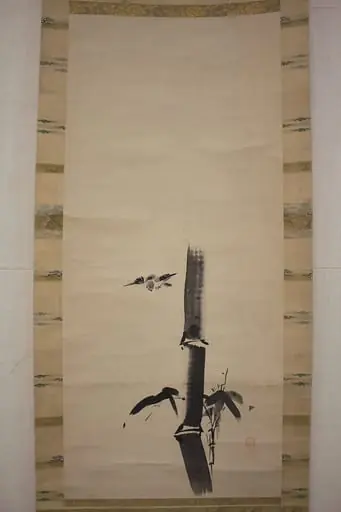
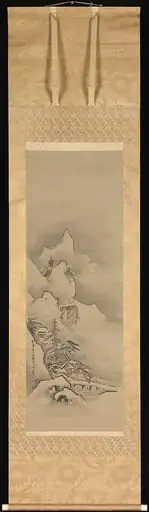
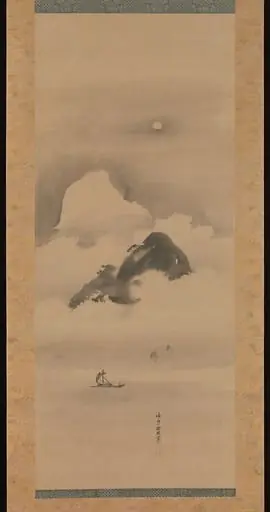
The work is executed as a hanging scroll, a format typical of Edo‑period Japanese painting, and is painted on silk using ink with subtle polychrome washes. Kanō Tan’yū employed a fine, controlled brush to render the emperor’s features and regal attire, while the background landscape combines summer and winter motifs in a stylized, almost decorative manner. The composition balances vertical emphasis with horizontal scroll space, creating a sense of depth through layered ink strokes and restrained color modulation.
The surface shows minimal handling marks, and the silk support remains intact, preserving the original vibrancy of the pigments. Stylistically, the piece reflects the Kanō school’s synthesis of Chinese subject matter with Japanese decorative sensibility.
History & Provenance
Created in 1665, the hanging scroll known as Portrait of Emperor Shennong was executed by the artist Kanō Tan'yū in Japan. The work is one of a set of three hanging scrolls, created using ink and color on silk. While the specific commission details or initial ownership chain are not detailed in the available records, the painting is currently held within the collection of the Metropolitan Museum of Art.
The piece depicts the historical figure Emperor Shennong and is classified as a portrait genre work. Its physical dimensions are recorded as 105.4 cm in height and 46.2 cm in width. The creation date is specifically cited as January 1, 1665, establishing its place within the mid-Edo period artistic output of the Kano school.
The work Portrait of Emperor Shennong by Kano Tan'yū is held in the collection of the Metropolitan Museum of Art. Created in 1665, this hanging scroll is part of a set of three depicting seasonal landscapes and imperial figures. The museum classifies the piece as a painting in the portrait genre, executed in ink and color on silk.
It measures 105.4 cm in height and 46.2 cm in width. The artwork was made in Japan and entered the museum's holdings as part of its Asian art collection. No specific accession number or detailed exhibition history is provided in the available records, though the work remains a documented part of the institution's permanent display of Edo-period Japanese art.
Legacy
The painting’s enduring reputation stems from its status as a representative example of Edo‑period portraiture and its inclusion in the Metropolitan Museum of Art, a venue that has facilitated scholarly discussion of Kano Tan’yū’s techniques and compositional choices. As part of a three‑scroll set created in 1665, the work exemplifies the integration of narrative detail with portraiture, influencing later artists who examined imperial subjects in similar formats. Its presence in a major Western collection has contributed to the broader appreciation of Japanese portraiture, cementing the legacy of the piece within art‑historical narratives.
Overview
Created in 1665, this hanging scroll by Kano Tan'yū depicts the legendary Chinese Emperor Shennong, a cultural hero credited with inventing agriculture and herbal medicine. The work is one of a set of three scrolls, executed in ink and color on silk. The composition centers on Shennong seated upon a rock, clad in a vibrant red robe that contrasts with the muted landscape.
He holds a plant, likely a medicinal herb, referencing his role as the father of traditional Chinese medicine. Behind the figure, mountains rise in soft gray ink washes, accompanied by sparse, bare trees and a cascading waterfall, establishing a serene, atmospheric setting typical of the Kano school's synthesis of Chinese literati styles with Japanese aesthetics. Painted late in Tan'yū's career, during the Edo period, this piece reflects his mastery in adapting historical Chinese subjects for Japanese patrons, specifically the Tokugawa shogunate.
The work exemplifies the artist's ability to balance formal portraiture with expressive landscape elements, maintaining the dignified presence of the subject while integrating the natural world as a symbolic extension of his legacy.
Context
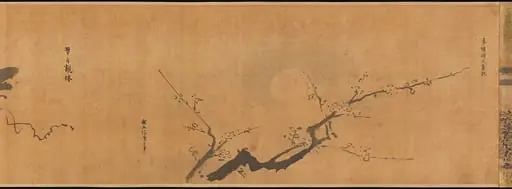
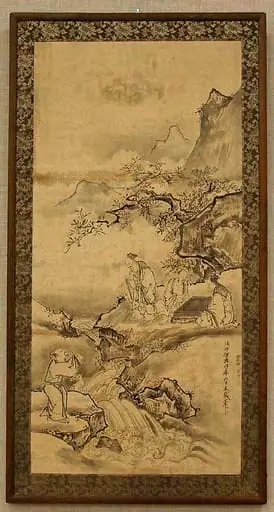
Kano Tan'yū, a prominent painter for Japan's shogunate, frequently drew inspiration from Chinese artistic traditions and historical figures. This portrait of Shennong reflects that influence. It is one of three scrolls, with each piece in the set intended to represent a different season, although this particular work subtly merges characteristics of both summer and winter landscapes.
Artist & collection