Artwork
十鷹書画冊|Album of Hawks and Calligraphy
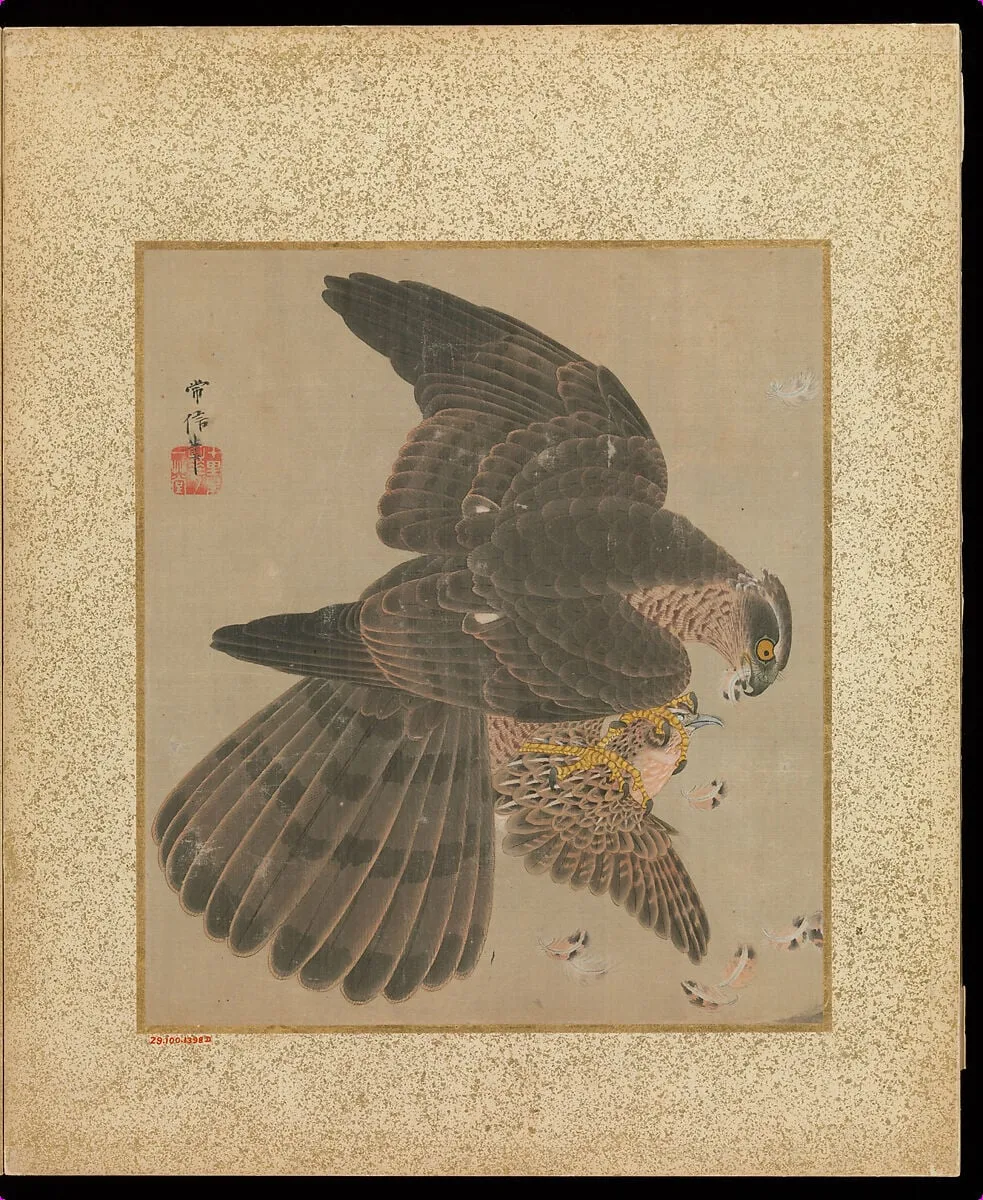
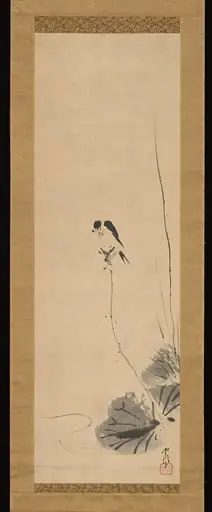
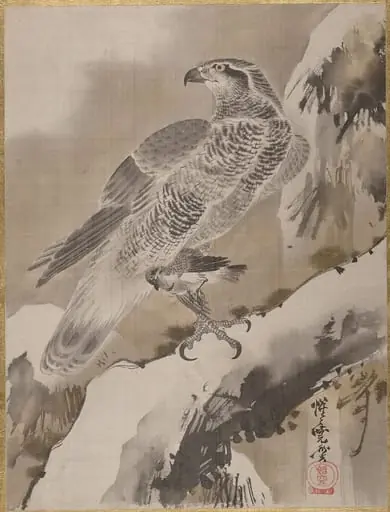
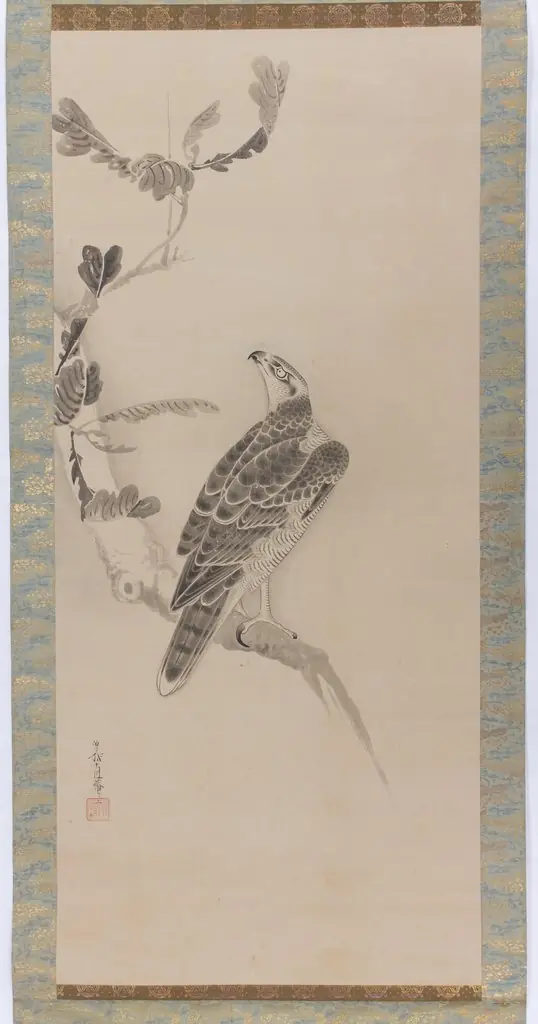
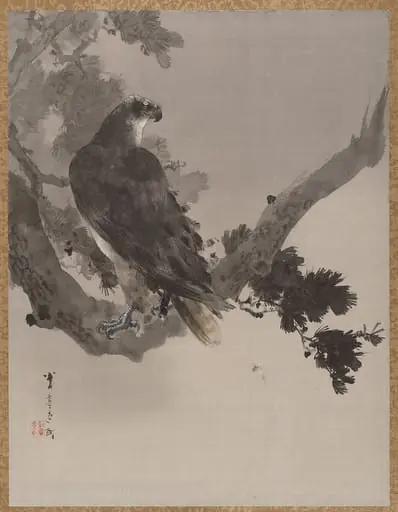
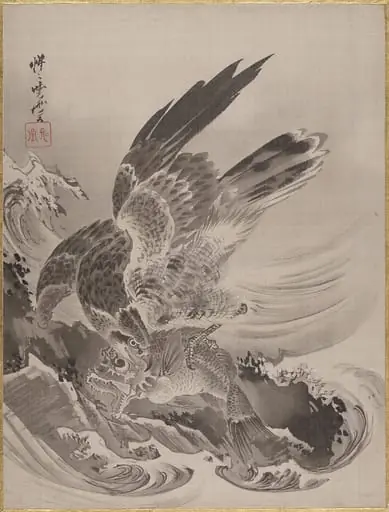
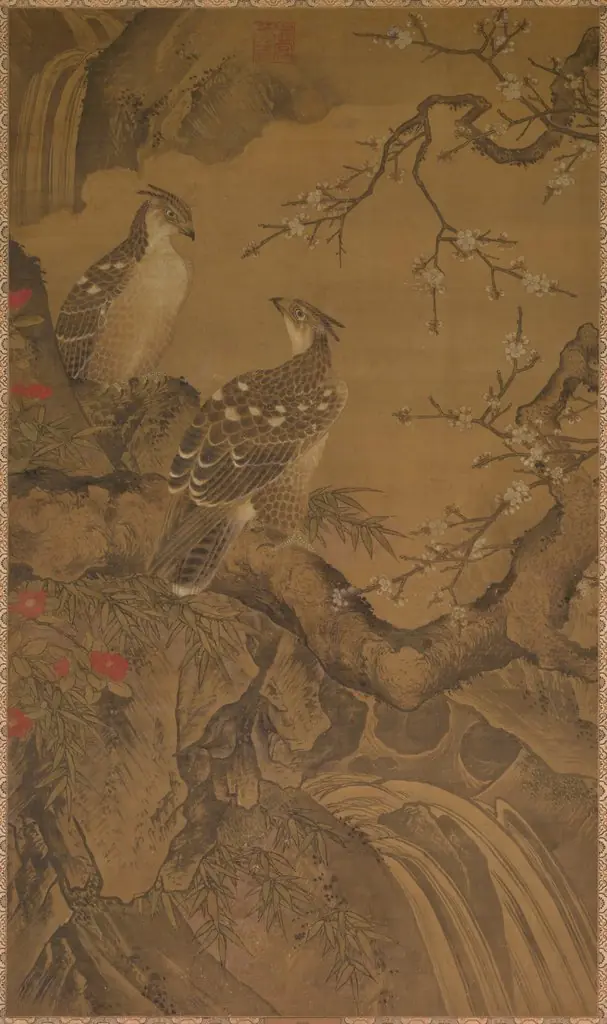
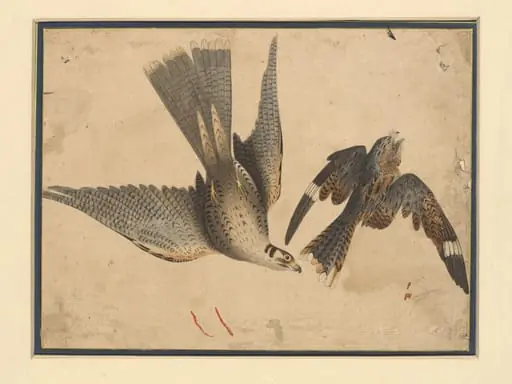
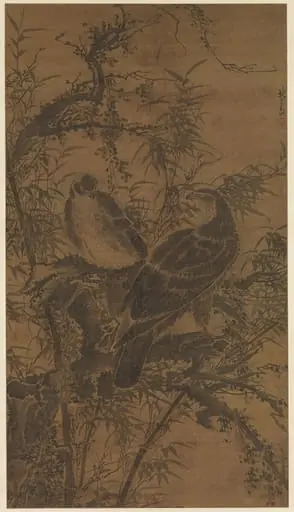
十鷹書画冊|Album of Hawks and Calligraphy is an ink painting by the Baroque artist Kano Tsunenobu. It dates from 1674 and is held in the collection of the Metropolitan Museum of Art.
About this work
Subject & Meaning
The album titled Album of Hawks and Calligraphy was produced by Kano Tsunenobu in 1674 as a ten‑painting silk album using ink and color.
The album titled Album of Hawks and Calligraphy was produced by Kano Tsunenobu in 1674 as a ten‑painting silk album using ink and color. Its primary subject is a hawk, which the sources identify as the depicted bird. The work was made in Japan and forms part of a series of still‑life paintings. By focusing on the hawk, the piece engages with contemporary Japanese visual traditions that emphasized natural subjects.
Technique & Style
The Album of Hawks and Calligraphy is an ink-and-color painting on silk, presented as a ten‑leaf album. Each leaf functions as a separate support, typical of Japanese handscroll format, and the work belongs to the still‑life genre while depicting a hawk. Executed by Kano Tsunenobu in 1674, the pieces were created in Japan and later entered the collection of the Metropolitan Museum of Art.
The medium combines ink with polychrome pigments applied to silk, producing a vivid, linear rendering characteristic of the Kanō school’s decorative style. The sources do not record specific handling practices or current condition.
History & Provenance
The Album of Hawks and Calligraphy was created in 1674 by the Japanese artist Kano Tsunenobu. This work, consisting of ten paintings executed in ink and color on silk, depicts hawks and was produced in Japan during the Edo period. The album is currently held in the collection of the Metropolitan Museum of Art.
Overview
Created in 1674 by Kano Tsunenobu, the Album of Hawks and Calligraphy consists of ten silk pages executed in ink and color. The work depicts hawks perched on pine branches, rendered with swift, decisive brushstrokes that emphasize the birds' sharp gaze and dynamic posture. Tsunenobu, a leading figure of the Kano school, synthesizes Chinese ink painting traditions with Japanese aesthetic sensibilities, a hallmark of his career serving the Tokugawa shogunate.
The composition balances the naturalistic depiction of the raptors with the calligraphic elements, reflecting the school's emphasis on both technical mastery and scholarly refinement. This album exemplifies the Kano workshop's ability to adapt continental models to local patronage, producing works that convey authority and vitality. The date 1674 places the album in the mid-Edo period, a time when the Kano school maintained its status as the official painting academy.
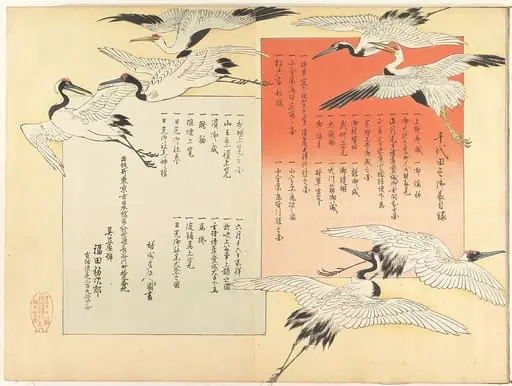
The integration of calligraphy with imagery underscores the literati influence prevalent in Japanese art of the era, while the specific focus on hawks aligns with themes of power and vigilance valued by the military elite.
Context
In the broader landscape of Japanese bird painting, hawks were a popular motif symbolizing martial virtue. The Album of Hawks and Calligraphy situates itself within this tradition, yet distinguishes itself through the integration of calligraphic text and the refined, courtly style characteristic of Kano workshop output.
Artist & collection