Artwork
Painting and Calligraphy Gathering at the Nakamurarō in Ryōgoku 両国中村楼書画会之図 (Ryōgoku Nakamurarō shogakai no zu)
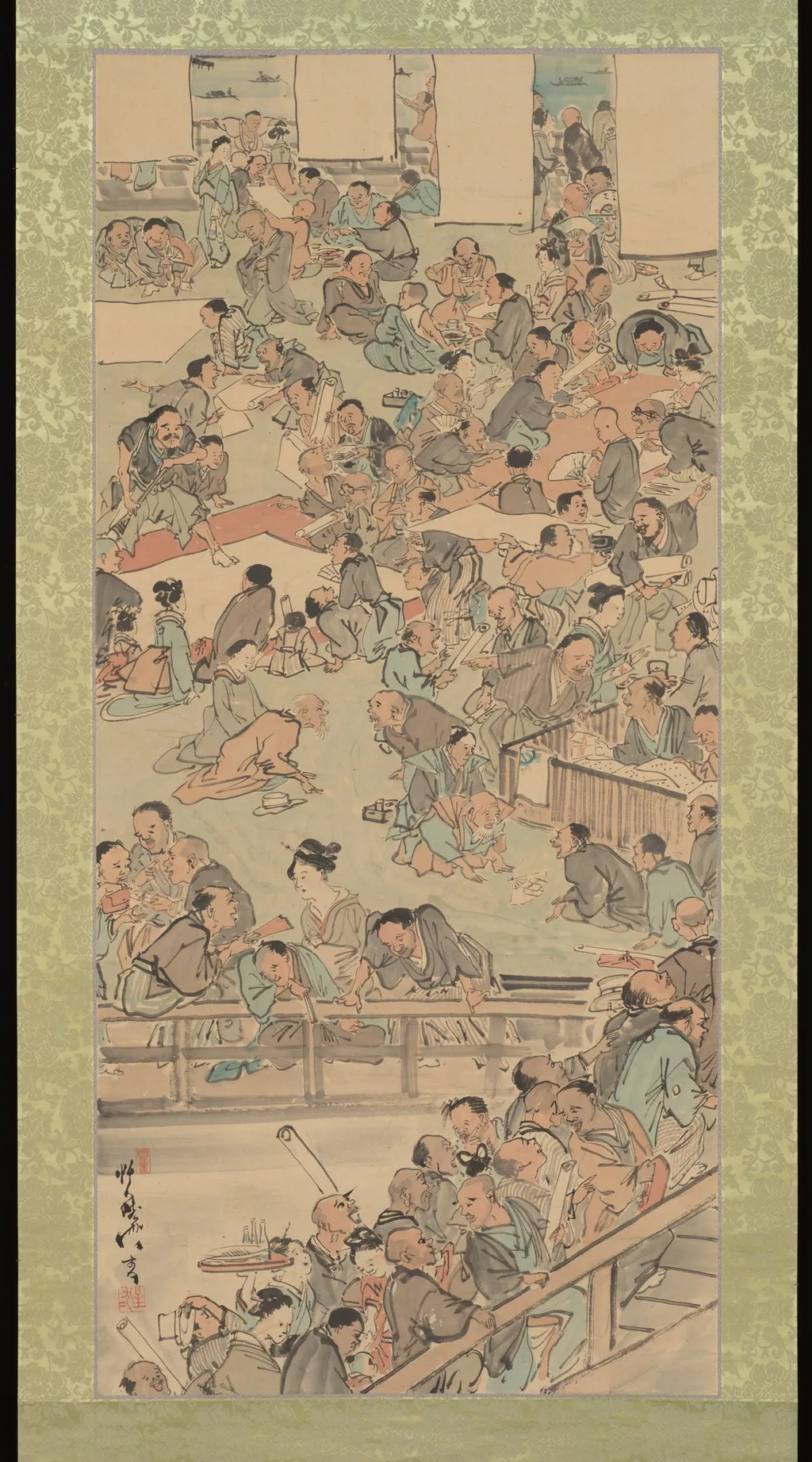
Painting and Calligraphy Gathering at the Nakamurarō in Ryōgoku 両国中村楼書画会之図 (Ryōgoku Nakamurarō shogakai no zu) is an unspecified painting by the Japonisme artist Kawanabe Kyōsai 河鍋暁斎. It dates from 1888 and is held in the collection of the Metropolitan Museum of Art.
About this work
The painting is titled "Painting and Calligraphy Gathering at the Nakamurarō in Ryōgoku".
This work is interesting because it was created in 1876, a time of cultural change. The title suggests a gathering of artists, which might be a unique event.
You can learn more about this type of art by looking up the museum where it's held, The Metropolitan Museum of Art.
Overview
Created in 1876 by Kawanabe Kyōsai, this ink-and-color painting documents a spontaneous gathering of artists at the Nakamurarō teahouse in Ryōgoku, Edo.
Created in 1876 by Kawanabe Kyōsai, this ink-and-color painting documents a spontaneous gathering of artists at the Nakamurarō teahouse in Ryōgoku, Edo. Unlike formal court commissions, the scene captures an informal, lively assembly where painters and calligraphers exchanged ideas and works. Kyōsai’s depiction blends observation with wit, reflecting the shifting cultural landscape of late Edo-period Japan as traditional practices met new social freedoms.
Subject & Meaning
The painting portrays a circle of artists at work, some inscribing characters, others sketching figures, surrounded by onlookers and scattered tools. The setting, a popular riverside teahouse, was a hub for literary and artistic circles. Rather than idealizing the scene, Kyōsai emphasizes the human energy of collaboration, suggesting that creativity thrived in informal spaces as much as in official academies. The gathering symbolizes a moment of artistic autonomy during Japan’s transition from feudal isolation to modernization.
Technique & Style
Kyōsai employed fluid ink washes, bold brushwork, and restrained color to convey movement and personality. Figures are rendered with expressive, almost caricatured gestures, a hallmark of his style. The composition avoids symmetry, instead arranging participants in a dynamic, asymmetrical cluster that draws the eye across the scene.
Background elements like screens and scrolls are suggested rather than detailed, focusing attention on the interactions between individuals and their creative acts.
History & Provenance
The painting was completed during the early Meiji era, a period of rapid Westernization and cultural redefinition. It remained in private Japanese collections until acquired by The Metropolitan Museum of Art in the 20th century. Its survival reflects its value as a record of non-elite artistic life, contrasting with the more formal works favored by imperial patrons. The museum’s acquisition helped introduce Western audiences to the vibrancy of everyday Japanese artistic culture.
Context
In the 1870s, Japan was dismantling its feudal structures and opening to global influence. Traditional arts like calligraphy and ink painting persisted but were increasingly practiced outside official institutions. Teahouses like Nakamurarō became centers for intellectual exchange among artists, writers, and merchants.
Kyōsai’s work captures this grassroots cultural resilience, documenting how artistic traditions adapted amid political upheaval and foreign influence.
Legacy
The painting stands as a rare visual record of artist communities in transition. Kyōsai’s unidealized portrayal influenced later generations of Japanese illustrators and cartoonists who valued candid observation over formalism. In the West, it contributed to broader appreciation of Japanese art beyond ukiyo-e prints, highlighting the diversity of Japan’s visual culture. Today, it remains a key reference for understanding how art functioned in daily life during Japan’s modernization.
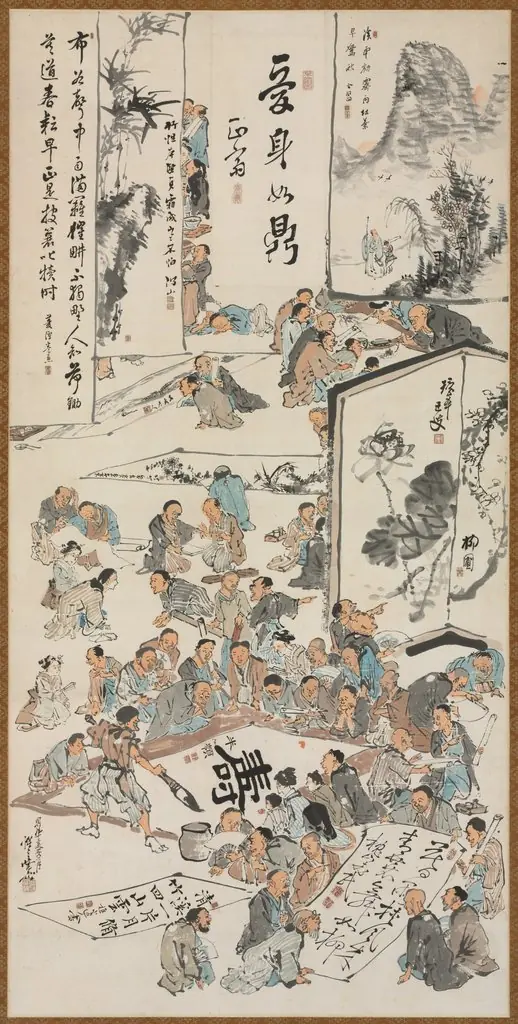
Artist & collection
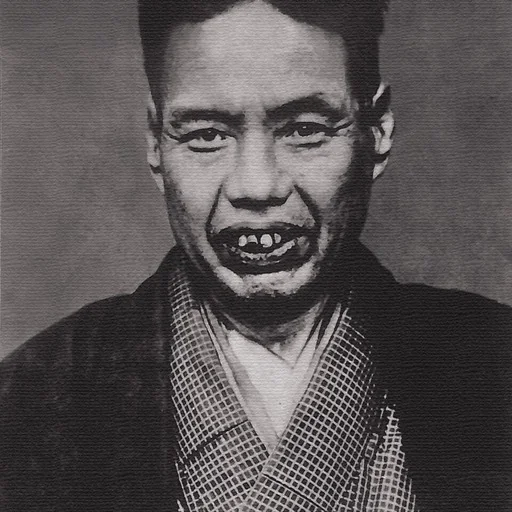
Artist
Kawanabe Kyōsai (河鍋 暁斎; May 18, 1831 – April 26, 1889) was a Japanese painter and caricaturist. In the words of art historian Timothy Clark, "an individualist and an independent, perhaps the last virtuoso in traditional Japanese painting".

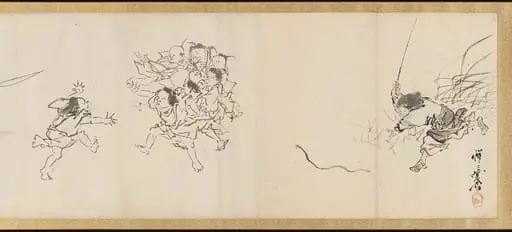
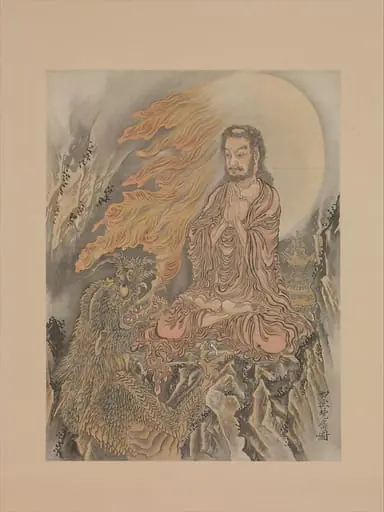
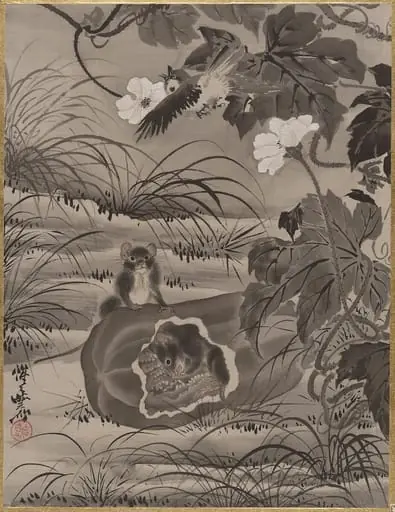
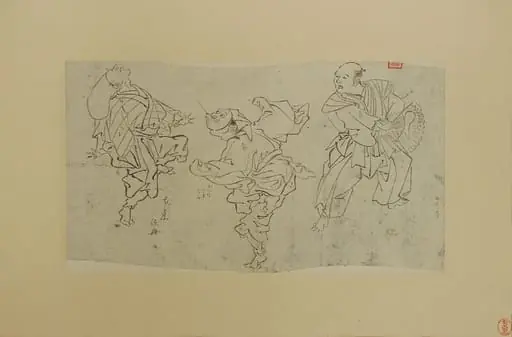
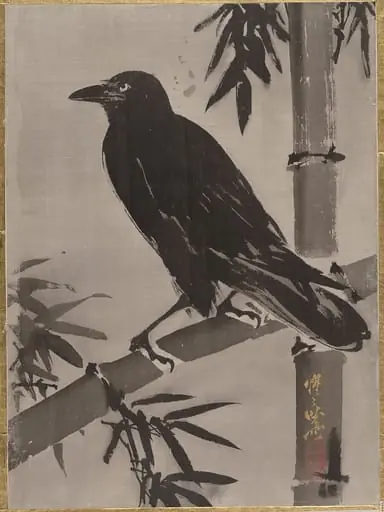
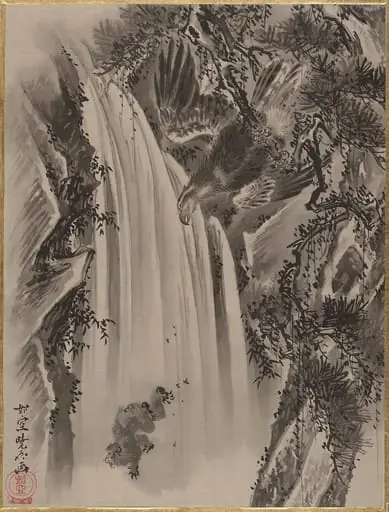
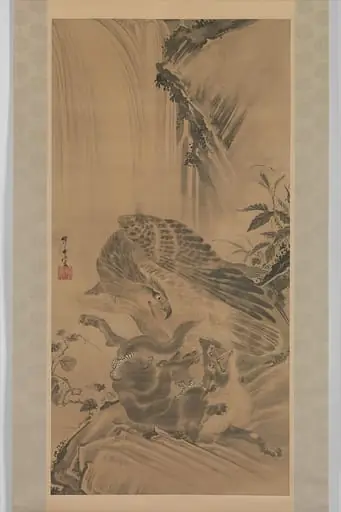
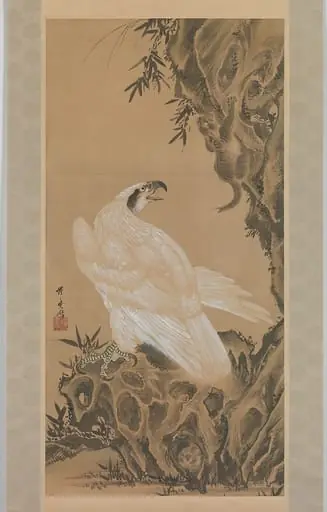
- Painting Party
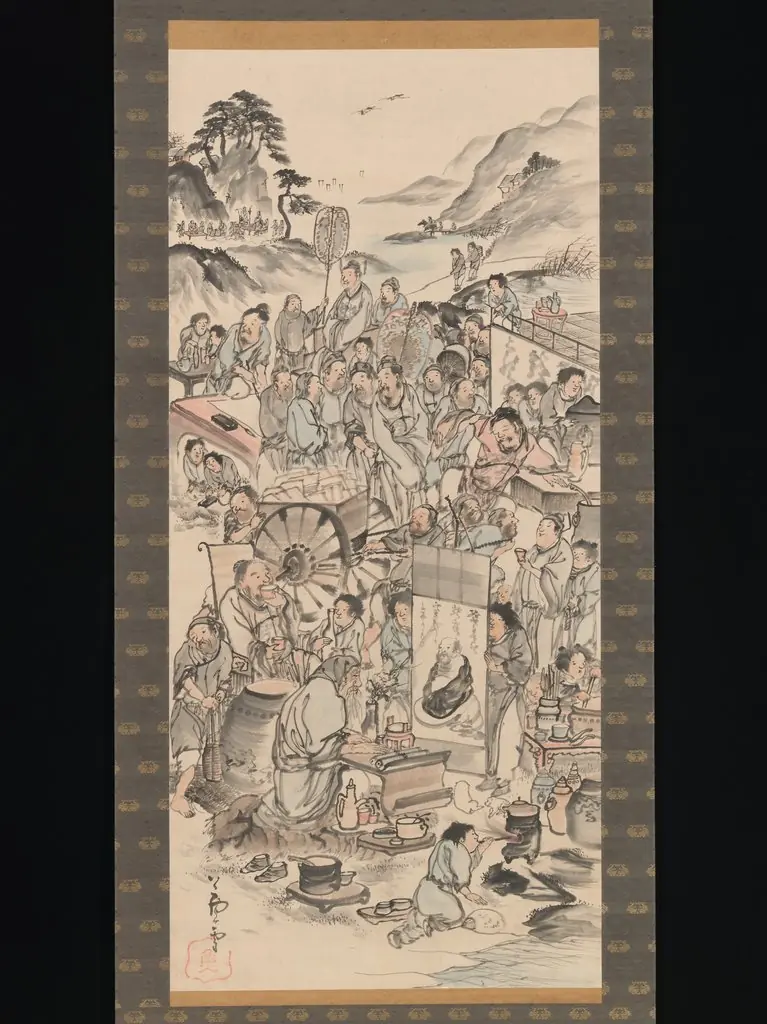 Drinking Festival of the Eight Immortals of the Wine Cup
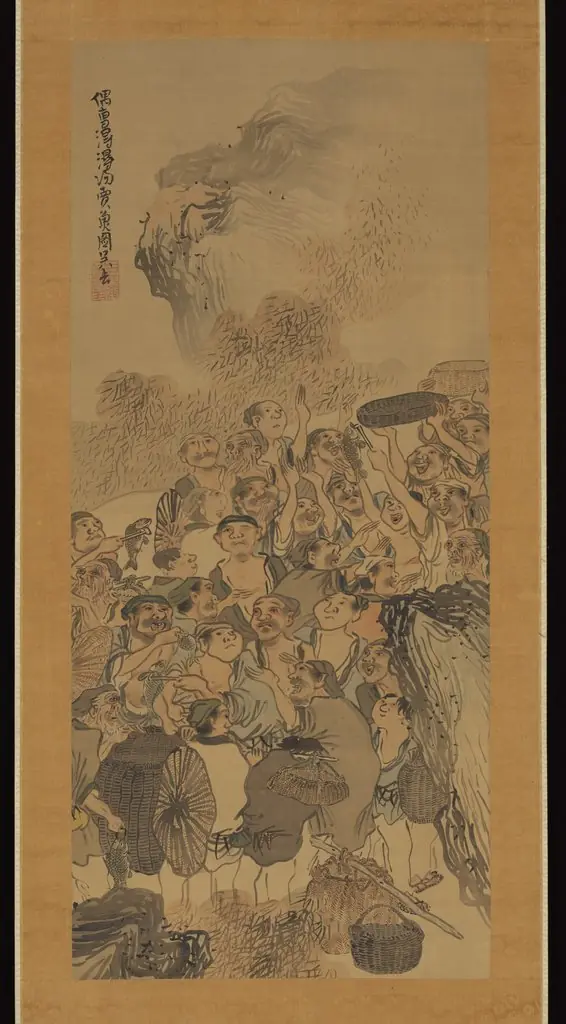 Fish Market
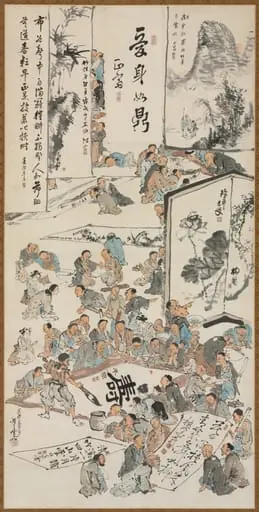 Painting Party
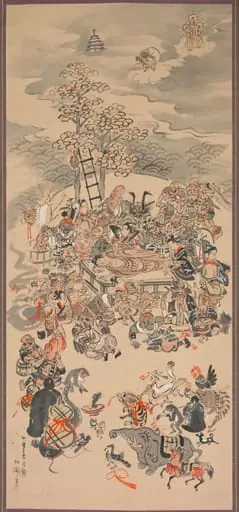 Ōtsu-e Nirvana of the Buddha (Ōtsu-e Butsu Nehanzu)
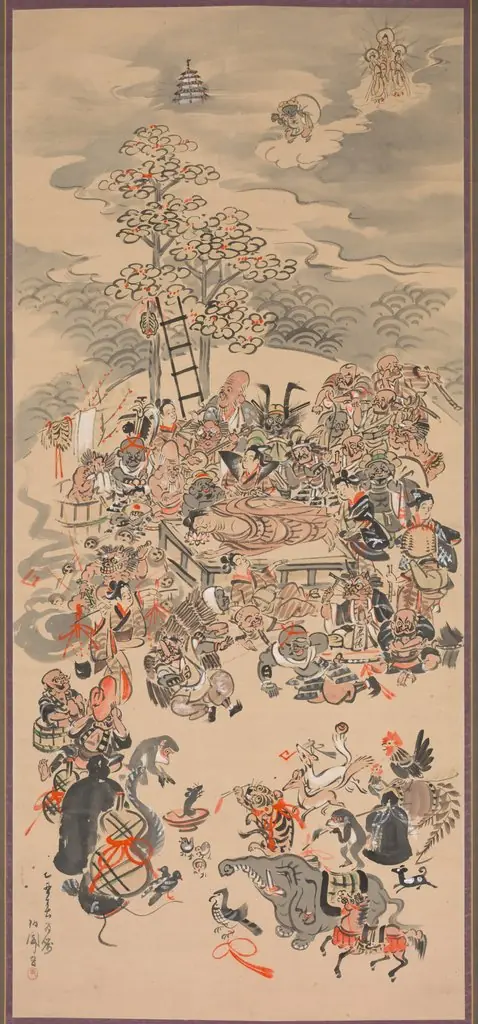 Ōtsu-e Nirvana of the Buddha (Ōtsu-e Butsu Nehanzu)
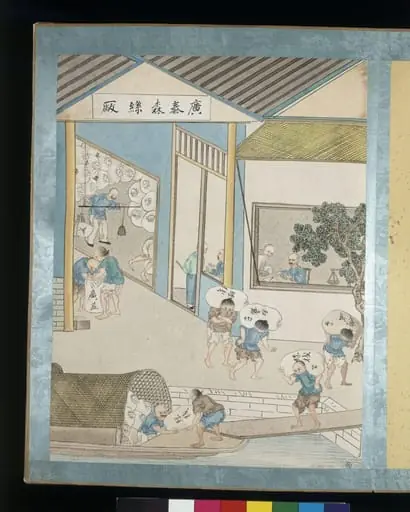 Weighing and Loading on to Boat
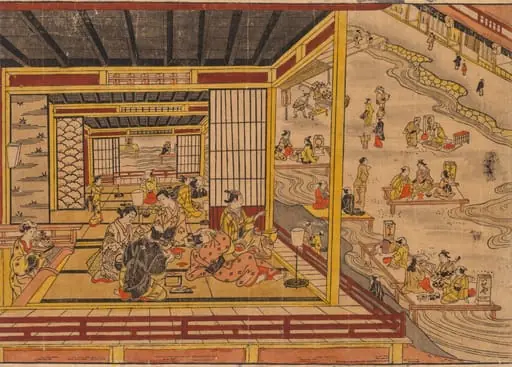 Tea House Beside the Kamo River in Kyoto
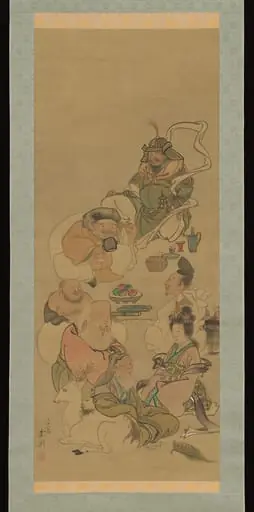 長澤蘆洲筆 七福神図|Seven Gods of Good Fortune
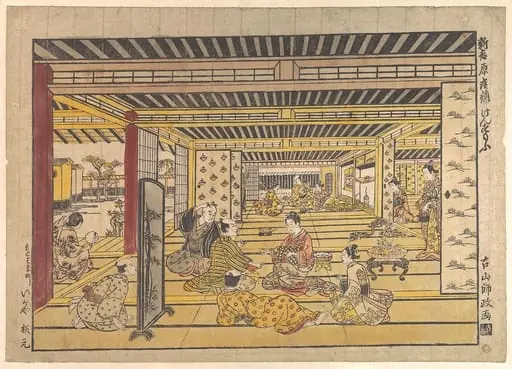 Untitled
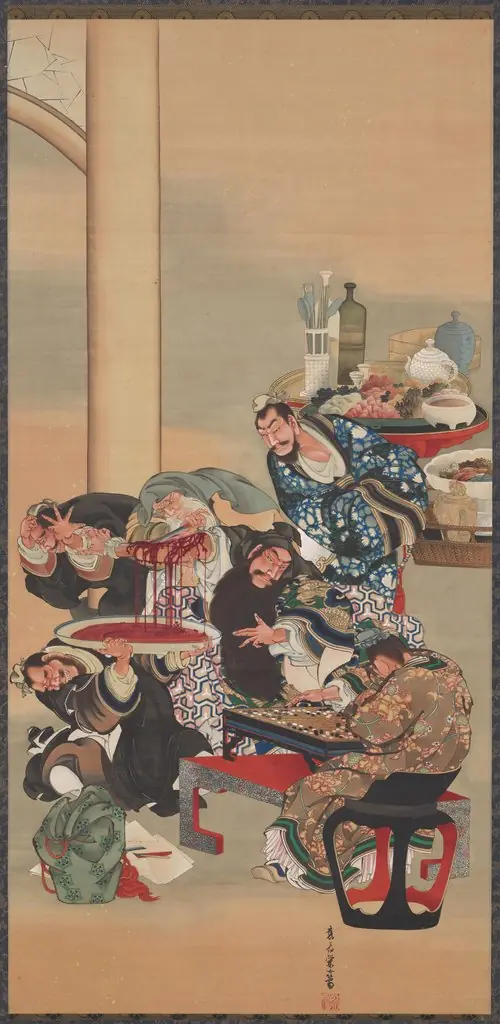 Operating on Guan Yu's Arm
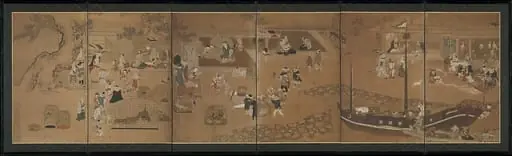 異国人交易図屏風|Foreign Merchants in Japanese Trade Port