Artwork
Untitled
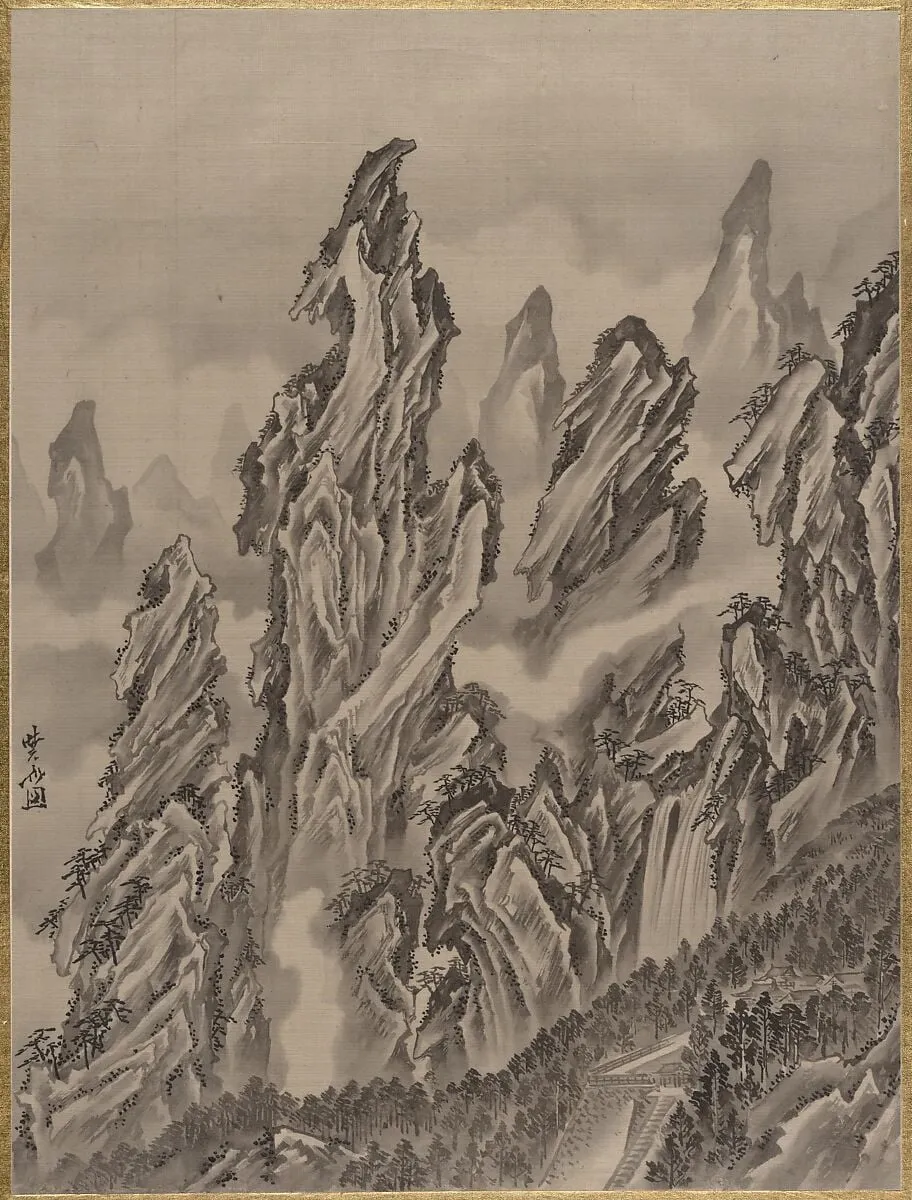
Untitled is an ink painting by the Impressionist artist Kawanabe Kyōsai 河鍋暁斎. It dates from 1887 and is held in the collection of the Metropolitan Museum of Art.
About this work
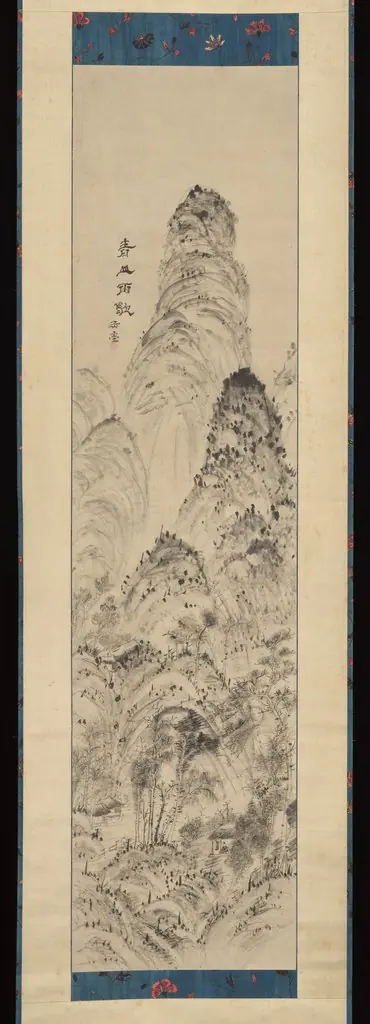
A jagged mountain rises from a sea of ink, its slopes dotted with tiny trees and a single temple.
A jagged mountain rises from a sea of ink, its slopes dotted with tiny trees and a single temple. The sky is empty except for a few quick brushstrokes of pale blue.
Kyōsai painted this in about 1887, when Japan was opening to the West. He mixed old Japanese ink techniques with new ideas from European prints, look how the mountain’s dark side is built with tiny crisscrossed lines instead of smooth washes.
To see how other artists used those same crisscrossed lines, look up cross-hatching.
Subject & Meaning
Created in 1887 by Kawanabe Kyōsai, this album leaf presents a landscape composition centered on a mountain. Executed in ink and color on silk, the work functions primarily as a depiction of the natural world rather than a complex narrative scene. The available records identify the subject strictly as a mountain, situating the piece within the landscape painting genre.
No specific symbolic programs, allegorical figures, or deeper representational meanings beyond the direct observation of the terrain are documented in the provided sources. The artwork's significance in this context rests on its classification as a focused study of a geological form, rendered through traditional Japanese materials and techniques characteristic of the late nineteenth century.
Technique & Style
Created in 1887, this work by Kawanabe Kyōsai is an album leaf executed in ink and color on a silk support. Classified as a landscape painting, the piece depicts a mountain scene rendered through the artist's characteristic handling of traditional East Asian materials. The physical dimensions of the artwork measure 36.2 cm in height and 27.3 cm in width.
As a silk-mounted album leaf, the medium allows for the fluid application of ink and pigment typical of the genre. The work is currently held in the collection of the Metropolitan Museum of Art in New York, originating from Japan. The stylistic approach aligns with the landscape genre, utilizing the absorbent qualities of silk to define the mountainous forms within the compact format of an album leaf.
History & Provenance
The painting entered the Metropolitan Museum of Art in New York as part of the Rogers Fund in 1914, accession number 14.76.61.12. Its creation date is recorded as 1887, aligning with Kyōsai’s late period. The work is an album leaf, executed in ink and color on silk, depicting a mountainous landscape.
As a Japanese painting from the Meiji era, it reflects the artist’s mature style and the cultural exchanges of late nineteenth-century Japan.
This 1887 album leaf by Kawanabe Kyōsai is held in the collection of the Metropolitan Museum of Art, where it is identified by the accession number MET 14.76.61.12. The work, executed in ink and color on silk, was made in Japan and is classified within the museum's paintings holdings as a landscape. No exhibition history is recorded in the available sources.
Overview
Kawanabe Kyōsai's Untitled is an album leaf crafted in ink and color on silk, dating to approximately 1887. This work presents a mountain landscape, reflecting the artist's distinctive approach within the nihonga style. Kyōsai, recognized for his command of traditional Japanese painting, created this piece during a significant era of cultural transition in Japan.
Context
Created around 1887, this piece reflects the dynamic cultural environment of late 19th-century Japan, a period marked by increasing engagement with Western influences. Kawanabe Kyōsai is often recognized as a pivotal figure, bridging traditional Japanese artistic practices with emerging ideas, earning him the reputation as one of the last great practitioners of traditional painting during this transformative era.
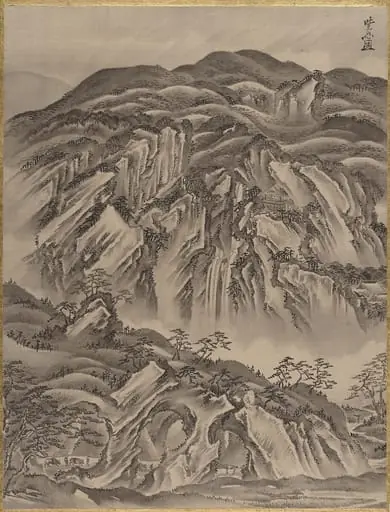
Artist & collection
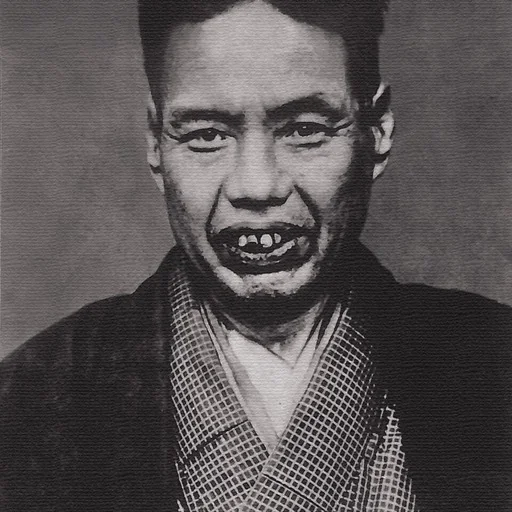
Artist
Kawanabe Kyōsai (河鍋 暁斎; May 18, 1831 – April 26, 1889) was a Japanese painter and caricaturist. In the words of art historian Timothy Clark, "an individualist and an independent, perhaps the last virtuoso in traditional Japanese painting".

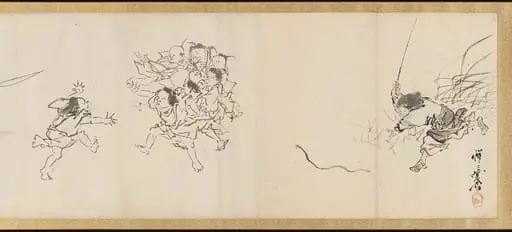
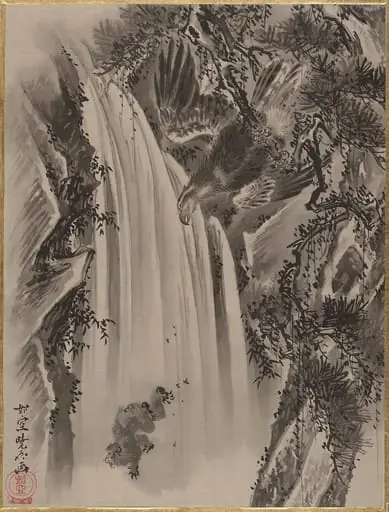
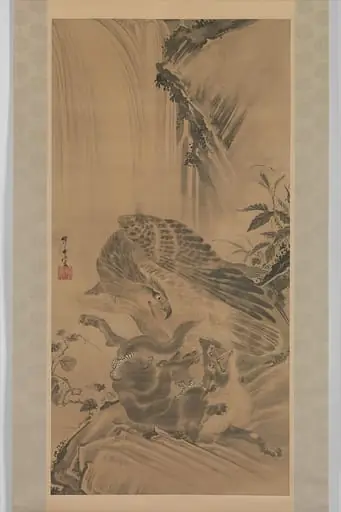
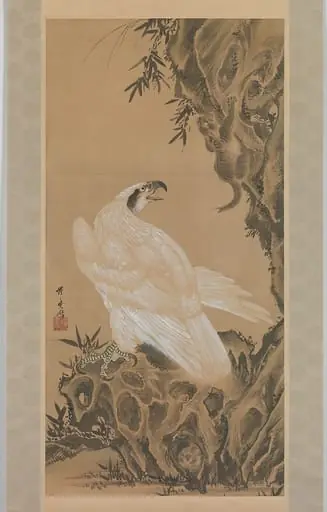
- Untitled
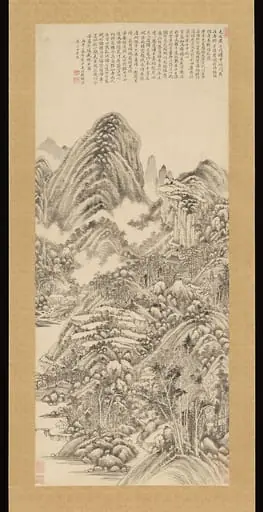 清 王時敏 仿黃公望山水圖 軸 絹本|Landscape in the style of Huang Gongwang
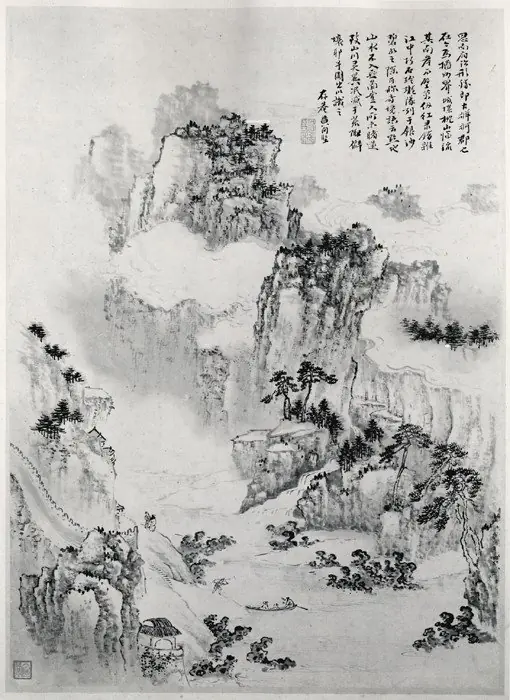 清 倣黃向堅 尋親紀行圖 冊|A Journey in Search of the Artist's Parents
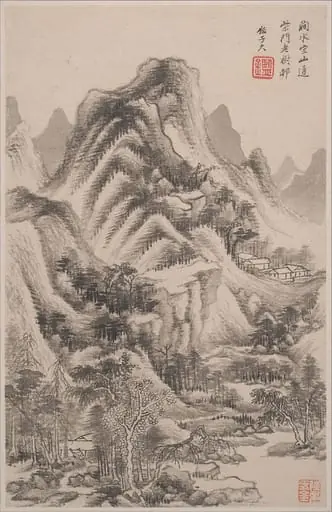 清 王鑑 仿古山水圖 冊 紙本|Landscapes in the styles of old masters
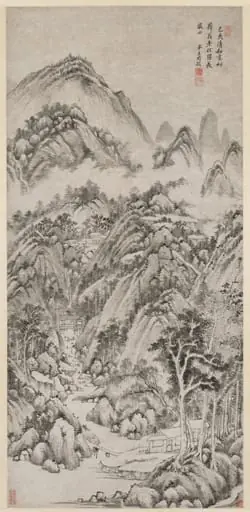 Mountain Village Embraced by the Summer
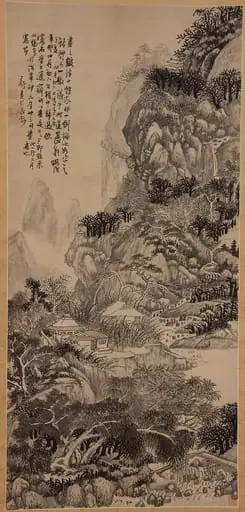 明/清 王鐸 山水圖 軸|Mountain Landscape
 Green Mountains as the Rain Ceases
 Folded Hills and Layered Peaks
 Untitled
 清 王原祁 倣吳鎮山水圖 軸|Landscape after Wu Zhen
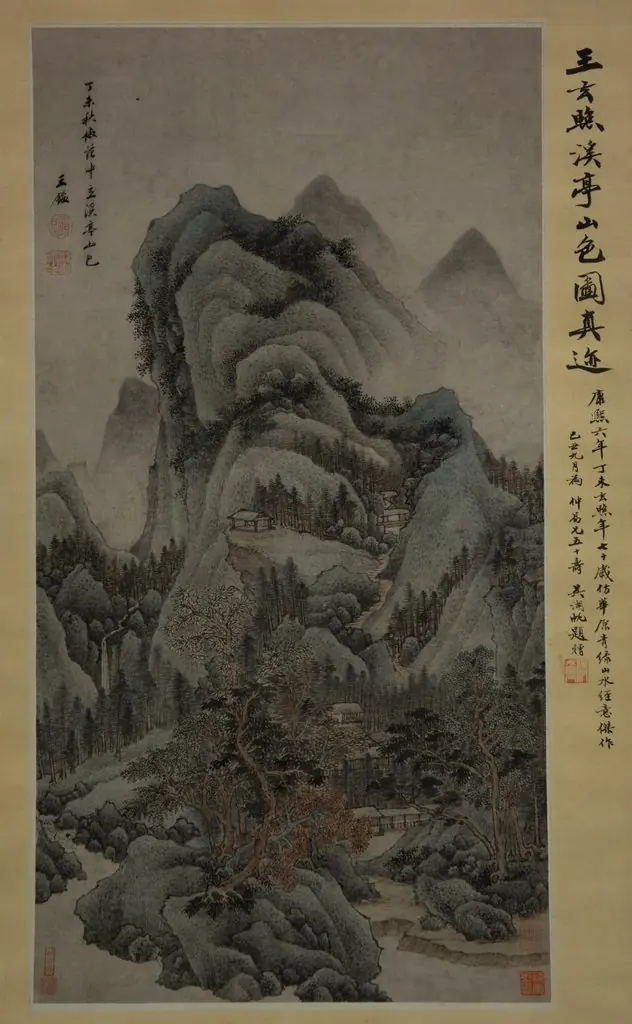 Mountain Scenery with Streams and Pavilions in the Style of Fan Kuan
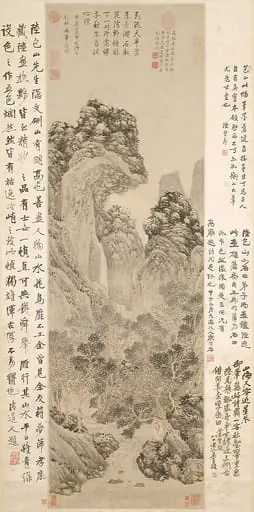 明 陸治 枚乘獨坐圖 軸|Mei Cheng Sitting Alone