Artwork
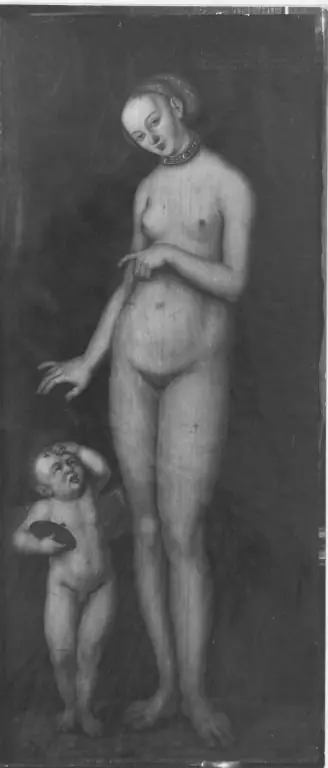
Venus with amor the honey thief
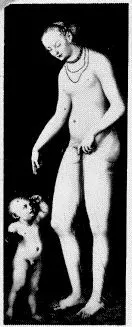
Venus with amor the honey thief is an oil painting by the Northern Renaissance artist Lucas Cranach the Elder. It dates from 1522 and is held in the collection of the Kröller-Müller Museum.
About this work
Overview
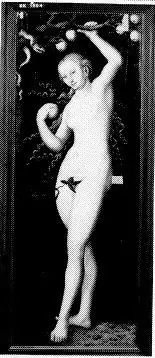
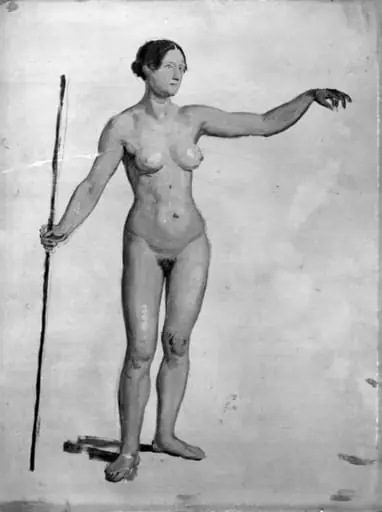
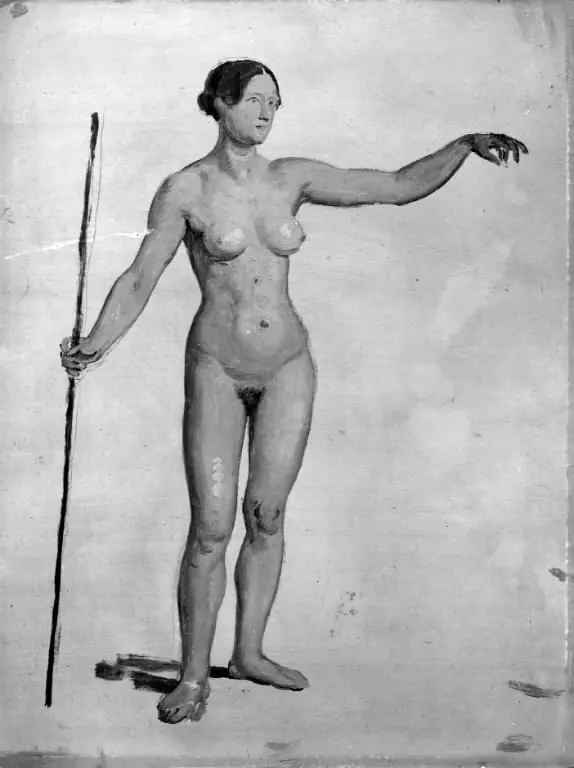
Venus is depicted nude, her body elongated and stylized with a high waist and narrow shoulders, characteristic of the artist's specific aesthetic.
Painted in 1522, Venus with Amor the Honey Thief is a mythological oil painting by Lucas Cranach the Elder. The composition features the goddess Venus standing in a contrapposto pose against a stark, dark background, a signature element of Cranach's mature style that isolates the figures and emphasizes their pale, porcelain-like skin. Venus is depicted nude, her body elongated and stylized with a high waist and narrow shoulders, characteristic of the artist's specific aesthetic.
Beside her, the infant Cupid attempts to steal honey from a beehive suspended from a tree branch. As he reaches for the comb, bees sting him, causing him to cry out in pain. Venus reacts with a mixture of amusement and indifference, pointing toward the source of his distress.
This work illustrates the fable of Cupid being stung while stealing honey, serving as an allegory for the painful nature of love. The painting exemplifies Cranach's ability to blend Northern Renaissance detail with Italianate classical themes, creating a distinct visual language that defined the German Renaissance. The piece remains a prominent example of his mythological output from the early 16th century.
Subject & Meaning
In the composition, a nude Venus stands in a classical contrapposto pose, her weight resting on the right leg. Adjacent to her, a diminutive Cupid is caught in the act of pilfering honey from a beehive, a motif that alludes to the interplay of love, desire, and the fleeting sweetness of pleasure.
Technique & Style
Cranach employs oil on panel to achieve a rich tonal range, using chiaroscuro to model the figures against a dark backdrop. The contrast of light and shadow gives the bodies a three‑dimensional presence, while the delicate rendering of flesh and the fine detailing of the beehive demonstrate the artist’s skillful handling of paint.
History & Provenance
Created in the early 16th century, the painting has remained in private and institutional hands before entering the Kröller‑Müller Museum’s holdings. Its provenance reflects the typical trajectory of Northern Renaissance works, moving from court collections to public museums during the 19th and 20th centuries.
Artist & collection
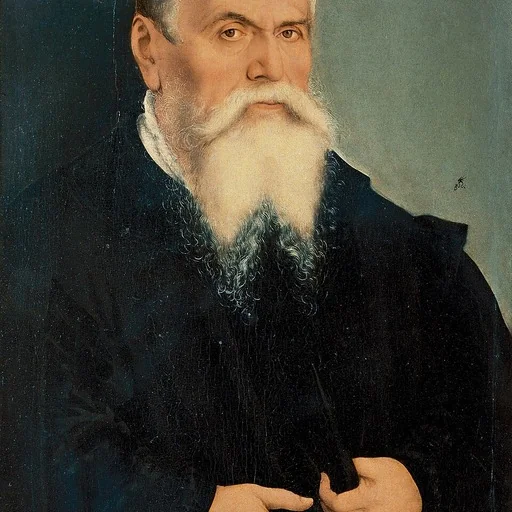
Artist
Lucas Cranach the Elder was a German Renaissance painter and printmaker in woodcut and engraving.