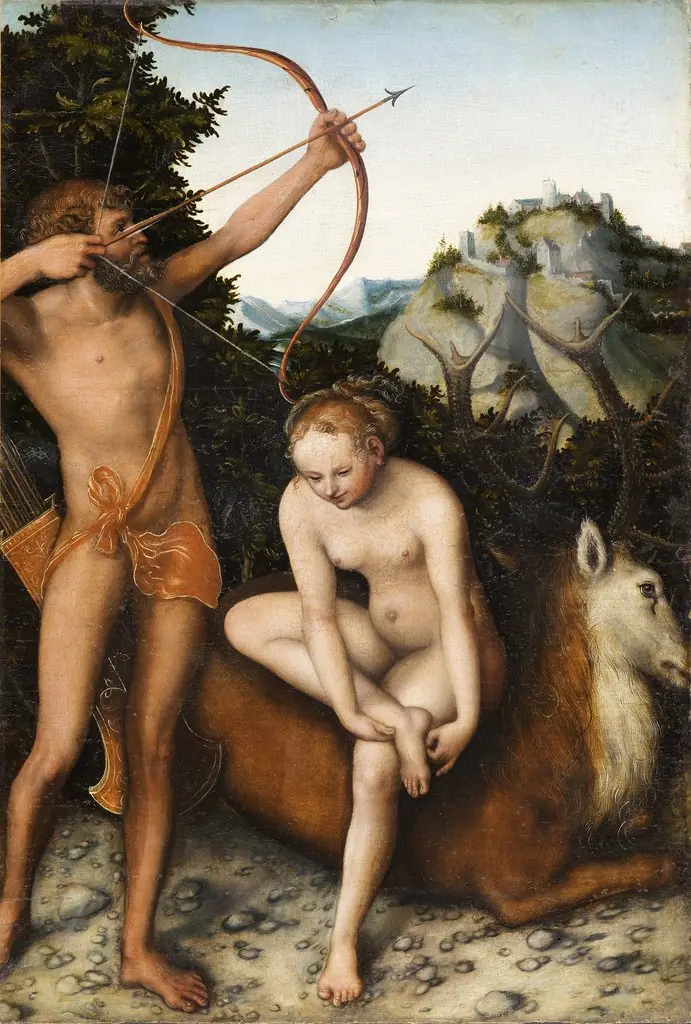
Artwork
Venus with Cupid Stealing Honey
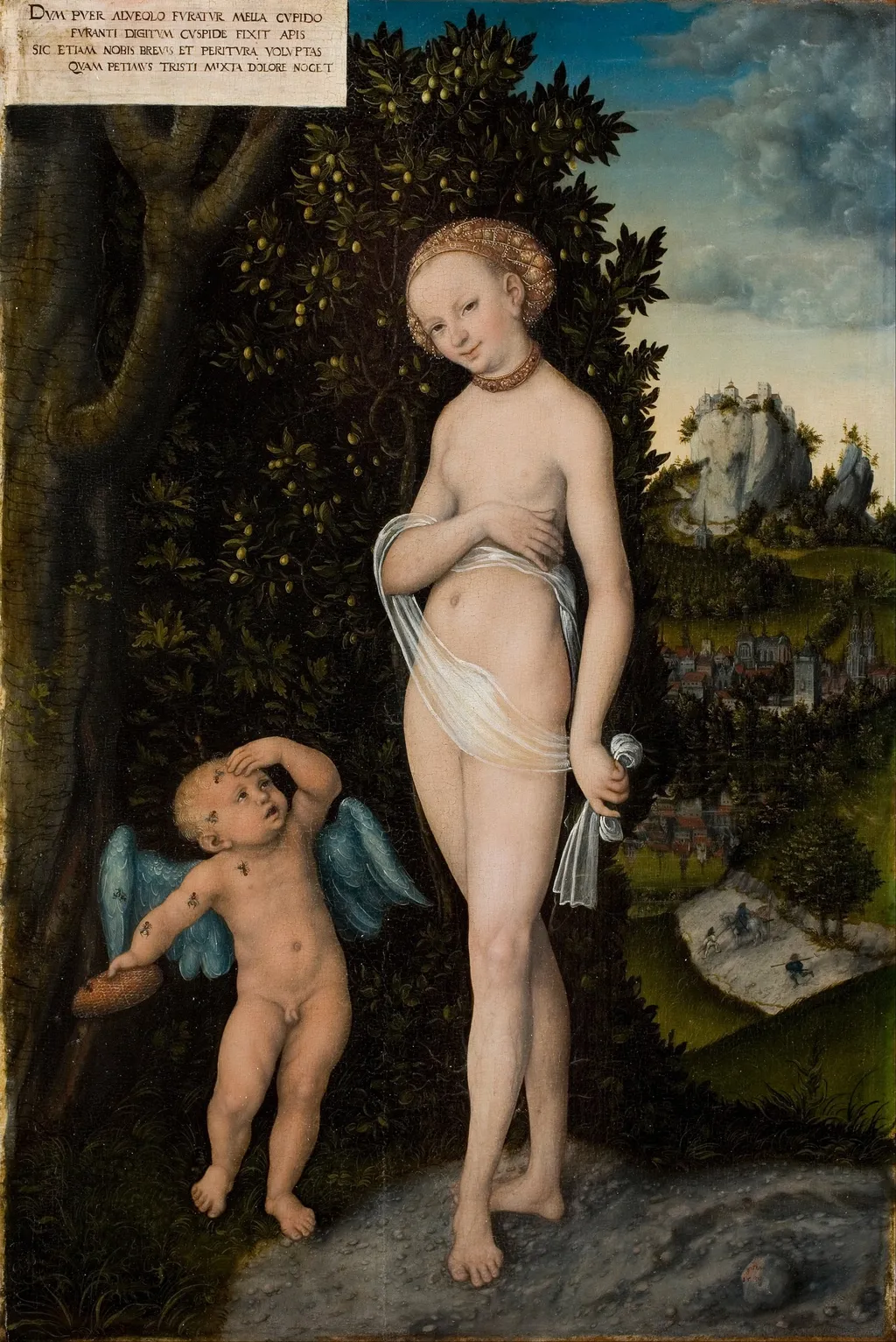
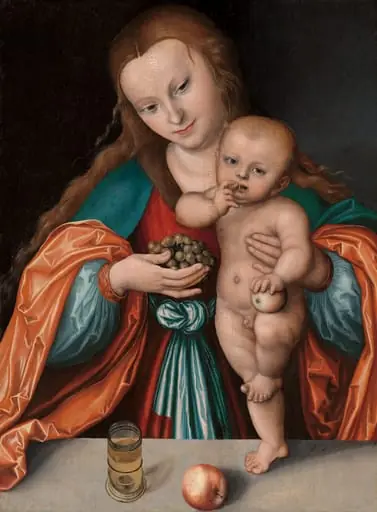
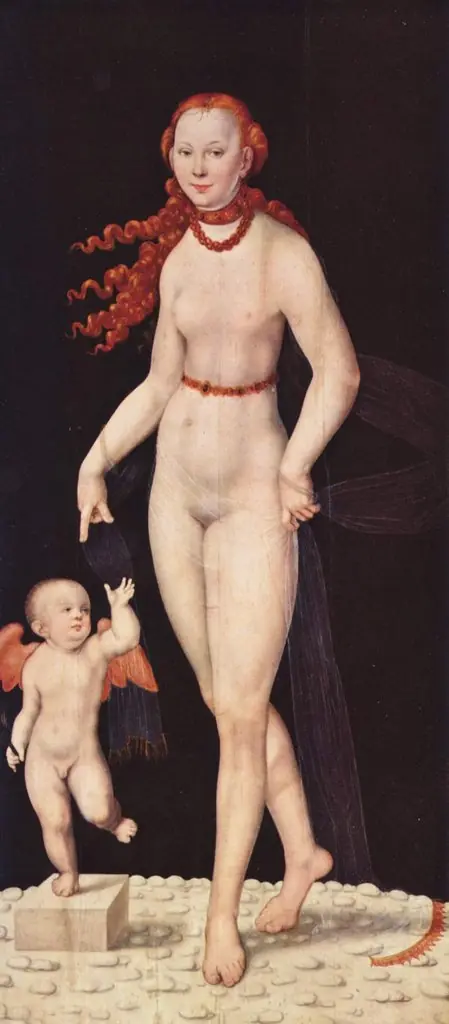
Venus with Cupid Stealing Honey is an oil painting by the Northern Renaissance artist Lucas Cranach the Elder. It dates from 1530 and is held in the collection of the Statens Museum for Kunst.
About this work
Subject & Meaning
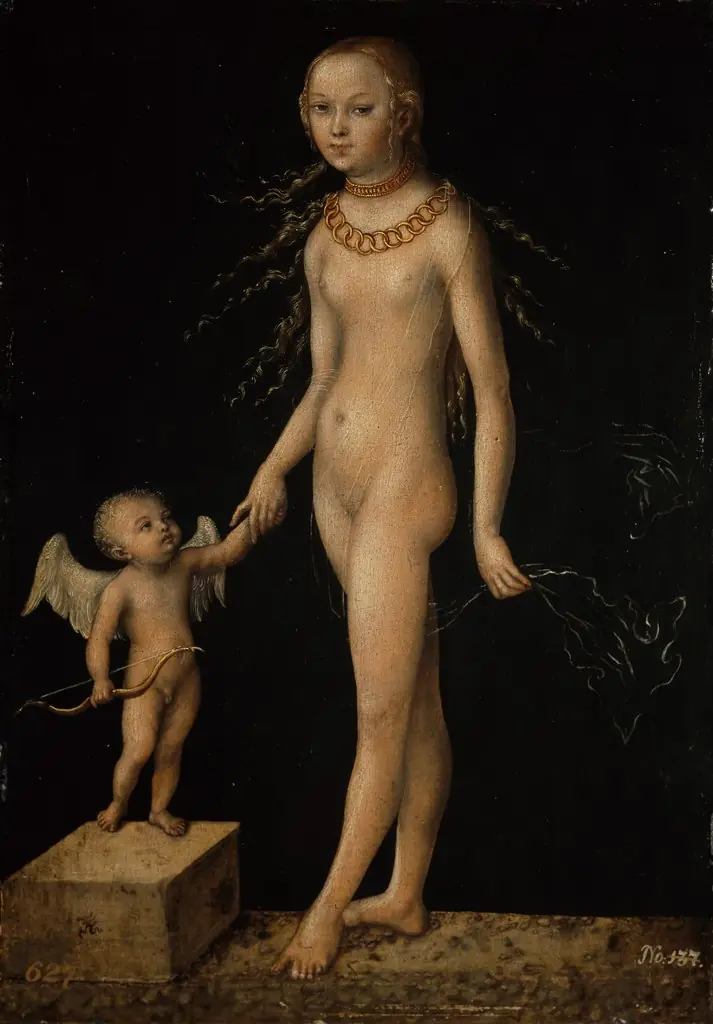
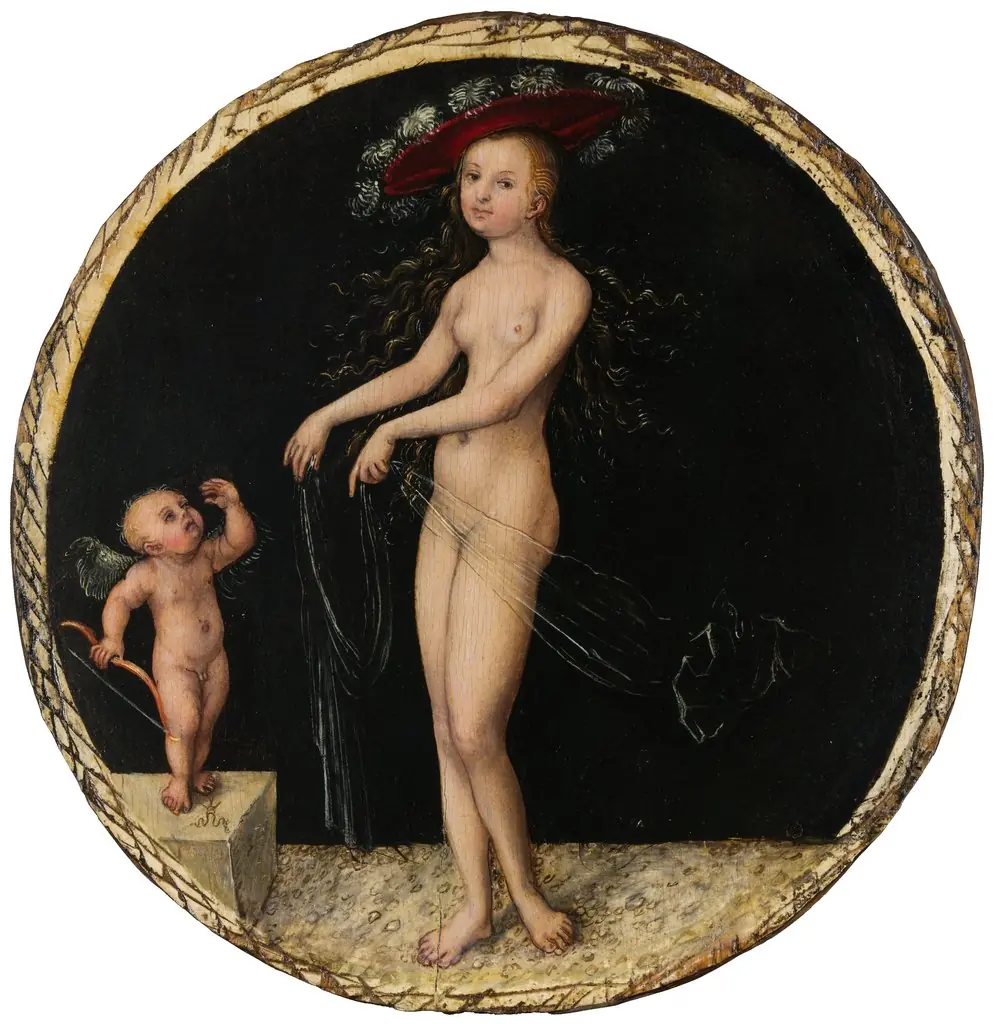
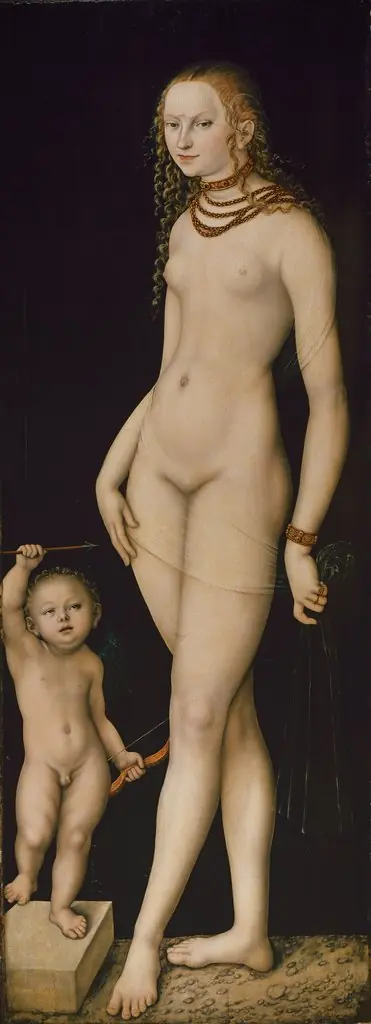
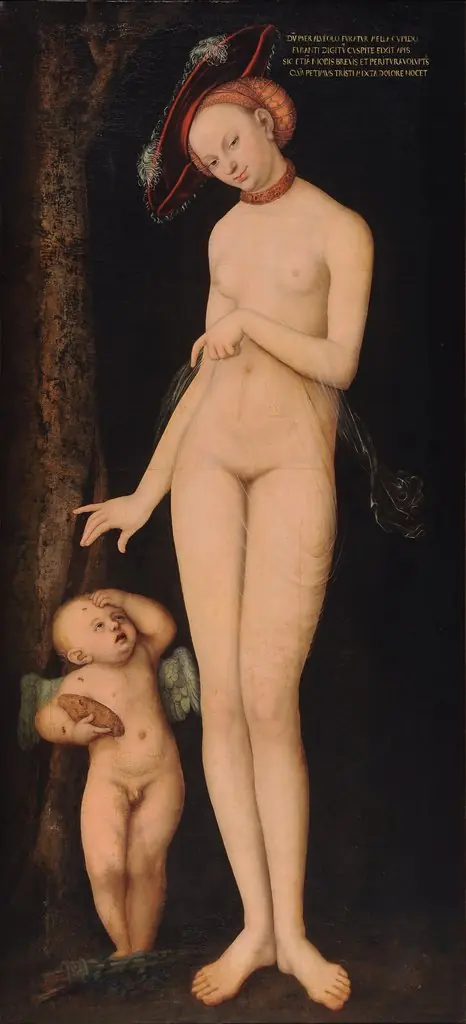
The painting shows the goddess Venus accepting a honey‑dripping kiss from her son Cupid, who is aided by a bee and a horse.
The painting shows the goddess Venus accepting a honey‑dripping kiss from her son Cupid, who is aided by a bee and a horse. In Renaissance iconography honey symbolised the sweetness of love and the bee’s industrious nature was linked to marital harmony, while the horse often represented erotic vigor. Together these elements suggest a nuanced allegory of earthly affection that blends sensual pleasure with courtly ideals.
Cranach’s composition, dated 1530, was intended for a royal patron and reflects the period’s interest in mythological scenes that conveyed moral and political messages about love and fertility.
Technique & Style
Venus with Cupid Stealing Honey is an oil painting executed on a panel support. Created in 1530 by Lucas Cranach the Elder, the work measures 58 cm in height and 38 cm in width. As a mythological painting, the composition depicts Venus, Cupid, a bee, and a horse. The piece is currently held in the collection of the Statens Museum for Kunst.
History & Provenance
The painting Venus with Cupid Stealing Honey was executed in 1530 by Lucas Cranach the Elder using oil on panel, measuring 58 cm in height and 38 cm in width. It is part of the collection of Statens Museum for Kunst, where it has been preserved since its acquisition and was included in the exhibition “Image and Message: Cranach in the Service of the Court and the Reformation.” The composition portrays the mythological figures Venus and Cupid together with a bee and a horse, consistent with the artist’s mythological subjects.
The painting Venus with Cupid Stealing Honey by Lucas Cranach the Elder is held in the collection of the Statens Museum for Kunst. The work was created in 1530 and depicts the mythological scene of Venus and Cupid with a bee and horse. The piece has been featured in the exhibition titled "Image and Message: Cranach in the Service of the Court and the Reformation."
Context
Lucas Cranach the Elder painted Venus with Cupid Stealing Honey in 1530, an oil on panel work that exemplifies Northern Renaissance mythological imagery. The composition, documented in both the internal catalogue and the Statens Museum for Kunst record, places the figures within a courtly context that reflects the artist’s role in shaping royal iconography during the Reformation. Its inclusion in the exhibition Image and Message: Cranach in the Service of the Court and the Reformation highlights scholarly interest in the painting as a visual negotiation of love and power.
The work’s formal qualities and symbolic details have been analyzed as part of Cranach’s broader oeuvre of mythological subjects within the German Renaissance.
Overview
This oil painting, titled Venus with Cupid Stealing Honey, was created by Lucas Cranach the Elder in 1530. The work presents a mythological scene, characteristic of the artist's output. It is currently part of the collection at the Statens Museum for Kunst, where it is preserved as an example of Northern Renaissance art.
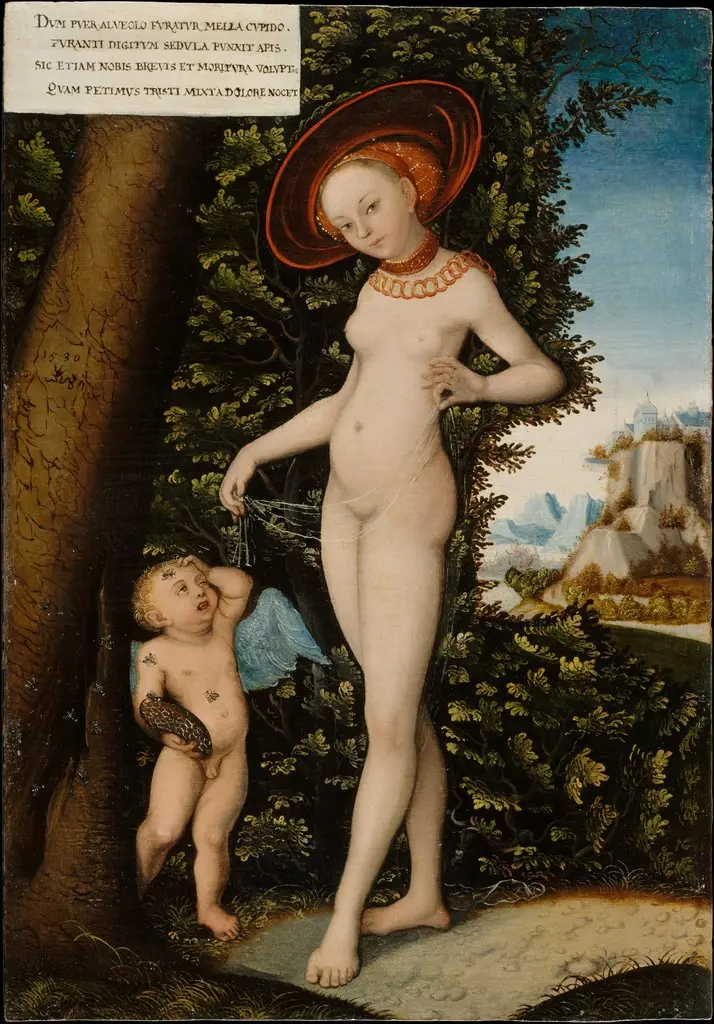
Own this work as a print
Artist & collection
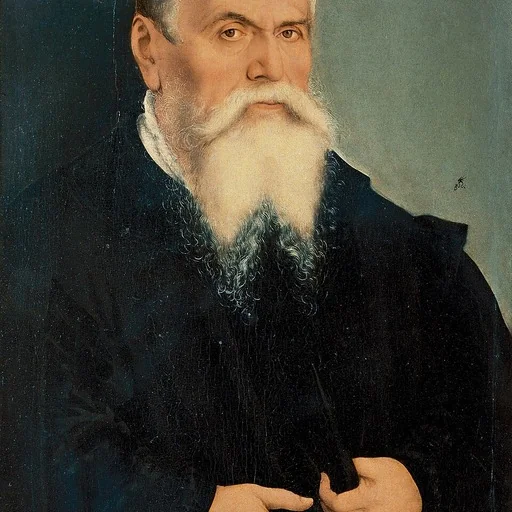
Artist
Lucas Cranach the Elder was a German Renaissance painter and printmaker in woodcut and engraving.