Artwork
Moses and the ten commandments, the fig tree, and the widow
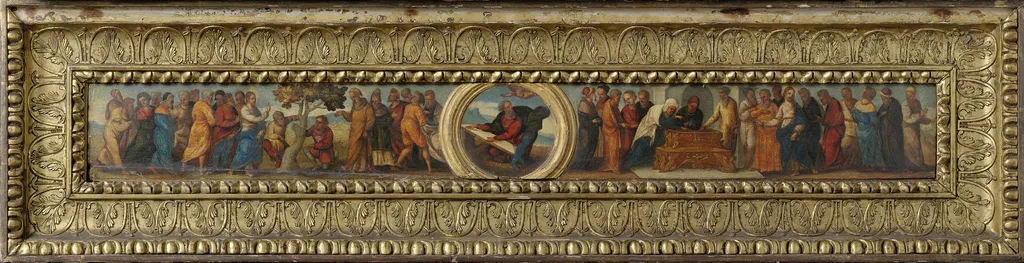
Moses and the ten commandments, the fig tree, and the widow is an oil painting by the Mannerist artist Ludovico Mazzolino. It dates from 1527 and is held in the collection of the Rijksmuseum.
About this work
Technique & Style
The work was executed in oil paint on a wooden panel, a technique typical of Italian Renaissance religious paintings of the 1520s.
The work was executed in oil paint on a wooden panel, a technique typical of Italian Renaissance religious paintings of the 1520s. The surface bears the characteristic handling of Lodovico Mazzolino, whose small‑scale compositions often combined narrative clarity with richly textured brushwork. Formal analysis notes a restrained compositional balance, with the central figure of Moses framed by the fig tree and the widow, rendered in muted tonal values that emphasize the narrative moment of divine law transmission.
History & Provenance
The painting is held by the Rijksmuseum, Amsterdam. It is inventoried there as SK-C-17275.
The work has been exhibited once in the museum’s galleries, in 1956, as part of the exhibition "Italiaanse Kunst uit Nederlandse Verzamelingen" (Italian Art from Dutch Collections).
Overview
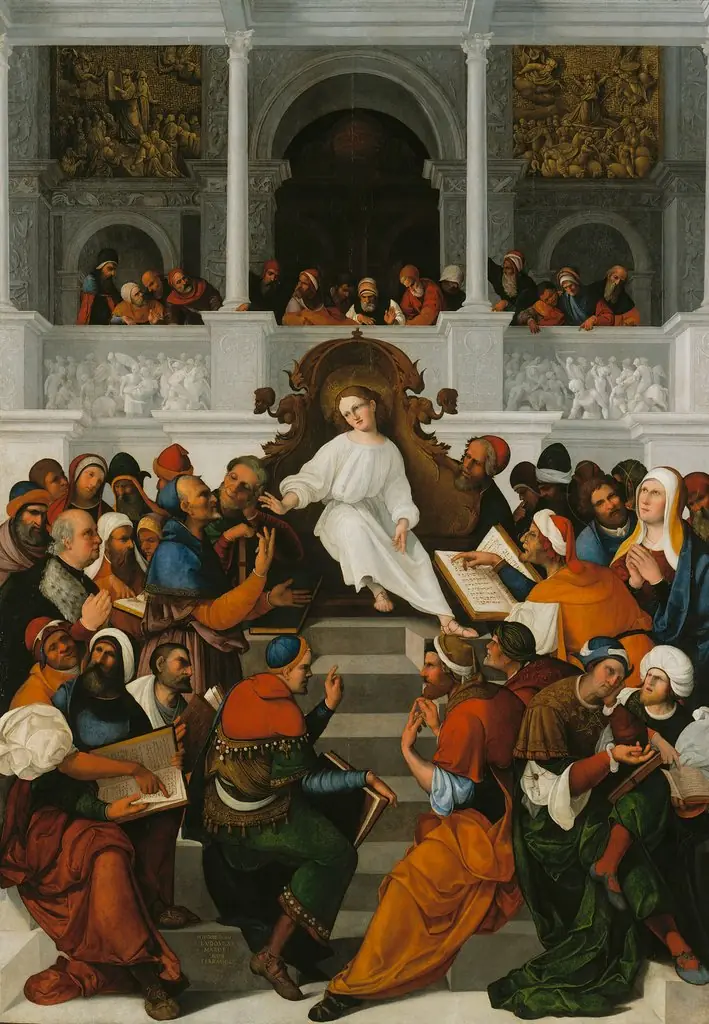
Ludovico Mazzolino’s oil painting, executed in 1527, presents a densely populated religious tableau. The composition stretches horizontally, filled with figures in vivid reds, blues and golds, set against a dark backdrop. Central to the scene is a solitary fig tree bearing fruit, while a luminous tablet is held aloft on the left. The work is part of the Rijksmuseum’s collection.
Subject & Meaning
The image intertwines three biblical moments: Moses receiving the Ten Commandments, the symbolic fig tree, and a widow’s supplication. The tablet’s glow emphasizes divine law, the solitary fig suggests providence or temptation, and the kneeling figures at a table evoke charity or prayer. Together they convey themes of covenant, sustenance, and piety within a single visual narrative.
Context
The work reflects the diffusion of Renaissance ideas northward, merging Italian narrative conventions with the heightened expressiveness favored by Mannerist artists. Its crowded composition mirrors contemporary devotional prints that sought to educate viewers through multiple scriptural episodes within a single frame, a practice common in Counter‑Reformation visual culture.
Artist & collection
Artist
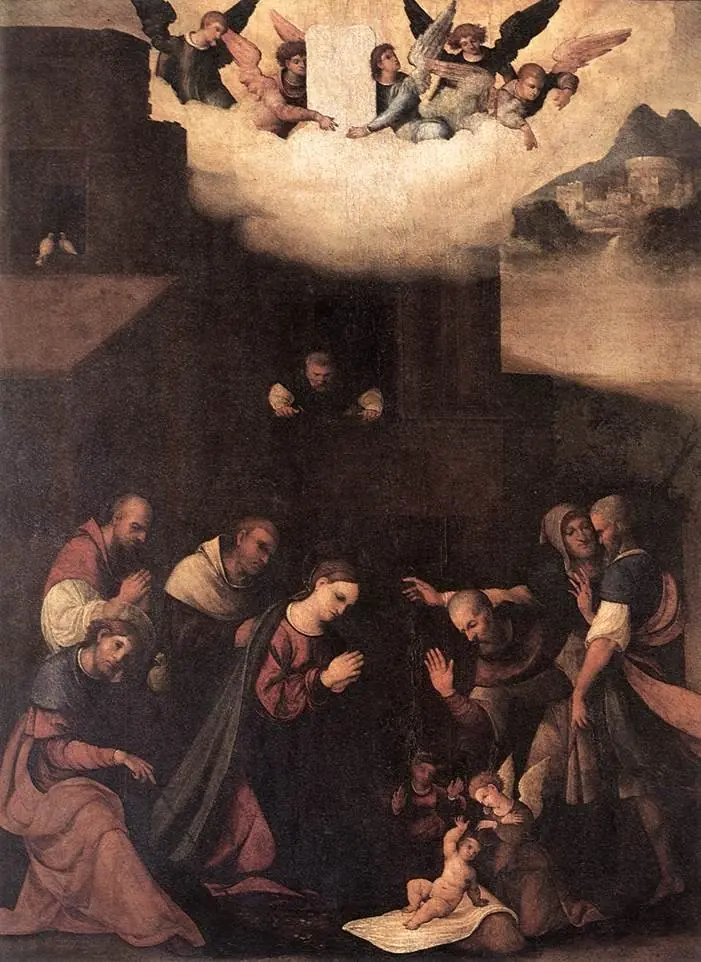
Ludovico Mazzolino (1480 – c. 1528) - also known as Mazzolini da Ferrara, Lodovico Ferraresa, and Il Ferrarese - was an Italian Renaissance painter active in Ferrara and Bologna.

 The Foundation of the Royal Library
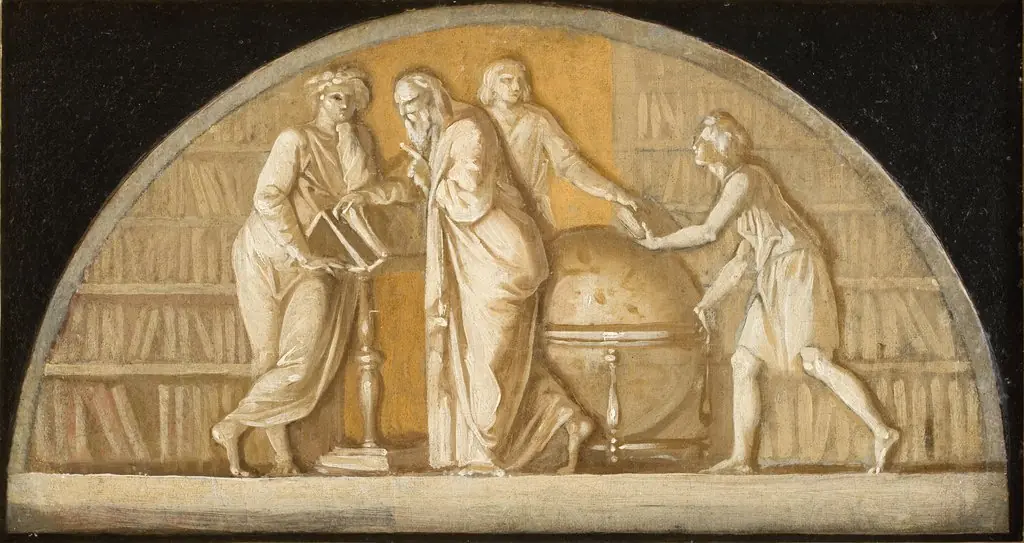 The Foundation of the Royal Library
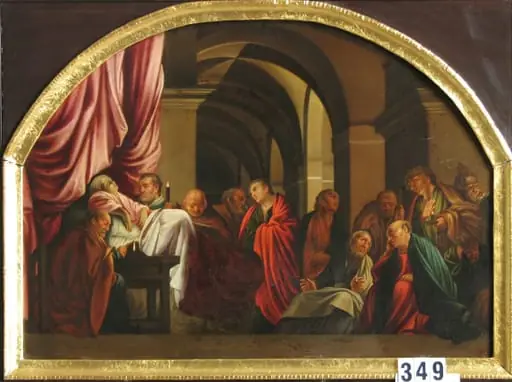 Moartea Fecioarei Maria (în Reg. Inv.: Moartea Mariei)
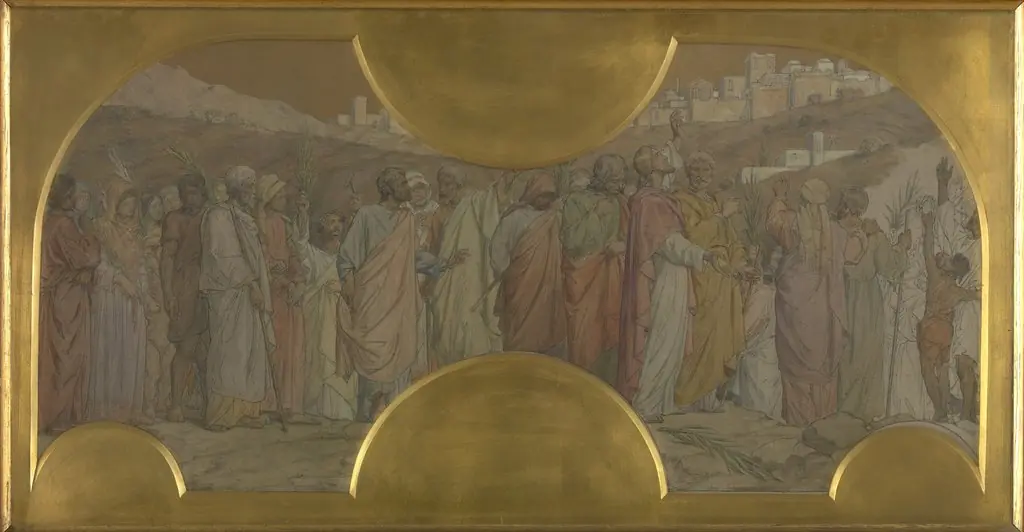 Jesus Going to Jerusalem to Accomplish his Mission
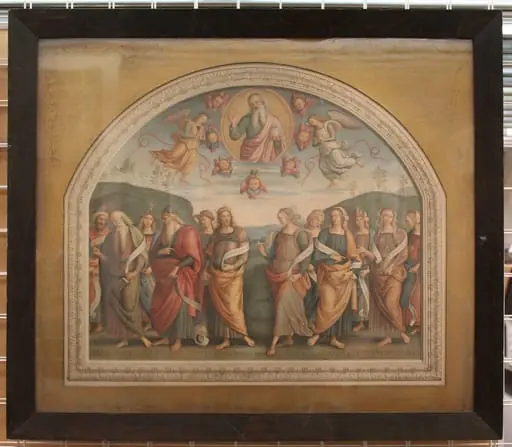 Prophets and Sibyls
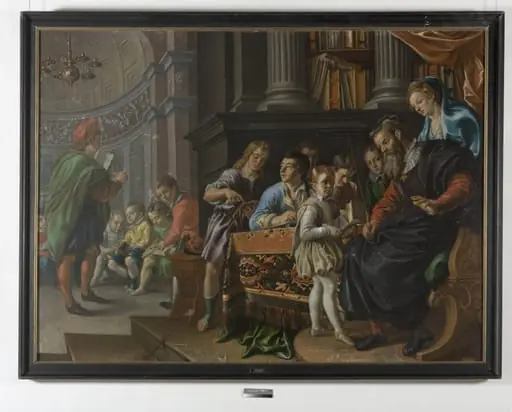 A Boys' School
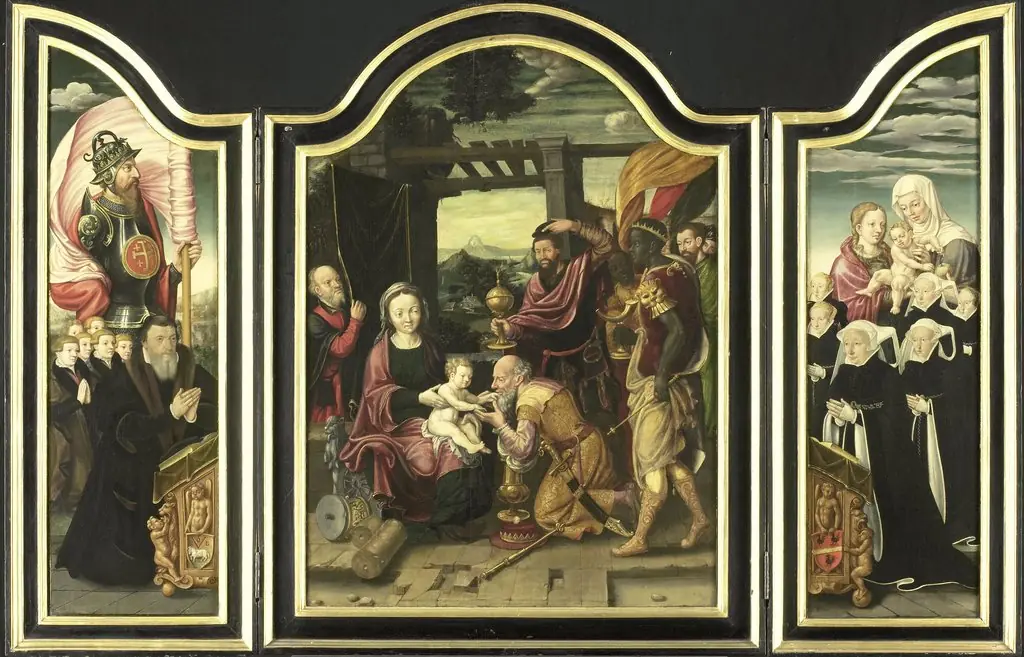 Triptych with the Adoration of the Magi
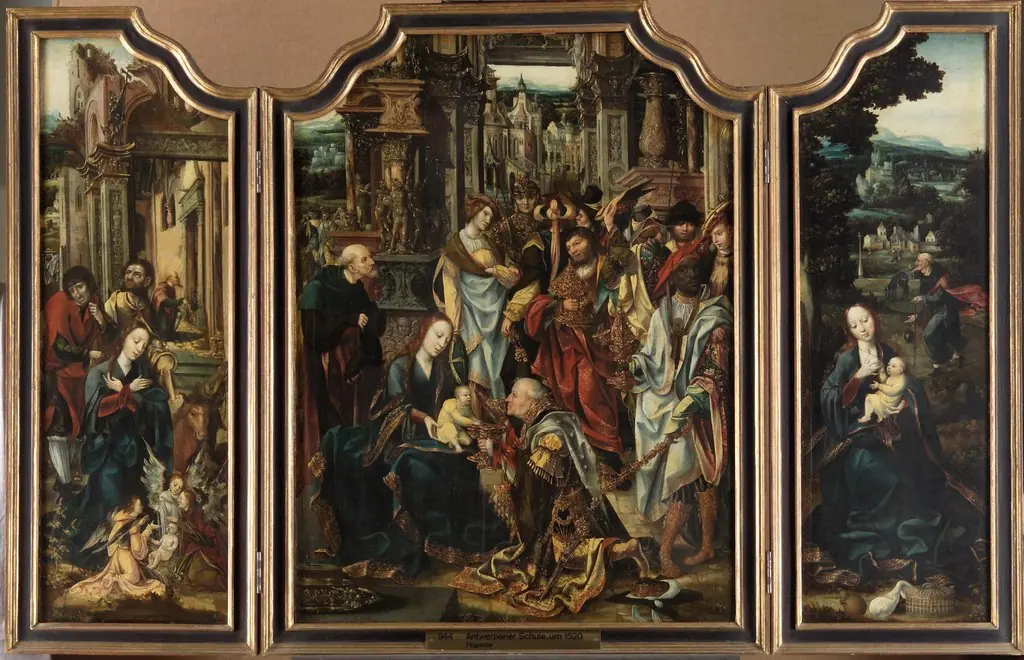 Flügelaltar; Mittelbild: Anbetung der Könige; linker Flügel: Anbetung der Hirten; rechter Flügel: Ruhe auf der Flucht nach Ägypten
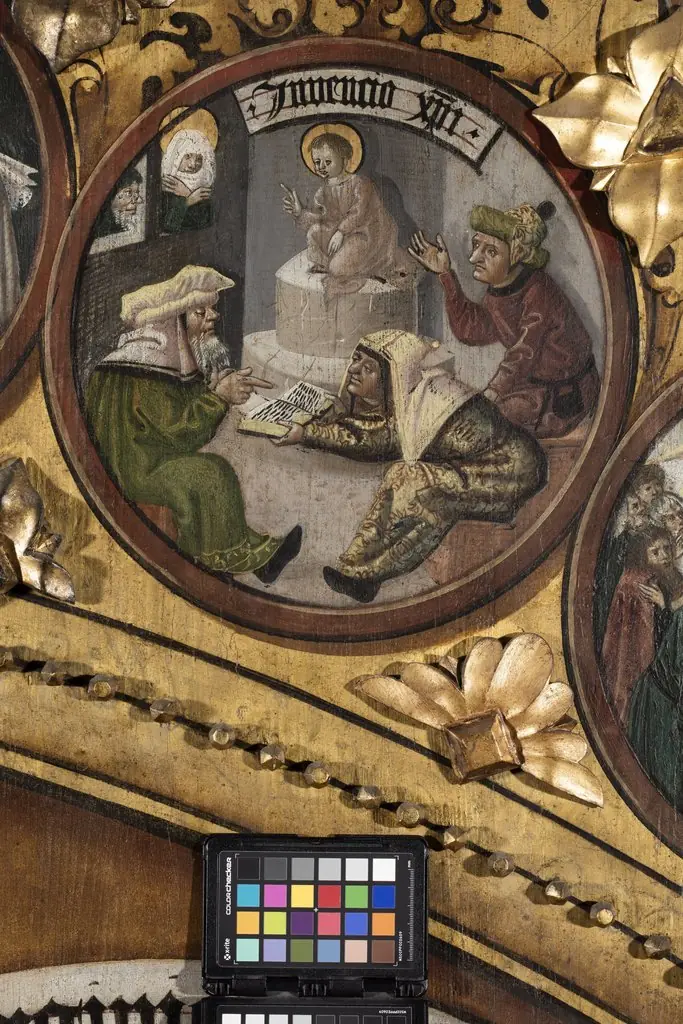 Corona beatissimae Virginis Mariae
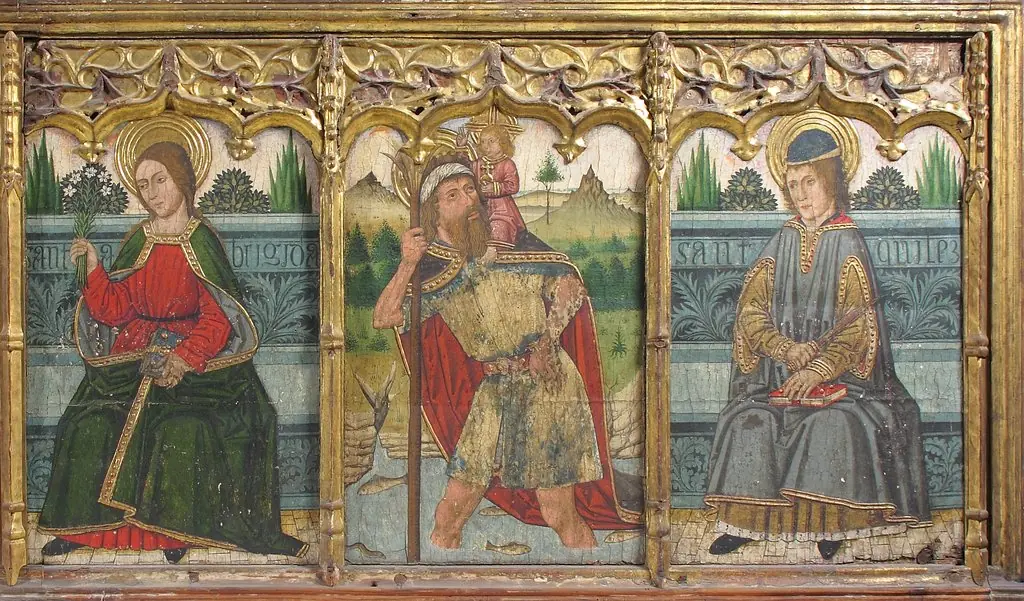 Predella pane with Saint Bridget, Saint Christopher, and Saint Kilian from Retable
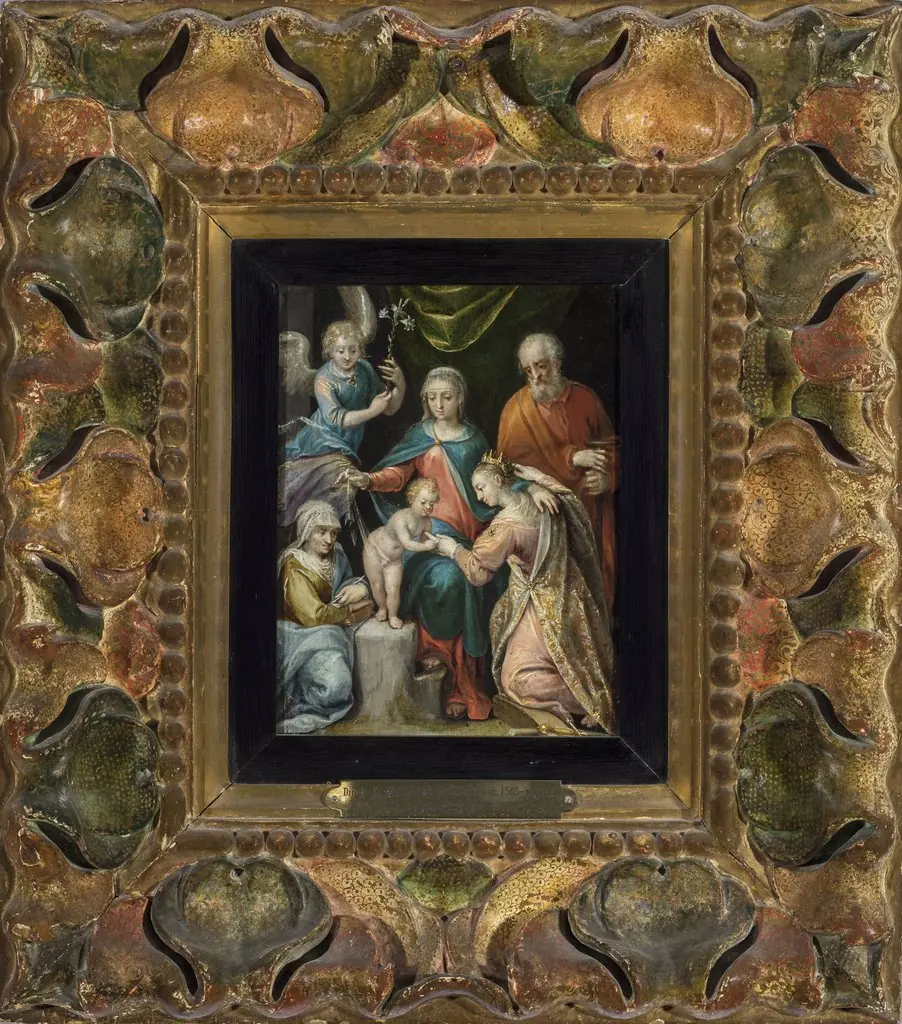 Mystical marriage of St. Catherine
- Moses and the Tablets of the Law, the Curse of the Withered Fig Tree, and the Widow's Mite