Artwork
The Virgin Mourning (Mater Dolorosa)
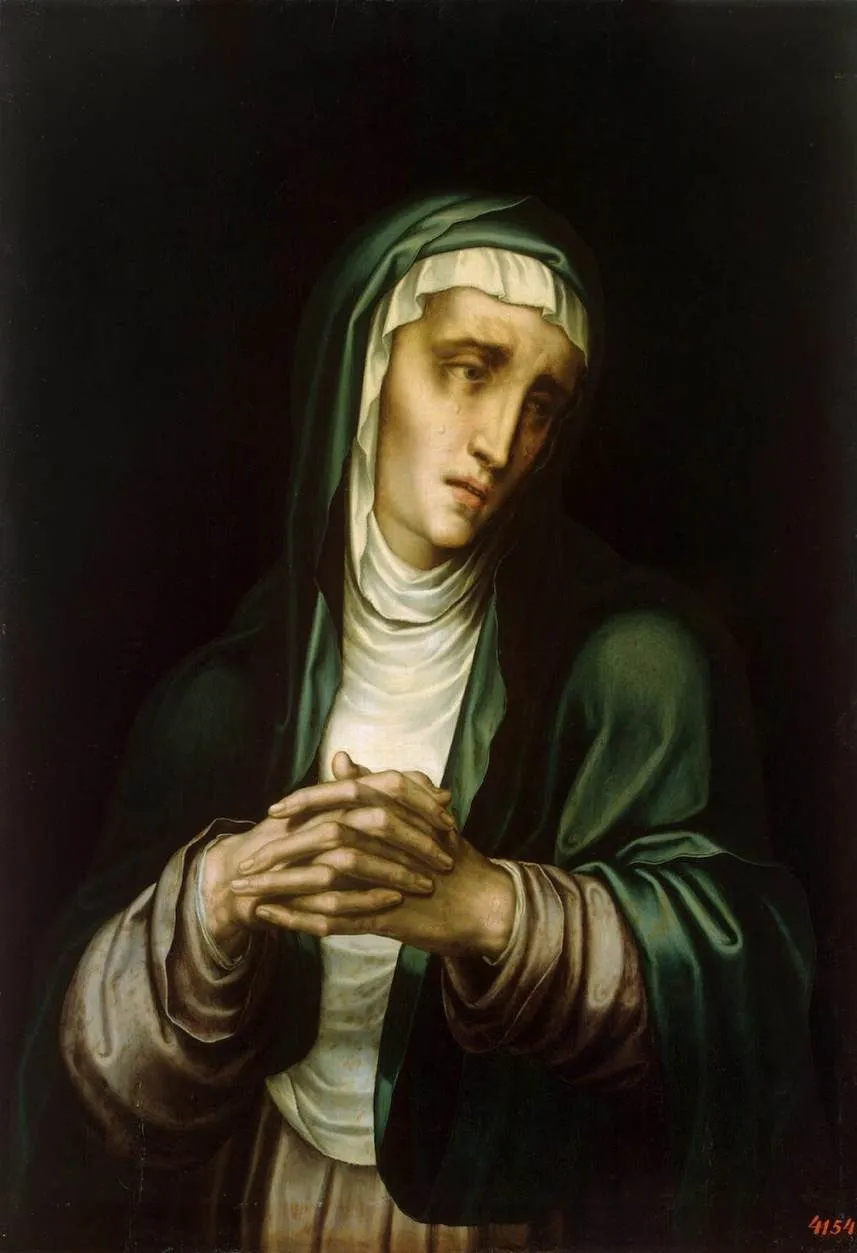
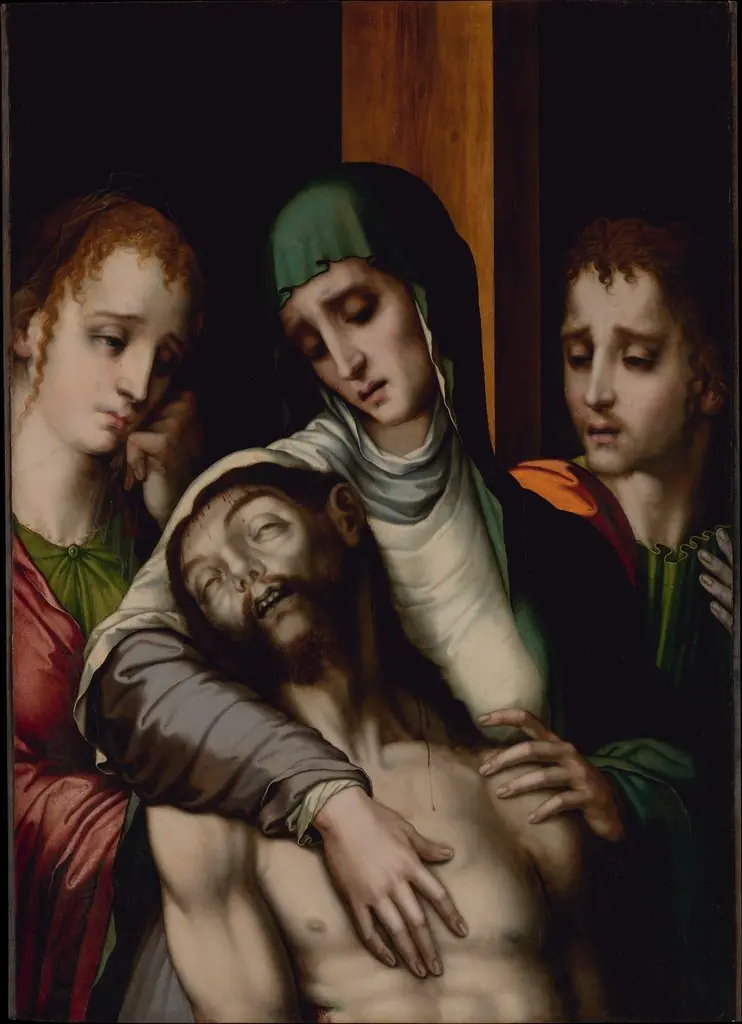
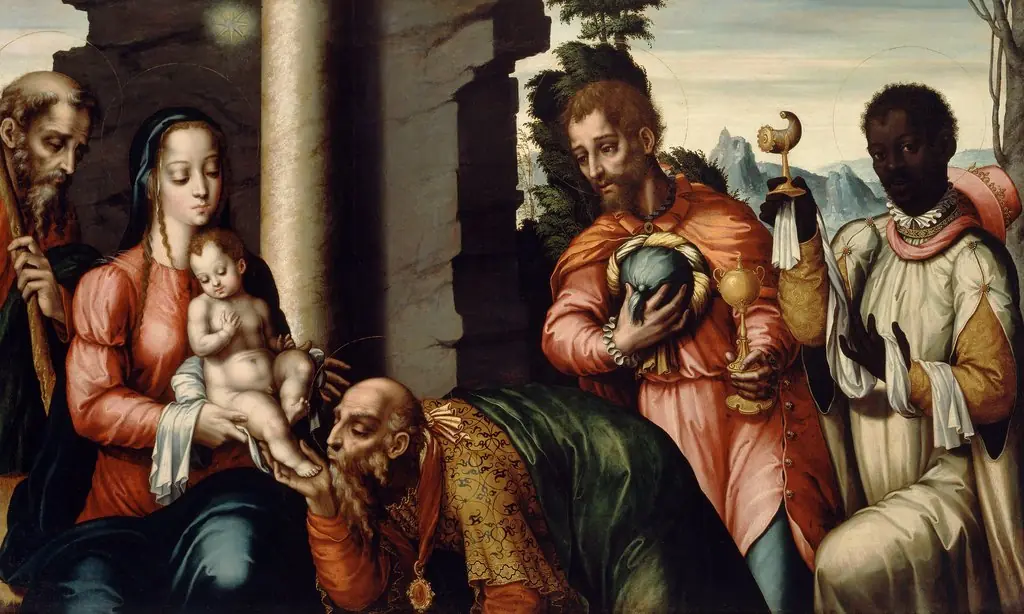
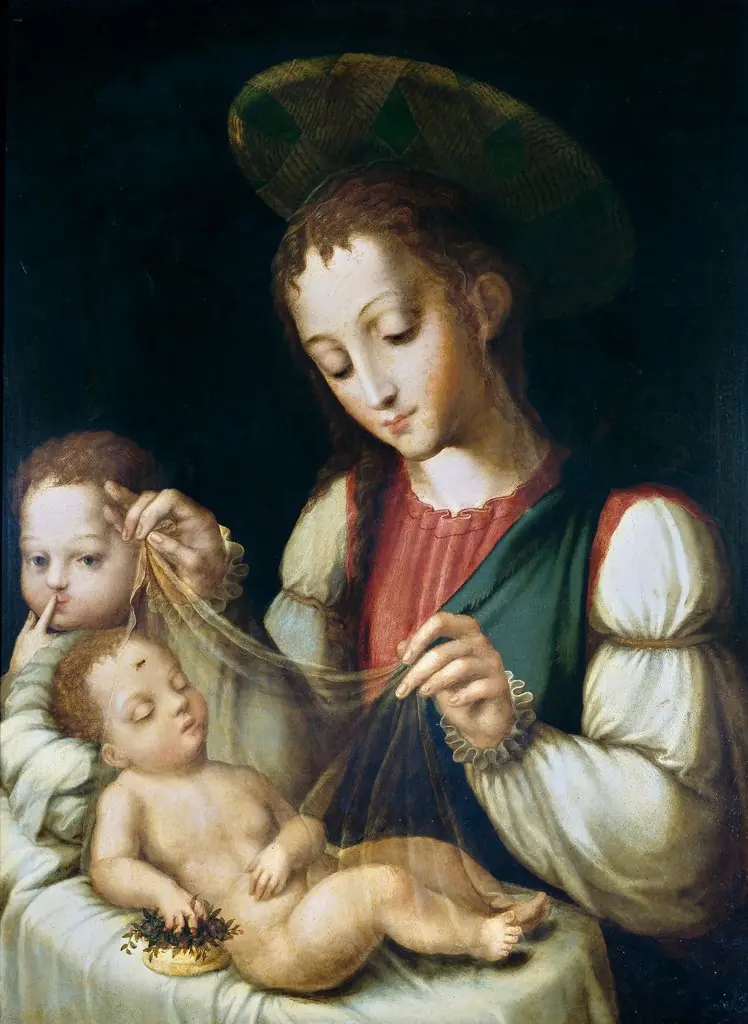
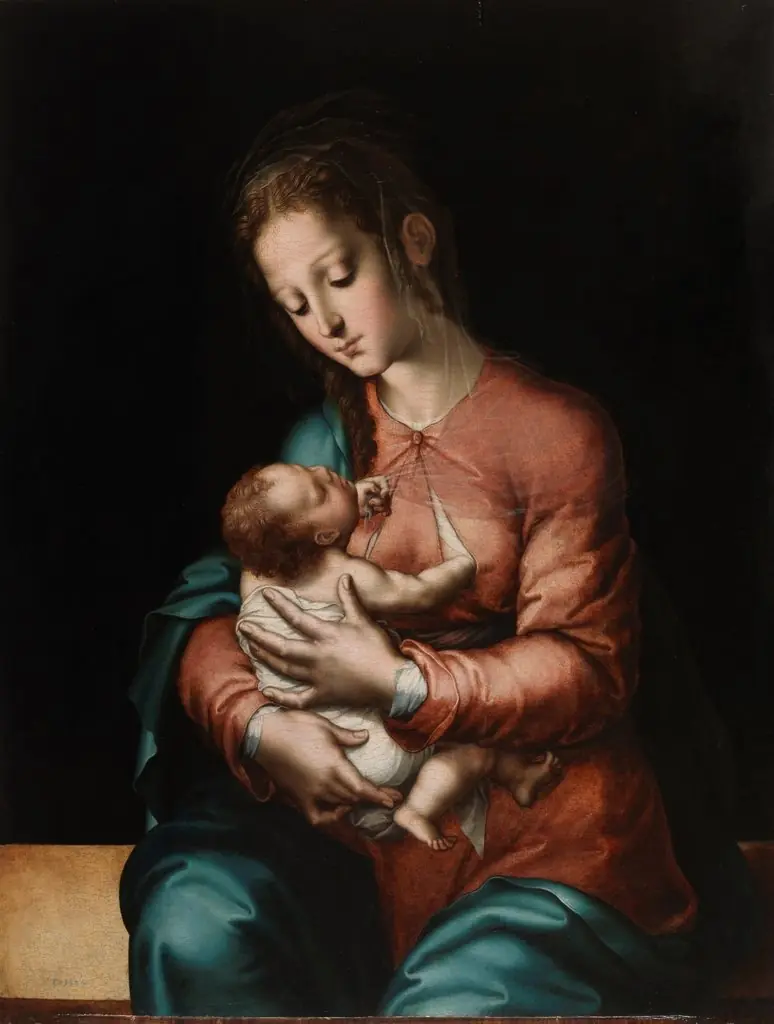
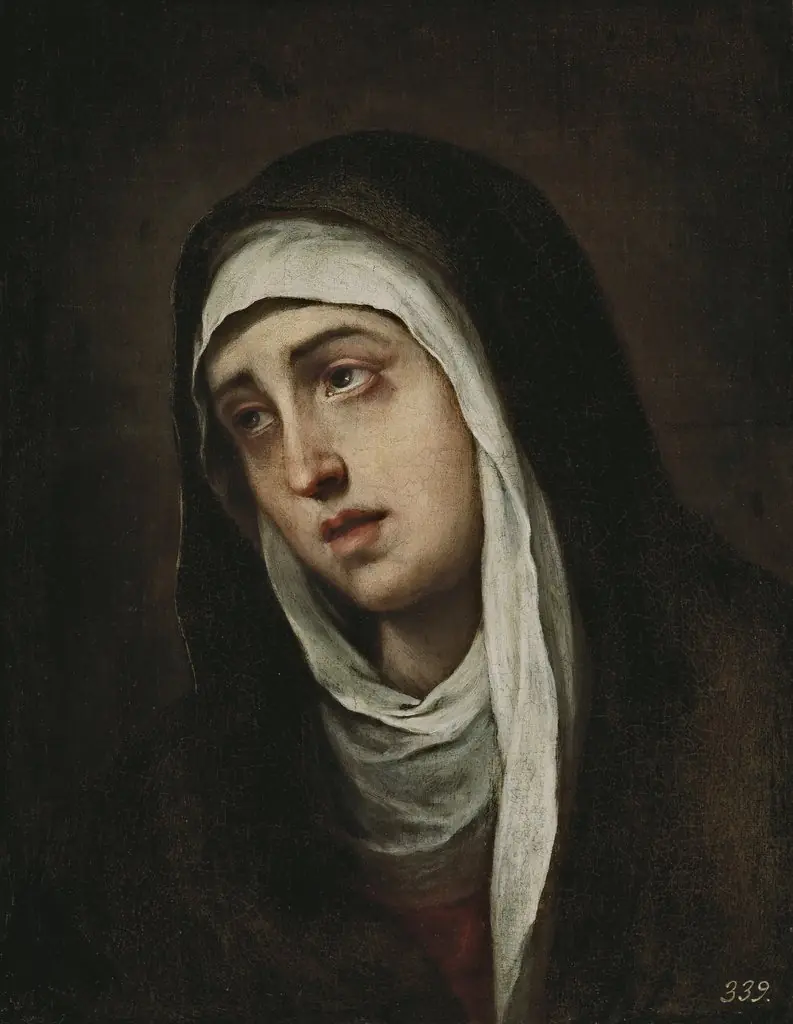
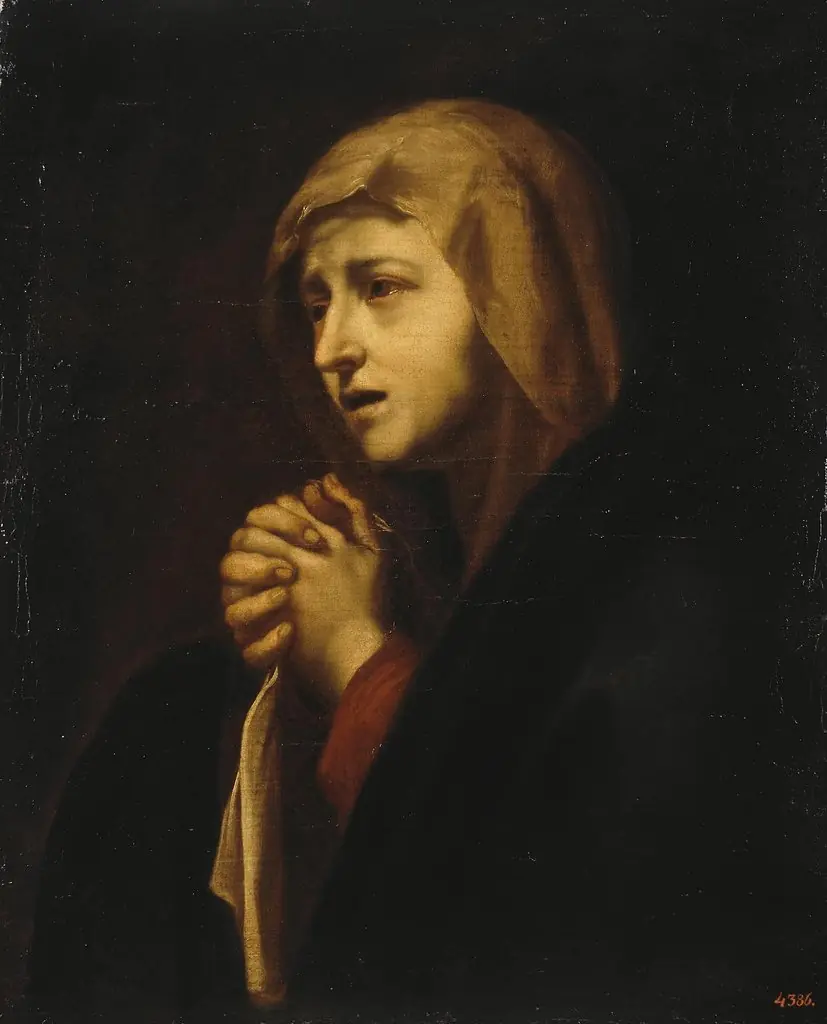
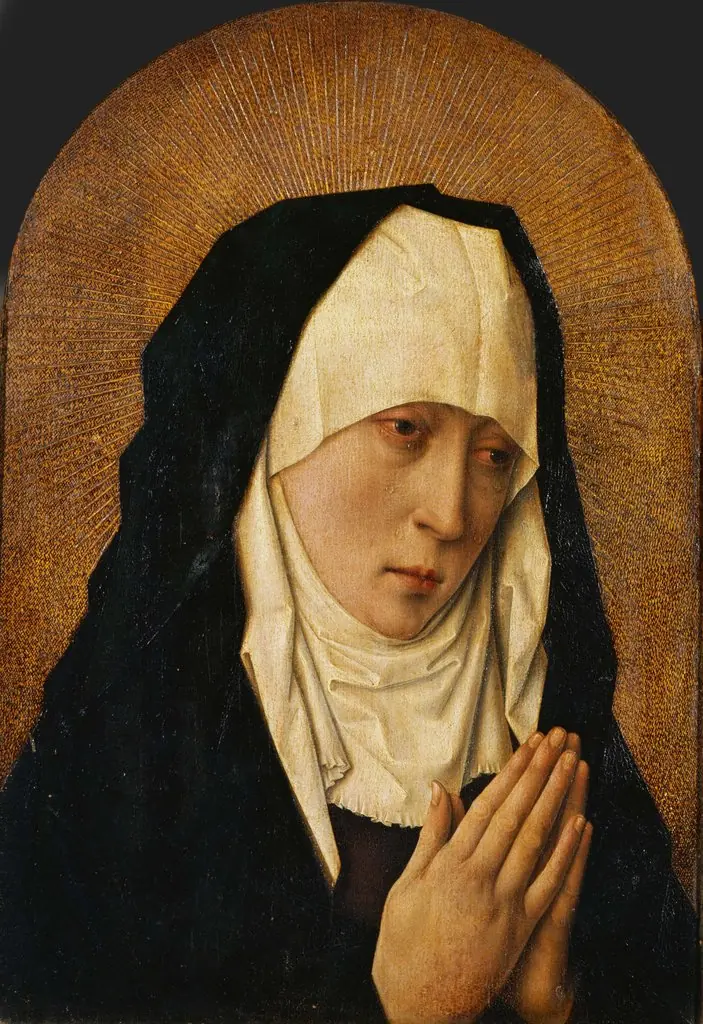
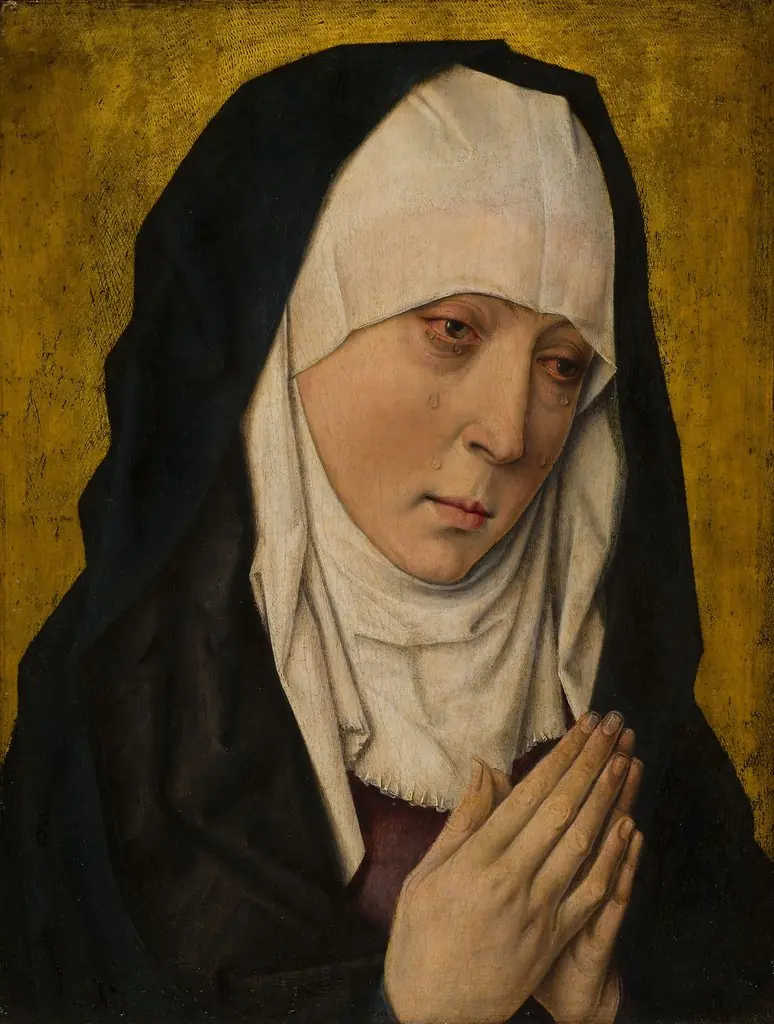
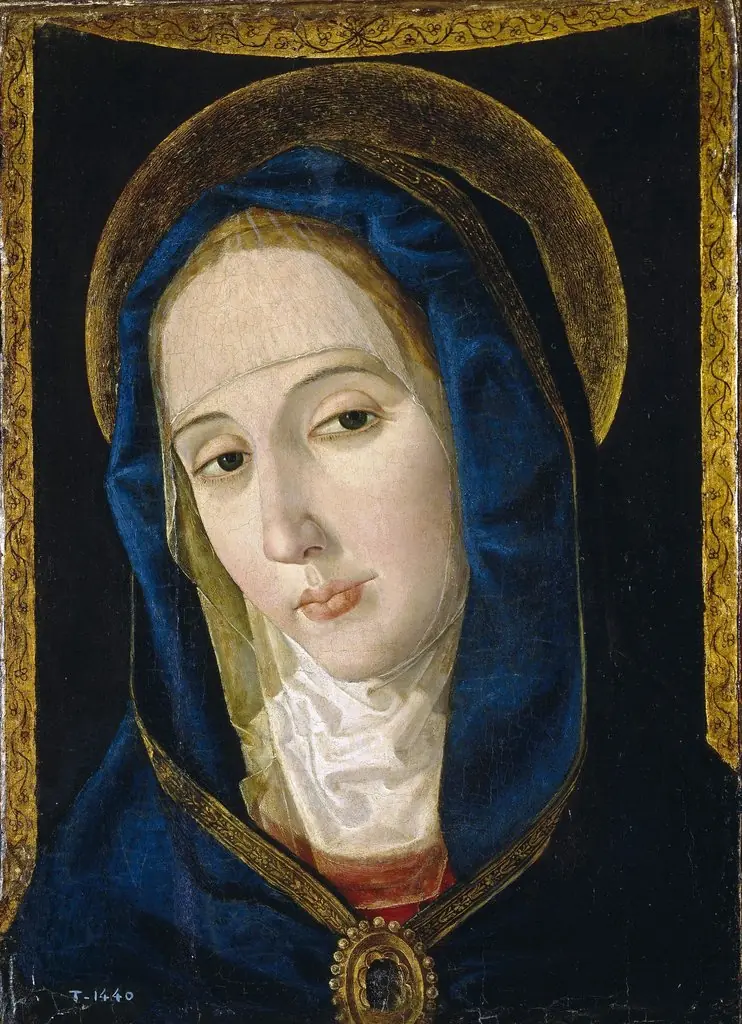
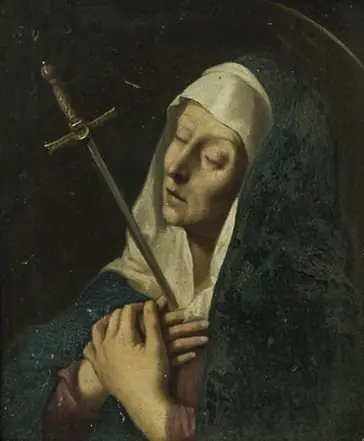
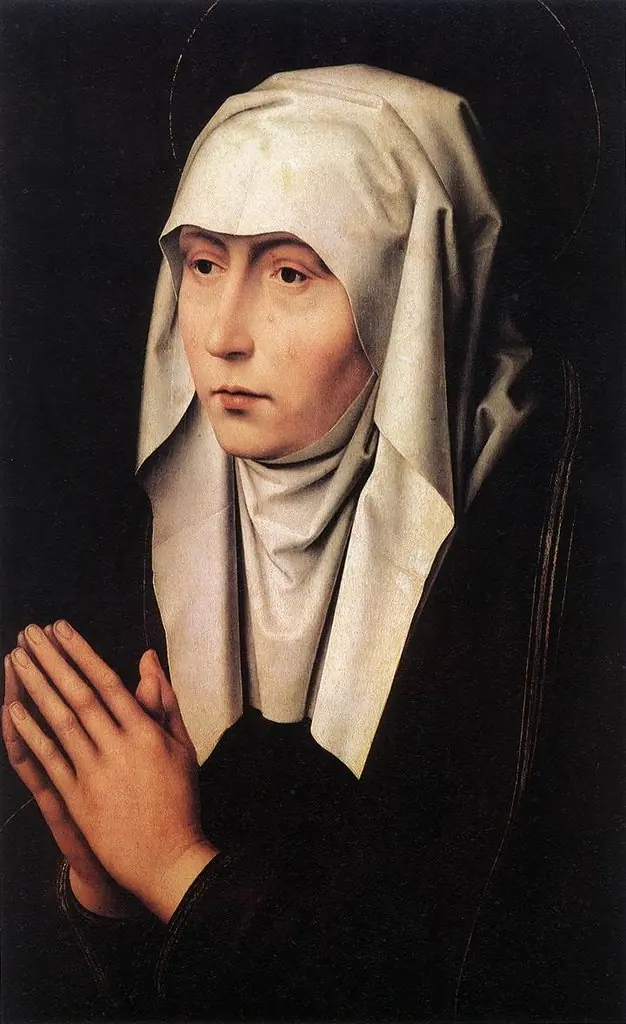
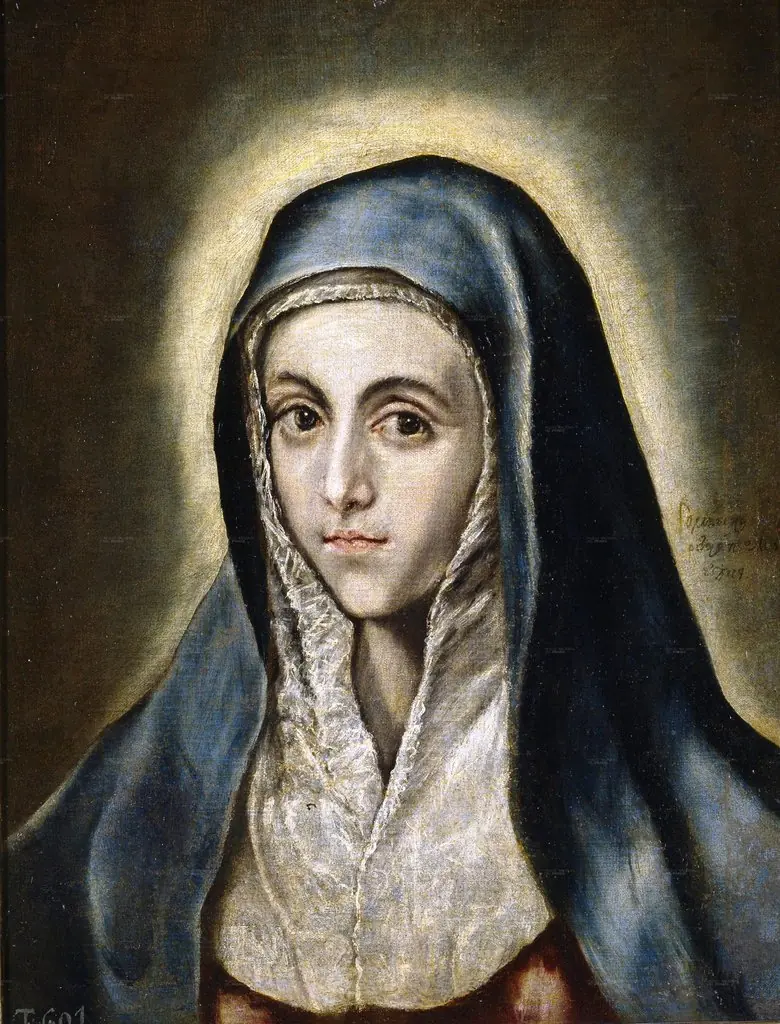
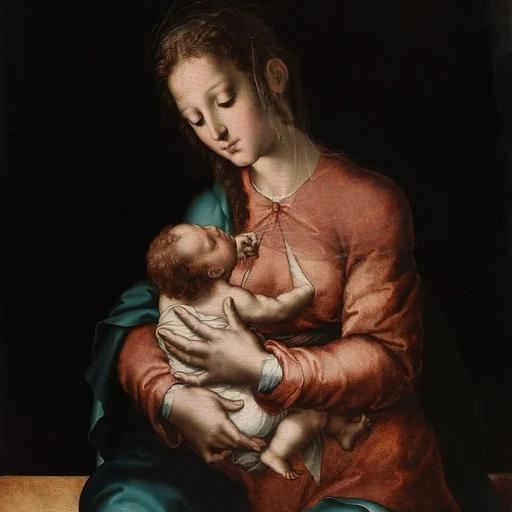
The Virgin Mourning (Mater Dolorosa) is an oil painting by the Spanish Baroque Tenebrist artist Luis de Morales. It dates from 1570 and is held in the collection of the Hermitage Museum.
About this work
Overview
Painted in 1570 by Luis de Morales, known as 'El Divino,' this oil-on-panel work presents a solitary figure of the Virgin Mary in deep contemplation.
Painted in 1570 by Luis de Morales, known as 'El Divino,' this oil-on-panel work presents a solitary figure of the Virgin Mary in deep contemplation. Executed during the height of his career, it reflects his专注 on devotional imagery and his distinctive synthesis of Italian Renaissance ideals with Spanish spiritual intensity. The painting is now part of the State Hermitage Museum’s collection in Saint Petersburg.
Subject & Meaning
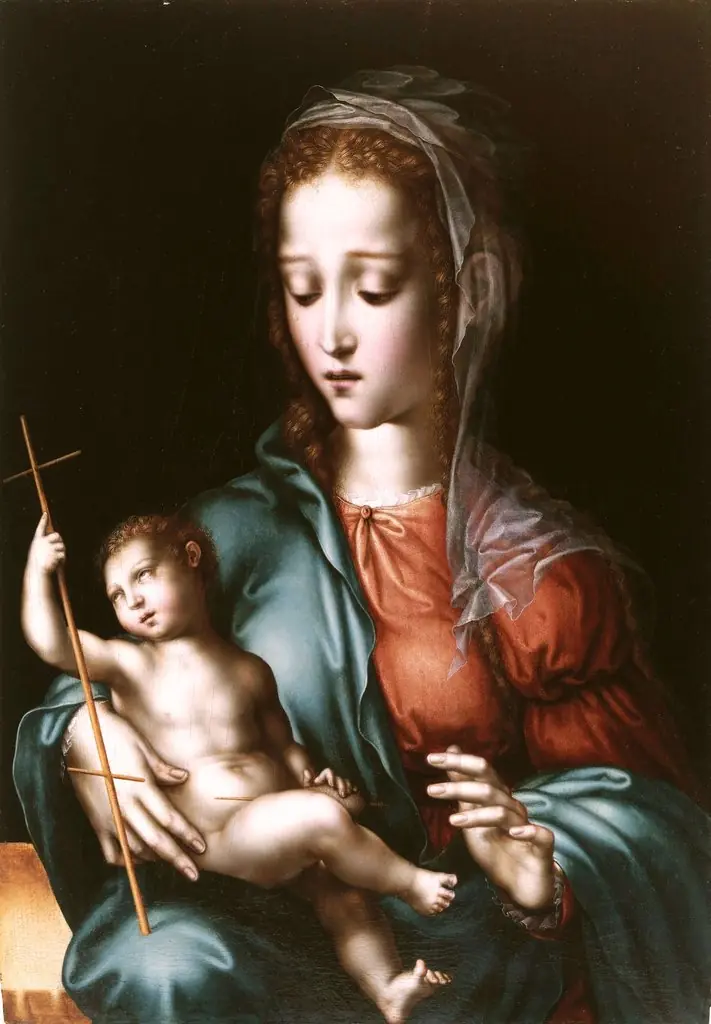
The Virgin is depicted not as a queen or intercessor, but as a grieving mother, her sorrow rendered with quiet intimacy. Clad in dark robes and a white veil, her clasped hands and downcast gaze convey inner anguish, aligning with the medieval tradition of the Mater Dolorosa. The absence of narrative context isolates her emotion, inviting personal meditation on loss and devotion rather than storytelling.
Technique & Style
Morales employs pronounced chiaroscuro to model the Virgin’s face and hands, using deep shadows and sharply defined highlights to create volume and emotional weight. The black background eliminates spatial cues, focusing attention entirely on her form. Brushwork is refined yet restrained, avoiding theatricality; the effect is one of stillness and psychological depth, rooted in Lombard naturalism and filtered through Spanish piety.
History & Provenance
The painting entered the Hermitage collection in the 19th century, likely acquired during a period of increased European interest in Spanish religious art. Its attribution to Morales has been consistently supported by stylistic analysis and documentary records. While its earlier ownership is undocumented, its preservation suggests it was valued by private or ecclesiastical collectors before its institutional acquisition.
Context
In 16th-century Spain, devotional imagery flourished under Counter-Reformation pressures, emphasizing personal piety and emotional engagement with sacred figures. Morales’s work responded to this climate, blending Italianate composition with Iberian mysticism. His style diverged from the grandeur of courtly art, favoring introspective, almost ascetic representations that resonated with monastic and lay audiences alike.
Legacy
Morales’s The Virgin Mourning exemplifies a quiet, enduring strand of Spanish religious painting that prioritized emotional authenticity over spectacle. Though less celebrated than contemporaries like El Greco, his influence persisted in regional workshops and later devotional art. The painting remains a key reference for understanding how Spanish artists adapted broader European trends to express localized spiritual sensibilities.
Artist & collection
Artist
Luis de Morales (1509 – 9 May 1586) was a Spanish painter active during the Spanish Renaissance in the 16th century.