Artwork
Triptych of the Entombment
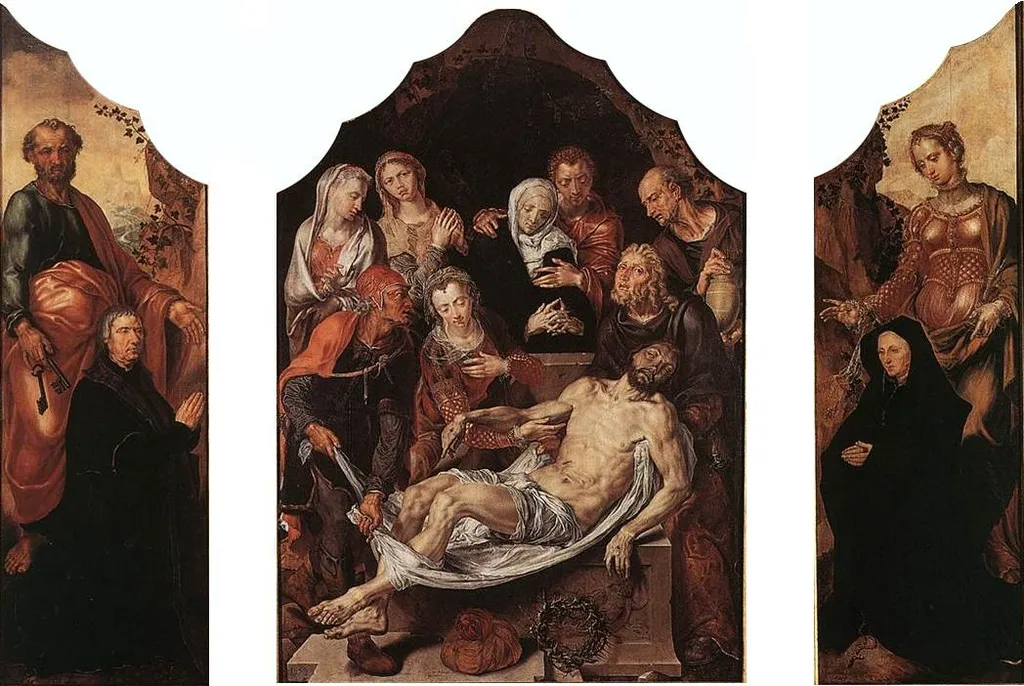
Triptych of the Entombment is an oil painting by the Mannerist artist Maarten van Heemskerck. It dates from 1559 and is held in the collection of the Royal Museums of Fine Arts of Belgium.
About this work
Overview
Painted in 1559 by Maarten van Heemskerck, the Triptych of the Entombment is an oil-on-panel work composed of three hinged panels.
Painted in 1559 by Maarten van Heemskerck, the Triptych of the Entombment is an oil-on-panel work composed of three hinged panels. It illustrates the burial of Christ, a common subject in Christian art, rendered with quiet solemnity. The painting reflects the artist’s engagement with Italian Renaissance forms, filtered through a Northern European sensibility. It remains part of the Royal Museums of Fine Arts of Belgium’s collection.
Subject & Meaning
The central panel portrays Christ’s body being lowered into a tomb by Joseph of Arimathea and other followers, while mourners surround the scene with expressions of grief. The side panels depict additional figures, disciples, Mary, and other witnesses, each engaged in private lamentation. The composition emphasizes human sorrow and reverence, reinforcing the theological weight of Christ’s death without overt drama or idealization.
Technique & Style
Van Heemskerck employed oil paint to achieve subtle gradations of tone, favoring muted earth tones over vivid hues. Figures are elongated and arranged with deliberate, almost sculptural precision, reflecting Mannerist tendencies learned during his time in Italy. The spatial depth is carefully constructed, yet the focus remains on emotional stillness rather than dynamic movement, distinguishing it from more theatrical contemporaries.
History & Provenance
Commissioned in the mid-16th century, the triptych entered the collection of the Royal Museums of Fine Arts of Belgium in the 19th century. Its early ownership is undocumented, but its style aligns with devotional works produced in Haarlem during the Reformation era. It survived the iconoclastic movements of the period, likely due to its restrained imagery and private patronage.
Context
Created during a time of religious upheaval in the Low Countries, the triptych reflects a quiet devotional tradition that persisted despite Protestant critiques of religious imagery. Van Heemskerck’s synthesis of Italian compositional principles with Northern attention to detail offered a middle path, spiritually serious yet visually refined, for patrons navigating shifting theological landscapes.
Legacy
The triptych stands as a representative example of Dutch Mannerism, illustrating how Northern artists absorbed Italian influences without abandoning local traditions. Though not widely reproduced, it contributed to the evolution of religious painting in the Netherlands, influencing later generations who sought emotional depth within structured, contemplative compositions.
Artist & collection
Artist
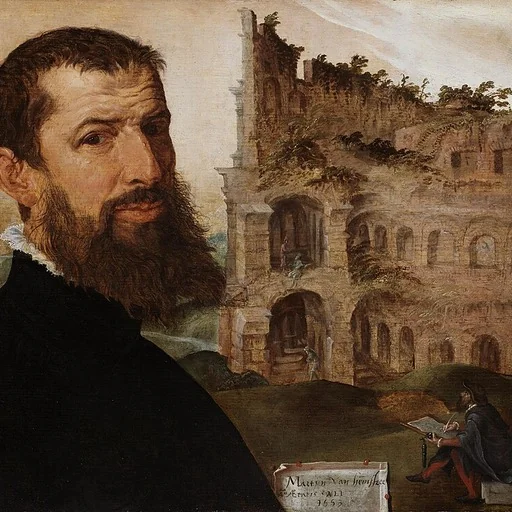
Maarten van Heemskerck (born Maerten Jacobsz van Veen; 1 June 1498 – 1 October 1574), also known as Marten Jacobsz Heemskerk van Veen, was a Dutch portrait and religious painter, who spent most of his career in Haarlem.

Museum
Royal Museums of Fine Arts of Belgium
Continue through works from the same source collection.
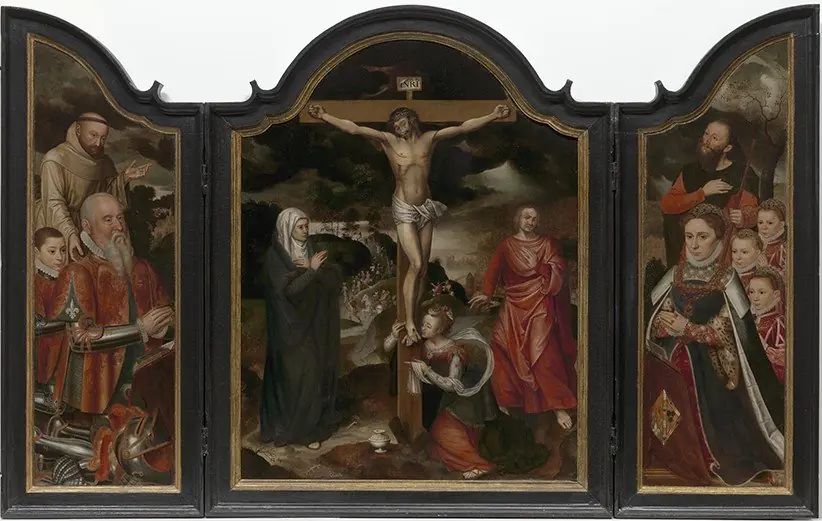
- Crucified Christ with Mary, John and Mary Magdalene
 Christ's Entombment
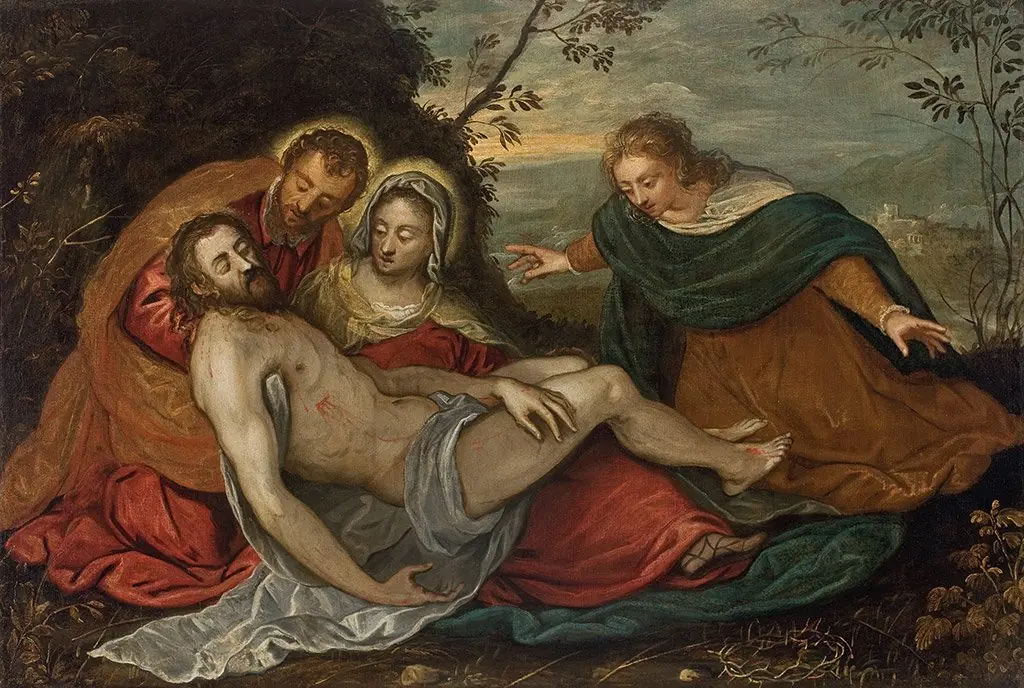 Lamentation of Christ
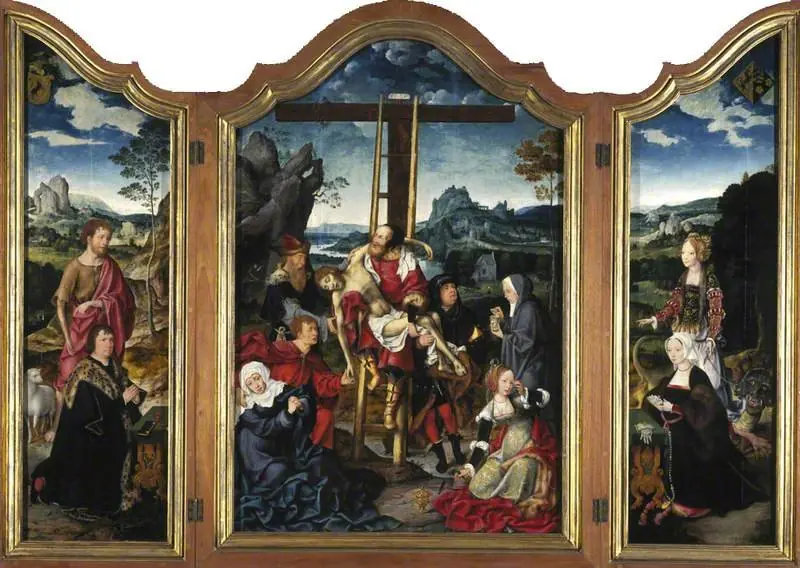 Triptych. Centre: the Deposition from the Cross; Left wing: St John the Baptist with a Donor; Right wing: St Margaret of Antioch with a Donatrix
 Pietà
Pietà Passion triptych in honor of Albrecht Adriaensz. van Adrichem (ca. 1474-1555), magistrate of Haarlem
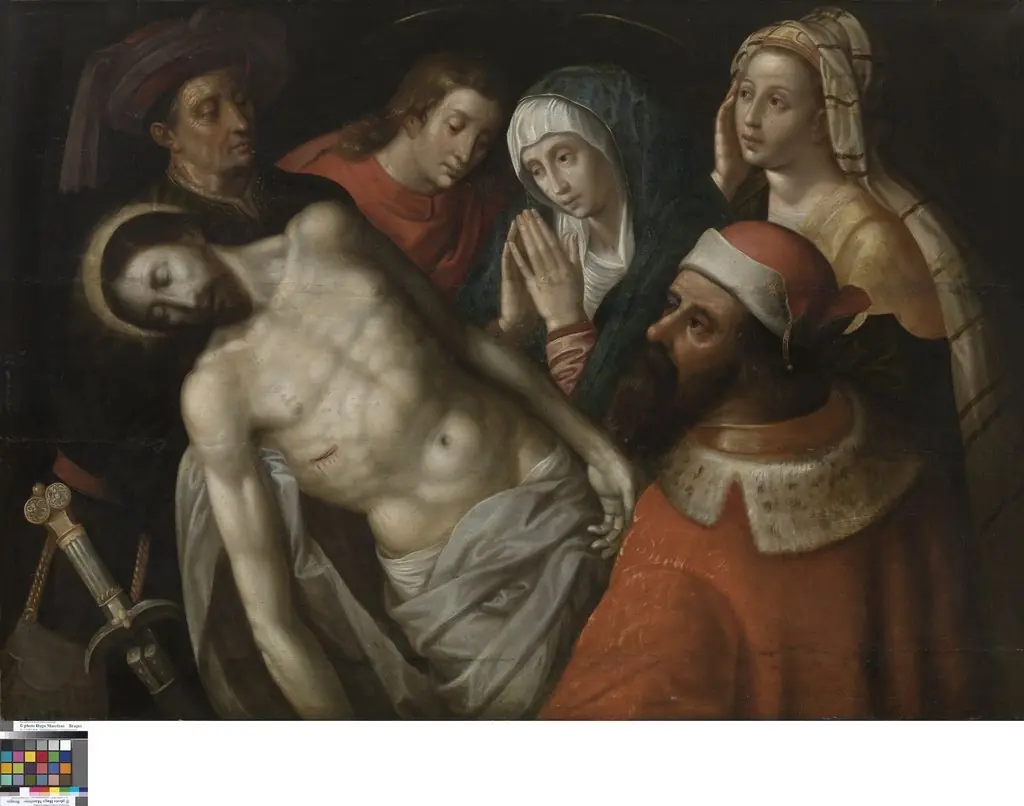 Lamentation
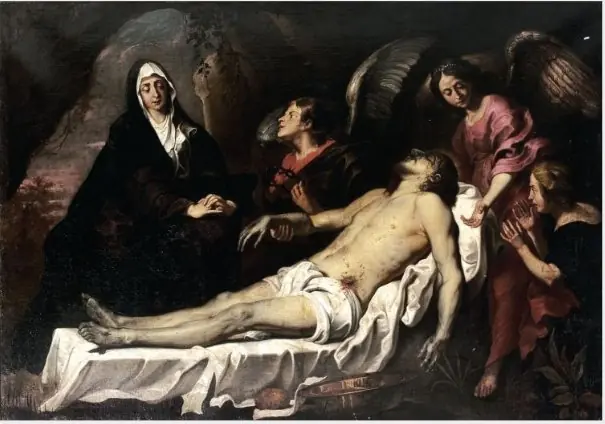 The Lamentation of Christ
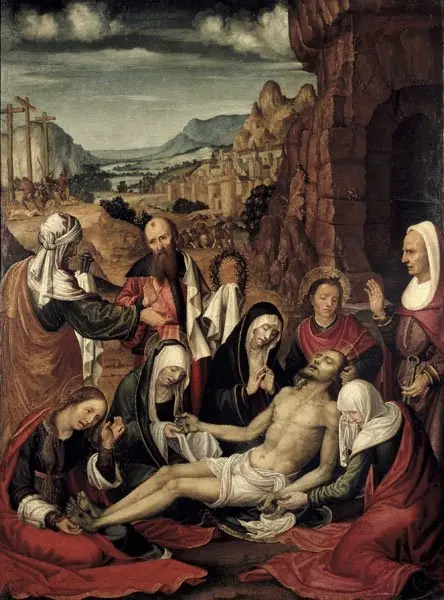 Mourning over the Dead Body of Christ
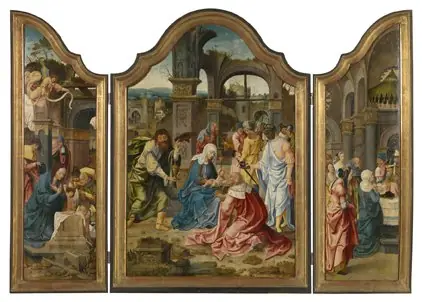 Triptych with the adoration of the magi
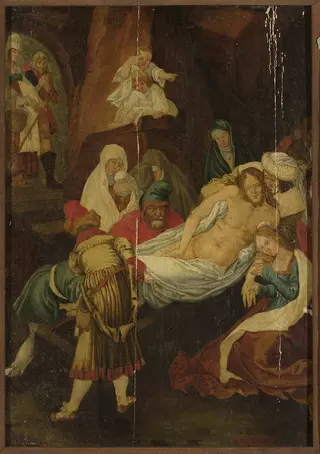 Entombment of Christ (Matthew 27:59–61; Mark 15:46–47; Luke 23:53–56; John 19:38–42)
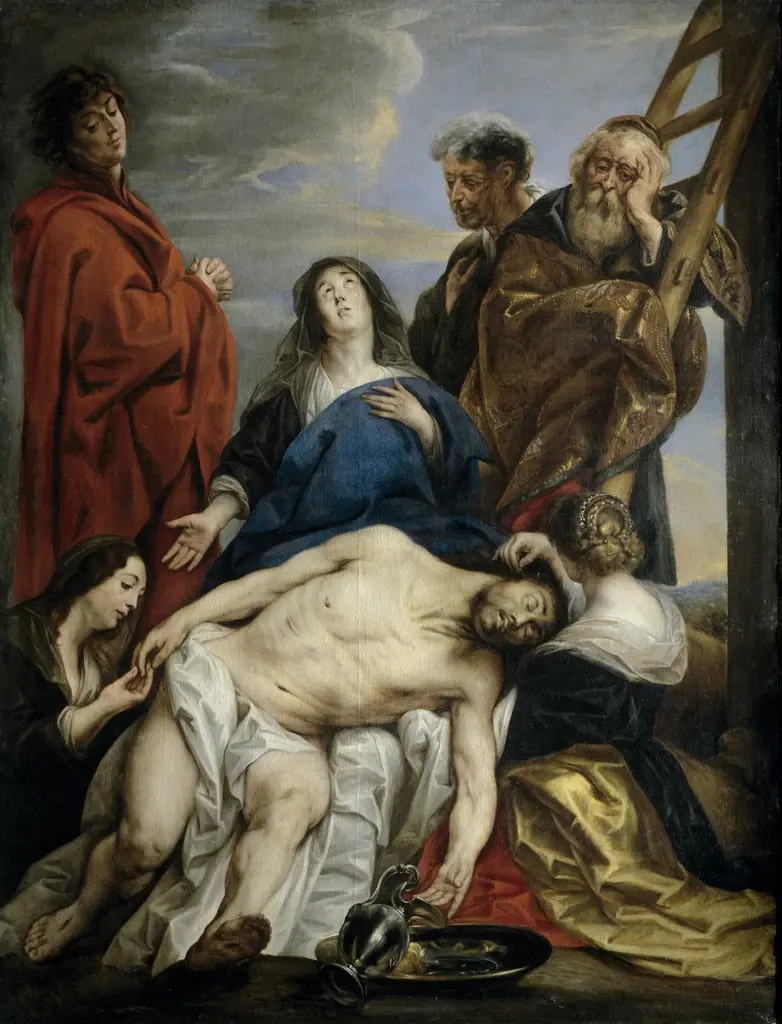 Pietà
Pietà