Artwork
Saint Luke Giving three Pilgrims Alms
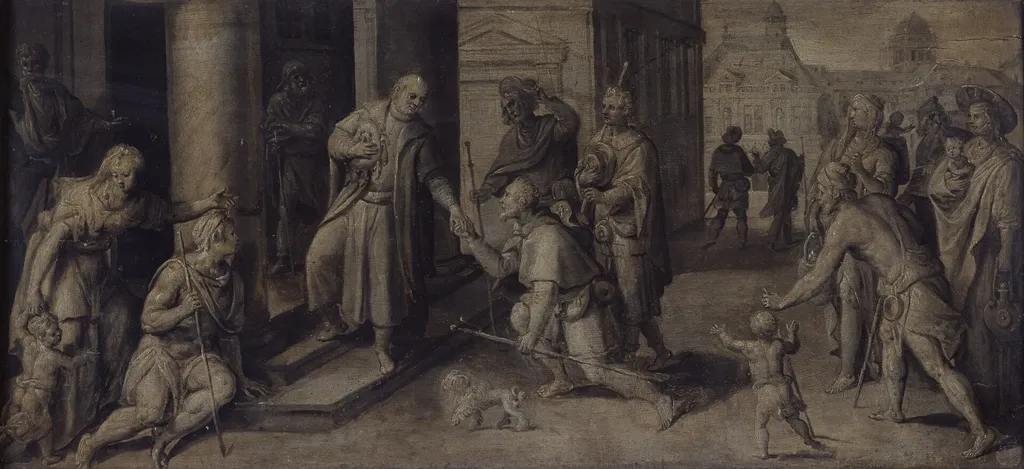
Saint Luke Giving three Pilgrims Alms is an oil painting by the Mannerist artist Maarten de Vos. It dates from 1594 and is held in the collection of the Royal Museum of Fine Arts Antwerp. Painted in 1594 by Maerten de Vos, this oil-on-canvas work illustrates a moment of charitable act from the life of Saint Luke.
About this work
Overview
The painting resides today in the Royal Museum of Fine Arts Antwerp, where it reflects the devotional priorities of late 16th-century Antwerp.
Painted in 1594 by Maerten de Vos, this oil-on-canvas work illustrates a moment of charitable act from the life of Saint Luke. As one of the leading Flemish painters in the Spanish Netherlands, de Vos specialized in religious and allegorical subjects, often produced for both ecclesiastical and private patrons. The painting resides today in the Royal Museum of Fine Arts Antwerp, where it reflects the devotional priorities of late 16th-century Antwerp.
Subject & Meaning
The scene depicts Saint Luke, traditionally regarded as a physician and evangelist, distributing alms to three kneeling pilgrims. The act underscores Christian virtue through tangible compassion, aligning with Counter-Reformation ideals that emphasized charitable works. The pilgrims’ postures convey humility and gratitude, while Luke’s gesture, offering coins from a pouch, anchors the composition in quiet dignity, reinforcing the spiritual value of generosity.
Technique & Style
De Vos employed oil paint with clear, controlled brushwork to define figures against a subdued, dark background. The pilgrims and saint are rendered with expressive facial details and deliberate gestures, enhancing narrative clarity. Though influenced by Mannerist conventions, elongated forms, heightened emotion, the treatment avoids excessive ornamentation, favoring legibility and emotional resonance over theatricality.
History & Provenance
Commissioned during a period of religious and artistic renewal in Antwerp, the painting likely served a devotional or institutional context. De Vos, a prolific artist connected to the city’s print culture, often designed compositions for engravings, ensuring wide dissemination of his imagery. The work entered the Royal Museum of Fine Arts Antwerp’s collection in the 19th century, where it remains part of its core holdings of Flemish Renaissance art.
Context
Created amid the Catholic Church’s efforts to reaffirm its moral authority after the Reformation, the painting reflects the Counter-Reformation emphasis on visible acts of piety. Antwerp, a thriving commercial center, was also a hub for religious imagery that appealed to both clergy and lay patrons. De Vos’s work catered to this demand, blending narrative clarity with spiritual gravity to suit contemporary devotional needs.
Legacy
Though less widely known today than some of his contemporaries, de Vos’s output helped shape the visual language of Flemish religious art in the late 1500s. His ability to translate theological themes into accessible, emotionally grounded scenes influenced local workshops and printmakers. This painting endures as a representative example of how faith was visually codified in a society where art served both worship and moral instruction.
Artist & collection


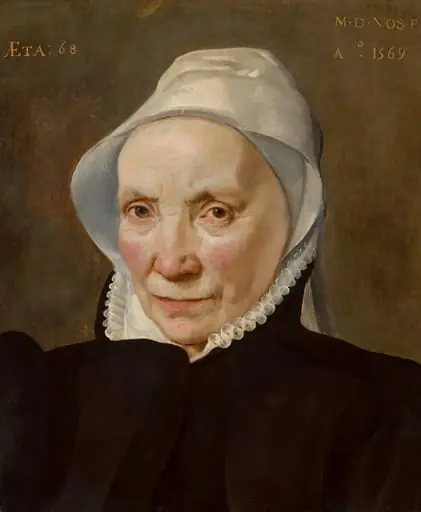 Portrait of a Woman Aged Sixty-Eight
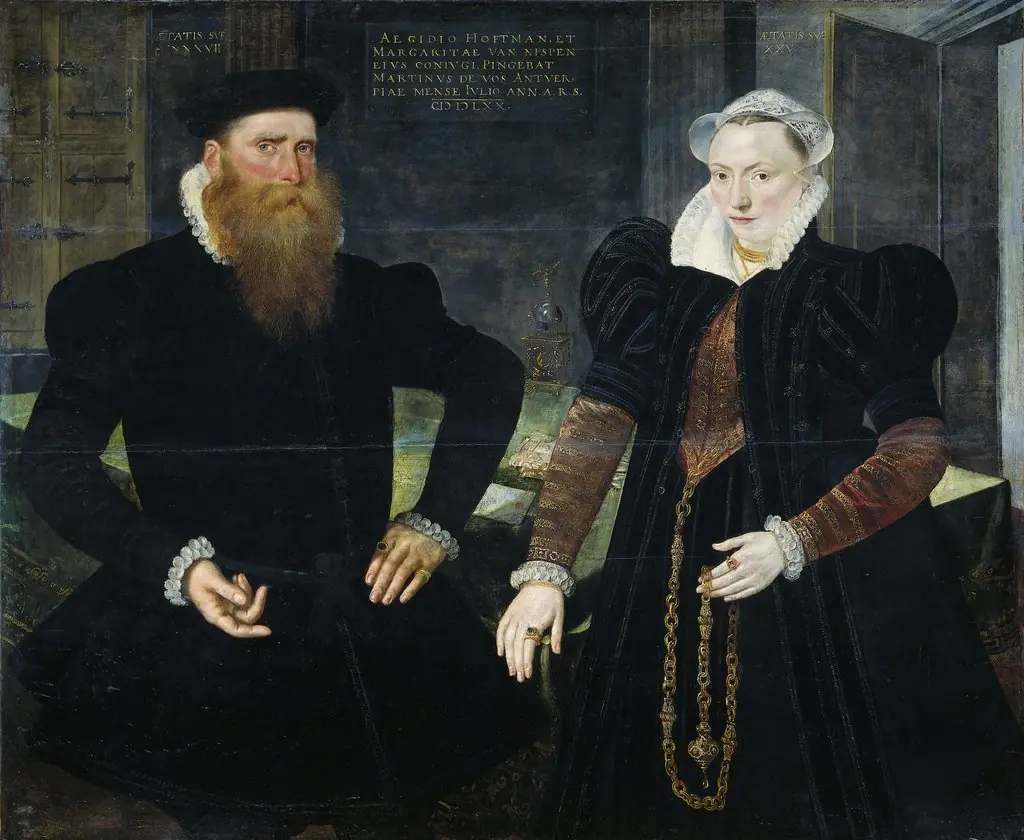 Portrait of Gillis Hooftman (1521-81). Shipowner, and his wife Margaretha van Nispen (b 1545)
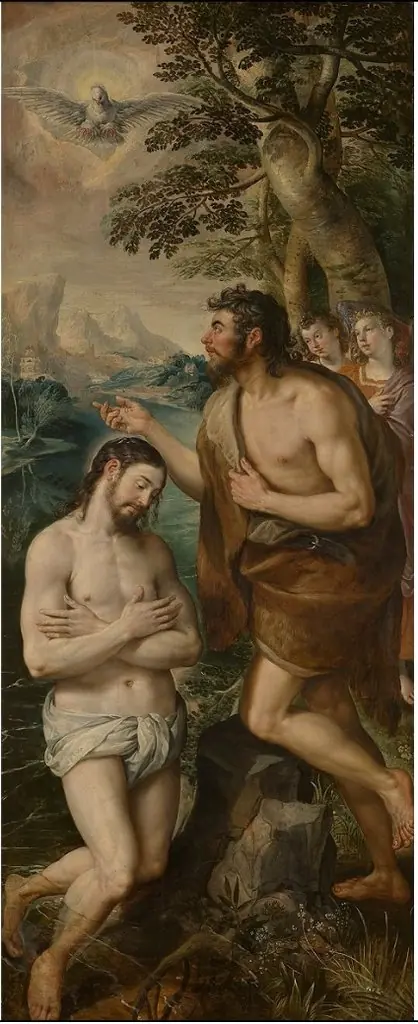 The Baptism of Christ
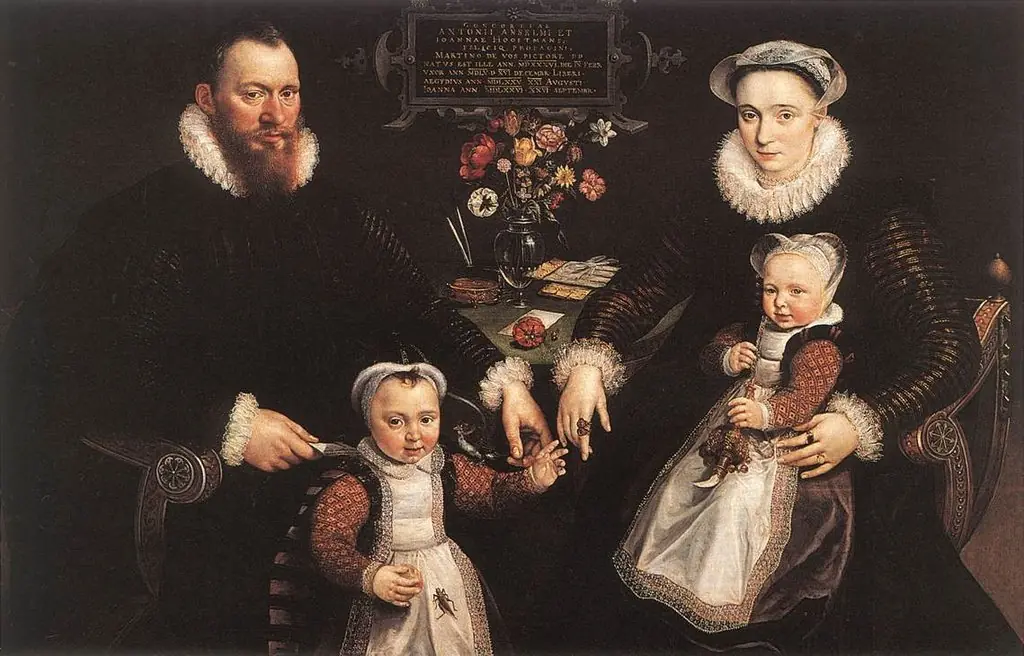 Portrait of Antonius Anselmus, His Wife and Their Children
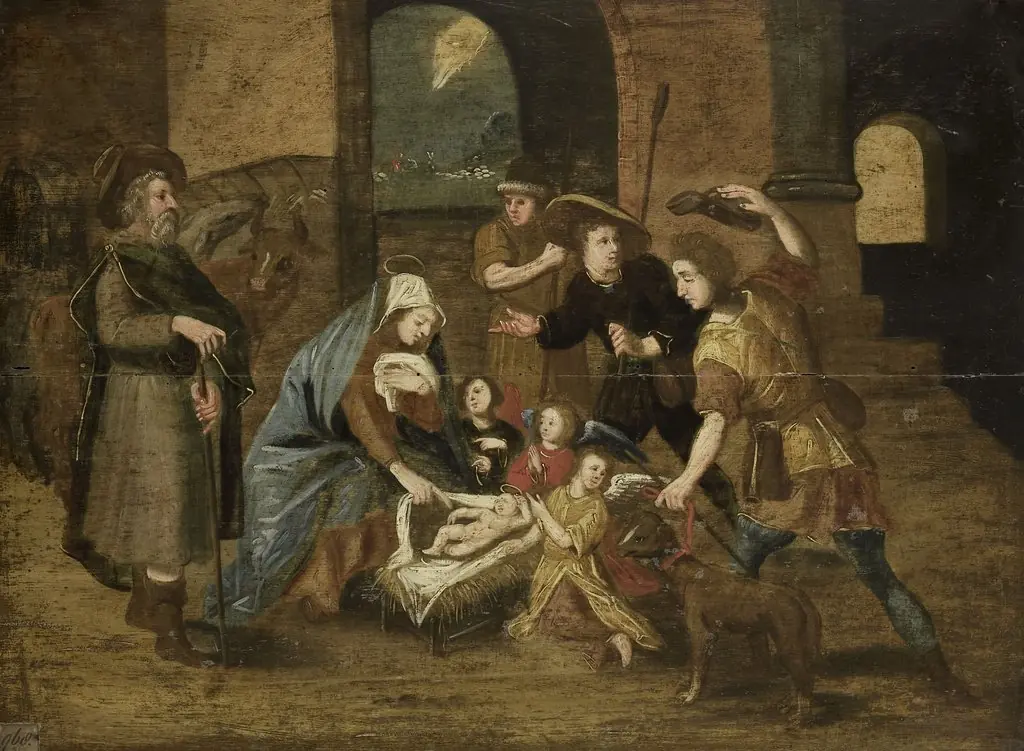 Adoration of the Shepherds
 The Adoration of the Kings
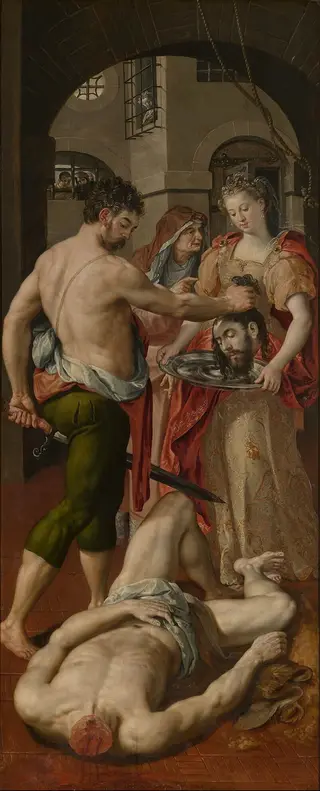 The Beheading of Saint John-Baptist
 Auferweckung des Lazarus
- The Adoration of the Magi
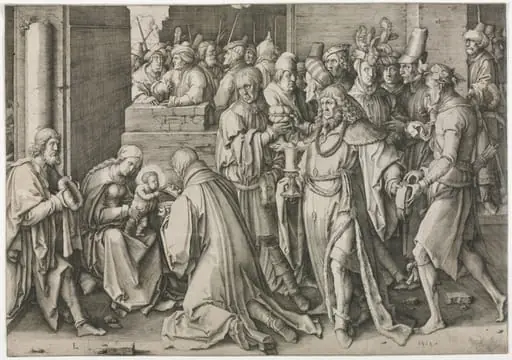 Adoration of the Magi
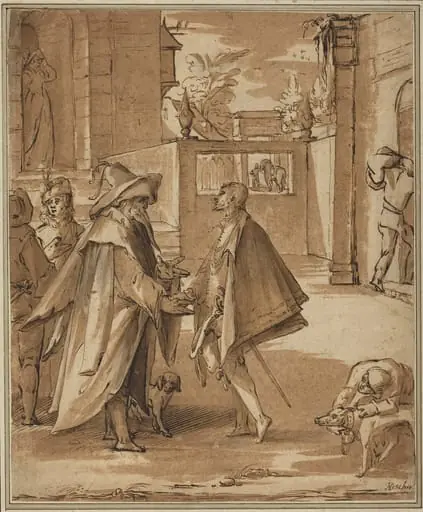 The Departure of the Prodigal Son
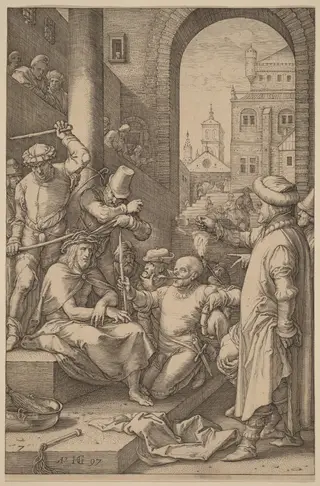 Christ Crowned with Thorns
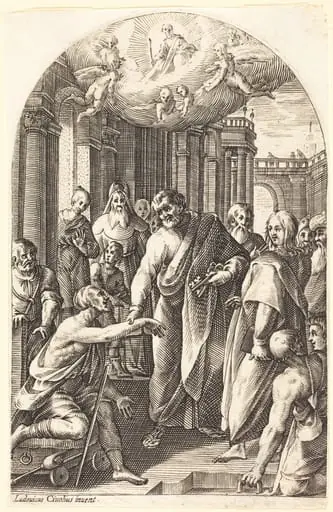 Peter and John Healing the Lame
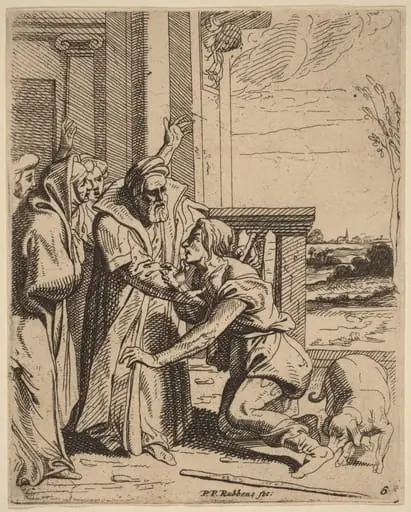 The Prodigal Son Received by His Father
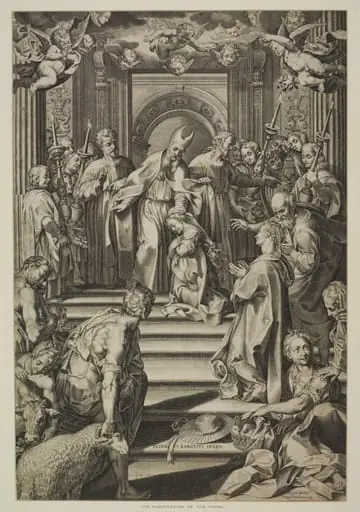 The Purification of the Virgin
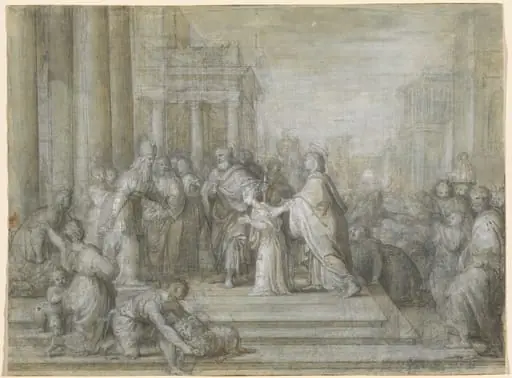 The Presentation of the Virgin in the Temple
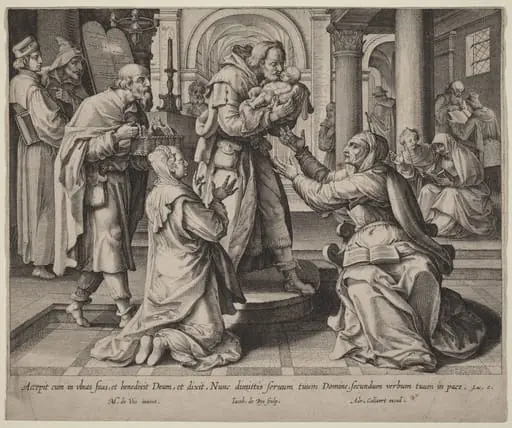 Presentation in the Temple
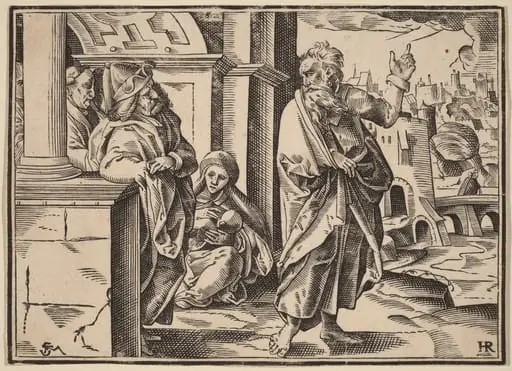 Christ Tells His Disciples of the Last Judgment
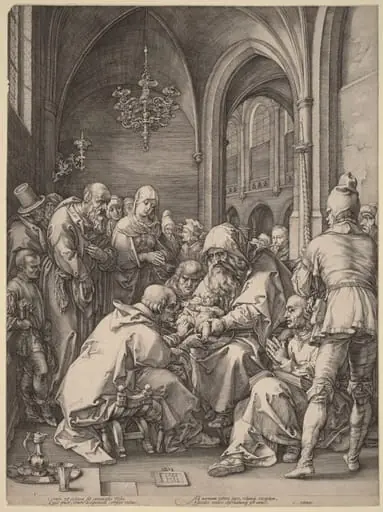 The Circumcision
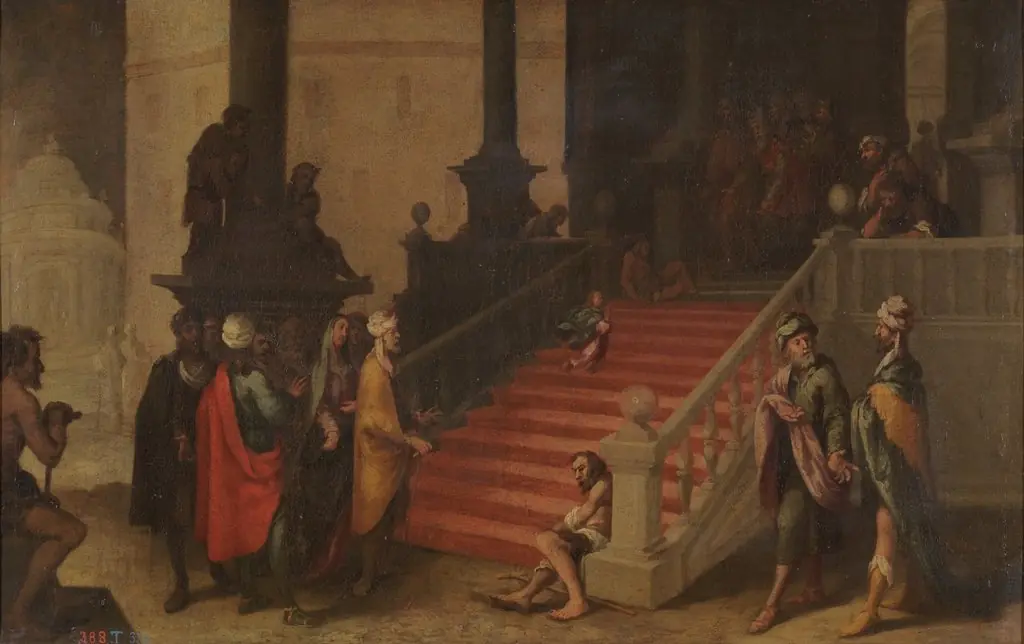 The Presentation of the Virgin