Artwork
Ecce Homo
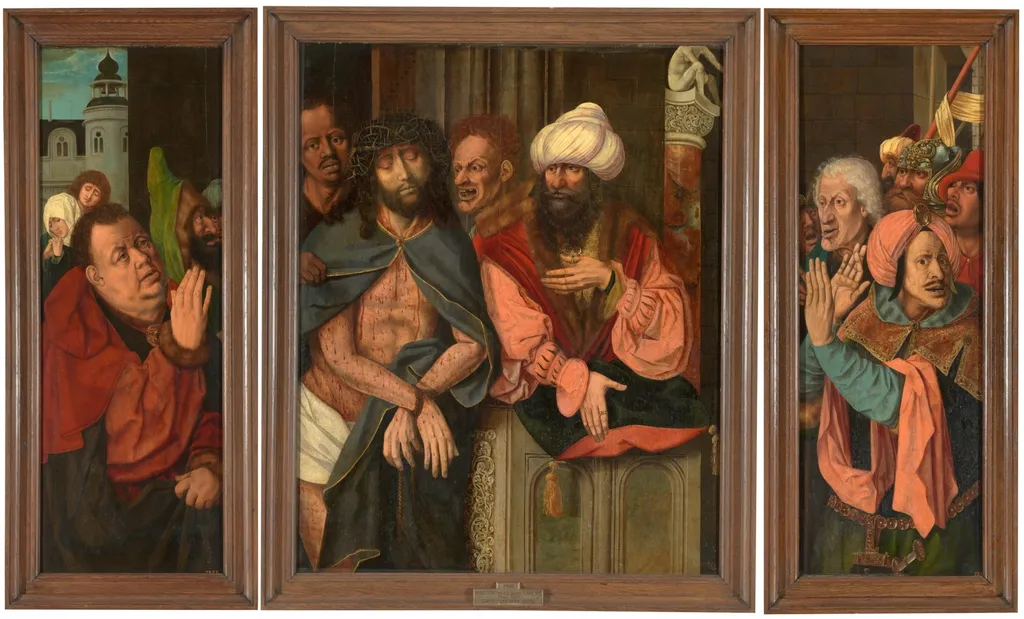
Ecce Homo is an oil painting by the Northern Renaissance artist Master of the Holy Blood. It dates from 1520 and is held in the collection of the Museo del Prado.
About this work
Subject & Meaning
The composition emphasizes the humanity and physical ordeal of the subject, aligning with traditional iconography that highlights the passion narrative.
This oil painting on panel, created in 1520 by the Master of the Holy Blood, depicts Jesus Christ as the central figure of the Ecce Homo theme. The work functions as a triptych within the genre of religious art, focusing specifically on the moment Christ is presented to the crowd. By isolating this biblical episode, the piece serves as a devotional object intended to evoke contemplation on the suffering and humiliation of Jesus prior to his crucifixion.
The composition emphasizes the humanity and physical ordeal of the subject, aligning with traditional iconography that highlights the passion narrative.
Technique & Style
Created in 1520, the Ecce Homo is a triptych executed in oil paint on a panel support by the Master of the Holy Blood. The work measures 109 cm in height and 167 cm in width, presenting a religious composition centered on the figure of Jesus Christ. As a triptych, the piece utilizes a multi-panel format typical of Northern Renaissance altarpieces, combining the durability of wood with the rich tonal range achievable through oil media. The painting is currently held in the collection of the Museo del Prado.
History & Provenance
The triptych known as Ecce Homo was created in 1520 by the artist identified as the Master of the Holy Blood. Executed in oil paint on panel, the work measures 109 cm in height and 167 cm in width. The painting depicts Jesus Christ within the context of religious art. It is currently held in the collection of the Museo del Prado, where it remains located.
The triptych Ecce Homo by the Master of the Holy Blood is housed in the Museo del Prado in Madrid, where it is recorded under the museum's collection and displayed as part of its religious art holdings. The work, created in 1520, measures 109 cm in height and 167 cm in width and is executed in oil paint on panel.
Context
The Ecce Homo triptych attributed to the Master of the Holy Blood, painted around 1520 in Antwerp, occupies a distinctive position in early Netherlandish religious art. Its depiction of Christ bound and crowned with thorns, housed in the Museo del Prado since its creation, reflects evolving devotional practices in the early sixteenth century. Scholarship emphasizes its technical mastery and emotional intensity, while its stylistic analysis contributes to broader understandings of Antwerp’s artistic output during the transitional period preceding the rise of Mannerist influences in the Low Countries.
Legacy
The Ecce Homo triptych by the Master of the Holy Blood, painted in 1520 and housed in the Museo del Prado, has been recognized as an influential example of early Netherlandish religious art. Its depiction of Christ in the moment of condemnation contributed to the thematic development of Passion imagery in later Iberian painting, and the work remains frequently cited in studies of 16th‑century devotional triptychs.
Overview
Created circa 1520, the oil triptych titled Ecce Homo is attributed to the Master of the Holy Blood, an Early Netherlandish painter active in Bruges. The work belongs to the Northern Renaissance and is presently housed in the Museo del Prado in Madrid.
Artist & collection
Artist
Master of the Holy Blood (active 1510–1520) was an Early Netherlandish painter, whose workshop was located in Bruges (Belgium).

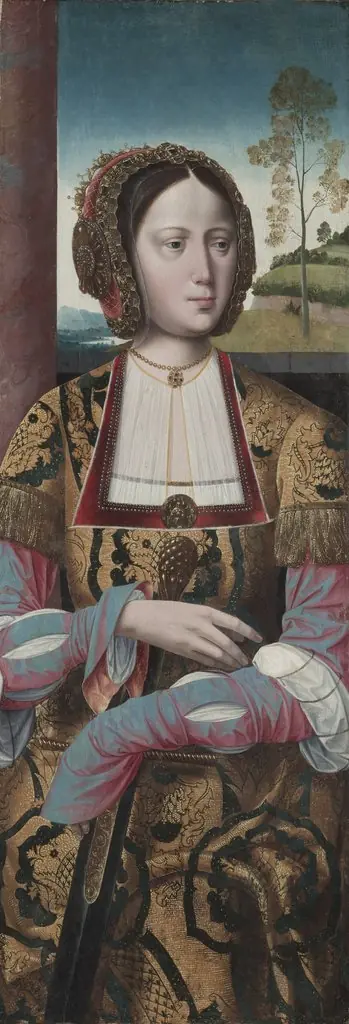
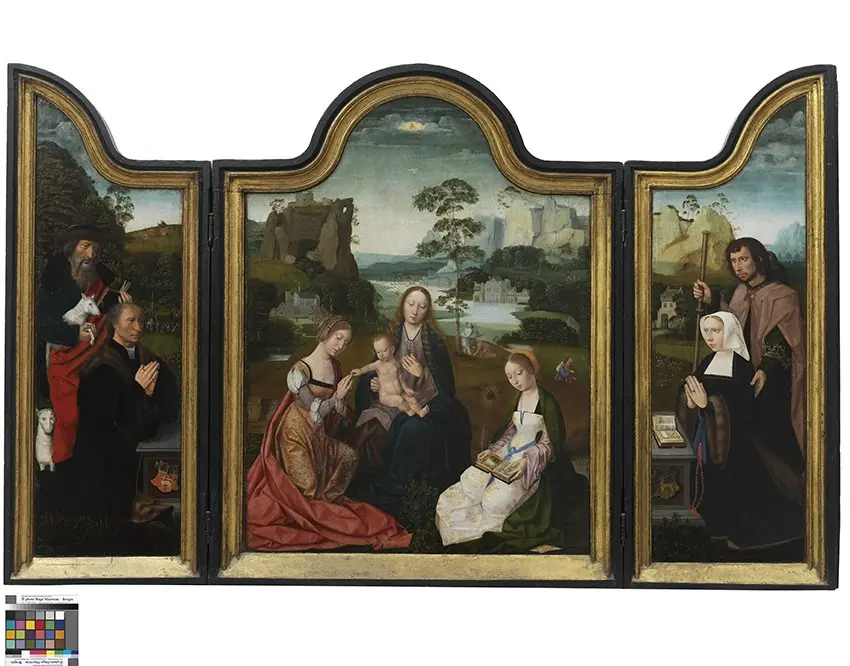
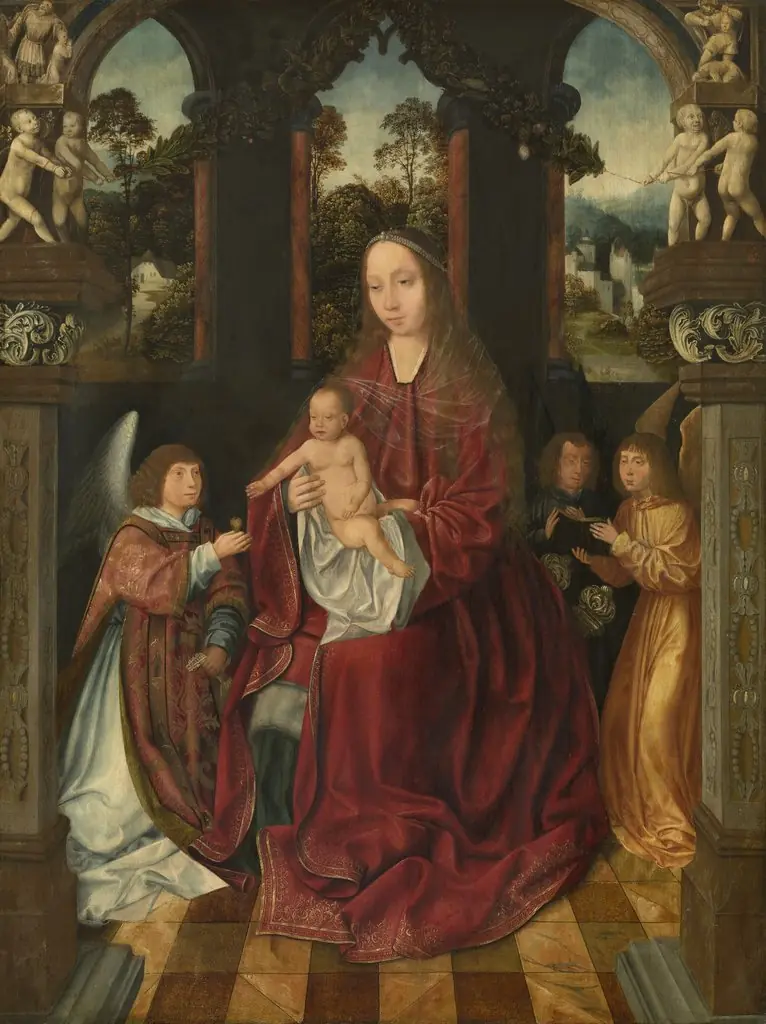
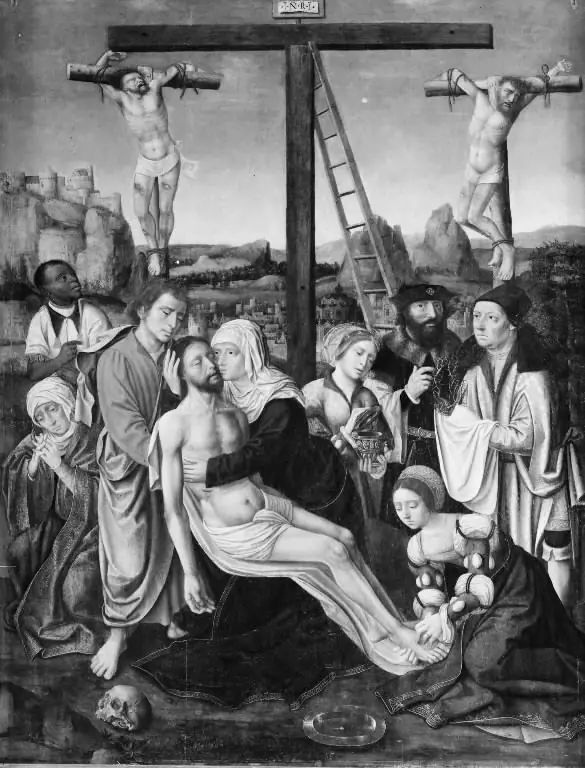
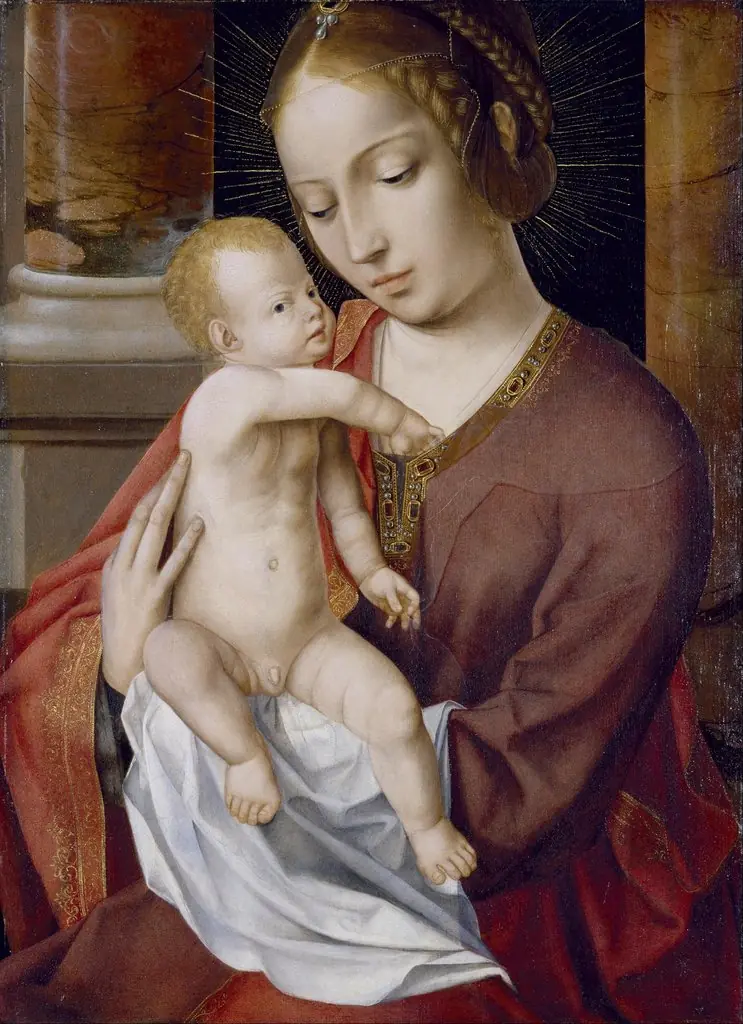
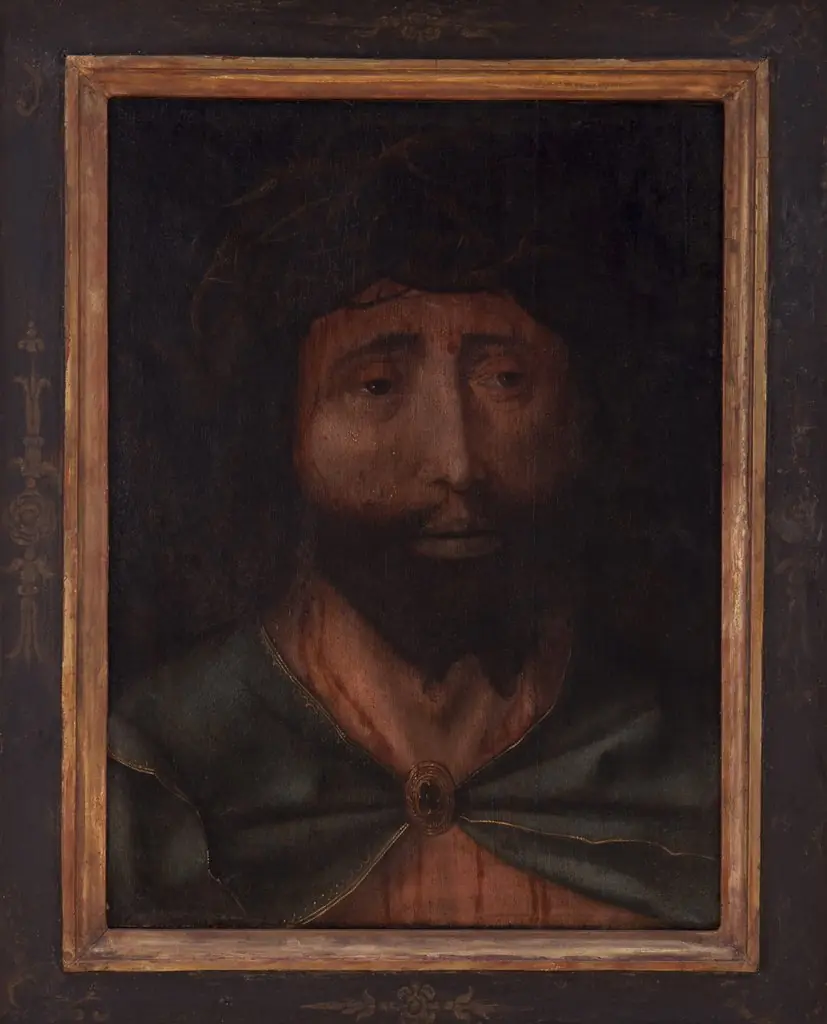
- Ecce Homo
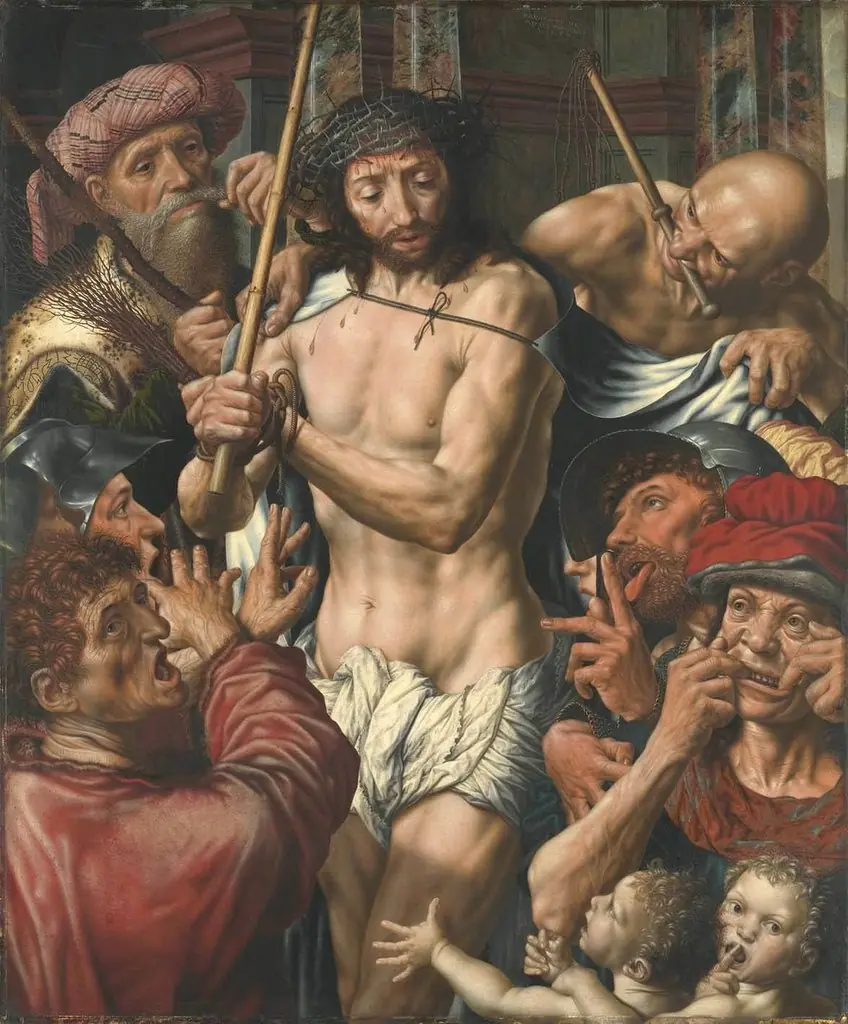 Ecce Homo
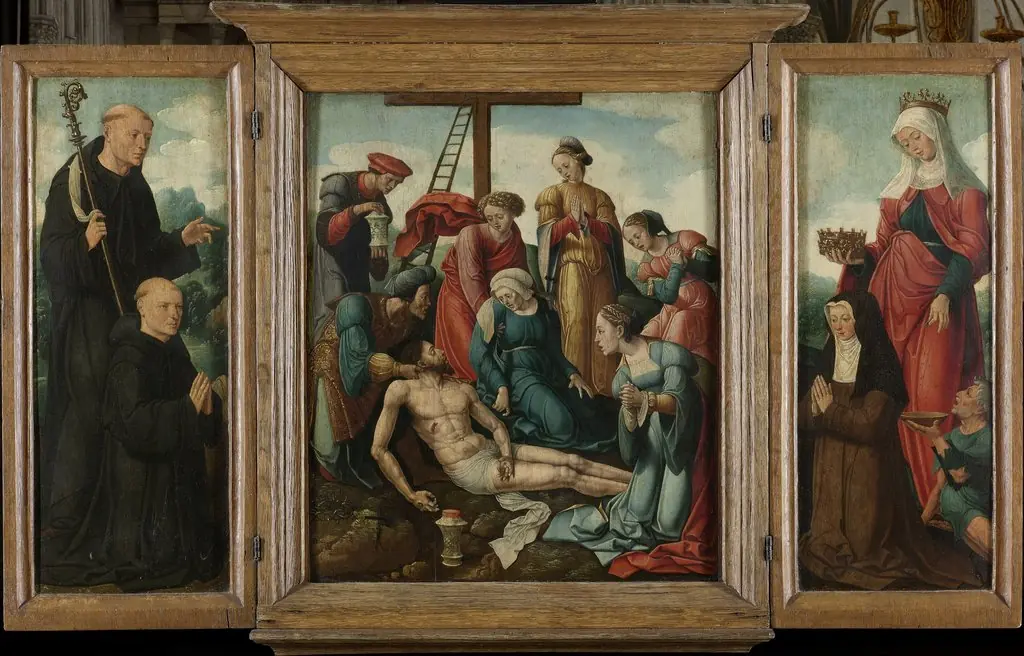 Triptych with the Lamentation of Christ (centre panel), the donor with St Benedict (inner left wing) and the donatrix with St Elizabeth of Thuringia (inner right wing)
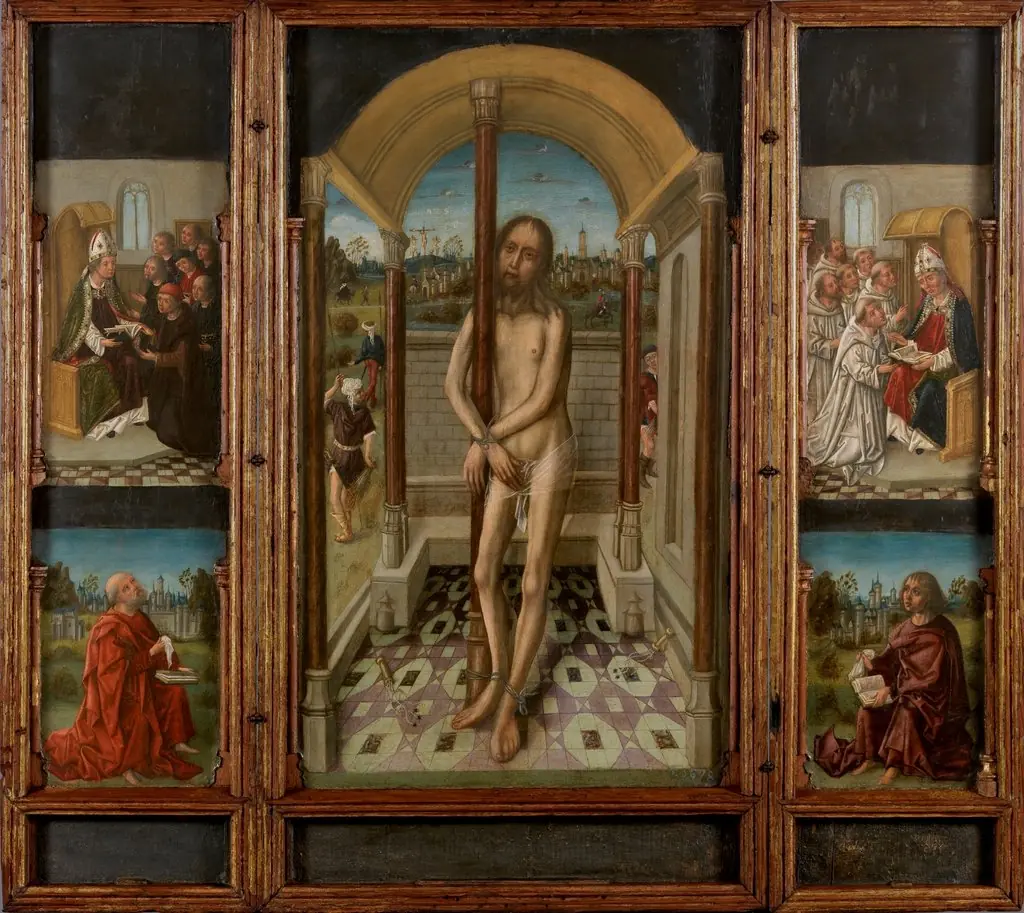 Tríptico de la Flagelación
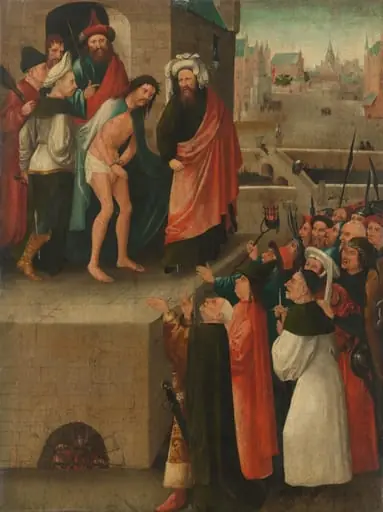 Ecce Homo
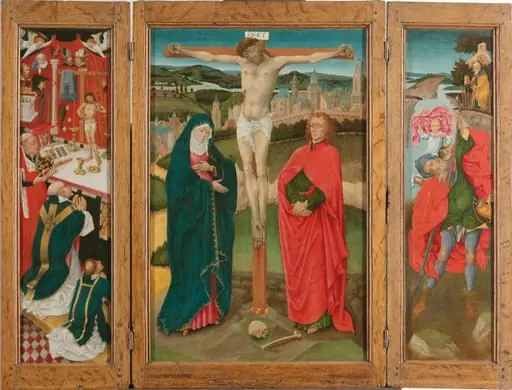 Drieluik met de kruisiging
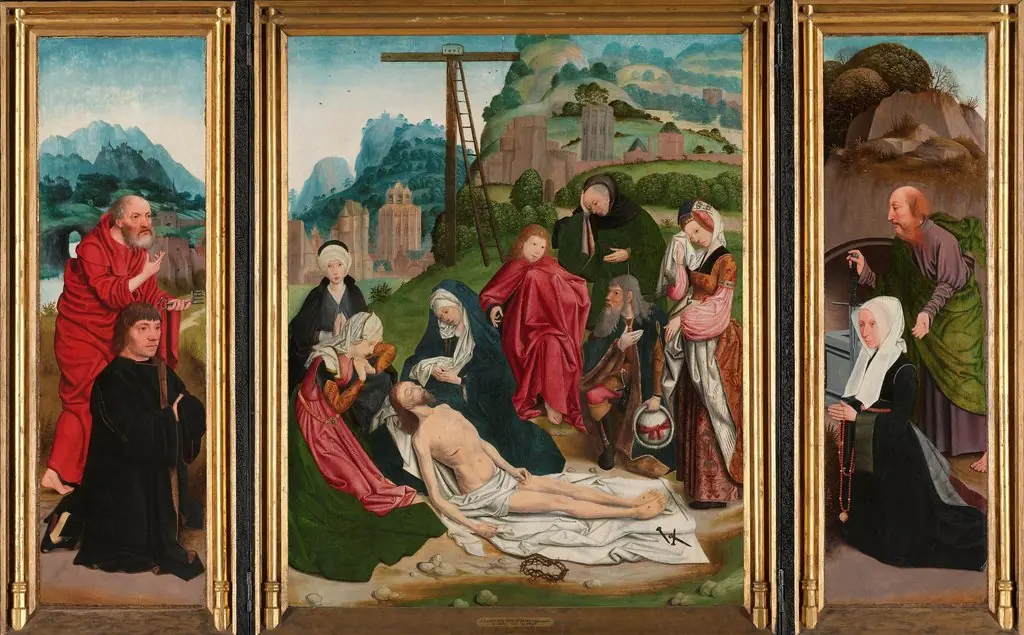 Triptych with the Lamentation (centre panel), the donor with St Peter (inner left wing), the donor’s wife with St Paul (inner right wing) and the donors’ coats of arms (outer wings)
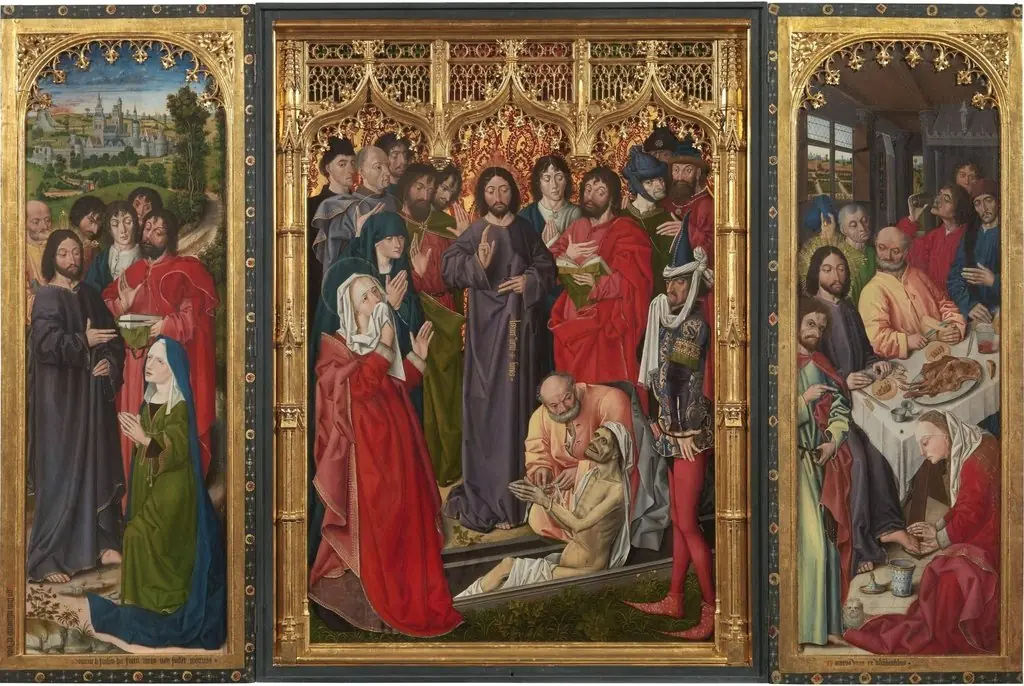 Resurrection of Lazarus
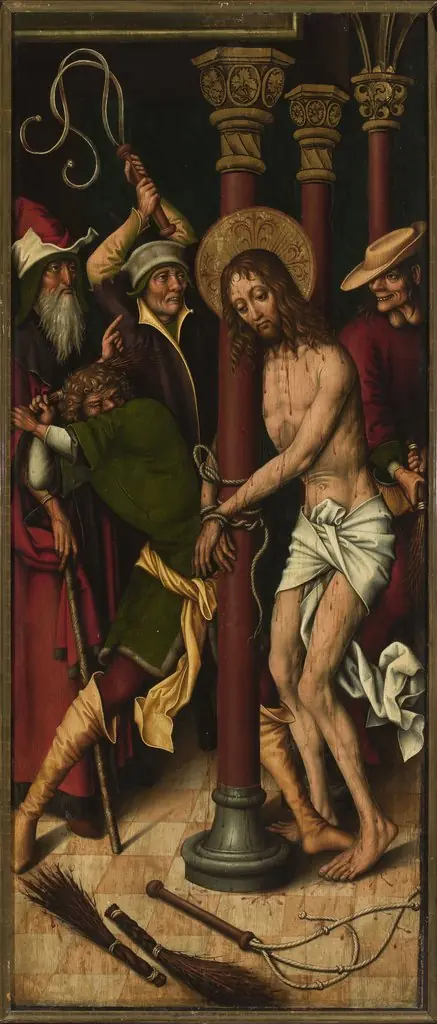 Flagellation of Christ
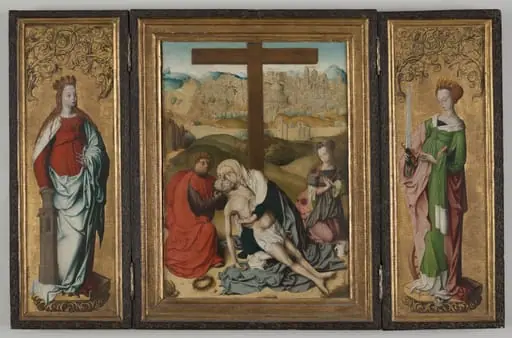 Triptych with The Lamentation of Christ (center), St. Barbara (left wing), St. Catherine of Alexandria (right wing), The Annunciation (reverse wings)
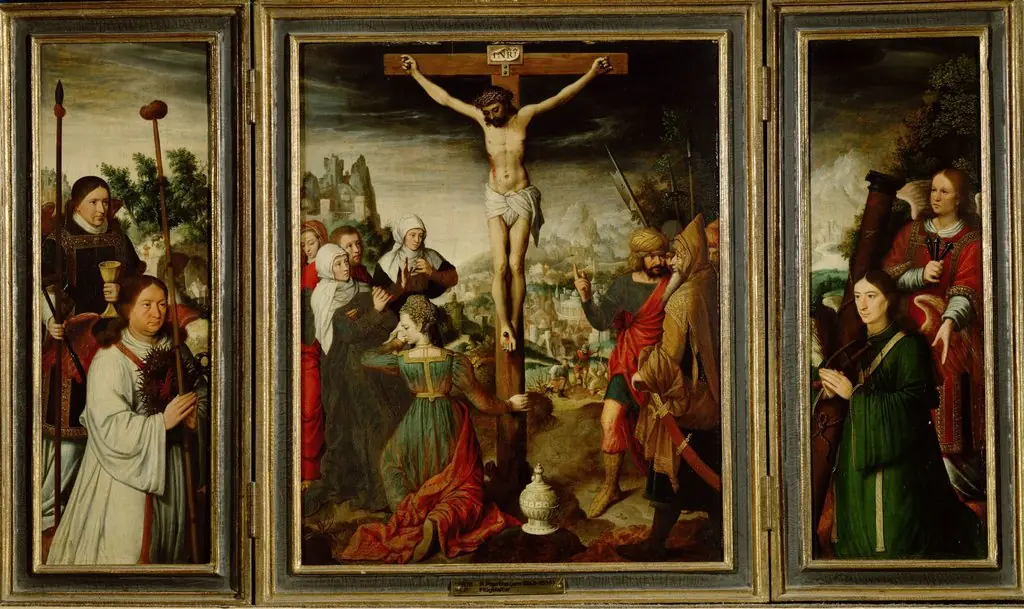 Kreuzigungstriptychon
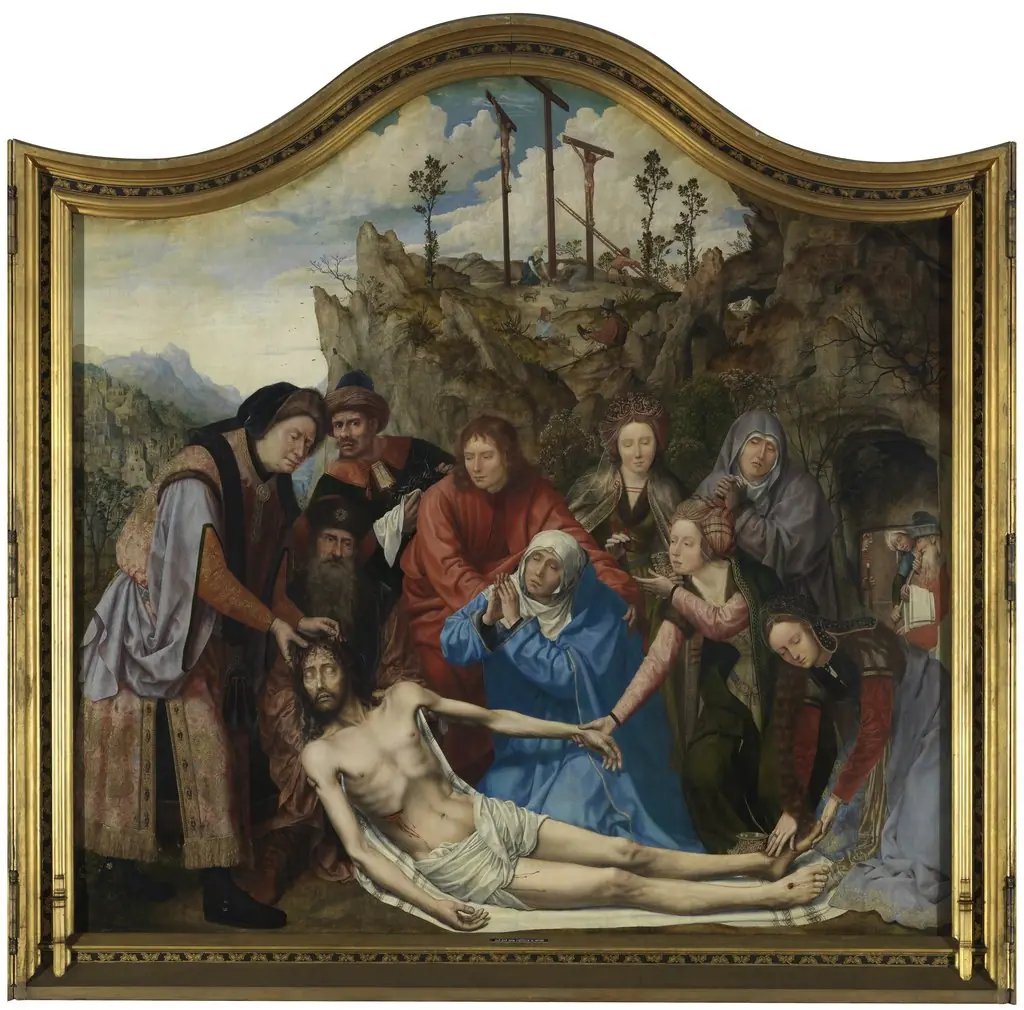 The Lamentation over the Dead Christ