Artwork
Sunflower
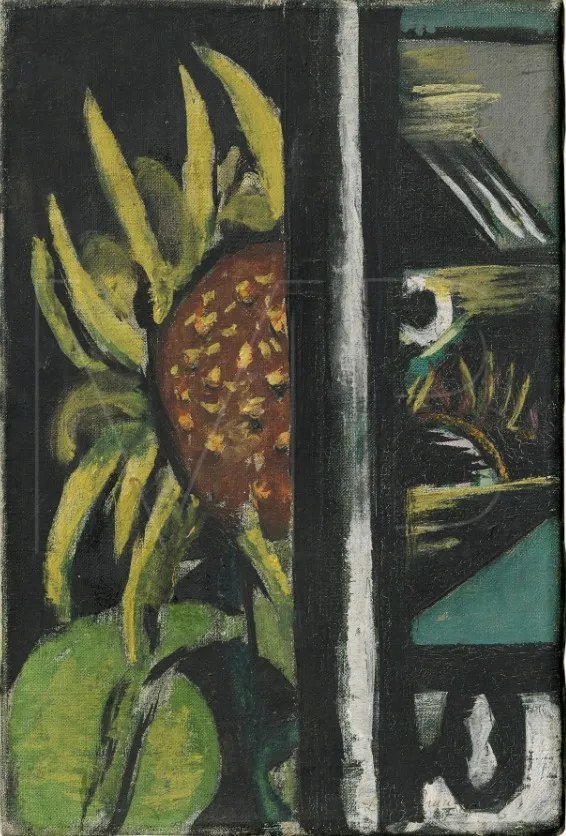
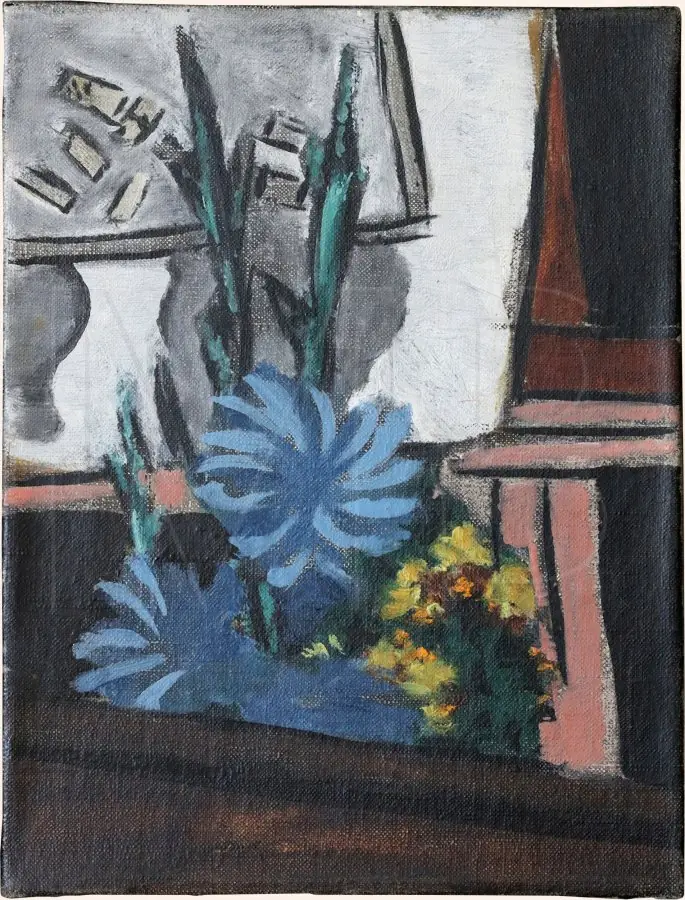
Sunflower is an oil painting by the German Expressionist artist Max Beckmann. It dates from 1930 and is held in the collection of the Städel Museum.
About this work
Overview
Max Beckmann painted Sunflower in 1930 using oil on canvas, presenting a solitary floral subject within a restrained still-life format.
Max Beckmann painted Sunflower in 1930 using oil on canvas, presenting a solitary floral subject within a restrained still-life format. Though associated with Expressionist circles early in his career, Beckmann had by this time distanced himself from its emotional excesses, embracing instead the冷静 clarity of New Objectivity. The work’s quiet intensity reflects his broader interest in confronting the ordinary with psychological weight.
Subject & Meaning
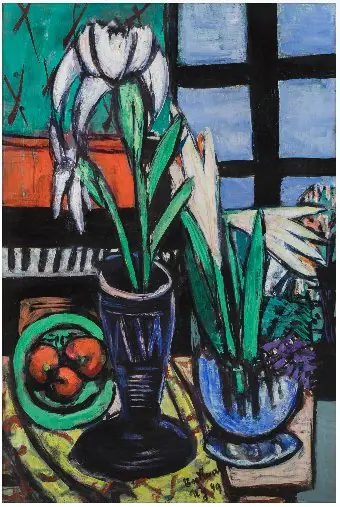
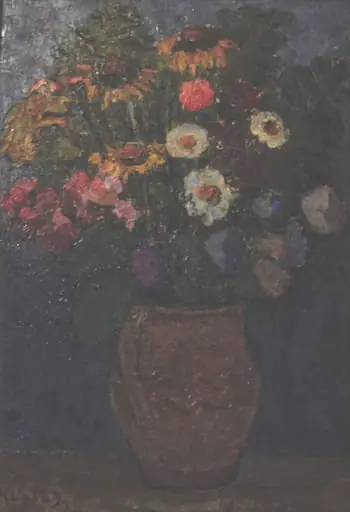
The painting depicts a single sunflower, its dark central disk and radiating yellow petals rendered with deliberate simplicity. Set against a deep, undefined background, the flower appears isolated, its vitality contrasted with the surrounding gloom. Beckmann often infused mundane objects with latent tension; here, the sunflower’s resilience may suggest endurance amid uncertainty, without overt symbolism.
Technique & Style
Beckmann applied oil paint with firm, visible brushwork, building texture through layered strokes that emphasize the flower’s physical presence. The yellow petals glow against the dark ground, not through soft blending but through sharp tonal contrasts. Leaves at the base are rendered with muted greens, grounding the composition without softening its starkness. The style avoids decorative flourish, favoring structural clarity and restrained chromatic intensity.
History & Provenance
Created in 1930 during Beckmann’s tenure in Frankfurt, Sunflower entered the Städel Museum’s collection shortly after its completion. It remained in the museum’s holdings through the Nazi era, when Beckmann’s work was condemned as degenerate, yet was not seized, possibly due to its non-political subject. The painting has been publicly displayed intermittently since, consistently noted for its quiet authority.
Context
In early 1930s Germany, artists grappled with societal fragmentation and rising political tension. Beckmann’s turn toward New Objectivity reflected a broader shift away from emotional abstraction toward precise, detached observation. Sunflower aligns with this trend, using natural forms to explore perception and presence rather than narrative or ideology, offering a contemplative counterpoint to the era’s volatility.
Legacy
Though not among Beckmann’s most widely exhibited works, Sunflower exemplifies his mature approach: the elevation of the ordinary through disciplined form and psychological nuance. It continues to be studied for its balance between realism and inner tension, influencing later generations interested in the expressive potential of still life beyond traditional symbolism.
Artist & collection
Artist
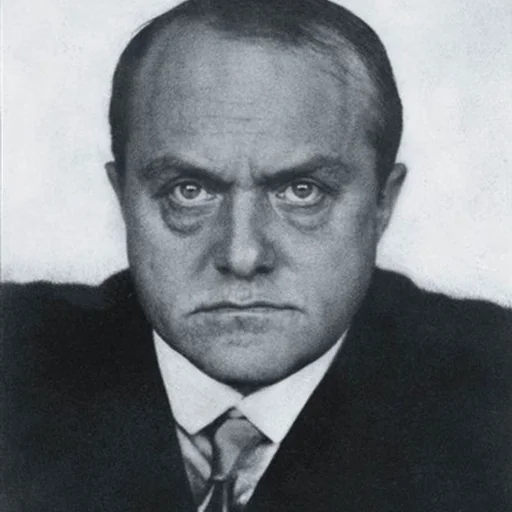
Max Carl Friedrich Beckmann (February 12, 1884 – December 27, 1950) was a German painter, draftsman, printmaker, sculptor, and writer.