Artwork
On Death, Part I
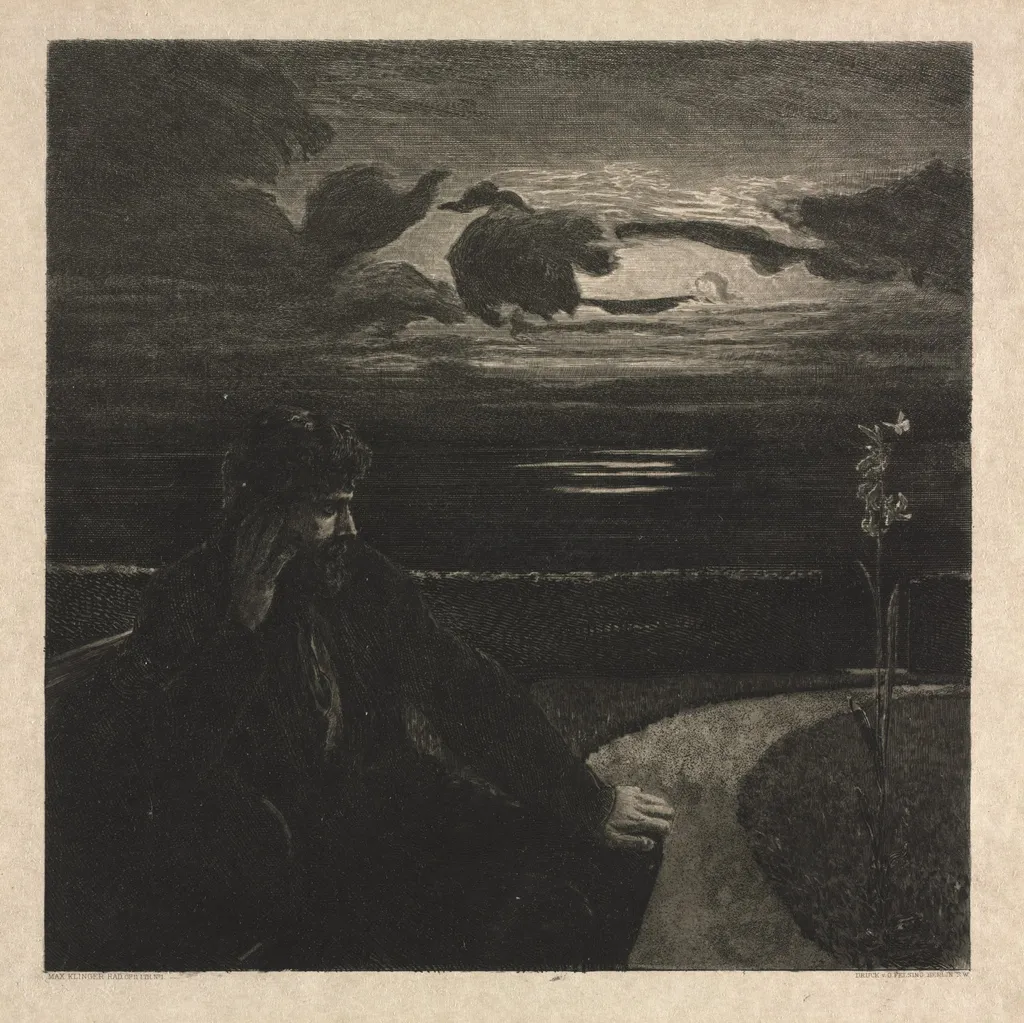
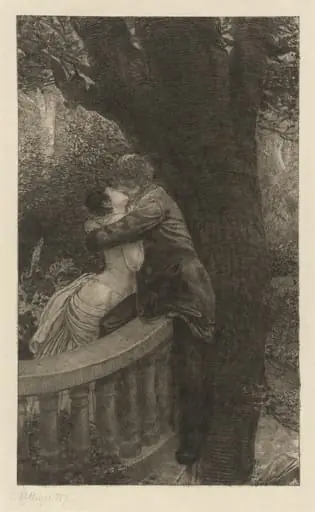
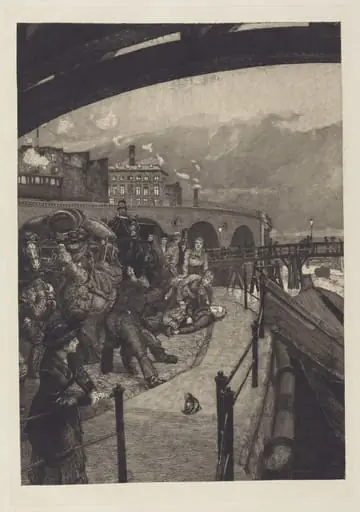
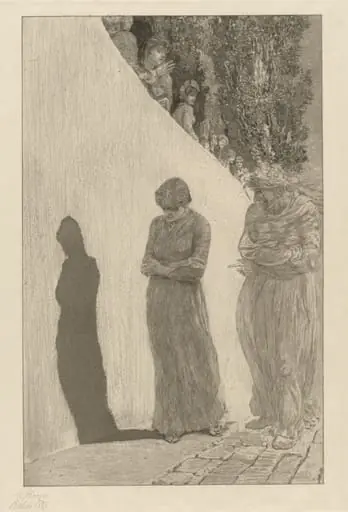
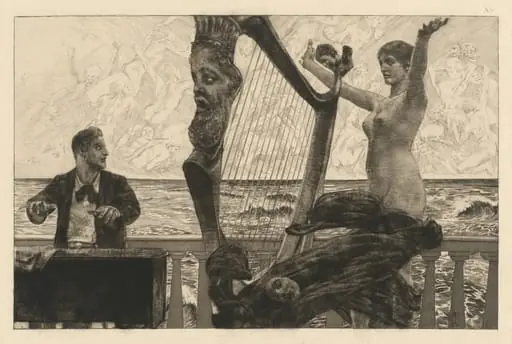
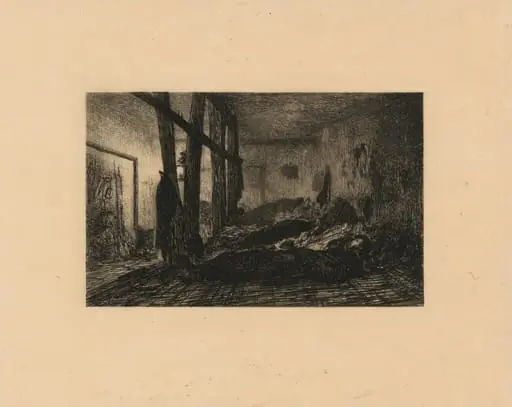
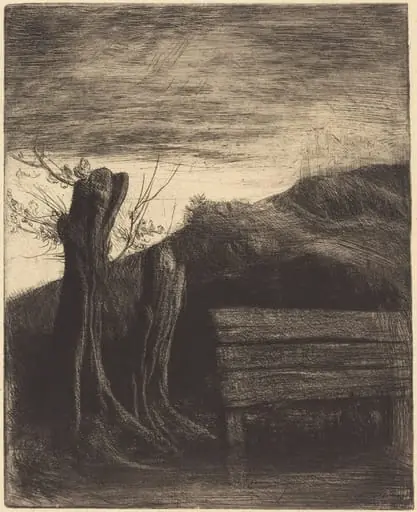
On Death, Part I is a print by the Impressionist artist Max Klinger. It dates from 1889 and is held in the collection of the Cleveland Museum of Art.
- Accession no.
- 1933.126
- Credit line
- Gift of The Print Club of Cleveland
About this work
Overview
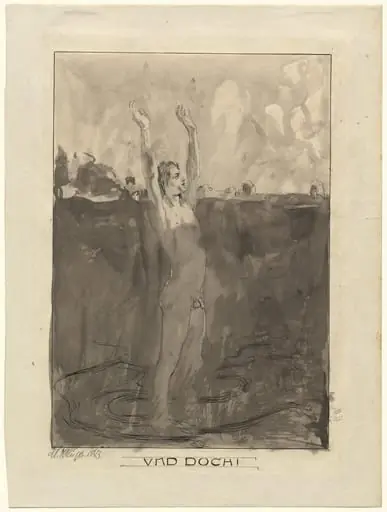
On Death, Part I is a print from Max Klinger's ten‑image series titled On Death, Part One. Executed as an etching, the work belongs to the Symbolist movement and reflects the artist’s preoccupation with life's transience and the abrupt arrival of death, ideas that a contemporary reviewer likened to a modern "Dance of Death."
Subject & Meaning
The first plate, titled Night, depicts a solitary man seated on a bench within a walled garden. A moonbeam pierces the cloud‑filled sky above a distant sea, while a lily and a fluttering butterfly occupy the path to the right. The quiet setting and nocturnal light suggest an inner melancholy, turning the surrounding landscape into a visual metaphor for the figure’s contemplations on mortality.
Technique & Style
Klinger employed the etching process, using fine lines and tonal washes to achieve a chiaroscuro effect that heightens the contrast between illuminated and shadowed areas. The delicate rendering of the moonlit garden and the subtle gradations of tone convey a somber atmosphere, characteristic of Symbolist aesthetics that prioritize mood and psychological depth over literal representation.
Context
Created in the late 19th century, the series aligns with broader Symbolist interests in existential themes and the unseen forces shaping human experience. By integrating natural motifs such as the lily, a traditional symbol of purity, and the butterfly, an emblem of fleeting life, Klinger situates his personal meditation within the era’s artistic dialogue on death and the spiritual realm.
Own this work as a print
Artist & collection

Artist
Max Klinger (18 February 1857 – 5 July 1920) was a German artist who produced significant work in painting, sculpture, prints and graphics, as well as writing a treatise articulating his ideas on art and the role of…