Artwork
Lord Algernon Percy
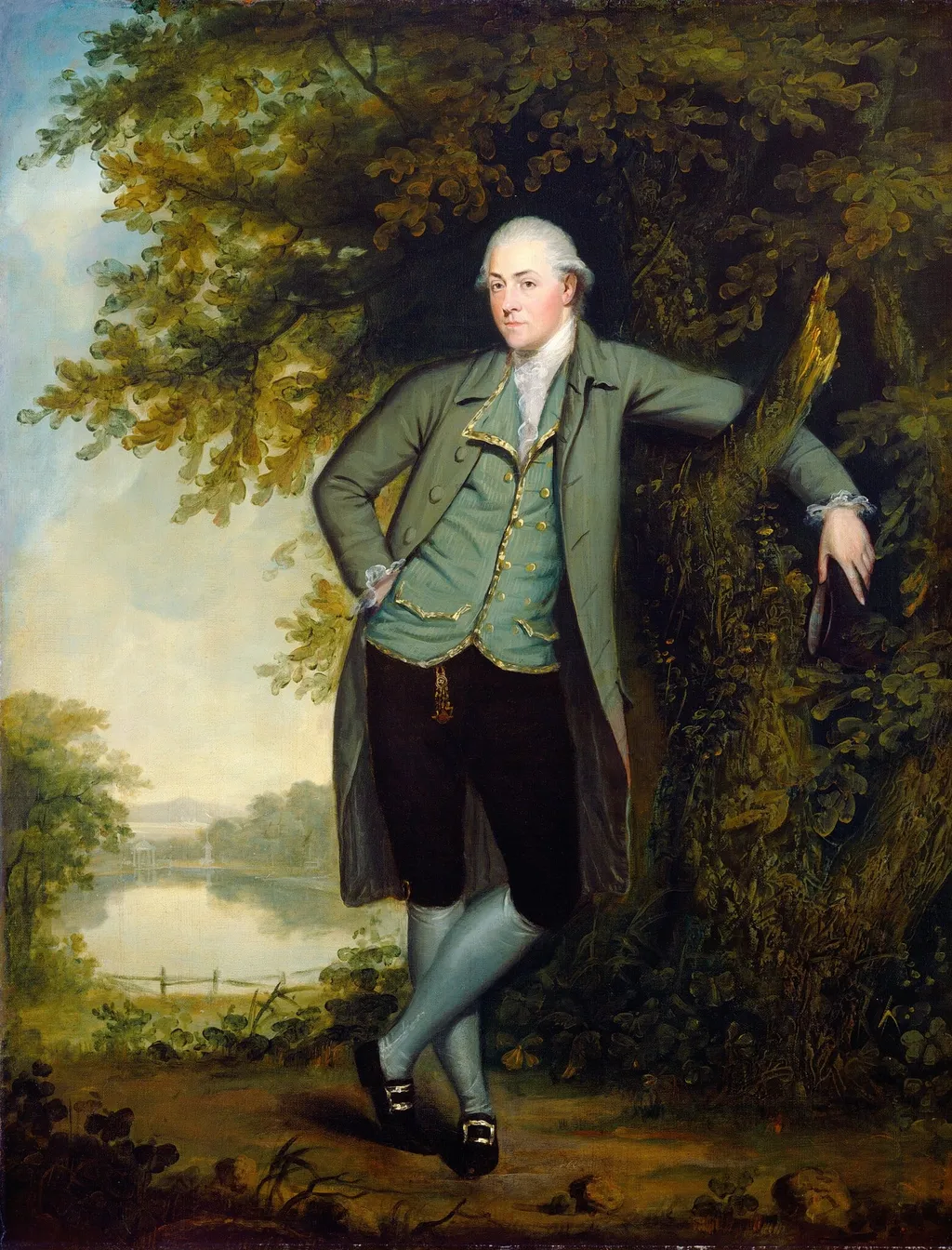
Lord Algernon Percy is an oil painting by the Rococo painting artist James Millar. It dates from 1778 and is held in the collection of the National Gallery of Art.
About this work
Subject & Meaning
The composition centers on the sitter's dignified profile, emphasizing aristocratic lineage and social status through refined attire and poised bearing.
The portrait depicts Algernon Percy, 1st Earl of Beverley, as the central subject, rendered in oil on canvas by James Millar in 1778. The composition centers on the sitter's dignified profile, emphasizing aristocratic lineage and social status through refined attire and poised bearing. As a peer, Percy's identity is underscored by his hereditary title, aligning with the portrait's function to signify rank and authority within 18th-century British society.
The work's inclusion in the National Gallery of Art's collection reflects its enduring value as a historical and genealogical document, preserving the visual legacy of the Percy family's prominence.
Technique & Style
The portrait of Lord Algernon Percy, painted in 1778, is executed in oil on canvas, a standard support for 18th‑century portraiture. The work measures approximately 91.8 cm by 71.5 cm and depicts the sitter in a conventional pose typical of British aristocratic portraiture of the period. Millar employed a smooth brushwork and a restrained palette to render the textures of silk and skin, emphasizing the sitter's status.
The painting has remained in the National Gallery of Art, Washington, D.C., since its acquisition in 1956, transferred from Howard Sturges to the museum.
History & Provenance
Lord Algernon Percy was painted by James Millar in 1778 in oil on canvas. The documented ownership chain begins with E. Ledger, after which the painting passed through the London dealers Arthur Tooth & Sons in 1923. Arthur Tooth & Sons sold it in 1924 to Thos.
Agnew & Sons, London, where it was offered as a work by Sir Martin Archer Shee. It was purchased from Agnew's by the Providence, Rhode Island collector Howard Sturges (d. 1955), who held it until his death. Sturges bequeathed the portrait to the National Gallery of Art in 1956, where it remains in the collection.
The portrait is held in the collection of the National Gallery of Art in Washington, D.C. Its ownership history traces from E. Ledger to Arthur Tooth & Sons in London in 1923. The following year, Thomas Agnew & Sons acquired the piece, attributing it at that time to Sir Martin Archer Shee. Howard Sturges of Providence, Rhode Island, purchased the work from Agnew's before his death in 1955.
Sturges bequeathed the painting to the National Gallery of Art in 1956. The provided records do not list specific inventory numbers or detail any public exhibition history for the work.
Context
The 1778 oil portrait of Algernon Percy, 1st Earl of Beverley, painted by James Millar, is documented as a representative example of mid‑18th‑century British portraiture, a genre in which the artist specialized. Its formal qualities and the sitter's aristocratic status reflect contemporary interests in depicting noble lineage through naturalistic rendering. The work remained in private hands until its sale in 1923–1924 through London dealers Arthur Tooth & Sons and Thos.
Agnew & Sons, after which it entered the National Gallery of Art collection by bequest in 1956. Catalog entries in the Gallery's collection highlight its significance as a documented instance of Millar's output and as a visual record of the British aristocracy during the Georgian era.
Legacy
The painting entered the National Gallery of Art in Washington, D.C., through the 1956 bequest of Howard Sturges, preserving a work that had previously passed from the Ledger collection to Arthur Tooth & Sons and then to Thos. Agnew & Sons, from whom Sturges acquired it. Its long-term placement in a major public museum has allowed sustained scholarly examination of James Millar's portraiture and has contributed to renewed interest in 18th-century British aristocratic imagery.
The documented chain of ownership and continuous display illustrate the artwork's role in shaping the historical reputation of both the sitter and the artist.
Overview
Lord Algernon Percy is an oil on canvas portrait created by the English painter James Millar around 1778. The work depicts Algernon Percy, who would later become the 1st Earl of Beverley, a prominent figure in British society. Executed in the refined Rococo style, this painting exemplifies Millar's skill as a leading portraitist during the late 18th century, particularly within the artistic circles of Birmingham where his career flourished.
Own this work as a print
Artist & collection
Artist
James Millar (c. 1735 – 5 December 1805) was an English portrait painter. Born in Birmingham, Millar is recorded in the town's Poor Law levy books in 1763 but was to become the leading Birmingham portrait painter of the…

- Francis Basset, Lord de Dunstanville
 William Denison
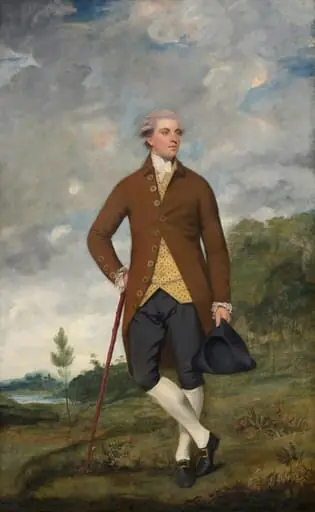 John Musters
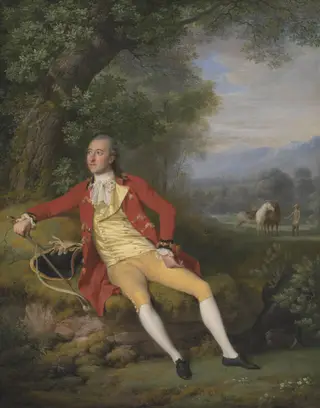 Portrait of an Envoy to the French and English Courts
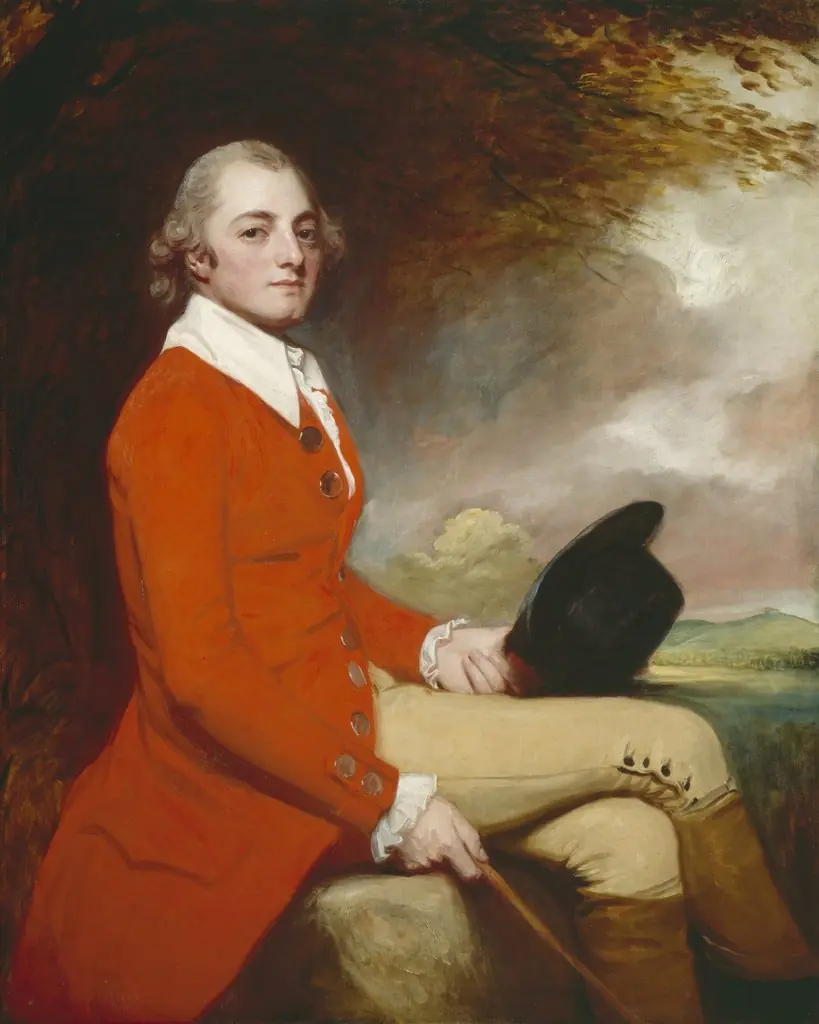 Thomas Grove of Ferne, Wiltshire
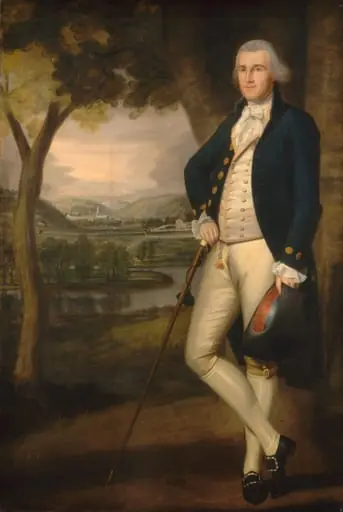 Daniel Boardman
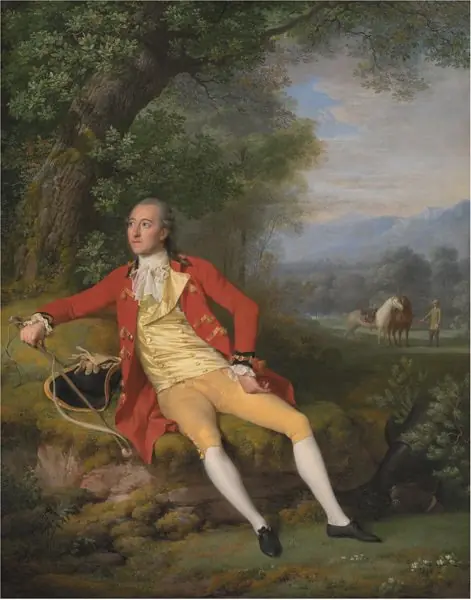 Jean-Armand Tronchin, udsending ved det franske og engelske hof. Schweiz
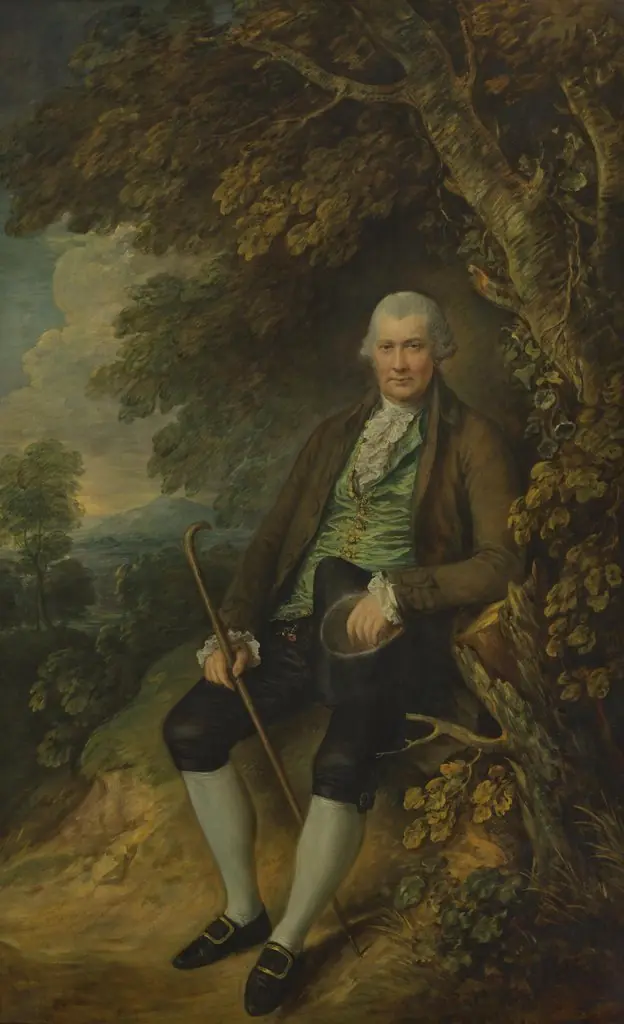 John Wilkinson
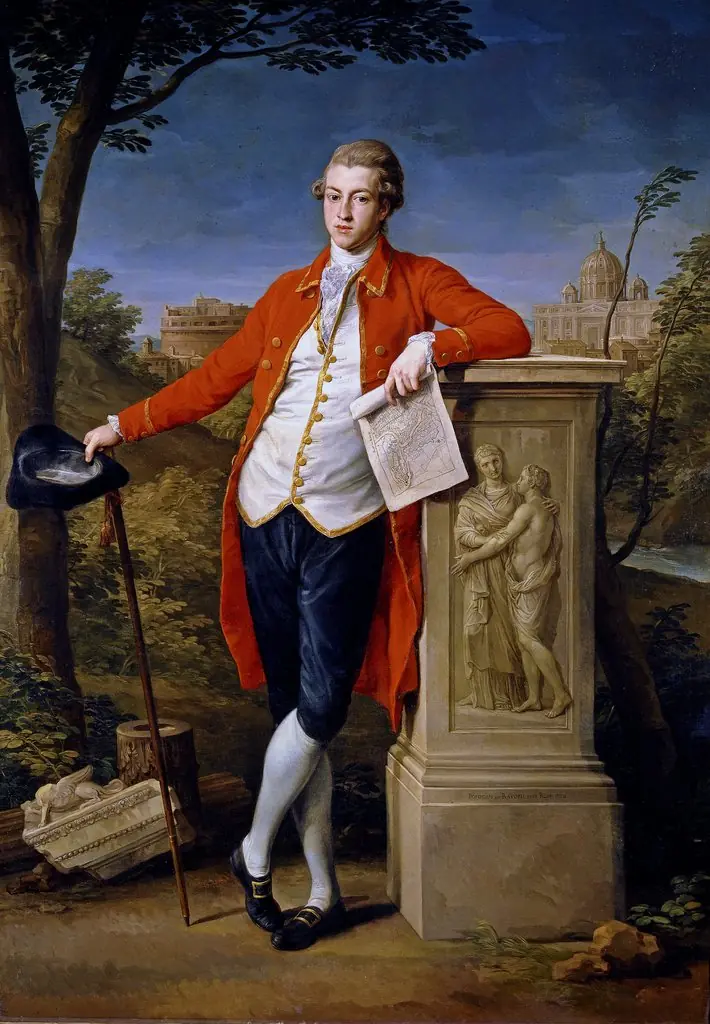 Francis Basset, I Baron of Dunstanville
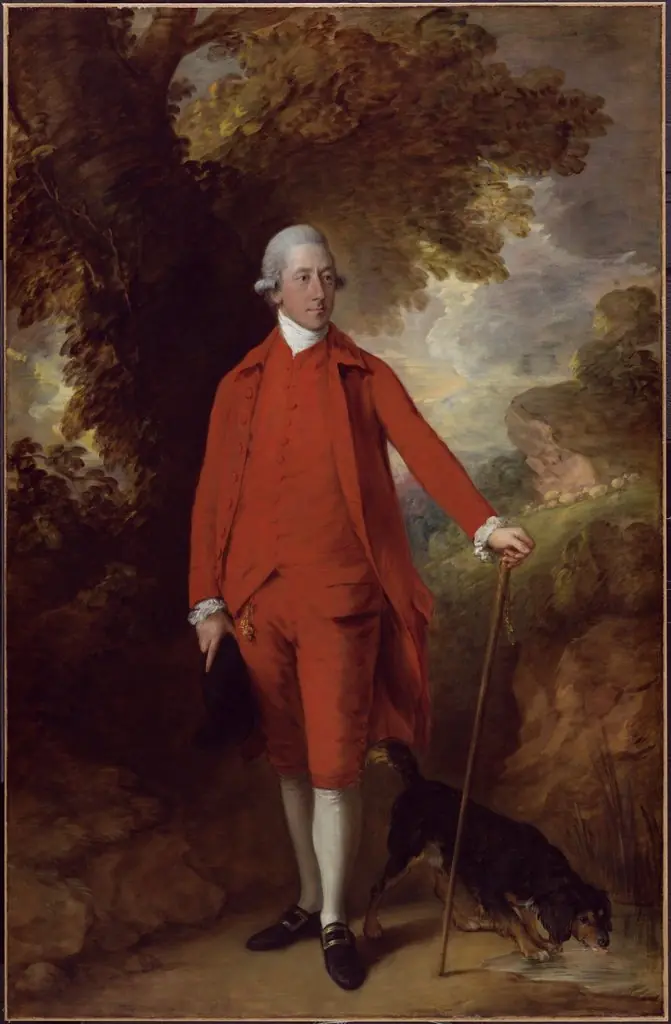 The Honorable Richard Savage Nassau de Zuylestein, M.P.
 Portrait of George Pitt, First Baron Rivers
 The lawyer Joshua Grigby III (1731-1798)