Artwork
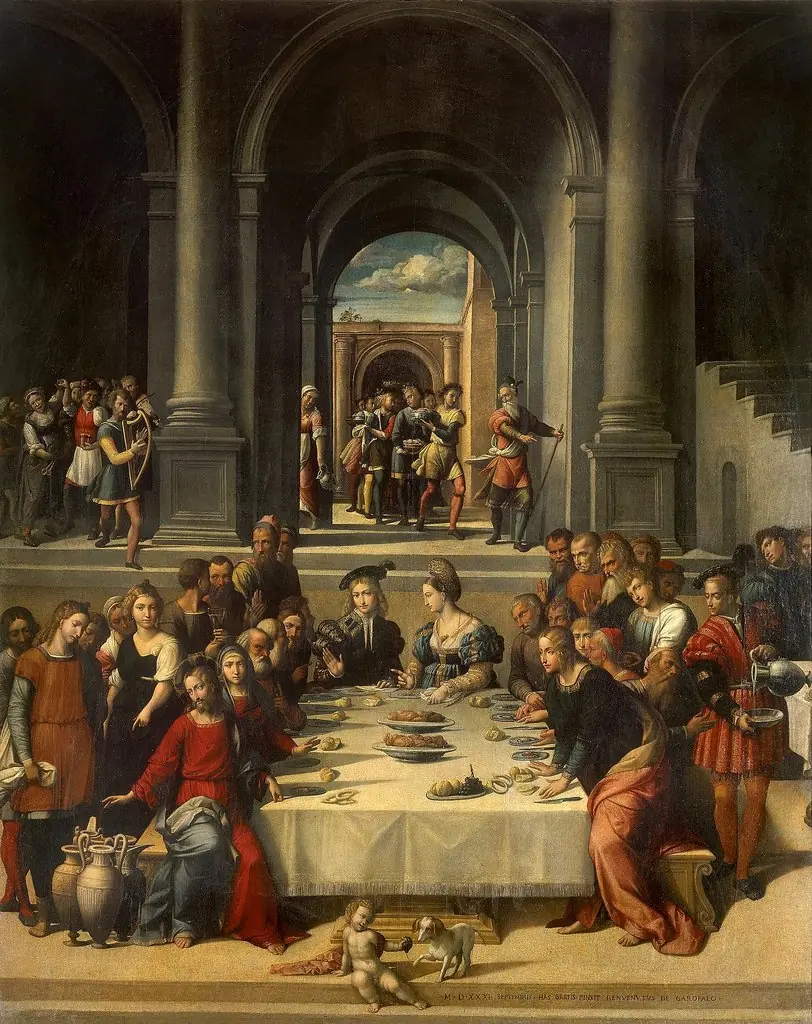
The Feast in the House of Simon the Pharisee
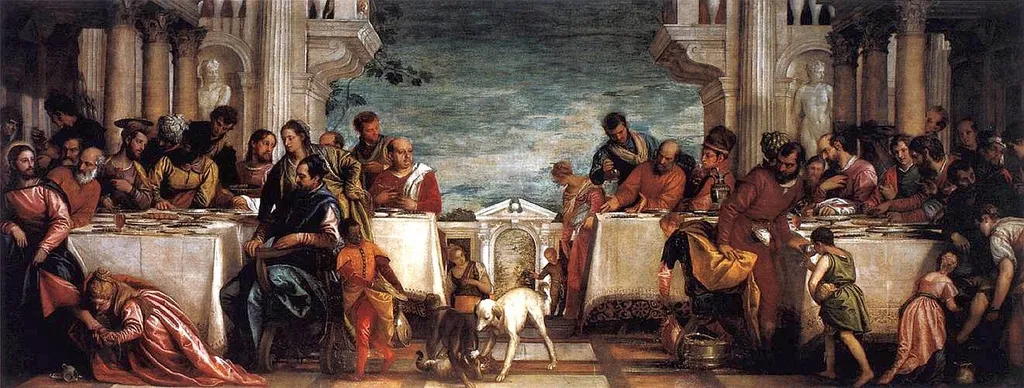
The Feast in the House of Simon the Pharisee is an oil painting by the Mannerist artist Paolo Veronese. It dates from 1570 and is held in the collection of the Pinacoteca di Brera.
About this work
The Feast in the House of Simon the Pharisee is an oil painting by Paolo Veronese. It was finished in 1570.
Veronese made it for a monastery in Venice called San Sebastiano. The work later moved to Milan after the French took over Venice.
You can see it today at the Pinacoteca di Brera. Check out the museum Pinacoteca di Brera next.
Overview
The monastery, affiliated with the Hieronymite order, commissioned the painting to adorn its sacred space.
Painted in 1570, The Feast in the House of Simon the Pharisee is an oil-on-canvas work by Paolo Veronese, created as part of a larger decorative program for the church of San Sebastiano in Venice. The monastery, affiliated with the Hieronymite order, commissioned the painting to adorn its sacred space. Veronese’s large-scale composition reflects the Venetian tradition of grand narrative painting, blending religious subject matter with elaborate architectural and social detail.
Subject & Meaning
The painting illustrates a biblical episode from Luke 7:36–50, in which a woman anoints the feet of Jesus during a meal at the home of Simon the Pharisee. Veronese emphasizes the contrast between the humble act of devotion and the opulent setting, using the gathering to explore themes of grace, judgment, and redemption. The figures, arranged with ceremonial grace, reflect both spiritual significance and the social hierarchies of the time.
Technique & Style
Veronese employed rich, luminous pigments and a refined brushwork characteristic of Venetian High Renaissance painting. The composition is structured around a vast, arcaded hall, with figures distributed in dynamic yet balanced groupings. His use of color, especially in textiles and architectural elements, creates a sense of depth and material splendor, while the lighting enhances the theatricality of the scene without sacrificing naturalism.
History & Provenance
The painting remained in San Sebastiano until the late 18th century, when French forces suppressed monastic institutions during their occupation of Venice. The artwork was seized as state property and later redistributed. In 1817, following Napoleon’s defeat, it was transferred to the Pinacoteca di Brera in Milan, where it has been held ever since, preserved as part of Italy’s national artistic heritage.
Context
Created during the Counter-Reformation, the painting reflects Venice’s relative artistic freedom compared to more doctrinally rigid regions. While religious themes were central, Venetian patrons often permitted lavish, secularized settings. Veronese’s inclusion of contemporary figures and costumes subtly aligned sacred narrative with the city’s civic pride, offering a vision of piety intertwined with cultural sophistication.
Legacy
The painting endures as a key example of Veronese’s ability to merge sacred narrative with monumental composition. Though its original devotional context has changed, its presence in the Pinacoteca di Brera ensures continued scholarly and public engagement. It remains a reference point for understanding how Venetian painters navigated religious subject matter within a culture that valued visual grandeur and humanistic detail.
Artist & collection
Artist
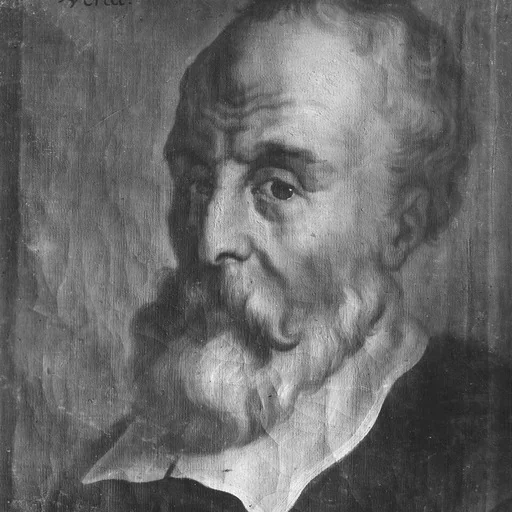
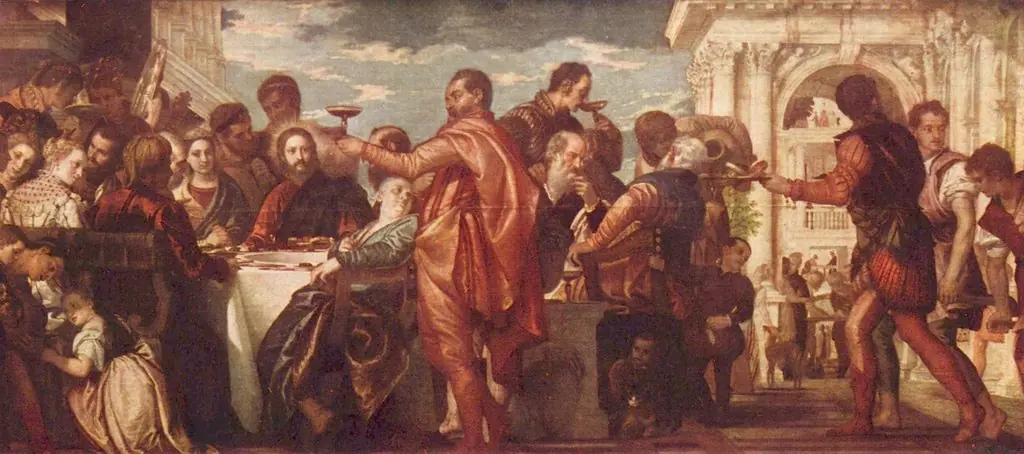
Paolo Caliari (1528 – 19 April 1588), known as Paolo Veronese ( VERR-ə-NAY-zay, -zee, US also -see; Italian: ), was an Italian Renaissance painter based in Venice, known for extremely large history paintings of…

 The Wedding at Cana
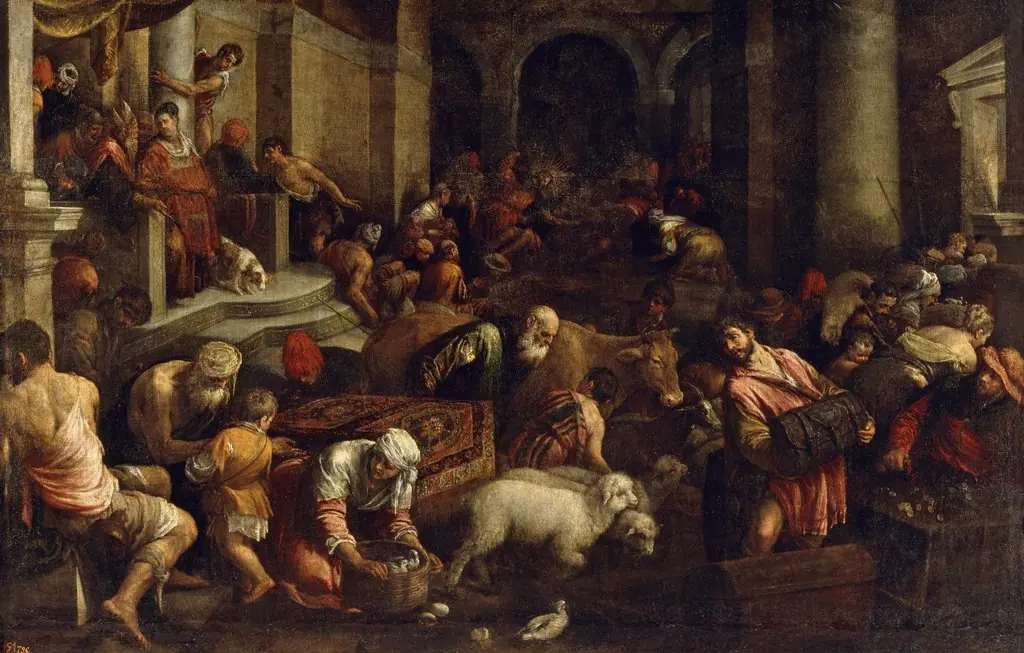 Expulsion of the Merchants from the Temple
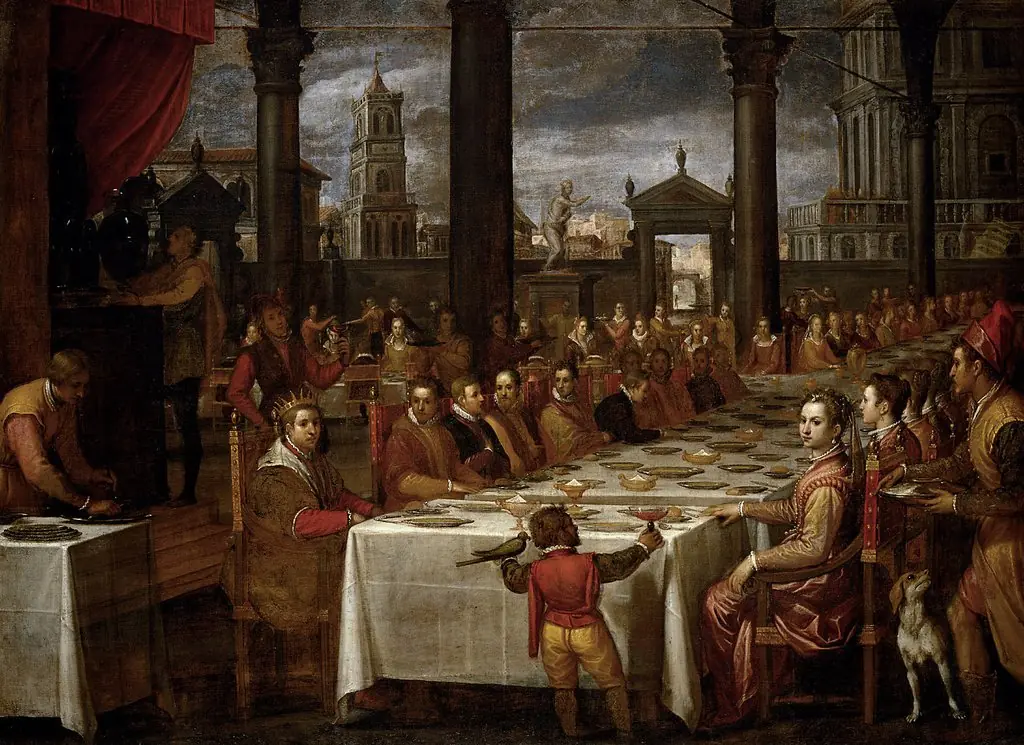 Wedding feast of Grand Duke Ferdinand I of Tuscany (1549-1609)
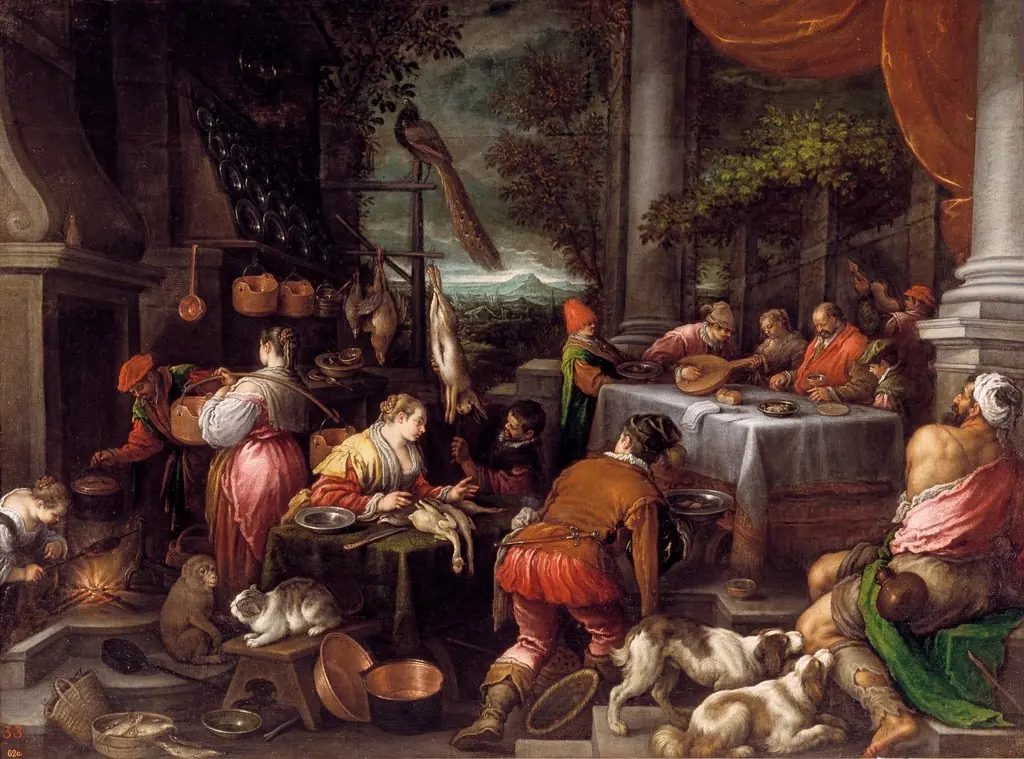 Lazarus and Dives
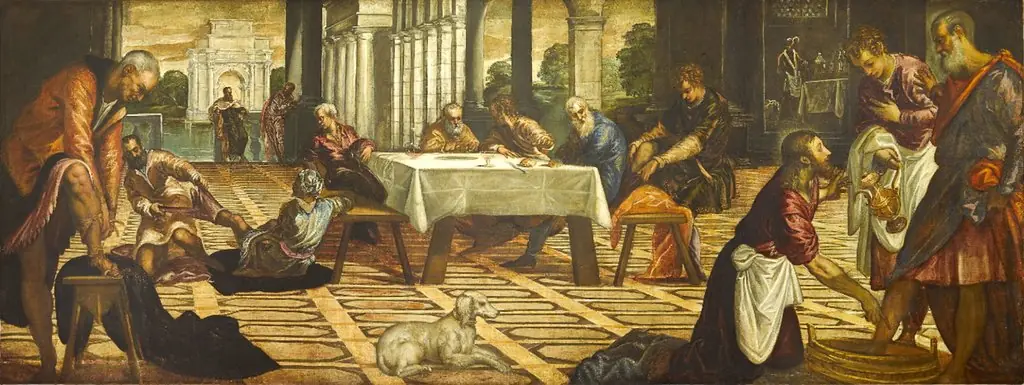 Christ Washing the Disciples' Feet
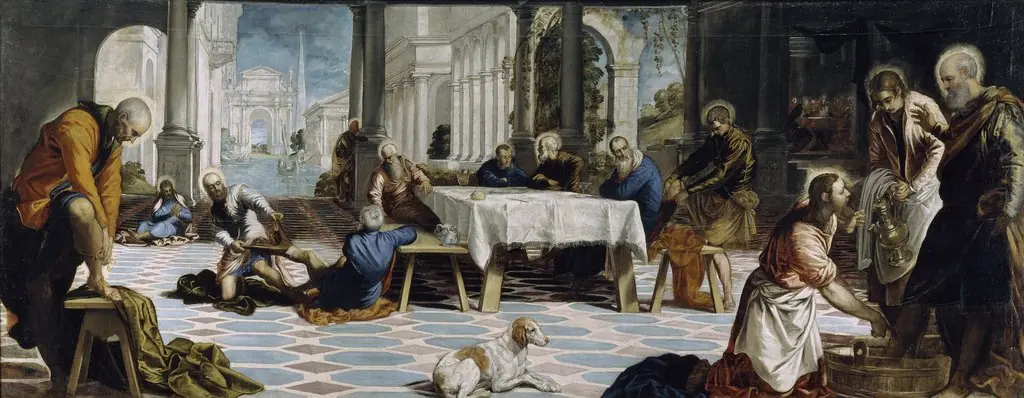 Christ Washing the Disciples' Feet
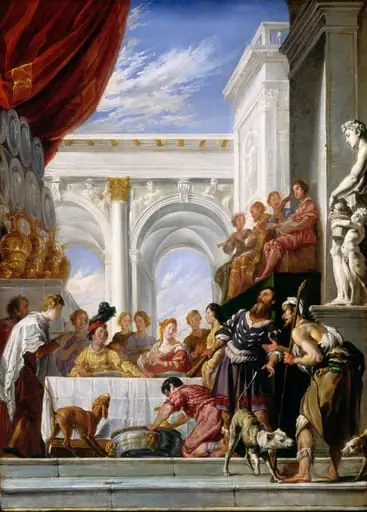 The Parable of Lazarus and the Rich Man
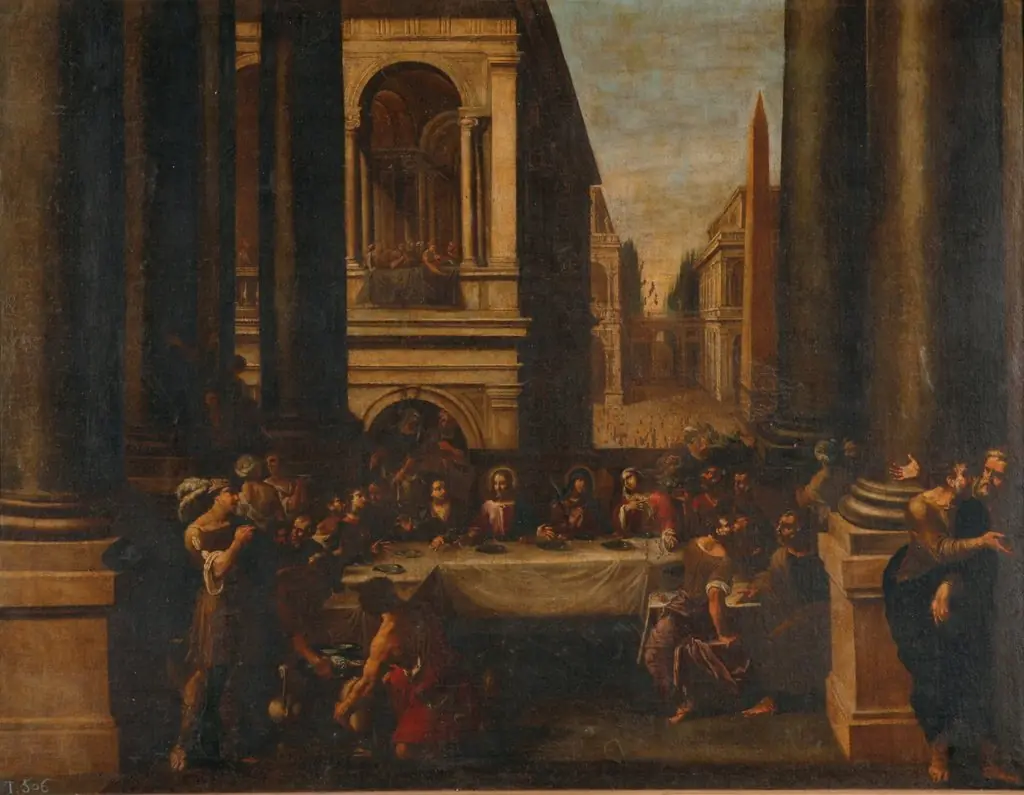 The marriage at Cana
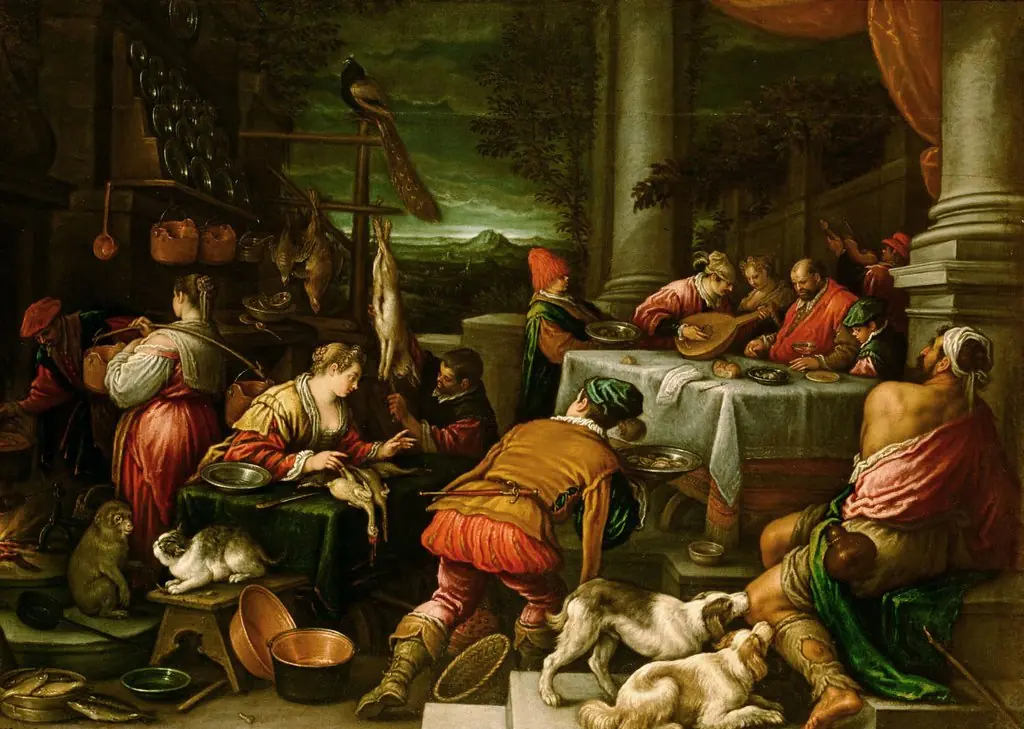 Gleichnis vom reichen Mann und dem armen Lazarus
 Marriage at Cana