Artwork
Christian IV, King of Denmark
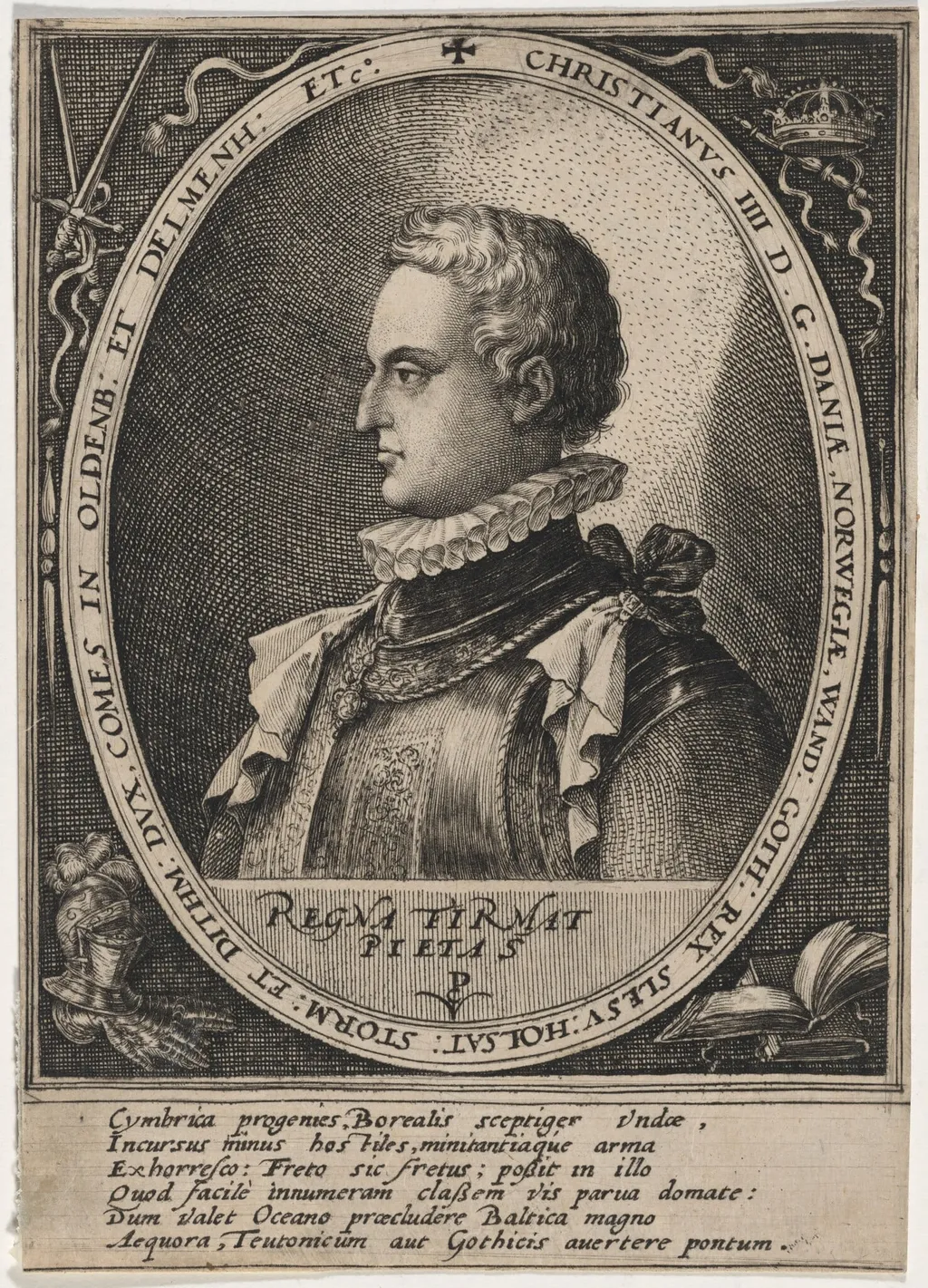
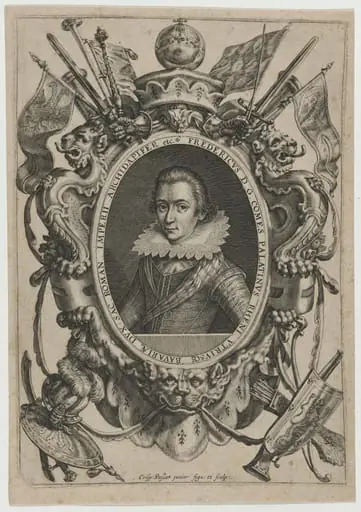
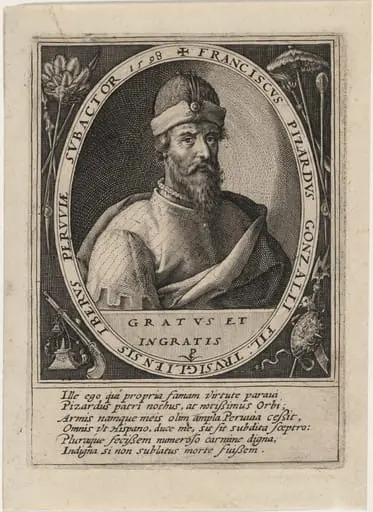
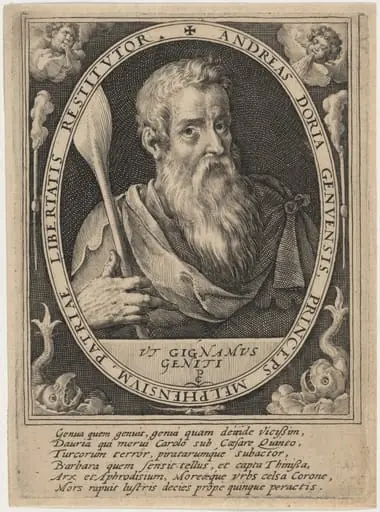
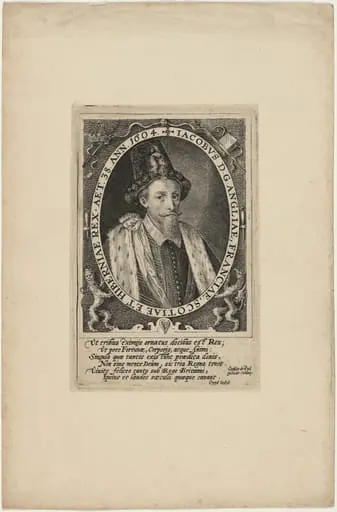
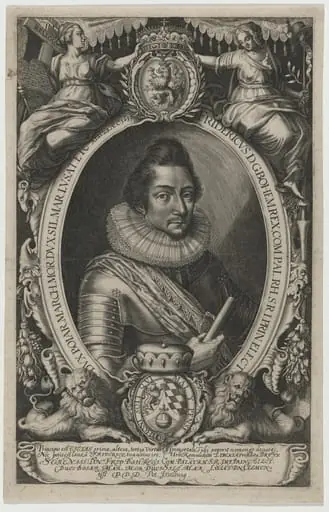
Christian IV, King of Denmark is an ink print by the Renaissance artist Crispijn van de Passe I. It dates from 1598 and is held in the collection of the National Gallery of Art.
About this work
Overview
This black-and-white engraving, produced in 1598 by Crispijn van de Passe I, depicts Christian IV of Denmark in formal attire.
This black-and-white engraving, produced in 1598 by Crispijn van de Passe I, depicts Christian IV of Denmark in formal attire. Executed with fine, precise lines typical of the engraving technique, the portrait emphasizes detail over color. The subject is framed within a decorative border containing Latin inscriptions and small ornamental motifs, distinguishing it from plain portraiture of the period.
Subject & Meaning
Christian IV is portrayed in royal regalia, including a ruffled collar and a chain of office, signaling his status as monarch. His direct gaze and composed expression convey authority and solemnity. The Latin text surrounding the image likely includes titles, virtues, or dynastic claims, reinforcing his legitimacy and the ideological weight of his rule within early modern European courts.
Technique & Style
The portrait was created using metal engraving, a process involving incised lines on a copper plate to hold ink. Van de Passe employed fine, controlled strokes to render texture in fabric, hair, and the chain, achieving depth without shading. The border’s intricate patterns and script reflect the Northern Renaissance tradition of combining portraiture with symbolic and textual elements for elite audiences.
History & Provenance
Created in 1598, the engraving was likely produced for distribution among diplomatic or noble circles to affirm Christian IV’s image abroad. Crispijn van de Passe I, a Dutch artist active in the Low Countries, was known for producing portraits of European royalty. The print’s survival in multiple collections suggests its use as a political and cultural artifact in the late 16th century.
Context
In the late 1500s, engraved portraits served as tools of political representation, especially for rulers without access to painters. Christian IV, newly crowned, needed to project stability and power. Van de Passe’s work aligned with broader trends in print culture, where standardized images of monarchs circulated across borders, shaping public perception through reproducible imagery.
Legacy
The engraving remains an example of how printmaking extended royal visibility beyond courtly circles. Van de Passe’s technique influenced later portrait engravers in Northern Europe. While not widely known today, such works formed part of the visual infrastructure of early modern statecraft, preserving the iconography of rulers through the mechanical reproduction of their likeness.
Own this work as a print
Artist & collection

Artist
Crispijn van de Passe I (1564–1637) was an artist, born in Arnemuiden.