Artwork
Opus 217. Against the Enamel of a Background Rhythmic with Beats and Angles, Tones, and Tints, Portrait of M. Félix Fénéon in 1890
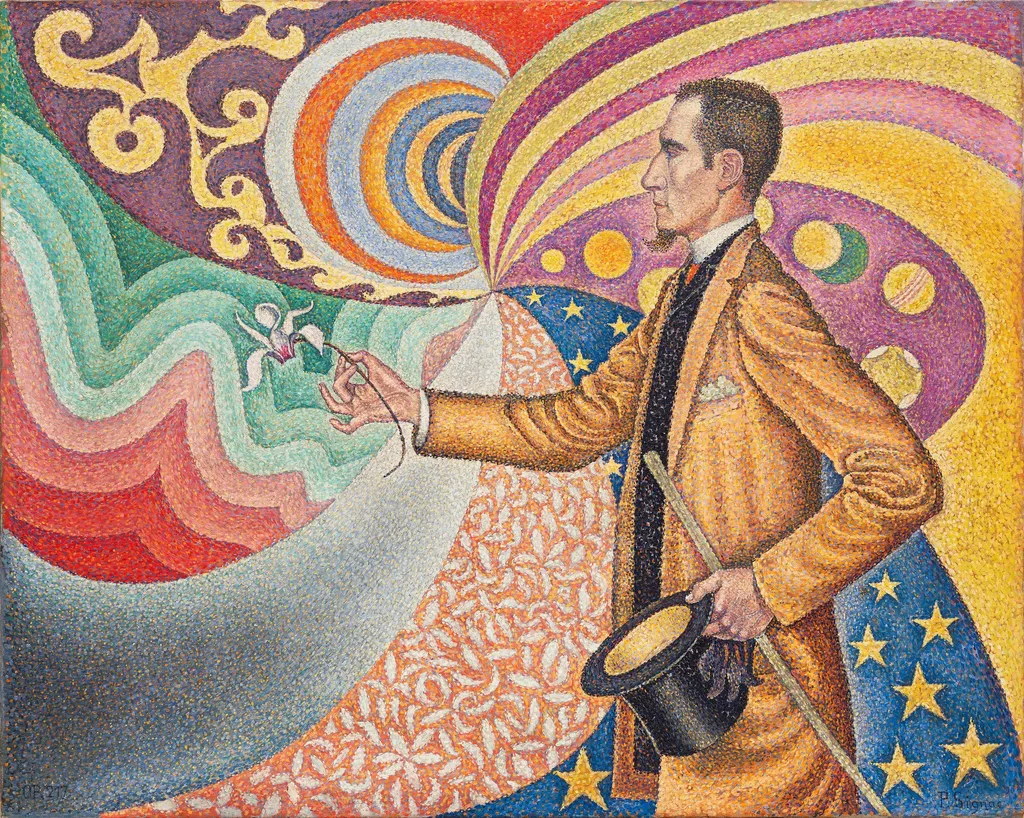
Opus 217. Against the Enamel of a Background Rhythmic with Beats and Angles, Tones, and Tints, Portrait of M. Félix Fénéon in 1890 is an oil painting by the Neo-Impressionist artist Paul Signac. It dates from 1896 and is held in the collection of the Museum of Modern Art.
About this work
Signac created this piece during his Neo‑impressionist phase, and it entered the Museum of Modern Art’s collection in 1991 thanks to a gift from Mr.
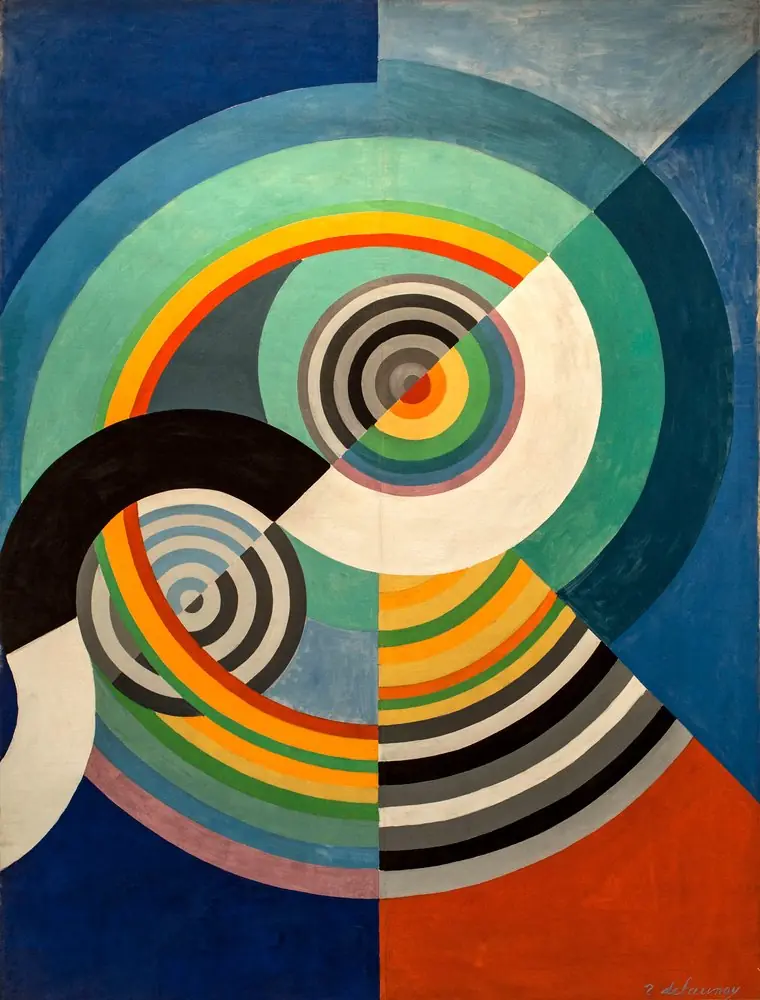
Opus 217. Against the Enamel of a Background Rhythmic with Beats and Angles, Tones, and Tints, Portrait of M. Félix Fénéon in 1890 is a 1890 oil‑on‑canvas work by French painter Paul Signac. The painting shows the French art critic Félix Fénéon standing before a swirling, kaleidoscope‑like background.
Signac created this piece during his Neo‑impressionist phase, and it entered the Museum of Modern Art’s collection in 1991 thanks to a gift from Mr. and Mrs. David Rockefeller.
If you’re curious about more works in the same venue, check out the Museum of Modern Art.
Overview
Created in 1890, this oil on canvas by Paul Signac portrays the French art critic Félix Fénéon. The figure stands before a vibrant, patterned backdrop that radiates rhythmic lines and shifting hues, giving the composition a sense of movement and visual complexity.
Subject & Meaning
Fénéon, a prominent advocate of Neo‑Impressionist ideas, is presented in a poised stance, his presence contrasted with an abstracted environment of interlocking angles and color fields. The juxtaposition underscores the critic’s role in mediating between artistic theory and the emerging visual language of pointillism.
Technique & Style
Executed during Signac’s Neo‑Impressionist period, the work employs the divisionist method, separating pigment into discrete patches that interact optically. The background’s swirling, kaleidoscopic arrangement reflects the artist’s interest in scientific color theory and the musicality of visual rhythm.
History & Provenance
After remaining in private hands for over a century, the painting entered the Museum of Modern Art’s collection in 1991 as part of a donation from David and Peggy Rockefeller. Since then it has been displayed as part of MoMA’s holdings of late‑19th‑century French modernism.
Own this work as a print
Artist & collection

Artist
Paul Victor Jules Signac ( seen-YAHK, French:; 11 November 1863 – 15 August 1935) was a French Neo-Impressionist painter who, with Georges Seurat, helped develop the artistic technique Pointillism.