Artwork
Saint John Chrysostom
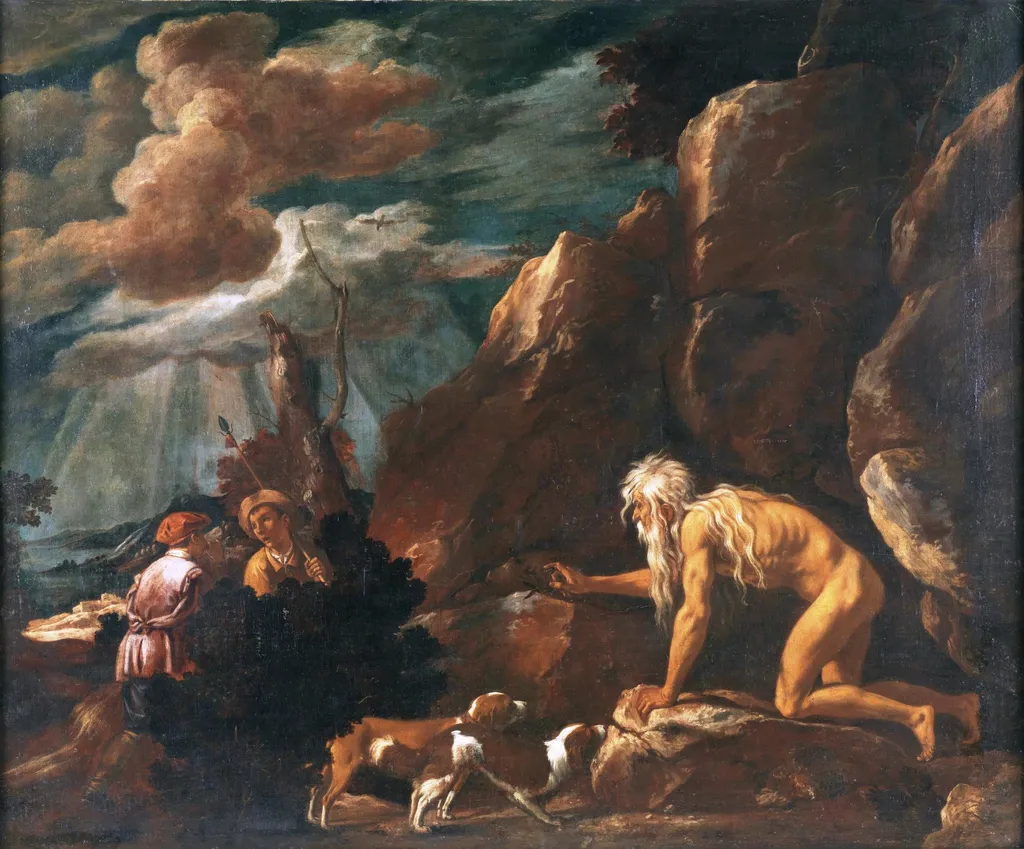
Saint John Chrysostom is an oil painting by the Early Baroque Italian artist Pedro Orrente. It dates from 1601 and is held in the collection of the Museo del Prado.
About this work
Subject & Meaning
The work functions as a visual record of the saint, adhering to the iconographic conventions used to identify holy figures in seventeenth-century Spain.
Pedro Orrente's 1601 oil painting depicts John Chrysostom, an early Church Father and saint. As a work of religious art, the image serves as a devotional portrait intended to represent this specific historical and theological figure. The composition focuses entirely on the identity of the saint, utilizing the visual tradition of religious portraiture to convey his significance within the Christian faith.
The work functions as a visual record of the saint, adhering to the iconographic conventions used to identify holy figures in seventeenth-century Spain.
Technique & Style
The painting Saint John Chrysostom is executed in oil paint on canvas, a medium typical of early 17th-century Spanish religious artworks. Pedro Orrente employed a restrained palette and naturalistic modeling of the figure, emphasizing the saint's contemplative expression through chiaroscuro effects. The handling of light and shadow underscores the spiritual intensity of the composition, while the compositional balance reflects the influence of Counter-Reformation aesthetics.
The work measures 110 cm in height and 128 cm in width, as documented in its cataloguing details.
History & Provenance
The painting Saint John Chrysostom was created in 1601 by Pedro Orrente as an oil on canvas work measuring 110 cm by 128 cm. It entered the collection of the Museo del Prado, where it remains on display. The work was commissioned for religious purposes and depicts the saint John Chrysostom. Its creation is documented in 1601, and it is classified within the religious art genre.
The provenance chain indicates that the painting has been part of the Museo del Prado's holdings since its creation, suggesting continuous ownership by the institution. No records of prior owners or sales are provided in the sources.
The dating is confirmed by the inception date of 1601-01-01 recorded in the descriptive data, and the dimensions are given in centimeters as specified.
The work was produced using oil paint on canvas, consistent with the medium noted in the descriptive entry.
Context
Pedro Orrente's 1601 oil painting Saint John Chrysostom, housed in the Museo del Prado, depicts the 4th-century Archbishop of Constantinople in a manner reflecting Counter-Reformation emphasis on saintly authority and doctrinal clarity. The work's composition and iconography have been analyzed as exemplifying the stylistic transition from Mannerist abstraction toward Baroque naturalism in Spanish religious art, with scholars noting Orronte's role in mediating this shift through his documented court patronage and devotional subject matter.
Art historical context situates the painting within the broader trajectory of Iberian Counter-Reformation visual culture, where representations of Church Fathers served both didactic and Counter-Reformation polemical purposes. Its formal qualities, particularly the restrained emotional expressiveness and emphasis on textual authority through the saint's gesture, align with contemporary theological imperatives regarding saintly exempla in Catholic reformist discourse.
Legacy
Pedro Orrente's 1601 painting Saint John Chrysostom entered the Museo del Prado collection and was later recognized as a significant example of Spanish religious art from the early 17th century. The work's composition and devotional subject reflect Counter-Reformation emphasis on saintly eloquence, influencing subsequent depictions of the saint in Spanish painting. Its presence in a major national museum cemented Orrente's reputation as a follower of the artistic legacy associated with the saint's advocacy of clerical reform.
Overview
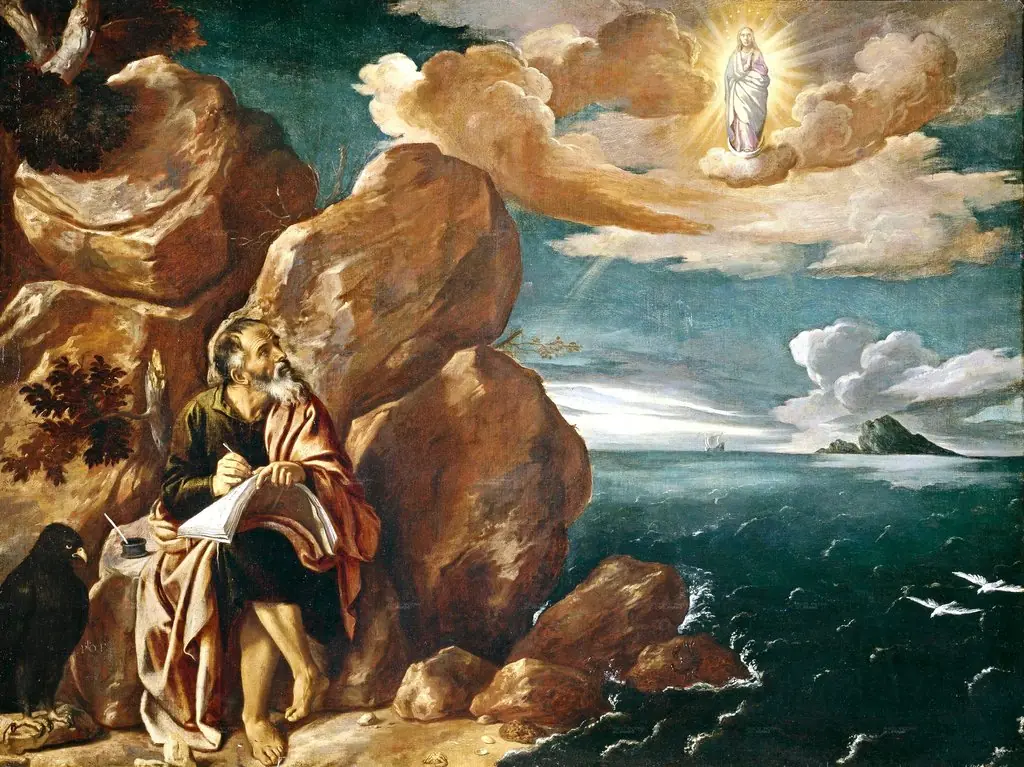
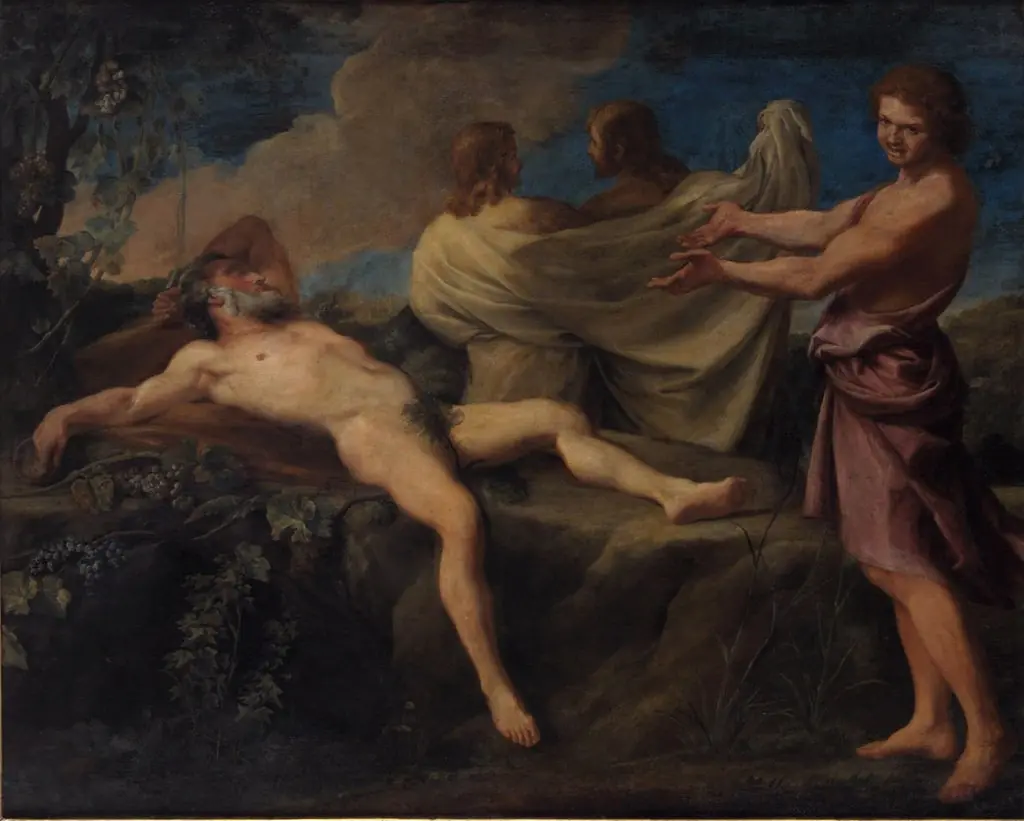
Pedro Orrente’s Saint John Chrysostom, executed in oil in 1601, is an early Baroque work that belongs to the Prado’s religious painting collection. The composition centers on a kneeling, partially draped figure illuminated against a muted landscape, while distant figures on a hill add depth. Light and shadow are employed to draw attention to the central saint, creating a solemn, contemplative atmosphere.
Own this work as a print
Artist & collection
Artist
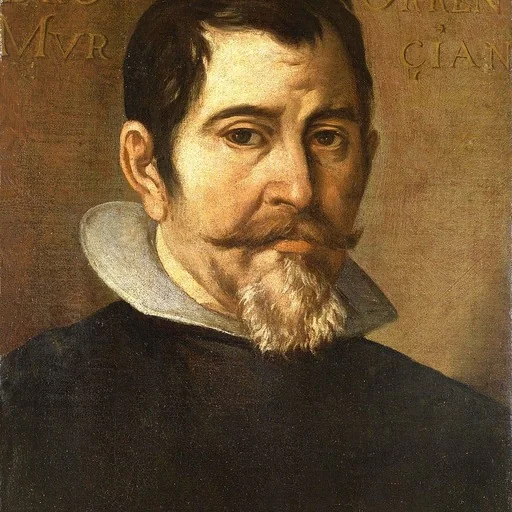
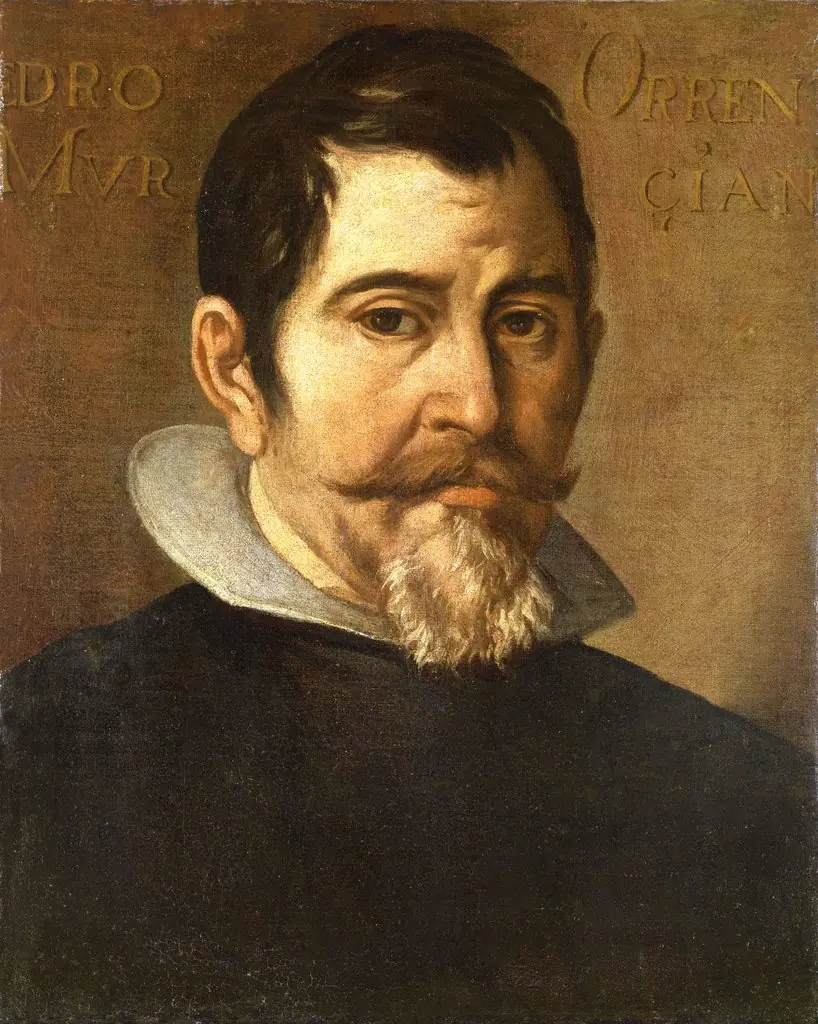
Pedro de Orrente (April 1580 – 19 January 1645) was a Spanish painter of the early Baroque period. He became one of the first artists in that part of Spain to paint in a Naturalistic style.

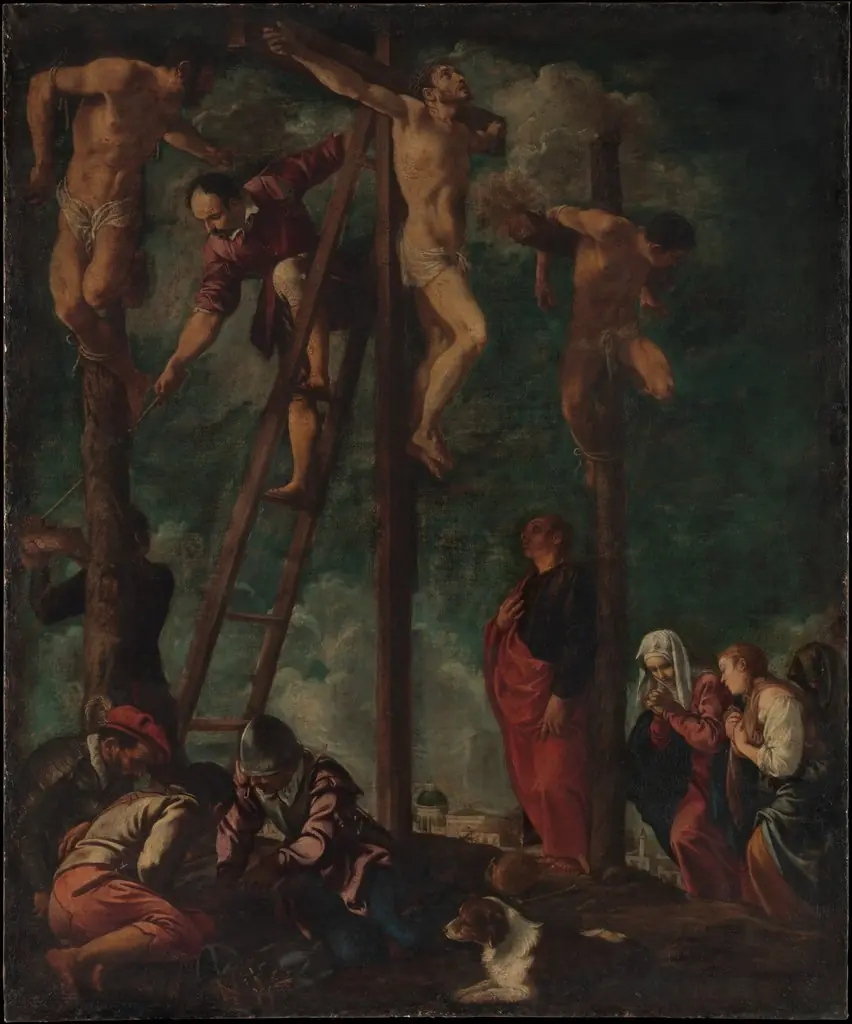
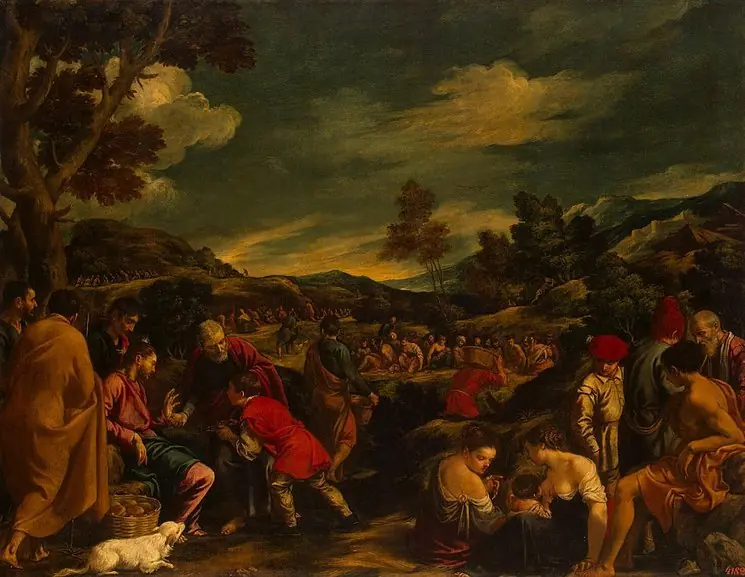
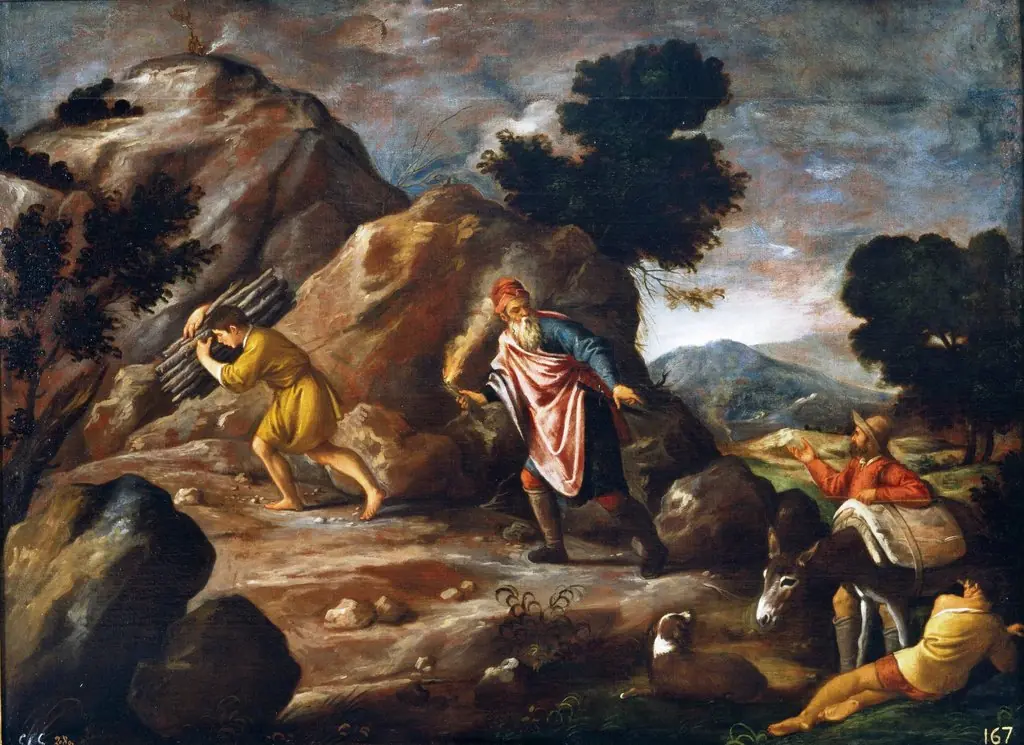
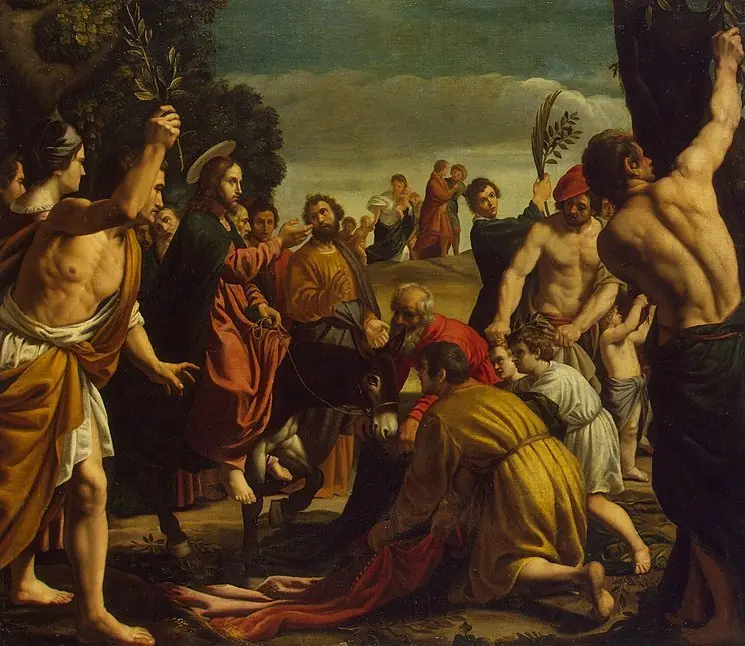
- Norandino and Lucina Discovered by the Ogre
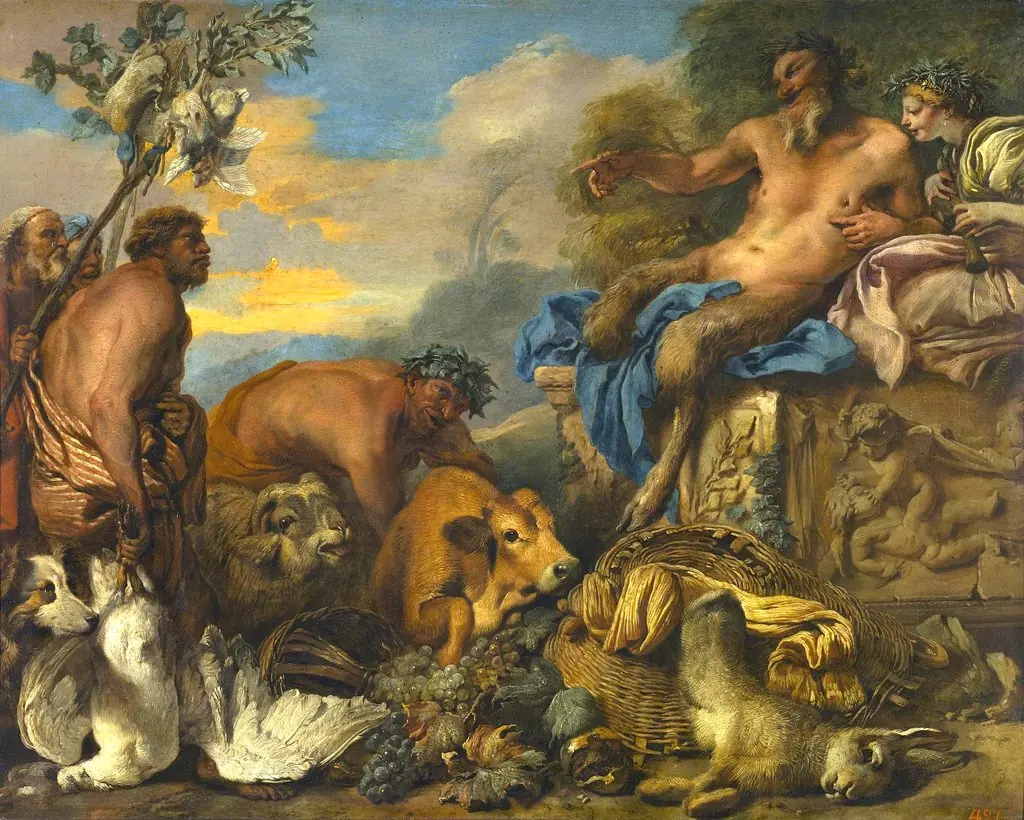 Satyrs Bringing their Gifts
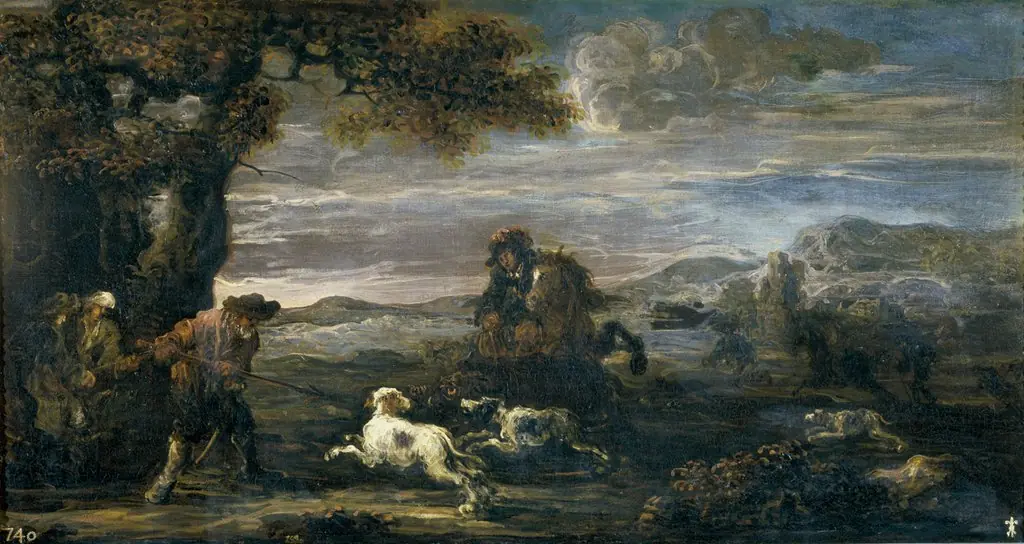 Boar Hunt
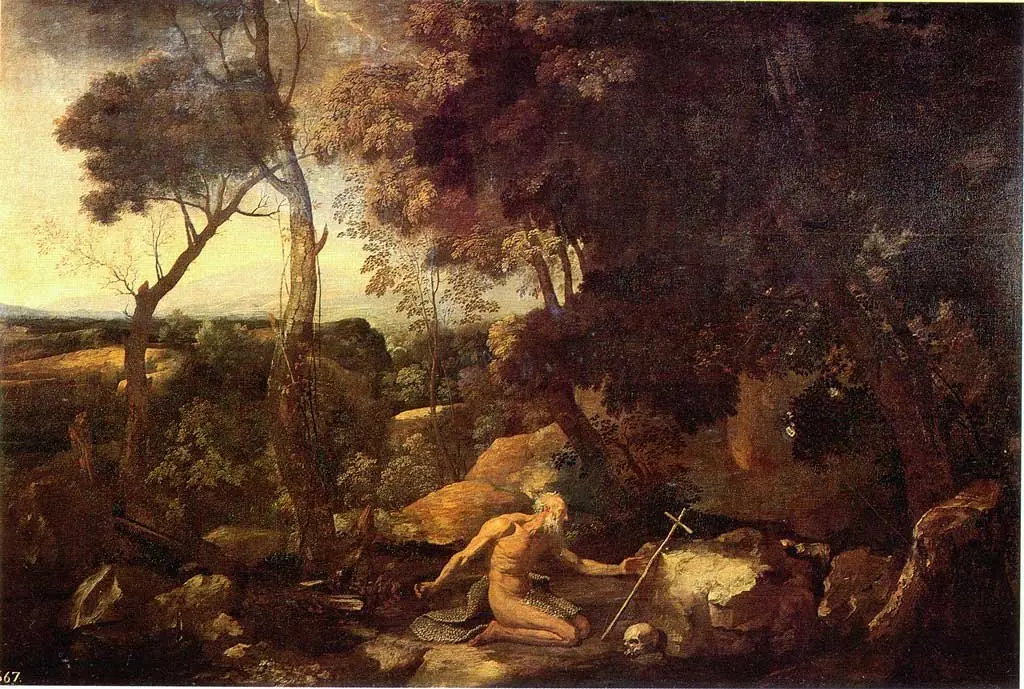 Landscape with Saint Paul the Hermit
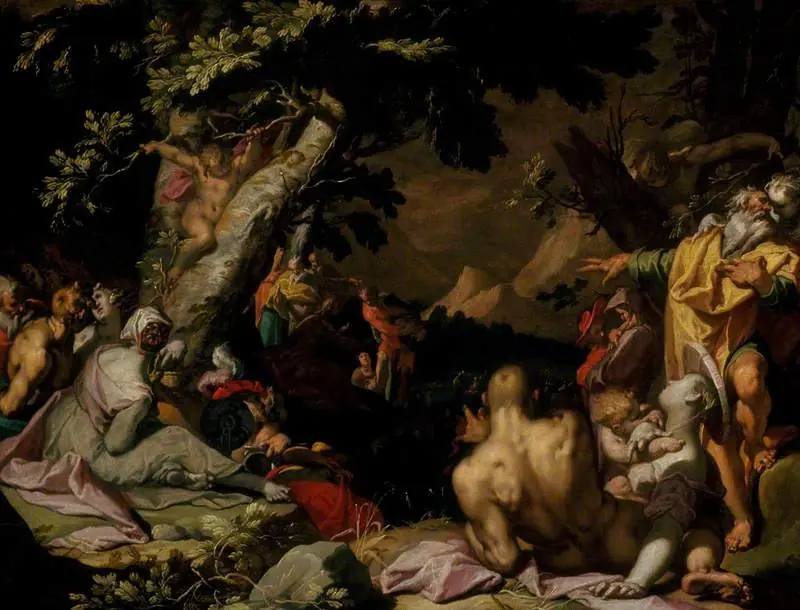 Miracle of the loaves (Jesus feeds the five thousand)
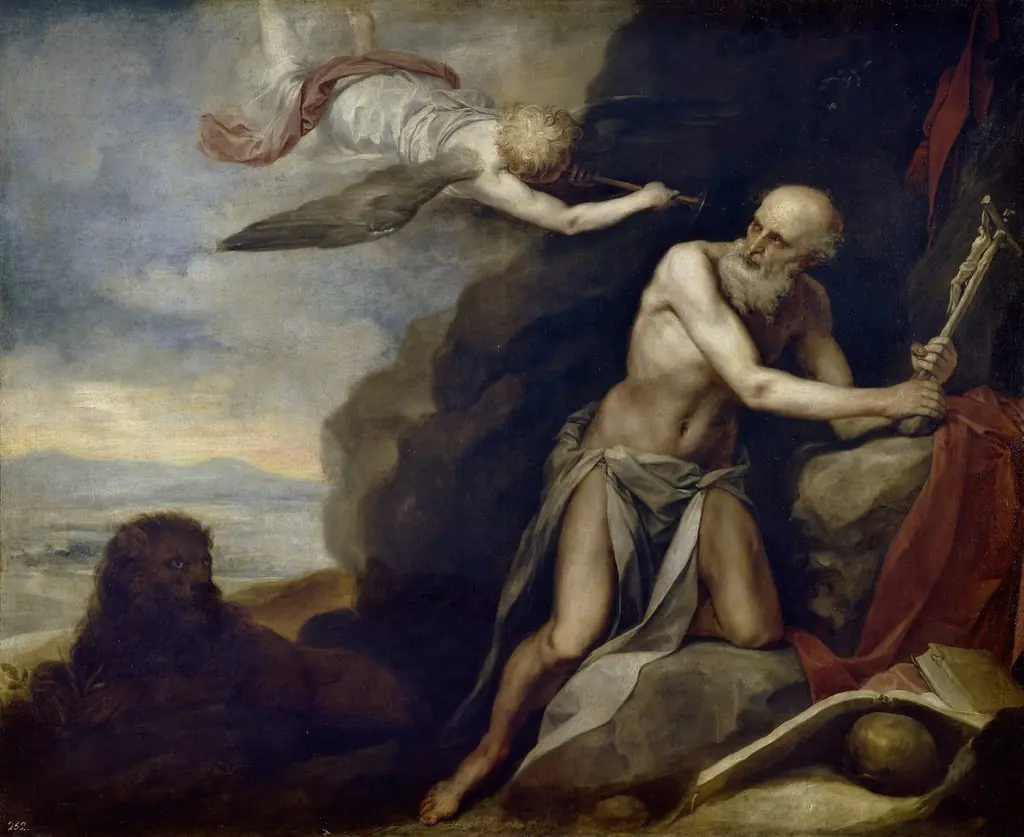 The penitent Saint Jerome
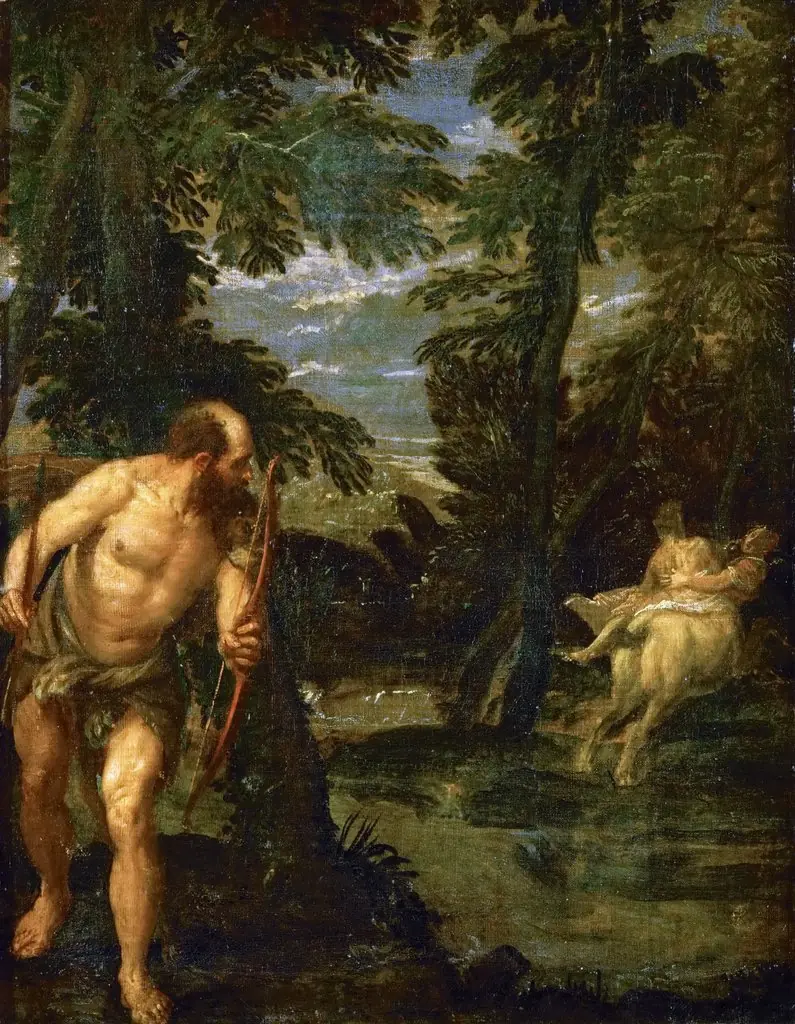 Hercules, Deianira and the Centaur Nessus
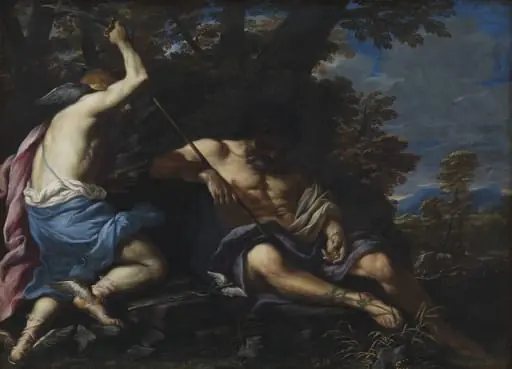 Mercury Killing Argus
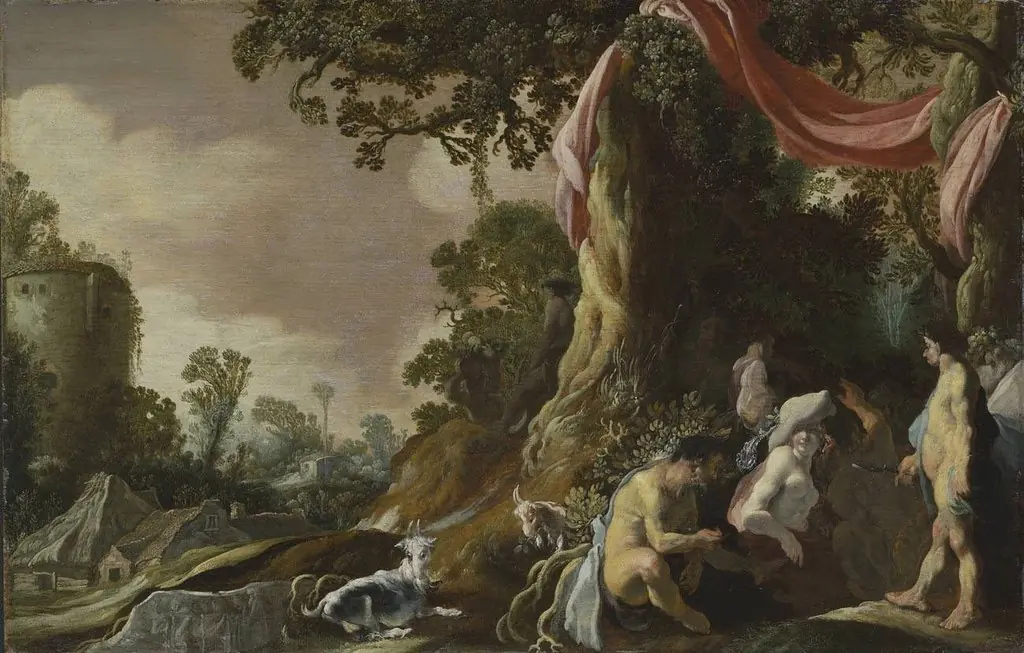 Bucolic scene (shepherd scene ?)
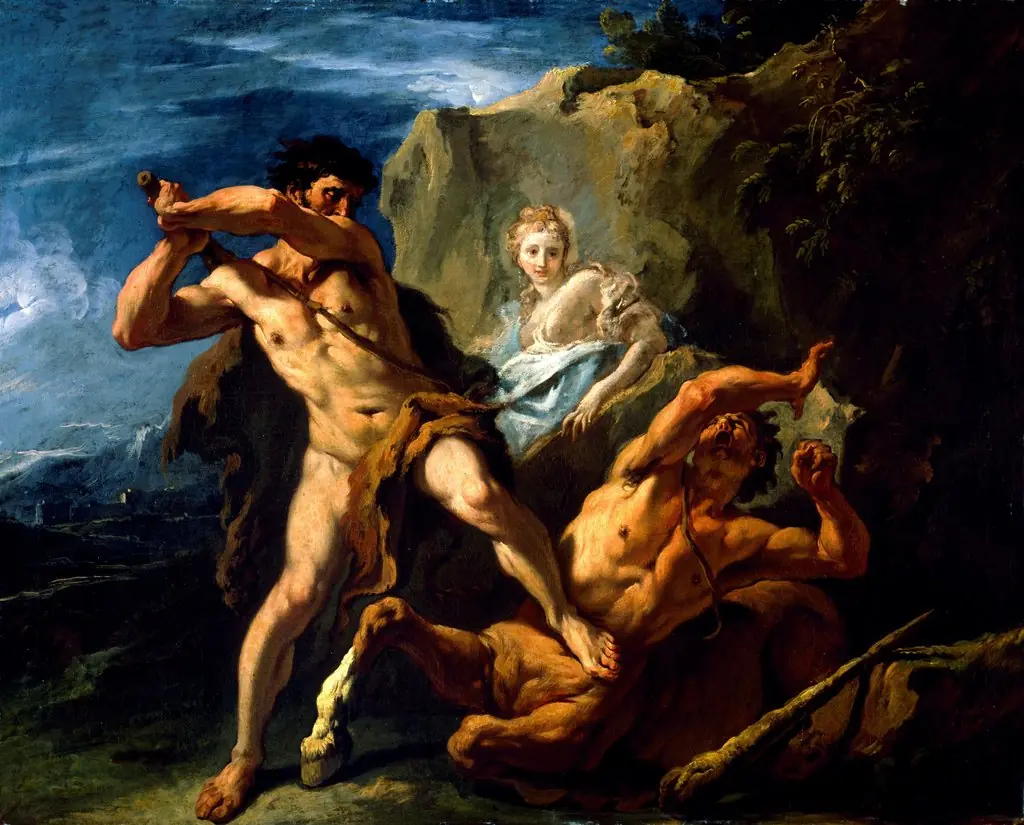 Hercules Killing the Centaur Nessus
 Drunkenness of Noah