Artwork
Self-portrait
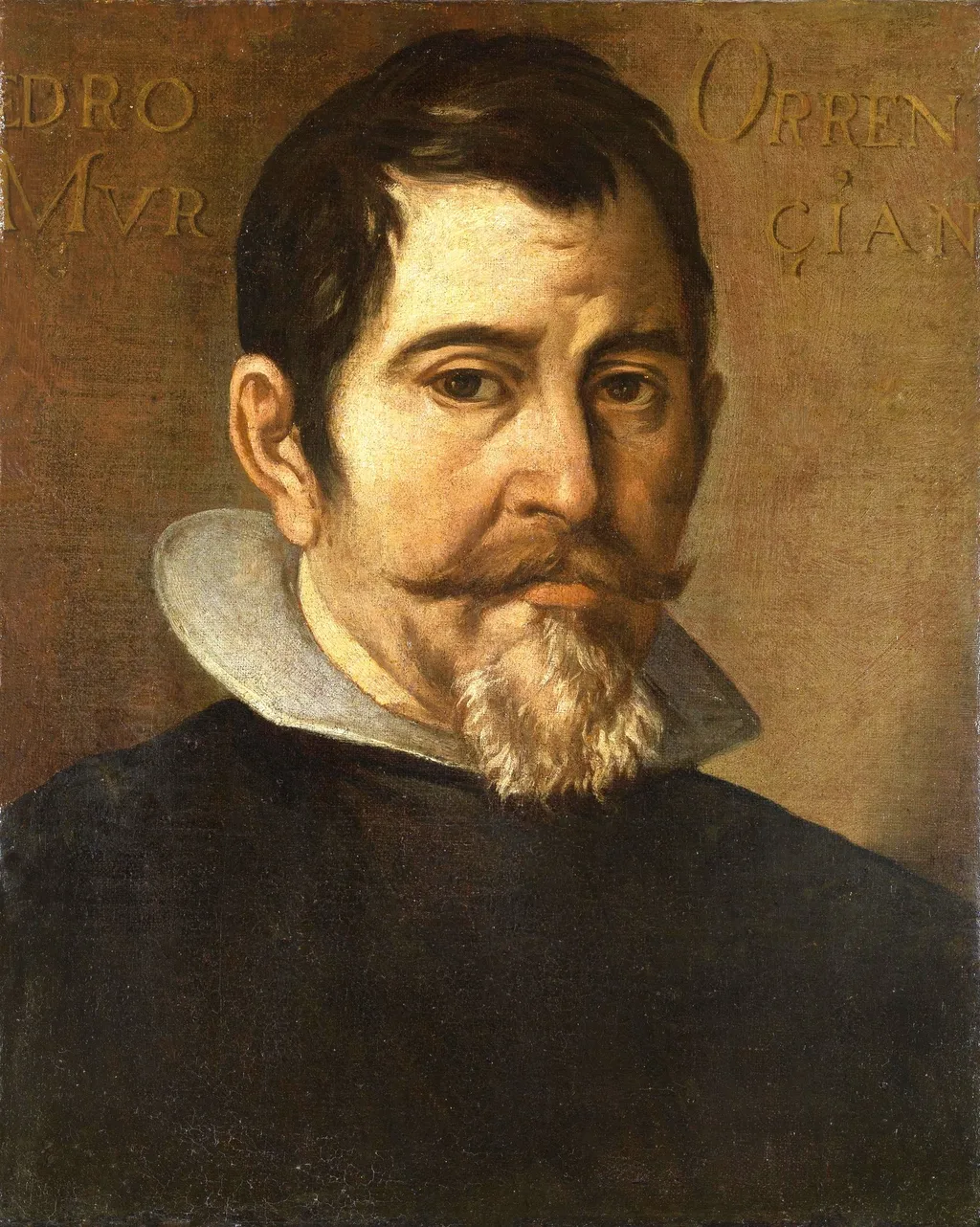
Self-portrait is an oil painting by the Early Baroque Italian artist Pedro Orrente. It dates from 1620 and is held in the collection of the Museo del Prado.
About this work
Technique & Style
Pedro Orrente's Self-portrait is executed in oil paint on a canvas support. The work measures 45 cm in height and 36 cm in width. Created between 1620 and 1625, the painting presents the artist as the main subject within the portrait genre.
The handling of the medium reflects the stylistic approach of Orrente during this period, focusing on a direct representation of the creator.
History & Provenance
It has been displayed in exhibitions at the Museo del Prado, including the exhibition 'The Origins of Spanish Baroque Painting' in 2005.
Pedro Orrente created the oil-on-canvas self-portrait, which depicts the artist himself. The work is dated to either 1620 or 1625, with sources citing both the year 1620 and the specific date of January 1, 1625. The painting measures 45 cm in height and 36 cm in width. It is currently held in the collection of the Museo del Prado.
Self-portrait by Pedro Orrente is held in the collection of the Museo del Prado, with inventory number P009686. The painting was created in 1620 and measures 45 cm by 36 cm. It has been displayed in exhibitions at the Museo del Prado, including the exhibition 'The Origins of Spanish Baroque Painting' in 2005.
Context
Pedro Orrente's 1620 Self-portrait, an oil on canvas work measuring 45 cm by 36 cm, occupies a pivotal position within his oeuvre as a rare explicit self-representation that bridges early Baroque portraiture and the later Spanish school's emphasis on individuality. The painting was created shortly before his documented activity in Valencia (1625), situating it at the intersection of Italianate compositional influence and the emerging Spanish realism of the 1620s. Its inclusion in the Museo del Prado collection underscores its recognized significance as a key example of 17th‑century Spanish portraiture, a status affirmed by scholarly analyses that treat the work as a critical study of self‑image within the artist's broader context of religious and secular commissions.
Overview
Self-portrait (1620) is an oil painting by Pedro de Orrente, an early Baroque Spanish artist. The work is a close-up, Naturalistic self-depiction, characterized by a dark, plain background that emphasizes the subject's face.
Subject & Meaning
The subject is Orrente himself, portrayed with a dark beard, mustache, short hair, and dressed in a black shirt with a white collar. The inclusion of his name at the top confirms the self-portrait nature, suggesting an assertion of identity or artistic presence.
Legacy
As one of the first Naturalistic self-portraits in its region, the work contributes to the evolution of Spanish Baroque painting, influencing subsequent artists in their approach to realism and lighting techniques.
Own this work as a print
Artist & collection
Artist
Pedro de Orrente (April 1580 – 19 January 1645) was a Spanish painter of the early Baroque period. He became one of the first artists in that part of Spain to paint in a Naturalistic style.

- Alonso Martínez de Espinar (¿?)
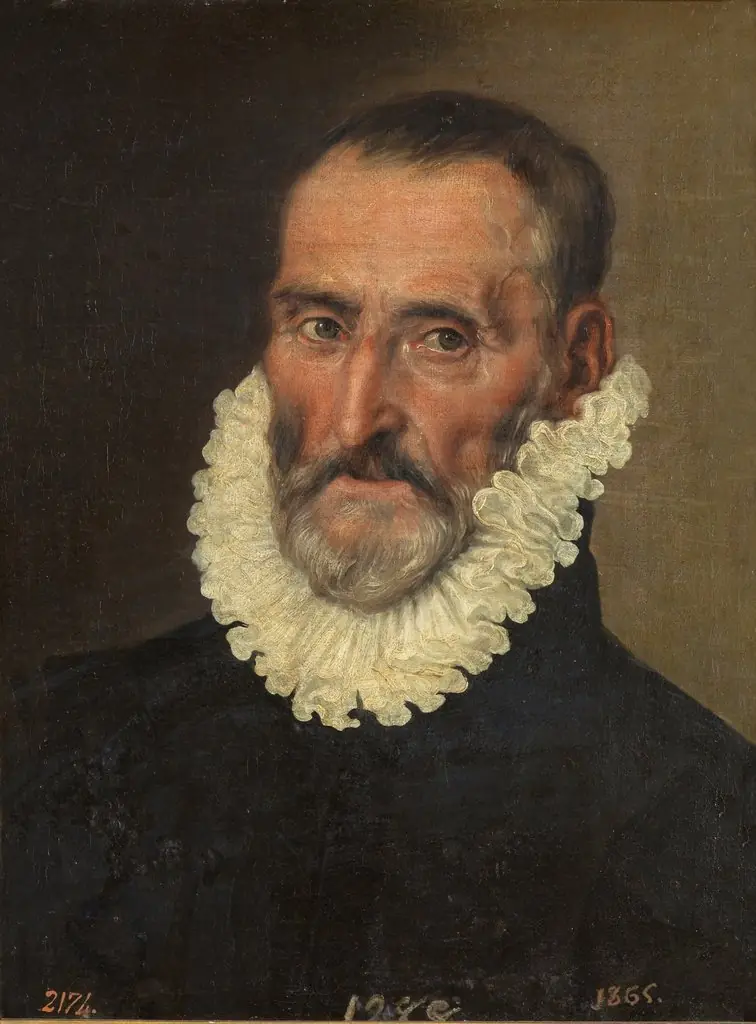 Portrait of an elderly Man
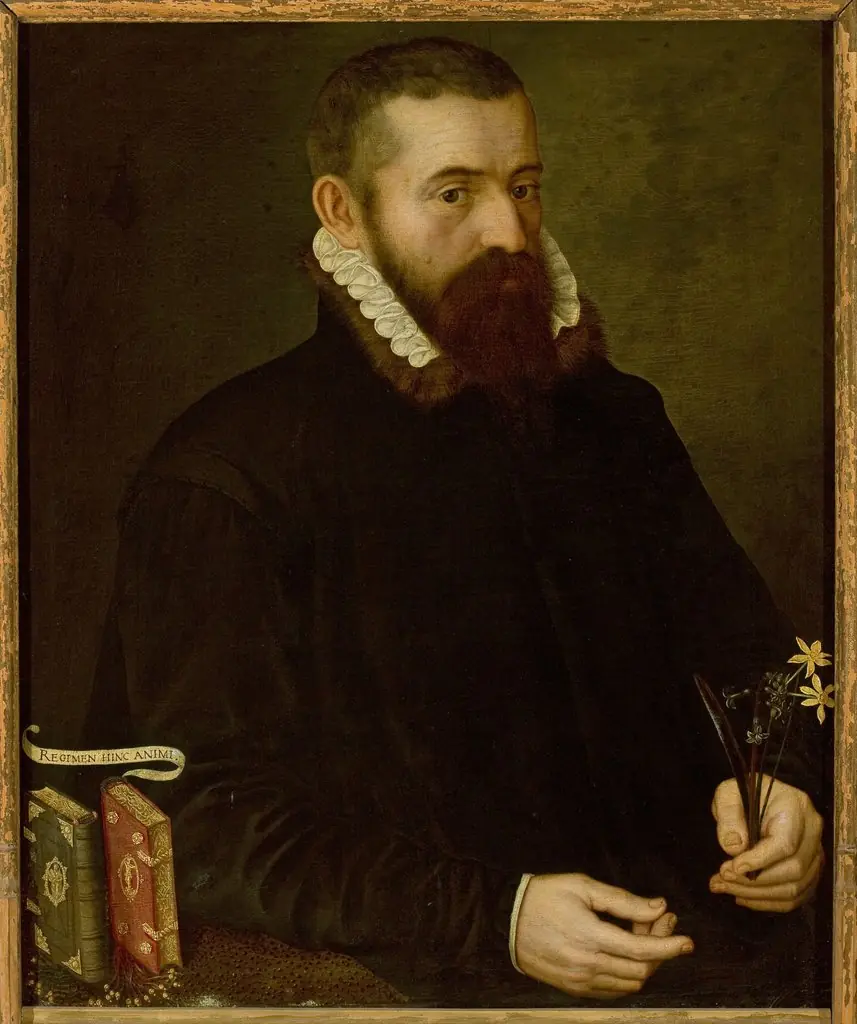 Portrait of a man
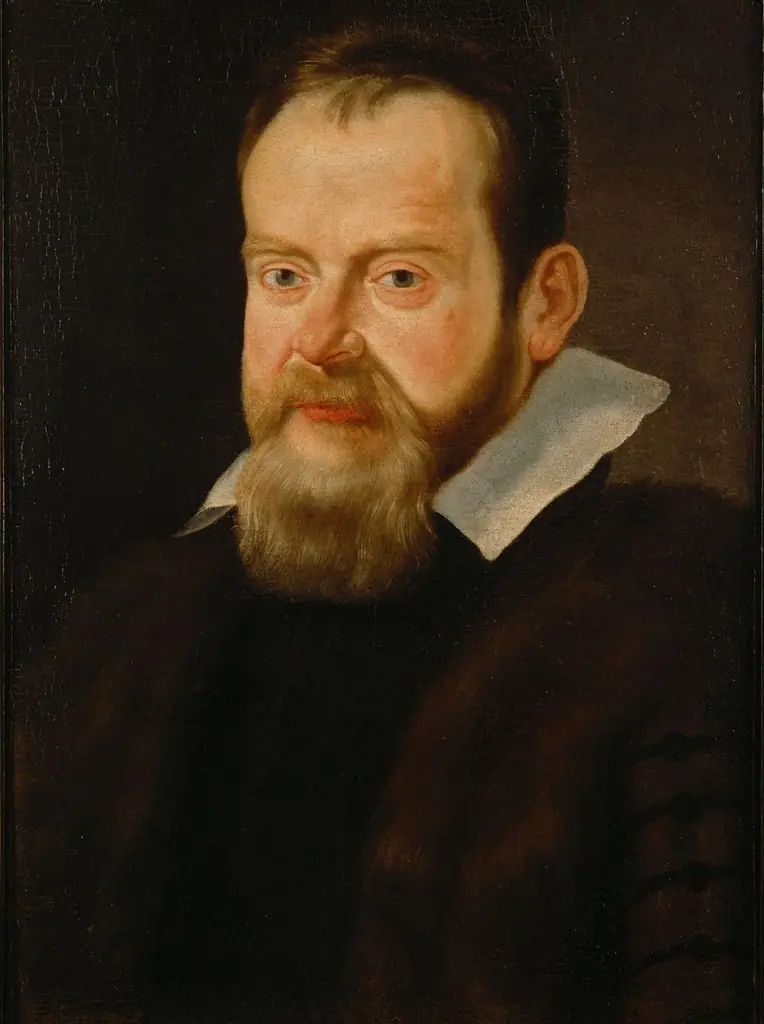 Galileo Galilei (1564-1642) in pelzverbrämtem Mantel, Brustbild
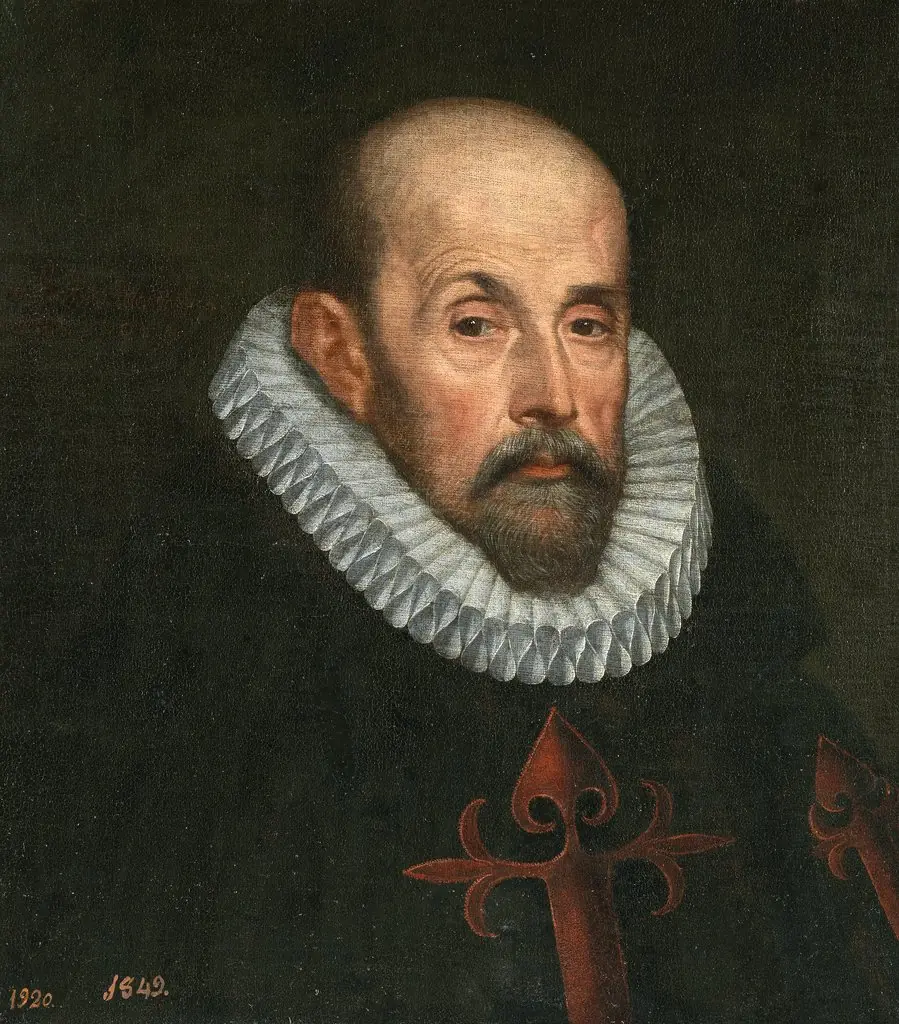 Portrait of a Knight of the Order of Santiago
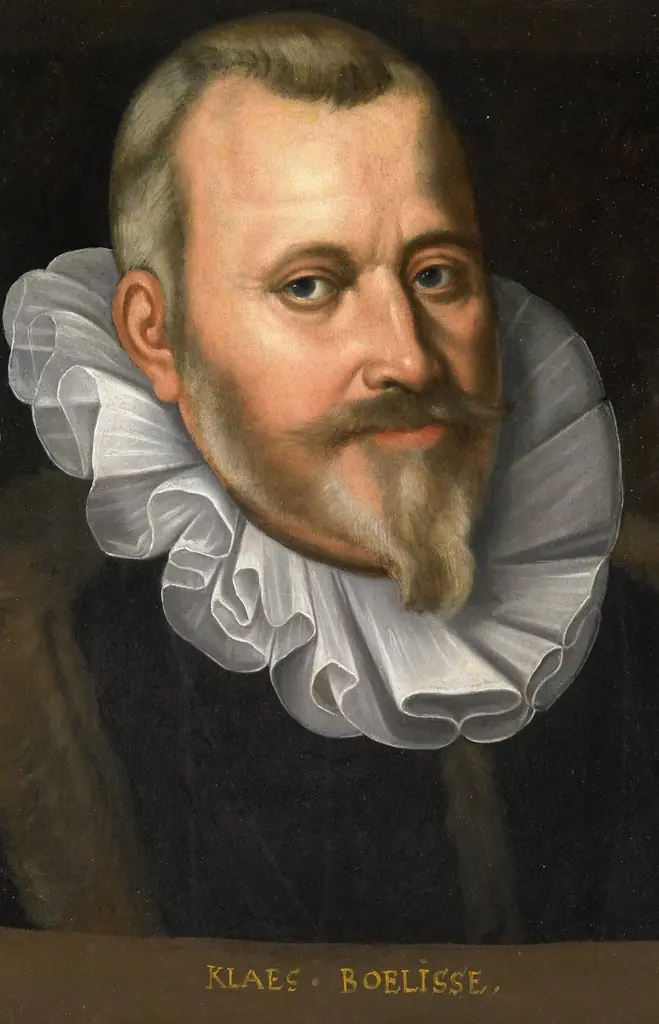 Portrait of Claes Allertsz Boelens (1550-1615)
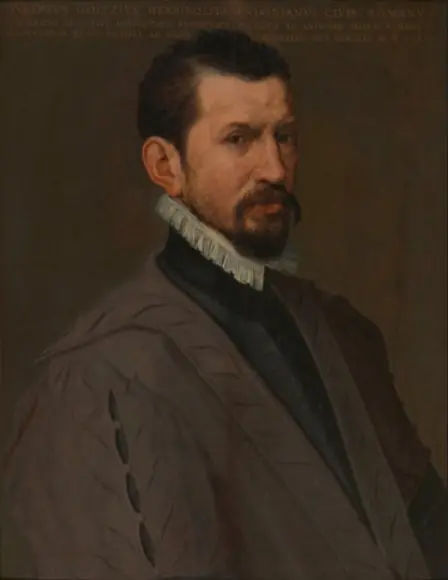 Portrait of Hubert Goltzius
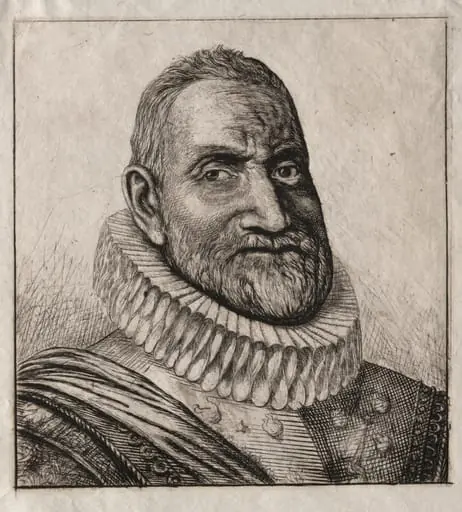 Theodore Agrippa d'Aubigné
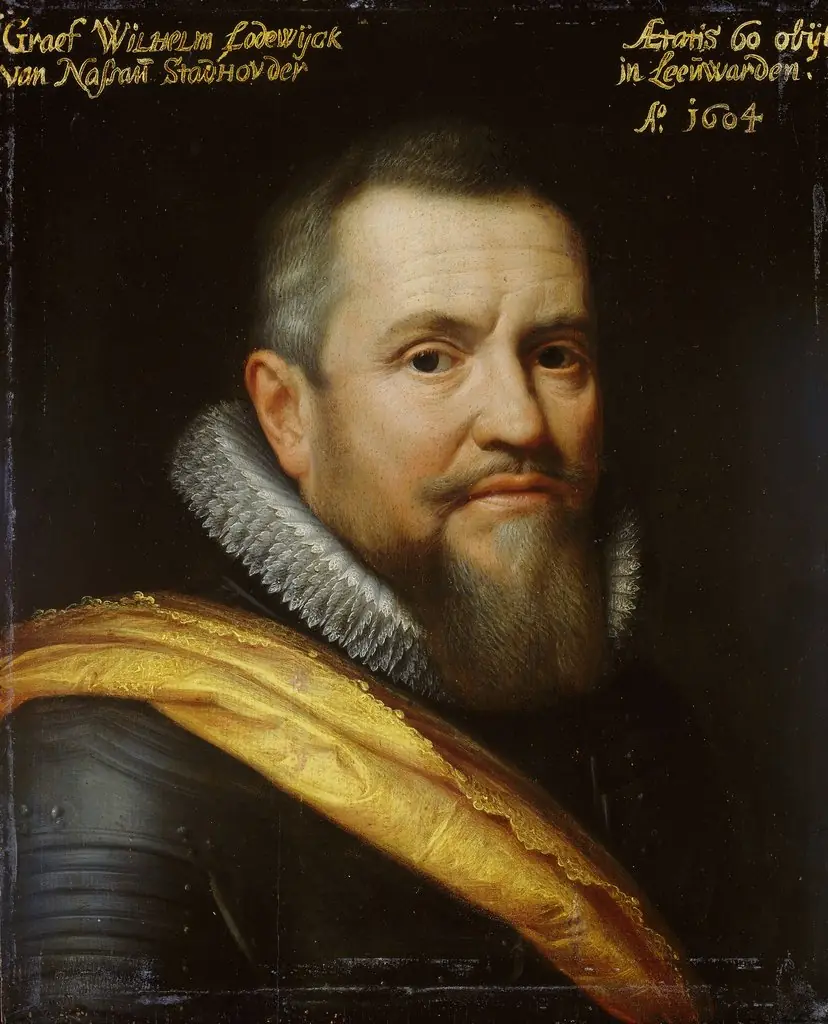 Portrait of Willem Lodewijk (1560-1620), Count of Nassau, nicknamed in Frisian 'us heit' (our father)
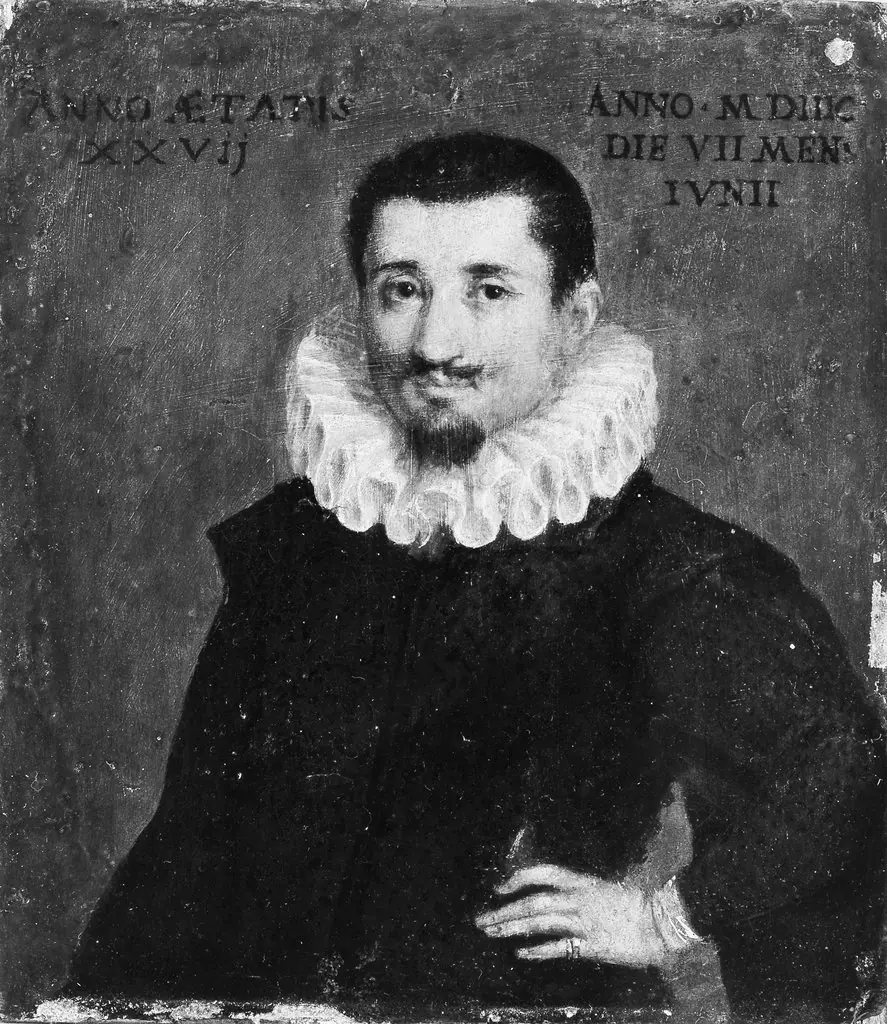 Portrait of a Man
 Portrait of a gentleman
 Portrait of Rodrigo Vázquez de Arce