Artwork
Gemma Tiberiana, or The Apotheosis of Germanicus
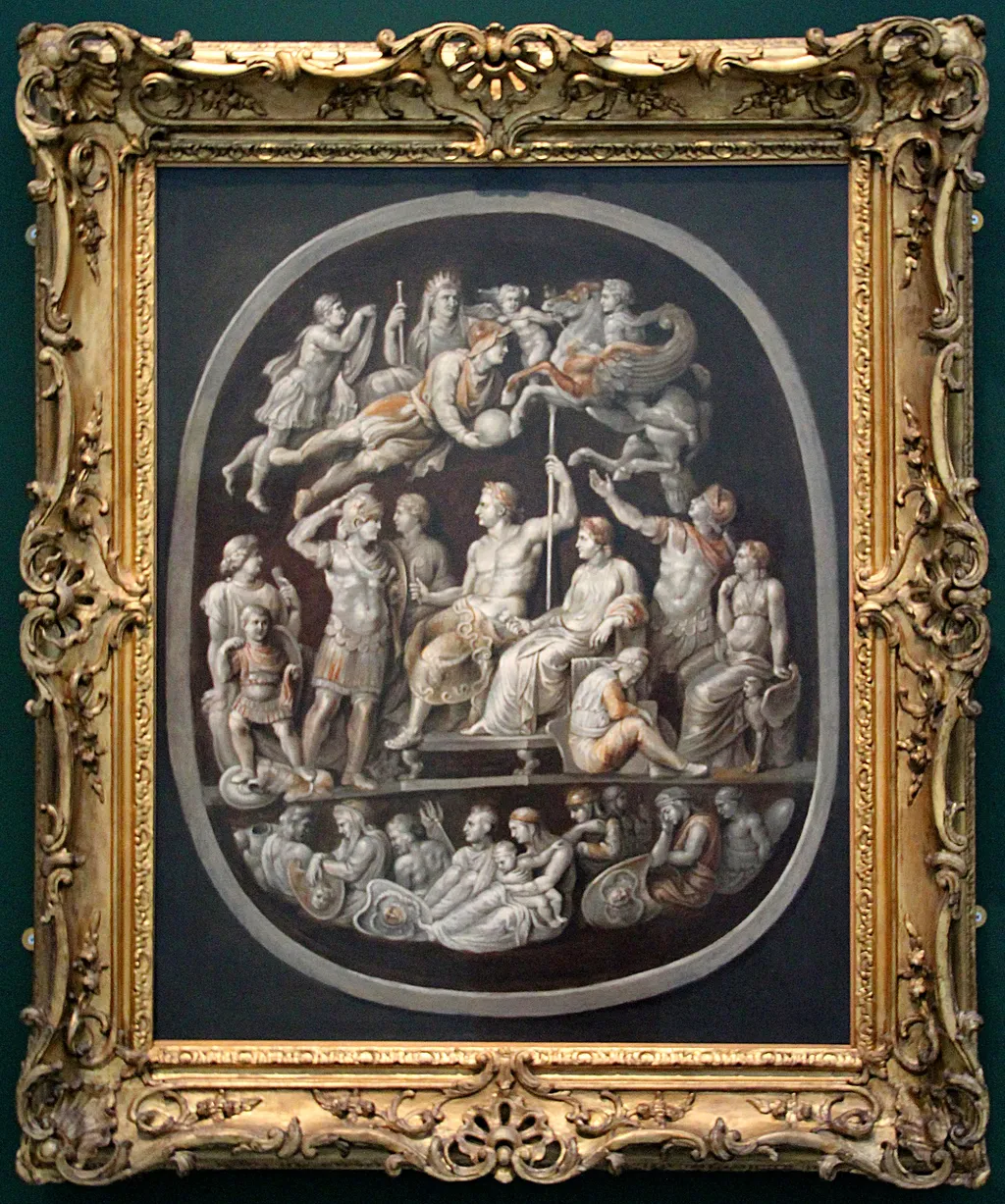
Gemma Tiberiana, or The Apotheosis of Germanicus is an oil painting by the Flemish Baroque painting artist Peter Paul Rubens. It dates from 1625 and is held in the collection of the Ashmolean Museum.
About this work
Overview
Created in 1625 by the Flemish painter and diplomat Peter Paul Rubens, this oil painting presents a large, ornate oval composition framed in gold. The work is part of the Ashmolean Museum’s collection and exemplifies the Baroque interest in dramatic narrative scenes drawn from historical and mythological sources.
Subject & Meaning
The central figure is the Roman general Germanicus, seated on a throne-like chair and grasping a spear, surrounded by a retinue that includes a crowned woman and a lyre‑player. The arrangement suggests an apotheosis, elevating the deceased hero to a divine status through allegorical and mythic symbolism.
Technique & Style
Rubens employs the vigorous dynamism typical of Flemish Baroque, using a circular layout that guides the eye around the gathering of figures. A dark background heightens the contrast of the predominantly white drapery, while touches of brown and orange add warmth. The painting showcases intricate folds, expressive faces, and a chiaroscuro that emphasizes movement and depth.
History & Provenance
The canvas was executed during Rubens’s mature period, when his diplomatic career also informed his access to classical texts and patronage networks. After remaining in private hands for centuries, the painting entered the Ashmolean Museum, where it is displayed as a representative example of Rubens’s large‑scale history paintings.
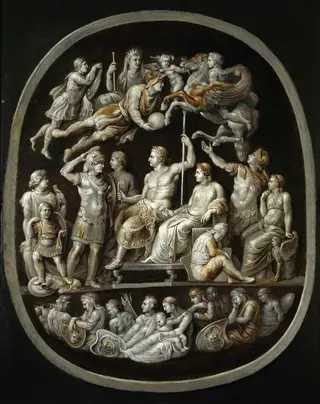
Own this work as a print
Artist & collection
Artist
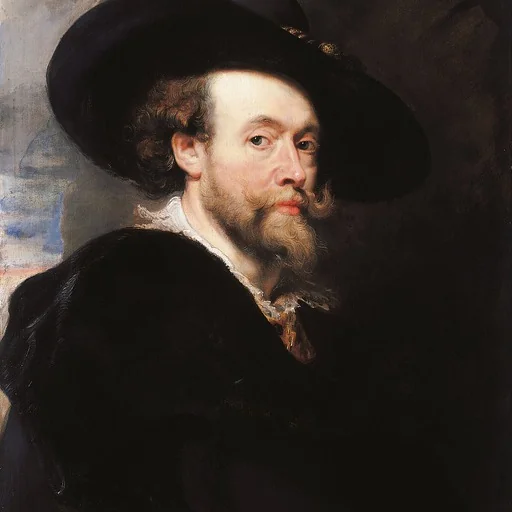
Sir Peter Paul Rubens ( ROO-bənz; Dutch:; 28 June 1577 – 30 May 1640) was a Flemish artist and diplomat.

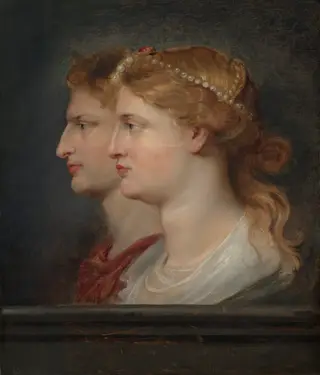
 Sketch for a Ceiling Design
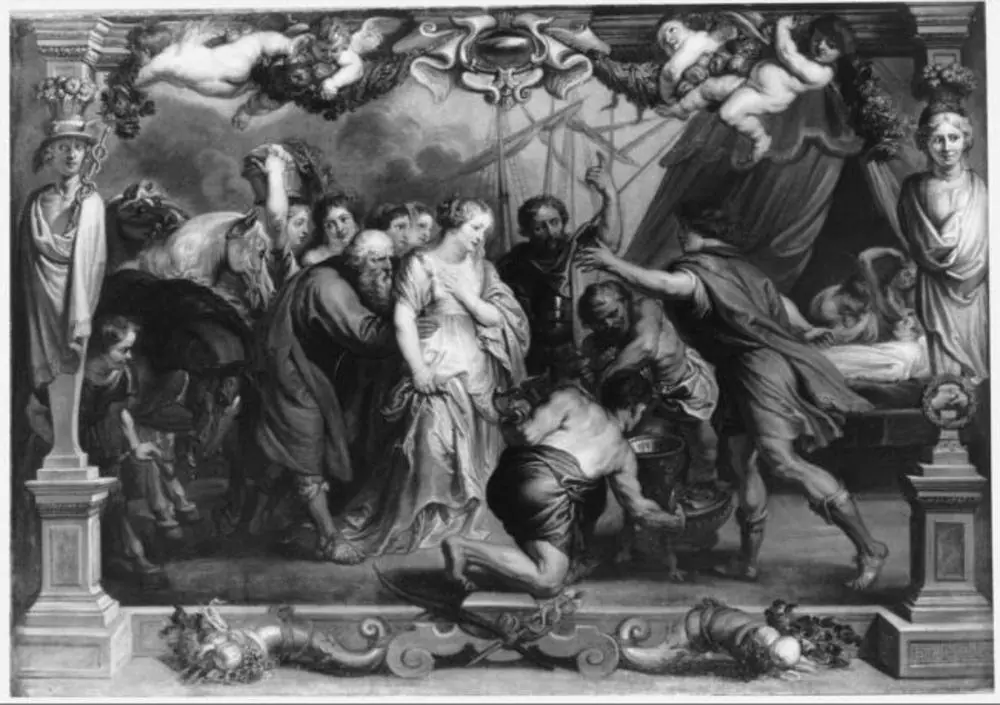 Briseis Returning to Achilles
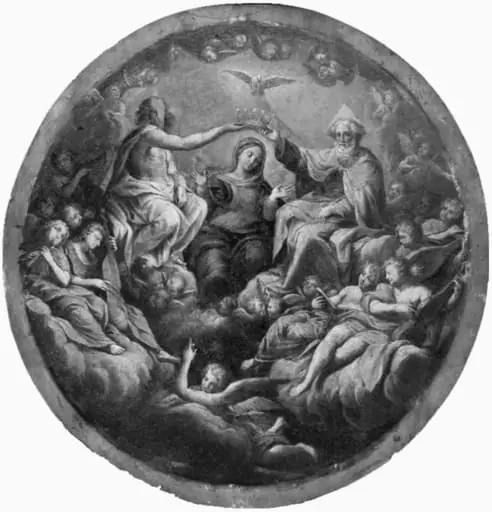 The Coronation of the Virgin
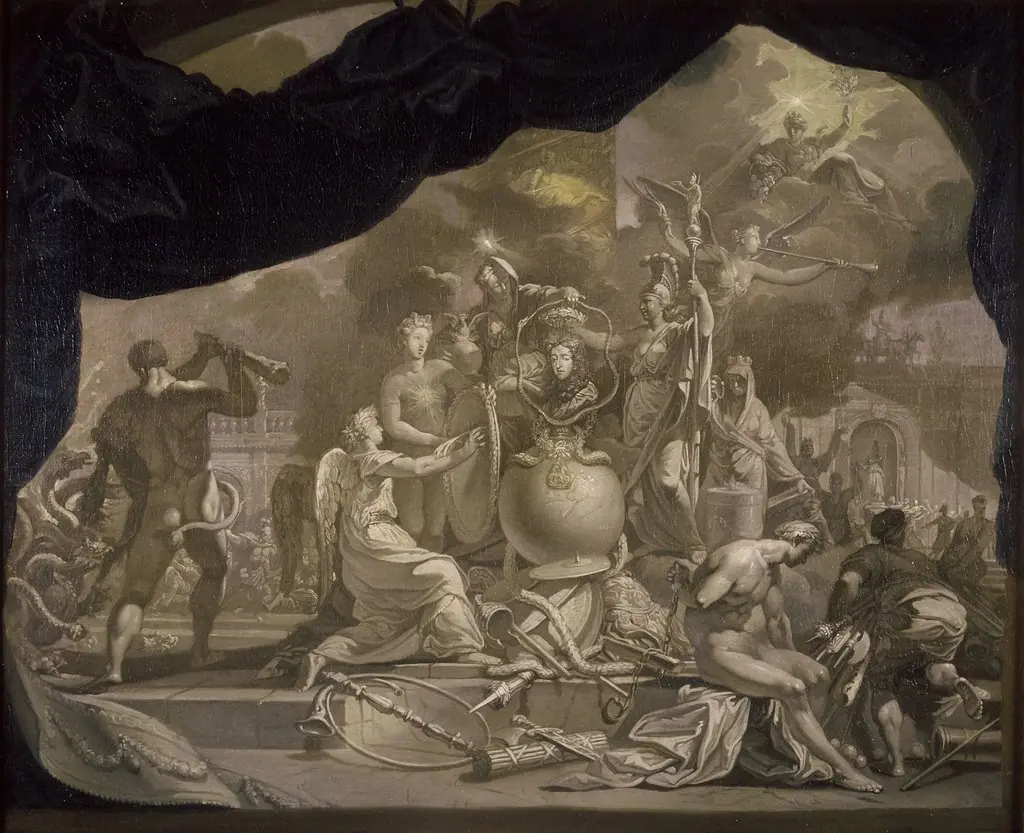 The Glorification of Stadholder-King William III (1650-1702)
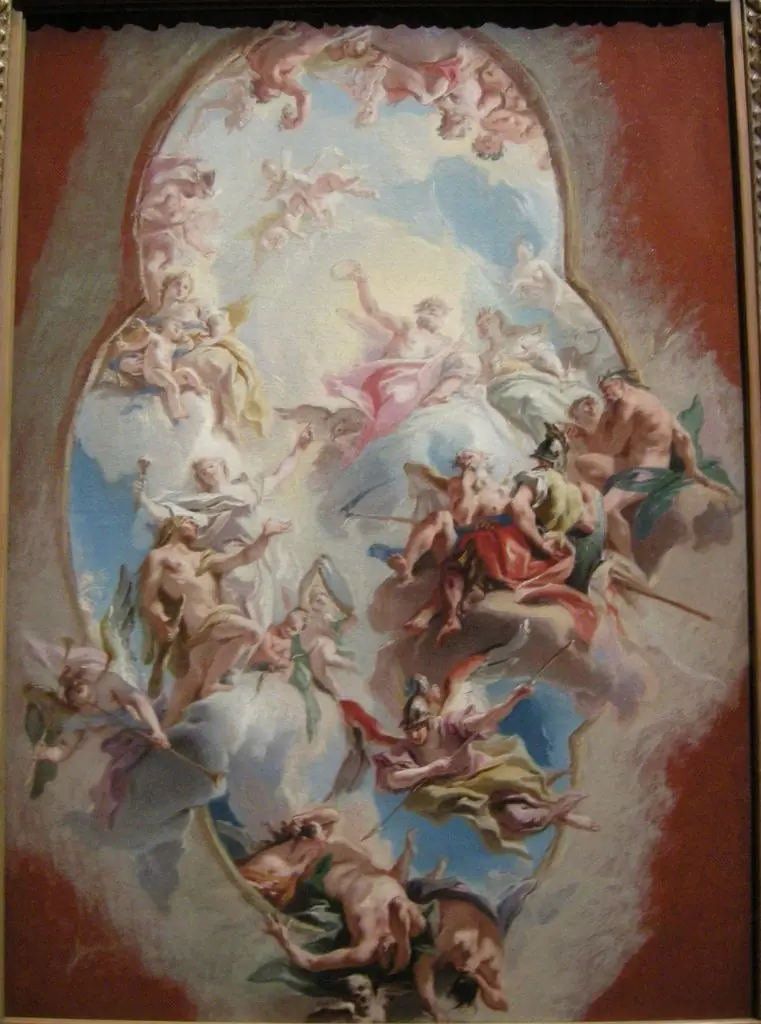 Hercules led by knowledge to immortality
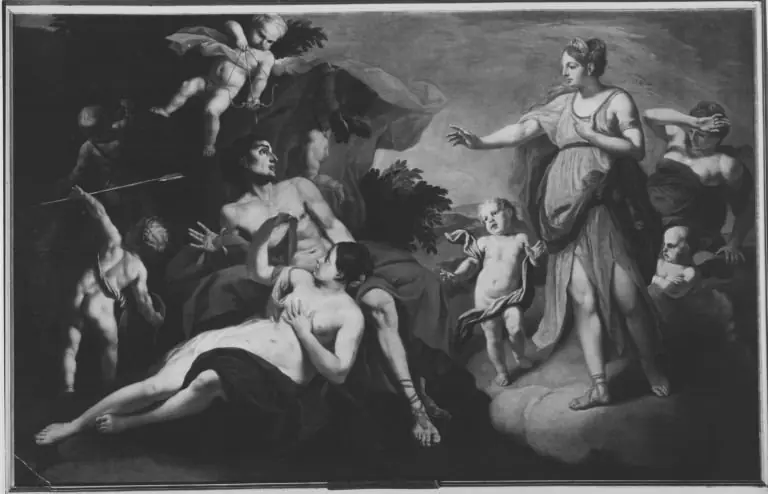 Fehltritt der Kallisto
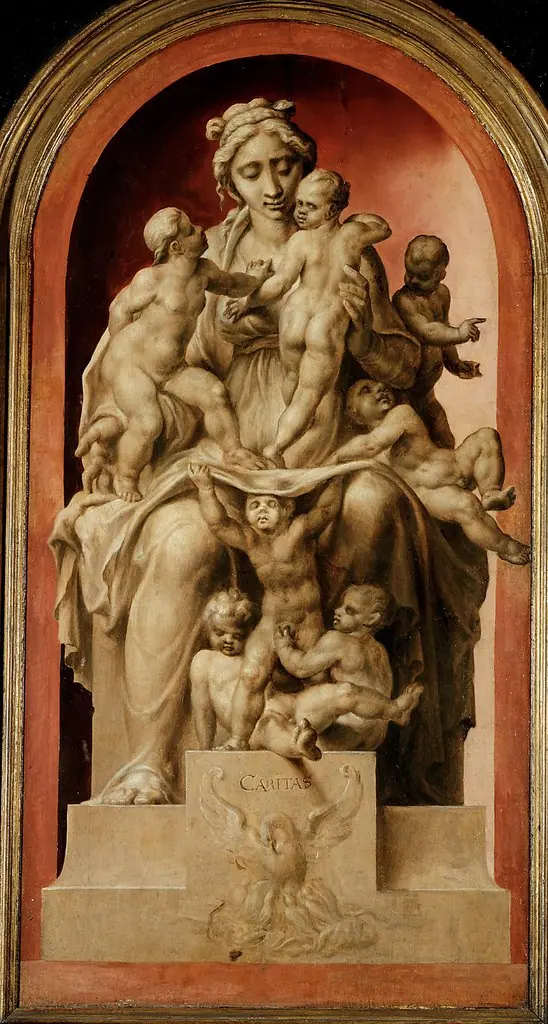 Charity
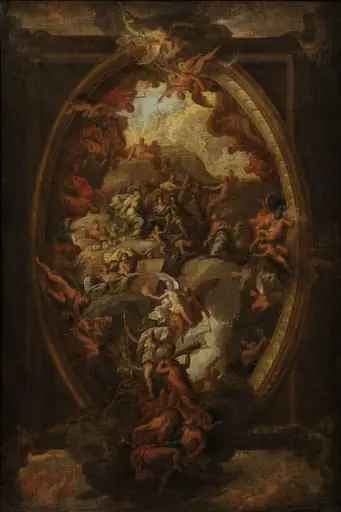 William and Mary Presenting the Cap of Liberty to Europe (sketch for the painted ceiling of the Great Hall, Greenwich Hospital)
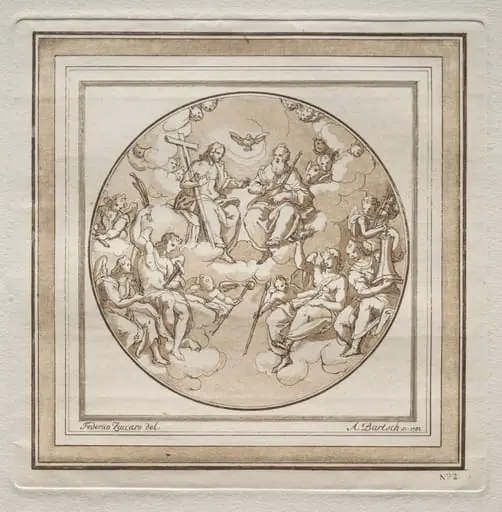 The Trinity
 Jüngstes Gericht (Kopie nach)