Artwork
The 'Apotheosis of Germanicus': Copy after an antique Cameo (The 'Gemma Tiberiana')
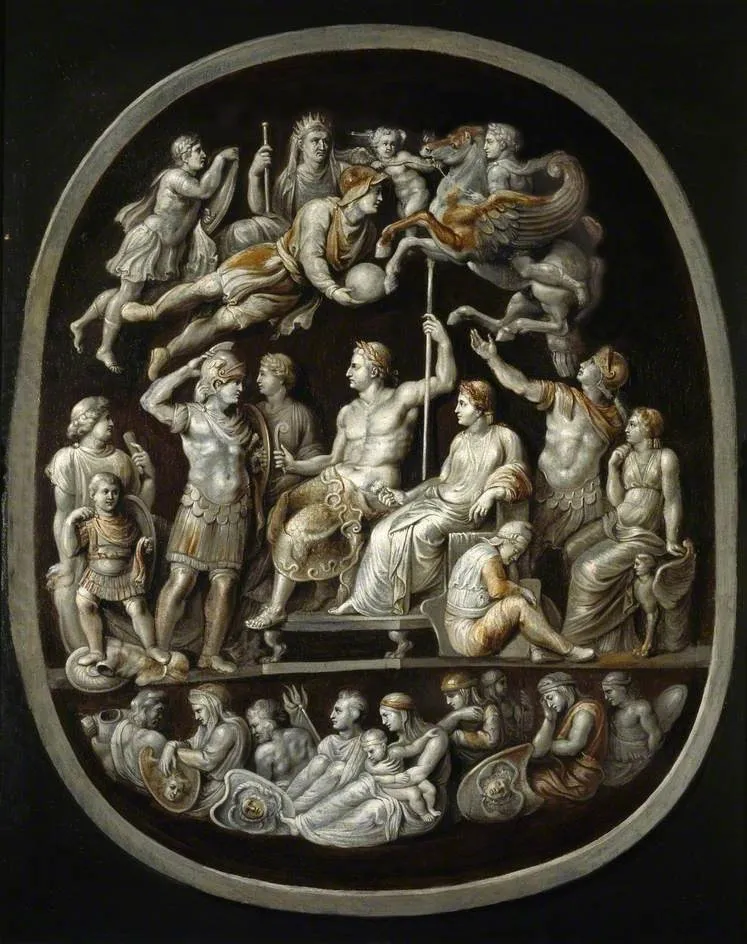
The 'Apotheosis of Germanicus': Copy after an antique Cameo (The 'Gemma Tiberiana') is an oil painting by the Flemish Baroque painting artist Peter Paul Rubens. It dates from 1626 and is held in the collection of the Ashmolean Museum.
About this work
Overview
The 'Apotheosis of Germanicus': Copy after an antique Cameo (The 'Gemma Tiberiana') is an oil painting created by Peter Paul Rubens in 1626. It is a reproduction of an ancient cameo, now housed in the Ashmolean Museum.
Subject & Meaning
The painting depicts the apotheosis (deification) of Germanicus, a Roman general and statesman. The scene, derived from the 'Gemma Tiberiana' cameo, features Germanicus seated on a throne surrounded by various figures, including those in flight, and mythological elements such as a winged horse. The composition reflects Rubens' interest in classical history and mythology.
Technique & Style
Executed in oil paint, the work embodies Baroque characteristics: dynamic movement, rich color palette (notably earth tones with golden accents), and intricate detail. The complex arrangement of figures in varied postures (standing, sitting, flying) showcases Rubens' mastery of dramatic composition.
History & Provenance
Painted in 1626, the work demonstrates Rubens' engagement with classical motifs during the Flemish Baroque period. Originally based on the 'Gemma Tiberiana' cameo, its creation highlights the era's fascination with antiquity. The painting is currently part of the Ashmolean Museum's collection.
Context
Created amidst the Counter-Reformation, the piece aligns with the Baroque movement's emphasis on emotive and visually striking artworks. Rubens' adaptation of an ancient cameo into a vibrant oil painting reflects the period's blend of classical influence and religious revival.
Legacy
While specific lasting impacts of this particular work are not widely documented, it contributes to Rubens' broader legacy of popularizing Baroque styles and themes rooted in classical antiquity. Its detailed, dynamic approach to historical subjects influenced subsequent artistic interpretations of mythological and allegorical themes.
Artist & collection
Artist
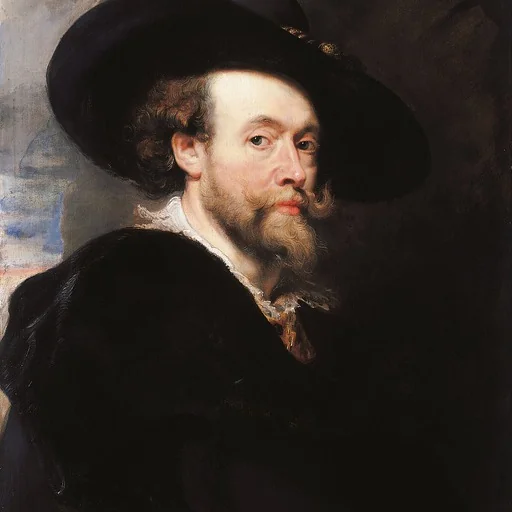
Sir Peter Paul Rubens ( ROO-bənz; Dutch:; 28 June 1577 – 30 May 1640) was a Flemish artist and diplomat.

 Rome from the Throne
 The Prima Macchina for the Chinea of 1738: Allegory of Regal Providence
 Martyrdom of Saint Lawrence
 Sketch for a Ceiling Design
 The Genius of Salvator Rosa
 The Holy Angels Protecting a Hermit from Evils
 Rome Wearing the Crown
 The Glorification of Stadholder-King William III (1650-1702)
 The Sacrifice of Iphigenia
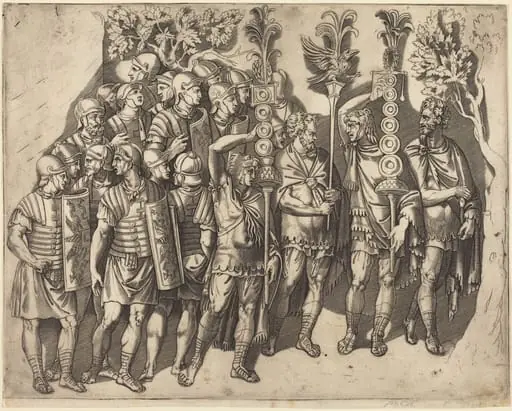 A Roman Legion