Artwork
Diana and Her Nymphs Departing for the Hunt
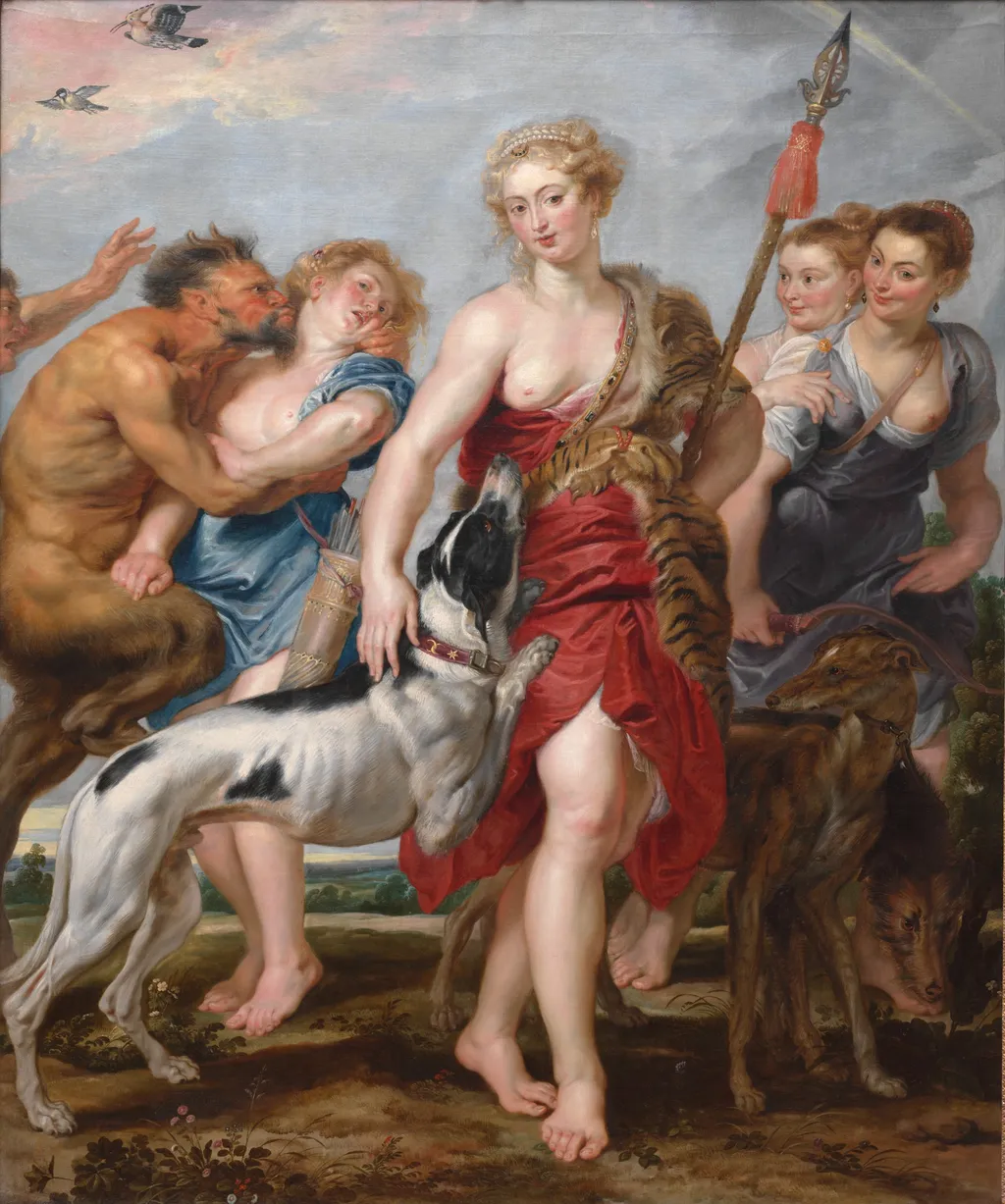
Diana and Her Nymphs Departing for the Hunt is an oil painting by the Flemish Baroque painting artist Peter Paul Rubens. It dates from 1615 and is held in the collection of the Cleveland Museum of Art.
About this work
Subject & Meaning
The inclusion of Isabella Brant, Rubens’s first wife, among the nymphs may personalize the scene within the artist’s domestic context.
The painting depicts Diana, the Roman goddess of the hunt, accompanied by her nymphs as they prepare to depart for a hunt. Rubens portrays Diana centrally, identifiable by her crescent moon diadem and quiver, while her nymphs assist in adjusting their hunting attire or handling hounds. A satyr appears in the background, adding a playful, rustic element to the scene.
The composition emphasizes movement and preparation, with dynamic poses and flowing drapery suggesting imminent action. The work likely reflects the Baroque fascination with classical mythology as a vehicle for depicting idealized beauty, nature, and the harmony between humans and the natural world. The inclusion of Isabella Brant, Rubens’s first wife, among the nymphs may personalize the scene within the artist’s domestic context.
Technique & Style
The painting is executed in oil on canvas, a medium typical of Rubens’s Antwerp practice in the 1610s. The handling is rapid yet controlled, with layered, translucent glazes over a warm imprimatura that animates the flesh and drapery. Brushwork varies from delicate scumbling in the foliage to bold, sweeping strokes in the drapery and landscape recession, emphasizing volumetric form through tonal modulation rather than linear definition.
Stylistically, the composition aligns with Rubens’s early Baroque idiom: dynamic diagonals guide the viewer’s eye across the hunting retinue, while the robust, idealized nudes and Diana’s commanding stance reflect his engagement with Venetian and classical prototypes. The palette relies on earthy ochres and verdant greens, punctuated by flashes of crimson and ivory, creating a vibrant yet harmonious effect.
History & Provenance
Painted circa 1615, the work was commissioned by Thomas Baring and remained in his collection until at least 1890. By 1929 it had passed to Alphonse James de Rothschild in Paris. After the German occupation of France, the painting was seized by Nazi forces and transferred to the Munich Central Collecting Point via the Hermann Göring Collection.
It was restituted post-war and entered the Cleveland Museum of Art in 1959 as part of the Northbrook collection.
Overview
Peter Paul Rubens's 'Diana and Her Nymphs Departing for the Hunt' (1615) is a dynamic oil painting that captures the Roman goddess of the hunt preparing to leave her woodland sanctuary. The composition centers on Diana, distinguished by her red garment and bare feet, as she steps confidently onto a dog while holding its leash, signaling the start of the expedition. She is surrounded by her nymphs, depicted in various states of dress and undress, some clad in blue tunics while others are nude, reflecting the classical tradition of the hunt.
A male figure, likely a hunter or attendant, leans against a tree with a bow and arrows, while other nymphs carry spears and a torch, emphasizing the group's readiness. Set within a dense forest clearing with birds in flight, the work exemplifies Rubens's mastery of the Flemish Baroque style, characterized by vigorous movement, rich coloration, and a synthesis of mythological narrative with naturalistic detail. Created during the height of Rubens's early career in Antwerp, the painting demonstrates his ability to animate classical subjects with a sense of immediacy and physical vitality, establishing his reputation as a leading interpreter of mythological themes in Northern European art.
Own this work as a print
Artist & collection
Artist
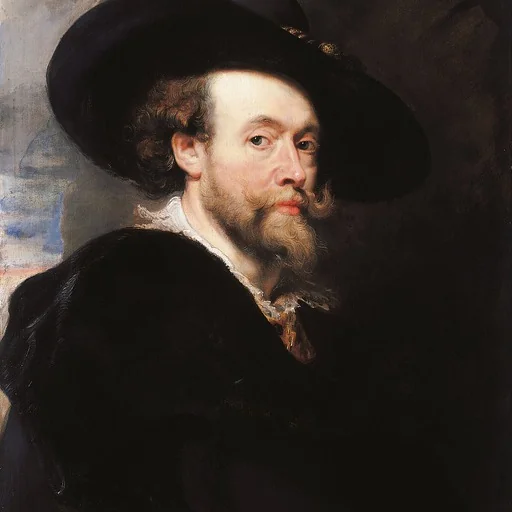
Sir Peter Paul Rubens ( ROO-bənz; Dutch:; 28 June 1577 – 30 May 1640) was a Flemish artist and diplomat.

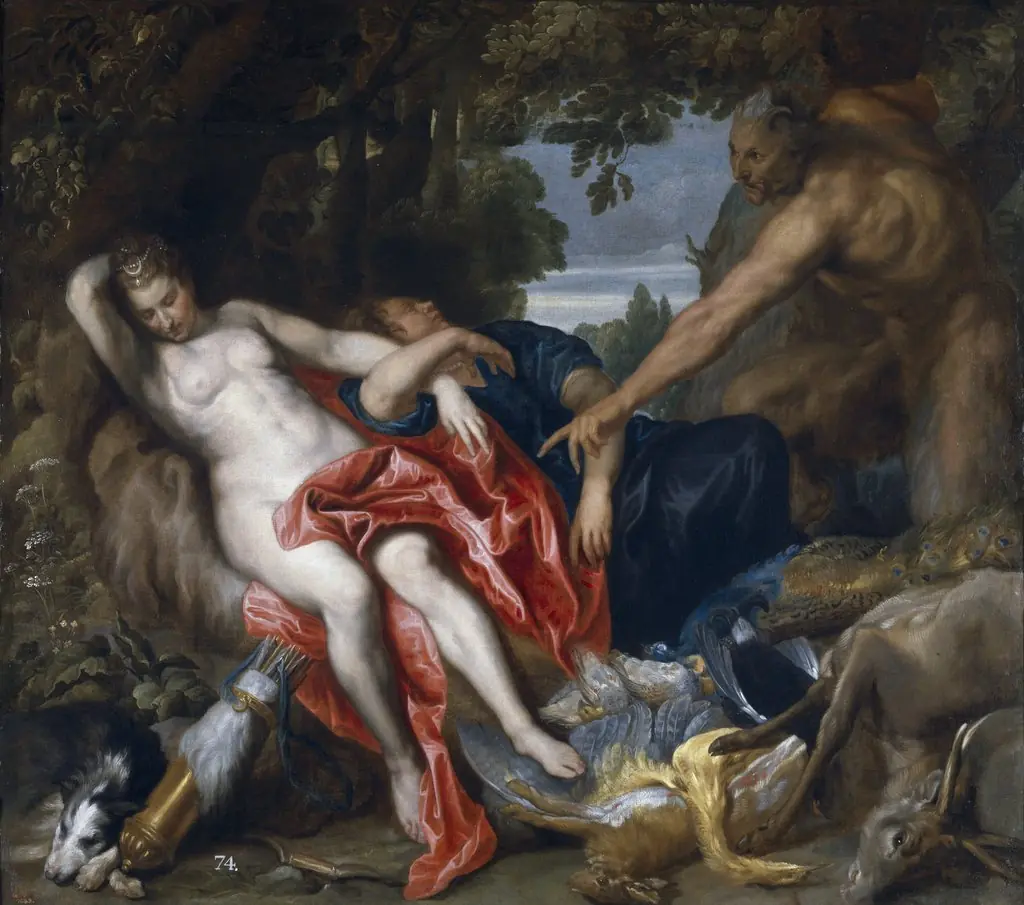 Diana and a Nymph Surprised by a Satyr
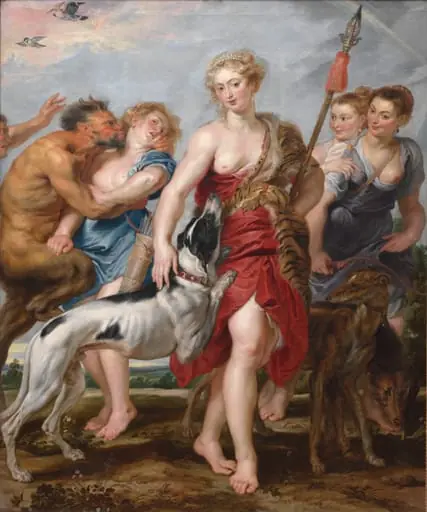 Diana and Her Nymphs Departing for the Hunt
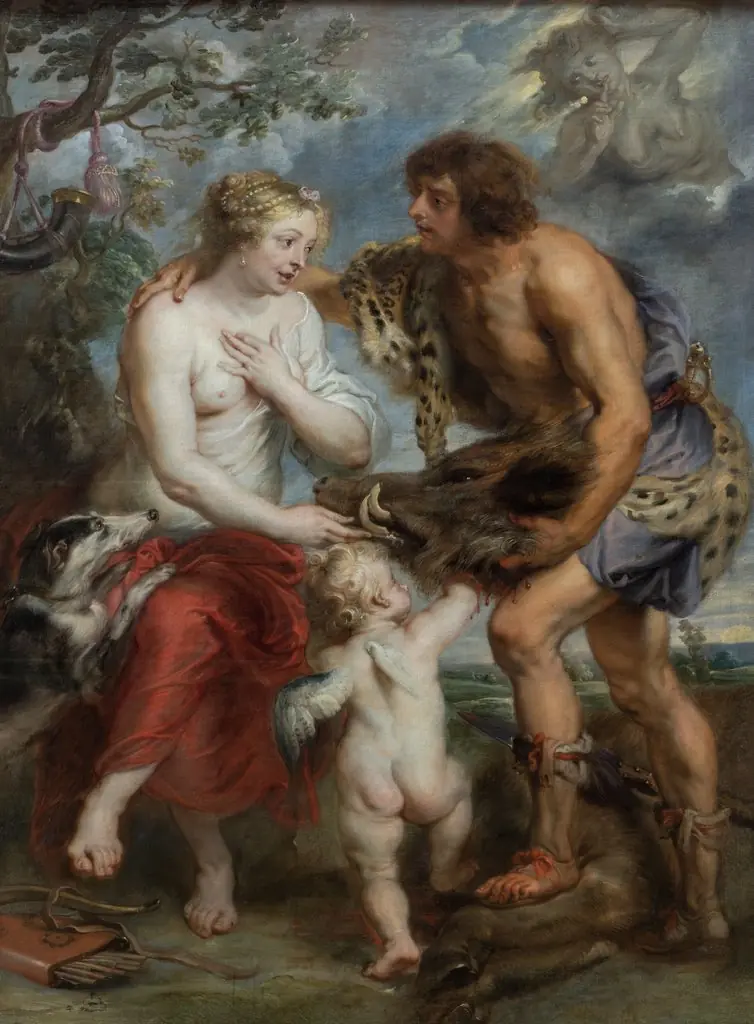 Meleager presents the head of the Calydonian boar to Atalanta
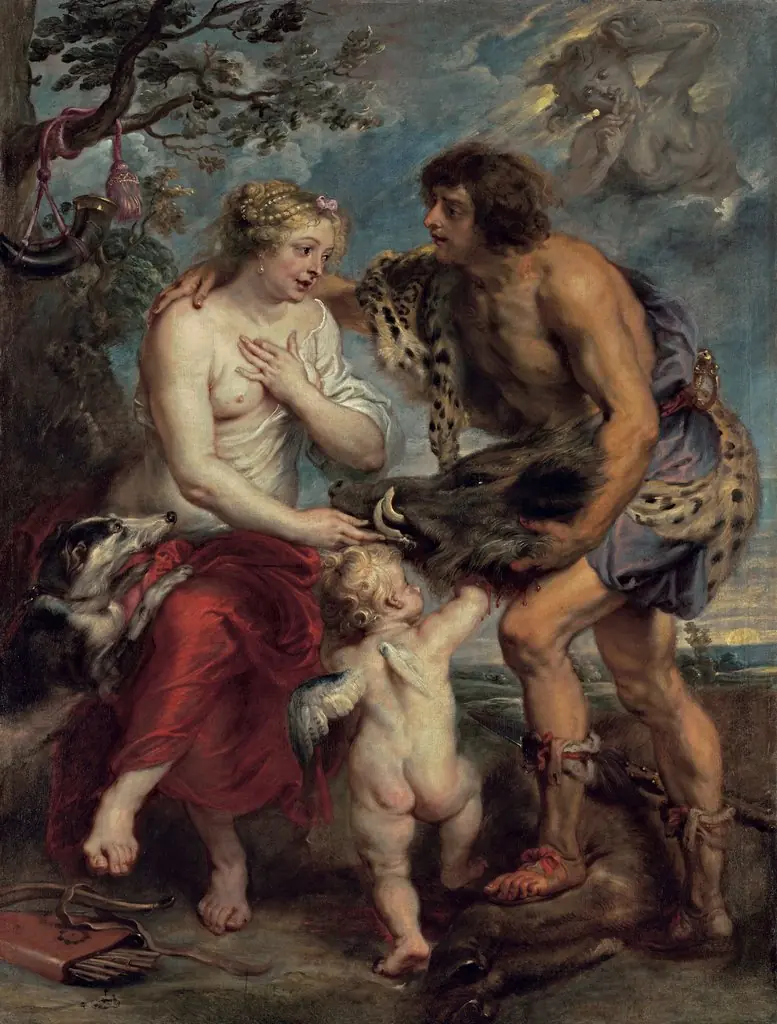 Meleager and Atalante
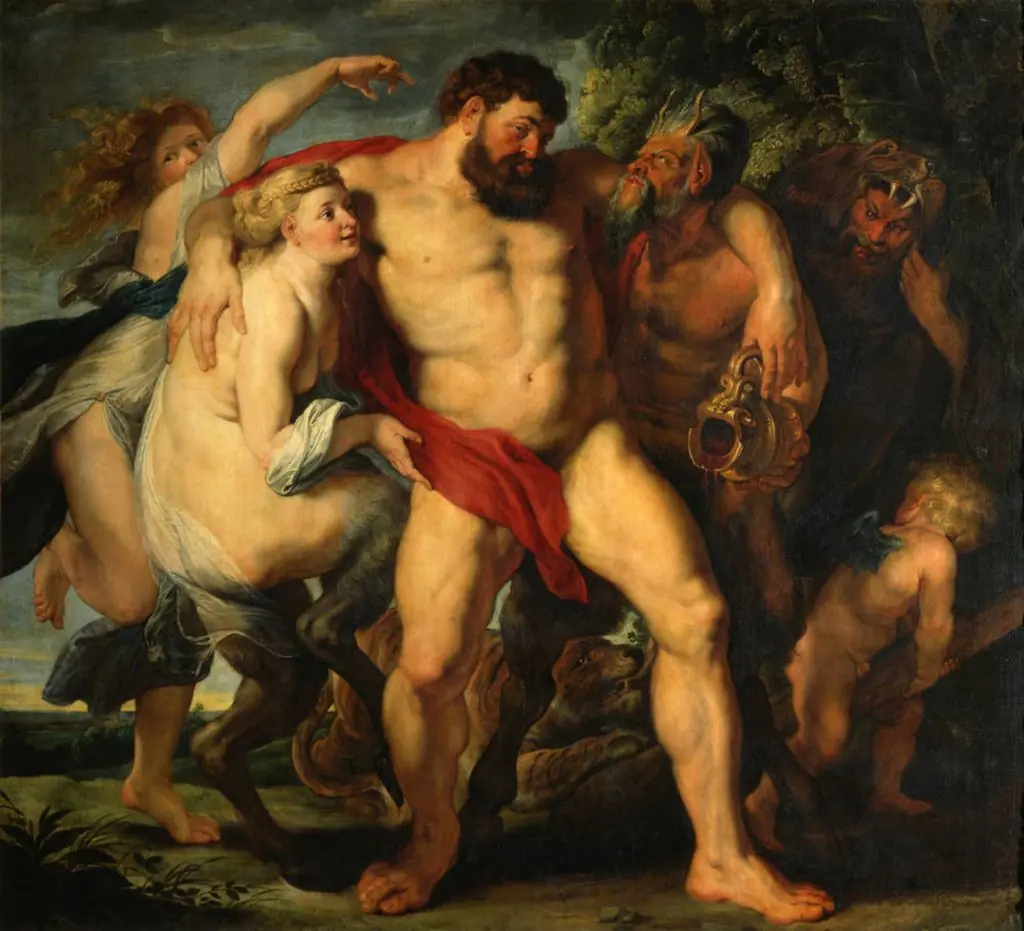 The Drunken Hercules being Led by a Satyr Couple
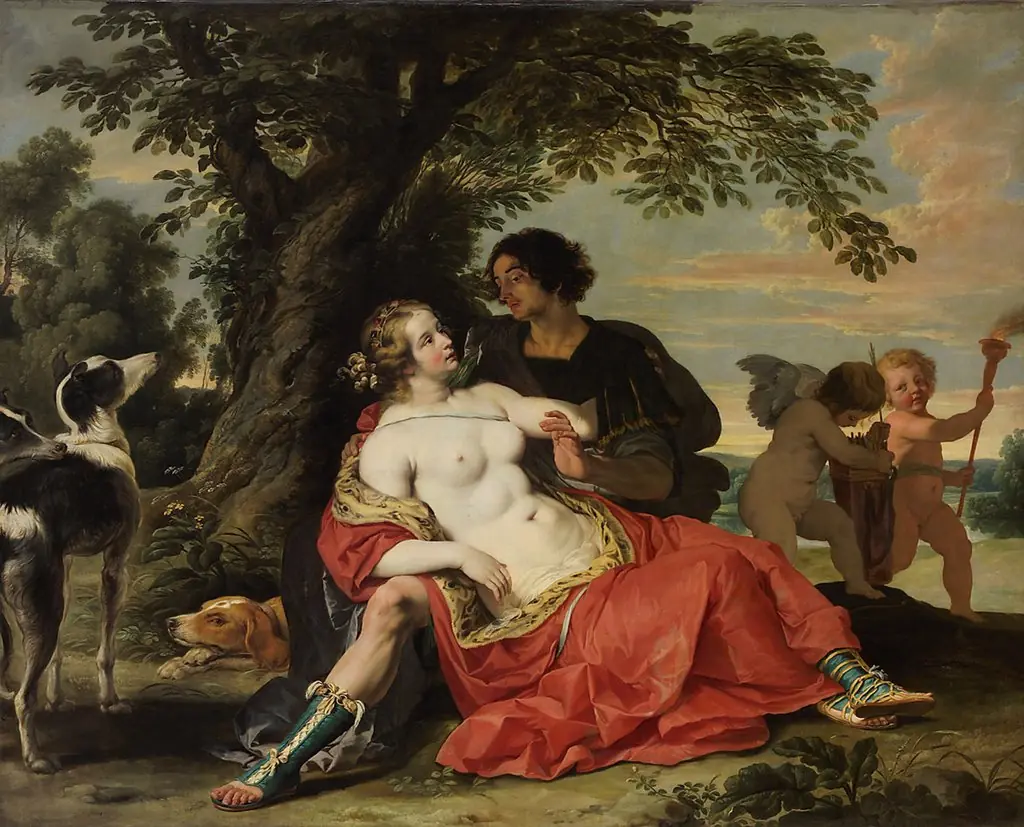 Venus   and  Adonis
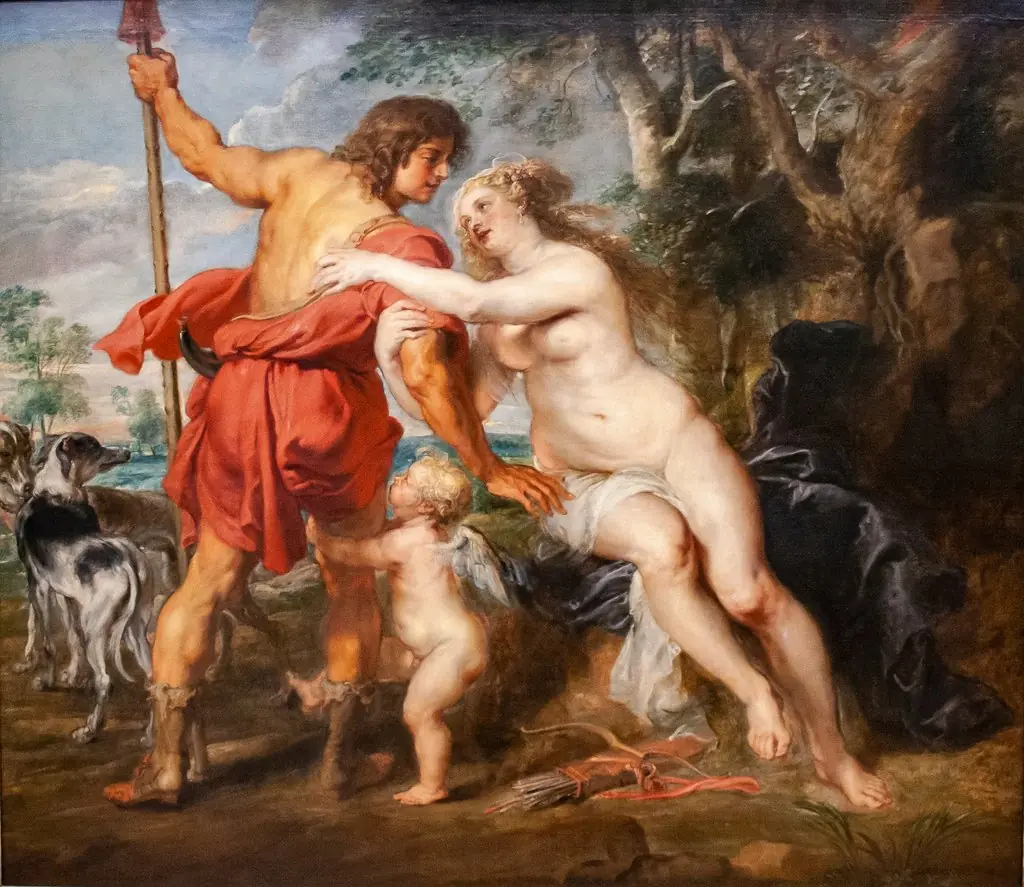 Venus and Adonis
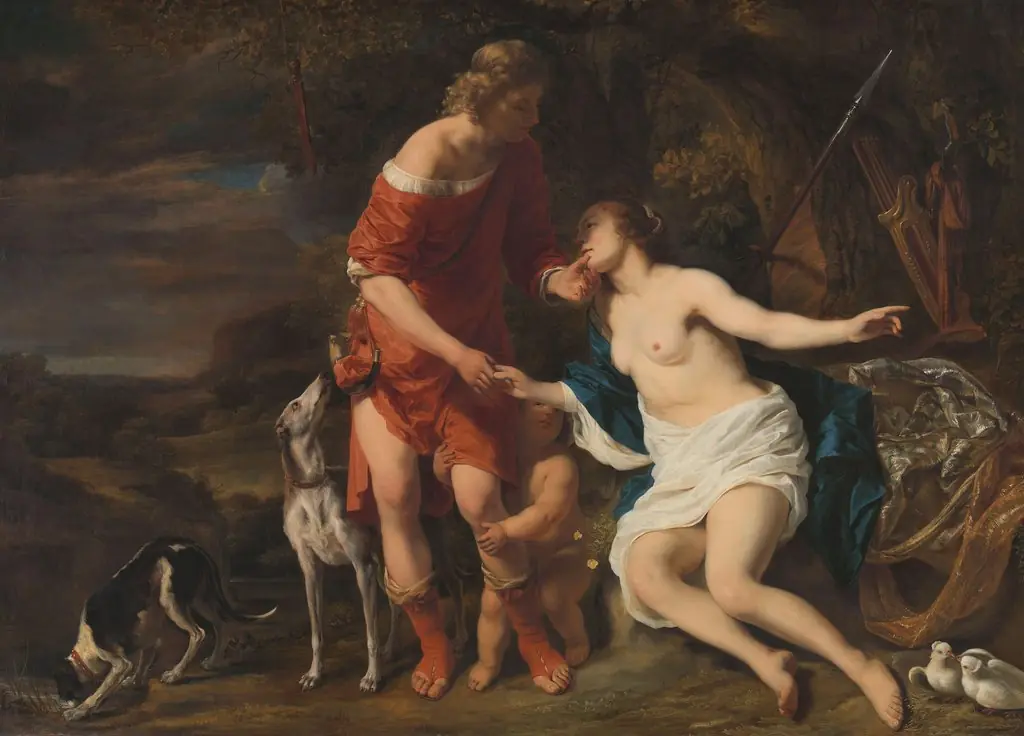 Venus and Adonis
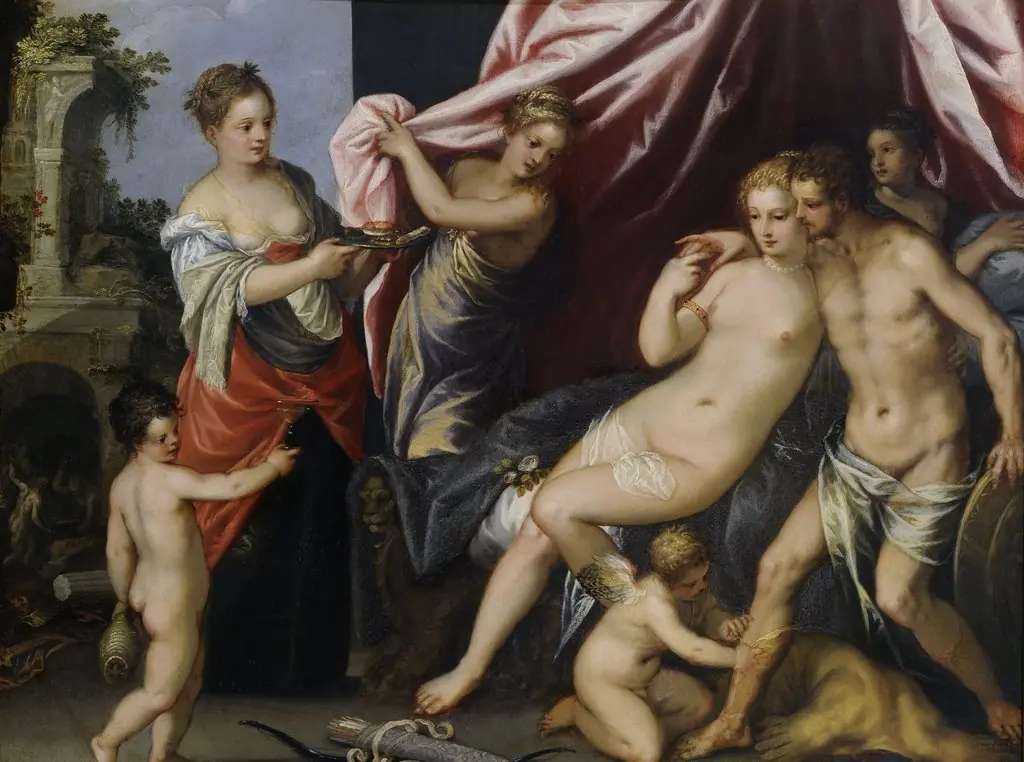 Venus and Mars
 The Triumph of Truth